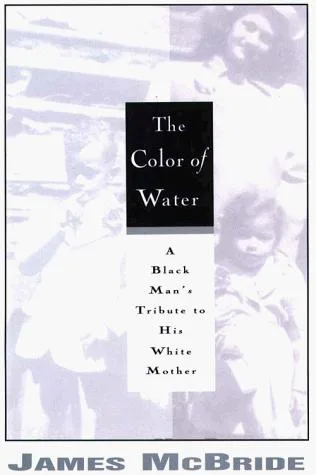
The color of water (1996)
The color of water is a 1996 mulattoes book written by James McBride.
James McBride grew up one of twelve children in the Red Hook housing projects of Brooklyn, raised by a mother who founded a Baptist church in her living room and refused to say she was white. Ruth was the daughter of an Orthodox rabbi in rural Virginia, and she buried that past so completely that her son reached adulthood before he learned it. McBride braids two voices here: his own memories of a chaotic, faith-driven childhood, and Ruth's account of running from the South to Harlem. The result is a warm, searching book about race, family, and the mother who held both together.
Similar books
Explore The color of water guides
A few thoughts on The color of water
For the same current of a parent willing everything for a child's future, try The Pursuit of Happyness, where a father's grit carries a son through homelessness in San Francisco. Ruth's refusal to let poverty decide her children's education gives the two stories a shared spine, even if James McBride's canvas is a whole Brooklyn family rather than one pair.
Real memoirs about willing your way out of a hard start
James McBride's mother raised twelve children on faith and sheer stubbornness, and these true stories share that same refusal to accept where they started. The Pursuit of Happyness follows a father clawing his way out of homelessness, Just Kids traces Patti Smith's broke, hungry years before she became somebody, and Frederick Douglass's narrative and Natan Sharansky's Fear No Evil both turn survival itself into an act of defiance.
Hiding who you really are just to survive or get ahead
Ruth McBride buried her Jewish, Southern past so completely her son didn't learn it until adulthood, and these stories all turn on that same kind of hidden self. Catch Me If You Can and Mad Men follow men who invent entirely new identities to get ahead, Refugee follows a Jewish family fleeing Nazi Germany under false papers, and Maus tells a father's Holocaust survival story through his son's eyes.