Warcraft: Orcs & Humans (1994)
Warcraft: Orcs & Humans is a 1994 real time strategy (rts) video game made by Blizzard Entertainment.
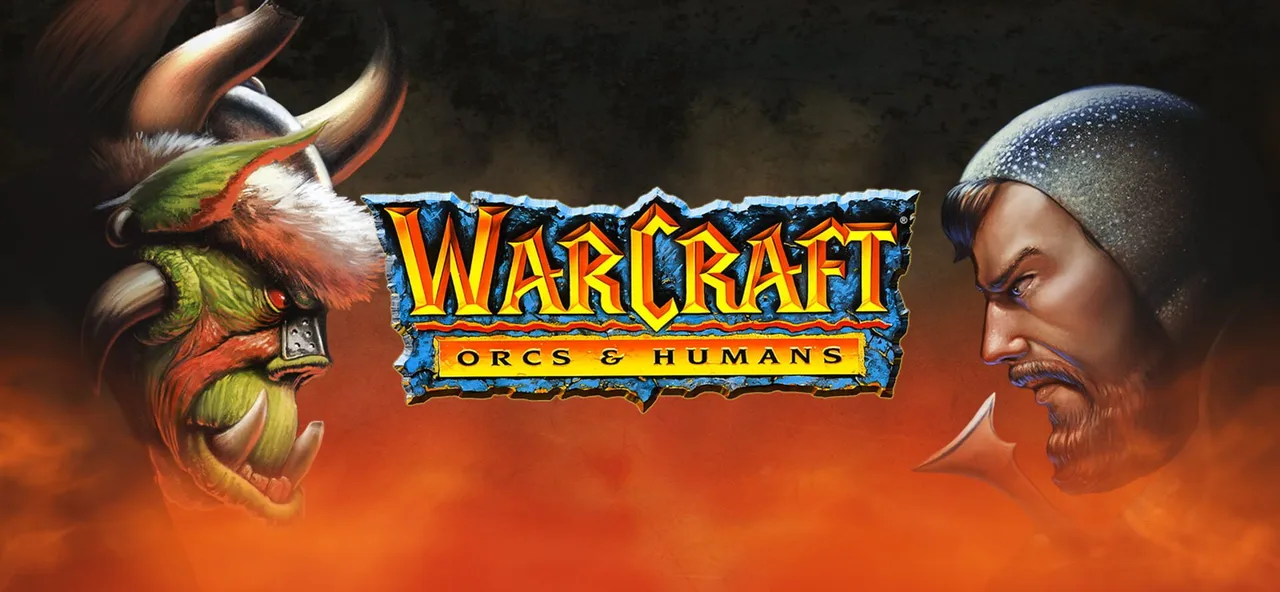
Orcs arrive through a dark portal into the human Kingdom of Azeroth, and war begins. Warcraft: Orcs & Humans gave players a choice of side in 1994, with 12 scenarios each for humans and orcs, all aimed at destroying the enemy before being destroyed. Blizzard Entertainment's real-time strategy debut established the core loop: gather resources, construct buildings, field an army, fight. The faction design made the two sides feel distinct rather than mirrored, and the lore introduced across these 24 missions seeded a universe that would expand into sequels, novels, a massively multiplayer game, and a film.
Similar games
Explore Warcraft: Orcs & Humans guides
Warcraft: Orcs & Humans in our writing
- Companion guide: Blizzard Entertainment: StarCraft, Diablo, Warcraft and the Art of Polish
- Companion guide: Interplay: By Gamers, For Gamers, and the Golden Age of the RPG
A few thoughts on Warcraft: Orcs & Humans
The 1994 conflict between humans and orcs is the foundation the Warcraft universe builds on. Warcraft brings the same war to the screen, placing Anduin Lothar and Gul'dan on opposite sides of the dark-portal threshold. Warcraft: Day of the Dragon digs into the lore of that era, following the mage Rhonin through a mission that shapes the world's early history in novelistic detail.
stories where a portal to another world means a war is coming
Orcs & Humans opens with a portal that never should have connected two worlds, and everything after is consequence. Stargate SG-1 built a decade of television on that same idea, Mortal Kombat and its sequel Mortal Kombat II turn realm-crossing into an actual tournament for the fate of Earth, and the Warcraft movie shows the very invasion this game started, from the human side of the front line.
RPGs where you have to pick a side in someone else's war
Orcs & Humans forces a choice before the first mission loads: fight for the Alliance or the Horde. Skyrim drops you into a civil war between Stormcloaks and the Empire, Assassin's Creed II puts you inside a centuries-old fight between Templars and Assassins, The Witcher 3 has you navigate a continent already carved up by Nilfgaard's war, and BioShock Infinite lets a floating city split itself in two around you.
music built on the scale of two armies about to collide
Building an army in Orcs & Humans always plays out bigger than the tiny sprites on screen suggest, and these records match that scale. Howard Shore's score for The Return of the King turns a final battle into something enormous, In the Court of the Crimson King and The Spectre Within reach for the same kind of grandeur through prog rock, and Judas Priest's Painkiller adds pure speed.
fantasy book series where the whole world stays at war
Two civilizations fight to the last mission in Orcs & Humans, and these series commit to war just as fully across thousands of pages. Warcraft: Day of the Dragon expands the same world into orc raiding parties and dragonflights, Brisingr and Wizard and Glass follow kingdoms shaped by campaigns that never quite end, and Gardens of the Moon opens on an empire's army mid-siege and rarely lets up.