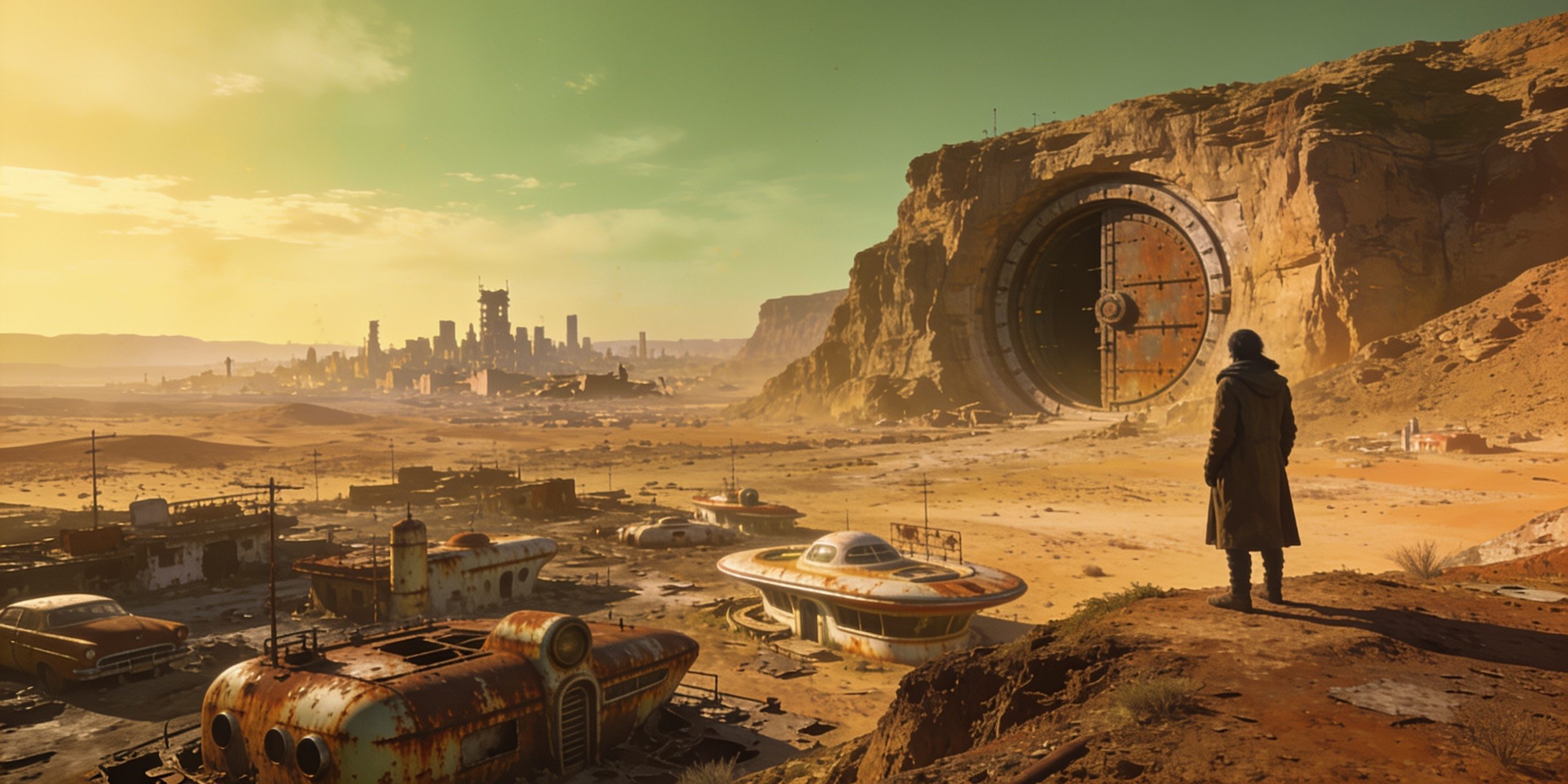

Interplay's motto was three words long and it meant them: By Gamers. For Gamers. Brian Fargo founded the company in 1983, and over the next two decades it did something no other publisher managed. Through its in-house RPG studio, Black Isle, and its partners at BioWare, Interplay put out the single greatest run of role-playing games the medium has ever seen: Fallout, Baldur's Gate, Planescape: Torment, Icewind Dale. If you love computer RPGs, you love a genre these people rebuilt.
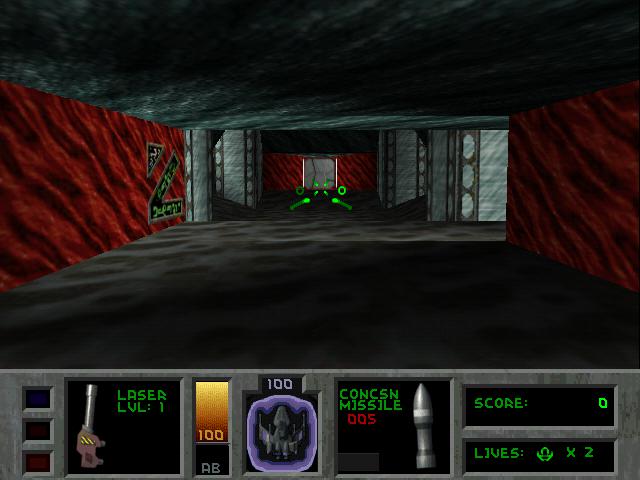
But Interplay was never only the RPG house. It shipped 6-degree shooters and space sims, an earthworm in a super-suit, demolition-derby carnage and the first game a small studio called Blizzard ever made. Here is the map.
The essential Interplay
Start here
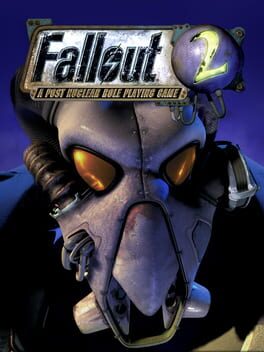
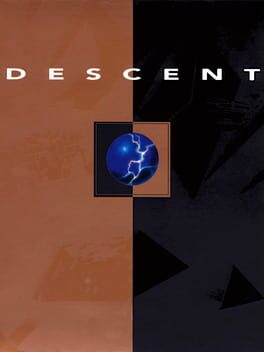
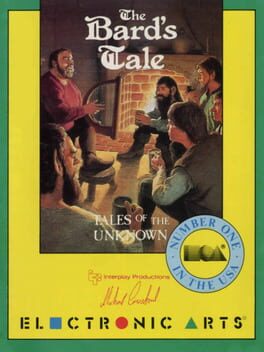
The golden age of the computer RPG
For a few years around the turn of the millennium, Interplay and its studios simply owned the role-playing game. Black Isle built Fallout, Planescape: Torment and Icewind Dale in-house. BioWare built Baldur's Gate on the Infinity Engine and Interplay published it. Between them they made the isometric, party-based, story-drenched RPG into an art form, and every studio chasing that feeling today, from Larian to Obsidian, is walking a road these games paved.
The Infinity Engine RPGs
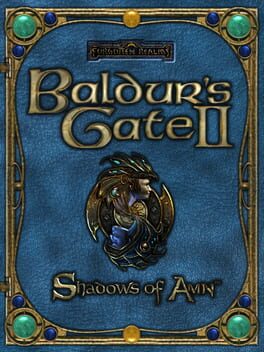
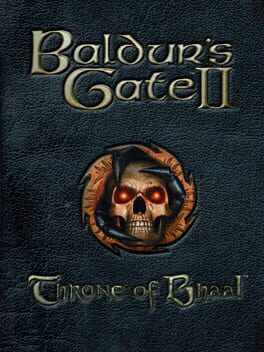
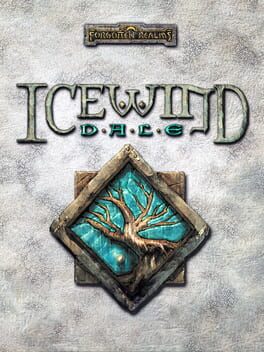
Baldur's Gate, Planescape, Icewind Dale
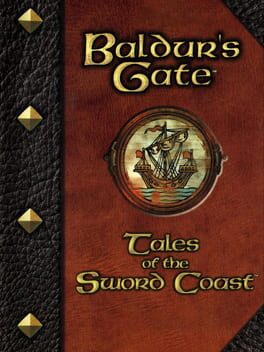


The Fallout wasteland
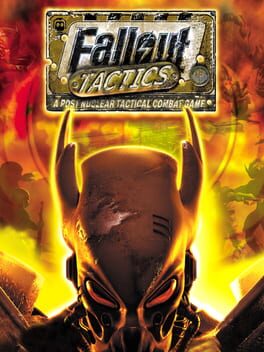
The apocalypse that actually let you play
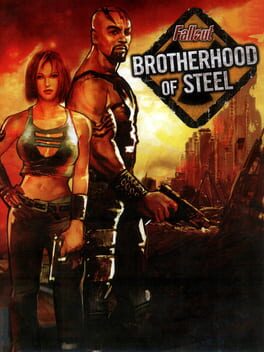
Fallout beyond the games
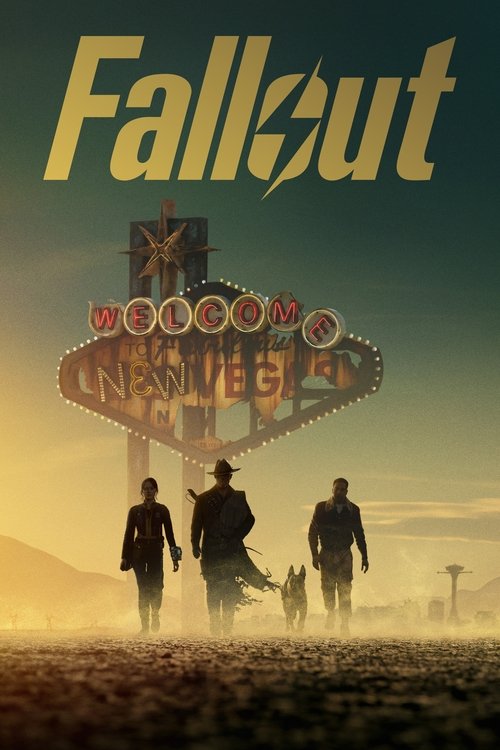
The wasteland on screen and in sound
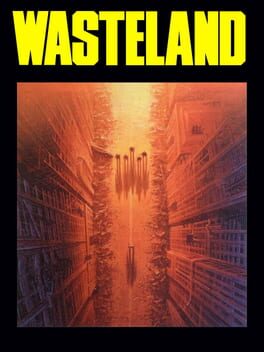
Where the RPG came from
The Bard's Tale, Wasteland and the classics

The house that published everything
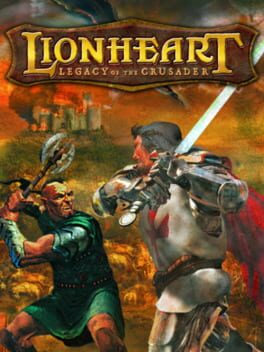
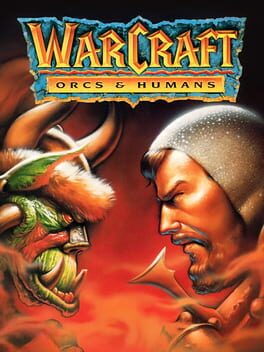
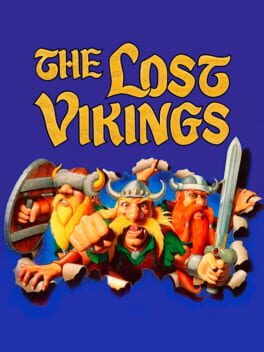
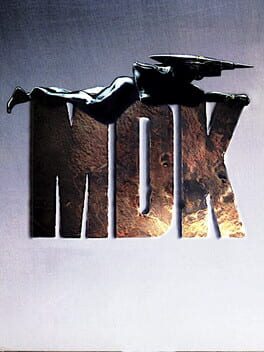
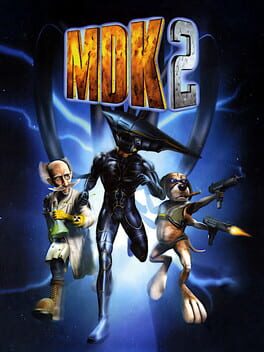
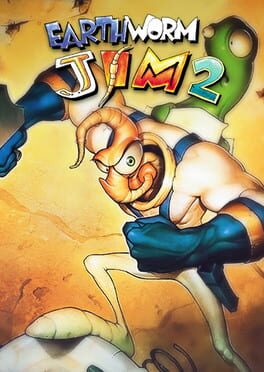
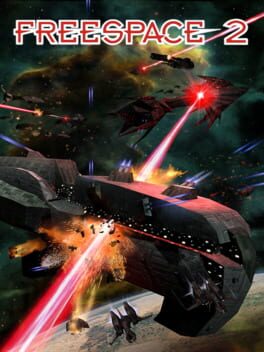
Interplay's other legacy is on the back of a hundred boxes. It published a tiny studio's first game, The Lost Vikings, then Rock n' Roll Racing, then Warcraft: Orcs & Humans, the games that turned Silicon and Synapse into Blizzard. It backed Descent and MDK and Earthworm Jim and Freespace. By Gamers, For Gamers was a real editorial taste: weird, ambitious, a little punk. Interplay bet on strange ideas, and an astonishing number of them paid off.

Action, mayhem and the wonderfully weird
Shooters, space sims and one heroic earthworm

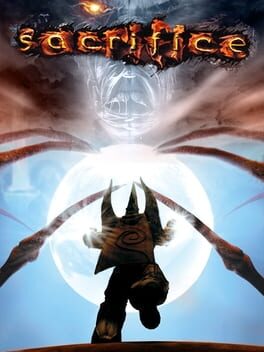
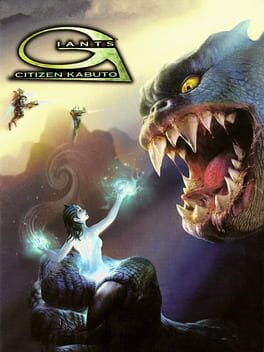



A short history of Interplay
- 1983Brian Fargo founds Interplay Productions in California under the motto By Gamers, For Gamers.
- 1985The Bard's Tale becomes a hit and establishes Interplay as a role-playing studio to watch.
- 1988Wasteland and Battle Chess arrive; the post-apocalyptic RPG and a chess game with attitude.
- 1997Fallout reinvents the RPG for a new generation, from the new in-house Black Isle Studios.
- 1998Interplay publishes BioWare's Baldur's Gate; the Infinity Engine golden age begins.
- 1999Planescape: Torment proves a role-playing game can be genuinely literary.
- 2003Financial trouble closes Black Isle; the Fallout licence later passes to Bethesda and Fargo departs.
The people who built Interplay
The founder and the RPG masters of Black Isle. Follow any of them to their full catalogue.
Keep listening on Podfriend
Shows and themes that go deep on the history of the computer RPG.
More golden-age studios
Every studio in the series. More on the way.
By Gamers. For Gamers. From that motto came Fallout, Baldur's Gate and Planescape: the greatest run of RPGs anyone has ever published.
Frequently asked
What are Interplay's most famous games?
Fallout and Fallout 2, Baldur's Gate and Baldur's Gate II, Planescape: Torment, the Icewind Dale series, Descent, MDK, and Freespace, among many others. Interplay both developed games (through Black Isle Studios) and published them (including BioWare's Baldur's Gate).
What was Black Isle Studios?
Black Isle was Interplay's in-house RPG division, responsible for Fallout, Fallout 2, Planescape: Torment and Icewind Dale. Its designers later founded Obsidian Entertainment and other studios that carried the isometric RPG forward.
Who founded Interplay?
Brian Fargo founded Interplay Productions in 1983 under the motto 'By Gamers. For Gamers.' After leaving, he founded inXile Entertainment, which made Wasteland 2 and The Bard's Tale IV.
Did Interplay make Fallout?
Yes. Fallout and Fallout 2 were developed by Interplay's Black Isle Studios in the late 1990s. The Fallout licence later passed to Bethesda, which made Fallout 3 and the later games, but the original series was Interplay's.