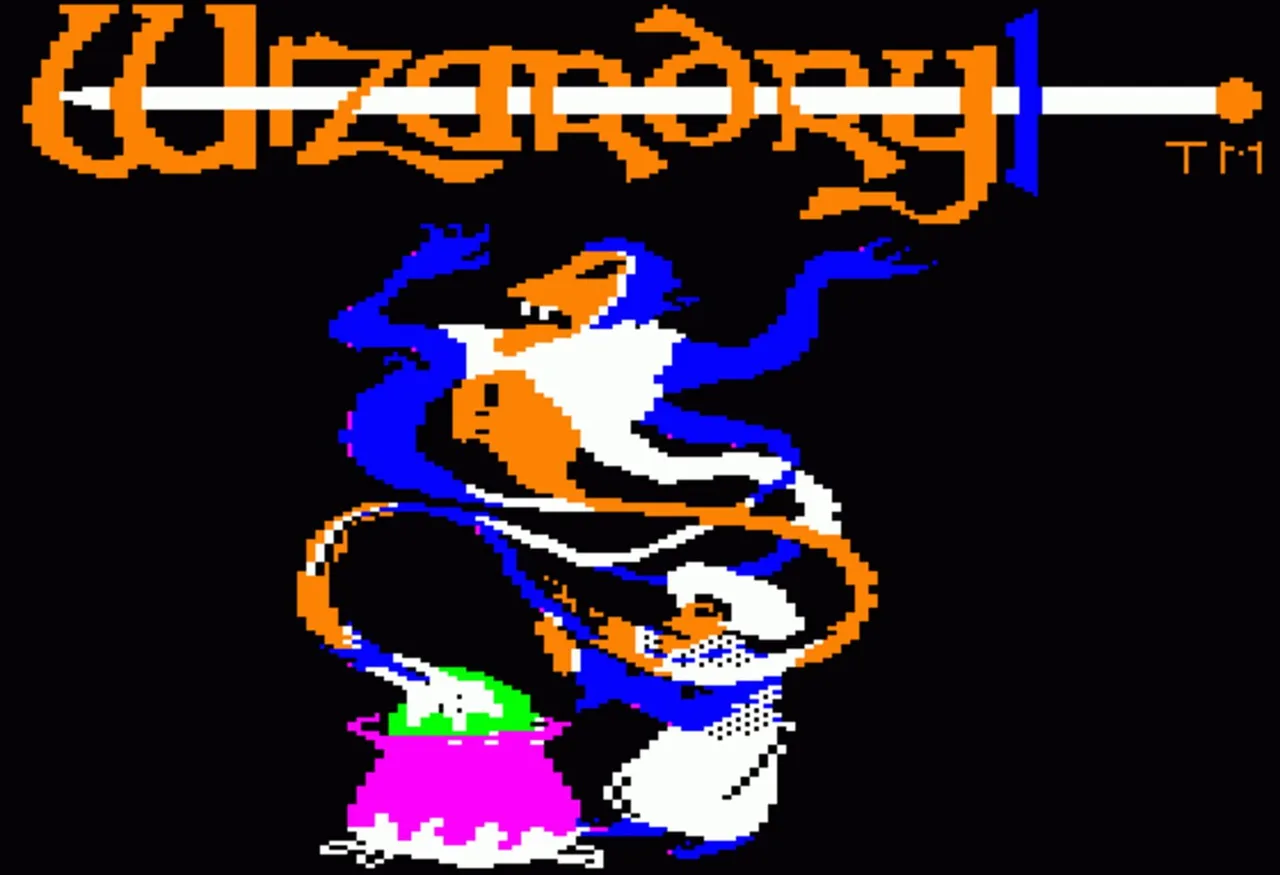
Wizardry: Proving Grounds of the Mad Overlord (1981)
Wizardry: Proving Grounds of the Mad Overlord is a 1981 role-playing (rpg) video game made by Sir-tech Software.
The Mad Overlord Trebor has lost a stolen amulet to his rival, the archmage Werdna, who now squats at the bottom of a ten-level labyrinth beneath the castle. Trebor turns the maze into his Proving Grounds. You build a party of six from four races, three alignments, and a handful of classes, then march them into the dark one grid square at a time. Combat is turn based and pitiless. Death is often permanent. Every corridor gets mapped on graph paper, and the amulet waits ten floors down.
Similar games
Explore Wizardry: Proving Grounds of the Mad Overlord guides
Wizardry: Proving Grounds of the Mad Overlord in our writing
- Companion guide: Academies of Magic: The Complete Guide to Magic Schools
- Companion guide: The Golden Age of the CRPG: 1981 to 1999
- Companion guide: The Dungeon Crawler: Grid by Grid Through Gaming's Oldest Genre
A few thoughts on Wizardry: Proving Grounds of the Mad Overlord
Its immediate rivals reward the same first-person grind: play Might and Magic and The Bard's Tale next. Dungeon Master brought the maze crawl into real time. Wizardry shaped the whole Japanese RPG line, so its blood runs through Dragon Quest, while Etrian Odyssey still hands you graph paper and dares you to draw the dungeon yourself.
First-person dungeon crawls for the graph-paper generation
Proving Grounds of the Mad Overlord made graph-paper mapping a genre requirement, descending ten unmarked levels toward Werdna's lair one grid square at a time. Legend of Grimrock and Legend of Grimrock 2 revived that exact discipline decades later, Dungeon Master, Ultima Underworld and Arx Fatalis brought the same step-based crawl into real time, and Vaporum keeps it alive in a steampunk tower instead.
The party-based RPGs that came after Trebor's maze
Proving Grounds of the Mad Overlord set the template every party RPG since has borrowed from: pick four races and three alignments, build six classes into a squad, and let turn-based combat decide who survives. Wizardry 8 and The Bard's Tale Trilogy stayed close to that original formula, while Baldur's Gate, Planescape: Torment, Fallout, Pool of Radiance and Wasteland each took the same core idea somewhere new.
Barbarians and wizards from 80s sword-and-sorcery cinema
Proving Grounds of the Mad Overlord shares its release year with Excalibur and sits in the same pulp-fantasy wave as Conan the Barbarian and Dragonslayer, all built around a lone band braving something ancient for treasure or a throne. Monty Python and the Holy Grail plays the same castles-and-quests iconography for laughs, without losing the shape of the story it is mocking.
Fellowship stories where the group is the point
Proving Grounds of the Mad Overlord centers on a six-person party of different races who only survive by working as one unit, the same structure behind The Fellowship of the Ring's mixed company. A Game of Thrones and its TV adaptation spread that idea across whole houses and armies, and The Name of the Wind still follows one traveler through a larger, dangerous world.