

Every convention the role-playing game still lives by was invented by a handful of people between 1981 and 1999, most of them working in rooms above garages. Richard Garriott sold Akalabeth in ziplock bags out of a Texas ComputerLand before Ultima had a publisher. Sir-Tech's Wizardry expected you to map ten levels of dungeon on graph paper and meant it as a kindness. SSI licensed real Dungeons & Dragons and squeezed the Player's Handbook onto floppy disks. By the decade's end, Fallout had taught the genre irony and Planescape: Torment had taught it literature.
This guide walks the whole first age: the two founding dynasties, the D&D explosion, the storytellers of the mid-90s, and the three-year revival that saved the form. It is part of our complete CRPG guide, and the era's dungeon-crawling wing has a dedicated guide of its own.
The Ultima saga
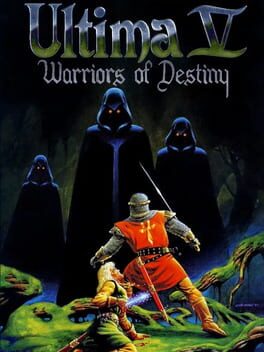
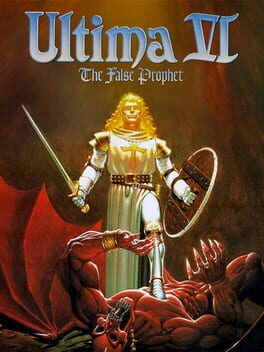
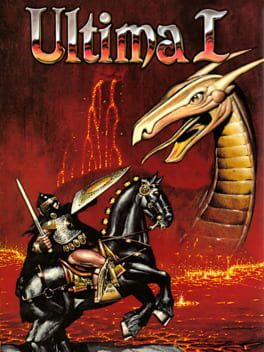
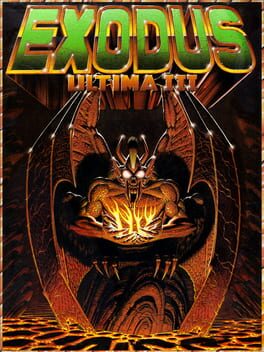
Nine ages of Britannia, the dynasty that taught worlds to feel lived-in




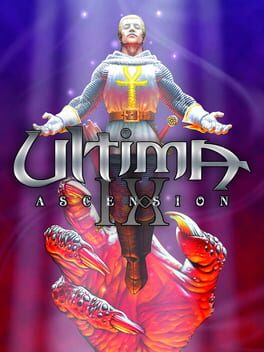
Ultima Online: the world that never logged off
Origin's last great act was to take Britannia and leave the server running. Ultima Online was not the first online world, but it was the first one that felt governed by its players rather than its code: player-run shops, player-built houses, player-committed crimes. The famous assassination of Lord British during a beta event, by a player with a fire spell and excellent timing, is still the genre's best founding myth. Every MMO since has been negotiating with what UO let people do.

The party in first person
The other founding dynasty ran on graph paper. Wizardry put six adventurers behind your eyes and a maze in front of them, and its DNA went everywhere: to Japan, where it sired Dragon Quest and the entire JRPG line, and forward through Might and Magic to every party-based dungeon since. The full lineage, from Dungeon Master to Legend of Grimrock, lives in our dungeon crawler guide; here are the age's own giants.
Wizardry, Might and Magic and the Bard's Tale
The first-person party, from graph paper to New Sorpigal
 Wizardry: Proving Grounds of the Mad Overlord
 Wizardry: Bane of the Cosmic Forge
 Wizardry: Crusaders of the Dark Savant
 Wizardry 8
 Might and Magic: Book One - The Secret of the Inner Sanctum
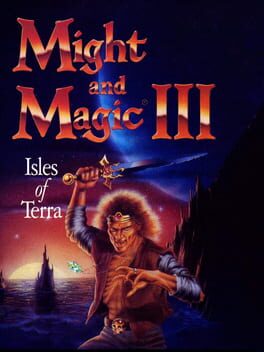 Might and Magic III: Isles of Terra
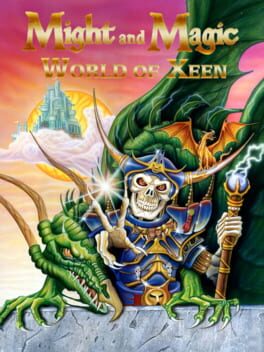 Might and Magic: World of Xeen
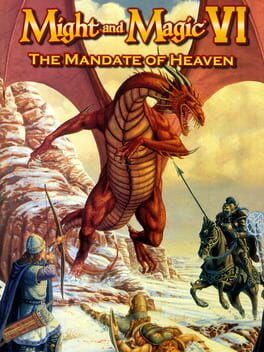 Might and Magic VI: The Mandate of Heaven
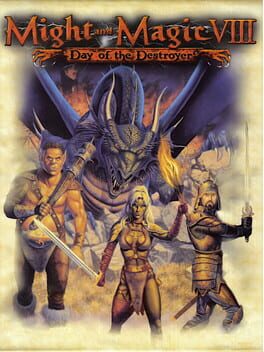
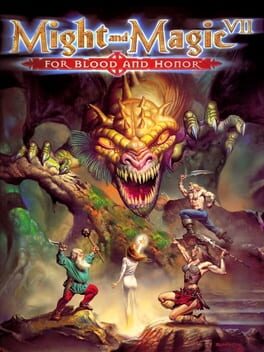 Might and Magic VII: For Blood and Honor
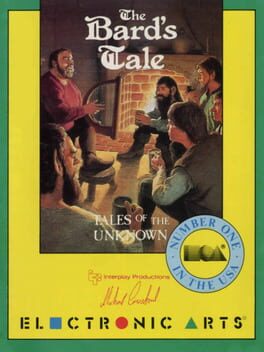 The Bard's Tale (1985)
 The Bard's Tale Trilogy
Dungeons & Dragons arrives
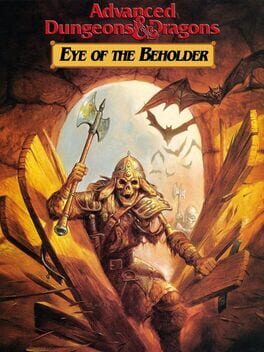
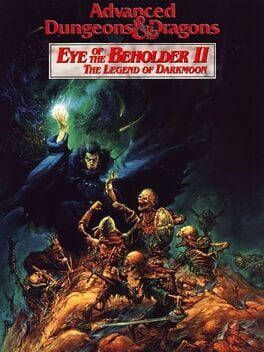
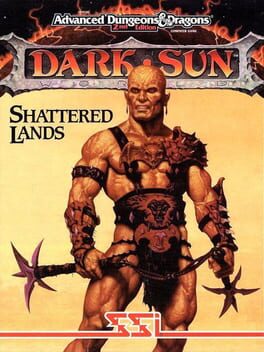
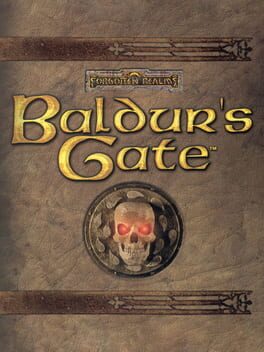
In 1988 SSI shipped Pool of Radiance and the tabletop finally had a faithful digital body: THAC0, memorized spells, the works. The Gold Box line ran for a dozen games; Westwood's Eye of the Beholder made AD&D real-time; and in 1998 BioWare's Baldur's Gate fused D&D rules with a living, bantering party and outsold everything. The license's full fifty-year story, Gold Box to Baldur's Gate 3, has its own guide.
D&D on a floppy disk
The Gold Box, the Beholder games and the Infinity Engine's arrival
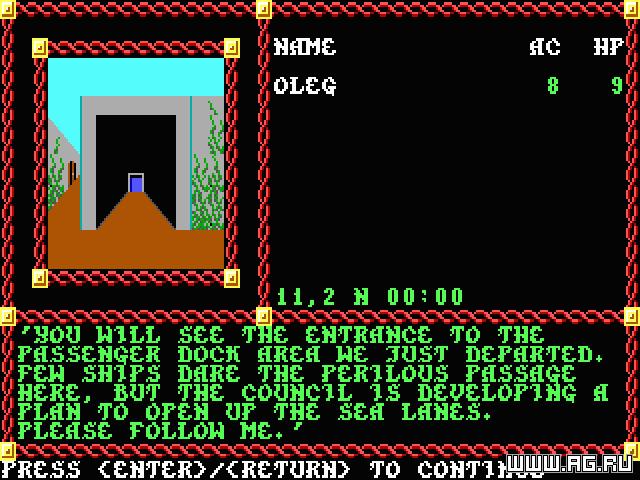

The first age, year by year
- 1981Wizardry: Proving Grounds of the Mad Overlord and Ultima ship; the genre begins Wizardry: Proving Grounds of the Mad Overlord
- 1985Ultima IV: Quest of the Avatar; The Bard's Tale brings the crawl to millions The Bard's Tale (1985)
- 1987Dungeon Master makes the dungeon real-time Dungeon Master
- 1988Pool of Radiance and Wasteland, the license and the wasteland Pool of Radiance
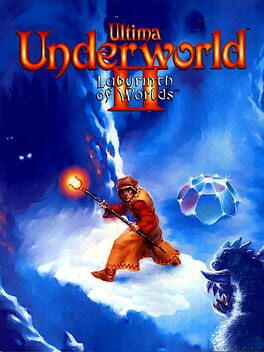
- 1992Ultima VII, Ultima Underworld and Darklands, the simulation peak Ultima VII: The Black Gate
- 1993Betrayal at Krondor puts a novelist's world on a PC Betrayal at Krondor
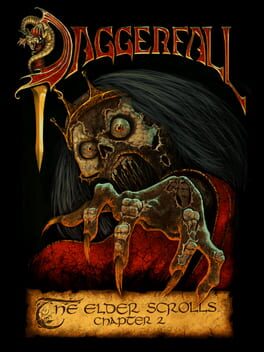
- 1996Daggerfall ships a province the size of Great Britain The Elder Scrolls II: Daggerfall
- 1997Fallout and Ultima Online, the revival and the persistent world Fallout: A Post Nuclear Role Playing Game
- 1998Baldur's Gate; Might and Magic VI, the mainstream returns Baldur's Gate
- 1999Planescape: Torment closes the age at its literary peak Planescape: Torment
The storytellers
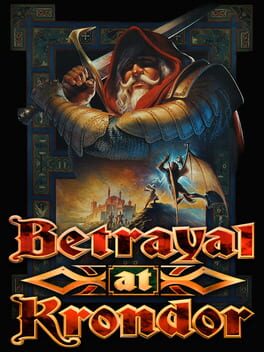
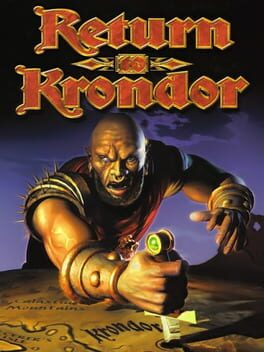
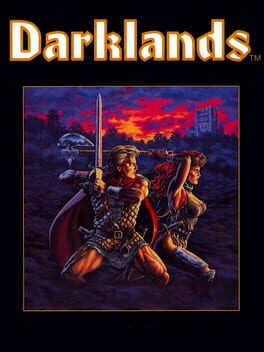
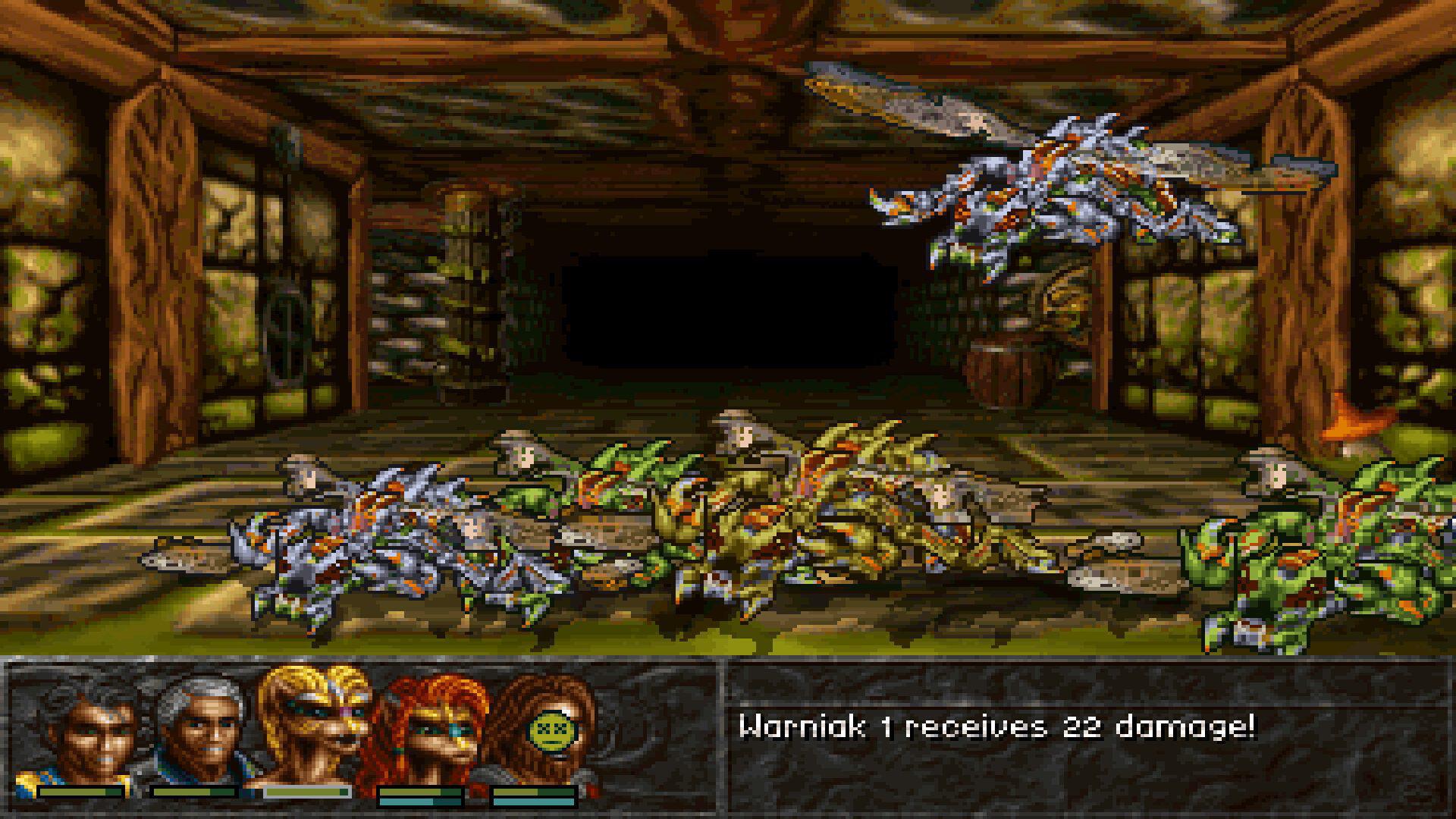
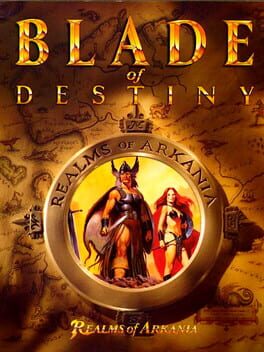
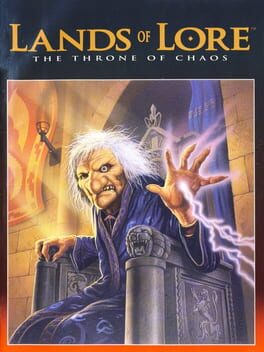
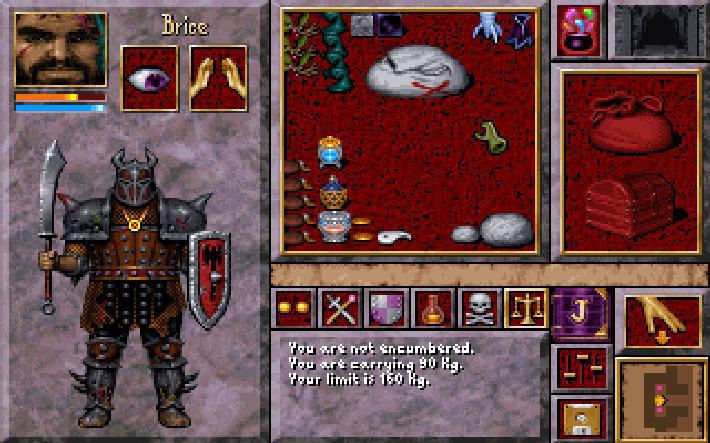
Mid-decade, a quieter school emerged that cared less about dungeons than about place. Betrayal at Krondor played out inside Raymond E. Feist's Midkemia and read like the novels it borrowed. Darklands dropped the party into a meticulously researched 15th-century Germany where the saints answered prayers and the alchemy recipes were real. Albion hid a thoughtful alien-contact story inside a German blobber. None of them sold like Ultima. All of them aged better than almost everything that did.
The storytellers of the mid-90s
Novelists' worlds, researched histories and beautiful dead ends


The revival years and the last blobbers
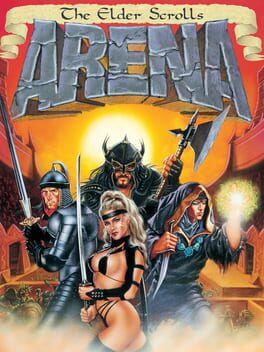
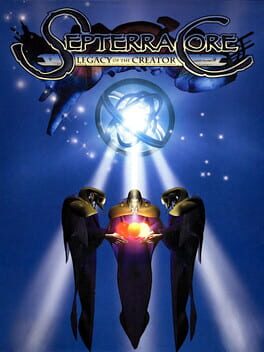
1996 to 2001: the games that saved the form, and the crawl's last stand



War. War never changes.Fallout, 1997
The same shelf, other media
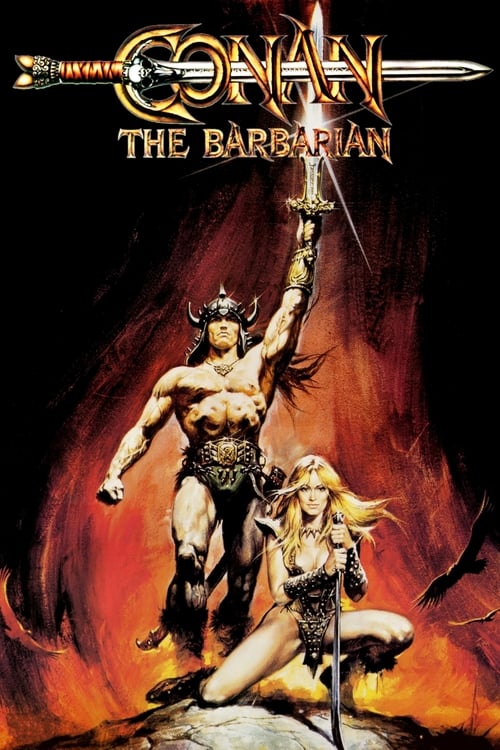
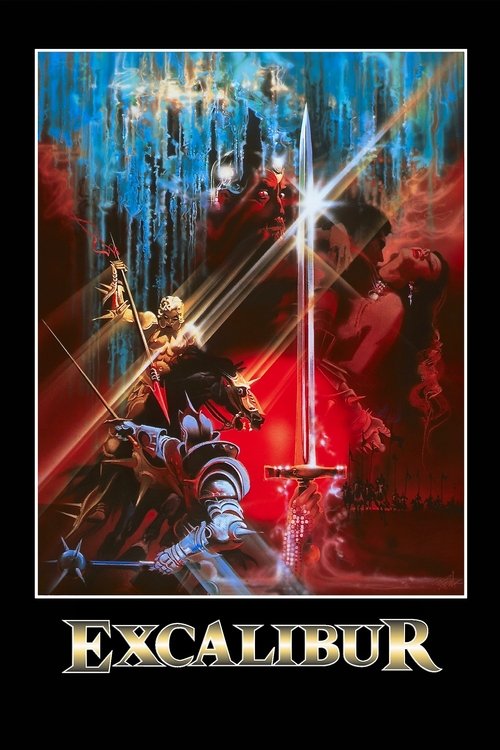
The golden-age CRPG did not grow in a vacuum. Its players were reading Tolkien paperbacks with cracked spines, watching Excalibur and Conan on VHS, and rolling dice on Friday nights. If you want the fiction that fed the genre's founders, start here.
The fantasy shelf of the same age
The books and films the first CRPG generation grew up on




Keep exploring the CRPG guide
The CRPG: The Complete Guide
Explore the The CRPG: The Complete Guide guide →Frequently asked
What was the first CRPG?
Mainframe games like pedit5 and dnd (1975) came first, but the genre as we know it starts in 1981, when Wizardry: Proving Grounds of the Mad Overlord and Ultima both reached home computers. Wizardry gave us the party and the dungeon; Ultima gave us the world and the journey.
Why did the CRPG nearly die in the mid-1990s?
Doom happened. After 1993, publishers chased real-time 3D action while RPGs looked slow, ugly and expensive to make. SSI lost the D&D license's shine, Origin turned to online worlds, and by 1996 the obituaries were being written. Fallout (1997), Baldur's Gate (1998) and Planescape: Torment (1999) reversed the verdict in three years flat.
Which golden-age CRPGs still hold up today?
Fallout and Fallout 2 play almost unchanged. Planescape: Torment and Baldur's Gate survive through modern enhanced editions. Ultima VII needs a fan patch (Exult) but rewards it richly. The blobbers, Wizardry and Might and Magic, ask for real patience or the modern Grimrock-style revivals our dungeon crawler guide covers.