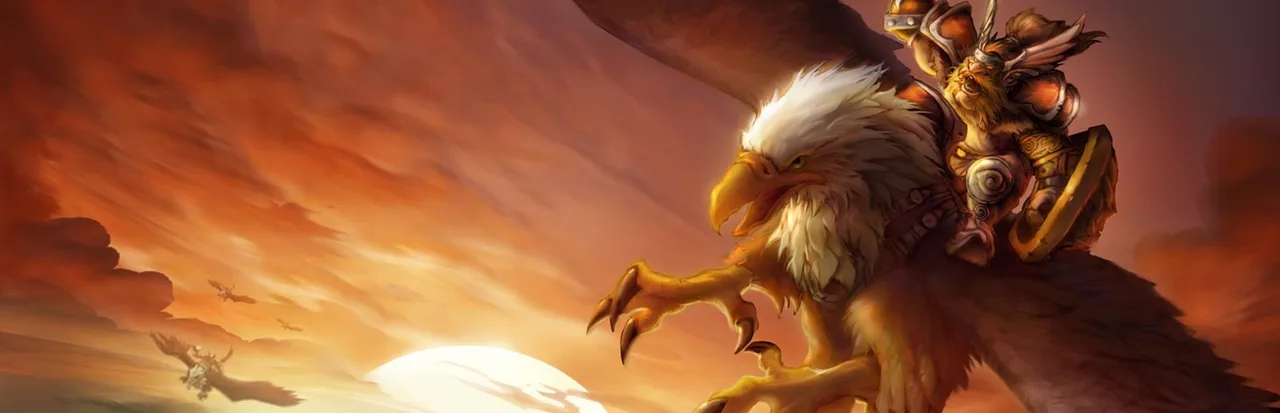
World of Warcraft (2004)
World of Warcraft is a 2004 role-playing (rpg) video game made by Blizzard Entertainment.
Blizzard's 2004 massively multiplayer RPG drops you into Azeroth, a continent-spanning world built from twenty years of Warcraft lore, where thousands of players share the same persistent sky. You pick a faction, a race, a class, and then start moving: killing, questing, trading, and forming guilds with strangers who become regulars. The game set the template for an era of online RPGs, not through any single feature but through the accumulated texture of a world that always had something going on around the next corner.
Similar games
Explore World of Warcraft guides
World of Warcraft in our writing
- Companion guide: Blizzard Entertainment: StarCraft, Diablo, Warcraft and the Art of Polish
- Companion guide: Progression Fantasy & LitRPG: The Complete Guide to Leveling Up
A few thoughts on World of Warcraft
The Remarkable Life of Ibelin is a documentary about a man whose entire social world was built inside this game, and it is one of the most moving films about what online connection actually means. The Guild captures the comedy and community of the same era from the inside.
Fantasy worlds so big you could live in them
World of Warcraft spread its factions, races and quests across an entire continent that keeps expanding two decades later, the kind of scale where a side quest can eat an evening. These picks share that same appetite for sprawling, lived-in fantasy geography, worlds built with enough history and detail that wandering off the main path feels worthwhile.
Manga about climbing the ranks of a rival order
Azeroth runs on faction reputation, guild ranks and rival orders you grind your way up through, gear and status doing a lot of the storytelling. These series build their worlds the same way, around military academies, knight orders and alchemist corps where earning a title and proving loyalty matters as much as any individual fight.
Epic worlds run by warring houses and rival nations
WoW splits its playerbase into two warring factions, the Horde and the Alliance, each with its own capitals, culture and grudges going back years of lore. These shows work from the same blueprint: fully realized nations, dynasties or clans locked in conflict, where the politics between factions matter as much as any single battle.