
The book that broke a fandom, and the film that never finished
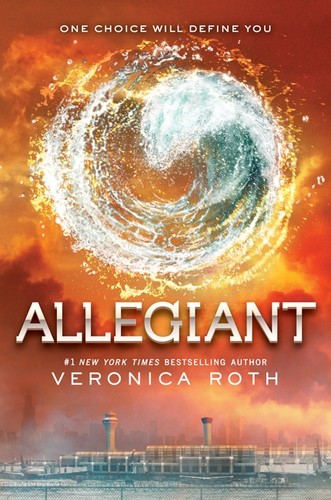
Allegiant began as a novel, the third and final book in Veronica Roth's Divergent trilogy, published by Katherine Tegen Books in October 2013. Roth wrote the series while still a student at Northwestern University, and the first two books, Divergent (2011) and Insurgent (2012), had turned her into one of the defining voices of the early-2010s YA dystopia wave. Allegiant completed the story of Tris Prior, a girl born into a rigid faction society who discovers the truth about her world's origins and pays the highest possible price for it.
The ending divided readers sharply. Some found it devastating and honest. Others felt betrayed. That split response shadowed the book's adaptation into film, where a studio decision to split the final novel into two movies (following the Harry Potter and Hunger Games playbook) backfired badly. Allegiant Part 1 (2016) underperformed at the box office, the planned Ascendant was quietly demoted to a TV movie with a different cast, and the franchise ended without a real conclusion. The story of Allegiant on screen is, in an ironic echo of the book itself, a story about things not going the way anyone planned.
Every Version of Allegiant
The source novel and every screen adaptation of the Divergent trilogy's finale


Allegiant Across the Years
- 2011Divergent novel published Divergent
- 2012Insurgent novel published
- 2013Allegiant novel published Allegiant
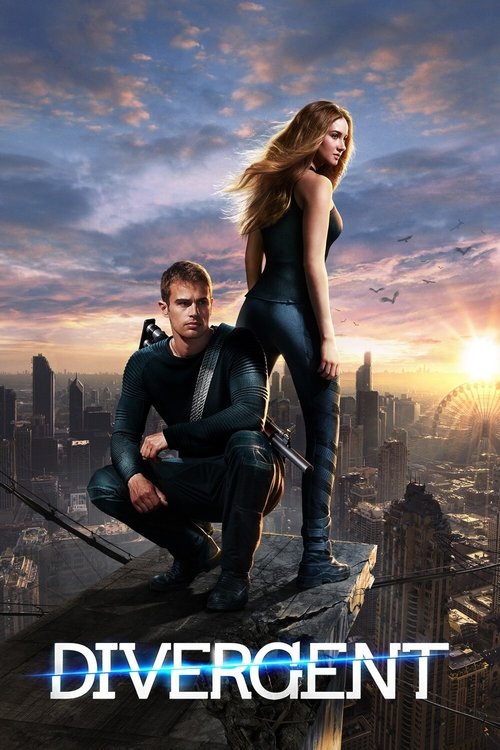
- 2014Divergent film released Divergent
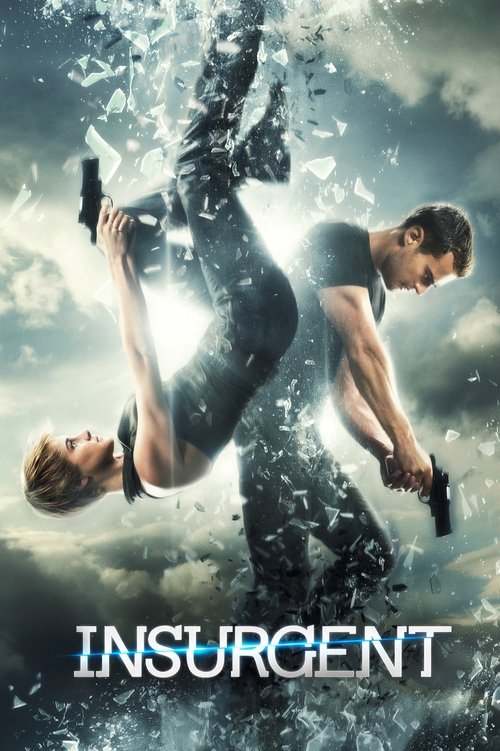
- 2015Insurgent film released Insurgent
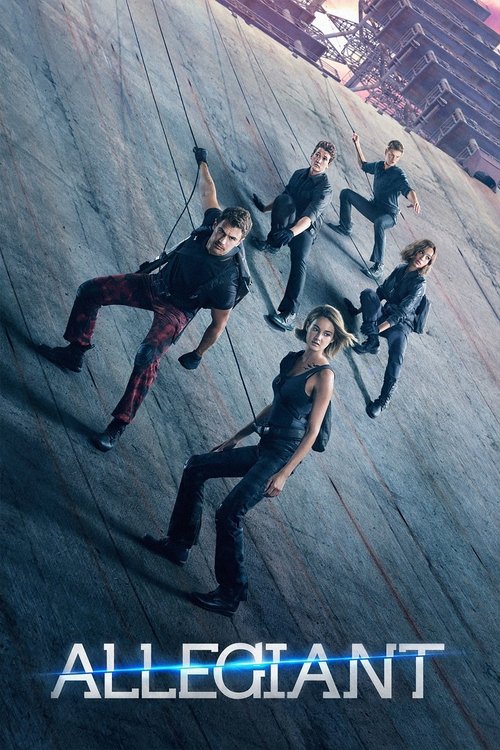
- 2016Allegiant film released (Part 1 of a planned split) Allegiant
- 2016Ascendant (Part 2) cancelled as theatrical; franchise ends without a conclusion
The definitive version: the novel
Whatever you think of its ending, Roth's novel is the only version of Allegiant that actually finishes the story. It is also the version where her thematic ambitions are clearest: the critique of genetic determinism, the cost of idealism, the way institutions corrupt people who believe they are doing right. The film never gets there. Read the book first, and read it knowing the ending is coming. It lands differently when you stop bracing for it.
The underrated entry: the first film
The 2014 Divergent film is frequently lumped in with every other forgettable YA adaptation from that era, which undersells what it actually does well. Shailene Woodley is genuinely good, the Chicago setting has texture, and Neil Burger keeps the pacing honest. It is the only entry in the film series that feels like a complete story rather than a setup for something else. Go back to it after the trilogy leaves you cold.
The one to skip: the Allegiant film
The 2016 Allegiant film is a structural dead end. It covers roughly half the novel's plot, introduces the Bureau of Genetic Welfare as a villain, and stops. The sequel was cancelled. Watching it knowing the rest was never made is not a bittersweet experience; it is an actively frustrating one. The film asks you to invest in people and a conflict it has no intention of resolving. Skip it unless you have a specific interest in how franchise overextension kills stories mid-sentence.
If you love Allegiant: other YA dystopias that finished what they started
Complete stories about faction societies, false utopias, and the cost of rebellion


If you love Allegiant: stories about genetic determinism and chosen identity
Science fiction and dystopia that asks whether your biology is your destiny




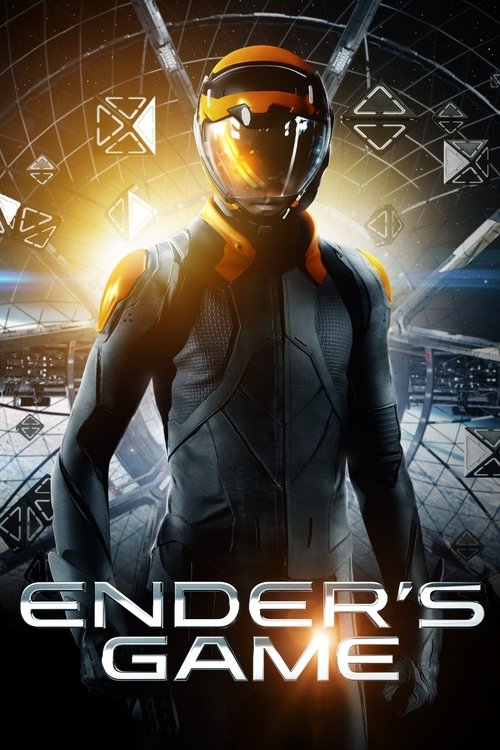
If you love Allegiant: YA adaptations that actually stuck the landing
Film and TV series that translated their source material without losing the ending
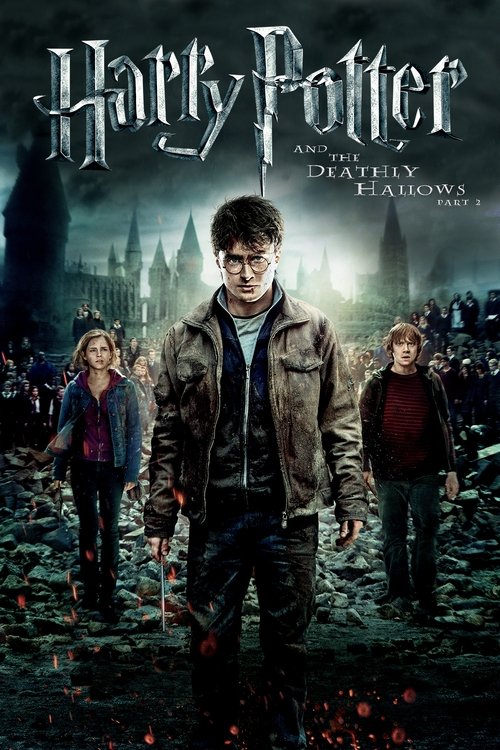
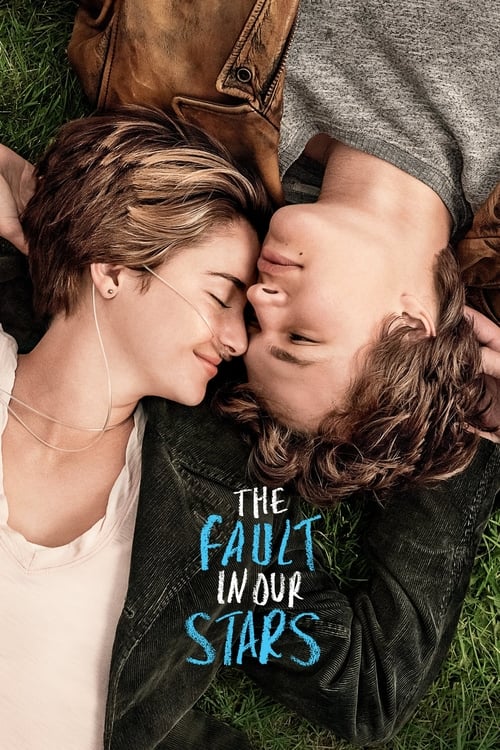
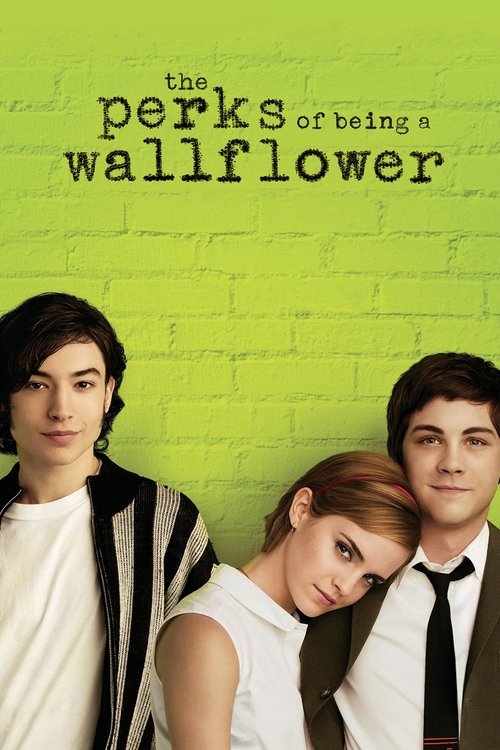


More Dystopian YA Worlds
Every Version of The Scorch Trials
Explore the Every Version of The Scorch Trials guide →Roth ended the story the way she believed it had to end. The studio ended the film franchise the way franchises end when the numbers stop working. Both endings feel abrupt. Only one of them was intentional.CrossBinge editorial