
The fear is never really the science. We have always known how to be cruel to each other. What the genetic-engineering story adds is a clean room, a pipette and a justification: we are not hurting anyone, we are improving the species. That is the move every work in this guide is built to expose. A child designed for someone else's purpose. A clone grown to be harvested. A bloodline screened so that the wrong people are never born at all. The lab coat makes it look like progress. The story asks who paid for it.
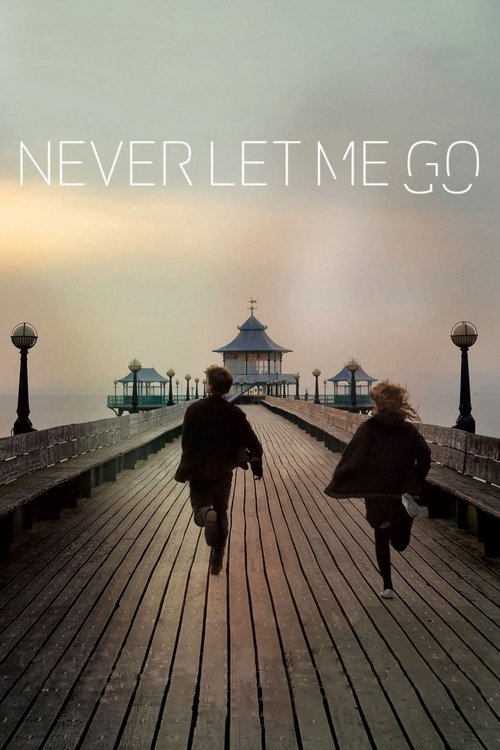
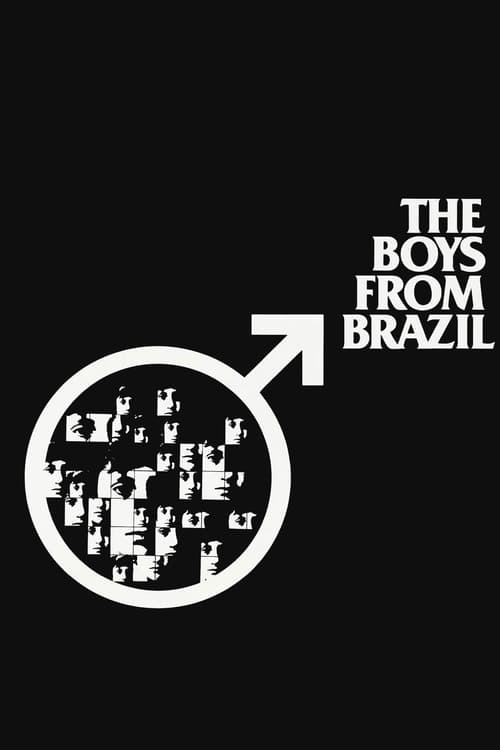
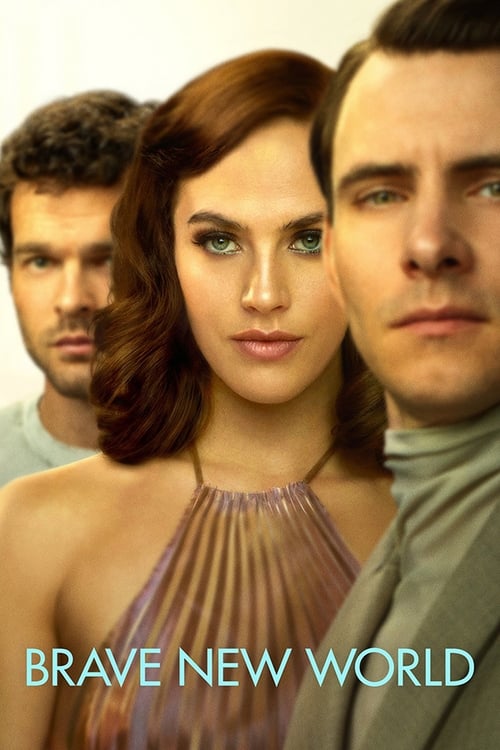
This is the genre about the ethics of building a better human, which is a different obsession from the gene-spliced monsters of biopunk. Here the horror is quiet and institutional. Gattaca is the cleanest possible thesis statement: a future where your genome is your resume, where a heart defect read off a blood sample at birth decides whether you will ever fly. Never Let Me Go lets its clones go to art class and fall in love before it tells you what they are for. Brave New World mass-produces contentment and calls it stability. Across film, television, games, books and even the scores that underline them, the question is the same. Once you can choose what a person will be, who decides, and what happens to everyone who was not chosen.
Essential genetic engineering
The canon of designer humans, clones and screened bloodlines across every medium
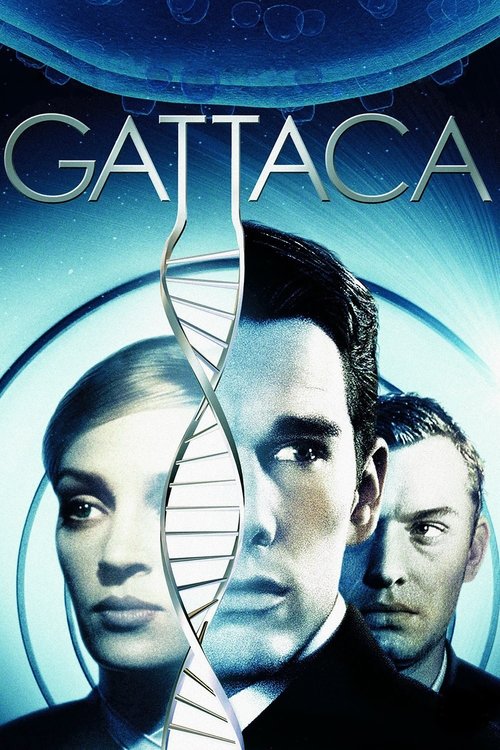




Gattaca is still the smartest film about this, and it never raises its voice
Andrew Niccol's Gattaca (1997) understood something most of the genre misses. The dystopia does not need jackboots. It needs a culture polite enough to pretend the discrimination is just good sense. Ethan Hawke's Vincent is a "faith birth," conceived without screening, told from infancy that his bad heart caps his life at roughly thirty. The future does not forbid him from reaching the stars. It simply reads his blood, calculates the odds, and quietly closes every door. To get to space he has to borrow the identity of Jude Law's genetically perfect Jerome, scrubbing every flake of his own skin off the world so the machines read someone else.
What makes the film endure is its restraint. No villain monologues about purity. The cruelty is administrative, soft-spoken, almost reasonable. And the heart of it is the oldest idea there is: that will and self-deception can beat the numbers a chart printed at your birth. Twenty-five years on it reads less like prophecy and more like a documentary in waiting.
Designed, screened, harvested: the films
From Gattaca's clean-room future to the clones grown for parts
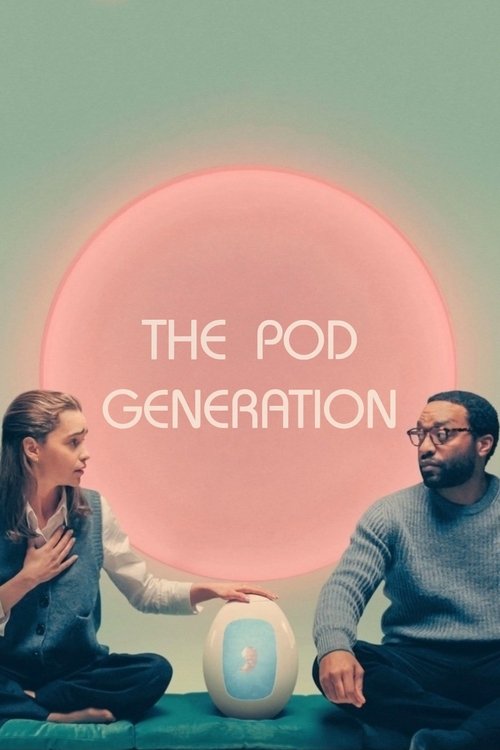
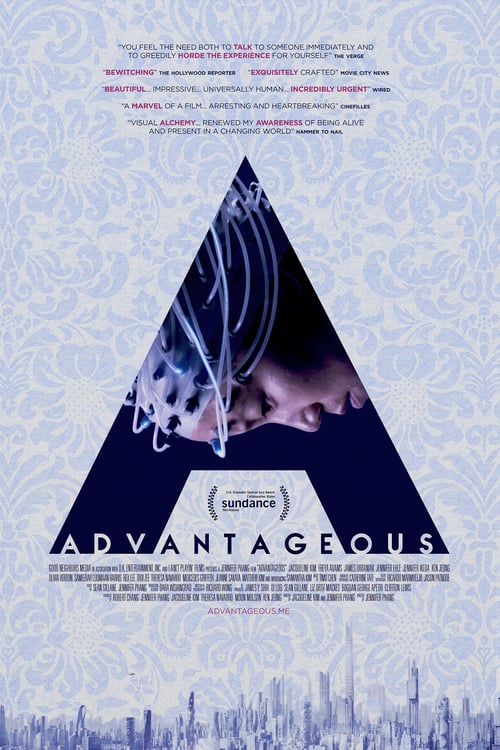

The clone who knows, and the clone who does not
The most unsettling fork in the genre is whether the engineered person understands what they are. The Island (2005) runs on the first version: a facility full of beautiful, healthy adults who believe they won a lottery to live in the last clean place on Earth, when in fact they are spare organs walking around on legs until their "sponsors" need a kidney. The dread is in the reveal. Never Let Me Go (both Kazuo Ishiguro's novel and the 2010 film) takes the harder, quieter road: its clones know. They are raised at a boarding school, told gently and early that they exist to donate their organs and will "complete" before middle age, and they mostly accept it. No escape attempt. No uprising. Just the unbearable politeness of people who were taught their lives belong to someone else.
That acceptance is the real provocation. Rebellion is cinematic and reassuring; it tells us a person would naturally fight. Ishiguro's clones, and Moon's, and the harvested doubles of so many of these stories, suggest something worse: that a human being can be conditioned to consent to their own use, and that the engineering of the body was always the smaller crime.
Clones, copies and replacements on television
Orphan Black to Westworld: the long-form shows that live inside the question
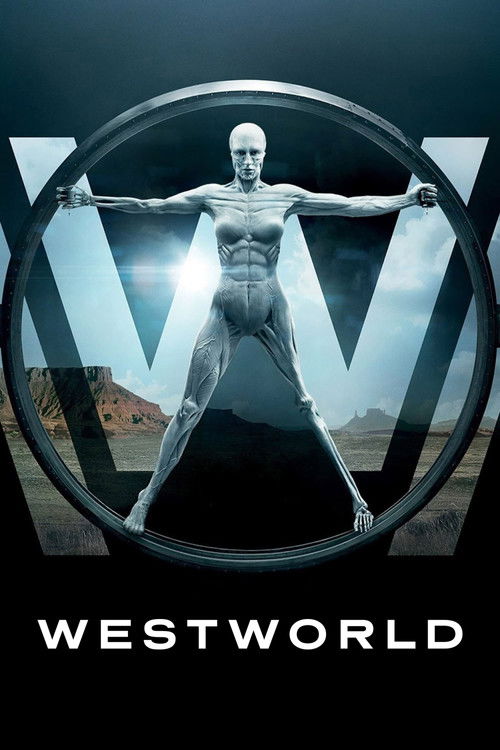
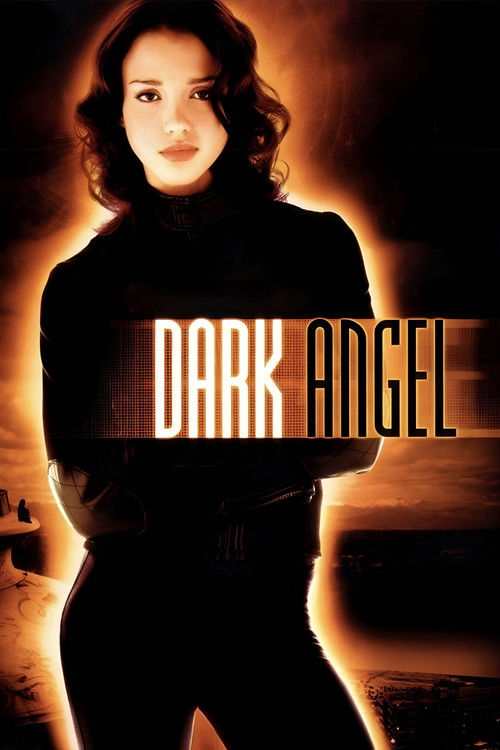
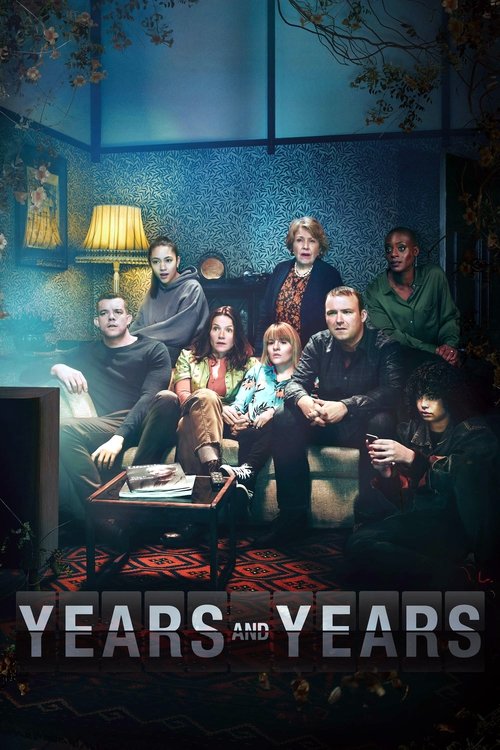


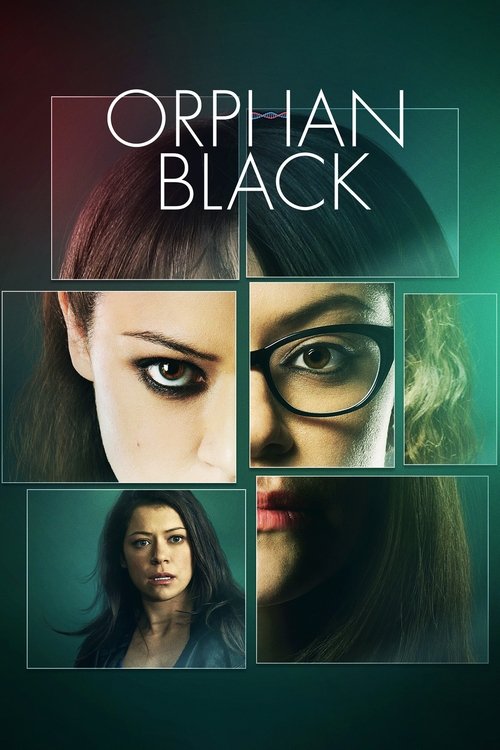
Orphan Black is the best argument that the clone story is really about who owns you
Tatiana Maslany plays roughly a dozen versions of the same genome, and the trick that should have been a gimmick became the whole point. The clones of Orphan Black are not interchangeable. A grifter, a soccer mom, a scientist, a killer, a corporate striver: same DNA, completely different people, which quietly demolishes the entire premise that genetics is destiny. If you can design the code, you still cannot design the life.
What keeps it sharp across its run is the legal horror underneath the chases. The clones discover they are patented. There is a clause, buried in their own cells, that says they are intellectual property of the institute that made them. The show turns the abstract ethics of the genre into a property dispute over human beings, which is far more frightening than any lab monster, because it is the version you could actually imagine a court being asked to decide.
Played, not watched: the games
BioShock to NieR: when you control the engineered being instead of pitying it
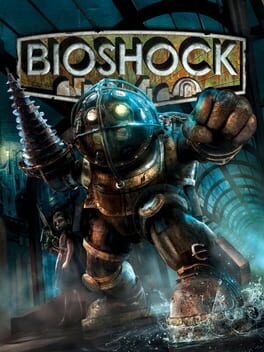



BioShock turned eugenics into a theme park, and the rides are the argument
Rapture is what you get when a true believer in the perfectible self builds a city with no rules to stop him. The plasmids are gene therapy sold as consumer magic: inject a splice, shoot lightning from your hand, become more than human at the vending machine. The genius of BioShock is that the upgrade and the ruin are the same act. The same self-improvement that gives you superpowers turns the population into shrieking, addicted Splicers, and the Little Sisters, children surgically rewired to harvest genetic material, are the human cost shuffling through the halls.
The game makes you complicit in the calculus. You can save the Little Sisters or harvest them for more power, and the engine never lets you forget that efficiency and atrocity are pointing the same direction. BioShock Infinite trades the ocean for a sky city and aims the critique at bloodline purity and American exceptionalism instead, but the spine is identical: a paradise engineered by someone certain they knew which humans were worth keeping.
The books wrote the rulebook first
Every image in this guide was a sentence somewhere first. Mary Shelley's Frankenstein (1818) is the founding text, the original story of a man who assembles a living being from scratch and then refuses responsibility for what he made; two centuries of designer-human anxiety are footnotes to Victor's abandonment of his creature. Aldous Huxley's Brave New World (1932) built the assembly line: babies decanted from bottles, sorted before birth into castes from Alpha to Epsilon, conditioned to love the station they were grown for. Huxley's Brave New World Revisited returned decades later to argue, soberly and without fiction, that the real world was drifting toward his nightmare faster than he had feared.
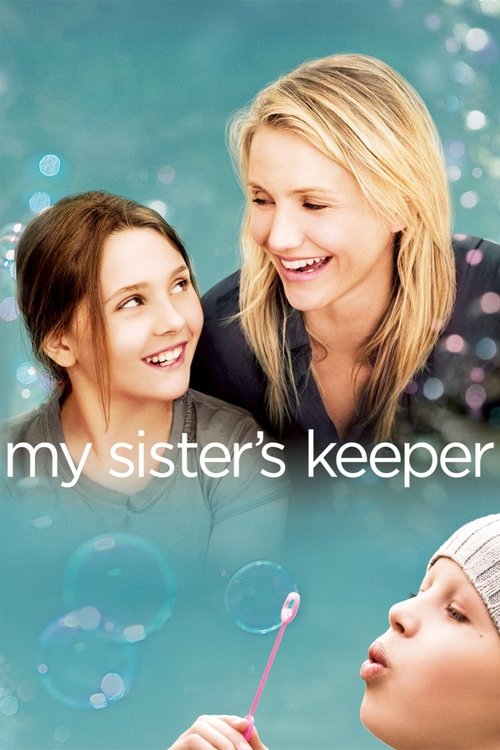
Kazuo Ishiguro's Never Let Me Go and Margaret Atwood's The Year of the Flood, her companion to the gene-spliced collapse of Oryx and Crake, carry the tradition forward, and Jodi Picoult's My Sister's Keeper drags it out of the dystopian future and into a recognizable hospital, where a girl is conceived specifically as a tissue match for her dying sister and then sues for control of her own body. The novels are not warm-ups for the films. They are where the ethics get argued in full.
On the page: the founding texts
Shelley, Huxley, Ishiguro and the novels that argued it first
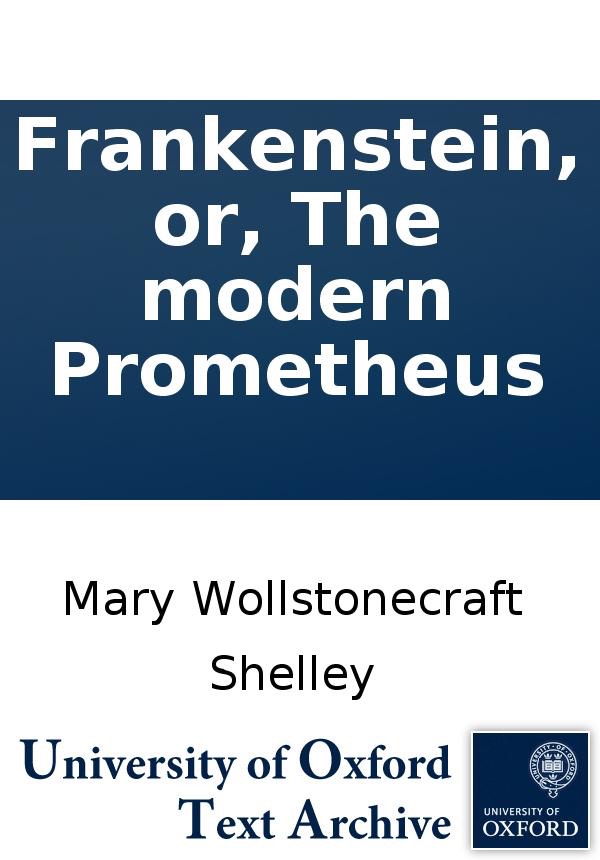


The optimum population is modelled on the iceberg: eight-ninths below the water line, one-ninth above.Aldous Huxley, Brave New World, on a society engineered to need its own lowest caste
The sound of the engineered future
Scores that gave the clean-room dread its pulse
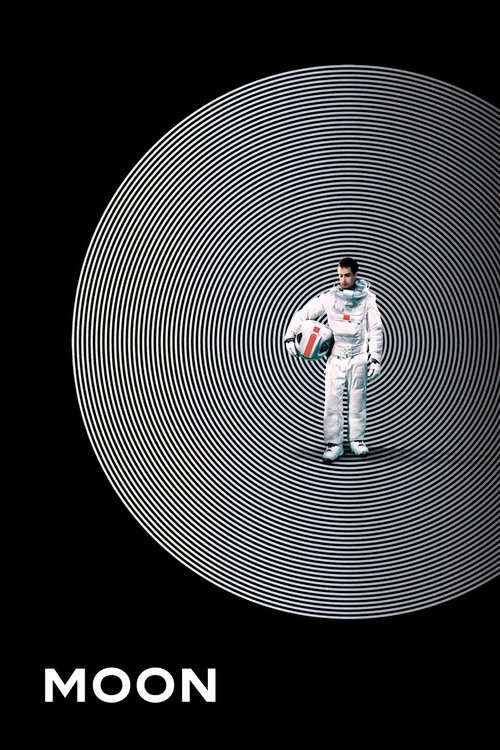
Moon is a chamber piece about consent, and it earns its twist honestly
Duncan Jones's Moon (2009) is the rare entry in this genre that needs almost no budget to land its hardest punch. Sam Rockwell plays Sam Bell, a lone worker finishing a three-year contract mining helium on the far side of the Moon, with only a soft-voiced station computer for company. The reveal, which the film handles with real tenderness rather than shock, is that Sam is one of a long line of cloned workers, each grown, used up over a contract, and quietly disposed of when their three years end, while the next identical Sam wakes up believing the same memories are his own.
It belongs beside Never Let Me Go because it asks the same uncomfortable thing: what is owed to a person manufactured to do a job? Clint Mansell's spare, aching piano score does as much work as the script, turning a story about disposable copies into a meditation on a single life and whether it was ever allowed to be one. It is the most humane film in this whole guide, and it is about a man meeting himself in a body grown to be thrown away.
The wider gene-edited world
Where engineered bodies meet identity, AI and the things we grow for ourselves