
The Story Behind the Story
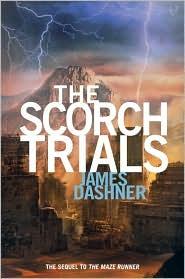
The Scorch Trials began as the second novel in James Dashner's Maze Runner trilogy, published by Delacorte Press in October 2010. The first book had already turned the Gladers' escape from the Maze into a bestseller, and the sequel pushed Thomas and his surviving crew out of the frying pan: through the Scorch, a sun-scorched wasteland populated by Cranks (humans consumed by the Flare virus) and controlled by the same shadowy WICKED organisation that built the Maze in the first place. The series sits at the intersection of dystopian survival fiction and conspiracy thriller, arriving just as the post-Hunger Games wave of YA adaptations was cresting in Hollywood. A film followed in 2015, directed by Wes Ball, and Dashner expanded the universe with prequel novels The Kill Order and The Fever Code. The story has remained a book-and-film property, without the comics, games, or TV extensions that some rival franchises accumulated.
Every Version of The Scorch Trials
The source novel and every screen adaptation



The Scorch Trials Across Time
- 2009The Maze Runner novel published
- 2010The Scorch Trials novel published The Scorch Trials
- 2011The Death Cure novel published
- 2012The Kill Order prequel novel published The kill
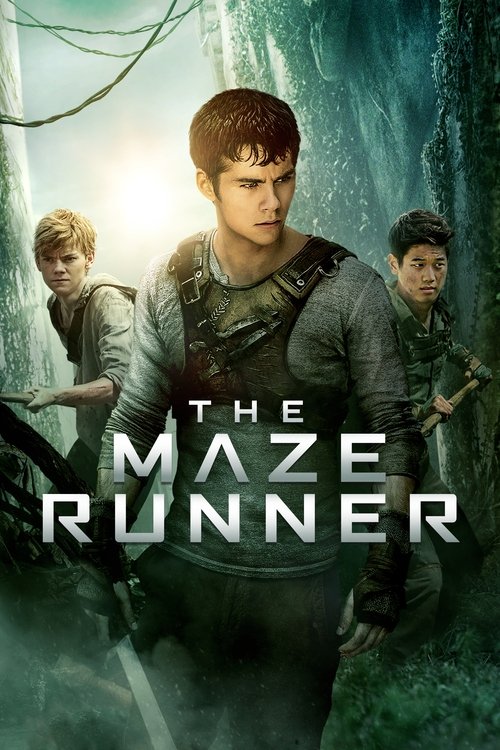
- 2014The Maze Runner film released The Maze Runner
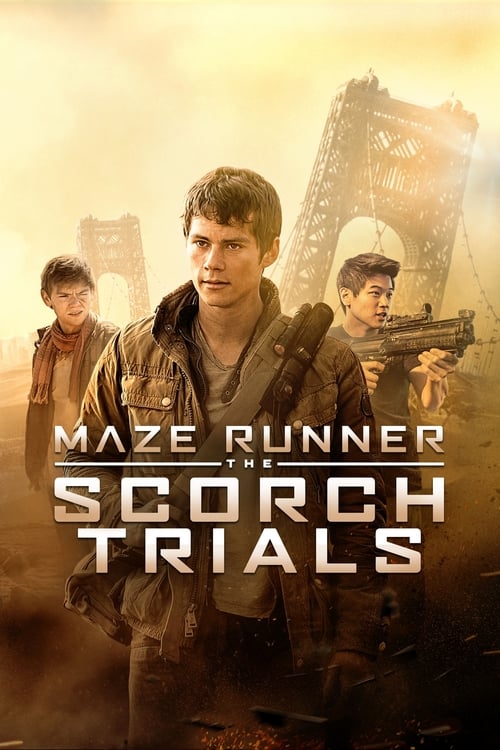
- 2015Maze Runner: The Scorch Trials film released Maze Runner: The Scorch Trials
- 2016The Fever Code prequel novel published
- 2018Maze Runner: The Death Cure film released Maze Runner: The Death Cure
The novel is the definitive version
Dashner's novel earns its place as the best version of the story by having more of it, and the right kind of more. The film strips out the sequences that gave the book its genuine unease: the teleportation room, the manipulative Cranks who work on the boys psychologically, the sub-mission involving Teresa that makes the paranoia feel personal rather than procedural. What the book delivers is a sustained atmosphere of wrongness that the movie trades for action set-pieces. If you have only seen the film, the novel will feel like a different story in the best way possible.
The film is worth watching for the action, not the story
Wes Ball's 2015 adaptation is a competent action film that abandons almost everything that made the book interesting. The Scorch here is an obstacle course rather than a psychological gauntlet, and the Cranks are reduced to zombie-movie monsters. Dylan O'Brien is committed and the production design is striking, but the screenplay trades the novel's paranoid logic for extended chase sequences. Watch it to see the trilogy through, but do not expect the book's unsettling texture.
The Death Cure film is the weakest entry
By the third film, the franchise had lost the plot, literally. Maze Runner: The Death Cure is a two-hour action film that connects to Dashner's novel in name only, replacing the book's clinical and morally uncomfortable ending with a conventional action-movie climax. It is not a bad film by the standards of 2018 YA blockbusters, but it is the least rewarding entry point into this world. Start with the novel trilogy.
If you love the dystopian survival setup
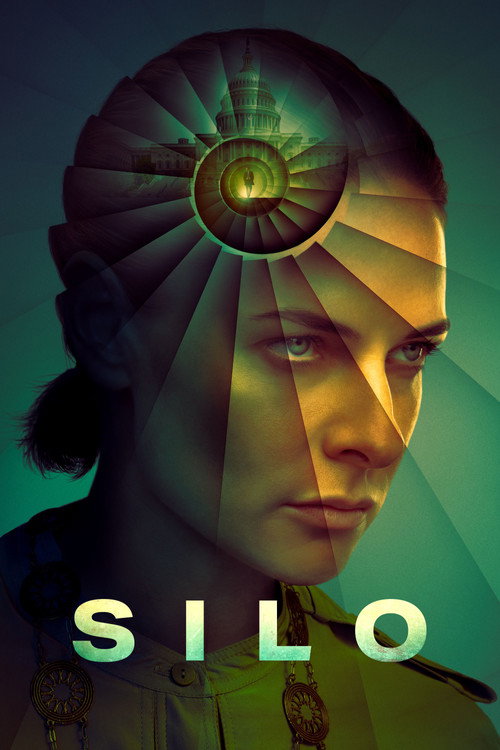
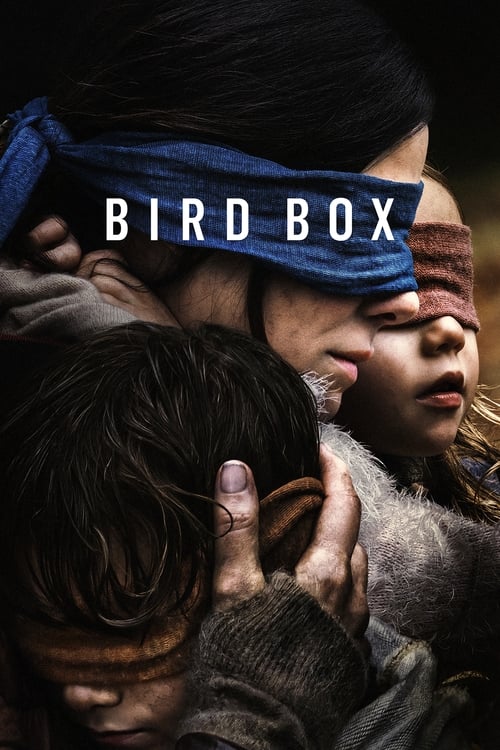
Stories where teenagers are thrown into a lethal system designed to test, sort, or destroy them


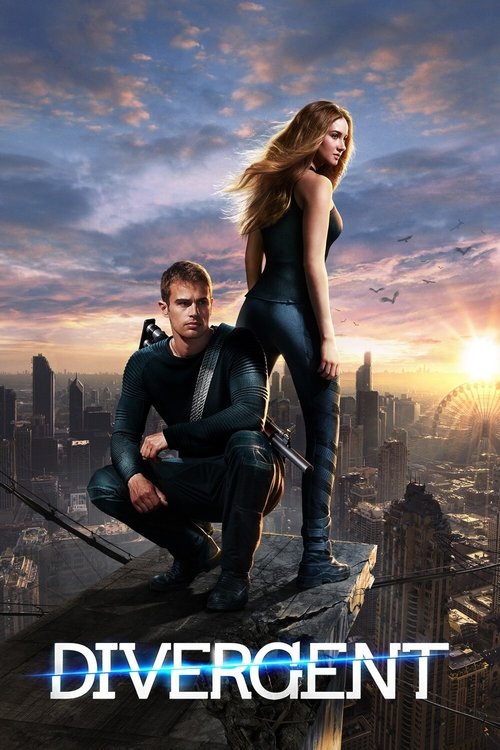
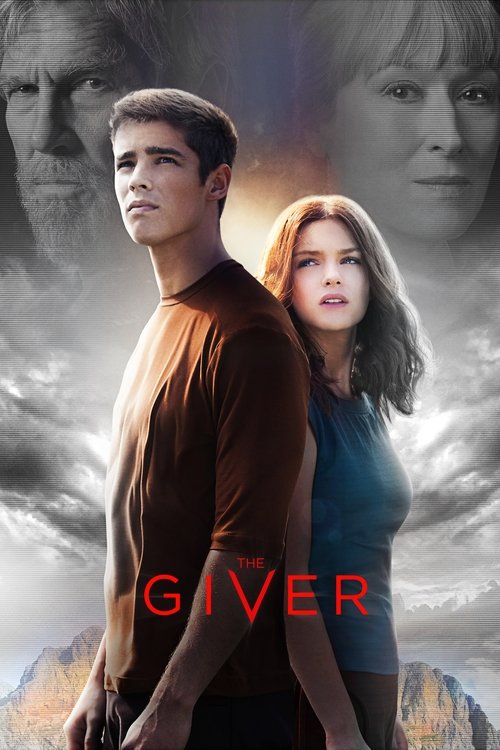
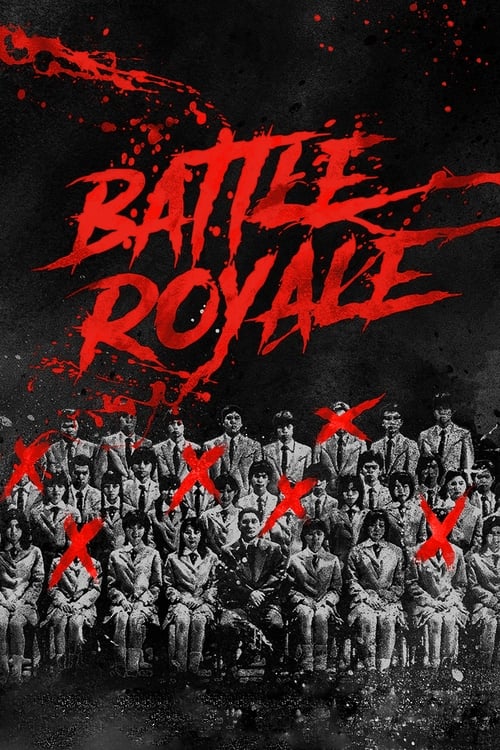

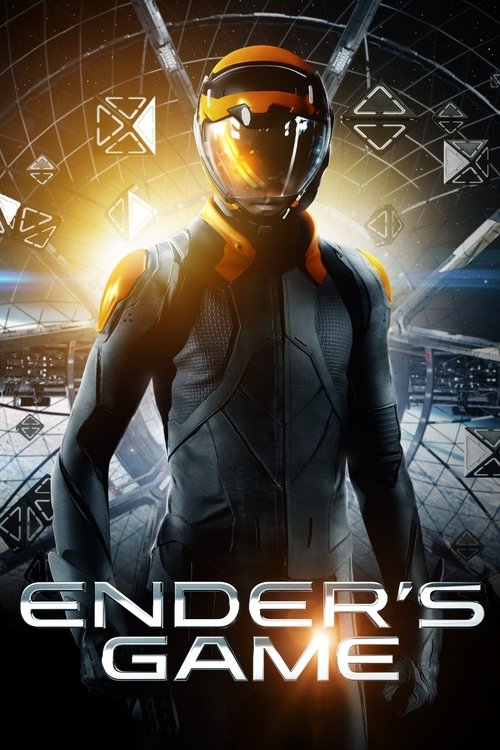
If you love the post-apocalyptic wasteland setting
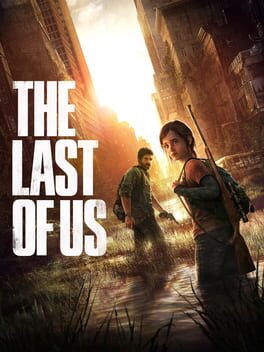
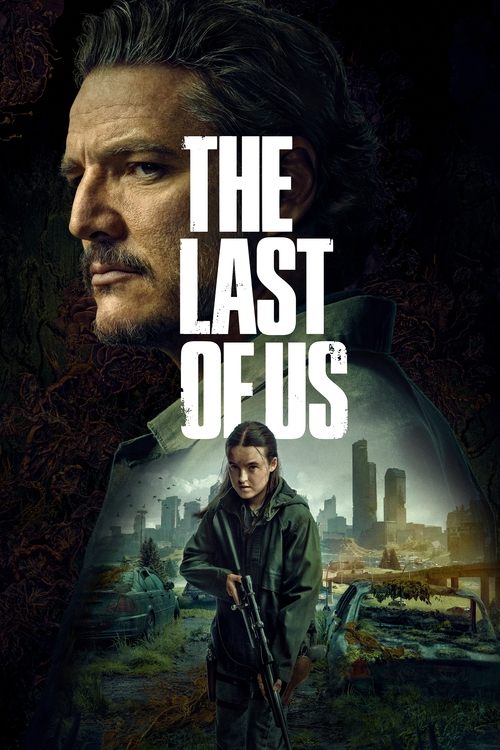
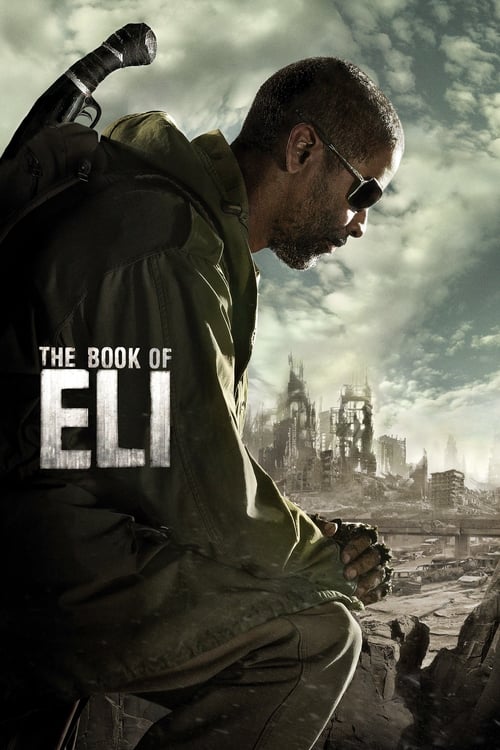
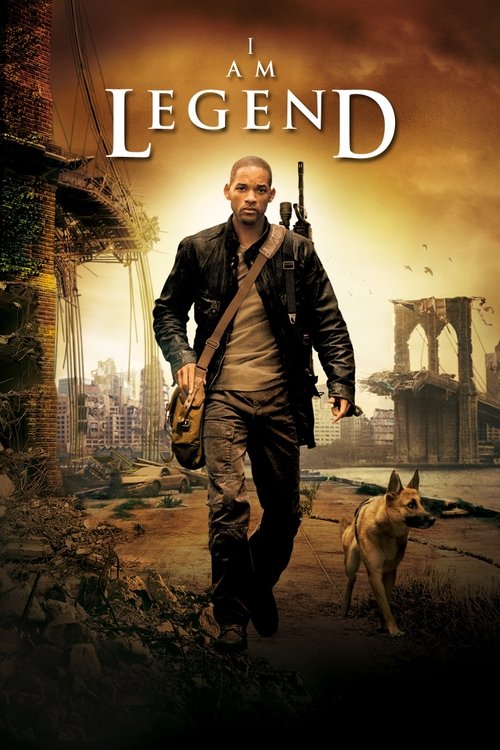
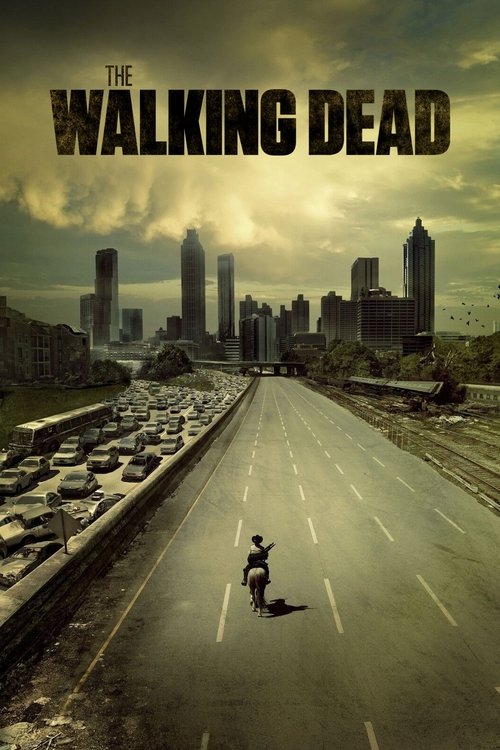
Scorched earths, ruined cities, and civilisation in collapse

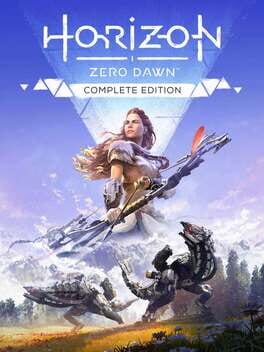
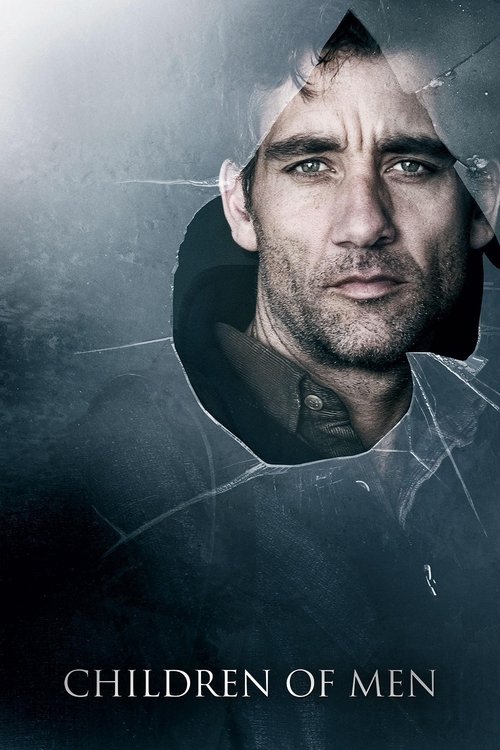
If you love the viral pandemic and Cranks
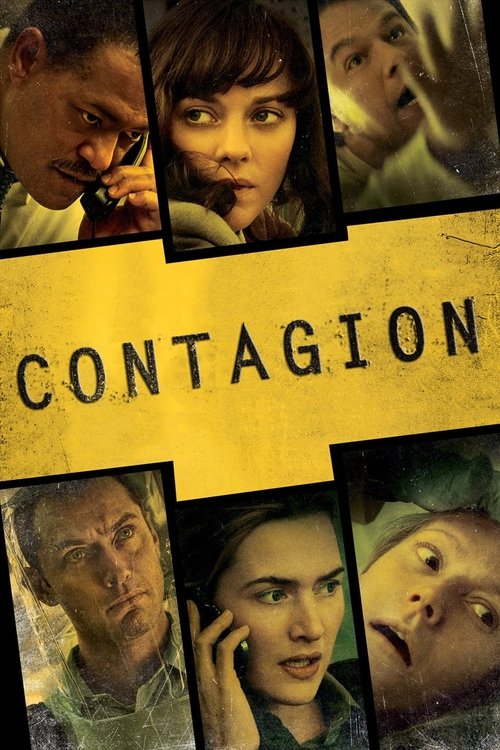
Stories where disease reshapes society and turns people against each other
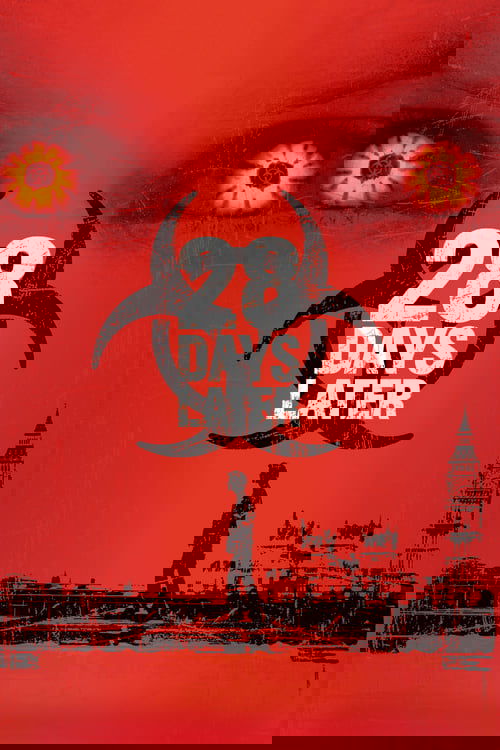

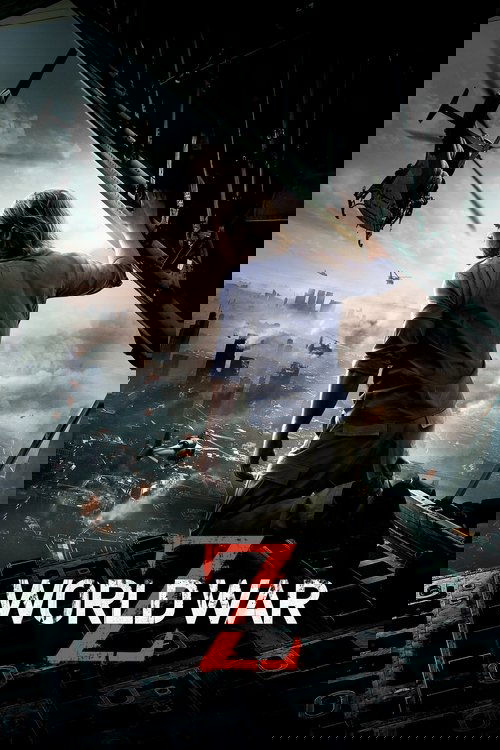


If you love the conspiracy and the organisation pulling strings
Stories where a shadowy institution runs the show and the heroes have to figure out why