
An Original Creation Built for a Screen Generation
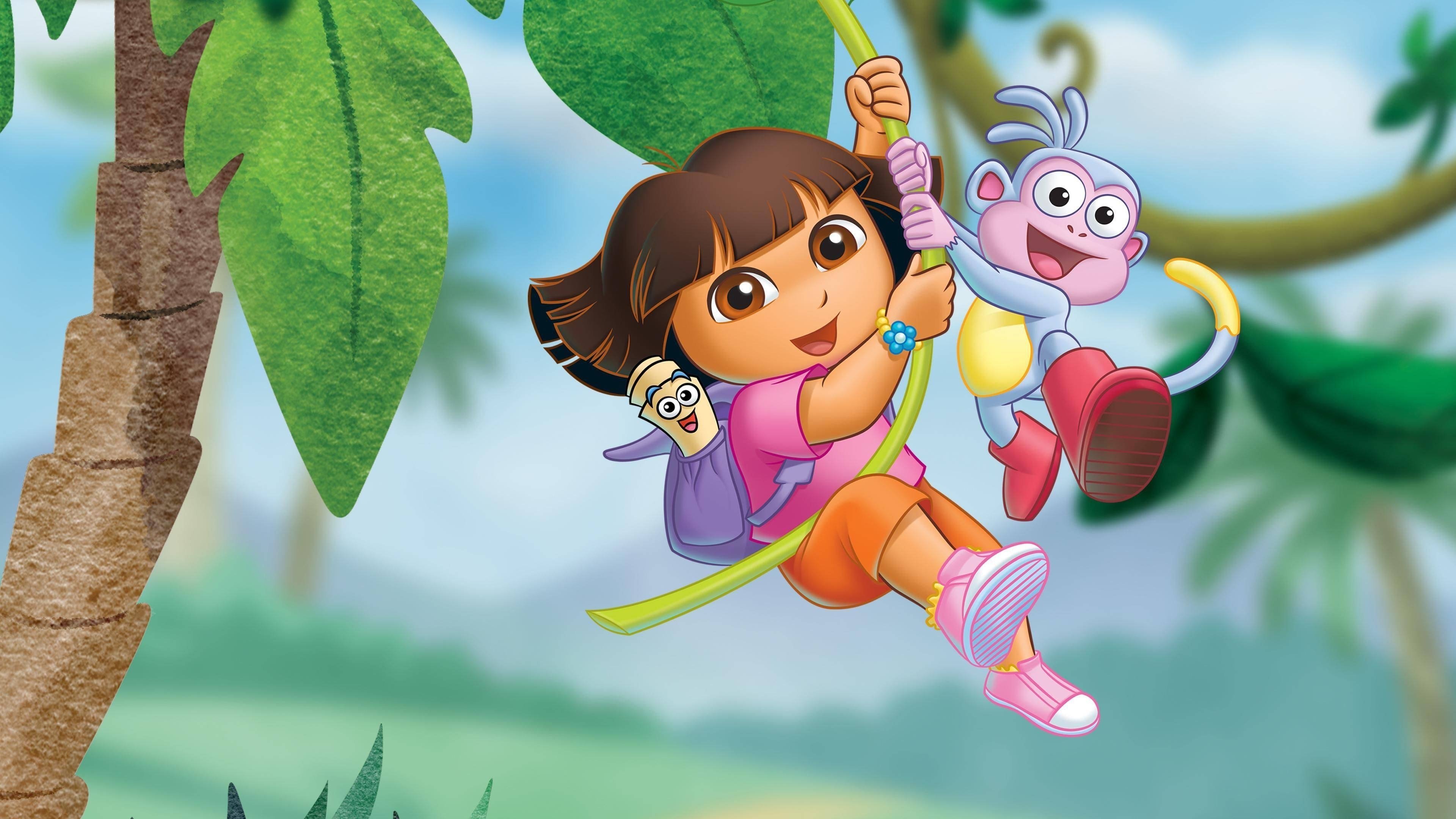
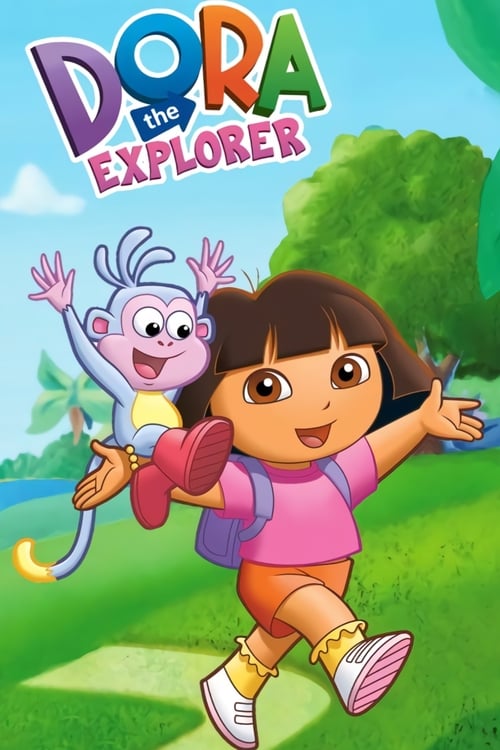
Dora the Explorer was not adapted from a book, comic, or folk tale. She was invented from scratch by a team at Nickelodeon, led by creator Chris Gifford, Valerie Walsh Valdes, and Eric Weiner, who developed her specifically as an interactive preschool television character. The show premiered in August 2000 on Nick Jr., and the concept was deliberately pedagogical: a seven-year-old Latina girl solves problems by speaking directly to the audience, asking children to participate in bilingual (English and Spanish) puzzles, navigation challenges, and short memory tasks. Every episode followed the same playful structure, with Dora, her monkey companion Boots, and her talking backpack setting off on a journey while Swiper the Fox tried to steal their stuff.
What made Dora unusual was not just the interactivity but the centering of a Latina protagonist at a time when such representation in American children's television was essentially absent. The franchise exploded commercially, spawned a spin-off, video games across multiple platforms, a theatrical feature film, and stage productions. Each version of the character carries something forward from the original while reshaping her for a different medium and audience.
Every Version of Dora the Explorer
The original show and every major adaptation across TV, film, and games
Dora the Explorer Across the Decades
- 2000Dora the Explorer premieres on Nick Jr. Dora the Explorer
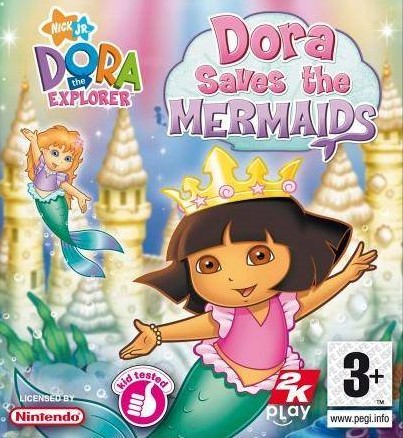
- 2007Dora Saves the Mermaids brings the franchise to consoles Dora the Explorer: Dora Saves the Mermaids
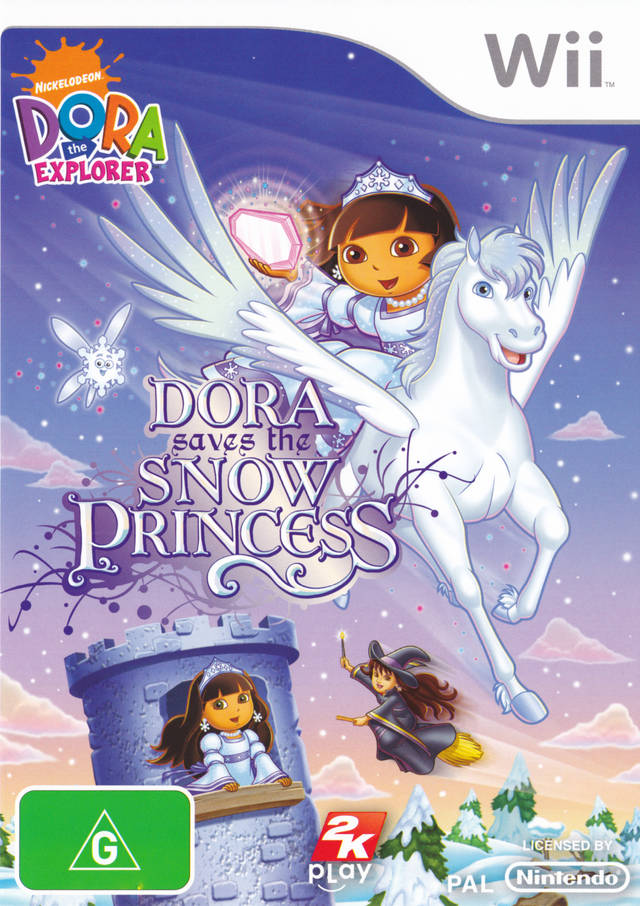
- 2008Snow Princess game for Wii and DS Dora the Explorer: Dora Saves the Snow Princess
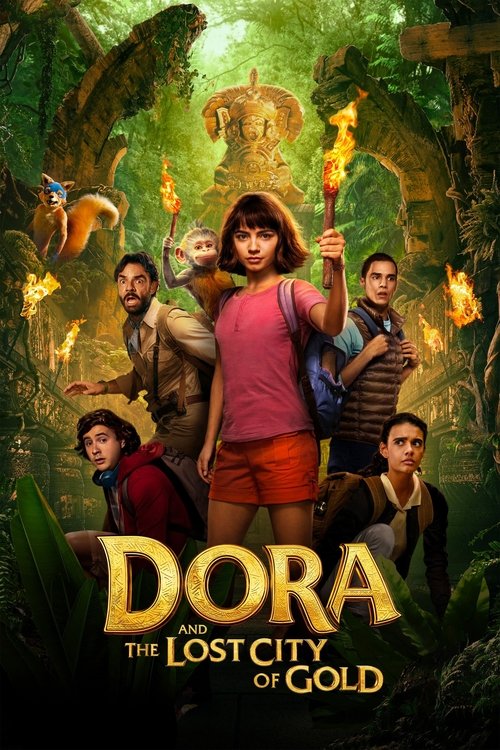
- 2019Live-action theatrical film with teenage Dora Dora and the Lost City of Gold
If You Love Dora the Explorer: Other Kids Who Go on Journeys
Adventure-driven children's stories built around a young protagonist exploring an unknown world
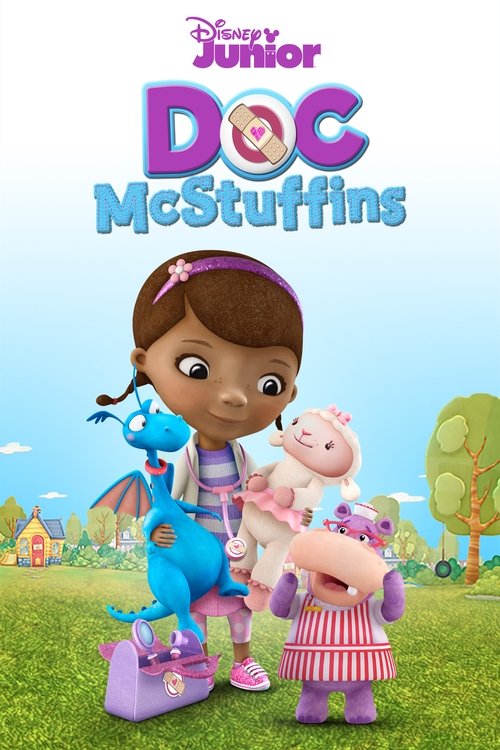
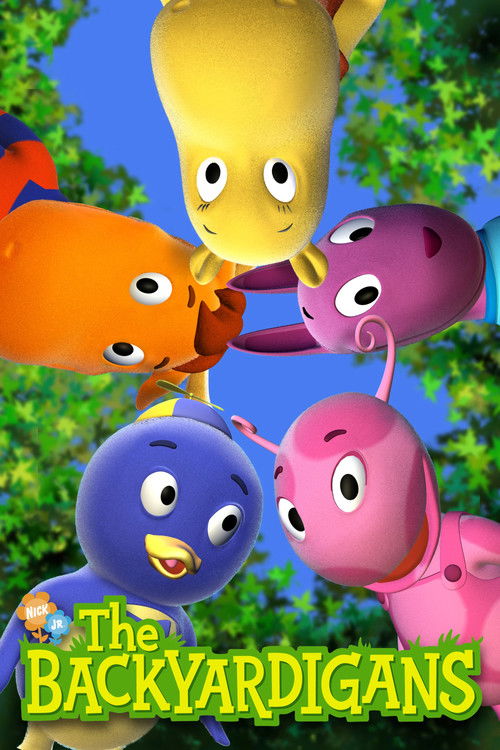
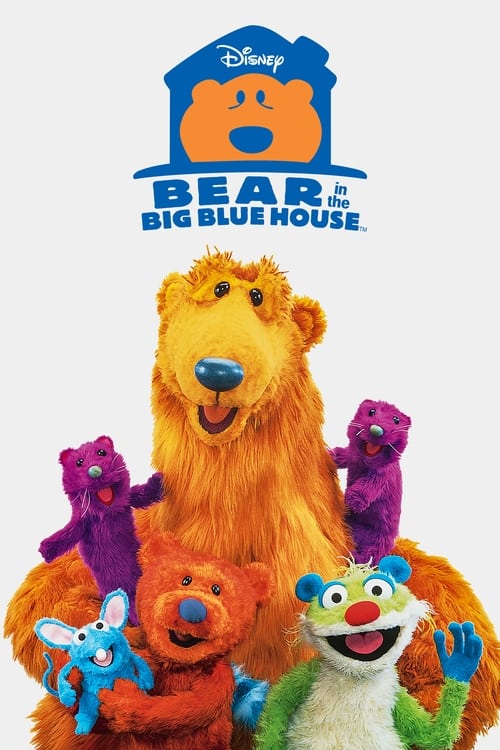
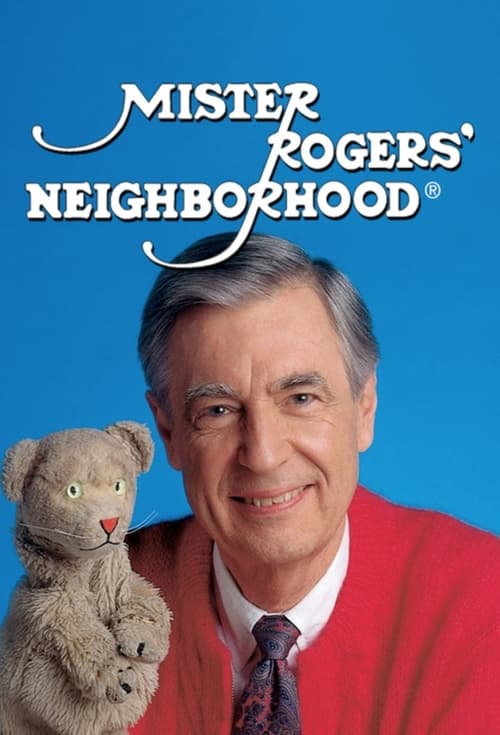
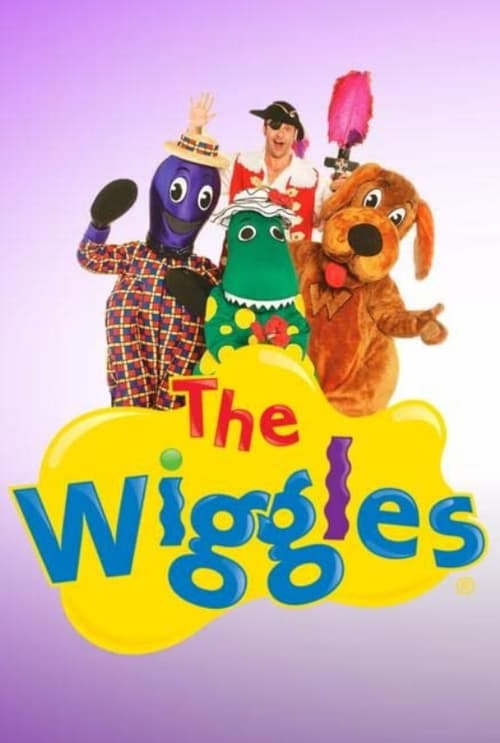
If You Love Dora the Explorer: Interactive Worlds That Talk Back
Stories that break the fourth wall and bring young audiences into the action
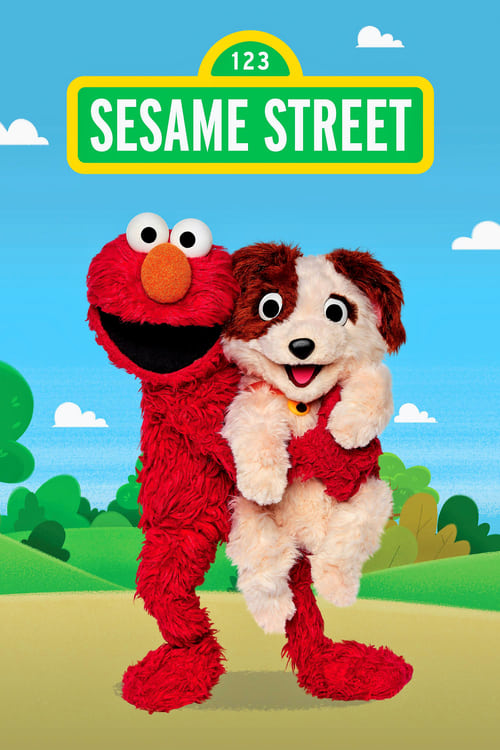
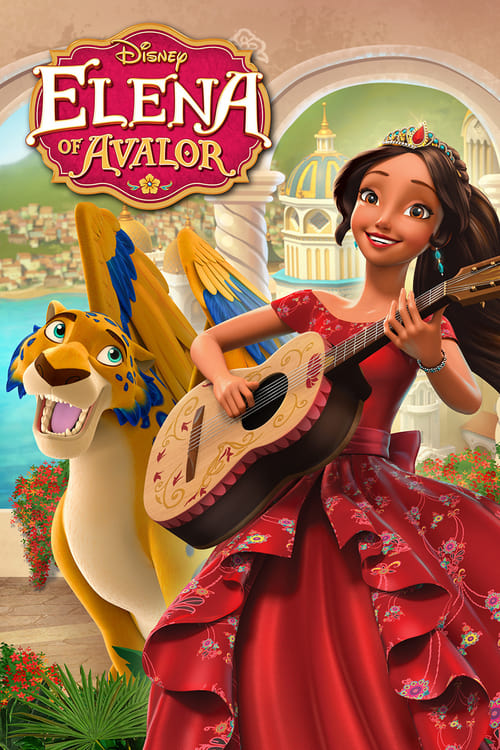
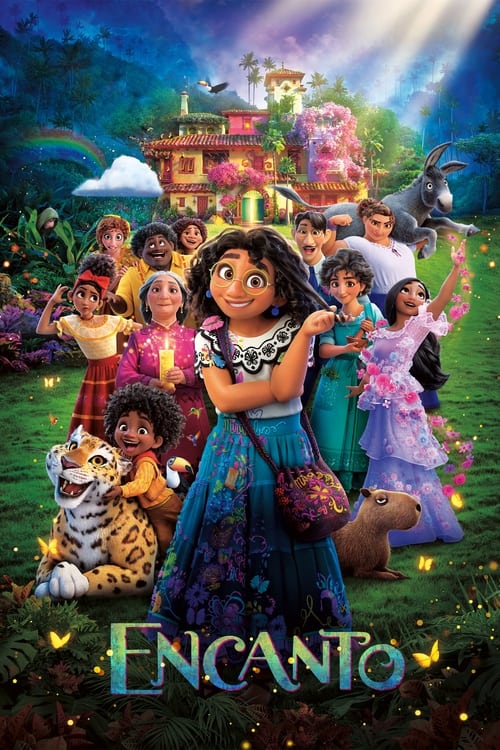
If You Love Dora the Explorer: Latina and Bilingual Stories
Stories centered on Latina characters or Spanish-language culture for young audiences

The Original Series Is the Definitive Version, and Nothing Has Topped It
The original Dora the Explorer (2000) achieved something almost no children's property has managed: it became genuinely useful. Kids who watched it picked up Spanish vocabulary, spatial reasoning, and the habit of asking for help. The format was rigid by design, and that rigidity is exactly what made it work. Every later iteration loosened the structure, added complexity, aged up the character, or went live-action, and each time something was lost. The magic of Dora was never her age or her world; it was the directness of the address and the simplicity of the ask. Twenty-five years on, that formula still holds.
Dora and the Lost City of Gold Is a Better Film Than It Had Any Right to Be
Dora and the Lost City of Gold (2019) arrived with every reason to be a disaster: a live-action adaptation of a cartoon aimed at toddlers, reframed as a teenage adventure-comedy. Instead it leaned into the absurdity with real affection, cast Isabella Merced in the lead with genuine charm, and managed to be funny for adults while remaining faithful to the character's spirit. The jokes about how strange Dora's childhood must have been land because the film actually thought about that childhood. It is not a classic, but it is an honest and fun hundred minutes that earns its place in the franchise.
The Franchise's Games Were Console Fodder, Not Creative Extensions
The video game adaptations of Dora the Explorer were built for the same demographic that watched the show, and they delivered exactly what that demographic needed: simple controls, familiar characters, and a sense of accomplishment that took about twenty minutes to reach. None of them pushed the franchise forward creatively. Dora Saves the Snow Princess (2008) and Dora Saves the Mermaids (2007) are competent licensed games of their era, not more. They extended the brand onto a new platform without adding anything the show had not already done better. Parents bought them; kids played them once or twice; nobody remembers them with particular fondness. That is the honest record.