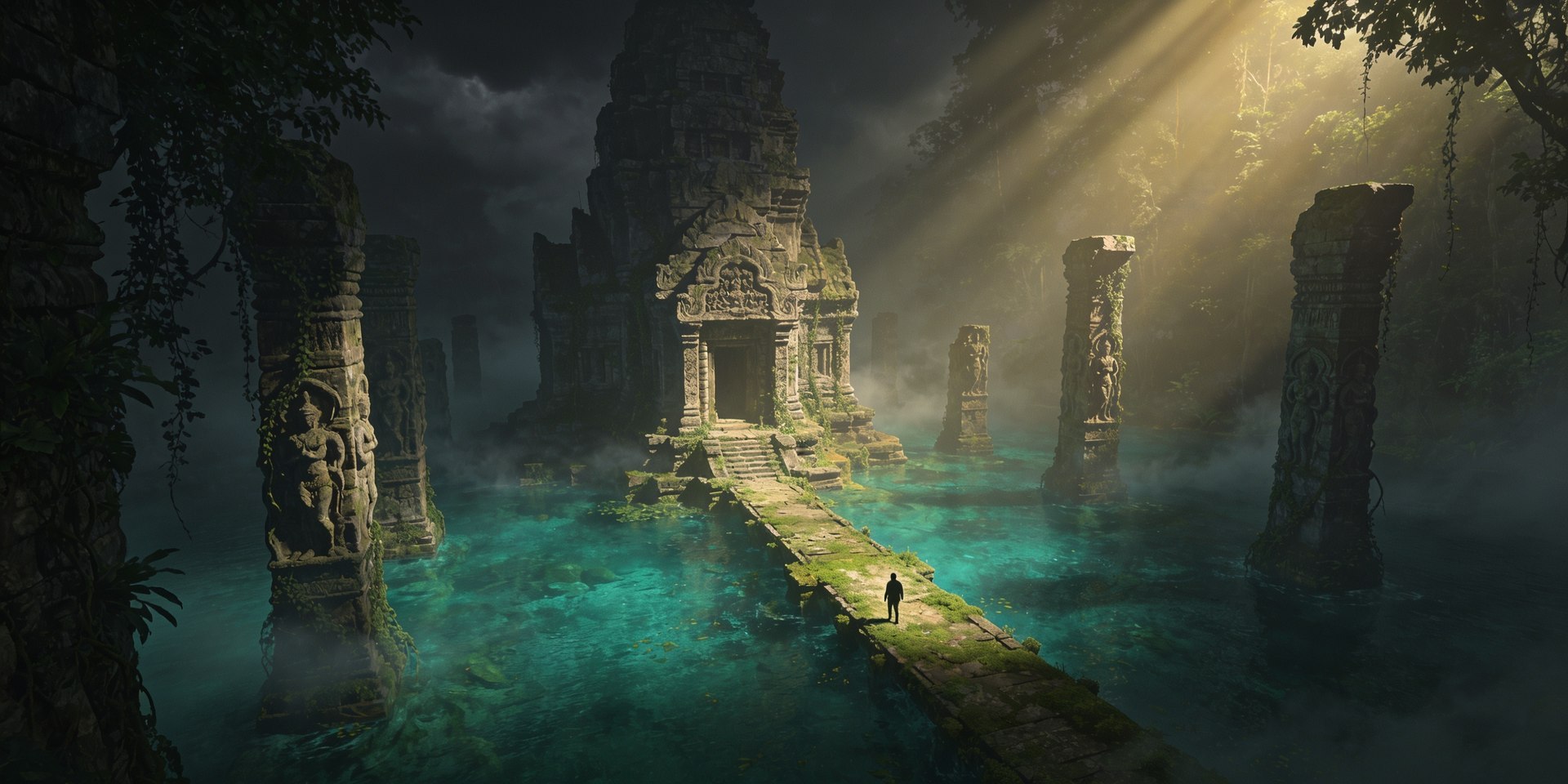

Every culture keeps a story about the world it lost. Atlantis slipping under the waves, El Dorado glinting somewhere past the next ridge, a jungle city that swallowed the men who went looking for it. None of these places were ever found, and that is exactly why they will not let us go. A lost civilization is a hole in the map shaped like a question, and the explorer who walks into it is really walking into the oldest human wish: that the past is not gone, only hidden, and that someone brave or foolish enough might still reach it.
This is the genre that gave us Indiana Jones outrunning a boulder and Lara Croft vaulting across a flooded temple, but it is older and stranger than the matinee version. It runs from Jules Verne lowering his characters through a volcano into the planet's hollow heart, to Werner Herzog dragging a real steamship over a real mountain in pursuit of a fever dream. The thrill is the same across two centuries and five media: a door in the rock, a map with one corner missing, and the awful suspicion that whoever built the door does not want it opened.
Essential lost civilizations
The canon: sunken empires, jungle cities and the explorers who went after them

Raiders of the Lost Ark is still the blueprint
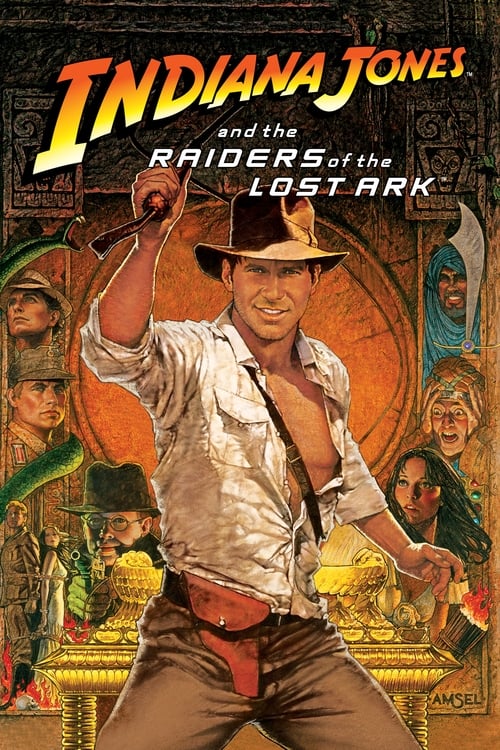
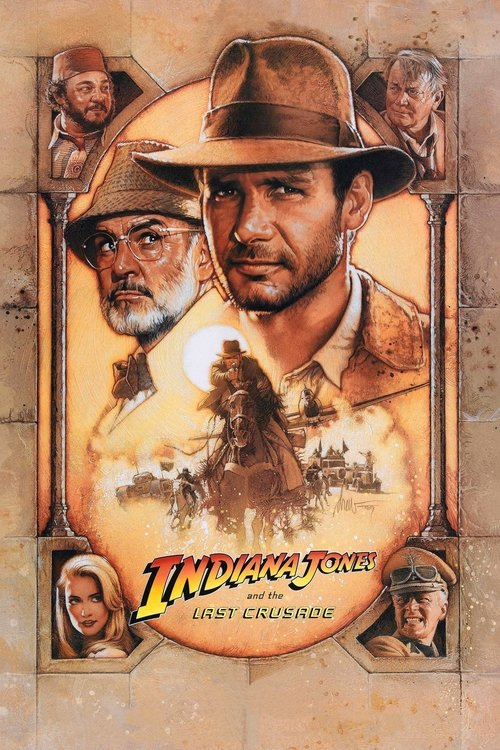
Spielberg and Lucas did not invent the tomb-raiding adventurer in 1981. They distilled him. Raiders of the Lost Ark took the pulp serials of the 1930s, the H. Rider Haggard explorers and the real archaeology of the Ark of the Covenant, and cut them down to a single perfect engine: a man who knows too much, a relic that should stay buried, and a race to reach it before people who want it for worse reasons. Indiana Jones is a professor who solves the puzzle and a brawler who survives the consequences, and the genius is that the film never lets him be fully in control. The famous gag where he shoots the swordsman instead of dueling him is the whole movie in three seconds: this hero improvises, and the wonders he chases are bigger and older than he is.
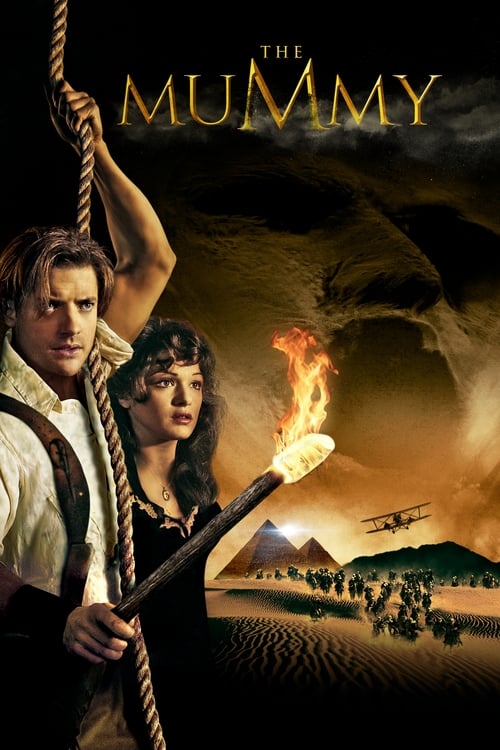
Every lost-world adventure since has measured itself against this. Uncharted is Raiders with a controller. The Brendan Fraser Mummy is Raiders with jokes. None of them have bettered the original's nerve for treating a supernatural artifact as something that genuinely should not be disturbed.
Explorers on the big screen
From the Amazon to the Valley of the Kings, the films that went looking
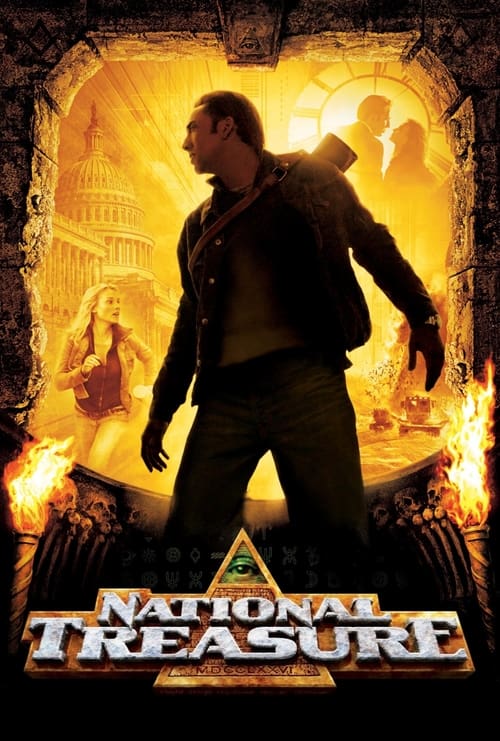
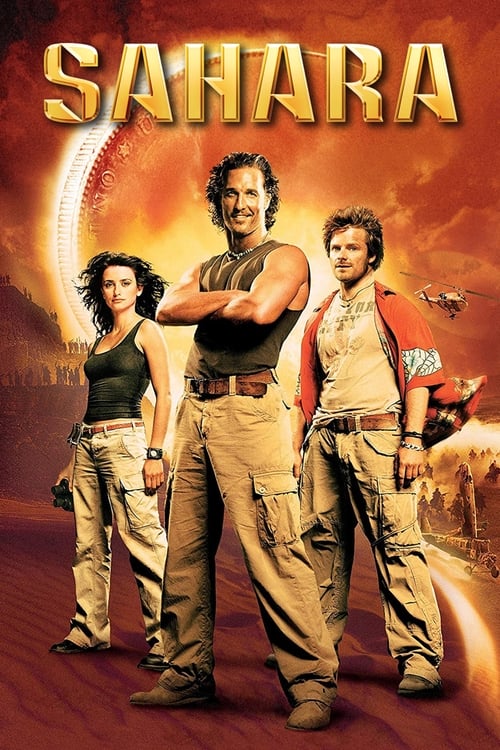
The two faces of the genre
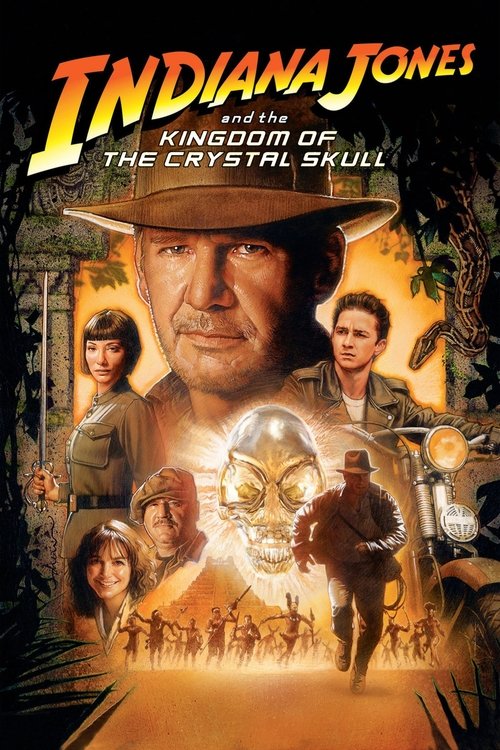
There are really two kinds of lost-civilization story, and they want opposite things from you. The first is the adventure: the relic is a prize, the jungle is an obstacle course, and the explorer wins by being clever and quick. That is Indiana Jones, that is Nathan Drake, that is the whole grinning Saturday-afternoon tradition where a vanished kingdom exists so a hero can plunder its booby traps.
The second kind does not let you win. Here the lost city is a trap baited with your own ambition. Percy Fawcett walks into the Amazon looking for the City of Z and simply never comes back. Lope de Aguirre floats down the same river toward El Dorado and goes mad on a raft full of corpses. These stories use the same map and the same myth, but they end with the jungle closing over the explorer like water over a stone. The best examples of the genre know both modes are true at once: the dream that pulls you in is the same thing that destroys you.
The Lost City of Z is the genre's honest ending
James Gray's The Lost City of Z, drawn from David Grann's nonfiction account, is the lost-world film with no boulder to outrun and no idol to grab. It follows the real British surveyor Percy Fawcett, who became convinced that an advanced civilization once stood in the Amazon basin, and who returned again and again until a final 1925 expedition vanished without a trace. Gray shoots the obsession as something close to a love affair. Fawcett is not greedy and he is not a fool, which is what makes him terrifying: he is a careful, decent man who cannot stop, and the film lets the green wall of the jungle simply absorb him.
It is slow where the matinee version is fast, and elegiac where Indy is gleeful. That is the point. Most of these stories pretend the explorer is the hero of the land he invades. This one knows the land was never his, the city may never have existed as he imagined, and the search was the only thing that was ever real.
Lost worlds to play
Tombs, ruins and flooded temples you actually have to climb through
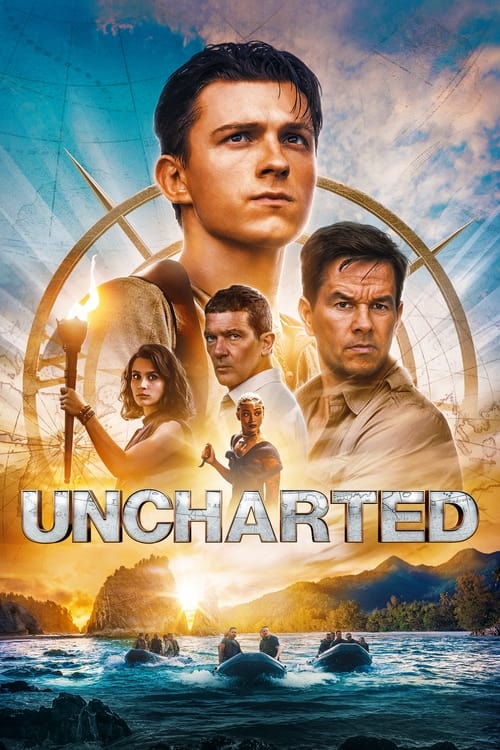
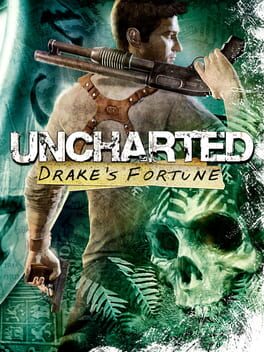
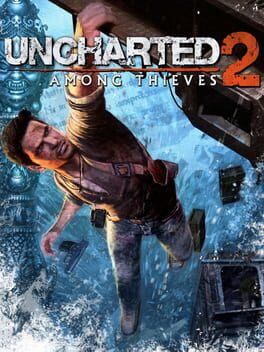
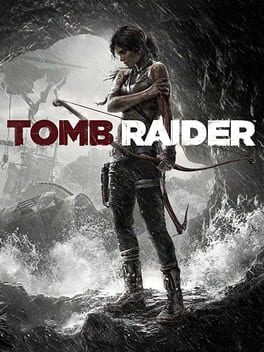

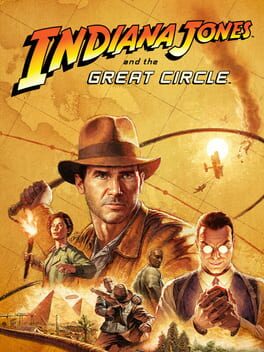
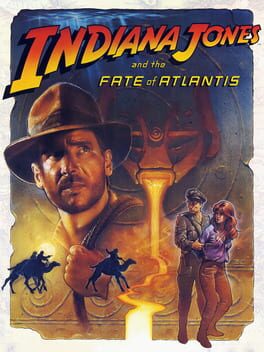
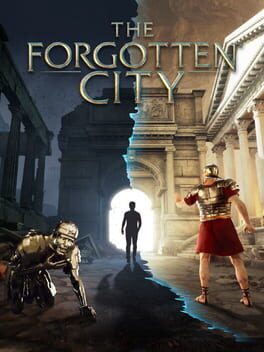
Uncharted made the lost city a playable place
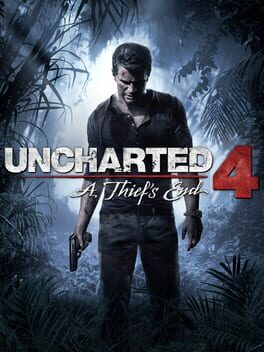
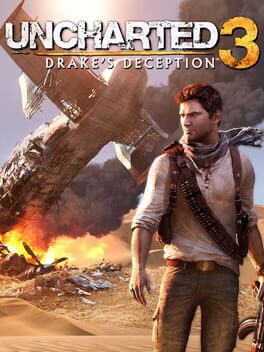
What Naughty Dog understood, and what most lost-world films cannot afford, is that the wonder is in the architecture. Uncharted 4: A Thief's End sends Nathan Drake after Libertalia, a real pirate-utopia legend dressed up as a sprawling ruined island, and the joy of it is not the gunfire. It is rounding a corner and finding a collapsed colonial city reclaimed by jungle, climbing a clock tower that groans under your weight, watching a centuries-old mechanism still half work. A film shows you a lost city for ninety seconds. A game lets you spend hours inside one, finding the rooms the camera would have skipped.
The series is openly built on the Raiders template, treasure-hunting banter and all, but the medium gives it something cinema cannot: you are the one who has to figure out how the dead built this, and how to get back out. That is the lost-civilization fantasy delivered as deep as it can go.
Through the gate on television
Sunken kingdoms, buried codes and the long-running shows that dug for them

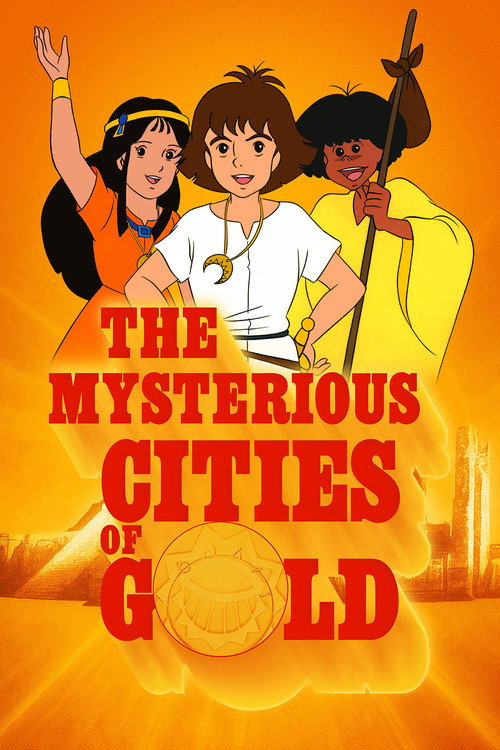
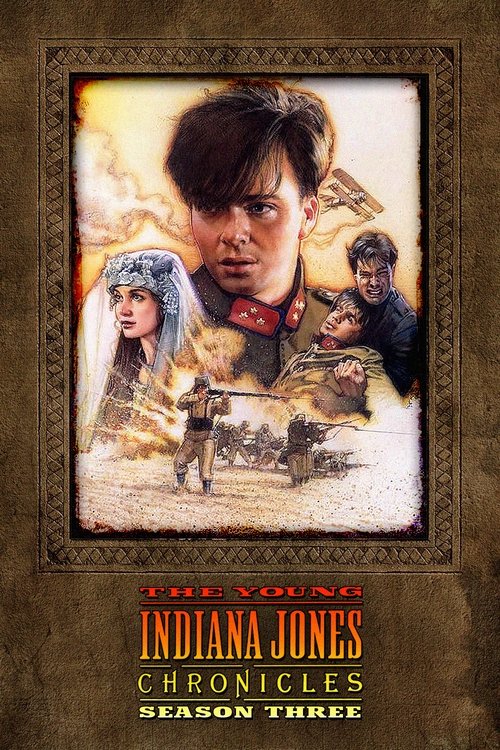
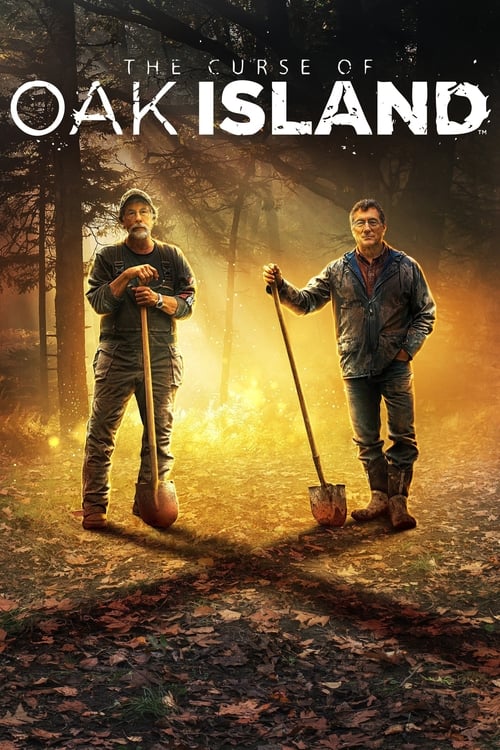
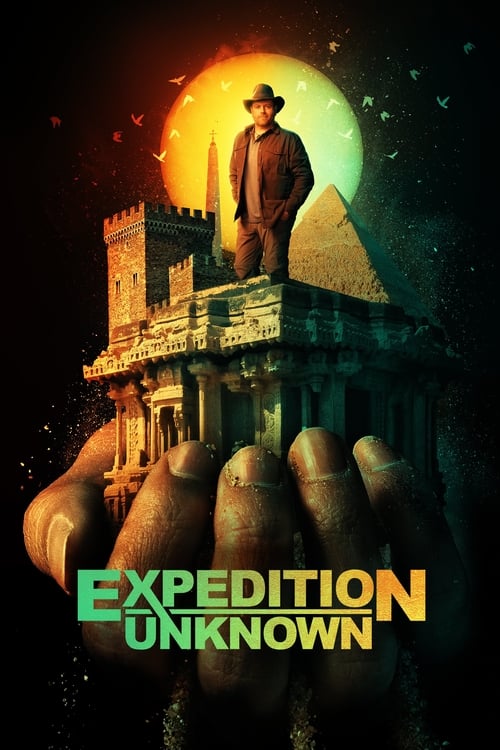
The map said there was nothing there. That is precisely why he went.The explorer's logic, from Verne to Fawcett to Nathan Drake
The books that drew the map first
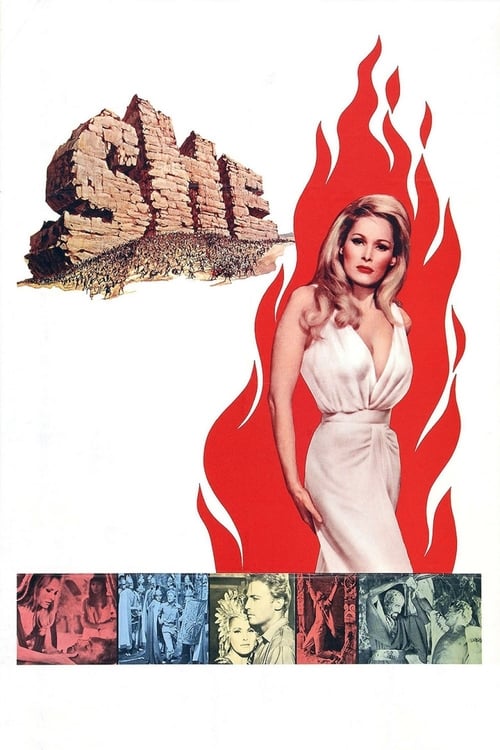
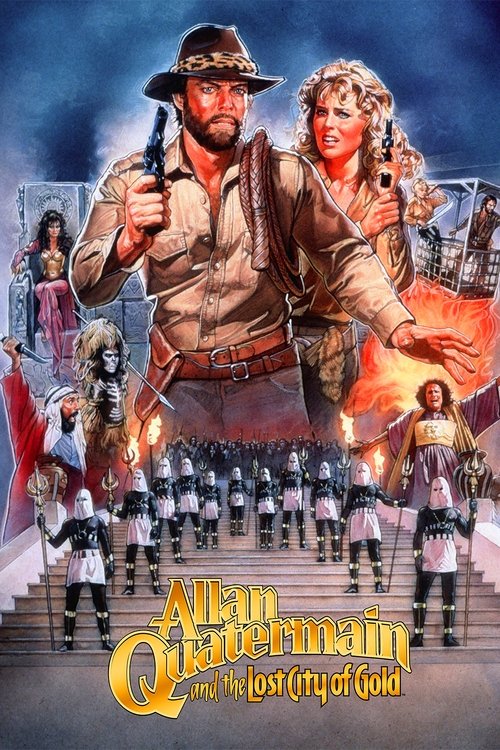
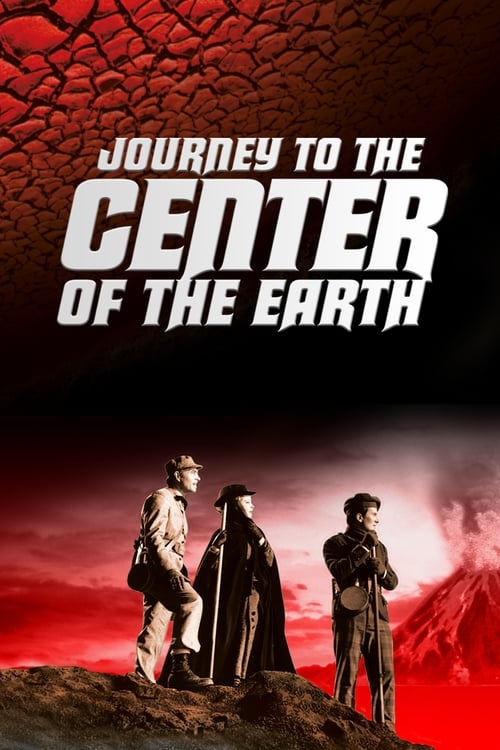
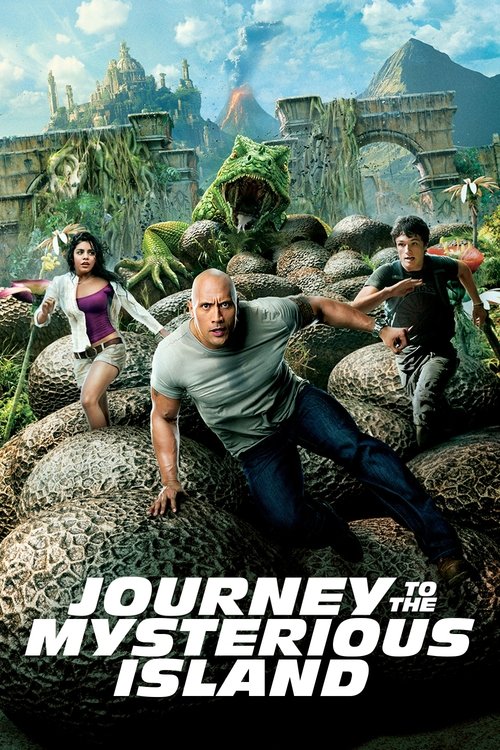
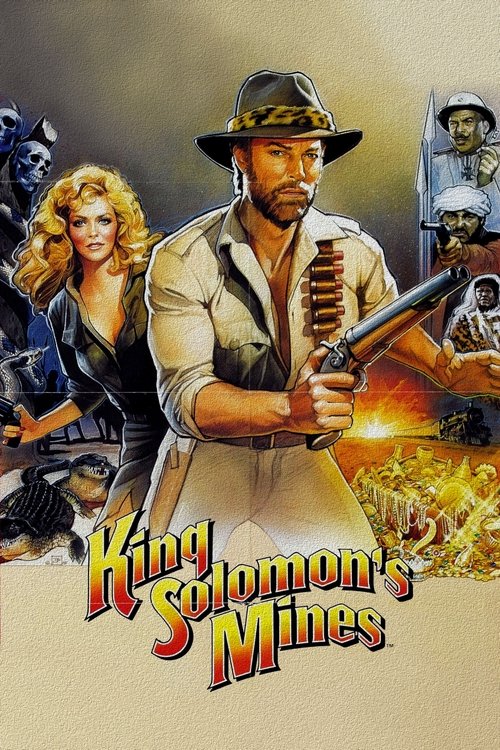
Long before the cameras, the lost world was a literary invention. Jules Verne sent his explorers down through a volcanic shaft in Journey to the Center of the Earth and into the crushing dark of the deep ocean in Twenty Thousand Leagues Under the Sea, building the template for every descent into a hidden realm since. H. Rider Haggard's Victorian adventures, She and King Solomon's Mines, gave the genre its ruined African kingdoms and its immortal, terrible queens, and you can trace a straight line from Haggard's Allan Quatermain to the fedora and the whip.
The modern airport-thriller version keeps the engine running. Clive Cussler's Sahara buries a Confederate ironclad and a lost secret under the desert and lets Dirk Pitt dig them out at speed. These are not subtle books. They are not trying to be. They are the pure distilled pleasure of the dotted line on the map and the X at the end of it, the form the genre took when it lived only on the page.
The lost world on the page
Verne, Haggard and the thriller writers who kept digging


The sound of the search
Scores that carry you into the jungle and down into the dark
Aguirre is the lost-city story stripped to its madness
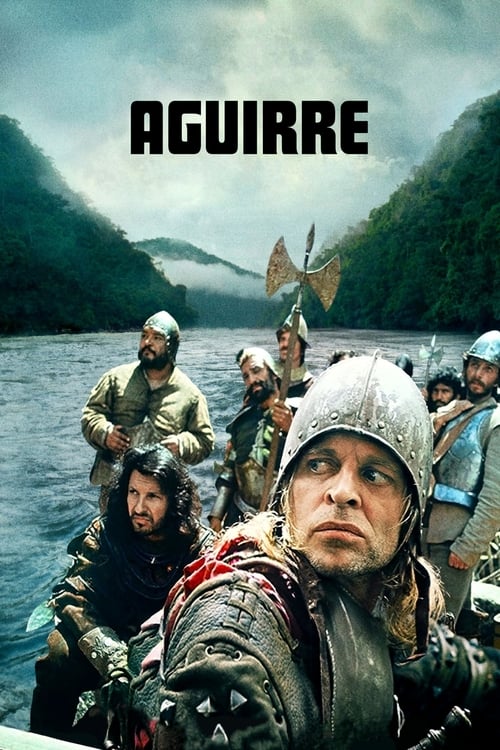
Werner Herzog's Aguirre, the Wrath of God takes the El Dorado legend and removes everything comforting about it. A Spanish expedition peels off from Pizarro's column to find the golden city, and under Klaus Kinski's Aguirre it floats deeper into the Amazon until the river, the heat and the explorer's own delusion dissolve them all. There is no relic, no triumph, no escape. The famous final shot, Aguirre alone on a raft overrun with monkeys, declaring himself the wrath of God over a kingdom of nothing, is the truest image the genre has ever produced.
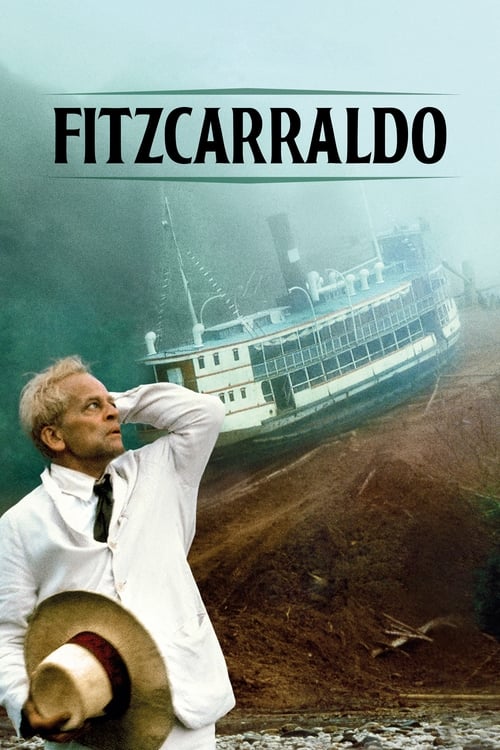
Popol Vuh's haunted choral score does half the work, turning the jungle into something sacred and indifferent at once. Pair it with Herzog's other obsession film, Fitzcarraldo, where a man hauls a steamship over a mountain, and you have the lost-civilization dream told as what it really is: a beautiful sickness that uses the promise of a hidden world to march men off the edge of the map.
Deeper into the ruins
Animated cities, pulp queens and the wider world of the vanished