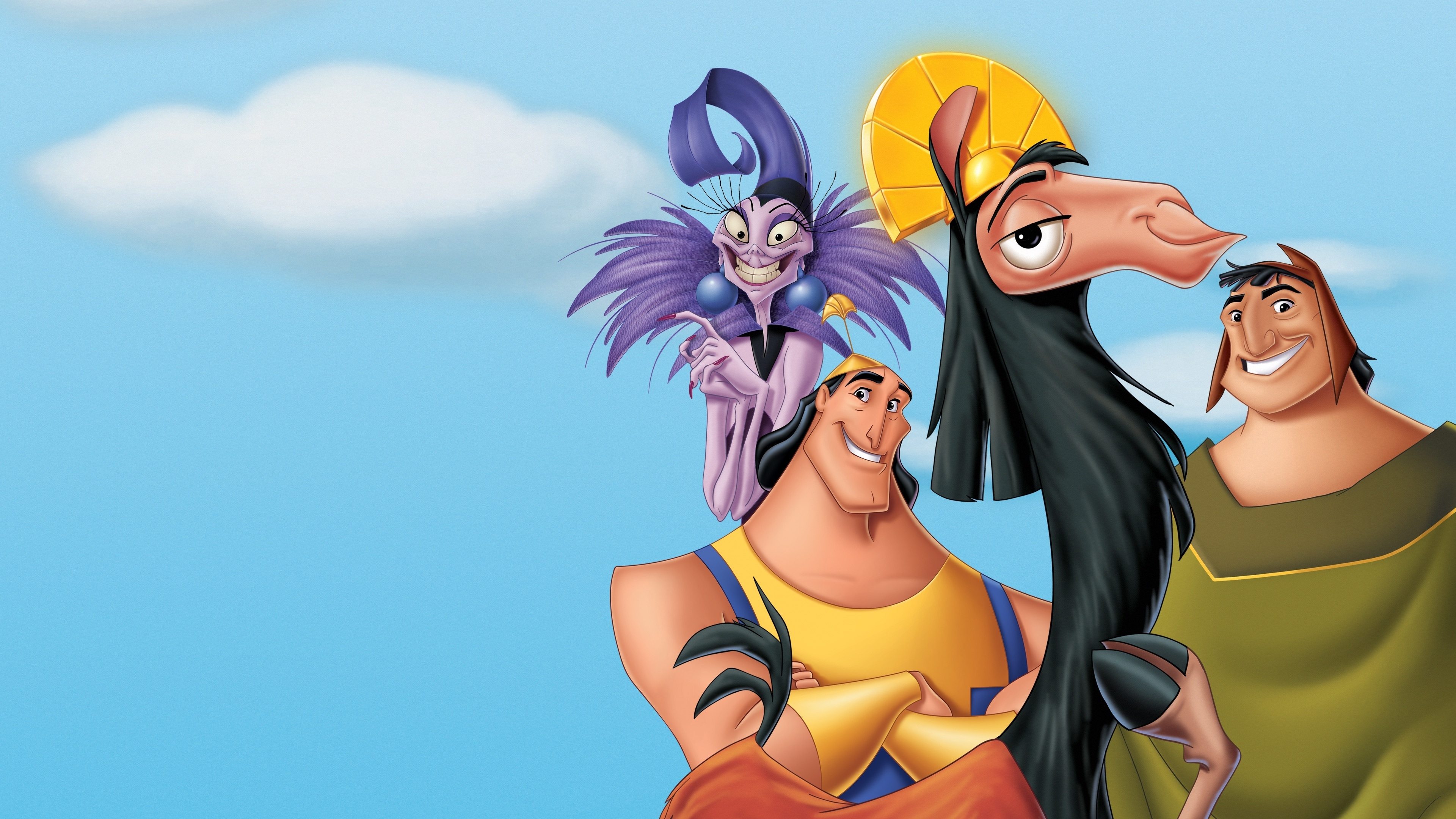

An Empire Built on Wreckage
The Emperor's New Groove has no literary source material. It is, unusually for a Disney animated feature, an original story, but the film that reached theaters in 2000 is almost unrecognizable from the one that began production as Kingdom of the Sun in the mid-1990s. That earlier version was a sweeping, earnest Incan epic inspired loosely by Mark Twain's The Prince and the Pauper, with songs by Sting and a tone closer to The Lion King than to anything resembling a Looney Tunes cartoon. Director Roger Allers (of The Lion King) was building something ambitious. Then the production collapsed.
A combination of story problems, creative disagreements, and a disastrous test screening led Disney to tear the project down in 1998 and rebuild it from scratch under director Mark Dindal. The reboot stripped away the mythology, jettisoned most of the songs, and leaned into pure comedy: a self-obsessed emperor named Kuzco gets turned into a llama by his scheming adviser Yzma, and is forced to rely on a peasant farmer named Pacha to reclaim his throne. The result was unlike anything Disney had made before, arriving December 15, 2000 to modest box office but a devoted cult following that only grew over time.
The story that eventually emerged from the wreckage traveled further than anyone expected: a direct-to-video sequel, a long-running TV series, and an unusual presence across video games cemented it as one of Disney's most beloved B-tier properties. The making of the original film was itself turned into a documentary, The Sweatbox, by Sting's wife Trudie Styler, which Disney has kept suppressed for decades, making it one of the most mythologized behind-the-scenes artifacts in animation history.
Every Version of The Emperor's New Groove
The original film, its sequels, its TV spin-off, and the games

The Emperor's New Groove: A Timeline
- 1994Kingdom of the Sun enters development at Walt Disney Feature Animation
- 1998Production scrapped; Mark Dindal rebuilds as a screwball comedy
- 2000The Emperor's New Groove released in theaters (December 15) The Emperor's New Groove
- 2001The Sweatbox documentary completed by Trudie Styler, largely suppressed by Disney
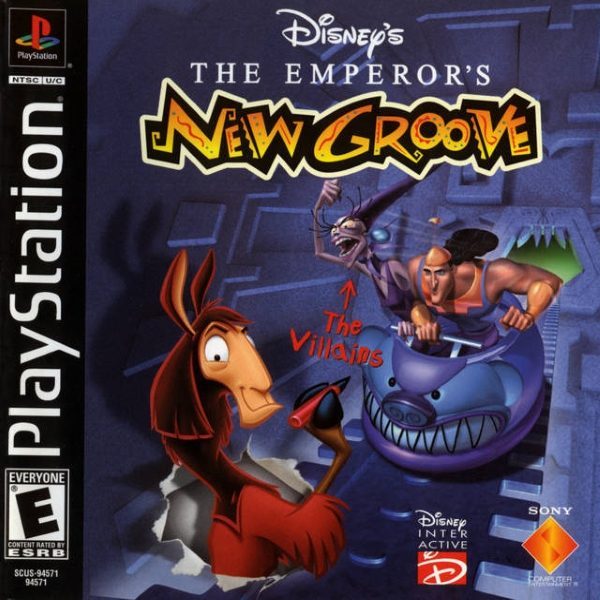
- 2002The Emperor's New Groove video game for Game Boy Advance and PC Disney's The Emperor's New Groove
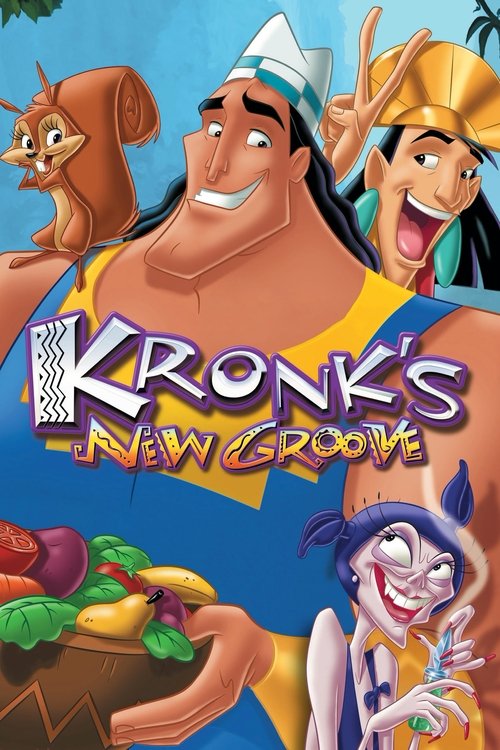
- 2005Kronk's New Groove direct-to-video sequel released Kronk's New Groove
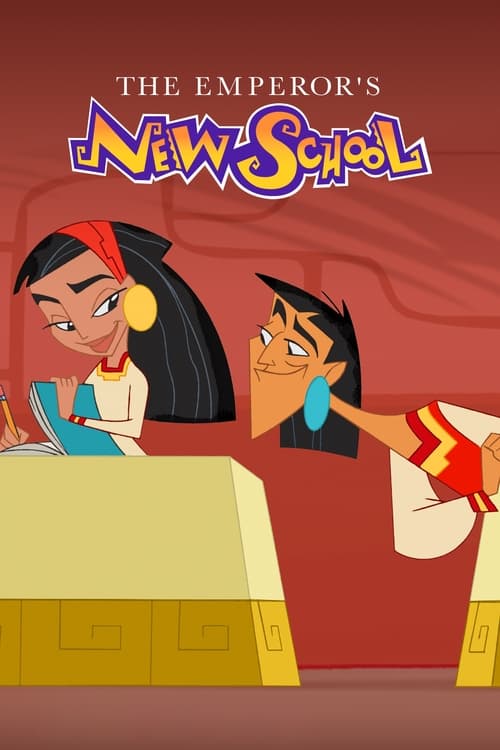
- 2006The Emperor's New School TV series premieres on Disney Channel The Emperor's New School
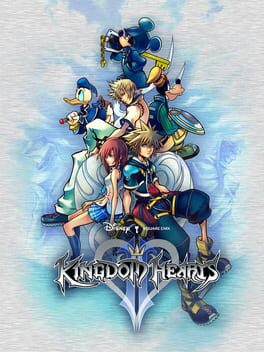
- 2006Kingdom Hearts II features Groove-universe characters in Disney world cameos Kingdom Hearts II
- 2008The Emperor's New School ends after two seasons
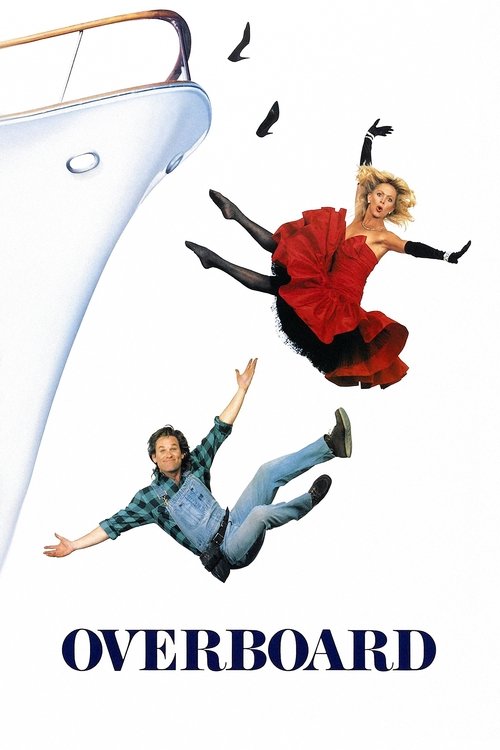
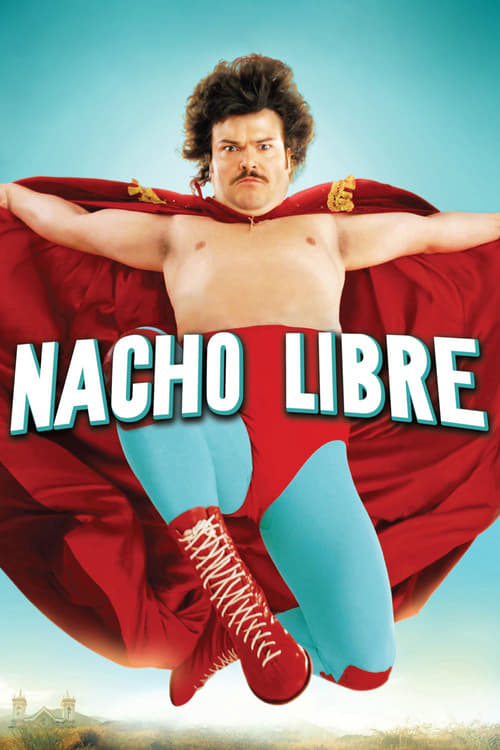
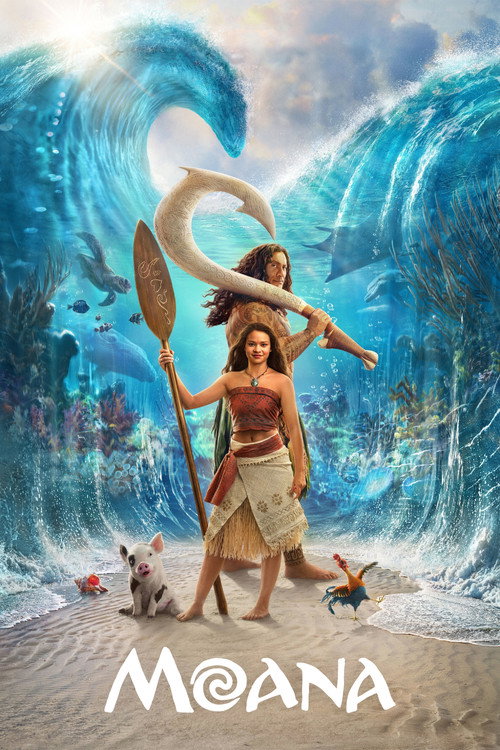
If You Love the Comedy: Screwball Buddy Stories
Films and shows built on mismatched pairs, comic reversals, and characters who are their own worst enemy



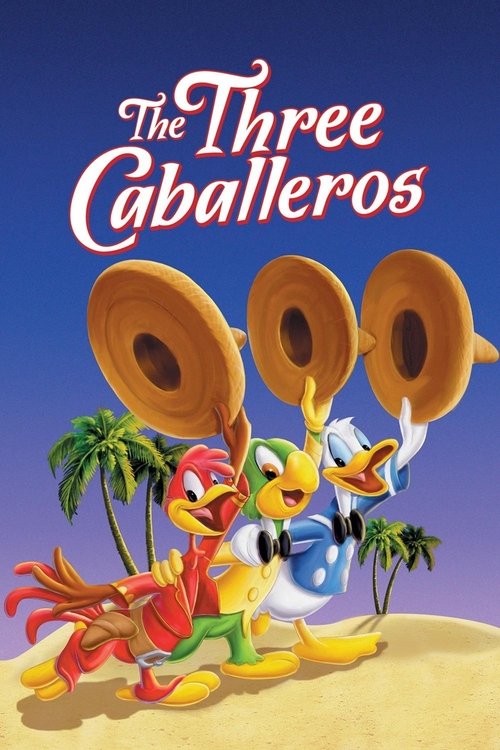
If You Love the Villain: Great Animated Antagonists and Their Stories
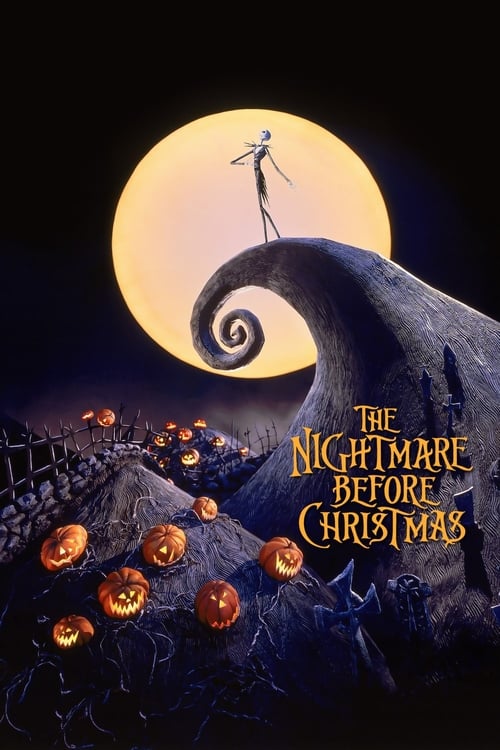
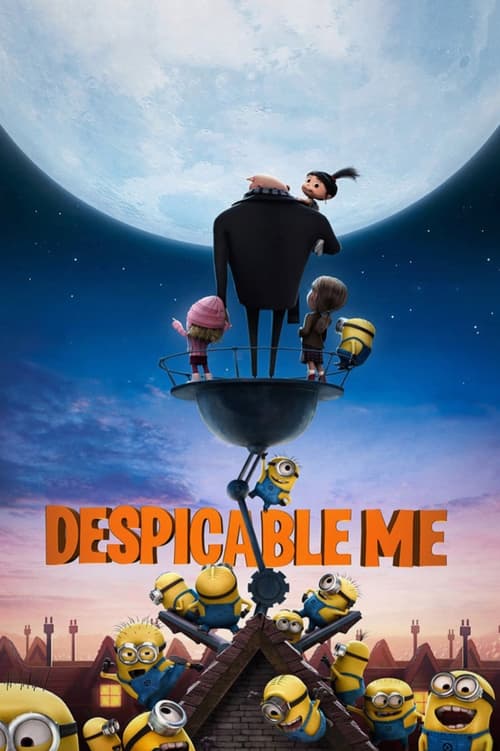
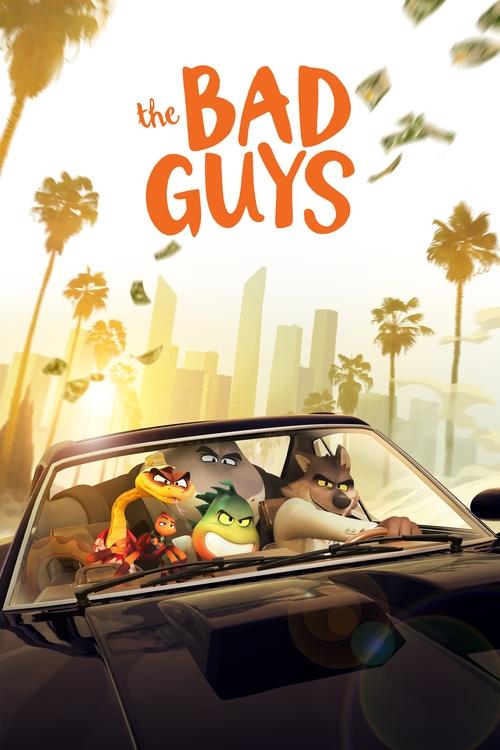
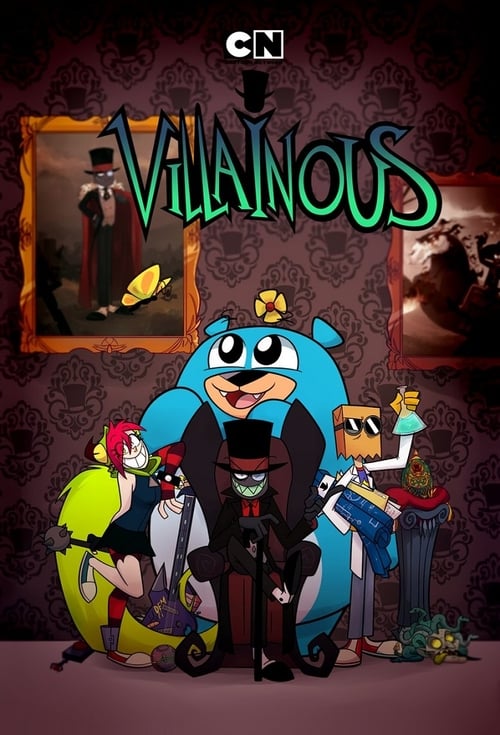
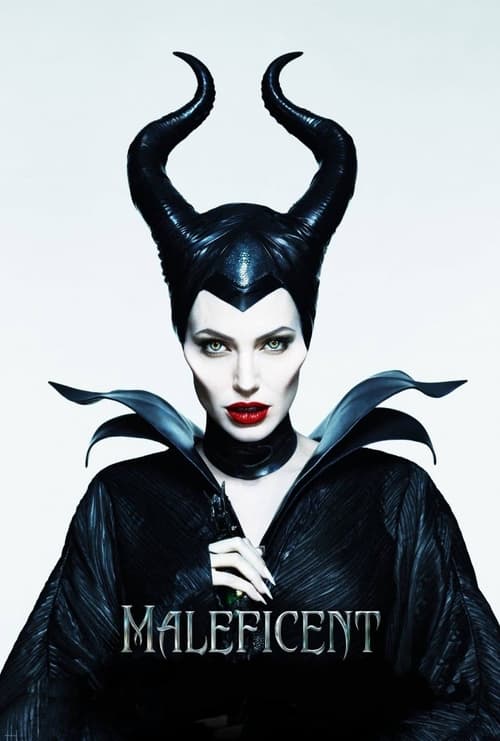
Yzma is one of Disney's all-time great comedic villains; these are her peers and successors
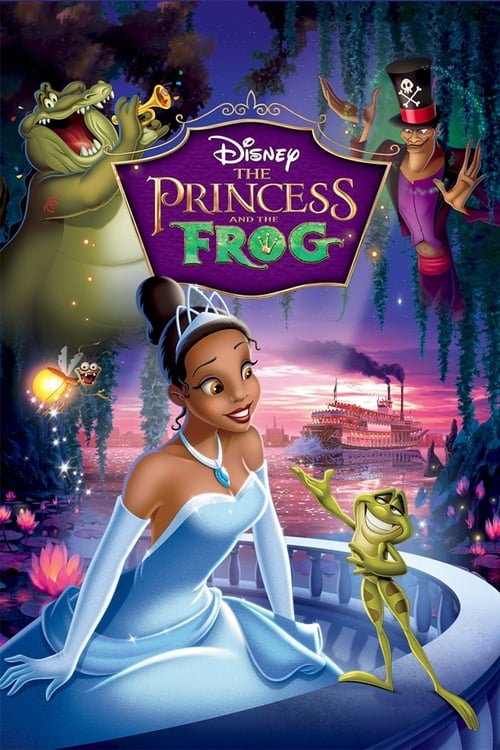
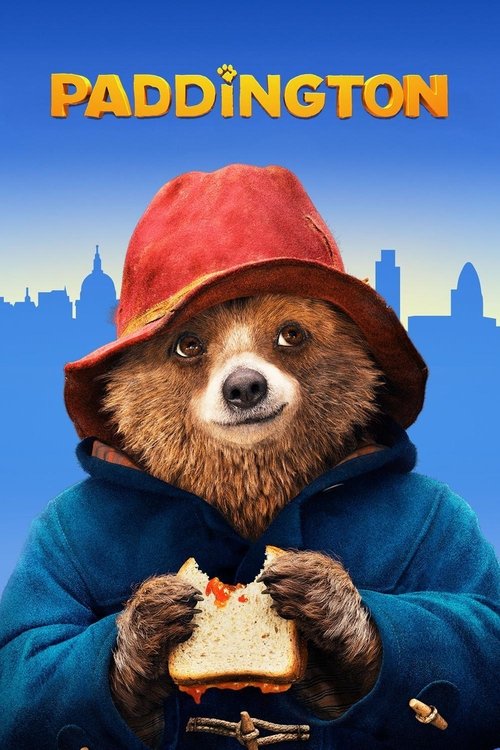
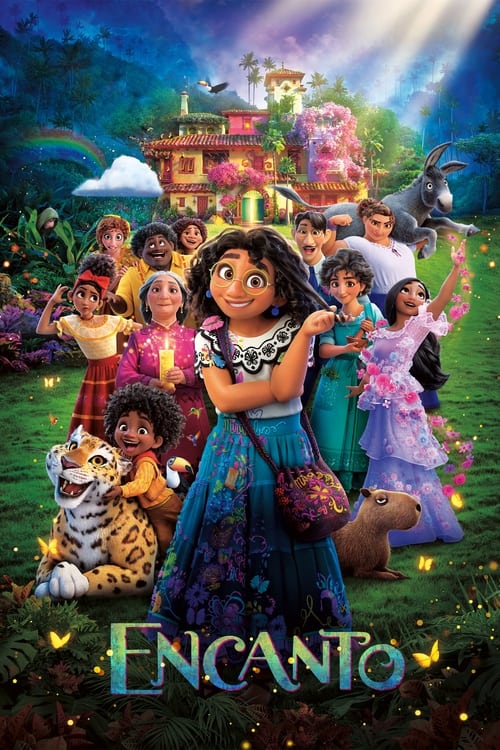
If You Love the Premise: Royals, Transformations, and Comeuppance
Stories about powerful people brought low, forced to grow up, and comedic shape-shifting

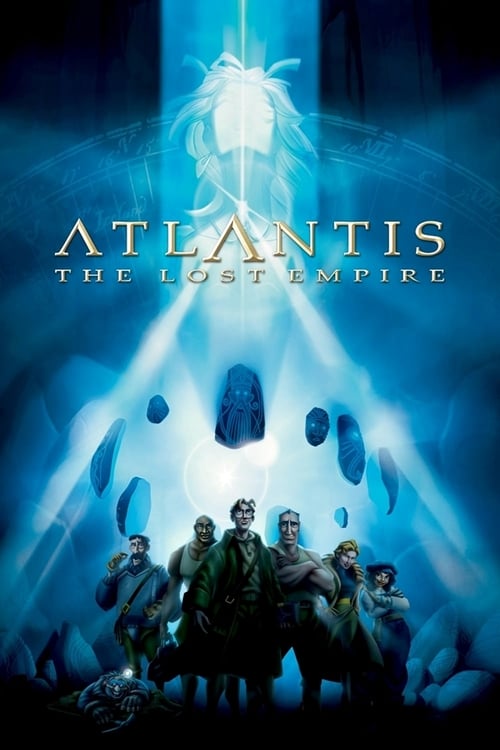
If You Love the Setting: Ancient Civilizations and Lost Worlds
Films and games set in pre-Columbian, ancient, or mythologized civilizations with that same sun-baked grandeur
The definitive version is the 2000 film, and it is not a close contest
The 2000 film is a comedy that works on speed, rhythm, and voice performance in a way almost nothing else in the Disney canon does. It knows exactly what it is: a 78-minute joke delivery machine with no pretensions toward myth or emotional catharsis. The fact that it emerged from a disaster, that nearly every element was rebuilt at the last minute, somehow produced one of the tightest comedic structures in animation history. Every subsequent version chases this and does not quite catch it.
The Emperor's New School is the underrated extension of the universe
Two seasons, 52 episodes, and largely ignored outside the fanbase that grew up with it on Disney Channel. The show returns Kuzco to Yzma as a regular antagonist, keeps the fourth-wall-breaking meta-humor of the film, and finds a sustainable weekly format for a comedic premise that could easily have worn thin. It is not trying to be the film; it is trying to be good television, and on those terms it mostly succeeds.
Kronk's New Groove is the one to skip
Direct-to-video sequels rarely improve on their source material, and Kronk's New Groove is no exception. It splits its runtime into three short stories connected by a frame narrative, and in doing so none of them develop enough momentum to land. Kronk is a supporting character who works precisely because he has no interior monologue, no ambition, no arc. Putting him at the center strips away the joke. The voice cast returns, the animation is fine, and the whole thing evaporates about twenty minutes after watching it.