
It started with a lie
The 1996 Coen Brothers film Fargo opens with a card claiming the story is true and that names have been changed out of respect for the dead. It is not true. Joel and Ethan Coen invented the whole thing, borrowing loose atmosphere from real Midwestern crime cases and the flat, snow-blinded landscape they grew up in. The disclaimer was a tonal choice, not a confession.
What they made was singular enough that it generated a television franchise and a sprawling cultural footprint. Noah Hawley's FX anthology series, which began in 2014, took the world the Coens built (the accents, the weather, the violence erupting into mundane lives) and used it as a staging ground for entirely new stories set in different eras and corners of the Midwest and upper plains. Five seasons of television, two hours of original film, and a handful of adaptation attempts that never quite took. Here is all of it.
Fargo Through the Years
- 1996Original film released, wins two Oscars (Best Director, Best Original Screenplay) Fargo
- 1997CBS shoots a pilot to spin the film into a weekly procedural, starring Edie Falco. It never airs.
- 2014FX anthology series launches. Season 1: Bemidji, Minnesota, 2006. Martin Freeman and Billy Bob Thornton. Fargo
- 2015Season 2: South Dakota and Minnesota, 1979. Kirsten Dunst, Jesse Plemons, Ted Danson, Patrick Wilson. Fargo
- 2017Season 3: Eden Valley and St. Cloud, Minnesota, 2010. Ewan McGregor in a dual role, Carrie Coon. Fargo
- 2020Season 4: Kansas City, 1950. Chris Rock leads an ensemble about two crime families and the American myth of upward violence. Fargo
- 2024Season 5: North Dakota, 2019. Juno Temple and Jon Hamm. The series ends. Fargo
The definitive version is Season 2
Season 2 of the FX series is the high point of the entire franchise, including the original film. Set in 1979 across the South Dakota and Minnesota border region, it is the most formally ambitious season, the most emotionally complete, and the one where Noah Hawley's style fully crystallized. Kirsten Dunst and Jesse Plemons carry a central marriage under pressure that is more affecting than anything in the film. The ensemble around them, including Ted Danson and Patrick Wilson, does not waste a single scene. It also introduces the UFO, which is the single most debated image in the whole Fargo universe: a choice that either signals that the show is about how violence distorts perception of the ordinary, or a genuine act of surrealism that trusts the viewer to hold two registers at once. Both readings are available. Neither weakens the season.
The underrated one is Season 4
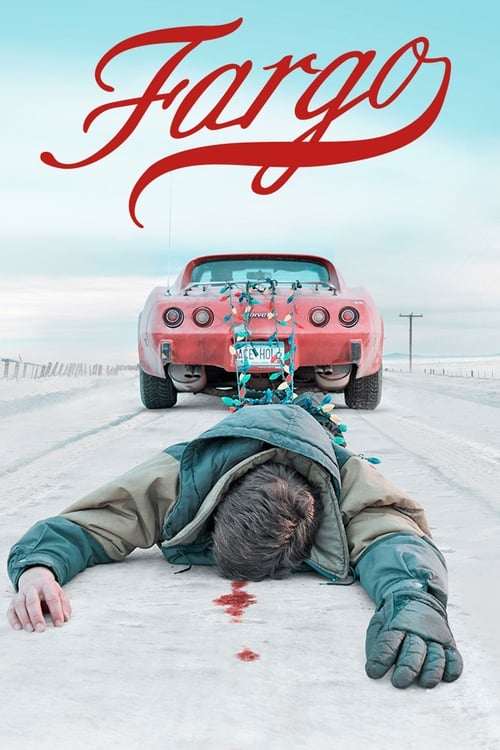
Season 4 is the most divisive, and also the most ambitious in scope. Moving the franchise to Kansas City in 1950 and centering it on the collision between an African American crime syndicate and a Sicilian mob family, it operates more like a historical novel than a crime thriller. Chris Rock gives a controlled, surprising performance that works precisely because it avoids the comedic register you expect from him. The season is genuinely interested in how violence and power travel through American institutions across generations. It moves slowly by design. Viewers expecting the bleak Midwestern deadpan of earlier seasons bounced off it hard. Those who stayed got something different and worth having.
The 1997 pilot: a useful lesson in what the format cannot do
CBS shot a pilot in 1997 to spin the film into a weekly procedural, casting Edie Falco as a Marge Gunderson stand-in. It never aired. What exists in clips is serviceable network television of that era, which is precisely the problem: the film's power came from its specificity and its absolute control of tone, both of which are nearly impossible to sustain in a weekly broadcast format. The pilot is a historical curiosity. Its failure explains why Hawley's anthology structure (new story, new cast, new era each season) was the only format that actually worked: it preserves the film's sense that this particular collision of violence and ordinary life is singular, not a franchise beat to be repeated.
If you love the original film
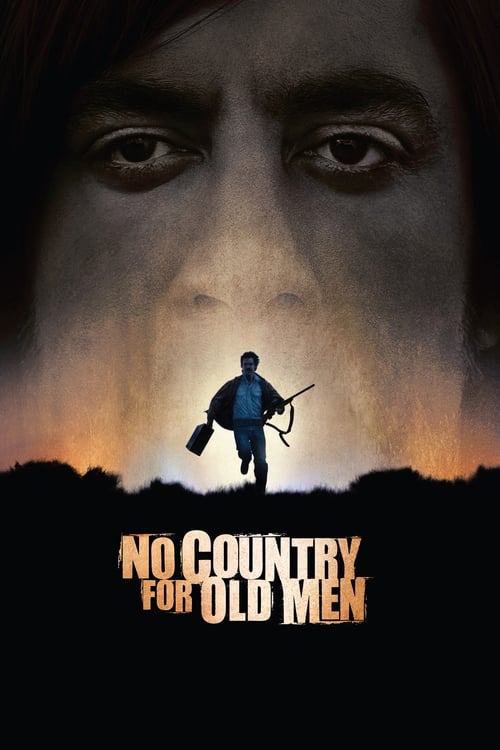
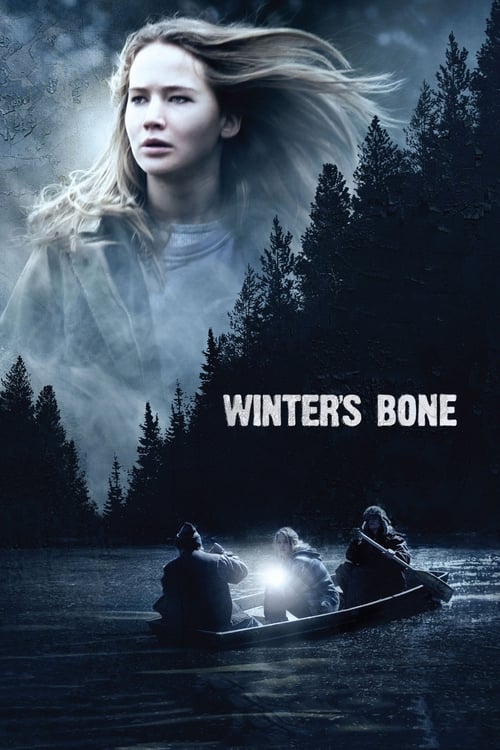
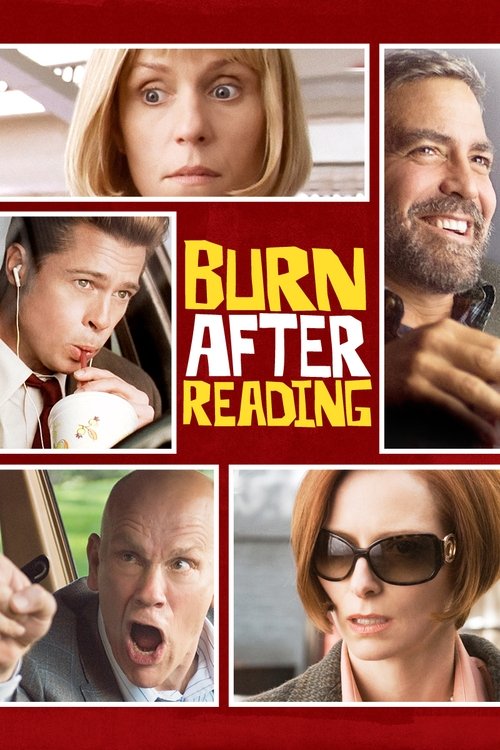
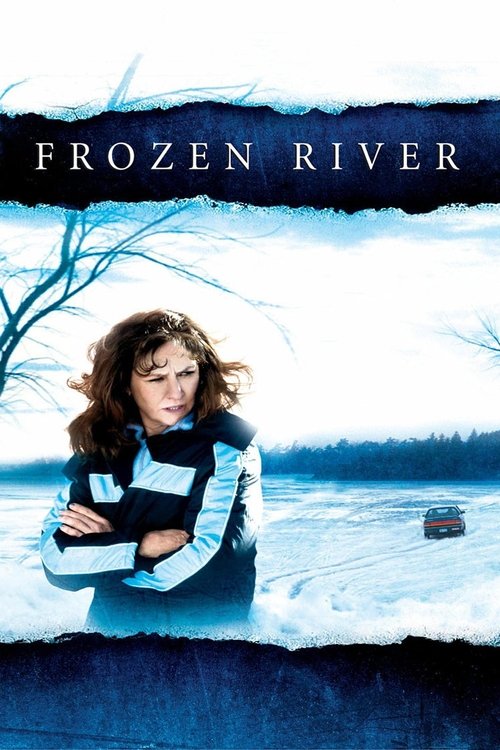
Dark Midwestern crime, deadpan violence, ordinary people in over their heads

If you love the anthology TV series
Prestige crime anthologies and slow-burn character studies


Crime fiction with the same flat-land menace
Books and films that share Fargo's sense of place and moral weight

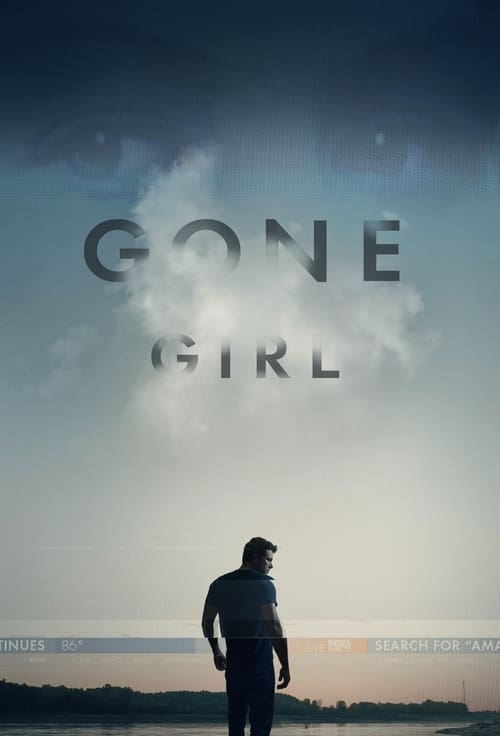
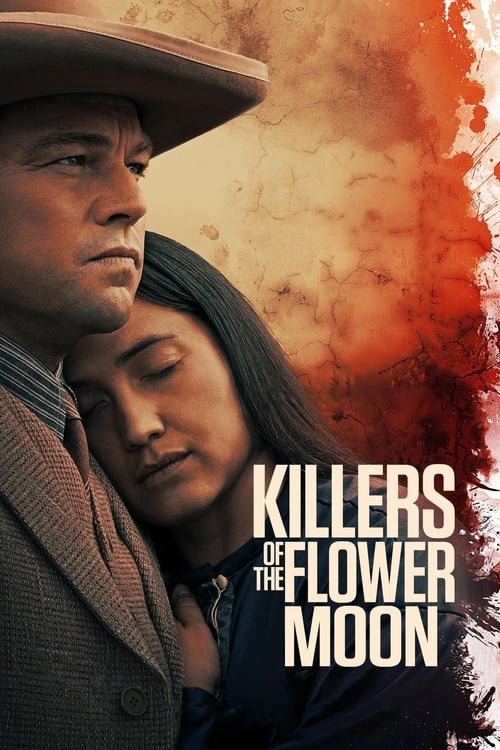
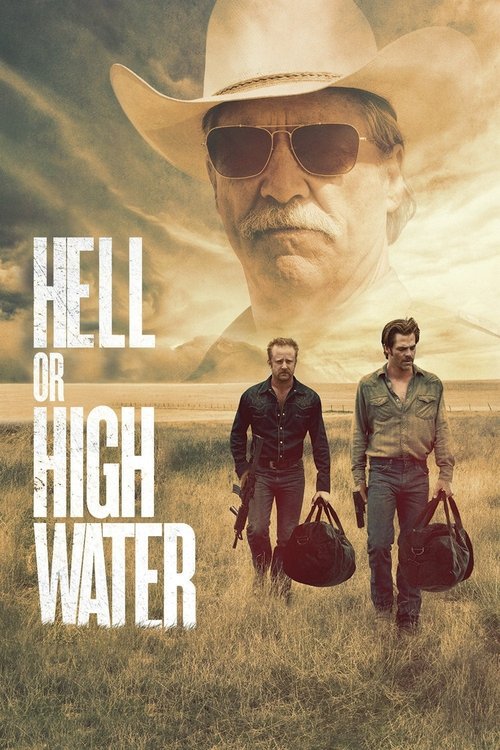


If You Love Fargo, Go Deeper
For Fans of Joel Coen
Explore the For Fans of Joel Coen guide →The Coens claimed the film was a true story. It was not. That lie became the whole point: Fargo is about how violence hides inside ordinary life, and sometimes ordinary life hides inside extraordinary violence.CrossBinge editorial