
A Novel Almost Nobody Read, and an Anime Almost Everybody Has Seen
The story begins with The Incredible Tide, a 1970 post-apocalyptic novel by the American writer Alexander Key, best remembered as the author behind Escape to Witch Mountain. Key imagined a world ravaged by a magnetic weapons war, most of its surface sunk beneath the sea, survivors scattered across small islands or gathered under the thumb of a technocratic city-state called Industria. Into this world he placed Conan, a boy of almost supernatural physical ability raised in isolation by his grandfather on a tiny remnant island.
The novel found a modest readership in the United States and was quickly forgotten. Then, in 1978, NHK commissioned Hayao Miyazaki to direct a television anime adaptation. Miyazaki had never directed a full series before. What he delivered across 26 episodes was not a faithful retelling but a transformation: the story grew broader, warmer, and more kinetic, with hand-drawn action sequences and an emotional texture that bore all the hallmarks of what Miyazaki would later become famous for at Studio Ghibli. Mirai Shonen Conan became a landmark in Japanese television animation.
The anime spawned a theatrical compilation film in 1979 (retitled Future Boy Conan II: The Search for Mother City in some markets) and a loose Famicom game adaptation in 1983. Neither has had much life outside Japan. Key's novel remains the largely unsung origin point of the whole saga.
Future Boy Conan Through the Years
- 1970Alexander Key publishes The Incredible Tide
- 1978Miyazaki's 26-episode NHK anime series airs in Japan Future Boy Conan
- 1979Theatrical compilation film released in Japan
- 1983Famicom video game adaptation released in Japan
- 2018NHK rebroadcast and renewed international interest Future Boy Conan
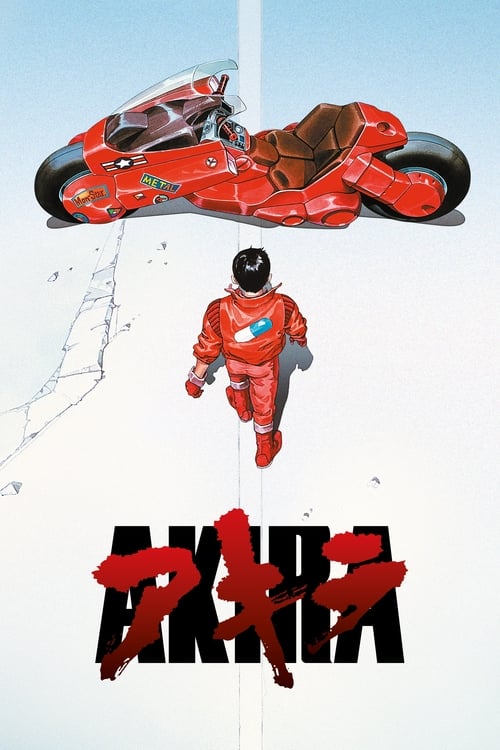
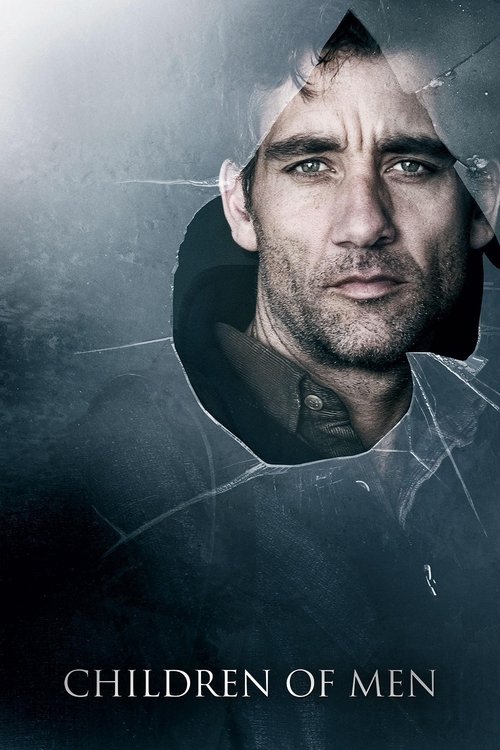
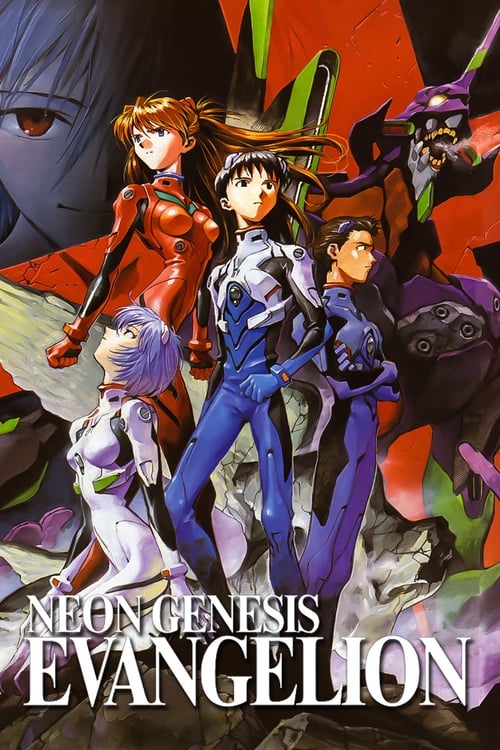
If You Love the Post-Apocalyptic Adventure
Stories about survival, lost civilizations, and hope after the end of the world





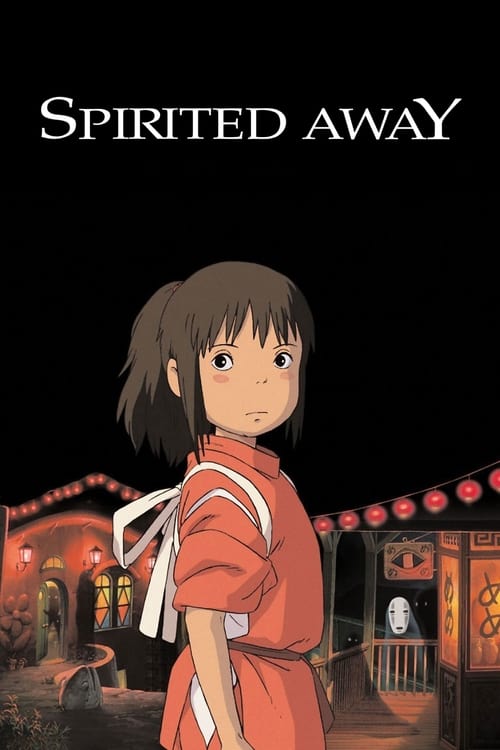
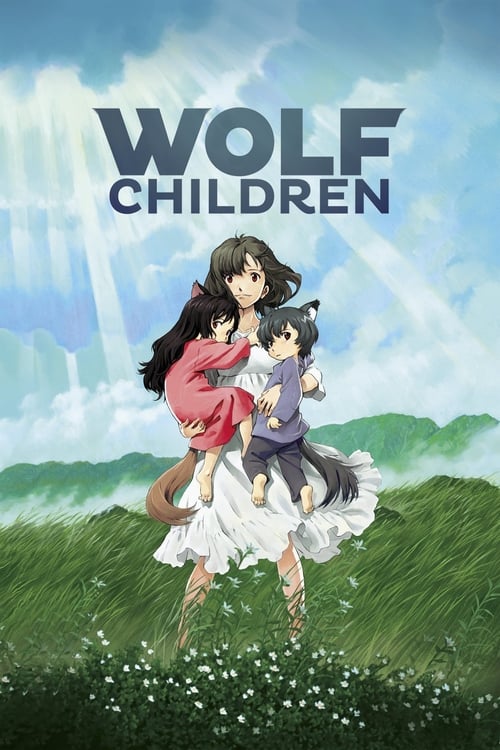
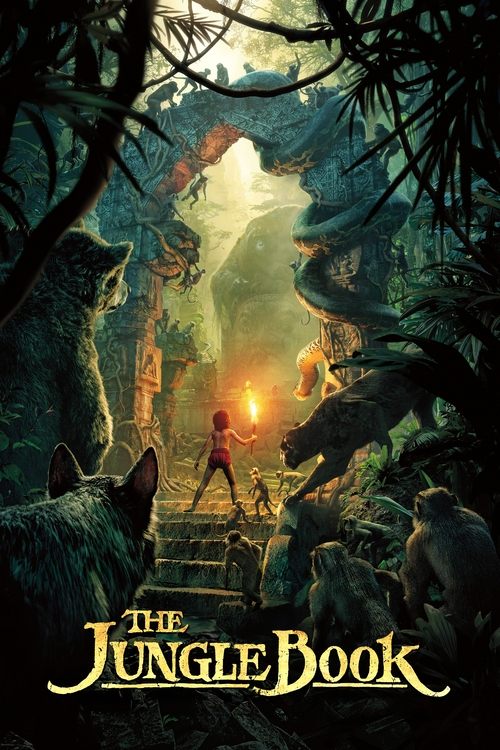
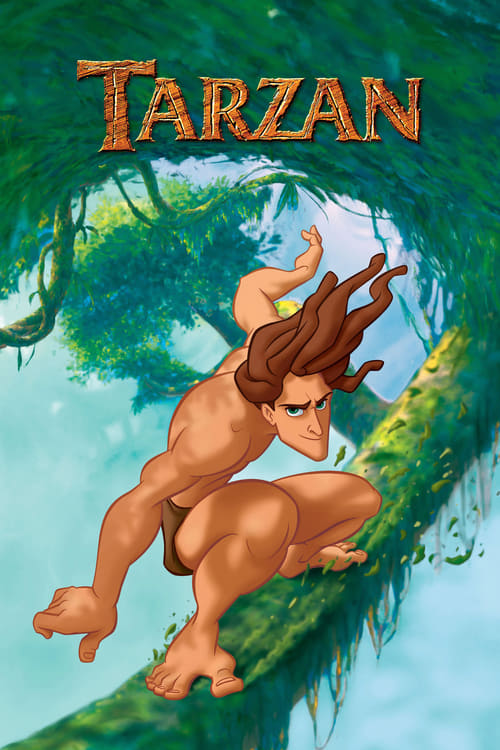
If You Love the Wild Boy Hero
Children raised outside civilization who must navigate a broken adult world
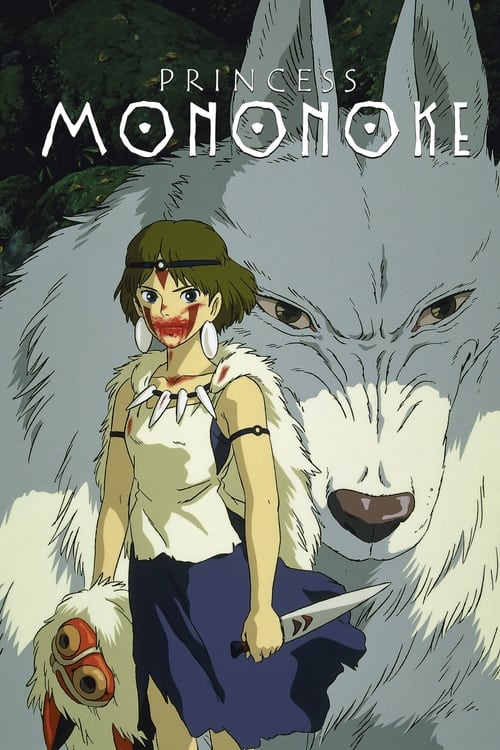
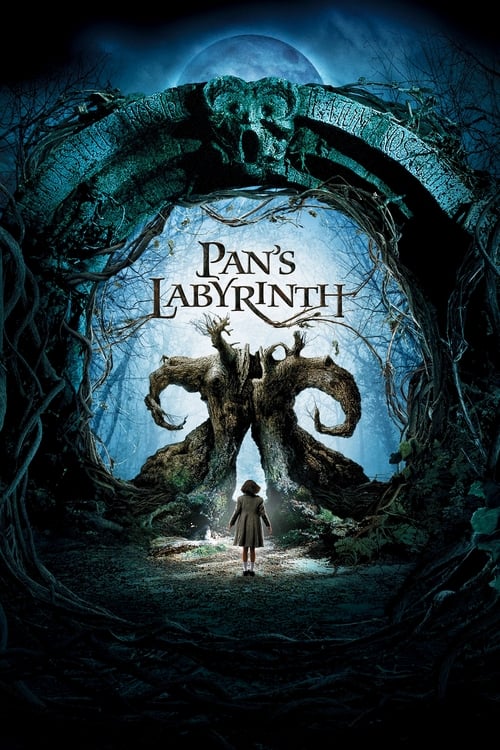


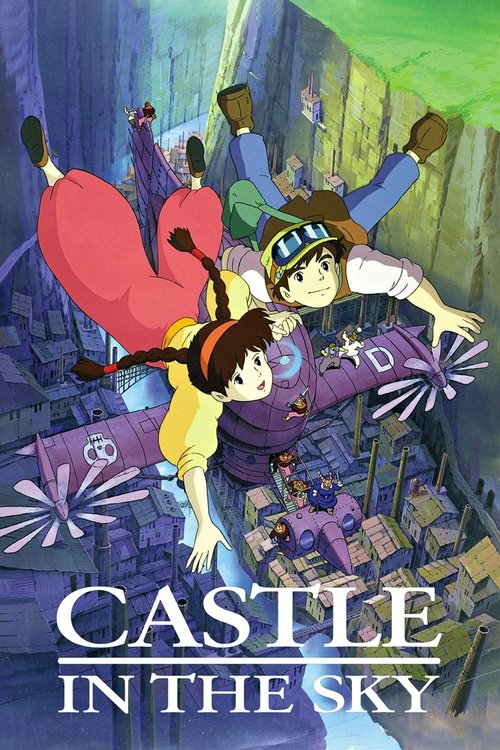
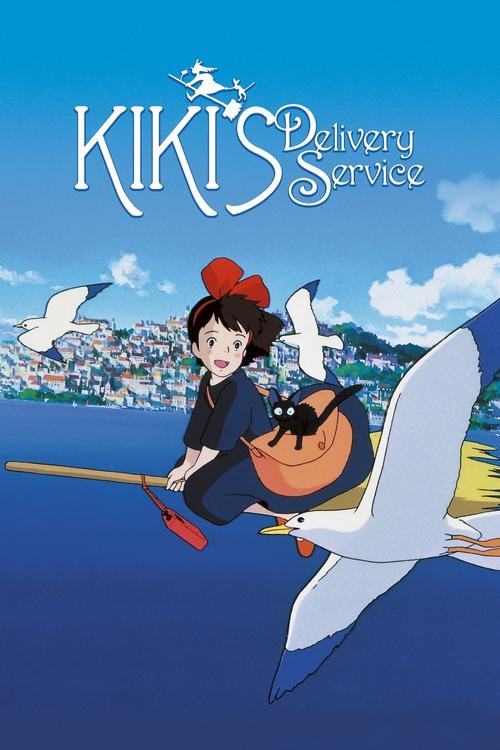
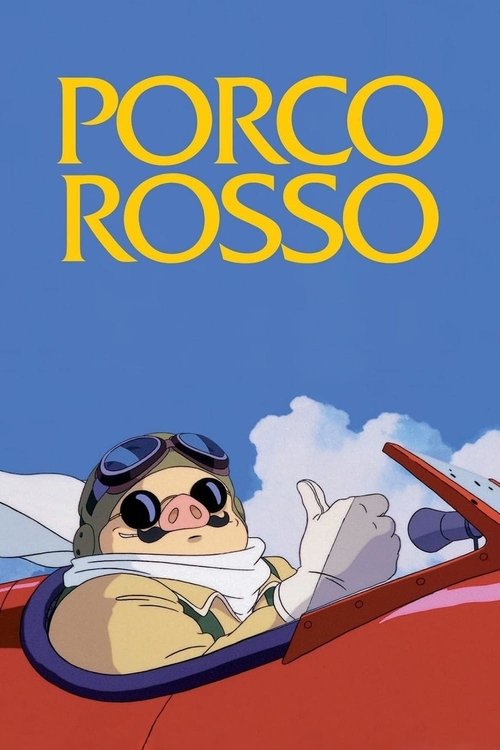
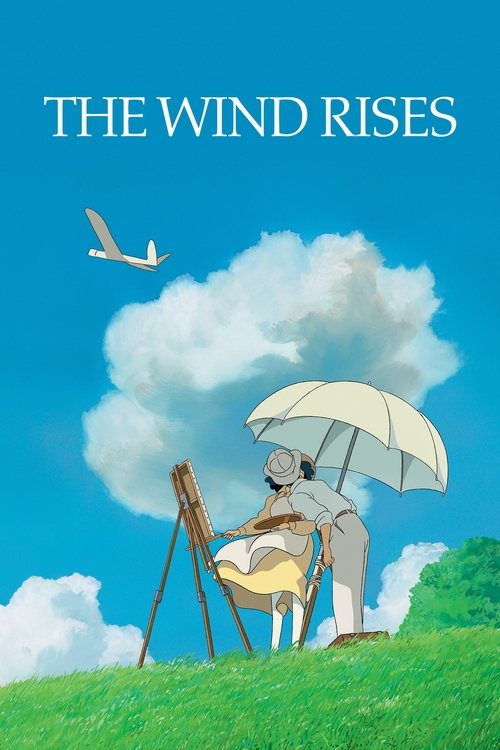
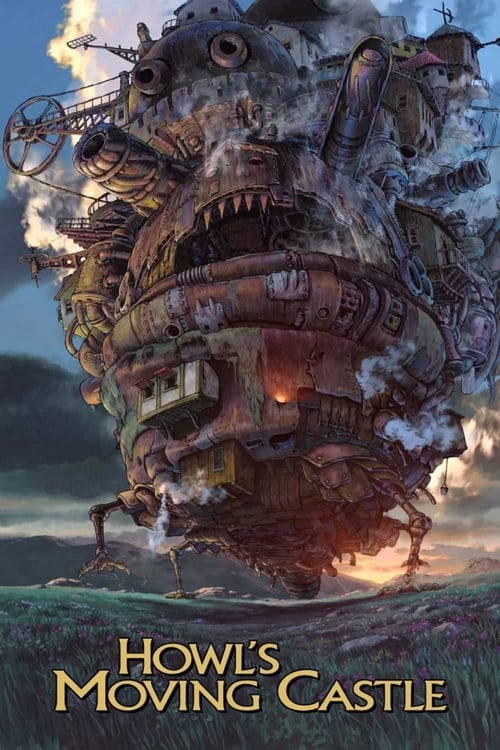
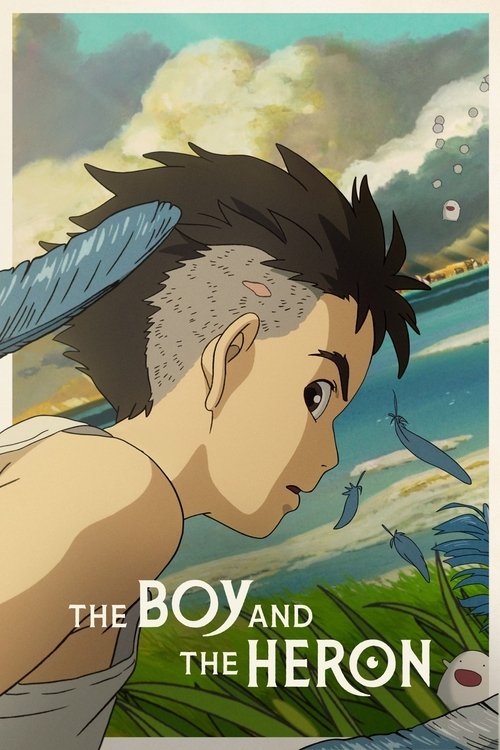
If You Love Early Miyazaki
The DNA of Future Boy Conan runs through these works
The definitive version is the 1978 anime series
Miyazaki's 26-episode series so thoroughly eclipses Alexander Key's novel that calling it an adaptation undersells the transformation. The anime adds depth, warmth, and physical comedy that Key's sparse prose never attempted. Conan sprinting along a ship's mast mid-storm, Lana's quiet resolve, the villainous Lepka's almost operatic menace: these feel like the scenes the story was always waiting to become. Watch it in the original Japanese broadcast order, ideally in a single long stretch.

The underrated one: the novel that started it all
Alexander Key's The Incredible Tide deserves more than a footnote. Written in 1970, it is lean, strange, and genuinely melancholy in a way the anime deliberately softens. The book's Conan is wilder, its world grimmer, its ending quieter. Readers who come to it after the anime often find it disorienting and then quietly affecting. It is a minor classic of American post-apocalyptic fiction that happened to be rescued from obscurity by a Japanese animator.

The most important thing Future Boy Conan ever did
The 1978 series did not just launch Miyazaki as a director. It established a template that runs through almost everything he made afterward: a resourceful child alone in a world the adults have ruined, an antagonist whose cruelty is rooted in ideology rather than sadism, and a climax that resolves through human connection rather than violence. Castle in the Sky is basically Future Boy Conan transposed to the sky. Nausicaa of the Valley of the Wind is its direct thematic sequel. If you want to understand why Miyazaki's films feel the way they do, this series is where that sensibility was first worked out.