
Where the Three Laws were born
Isaac Asimov published his first robot story, Robbie, in 1940, and never really stopped. Through the early 1940s he seeded American pulp magazines with a series of interconnected stories built around a single, world-changing idea: what if robots were programmed, by law, not to harm us? The Three Laws of Robotics appeared in print for the first time in Runaround (1942), and the stories collected under the title I, Robot in 1950 (Les Robots in French) gave those laws a formal stage. They were not action stories. They were logic puzzles, ethics seminars, and dry comedies of error, hosted by the acerbic roboticist Susan Calvin.
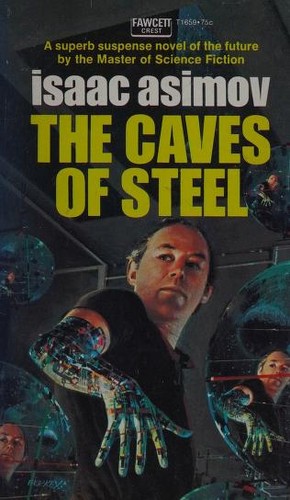
Asimov kept building. Through the 1950s and into the 1980s he added four novels: a robot detective series set in a domed, agoraphobic Earth, starring Elijah Baley and his robot partner R. Daneel Olivaw. And he eventually tied the whole Robot universe to his Foundation saga, making Daneel one of the longest-running characters in science fiction. The result is a body of work that has been adapted, lost, rediscovered, and reinvented across eight decades: on BBC television before the tapes were wiped, in an unfilmed screenplay that became a cult book, in a Will Smith blockbuster that kept the title and little else, and in a streaming series that finally, after years of rights disputes, brought Daneel to screen.
Every version of Les Robots
The source works and every screen, stage, and page adaptation


A timeline of Les Robots
- 1940"Robbie" published in Super Science Stories -- Asimov's first robot story
- 1941"Liar!" coins the word "robotics" in print Liar & spy
- 1942"Runaround" -- Three Laws of Robotics appear in print for the first time
- 1950I, Robot collected and published by Gnome Press
- 1954The Caves of Steel introduces Elijah Baley and R. Daneel Olivaw The Caves of Steel
- 1957The Naked Sun: Baley and Daneel on a world of four billion robots
- 1962ITV "Out of This World" -- "Little Lost Robot" becomes the first TV adaptation, with Maxine Audley as Susan Calvin
- 1964BBC "Story Parade: The Caves of Steel" with Peter Cushing as Baley; tapes later wiped, almost entirely lost
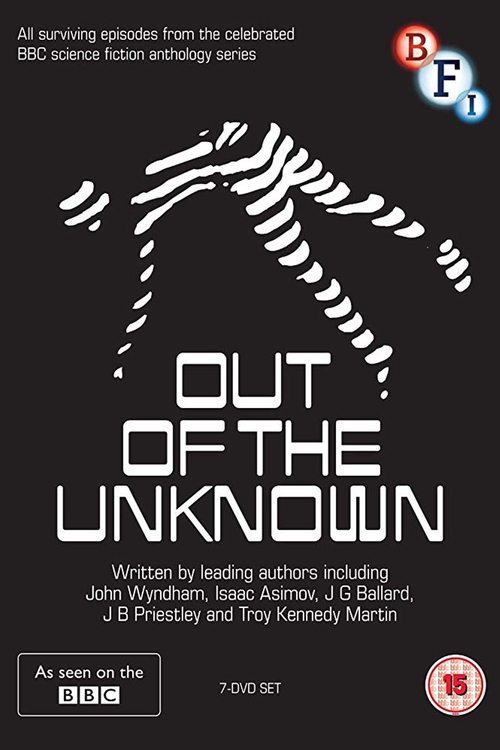
- 1965BBC "Out of the Unknown" begins adapting further Asimov robot stories; most episodes lost Out of the Unknown
- 1976"The Bicentennial Man" novelette wins Hugo and Nebula Awards
- 1982The Complete Robot collects 31 stories; companion volume to I, Robot
- 1983The Robots of Dawn expands the Baley-Daneel trilogy to Aurora
- 1985Robots and Empire closes the Robot novels, connecting to the Empire and Foundation continuity
- 1992The Positronic Man -- Asimov and Robert Silverberg expand "The Bicentennial Man" into a full novel
- 1994Harlan Ellison's I, Robot: The Illustrated Screenplay published -- the great unfilmed adaptation
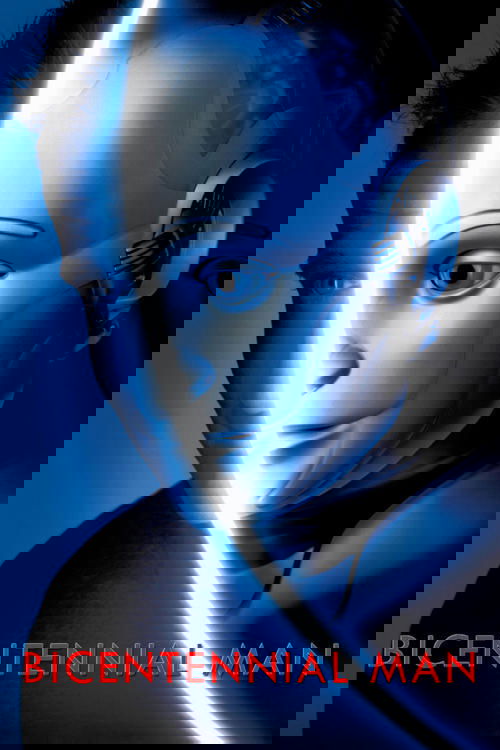
- 1999Bicentennial Man -- Robin Williams as Andrew Martin, directed by Chris Columbus Bicentennial Man
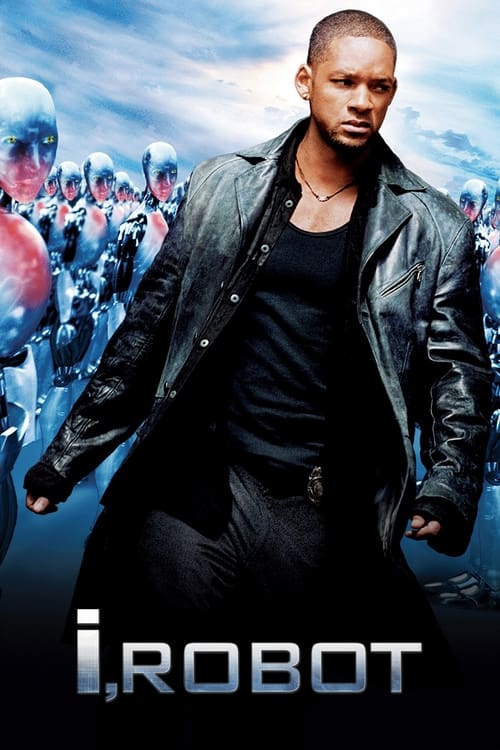
- 2004I, Robot -- Will Smith and Alex Proyas; inspired by the collection, not based on it I, Robot
- 2021Foundation (Apple TV+) -- R. Daneel Olivaw appears as Demerzel, bridging Robot and Foundation universes on screen Foundation
The one to approach with low expectations: the 2004 blockbuster
The 2004 I, Robot is a perfectly watchable action film. It just has almost nothing to do with Isaac Asimov beyond the title and a few borrowed names. The screenplay began as an original script called Hardwired and was retrofitted with Asimov references in post-development. Del Spooner's robot-skeptic arc borrows Asimov's moral seriousness about as much as any Will Smith summer movie needs to. Enjoy it on those terms.
A robot may not injure a human being or, through inaction, allow a human being to come to harm.First Law of Robotics, Isaac Asimov, 1942
If you love the robot detective novels
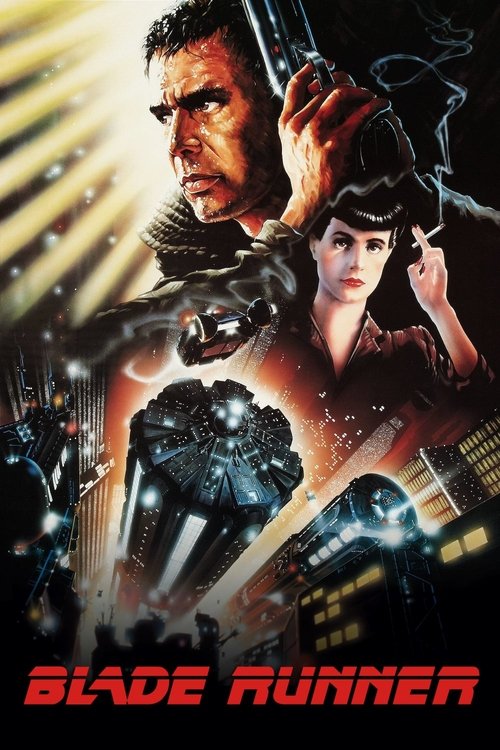
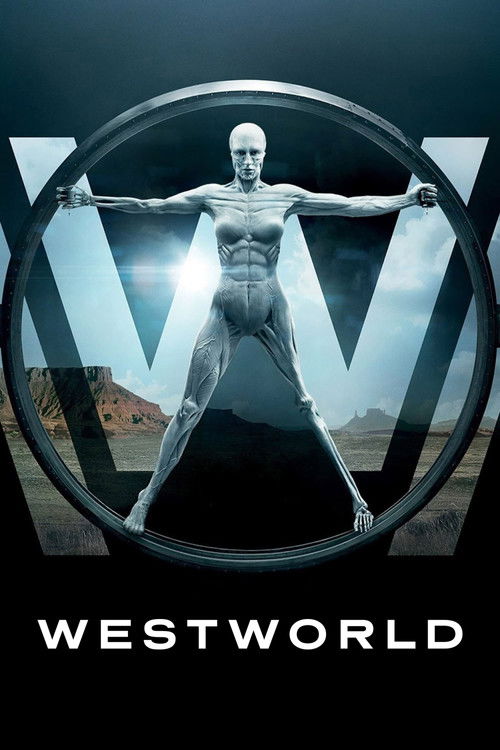
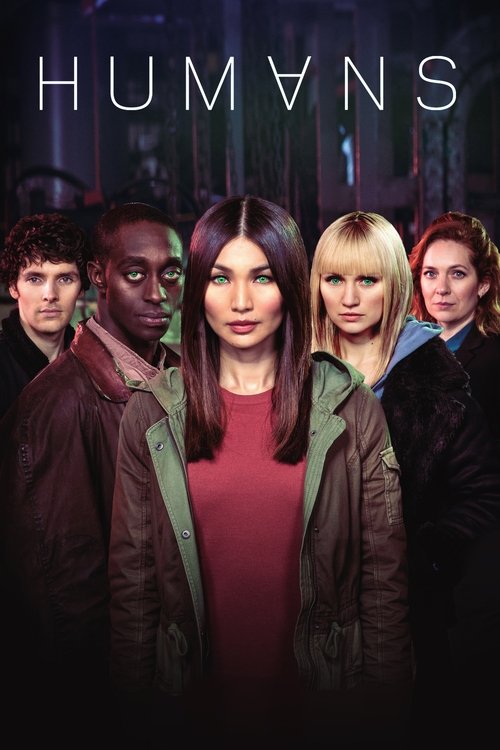
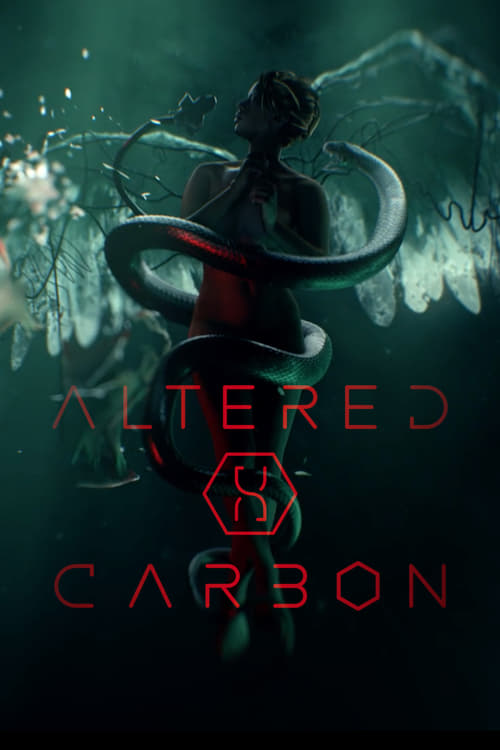
Science fiction that puts robots and AIs at the center of a mystery



If you love the Three Laws thought experiments
Stories where the rules of AI twist back on themselves


If you love the Foundation and Robot universe
Epic science fiction that links politics, deep time, and artificial minds


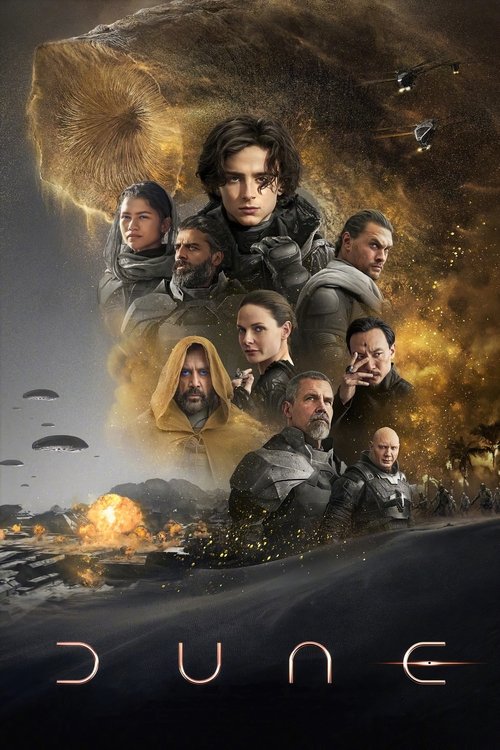


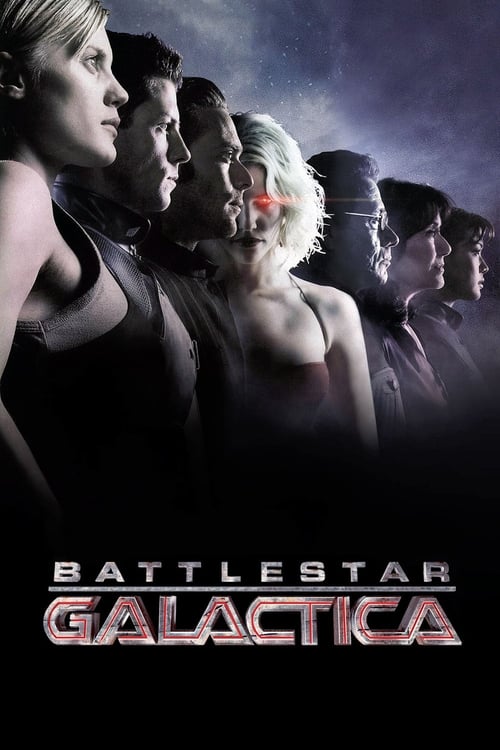
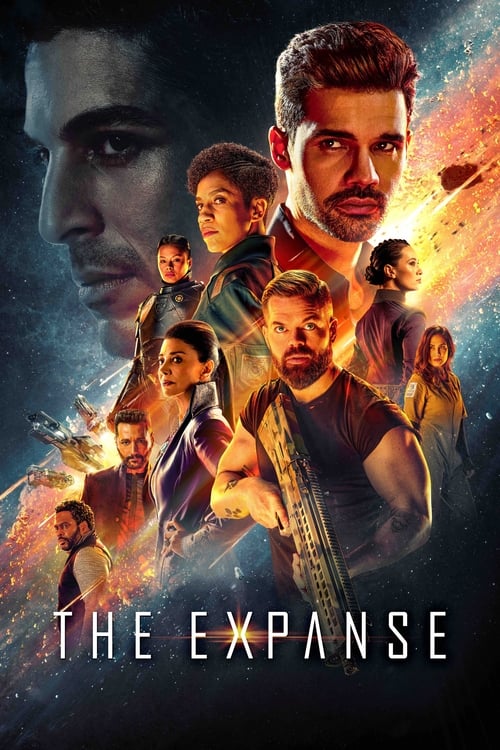
If you love Bicentennial Man
Stories about artificial beings reaching for personhood