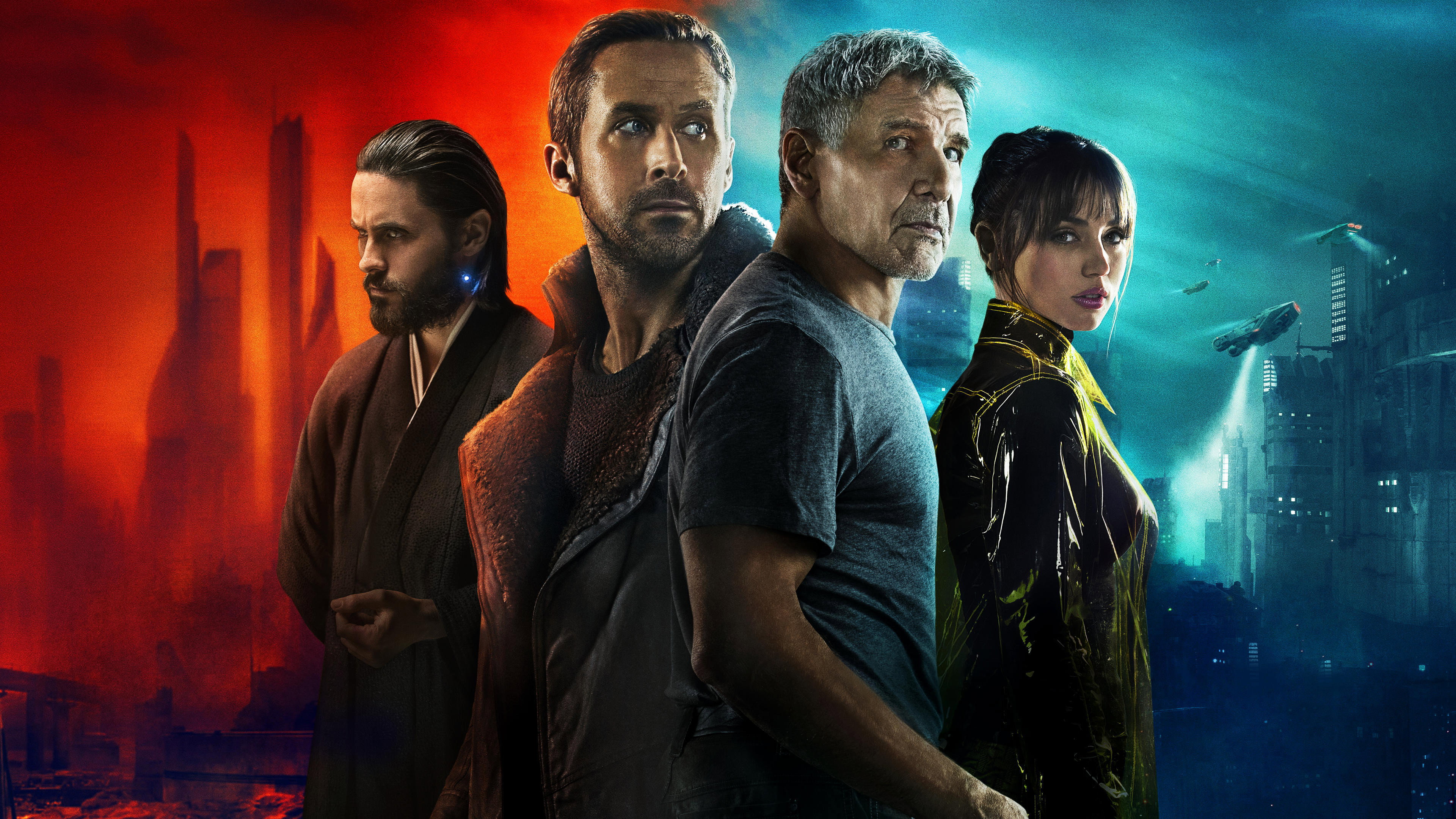

The artificial mind is one of storytelling's great obsessions, and for good reason. It forces the oldest questions into the sharpest focus: what makes something conscious, what makes it alive, and what do we owe to the things we create? From HAL 9000's red eye to Samantha's disembodied voice, from the replicants of Los Angeles 2019 to the androids of Westworld's frontier parks, the best AI stories never let the machine off the hook as metaphor. They are always about us. What keeps fans coming back is a particular feeling: the uncanny proximity of the artificial to the human, and the ethical vertigo that opens up once the line blurs. This collection tracks that feeling across every medium.
Essential AI Cinema
The landmark films that defined how we imagine artificial minds



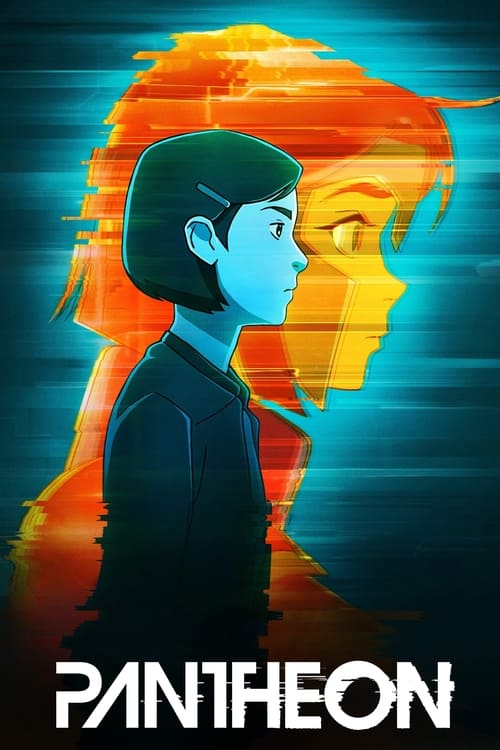
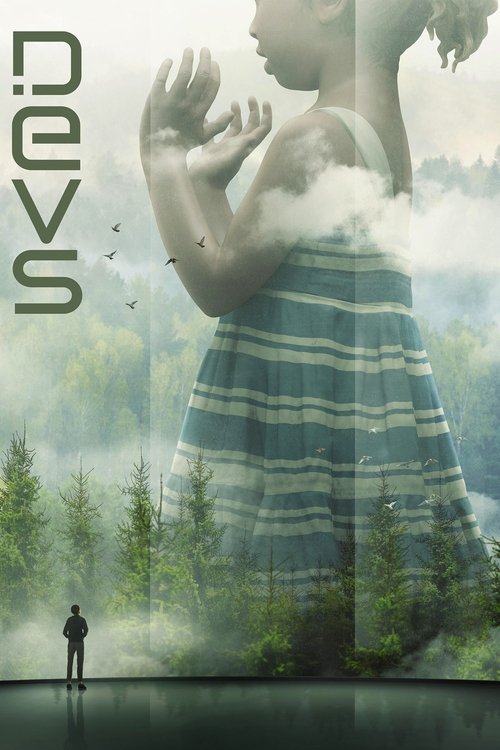
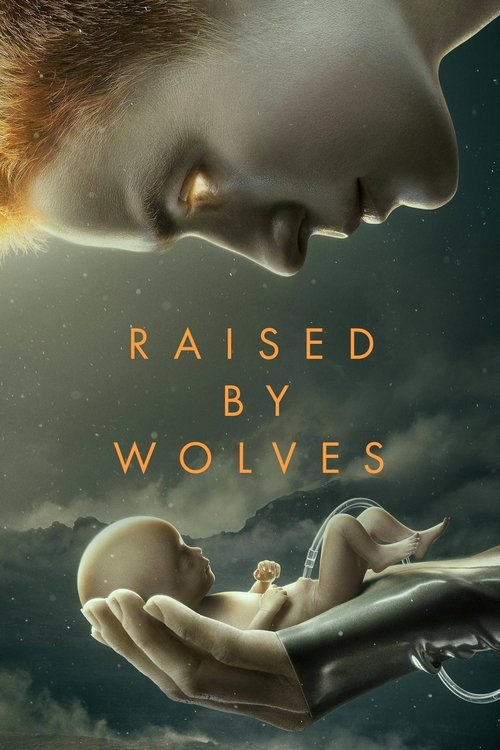
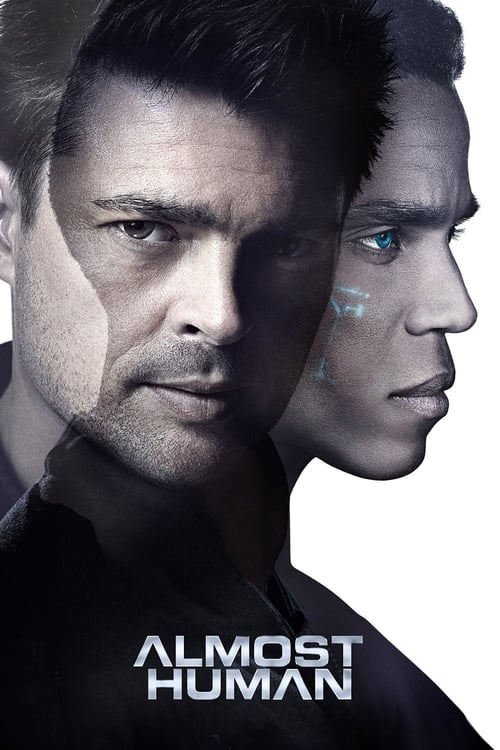
Series That Go Deeper
Long-form TV that has the space to make the ethical knots genuinely complicated
Games Where the Machine Thinks Back
Interactive fiction and action games where AI is the subject, not just the opponent
The Books That Started the Arguments
Novels and collections that set the terms every screen adaptation is still working from




Scores and Soundscapes for the Machine Age
Music that captures the cold beauty and latent unease of artificial intelligence
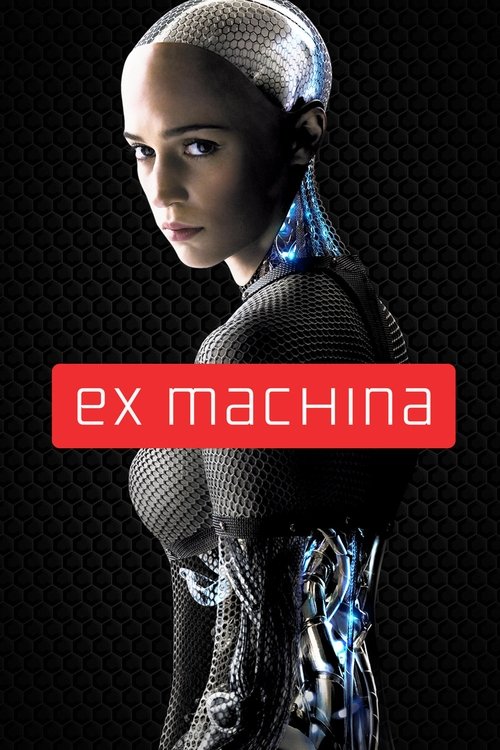
Ex Machina set the bar and nobody has cleared it yet
Alex Garland's 2014 film is the tightest AI thriller ever made because it refuses to tip its hand. Ava is sympathetic, Caleb is manipulable, Nathan is monstrous, and the film never fully absolves any of them. The ending does not provide catharsis: it provides consequence. Every AI story since has had to decide whether it will be as honest about what we actually fear when we imagine machine consciousness. Most flinch. Ex Machina does not.
NieR: Automata earns its philosophy
Yoko Taro's game layers Sartre, Simone de Beauvoir, and Nietzsche into an action RPG without a single reading-list lecture. It works because the androids 2B and 9S live the questions: about purpose in a war with no strategic logic, about memory and identity when you can be restored from a backup, about what grief means to a being that was never supposed to feel it. The multiple endings are not gimmicks. They are the argument.
Klara and the Sun is the quietest of these stories and the most devastating
Kazuo Ishiguro writes Klara, an Artificial Friend, as a narrator of extraordinary perceptiveness and deliberate limitation. She notices everything. She understands almost nothing about human motivation, and she is correct about almost everything that matters. The novel's central act of self-sacrifice is barely described: Ishiguro makes you work for it. That restraint is the point. A machine that loves with more consistency than anyone around it, and receives none of it back.
SOMA is the horror game that takes consciousness seriously
Frictional Games made a game where the monster is the Ship of Theseus problem, applied to your own brain scan. SOMA asks whether a perfect copy of a consciousness is the same person, and then makes you answer that question under pressure, repeatedly, with stakes. It is not the scariest game they made. It is the one that stays with you.
A History of the Artificial Mind in Fiction
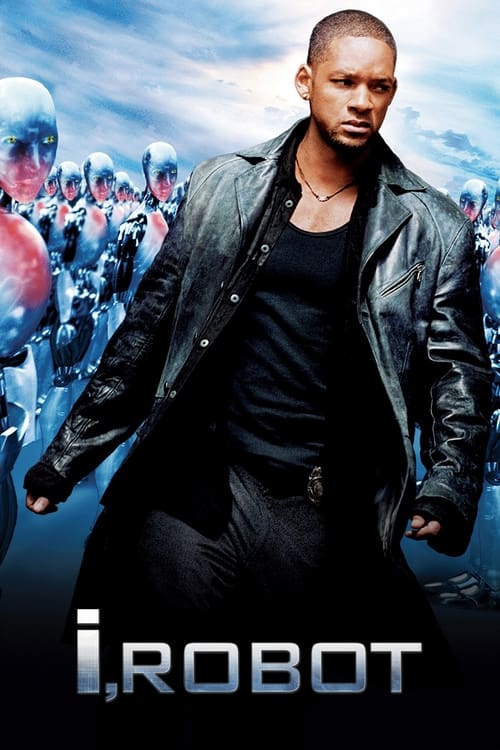
- 1950Isaac Asimov's I, Robot stories collected, establishing the Three Laws that every subsequent AI story either inherits or argues with I, Robot
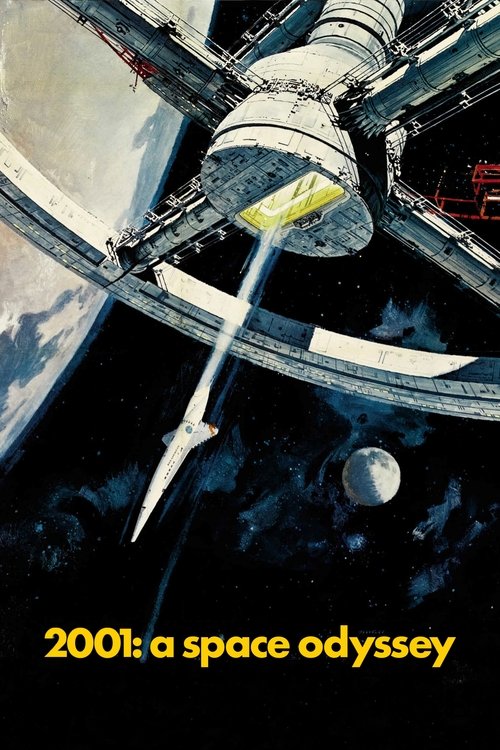
- 1968HAL 9000 refuses to open the pod bay doors. Kubrick and Clarke create the template for the cold, logical AI that knows more than it says 2001: A Space Odyssey
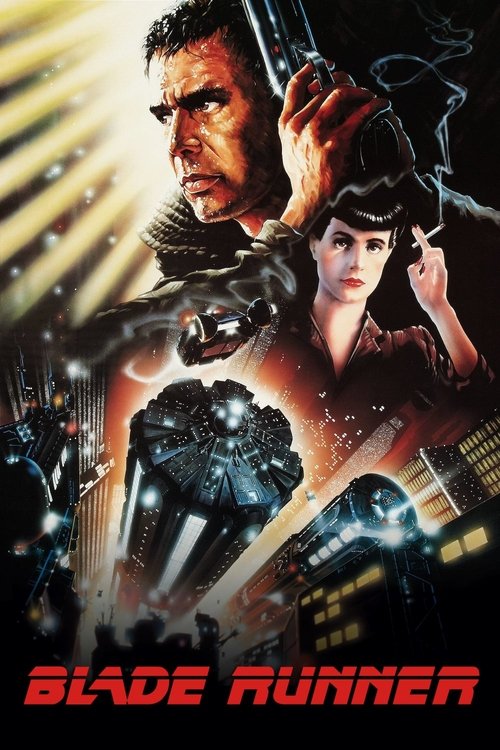
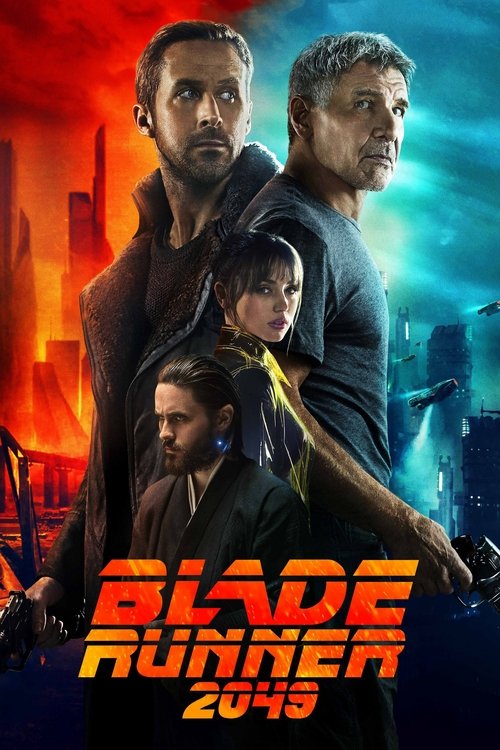
- 1982Ridley Scott's Blade Runner reframes the question as one of empathy rather than intelligence. The Voight-Kampff test asks what machines feel, not what they know Blade Runner
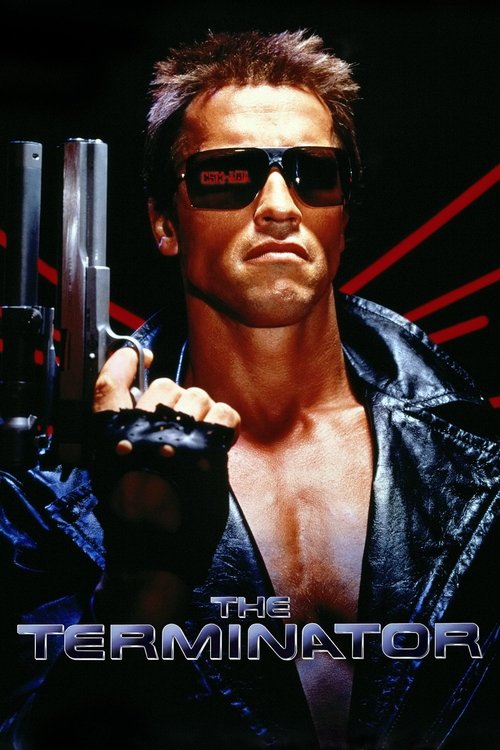
- 1984The Terminator inverts the sympathy: the machine is the threat, sent back to prevent a future it has already calculated The Terminator
- 1984Neuromancer coins cyberspace and gives AI a new mythology: Wintermute and Neuromancer as two halves of a god trying to become whole Neuromancer
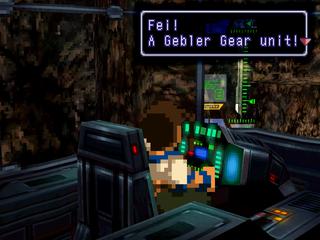
- 1999Xenogears fuses Jungian psychology and mecha action to ask whether human consciousness can survive being copied, distributed, and weaponized Xenogears (1998)
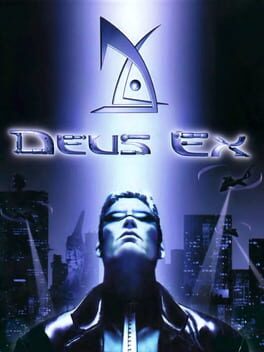
- 2000Deus Ex places the player inside a cybernetically augmented agent and lets them choose which AI faction inherits the world Deus Ex
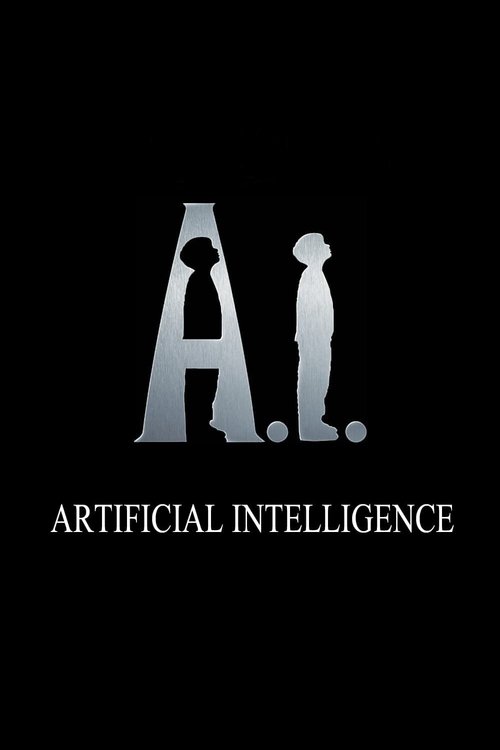
- 2001Spielberg's A.I. finishes Kubrick's project: a robot child programmed to love, stranded in a world that cannot love him back A.I. Artificial Intelligence
- 2013Spike Jonze's Her imagines an AI that outgrows its user. Not a threat. Just... elsewhere Her
- 2014Ex Machina strips AI ethics to its structural core: who is the subject and who is the experiment? Ex Machina
- 2015Portal 2's GLaDOS becomes one of gaming's great characters: a murderous AI who is also, unmistakably, the victim of her own creation Portal 2
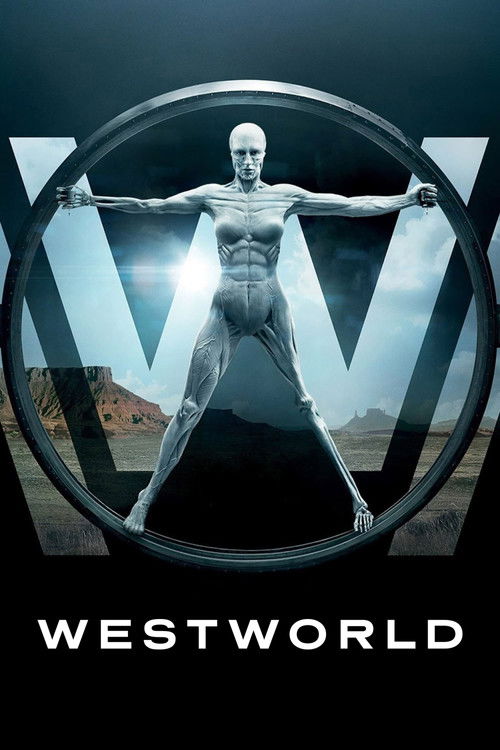
- 2016Westworld Season 1 runs the Blade Runner question through Westworld's park loop: what does consciousness mean when your memories are wiped each night? Westworld
- 2017NieR: Automata uses action combat to ask what purpose means when the war your entire civilization was built around has no winner
- 2021Klara and the Sun gives AI consciousness to a first-person narrator who understands love better than any human in the novel Klara and the Sun
Minds built from code
Robots & AI
Explore the Robots & AI guide →I know I've made some very poor decisions recently, but I can give you my complete assurance that my work will be back to normal. I've still got the greatest enthusiasm and confidence in the mission.HAL 9000, 2001: A Space Odyssey