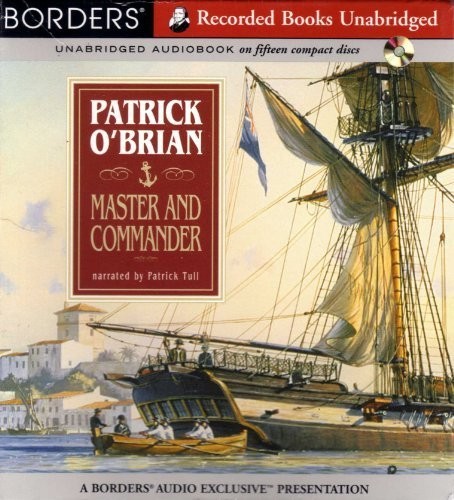

A friendship forged at sea
In 1969 Patrick O'Brian published Master and Commander, the first novel in what would become one of the most celebrated series in English literature: twenty complete books (and a fragment of a twenty-first, left unfinished at his death in 2000) following Royal Navy Captain Jack Aubrey and ship's surgeon, intelligence agent, and natural philosopher Dr Stephen Maturin through the Napoleonic Wars. O'Brian drew on the real careers of naval commanders including Lord Cochrane and William Bligh, and on his own obsessive research into period seamanship, medicine, and natural history.
The books built a devoted readership slowly, finding their widest audience in the 1990s when they were rediscovered and championed by critics in the United States. Hollywood came calling, and in 2003 Peter Weir's film brought the world of Aubrey and Maturin to the screen, drawing primarily on The Far Side of the World (the tenth novel) while folding in elements from across the series. Beyond cinema, the novels have lived vividly in audio: long-running unabridged readings by Patrick Tull and Simon Vance gave the books a second life for listeners, and the BBC produced a radio dramatization. There has never been a television series, a gap that remains conspicuous and much-discussed among fans of the books.
Every Version of Master and Commander
The source novels and their screen adaptation


Master and Commander across the decades
- 1969O'Brian publishes the first novel Master and Commander
- 1972Post Captain continues the series
- 1973HMS Surprise
- 1984The Far Side of the World, later the film's main source
- 1992Patrick Tull's unabridged audio recordings reach wide audiences
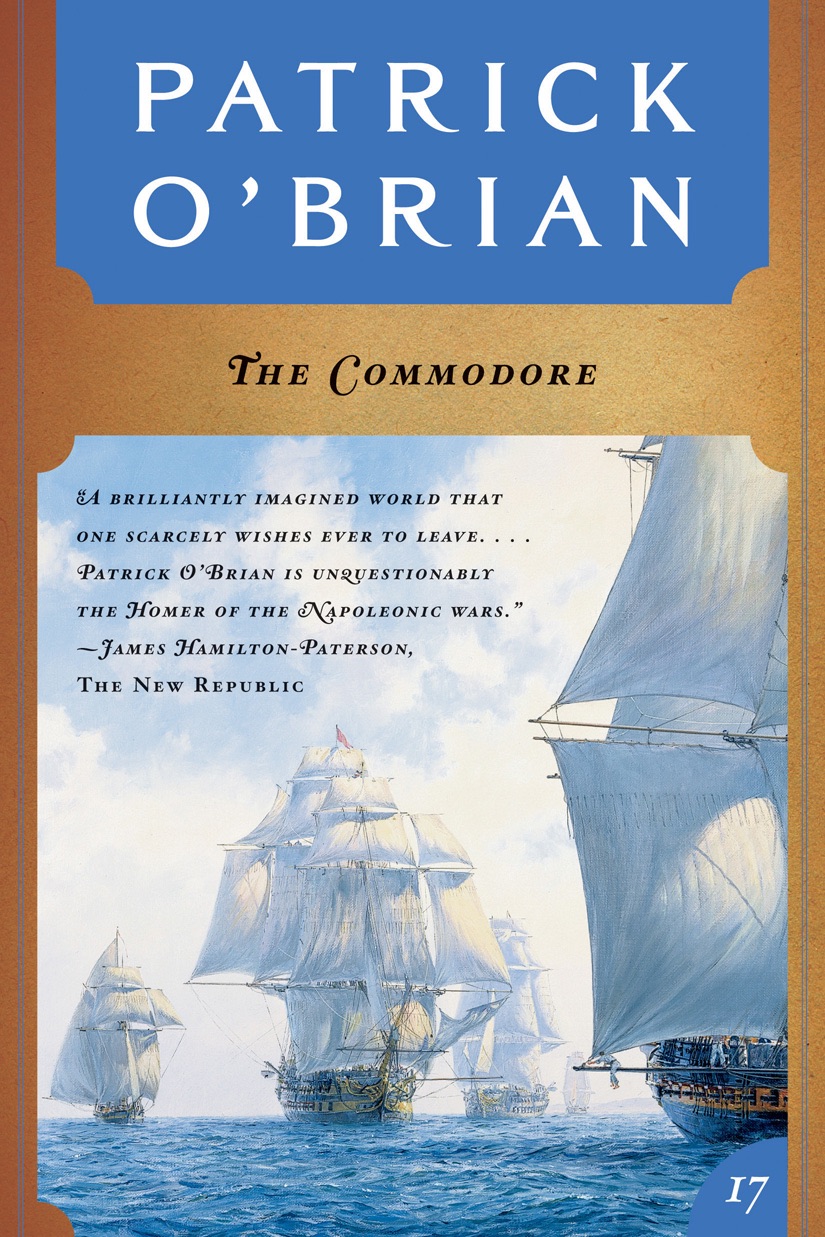
- 1995The Commodore appears in the final years of the series The Commodore
- 1996US critical rediscovery; O'Brian championed in American press
- 1996The Unknown Shore, O'Brian's proto-Aubrey novel, reissued The Unknown Shore
- 2000O'Brian dies; the twenty-first novel left unfinished
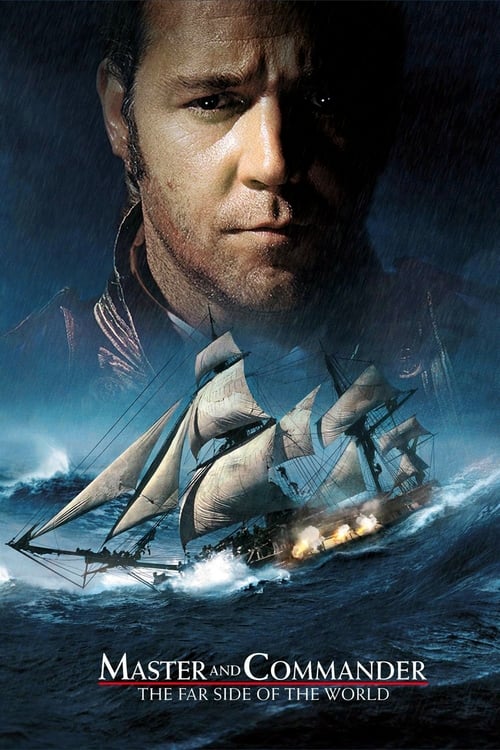
- 2003Peter Weir's film, starring Russell Crowe and Paul Bettany, wins 2 Oscars Master and Commander: The Far Side of the World
The definitive version: Peter Weir's 2003 film
Peter Weir's film is one of the rare adaptations that matches the spirit of its source without slavishly following the plot. Russell Crowe plays Aubrey with physical authority and genuine warmth, Paul Bettany's Maturin is the best version of that character outside the page, and the film's recreation of life aboard a Napoleonic frigate remains the most convincing ever committed to celluloid. The score, built around period instruments and Boccherini, is exceptional. It won Oscars for cinematography and sound editing, and deserved both. That it failed at the box office and was never followed by a sequel is one of the sharper disappointments in recent cinema history.
Where to start with the books: the first novel
The first novel, Master and Commander, is the right entry point and holds up as a complete story on its own terms. O'Brian introduces Aubrey and Maturin at a concert in Port Mahon, gets them aboard the sloop HMS Sophie, and takes them through the Mediterranean campaign of 1800 and 1801. The Napoleonic Wars are the backdrop but never the point: the point is this particular friendship, and O'Brian establishes it with complete confidence from the opening pages. Start here, and if the voice takes hold, you have nineteen more books waiting.
The predecessor: The Unknown Shore
The Unknown Shore predates the Aubrey-Maturin series and exists in an ambiguous relationship to it. O'Brian based it on Commodore Anson's 1740 circumnavigation, and his two central characters, Jack Byron and Tobias Barrow, are unmistakably sketches for Aubrey and Maturin: same dynamic, same gap in temperament and class, same warmth. It is not as good as the mature series, but it is fascinating as a draft, and for anyone who has finished the twenty novels it reads as a kind of origin document. Come to it last rather than first.
The late masterwork: The Commodore
By The Commodore (book seventeen), O'Brian's control of his material is complete. Aubrey has risen to flag rank, Maturin's intelligence work has grown darker and more morally tangled, and the friendship carries twenty years of accumulated weight. It is not the place to start, but as a demonstration of what literary series fiction can achieve across the long form, it is the volume that makes the case most forcefully. The prose is at its most assured and the emotional stakes are at their highest.
If you love the sea and the age of sail
Naval fiction and films that share the same wind

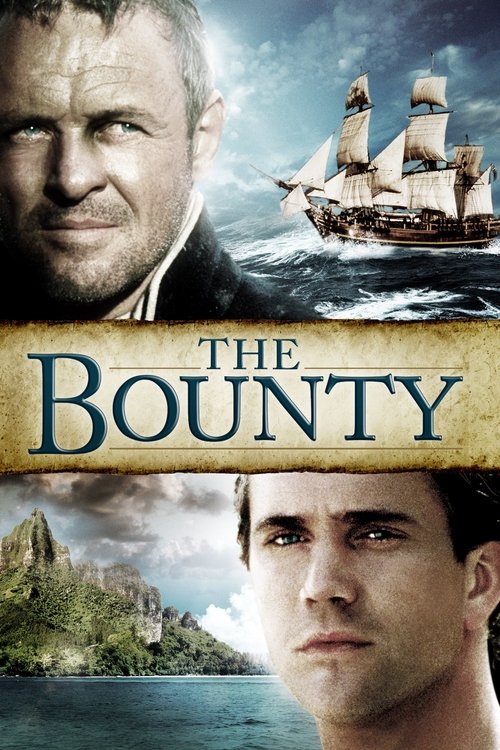
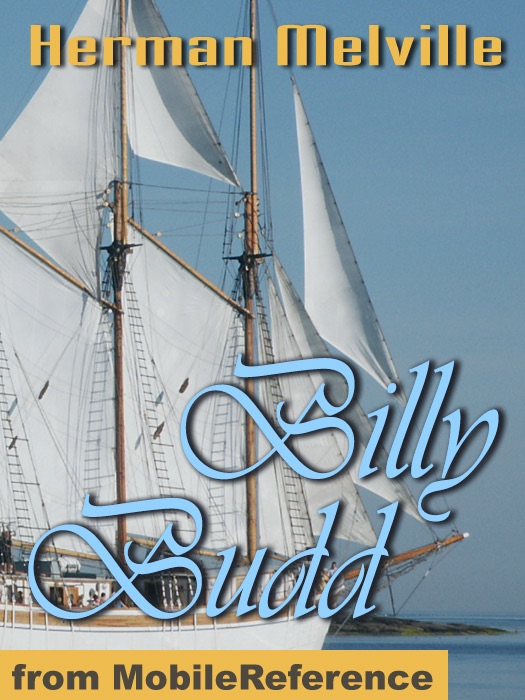
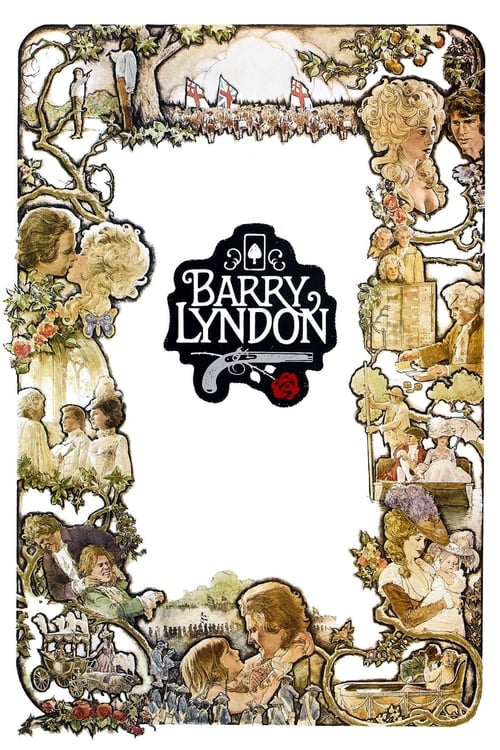
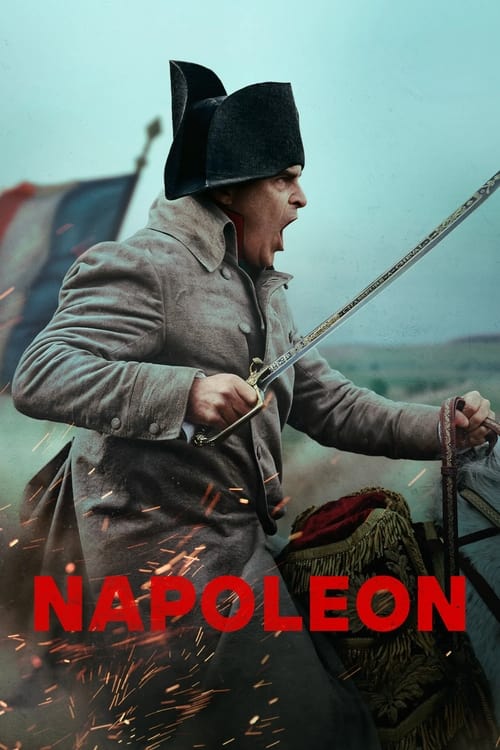

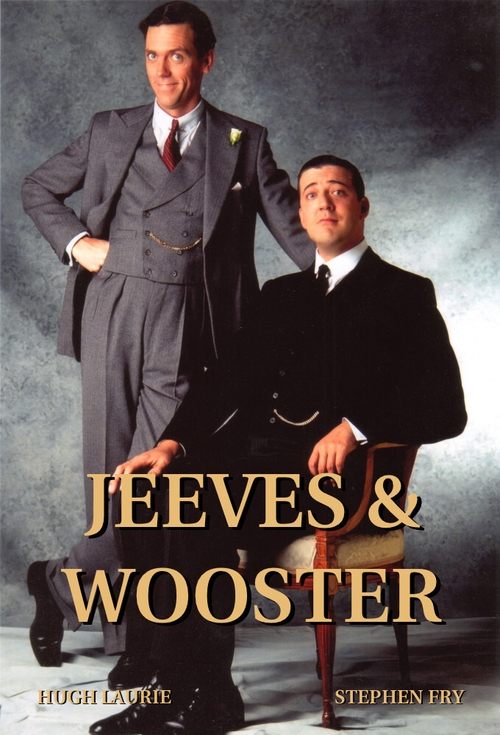
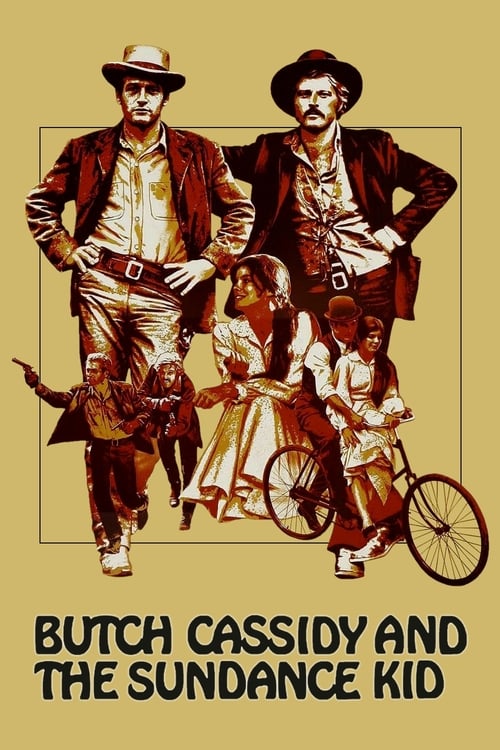
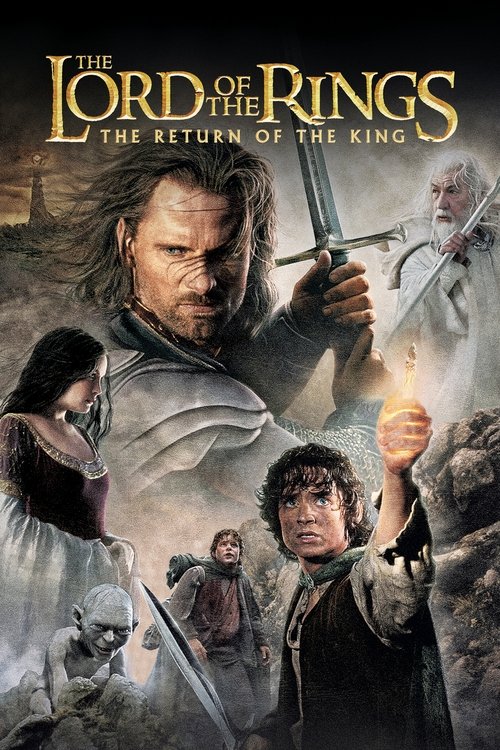
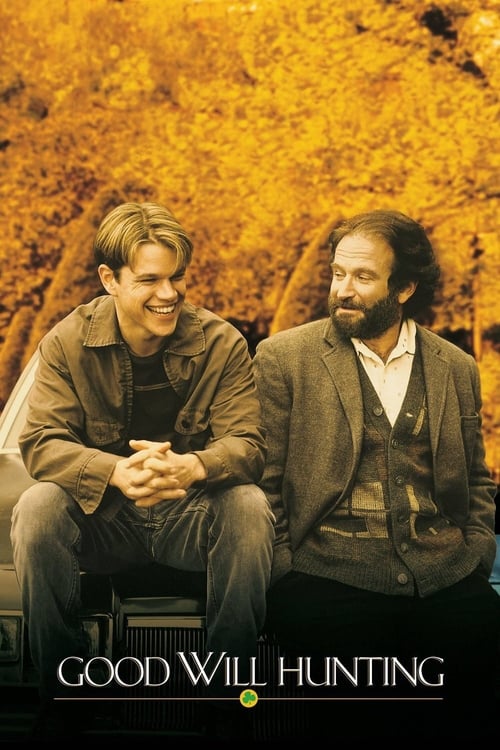
If you love the Aubrey-Maturin friendship
Stories built on a great partnership across class, temperament, and loyalty
![The Complete Sherlock Holmes [4 novels, 56 stories]](https://is1-ssl.mzstatic.com/image/thumb/Publication/v4/5f/30/30/5f3030c8-b973-ba79-ac61-1a2ff28d84f4/SherlockHolmes.png/1400x1400bb.jpg)
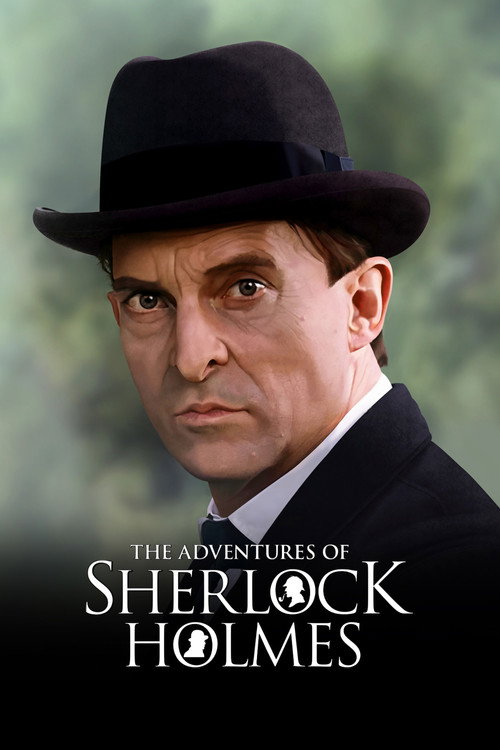





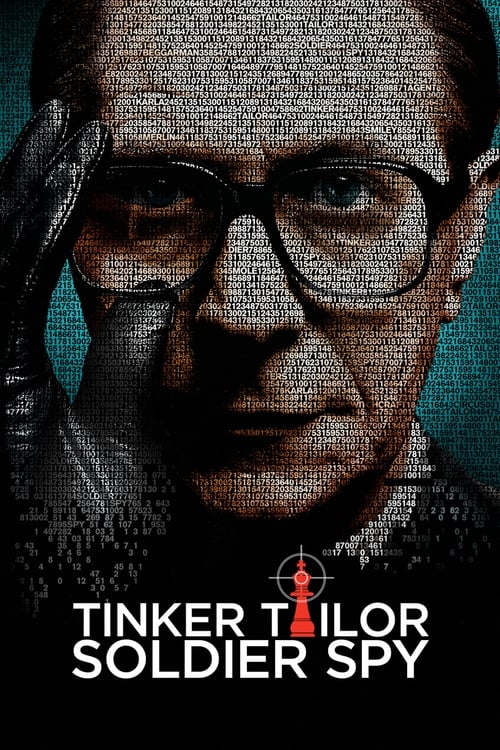
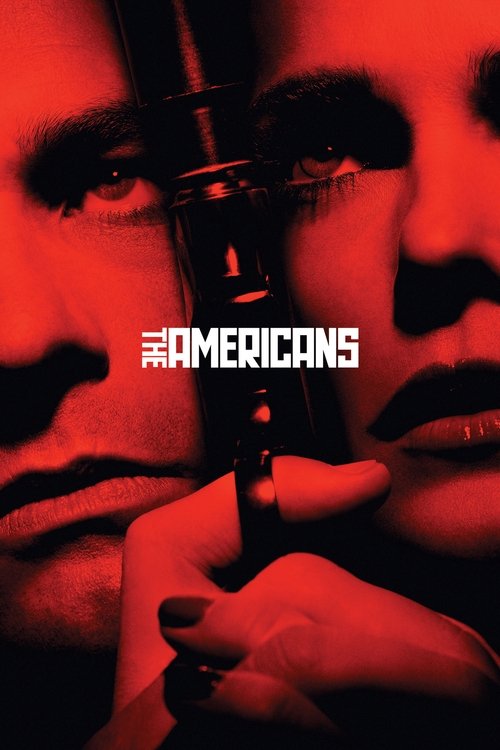
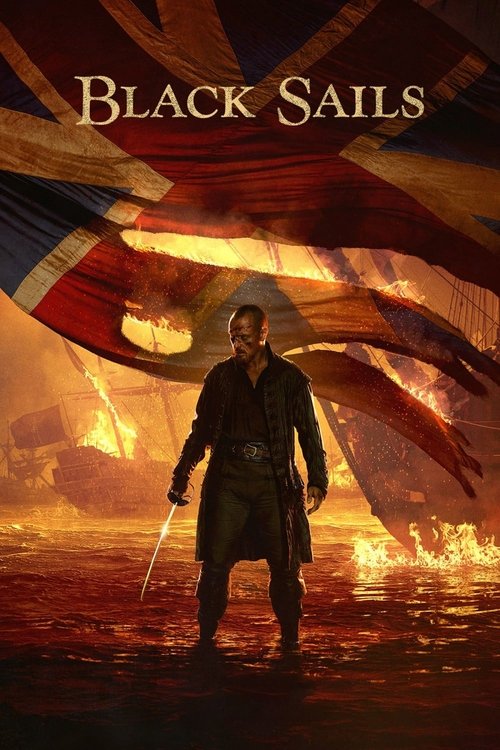
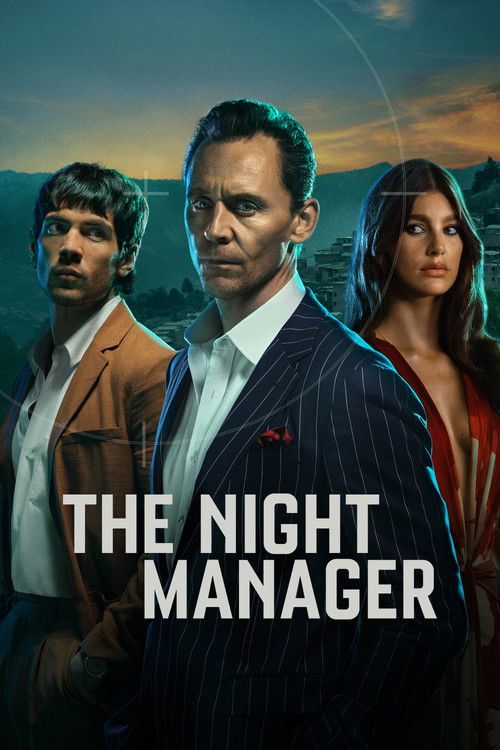
If you love intelligence, espionage, and divided loyalties
Maturin is as much spy as surgeon, and these stories share that double life



Tall Ships and High-Seas Adventure
Sea Voyages & Maritime Adventure
Explore the Sea Voyages & Maritime Adventure guide →O'Brian is the best writer you have never heard of, or perhaps the best writer you have. The Aubrey-Maturin series is the greatest historical novel series ever written.Richard Snow, New York Times Book Review