
Between roughly 1600 and 1850, the most powerful machines humanity had ever built were made of oak and hemp rope, driven by wind, armed with iron cannon and crewed by men who could be hanged for sleeping on watch. The Age of Sail was the era when the globe was stitched together by warships and merchant vessels, when Britain, France, Spain and the Netherlands sent wooden fleets against one another for control of oceans no one could fully chart. The tactics, the hierarchy, the cruelty and the genuine heroism of those ships have never stopped fascinating us.
What pulls us back is the extremity of the life. A ship of the line was a floating total institution: every man ate the same food, slept in the same darkness, faced the same storm. The captain could flog you or hang you; the enemy could dismast you or sink you; the sea itself would finish the job if given the chance. And then, out of all that pressure, something could still catch the light. A good officer. A brilliant piece of seamanship. A broadside timed to the roll of a wave that decided the fate of an empire.
Essential age of sail
The canon, across every screen and page


The best naval film ever made is about chess, not cannon
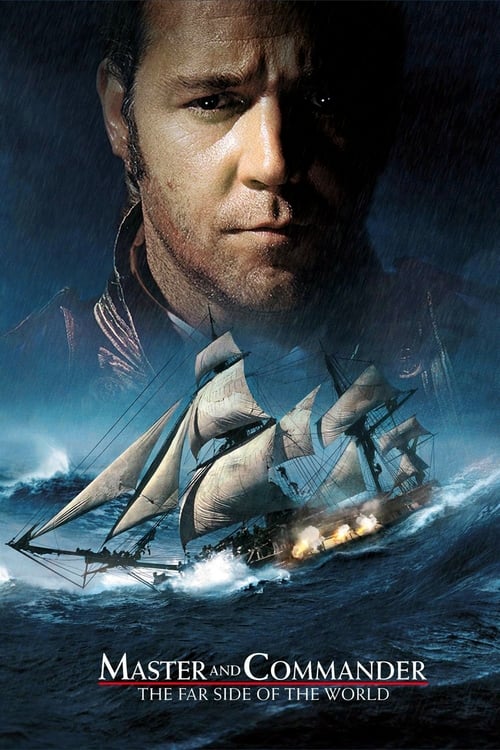
Master and Commander: The Far Side of the World (2003) is the film that finally got it right. Peter Weir spent his budget on a working replica of HMS Surprise and then put two extraordinary character actors at the center of it, and what came out was something no other age-of-sail film had managed: a movie about command. Not about the battle, but about the weight of being the man who orders the battle. Russell Crowe's Jack Aubrey and Paul Bettany's Stephen Maturin argue about music, natural philosophy and friendship while the ship leaks and the men mutiny and Napoleon's frigates lurk in the fog. The broadside when it comes is brief and violent and perfect. The film was one of the last of its kind: big-budget historical naval filmmaking at the highest level. Nothing since has come close.
Ships of the line: the films
From the golden age of Hollywood to modern epics
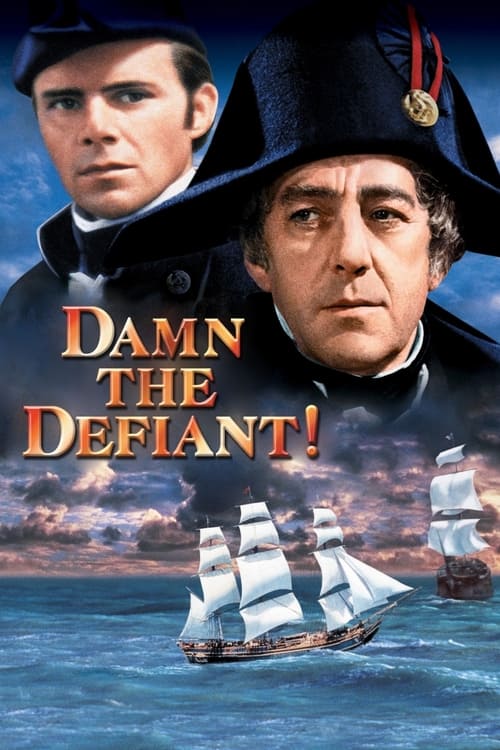
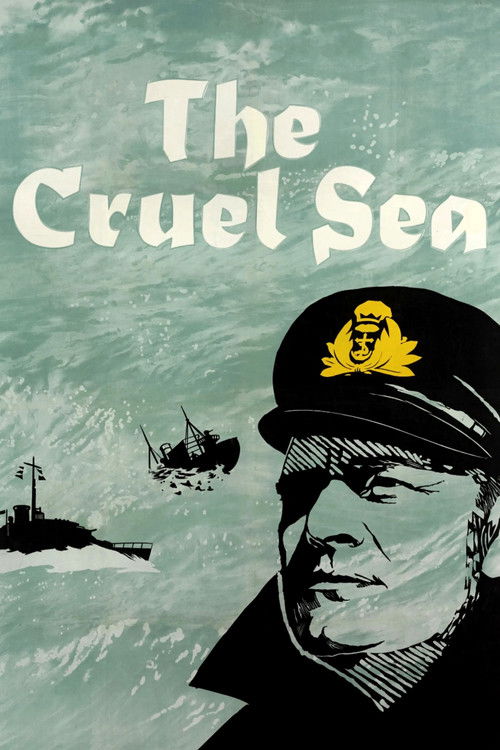
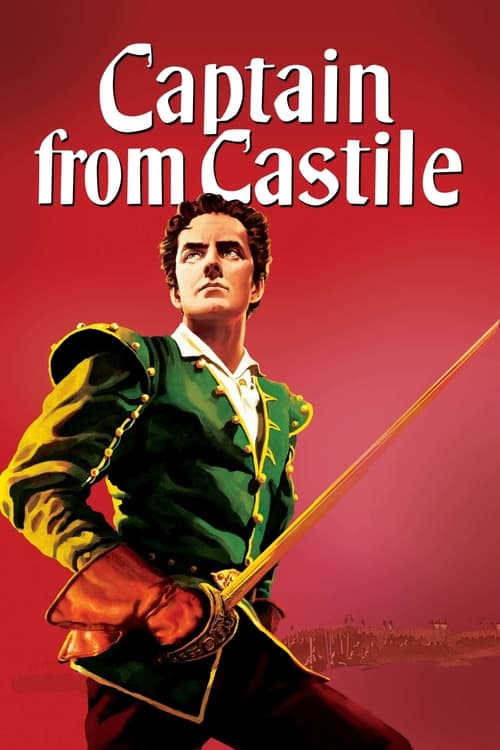
The Bounty problem
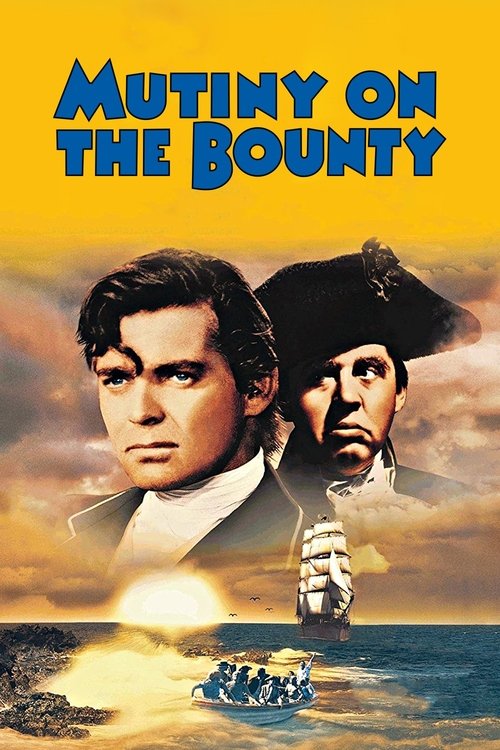
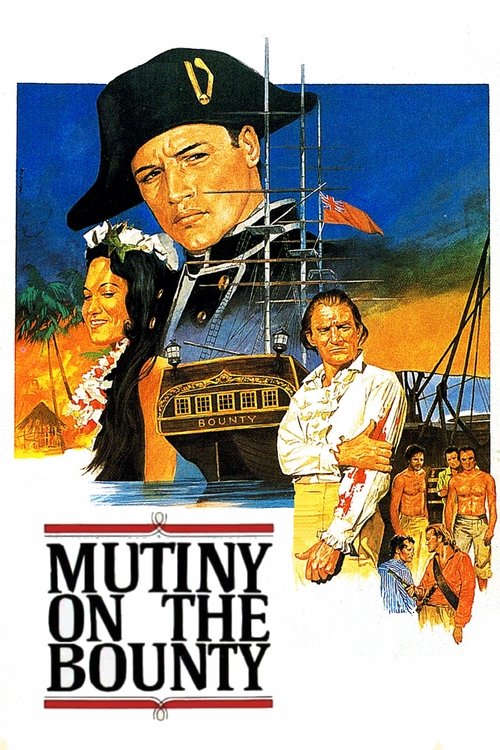
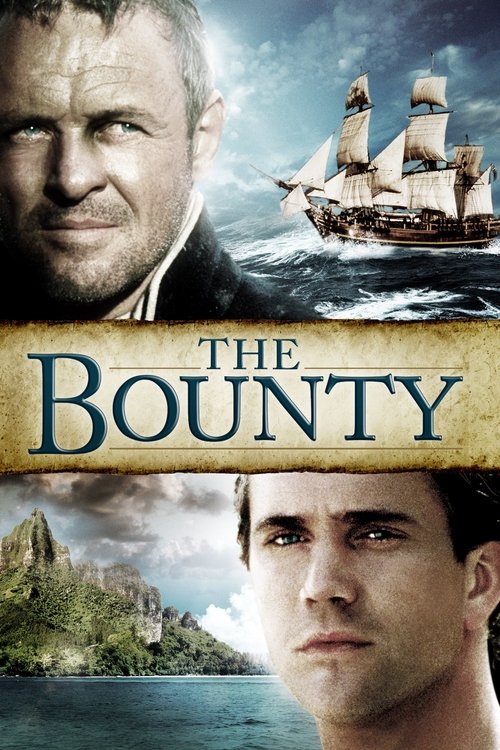
No event in the history of the Royal Navy has attracted more storytelling than the mutiny on the Bounty in 1789. Three major Hollywood films, a documentary, a miniseries, a dozen novels and countless attempts to explain whether Bligh was a tyrant or a misunderstood genius. The 1935 Clark Gable version turned the whole story into a romance of rebellion; the 1984 Mel Gibson version, with Anthony Hopkins as an icily complex Bligh, came closest to the historical ambiguity. What the story really is: a tale about the extremity of authority at sea, about what happens when the rules that hold a ship together start to feel more dangerous than the ocean outside. Every age of sail story eventually circles back to that question.
Small screen, open water
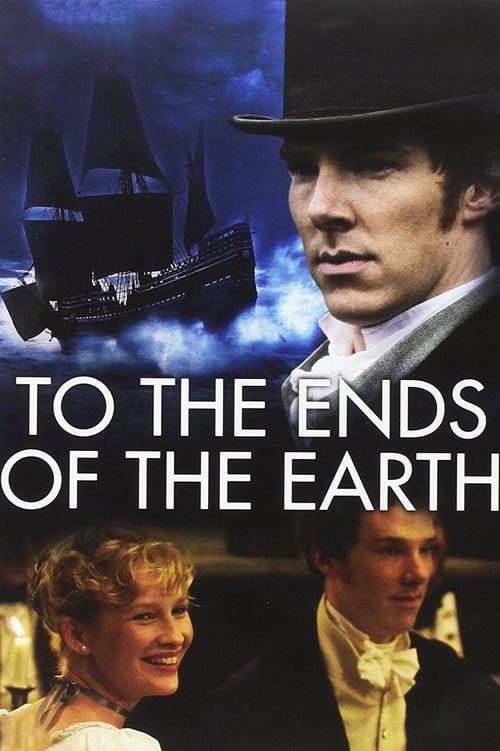
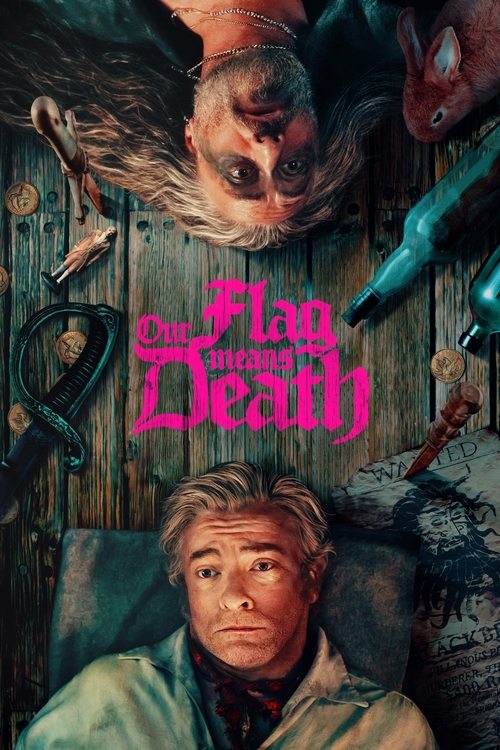
Series that gave tall ships the time they deserved
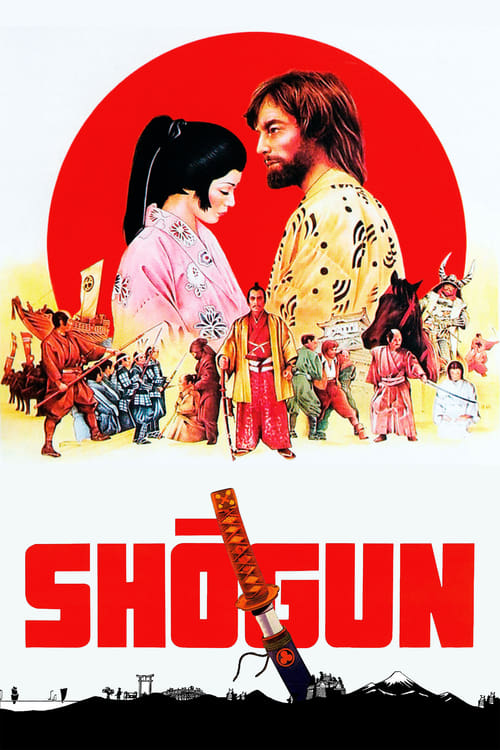

Patrick O'Brian built a world that Forester could only sketch
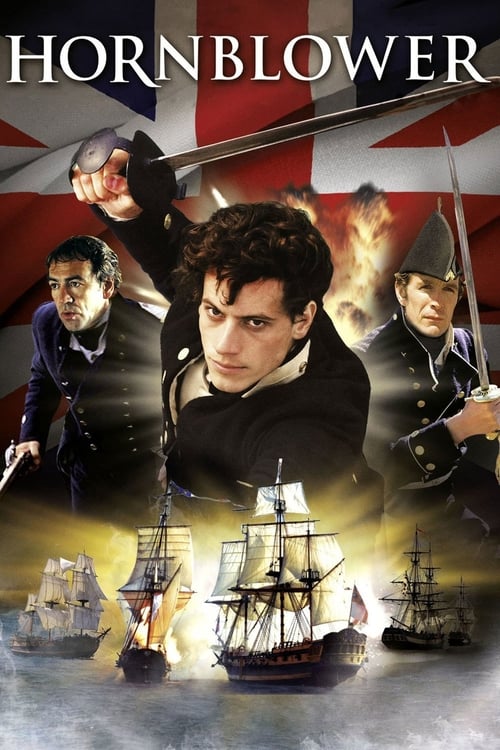
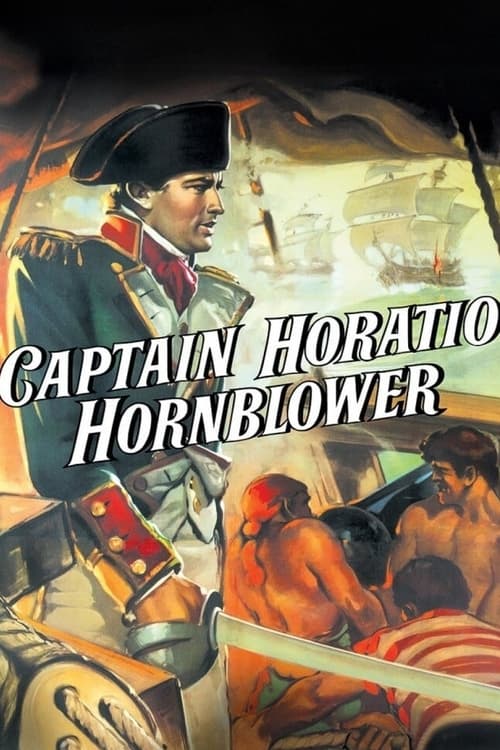
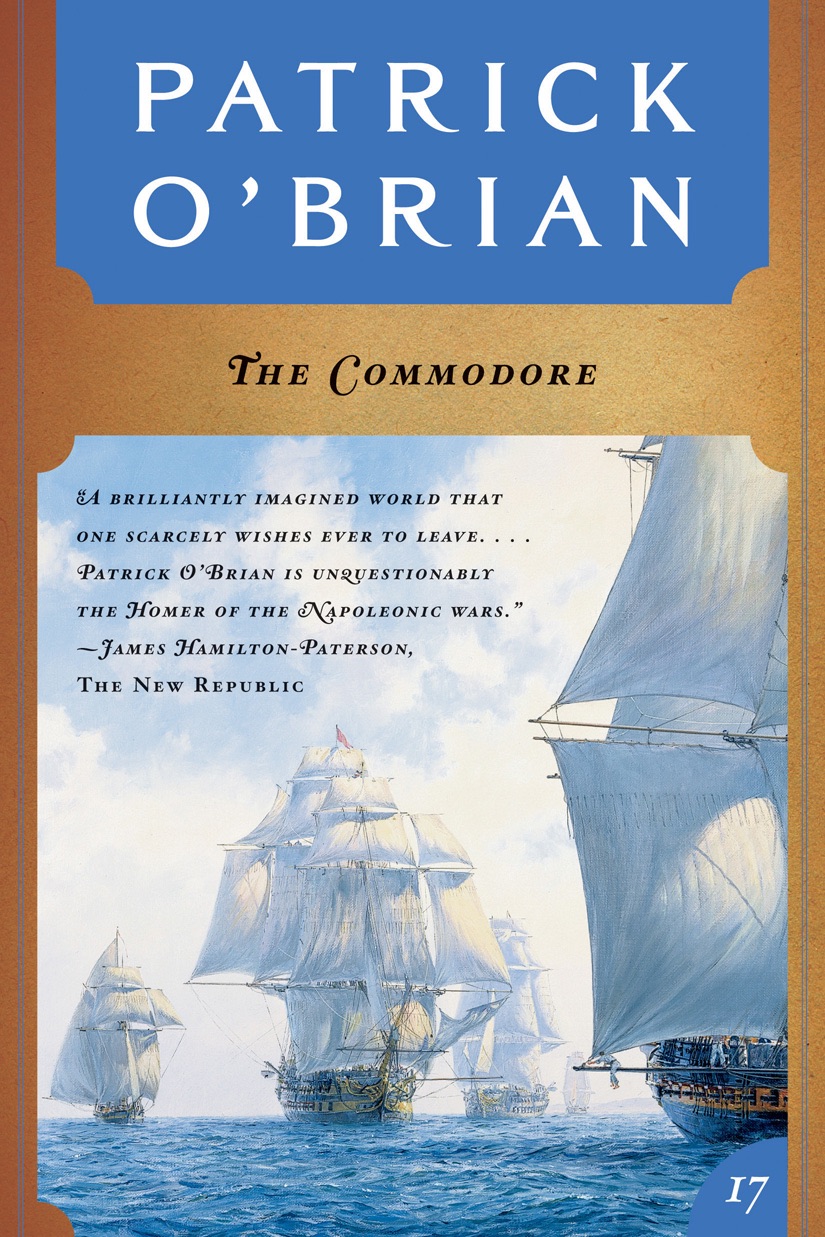
C.S. Forester invented the template with Hornblower: the brilliant, emotionally repressed officer whose career tracks the Napoleonic Wars, one battle at a time. Forester's prose is clean and the tactics are sound, but Hornblower is essentially alone in his own head. Patrick O'Brian took that template apart and rebuilt it as something closer to a novel of manners. The twenty Aubrey-Maturin books are full of medicine, zoology, Irish politics, intelligence work, friendship and food. You could write a dissertation on the relationship between those two characters and still have material left over. Readers who dismiss the series as naval adventure are missing the point; it is one of the great sustained works of English-language fiction of the twentieth century, and it happens to be set on a frigate.
The literature of the sea
Novels that put you on the quarterdeck




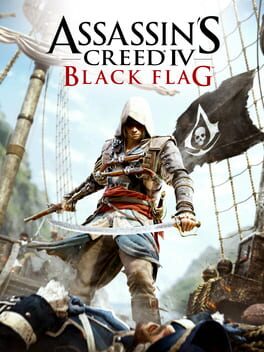
Black Flag is the best pirate game ever made, but it is also something else
Ubisoft's Assassin's Creed IV: Black Flag (2013) was designed as a pirate game and ended up being an age-of-sail game that happened to have pirates in it. Edward Kenway's Jackdaw is a fully simulated sailing vessel: you manage sails, adjust to wind, board ships by swinging across on ropes. The naval combat is the best in any video game until that point, and arguably still is for this specific period and this specific scale. The Caribbean of 1715 is rendered with real weather, real historical figures (Blackbeard, Calico Jack, Charles Vane) and a melancholy about the end of the golden age that the open-world format somehow manages to earn. The assassination missions are fine. The sea is the game.
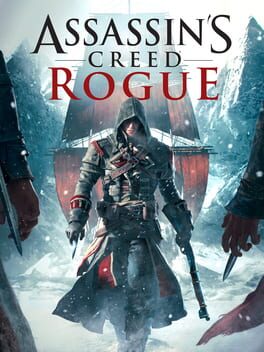
Assassin's Creed Rogue (2014) extended the engine into the Seven Years' War and gave you a ship in the North Atlantic winter, which is a different and grimmer proposition entirely.
Take the helm: games of the age of sail
From grand strategy to single-ship survival
Whaling and the open ocean
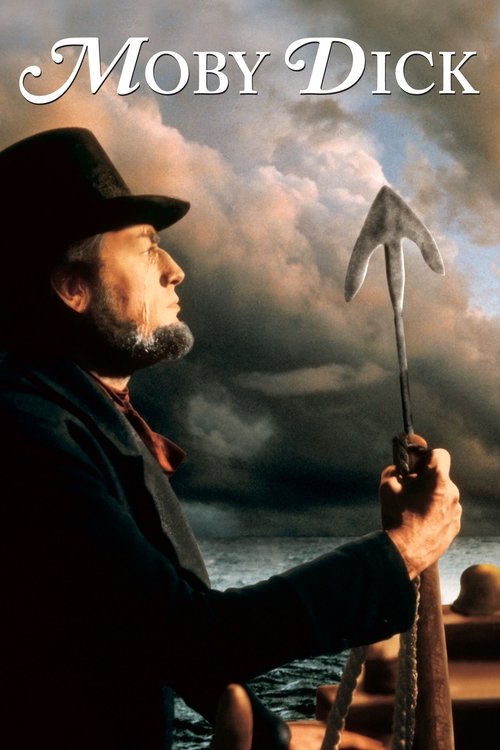
The age of sail was not only the navy. Herman Melville served on a whaling ship before he wrote Moby-Dick, and the novel that came out of that experience is the strangest and most ambitious book the era produced: part revenge tragedy, part encyclopedia of cetology, part theological argument about obsession and fate. John Huston's 1956 adaptation with Gregory Peck as Ahab is underrated; Ron Howard's In the Heart of the Sea (2015) tells the true story behind Melville's source material, the wreck of the Essex. The ocean, in these stories, is not a stage set. It is an active antagonist with its own intentions.
The whale, the wreck and the open ocean
Stories where the sea itself is the enemy



A ship is the most complex thing a pre-industrial civilization could build. Getting one across an ocean and back was an act of sustained collective courage that has no modern equivalent. The stories keep coming because we know, somewhere, that we could not do it.On the enduring grip of the age of sail
The Terror goes where no other age-of-sail series dared
AMC's The Terror (2018) takes the Franklin Expedition of 1845 as its starting point: two Royal Navy ships, HMS Terror and HMS Erebus, locked in the Arctic ice for two years before the crews died trying to walk out. What the series adds is a supernatural predator stalking the ice, and yet the horror never overwhelms the historical material. The real subject is what the Royal Navy's rigid hierarchy does to men under extreme stress, how the ceremonies and rituals of command start to break down and then break the men along with them. Jared Harris's Captain Crozier is one of the finest portraits of military leadership in any TV drama. This is an age-of-sail story where the age of sail becomes its own kind of trap.