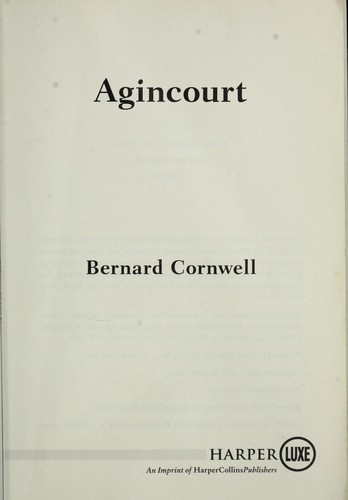

Bernard Cornwell writes historical fiction the way blacksmiths forge swords: with heat, pressure, and an obsession with getting every detail right. His books put you inside the shield wall, behind the rifle line at Waterloo, on the rain-slicked decks of a Napoleonic frigate. The through-line fans love is the same in every series: a flawed outsider hero, morally grey and brutally competent, grinding through battles where history's outcome is never a foregone conclusion. Cornwell does not sanitize the past. He makes you smell the corpses and feel the weight of the boss on your arm. Whether you found him through Uhtred of Bebbanburg or Richard Sharpe, you stayed for the prose that moves like a cavalry charge and never lets up.
Essential Bernard Cornwell
The core shelf: where to start and where to go deep
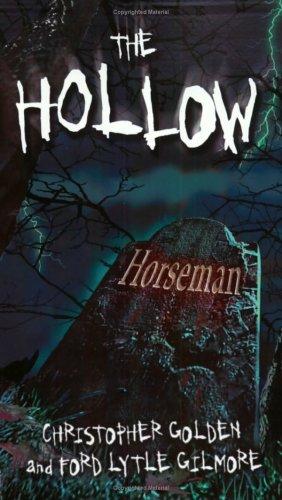


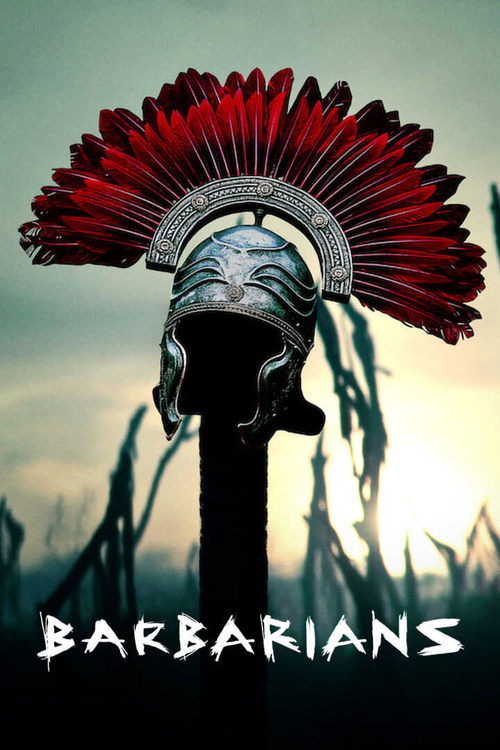
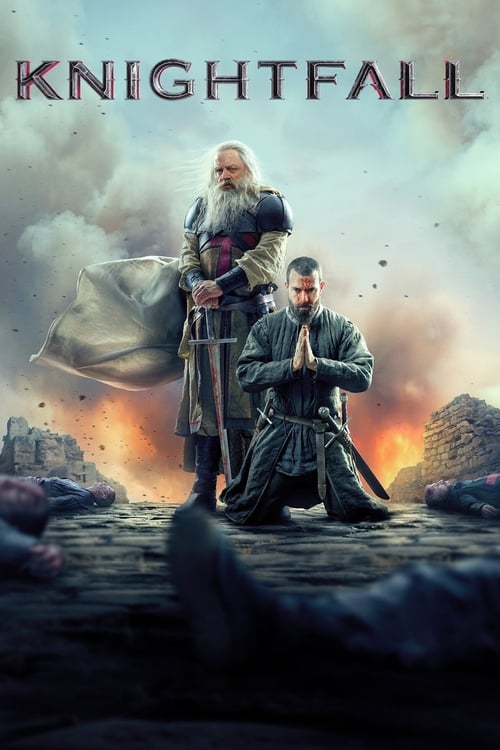
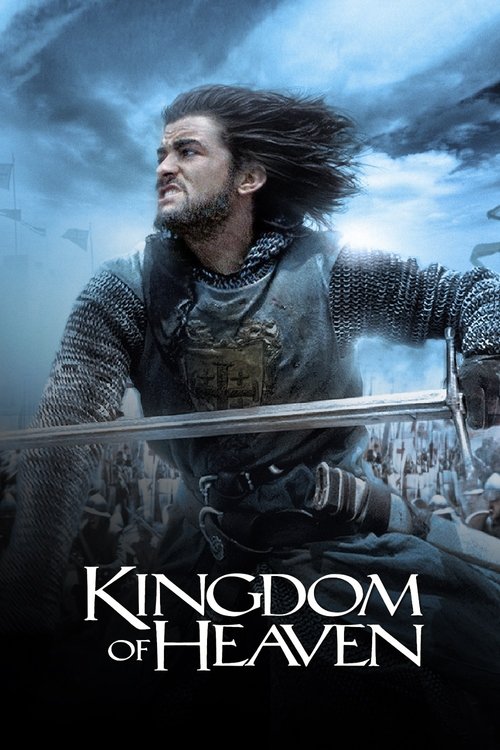
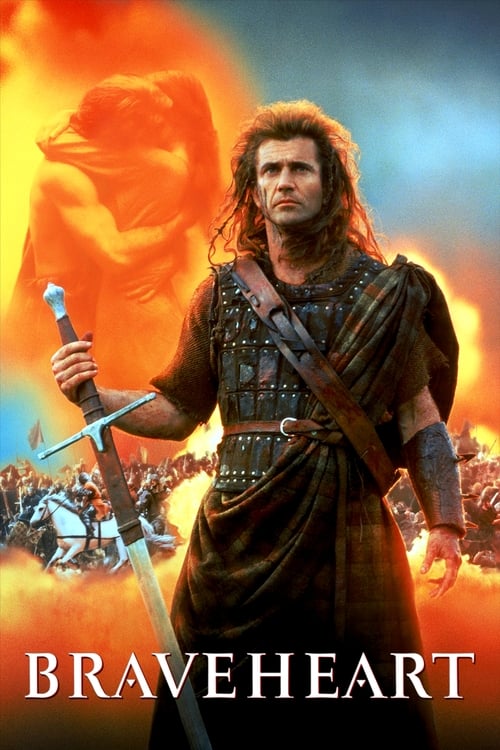
If You Love Uhtred, Watch These
Viking-age and Saxon-era screen epics with the same brutality and political intrigue
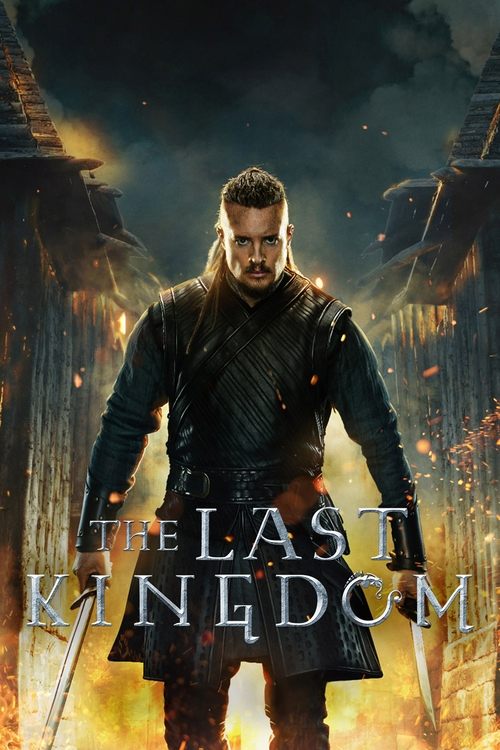

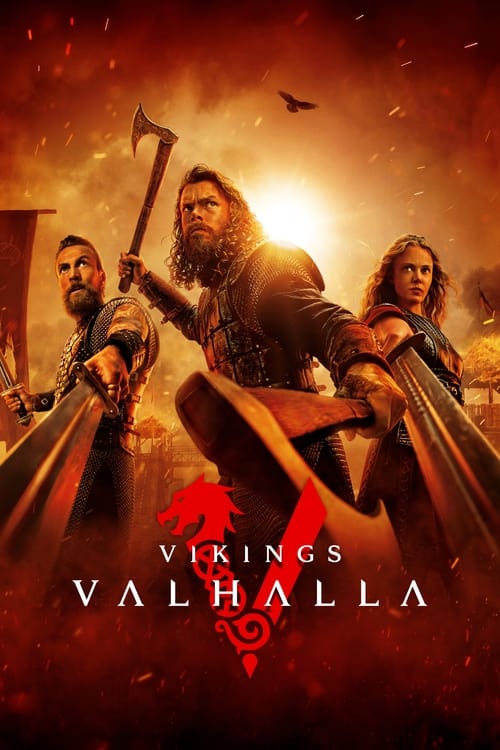



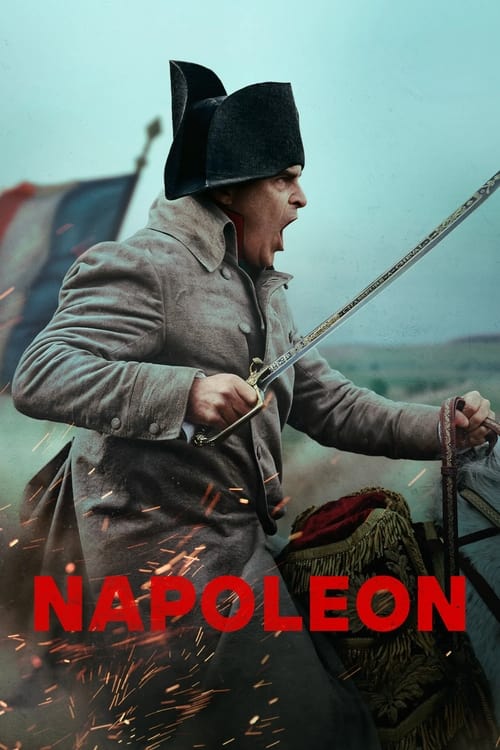
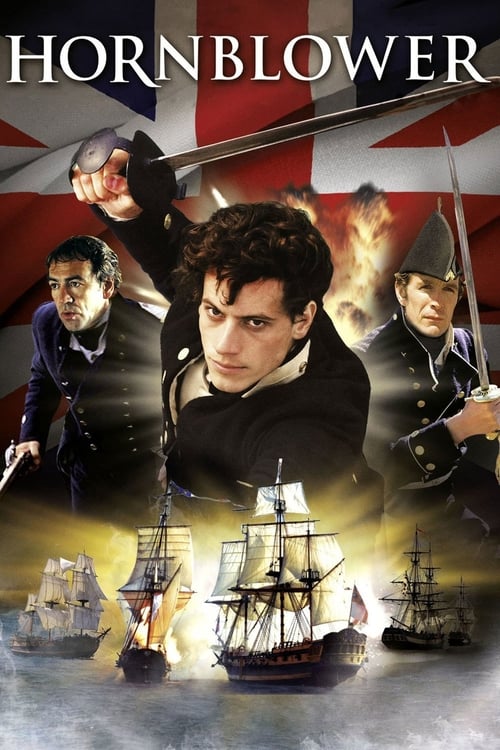
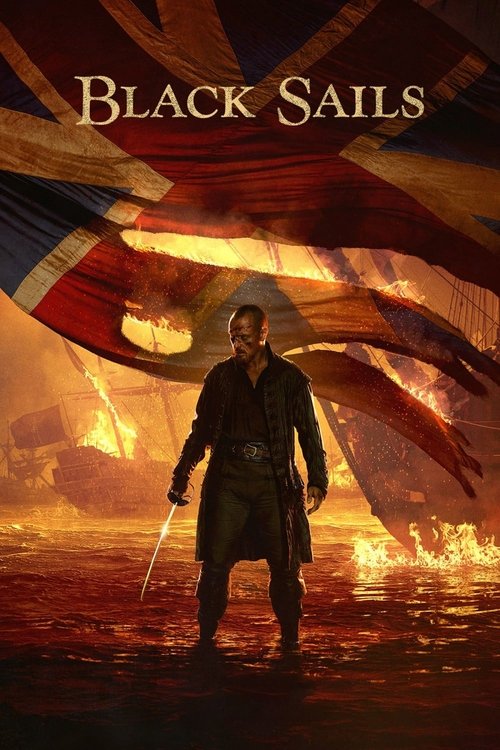
If You Love Sharpe, Watch These
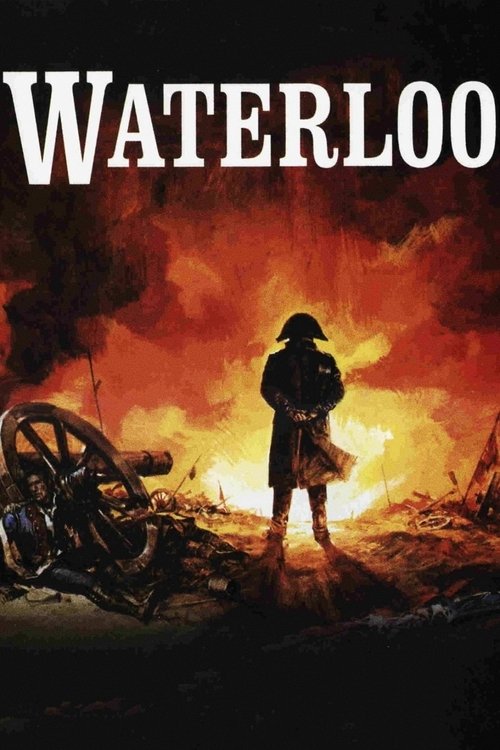
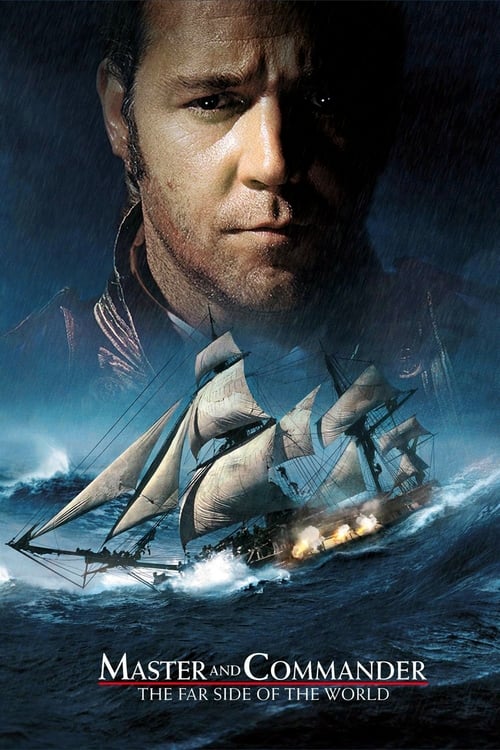
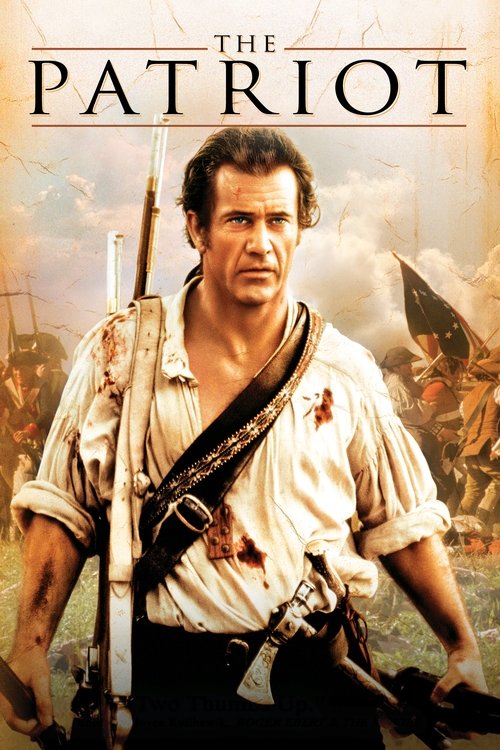
Napoleonic-era warfare and the age of musket on screen



Authors Who Hit the Same Notes
Historical fiction writers with Cornwell's pace, research depth, and morally complex heroes


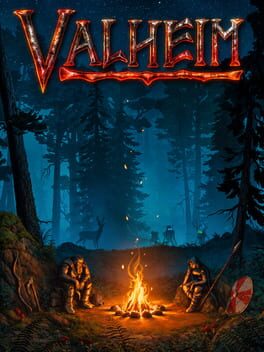
Games for the Shield Wall and the Firing Line
Strategy, action, and survival games steeped in medieval and early modern warfare
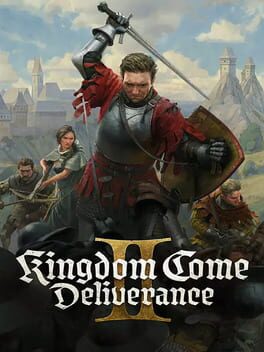
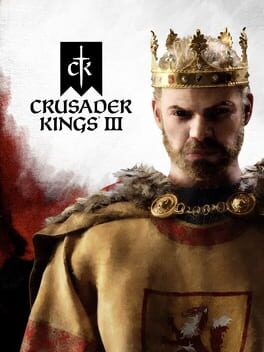
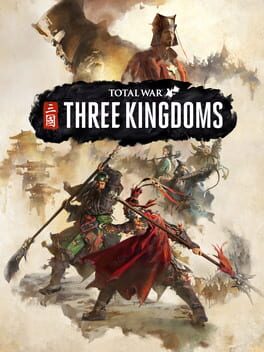
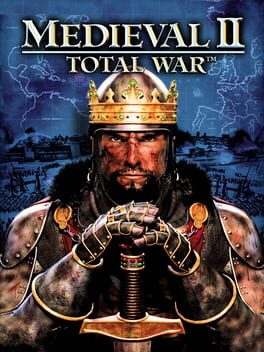
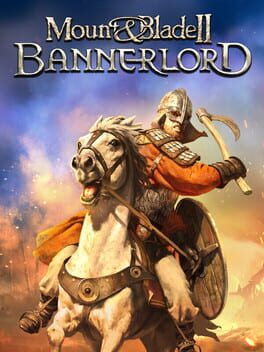

The Shield Wall Scene Changes You
There is a moment in Cornwell's Saxon Stories, usually somewhere in the first fifty pages of any book, where Uhtred locks shields with the men on either side of him and the world compresses to three feet of contested ground. Cornwell has admitted he researched shield-wall tactics obsessively because almost nothing reliable survives. The result is fiction that feels like documentary. Once you have read it, every other depiction of ancient combat looks theatrical.
Sharpe Is the Template for the Reluctant Hero
Richard Sharpe came out of poverty, fought his way up from the ranks in an era when commissions were purchased, and never quite fit in with the officer class he nominally joined. Cornwell invented a character type that dominated historical fiction for decades: the working-class genius who knows the battlefield better than his social superiors and resents every minute of having to prove it. The Sharpe TV adaptations with Sean Bean are rare cases where a casting choice elevated a character rather than diminished one.
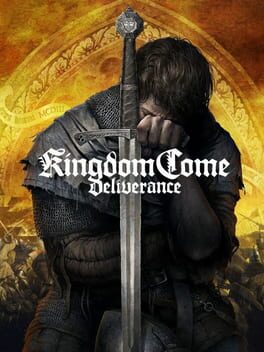
Kingdom Come: Deliverance Is the Cornwell Game
Warhorse Studios built Kingdom Come: Deliverance on a single premise: no magic, no chosen one, just a blacksmith's son dropped into the chaos of 15th-century Bohemia. The game reads the same way a Cornwell novel feels: historically rigorous, brutally unforgiving in combat, and anchored in a protagonist who has to earn every advantage. The sequel doubles down on every element that made the first game feel like a novel in motion.
The Warlord Chronicles Are the Best Arthurian Fiction Written
Cornwell's three-book Arthur sequence strips away the chivalric mythology and puts a real, possible 5th-century warlord into the power vacuum left by Rome's departure. Arthur is not a king yet and may never be. Merlin is a druid with an agenda. Guinevere is dangerously intelligent and politically ruthless. It is the most unsentimental version of the legend in existence, and the one that makes you believe it could have happened.
A Life in Historical Fiction
- 1981Sharpe's Eagle published, launching the Napoleonic Rifles series
- 1985Redcoat published, covering the American Revolutionary War
- 1995The Winter King begins the Warlord Chronicles Arthurian trilogy
- 1993Sharpe TV series debuts on ITV with Sean Bean Sharpe
- 2004Harlequin launches the Grail Quest series set during the Hundred Years War
- 2004Azincourt precursor research; full Agincourt novel published 2008 Agincourt
- 2004The Last Kingdom begins the Saxon Stories, Cornwell's longest-running series
- 2015BBC Two adapts The Last Kingdom for television The Last Kingdom
- 2022Seven Kings Must Die film wraps up the Last Kingdom TV story The Last Kingdom: Seven Kings Must Die
- 2023Sharpe's Command published, continuing the series after 25 years
More brutal historical fiction and warfare
For Fans of The Last Kingdom
Explore the For Fans of The Last Kingdom guide →I write about soldiers because that is the reality of history. History is not diplomats in rooms. It is men trying to kill each other with whatever implements are to hand.Bernard Cornwell