
Where It Started
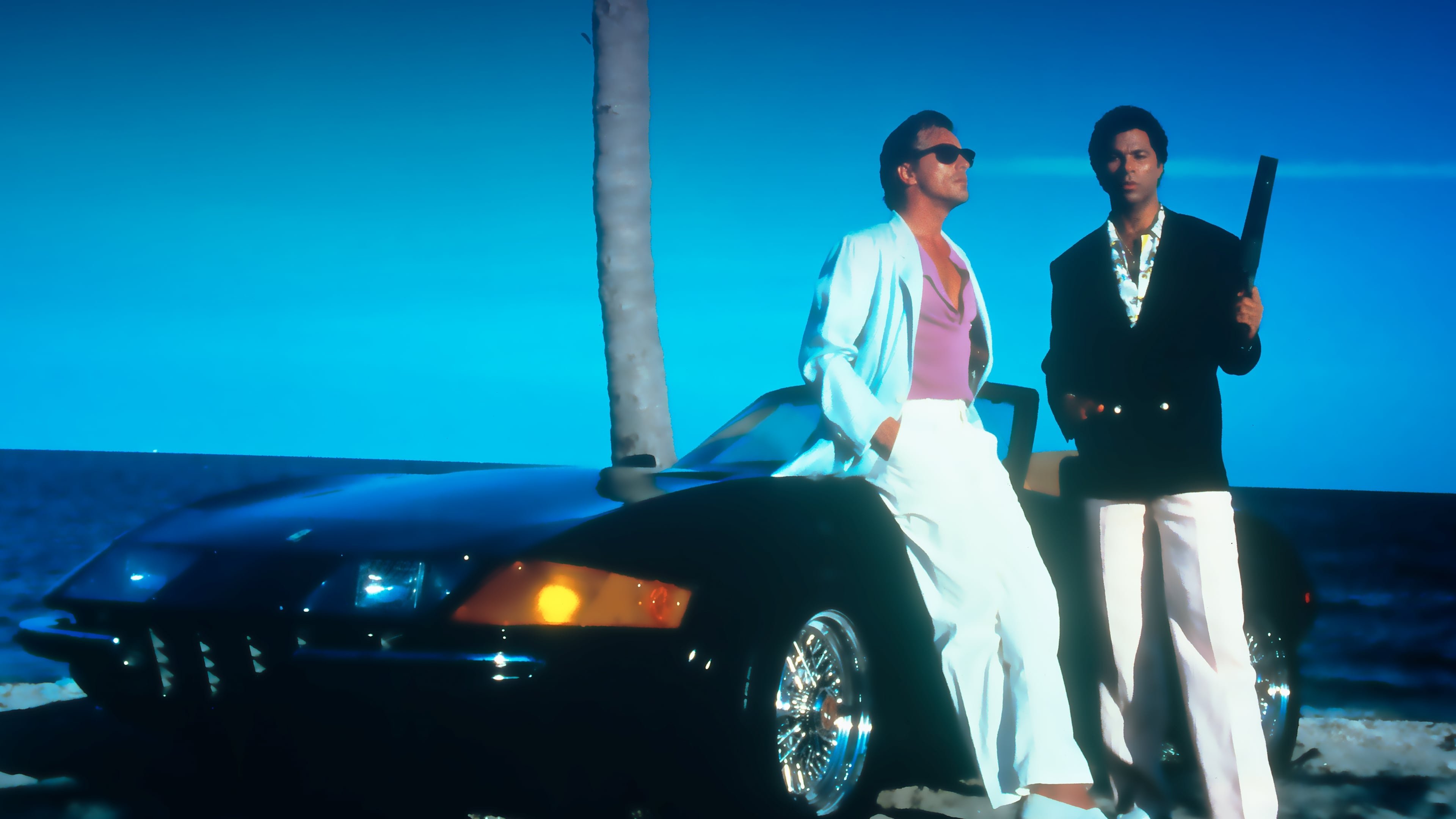
Miami Vice did not begin as a novel, a comic, or a true-crime story. It began as a production memo. In 1984, NBC executive Brandon Tartikoff handed producer Michael Mann a two-word concept: MTV Cops. Mann took that scrap and built something genuinely strange for network television: a police drama stripped of exposition, saturated with pop music, and dressed in Italian fashion. The pilot aired in September 1984 and the show ran for five seasons, ending in 1989.
The story was simple on the surface: two Miami metro narcotics detectives, Sonny Crockett and Rico Tubbs, working undercover against drug traffickers in a sun-blasted, violence-soaked version of South Florida. But the real subject was style as melancholy. Crockett lived on a boat. Nobody wore socks. Jan Hammer scored the whole thing like a fever dream. The show invented a look for the 1980s that the decade then wore back at it.
What followed was a franchise that spread across every medium, though never with the same coherence. The TV series remains the source and the standard. Everything else is a reflection of it, some flattering, some distorted.
Every Version of Miami Vice
The source and every major adaptation, in every medium
Miami Vice Across the Decades
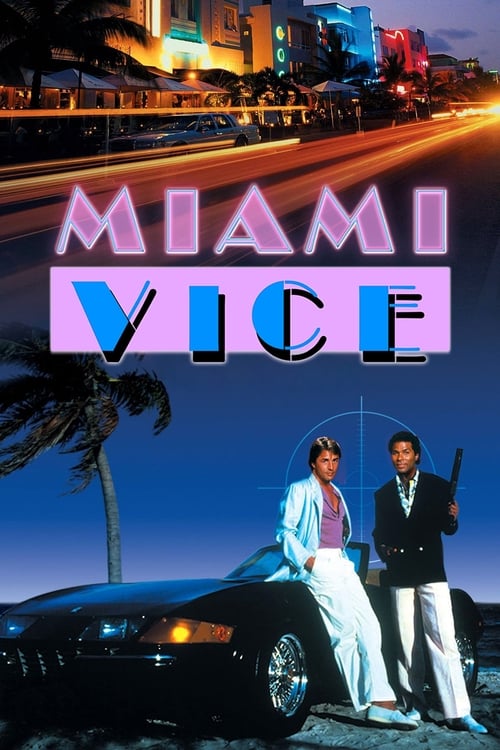
- 1984TV series premieres on NBC Miami Vice
- 1985Jan Hammer's soundtrack album reaches No. 1 on the Billboard 200
- 1989TV series ends after five seasons
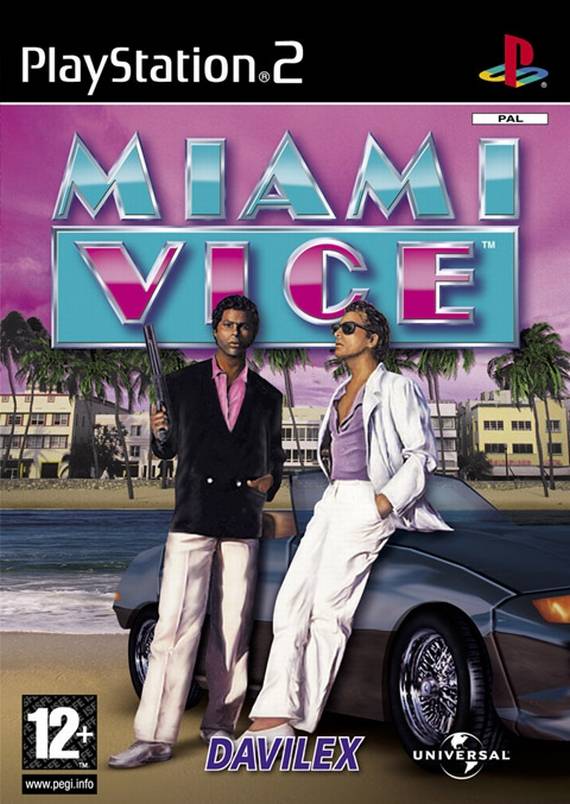
- 2004GBA game released Miami Vice: The Game
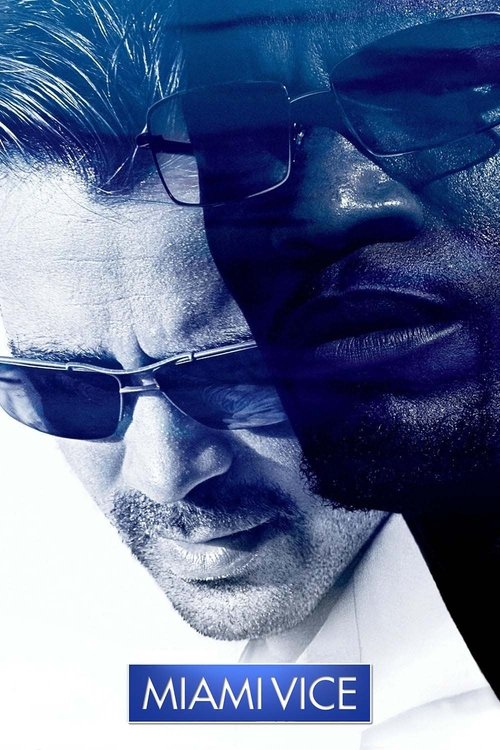
- 2006Michael Mann directs the theatrical film Miami Vice
The series did not look like anything else on television. It looked like a feature film someone had accidentally left running for five seasons.CrossBinge
If You Love Miami Vice: Neon-Noir Thrillers
Crime films with atmosphere as thick as the plot
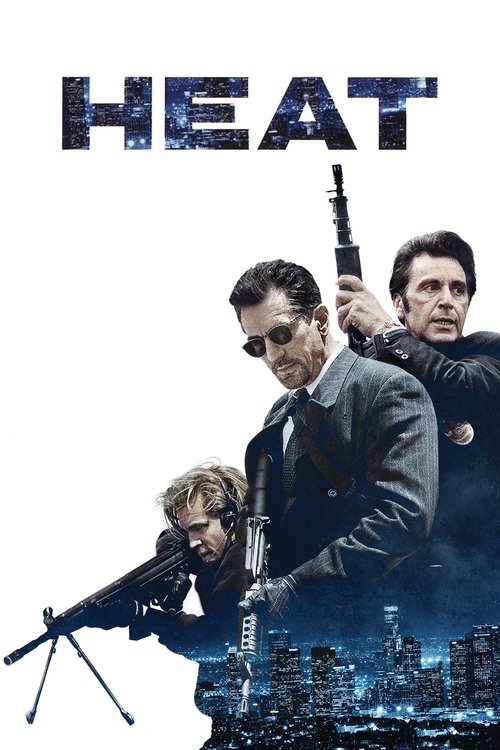
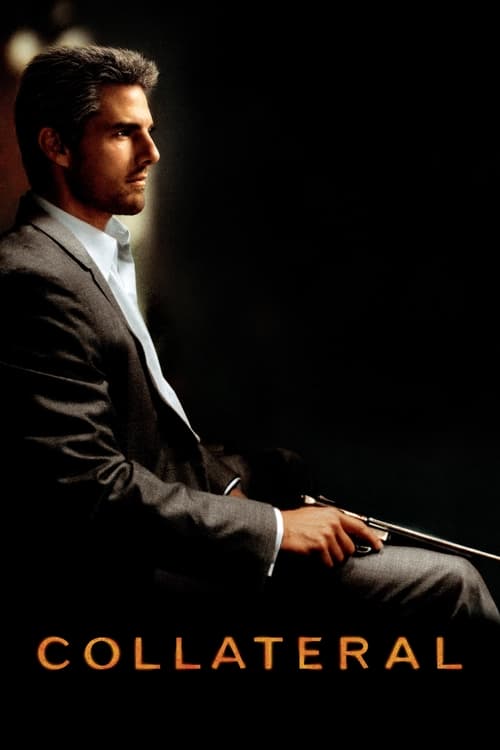
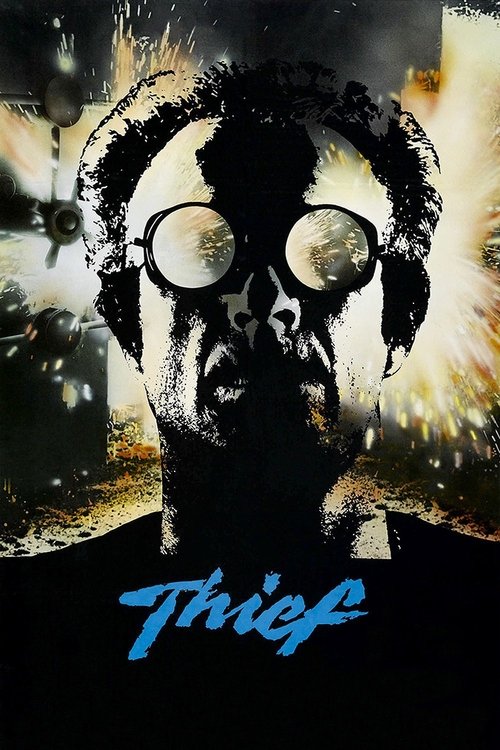
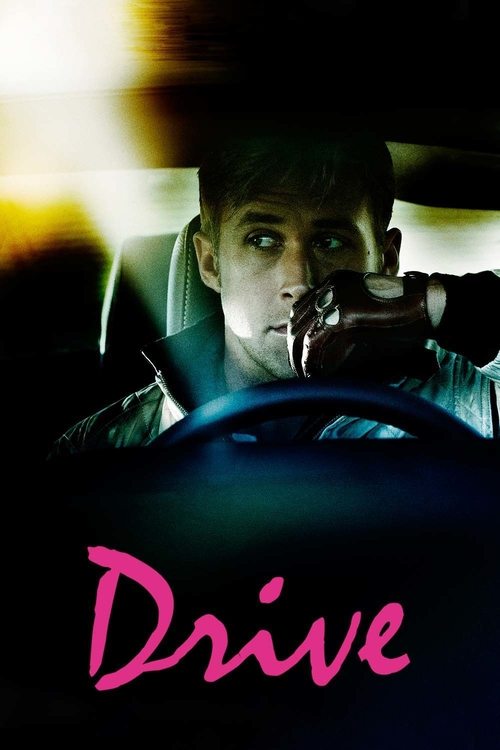
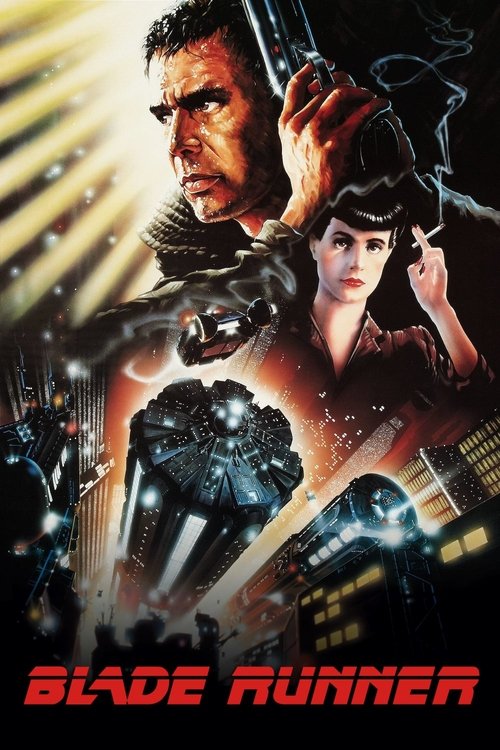
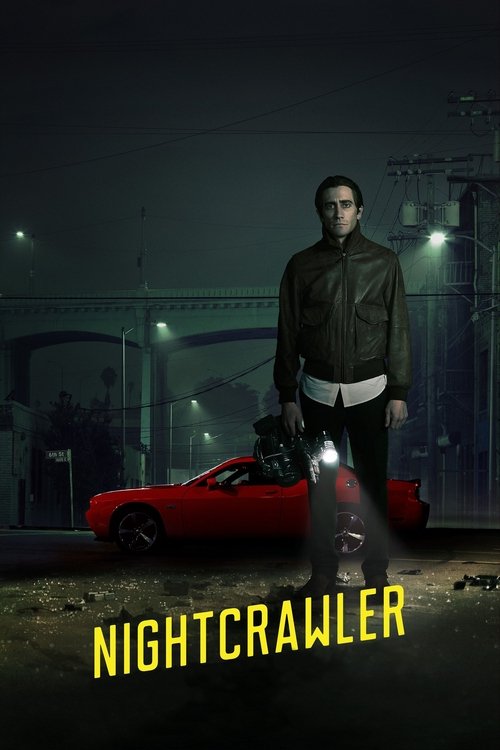
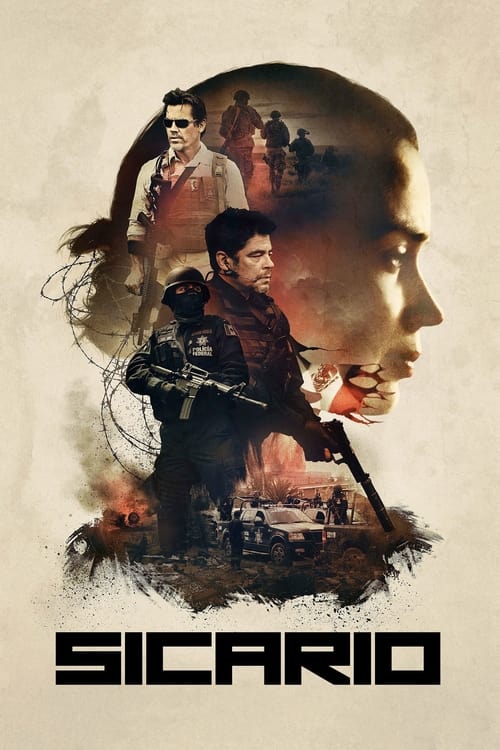
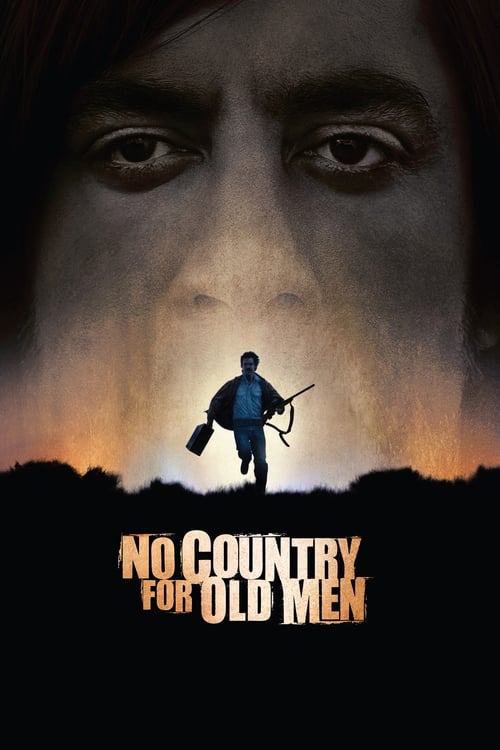
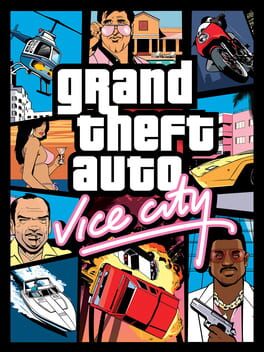
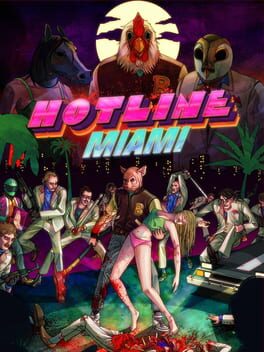
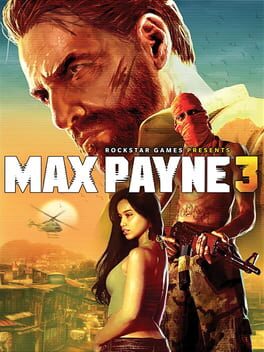
If You Love Miami Vice: Undercover Cop Drama
TV series about detectives working inside criminal worlds
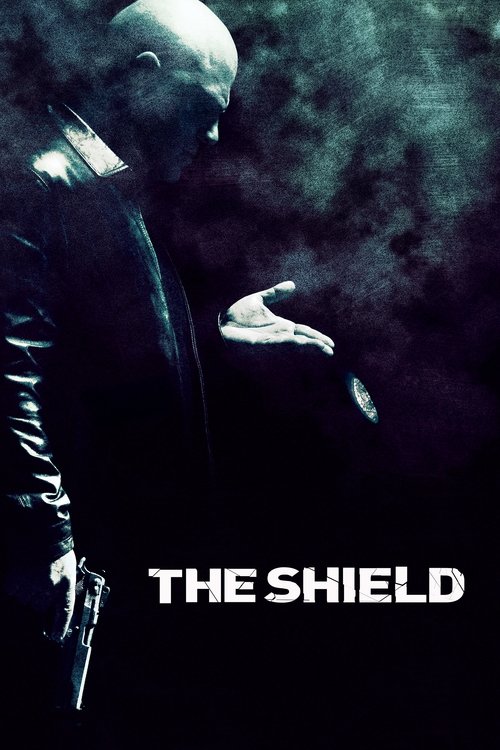
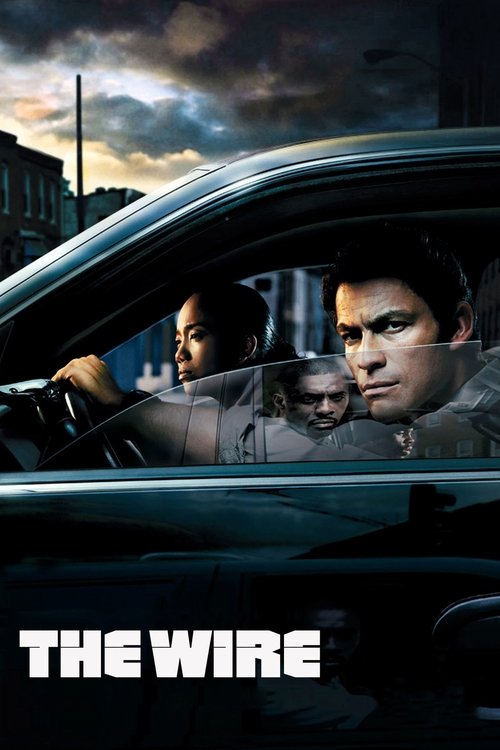
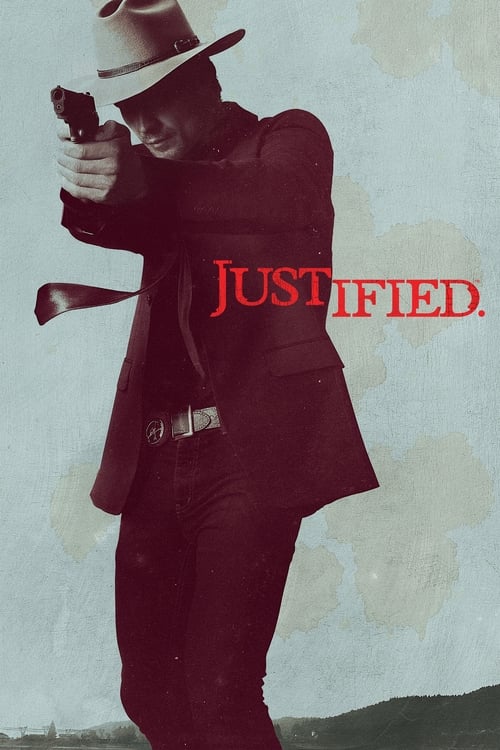

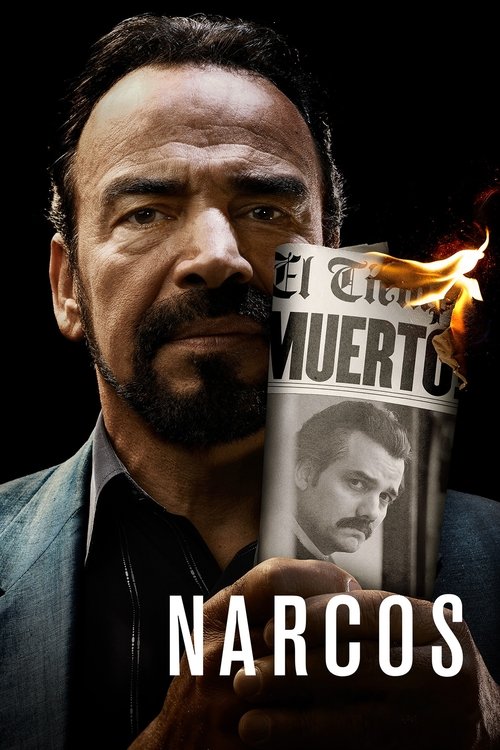
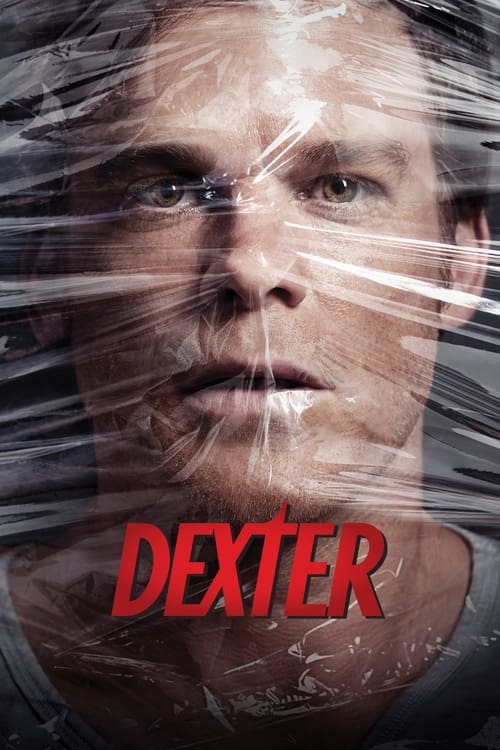
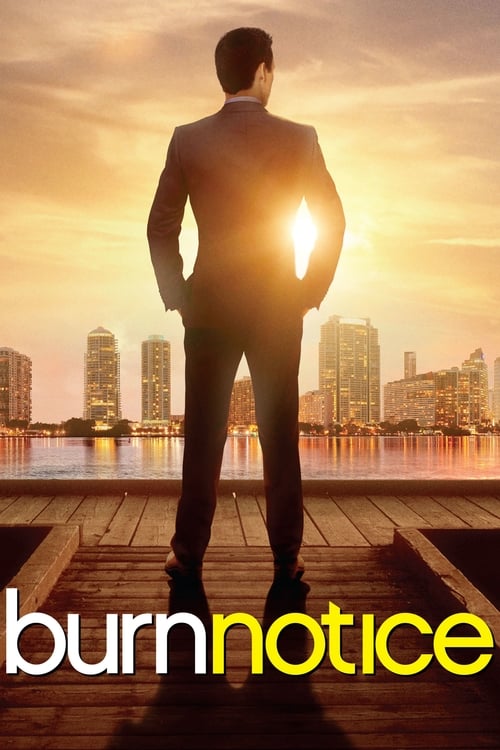
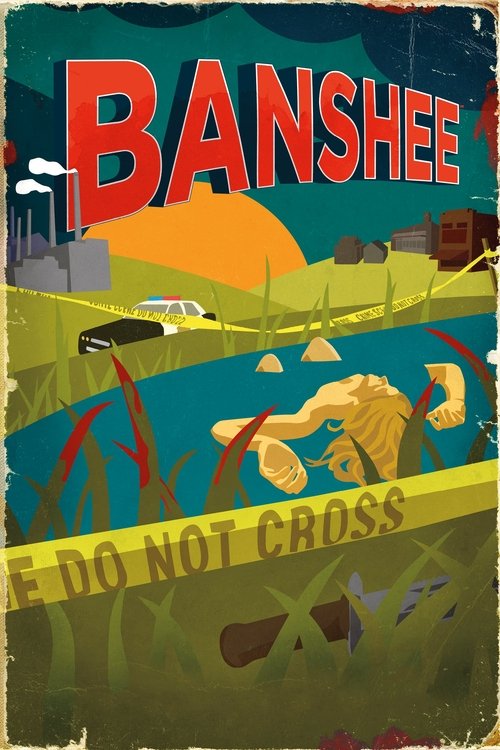
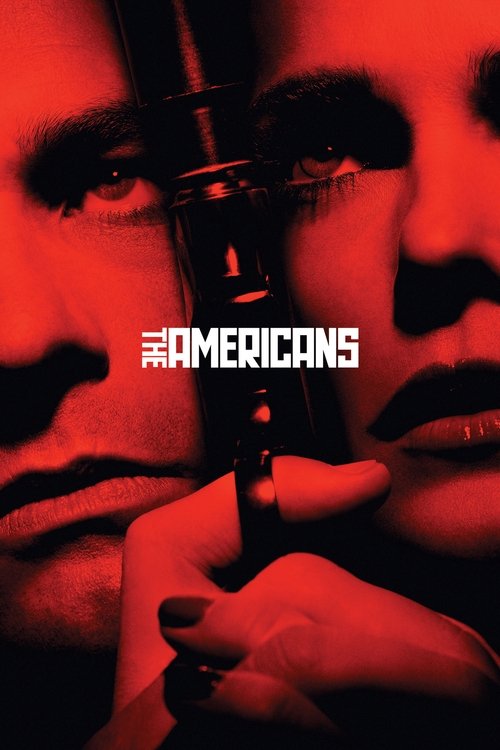
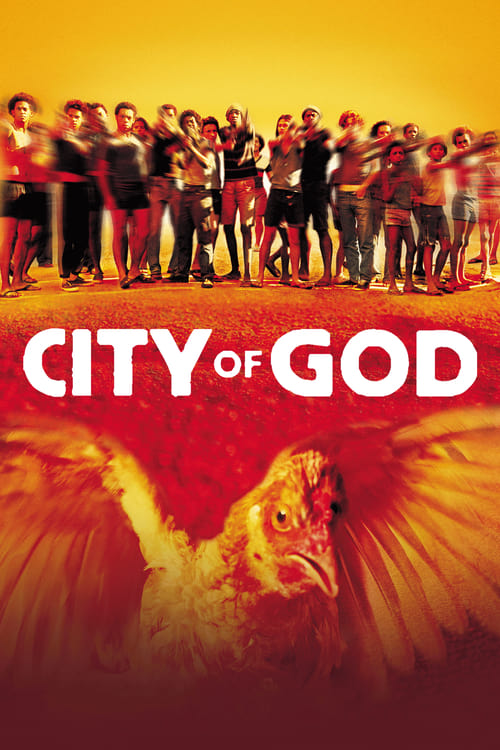
If You Love Miami Vice: Crime Fiction of the Same Era
Books that shared the decade's obsession with drugs, heat, and moral ambiguity


If You Love Miami Vice: Synth-Soaked Soundscapes
Albums that share the same neon loneliness
The Definitive Version: the TV series is where the myth lives
The 1984 NBC series is the only version of Miami Vice that has never been matched. It ran for five seasons and developed a visual and musical language that other crime shows still quote. Crockett and Tubbs are specific people in a specific place at a specific moment in American history: the cocaine wars, Reagan-era money, and the particular sadness of working perpetually undercover. Seasons one and two are close to perfect television. The later seasons lose the tonal precision, but even at its most erratic the show is doing something no one else was attempting. Start with the pilot, then the episode 'Out Where the Buses Don't Run,' and see how quickly the formula stops feeling like a formula.
The Underrated Version: Mann's 2006 film rewards patience
Michael Mann's 2006 theatrical film arrived to mixed reviews and has spent two decades being reassessed upward. Shot on digital video with a restless, documentary-like intimacy, it is less a remake than a parallel story using the same character names. Colin Farrell and Jamie Foxx play Crockett and Tubbs as men too far inside their covers to know who they are anymore. The action sequences are genuinely alarming. It is a colder, harder film than its source and it earns that difference. Critics who wanted the pastel nostalgia of the TV show were always going to hate it. Viewers willing to let Mann do something new with the material will find one of his sharpest late-period works.
The One to Skip: the 2004 GBA game is franchise padding
Miami Vice: The Game (2004) is a GBA top-down shooter that licenses the brand and almost nothing else. The visual and tonal complexity that defined the TV series cannot survive on a Game Boy Advance screen, and the designers made no serious attempt to translate it. The gameplay is competent by the standards of the hardware and the era. That is the most generous thing to say about it. The real Vice City of games is Grand Theft Auto: Vice City (2002), which is not a licensed adaptation but captures the look, the music, and the moral atmosphere of the show more accurately than any official tie-in ever managed.