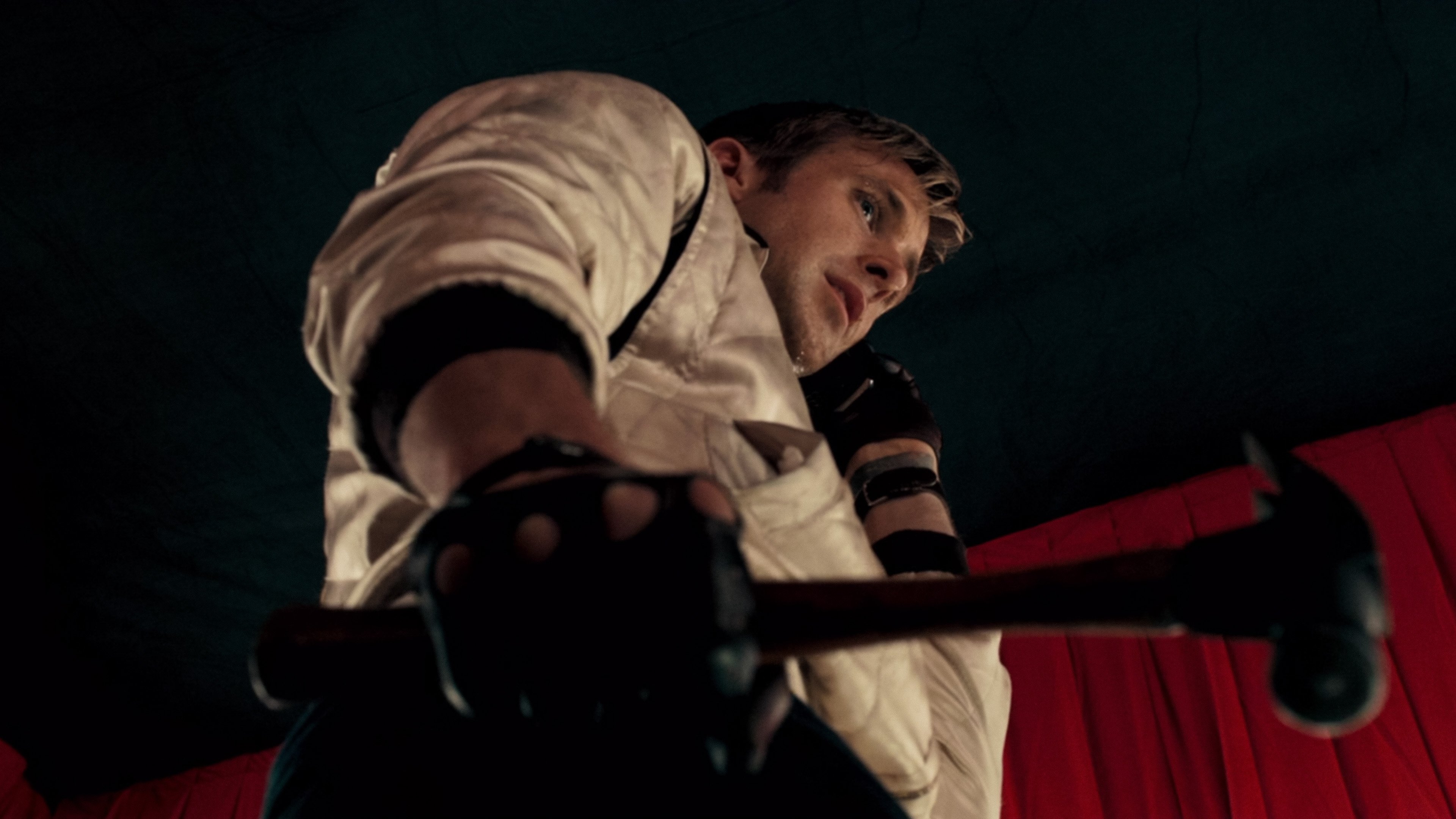

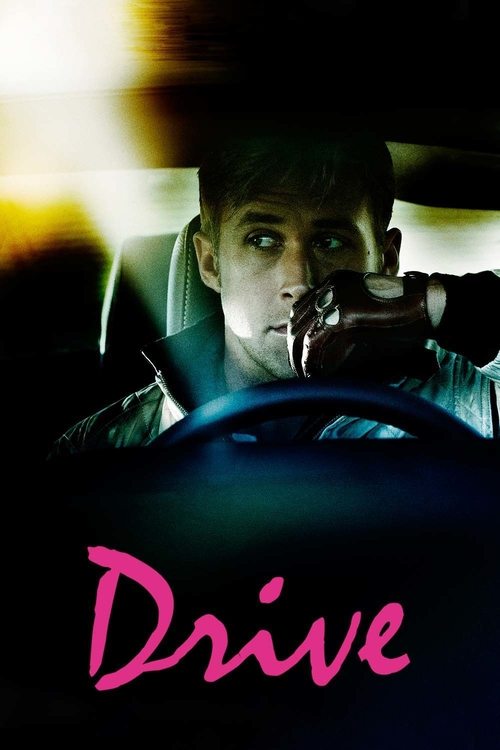
Drive (2011) is a film of radical economy. Nicolas Winding Refn strips the heist thriller down to its pulse: a stunt driver (Ryan Gosling, barely speaking) who moonlights as a getaway man, a woman next door, and a job that goes wrong in the worst possible way. What fans chase is not the plot but the texture: the long silences before violence, the Cliff Martinez score hovering at the edge of perception, Los Angeles rendered as a place where glamour and menace share the same fluorescent glow. It is a film about controlling yourself until you cannot, and the results are precise, brutal, and oddly beautiful.
Essential Drive
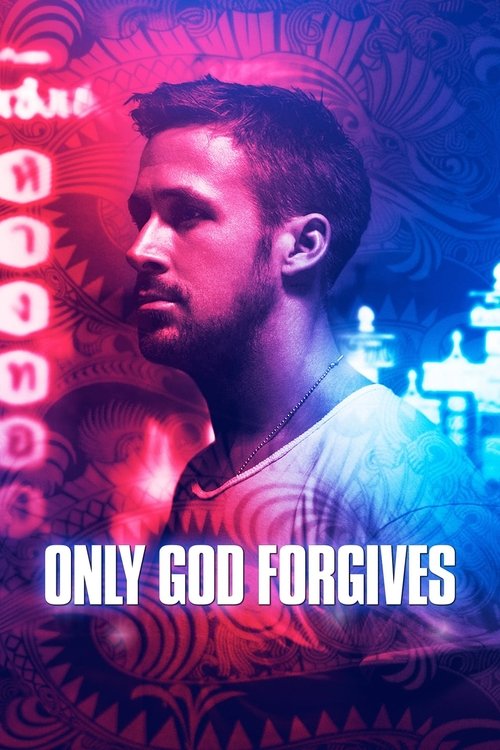
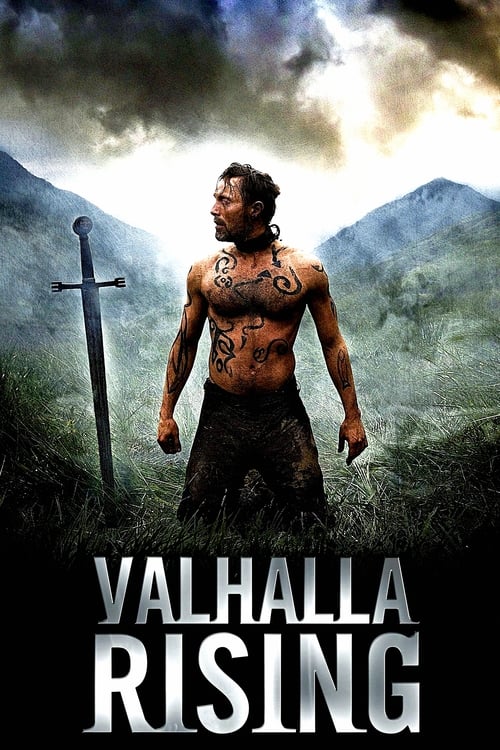
The film itself and Nicolas Winding Refn's closest kin in his own filmography

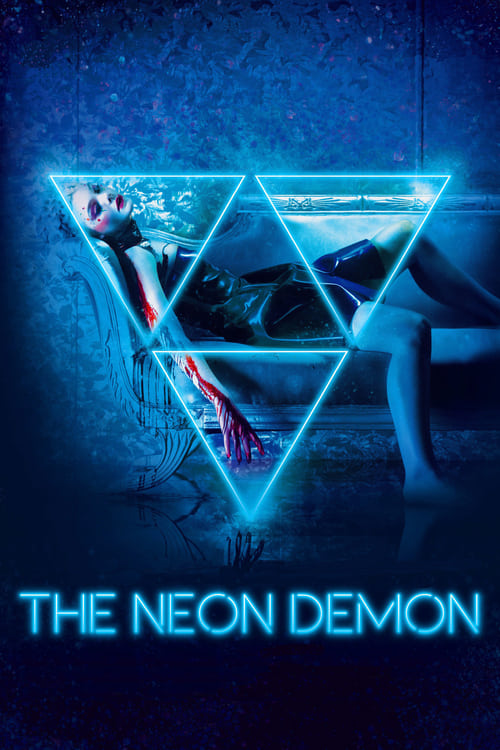
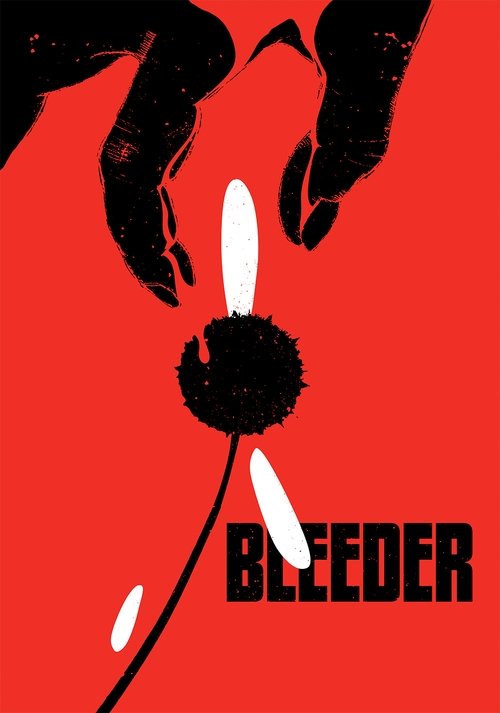
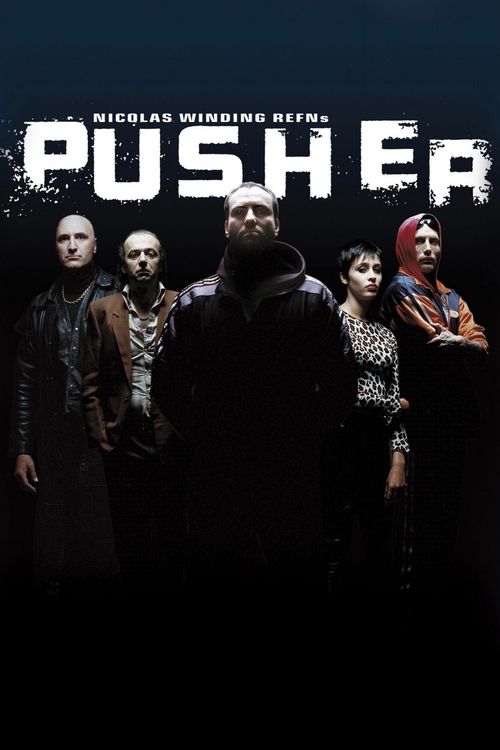
The silence is the point
Drive's most imitated quality is also its hardest to copy: the space between lines. Refn and Gosling agreed the driver needed almost no dialogue, turning every scene into a contest between what characters do not say and what they are about to do. That compression of feeling is what separates Drive from the hundreds of crime films it inspired.
If you love the neon-drenched crime vibe
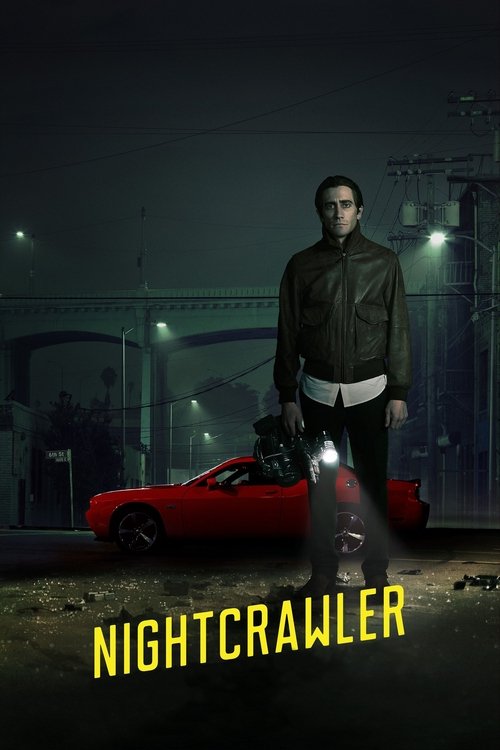
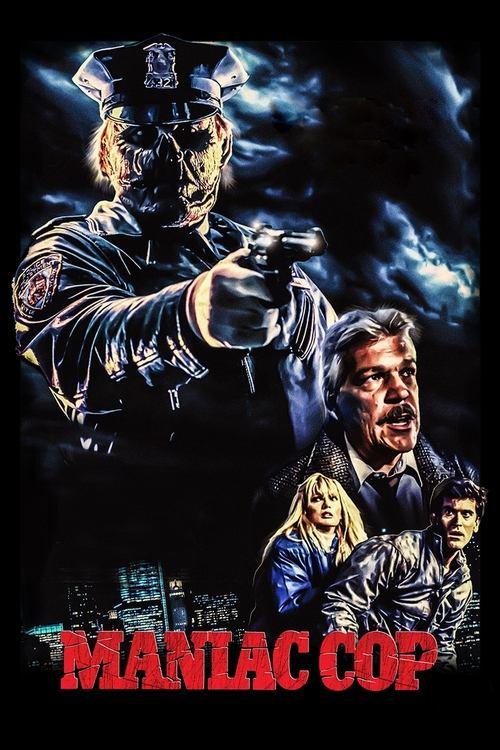
Films with the same slow-burn atmosphere, violent interiors, and Los Angeles or urban-night energy

Series for the same restless hour
TV that shares Drive's moral ambiguity, slow-burn pacing, and characters trapped in violent worlds

The novels behind the wheel
Crime fiction with the same stripped economy, moral rot, and men who drive toward something they cannot name


Games with the same neon pulse
Games built on cool precision, atmospheric cities, and the cost of violence

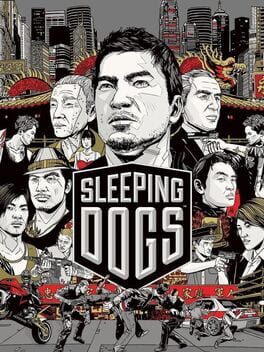
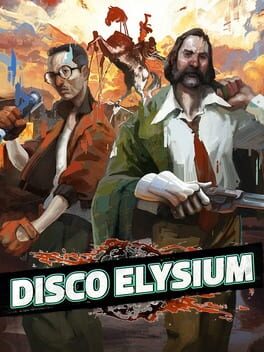
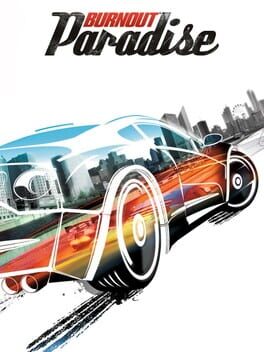
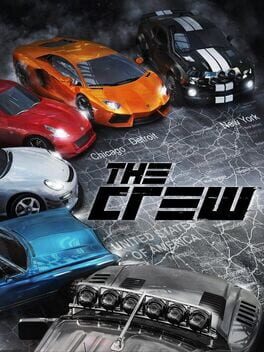
The score and the needle-drops
Music that sounds like Drive feels: synth warmth over dread, the 80s retrofitted for something modern and lonely
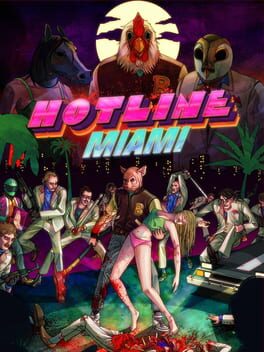
Hotline Miami owes Drive a debt it cannot repay
Hotline Miami arrived in 2012 and wore its Drive influence openly: the animal masks, the synth score, the sudden eruptions of extreme violence from a silent protagonist trying to follow instructions he does not understand. Where Drive is slow and lyrical, Hotline Miami is fast and dissonant, but both are asking what it costs to be good at something terrible.
More films for the same sleepless feeling
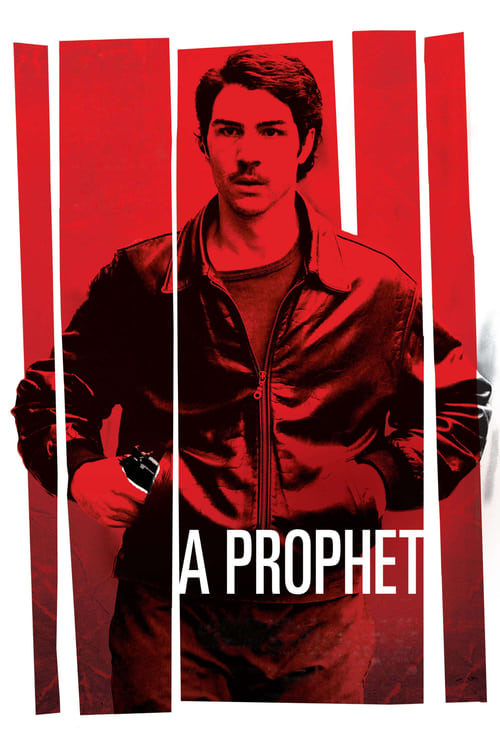
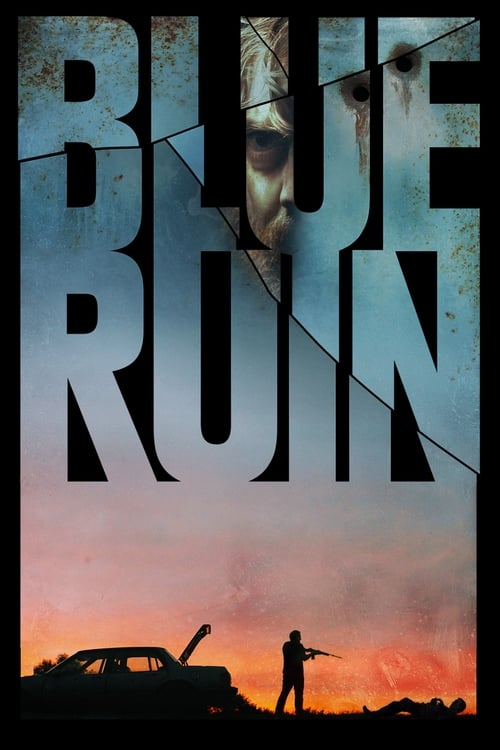
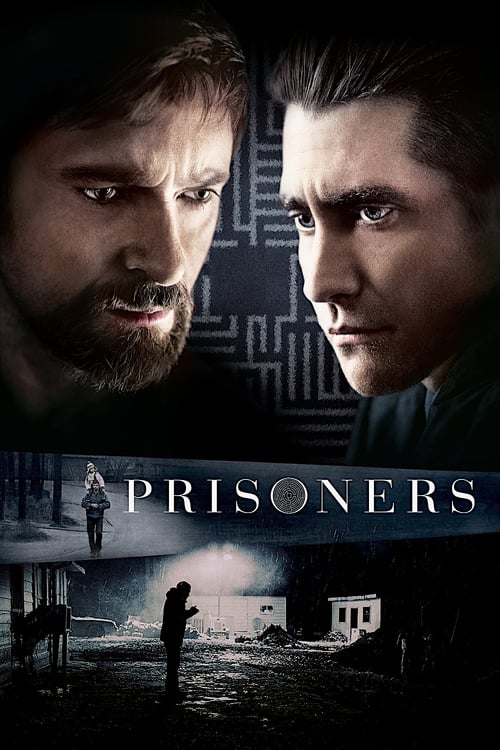
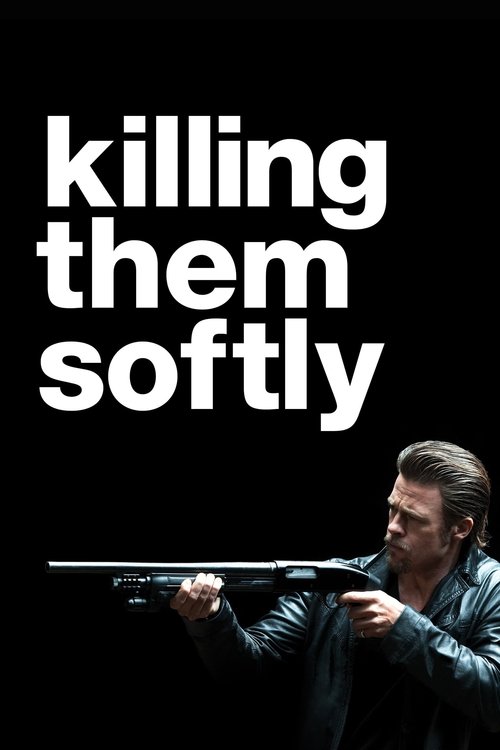
Standalone films sharing Drive's cool remove, ultraviolence handled as consequence, and protagonists who cannot escape their nature
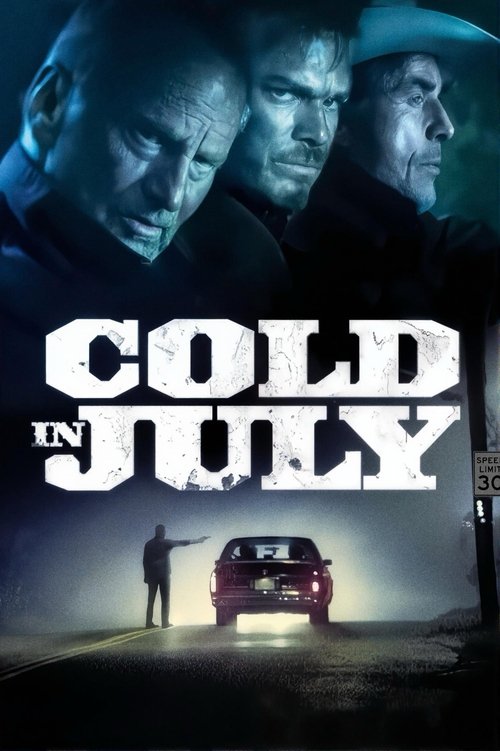
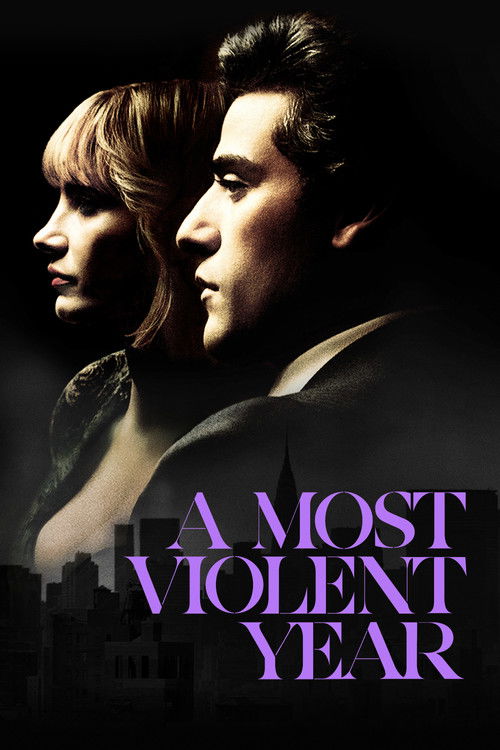
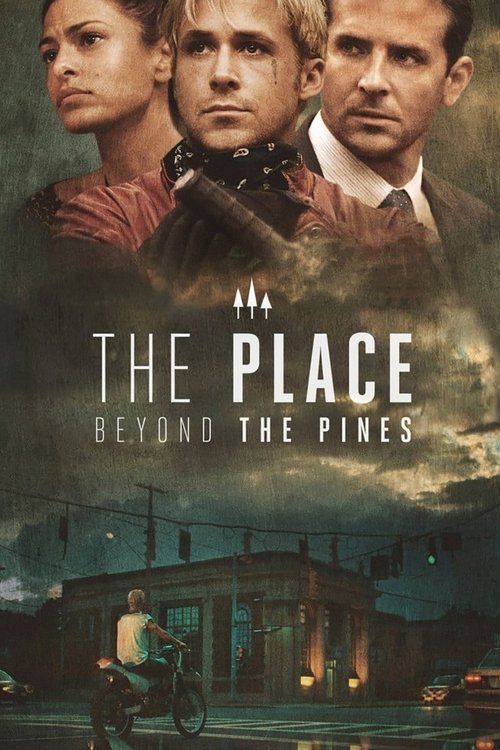
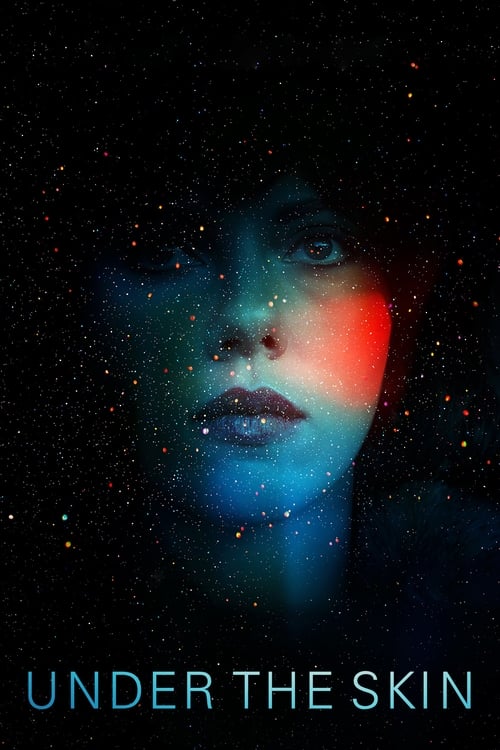
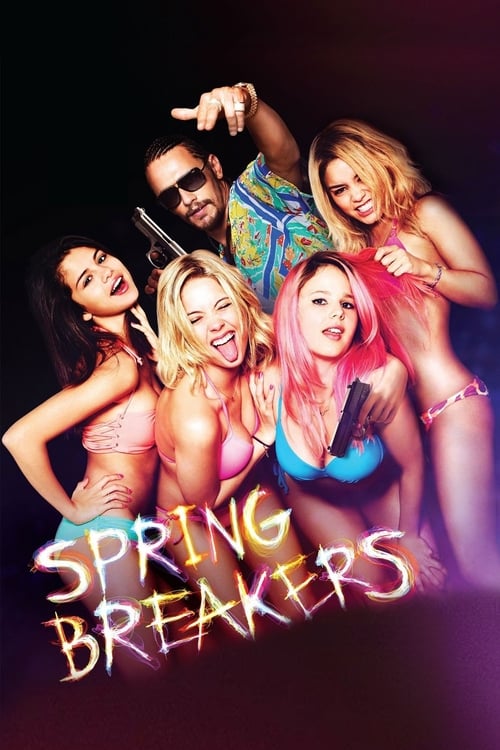
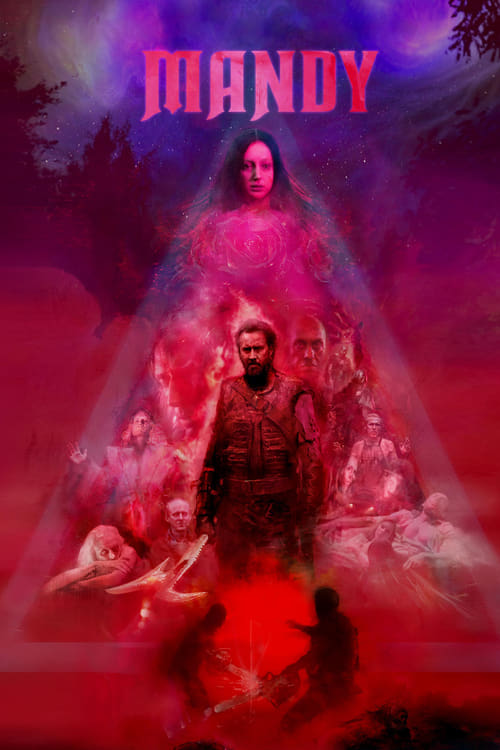
A slow-cinema crime lineage
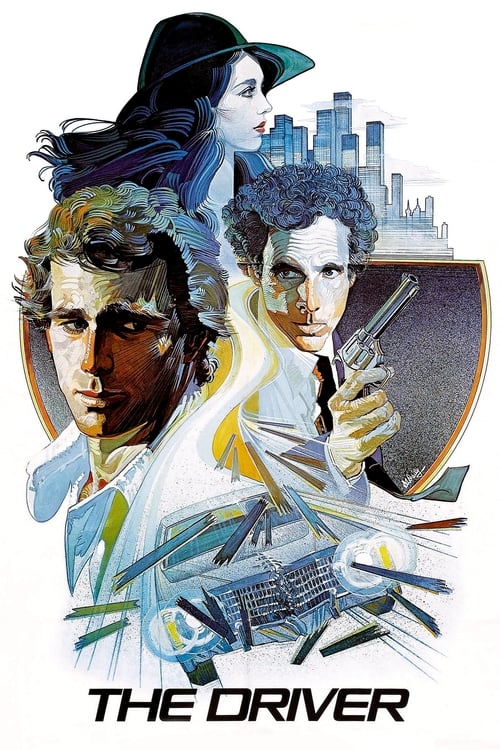
- 1978Walter Hill's The Driver establishes the archetype: near-silent wheelman, precise action, existential cool The Driver
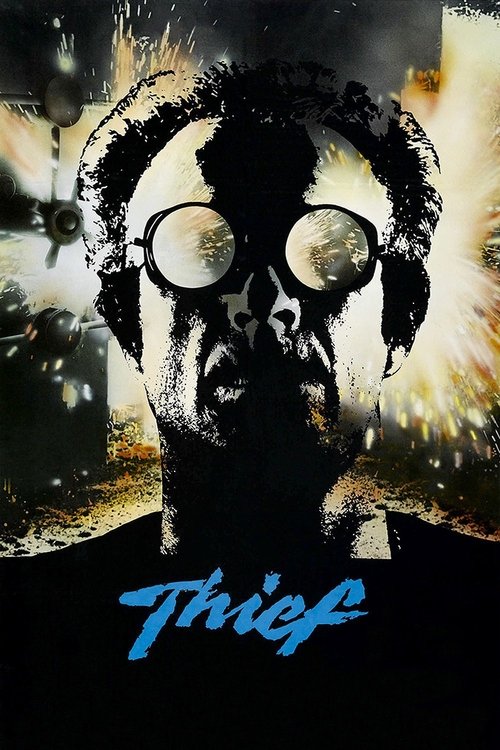
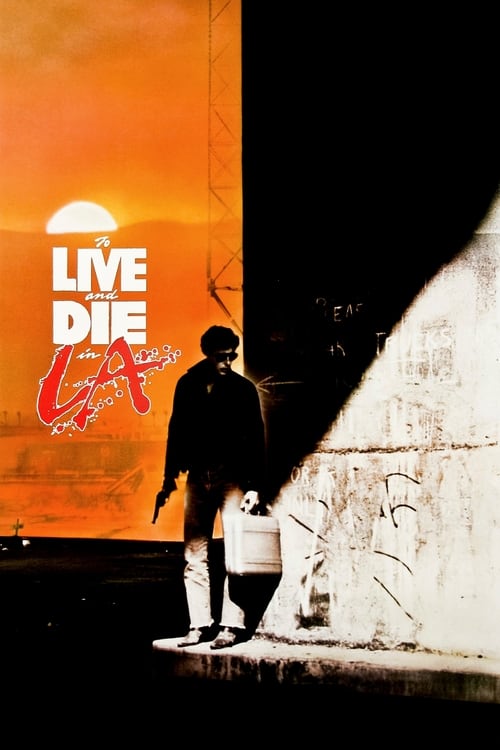
- 1981Michael Mann's Thief builds the neon crime aesthetic that LA crime cinema borrows from for decades Thief
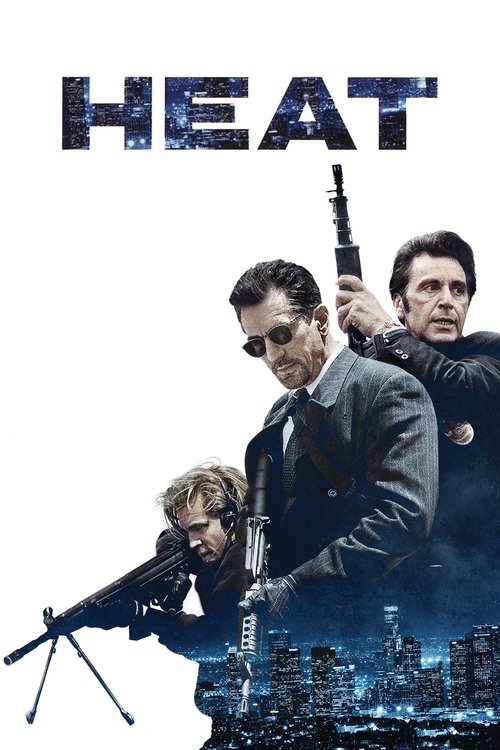
- 1995Heat sets the gold standard for LA crime: patience, craft, and men defined by what they do Heat
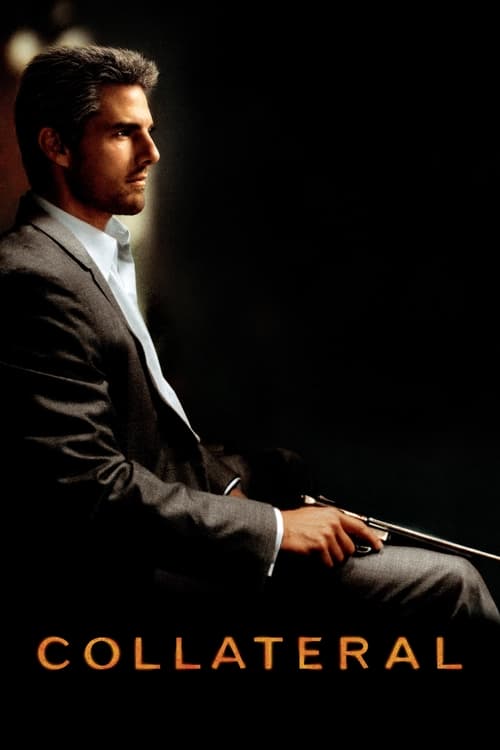
- 2005Collateral: Tom Cruise as a contractor moving through LA at night, the city as antagonist Collateral
- 2005James Sallis publishes Drive: 158 pages of stripped-down crime prose that Refn adapts six years later Driven
- 2011Drive arrives, wins Refn the Cannes directing prize, and defines a visual and sonic template for a generation of crime films Drive
- 2012Hotline Miami synthesizes Drive's aesthetics into a video game, completing the cross-media loop Hotline Miami
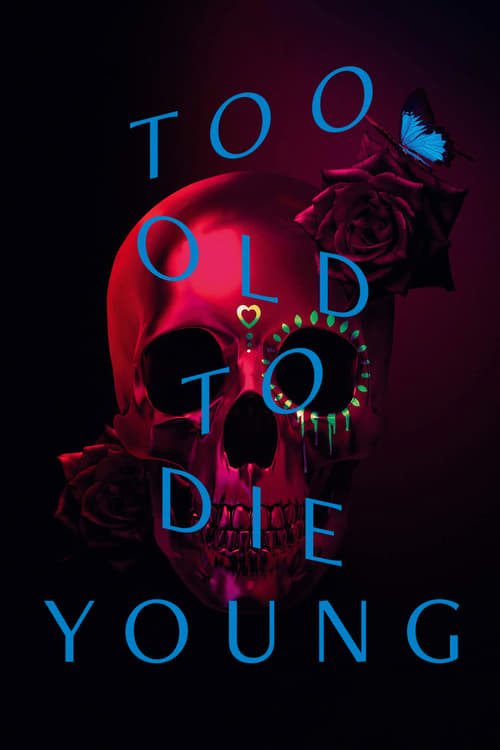
- 2014Too Old to Die Young: Refn's Amazon series extends the Driver's world into eight hours of hypnotic violence Too Old to Die Young
James Sallis wrote Drive as a character study, not a thriller
The source novel by James Sallis (2005) is barely 160 pages and almost plotless by genre standards. Sallis was more interested in who the driver is than in what he does: a man who grew up in cars, who finds identity in motion, who cannot quite locate himself outside the seat. Refn used that blankness as a canvas. Readers who loved the film and pick up the novel will find it leaner, stranger, and sadder.
You give me a time and a place, I give you a five-minute window. Anything happens in that five minutes and I'm yours. I don't sit in while you're running it down. I don't carry a gun. I drive.Driver, Drive (2011)
Cliff Martinez turned restraint into a sound
The Drive score by Cliff Martinez arrived in the same year as Daft Punk's Random Access Memories collaborations were reshaping pop, and it felt like a private transmission from an earlier decade. Martinez used vintage synthesizers and slow harmonic movement to create music that seems to hold still while the film moves forward. The four Chromatics and College tracks woven into the needle-drops set the same tone: longing at the edge of danger.