

From Cold War Television to the World's Biggest Spy Franchise
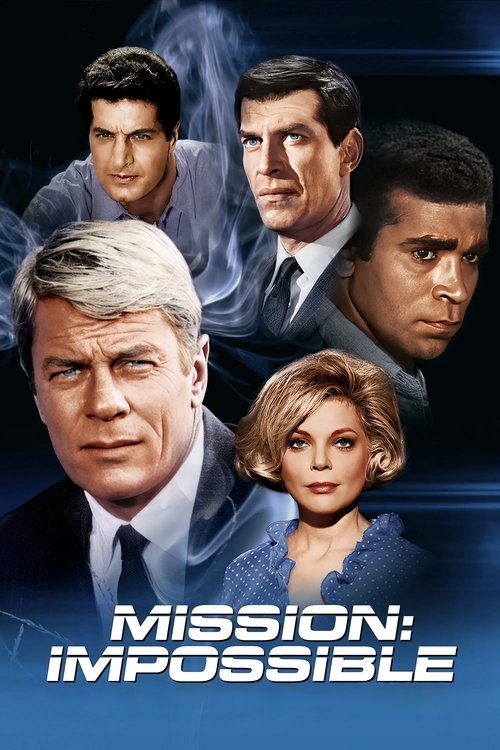
Mission: Impossible began not on a cinema screen but on American network television. Bruce Geller created the original CBS series, which ran from 1966 to 1973, drawing on Cold War anxieties and the vogue for spy fiction that had made James Bond a cultural phenomenon. The show followed the Impossible Missions Force, a team of specialists who dismantled enemy organizations through elaborate deception rather than brute force. That premise, more procedural puzzle than action spectacle, turned out to be remarkably durable.
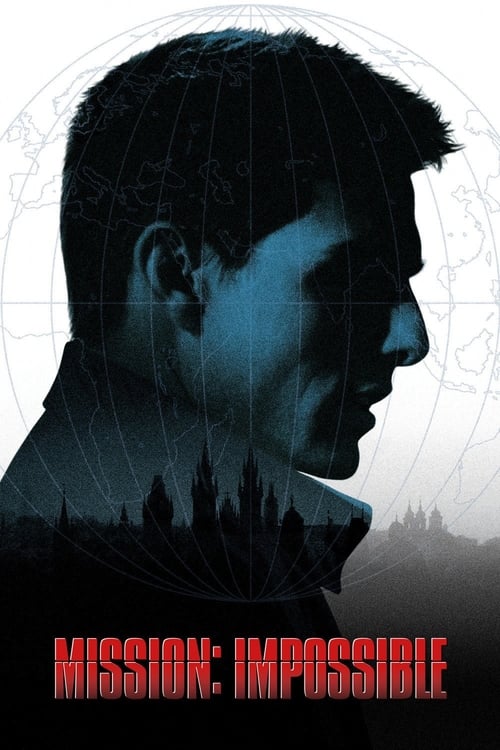
The franchise lay dormant through the 1980s, returned briefly as a revived TV series from 1988 to 1990, and then transformed into something new entirely when Brian De Palma relaunched it as a Tom Cruise vehicle in 1996. Each sequel handed the reins to a different director and adopted a different genre personality. By the time Christopher McQuarrie wrote and directed Mission: Impossible - Rogue Nation (2015), the series had found its mature voice: a story about institutional legitimacy, personal loyalty, and the question of whether a spy apparatus can be trusted to govern itself. McQuarrie introduced the Syndicate, a mirror-image rogue IMF built from burned intelligence assets, and the character of Ilsa Faust, giving the film an emotional architecture that previous installments had often skimped on. Rogue Nation is not a self-contained story adapted from another source; it is an original screenplay that grew organically from the cumulative mythology of the franchise it belongs to.
Every Version: Mission: Impossible Across Media
The franchise in full, from the original broadcast to the latest feature
 Mission: Impossible
 Mission: Impossible (1990)
 Mission: Impossible
 Mission: Impossible II
 Mission: Impossible III
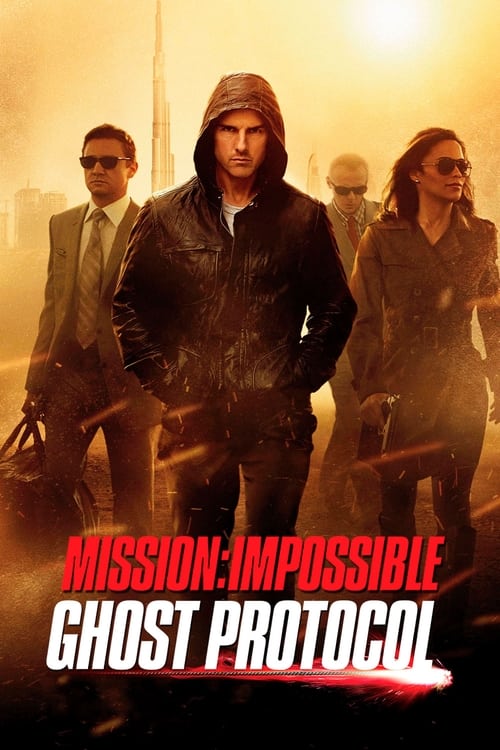 Mission: Impossible - Ghost Protocol
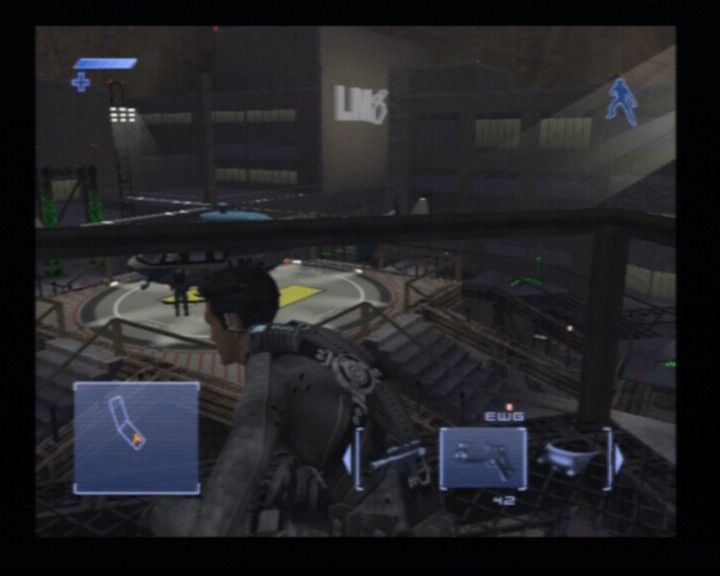 Mission: Impossible – Operation Surma
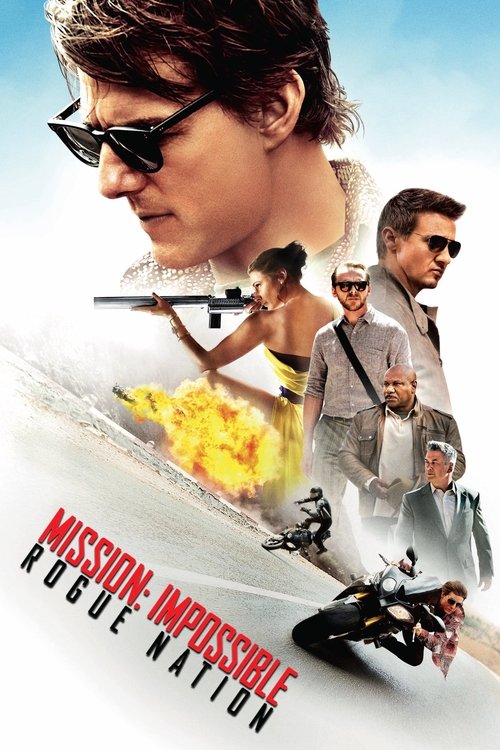 Mission: Impossible - Rogue Nation
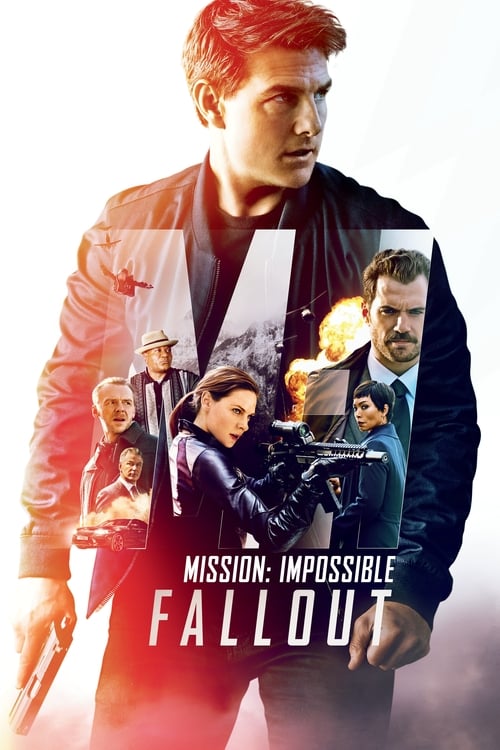 Mission: Impossible - Fallout
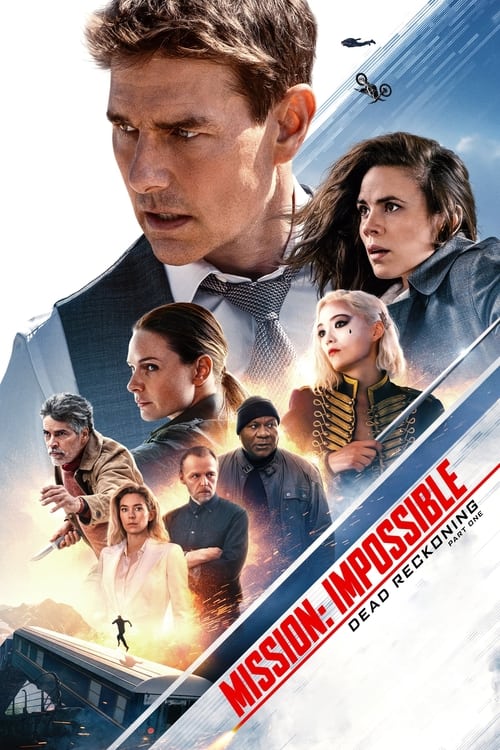 Mission: Impossible - Dead Reckoning Part One
 Mission: Impossible - The Final Reckoning
The Mission: Impossible Timeline
- 1966Original CBS TV series premieres Mission: Impossible
- 1990NES tie-in game released Mission: Impossible (1990)
- 1996De Palma relaunches as blockbuster film Mission: Impossible
- 2000John Woo's action-heavy sequel Mission: Impossible II
- 2003PS2/GameCube tie-in game Mission: Impossible – Operation Surma
- 2006J.J. Abrams raises emotional stakes Mission: Impossible III
- 2011Brad Bird goes globe-trotting Mission: Impossible - Ghost Protocol
- 2015McQuarrie introduces the Syndicate Mission: Impossible - Rogue Nation
- 2018Franchise peaks with Fallout Mission: Impossible - Fallout
- 2023Dead Reckoning begins the finale arc Mission: Impossible - Dead Reckoning Part One
- 2025The finale arrives Mission: Impossible - The Final Reckoning
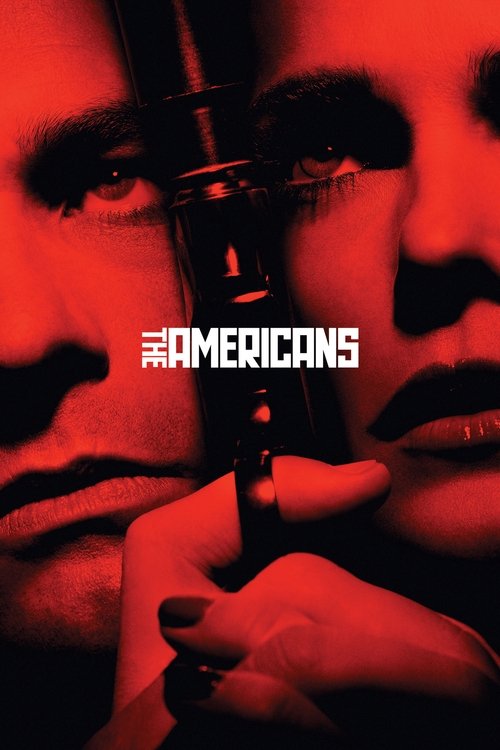
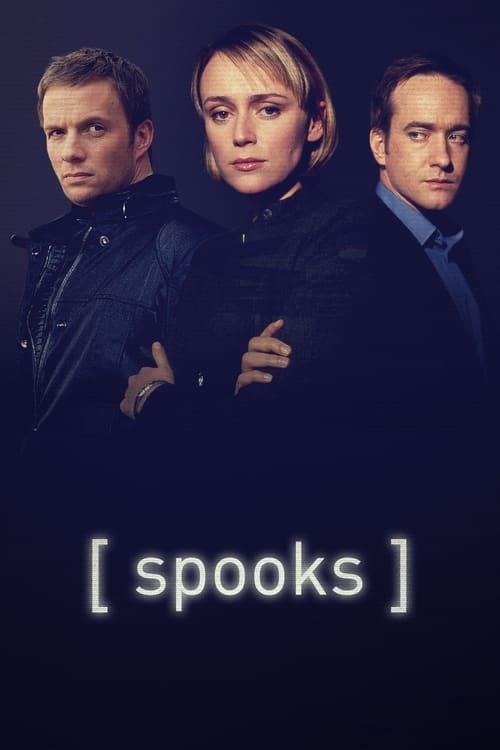
If You Love the Syndicate Arc: Spy Organizations vs. Their Own Kind
Stories where the threat comes from inside the intelligence world




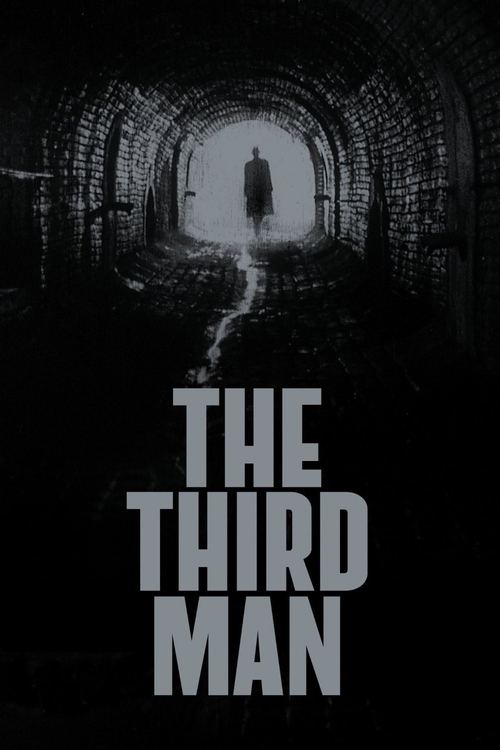
If You Love the Opera House Set Piece: Espionage with European Flair
Spy thrillers that use architecture, culture, and location as weapons

If You Love Ilsa Faust: Morally Ambiguous Spy Protagonists
Characters whose loyalties are genuinely, productively unclear
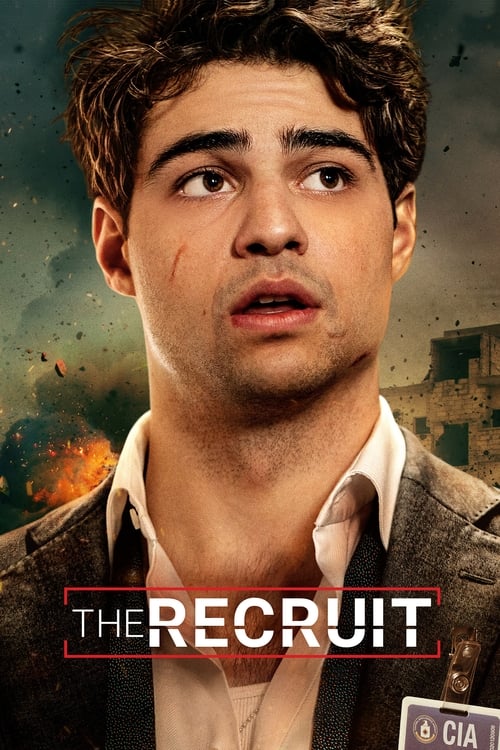
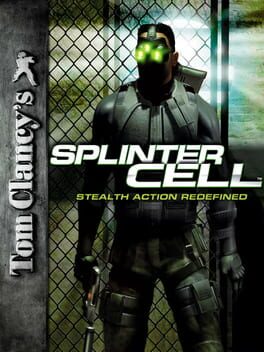
If You Love the McQuarrie Films: Action Cinema That Trusts Its Audience
Blockbusters with genuine craft, practical stunt work, and actual plot
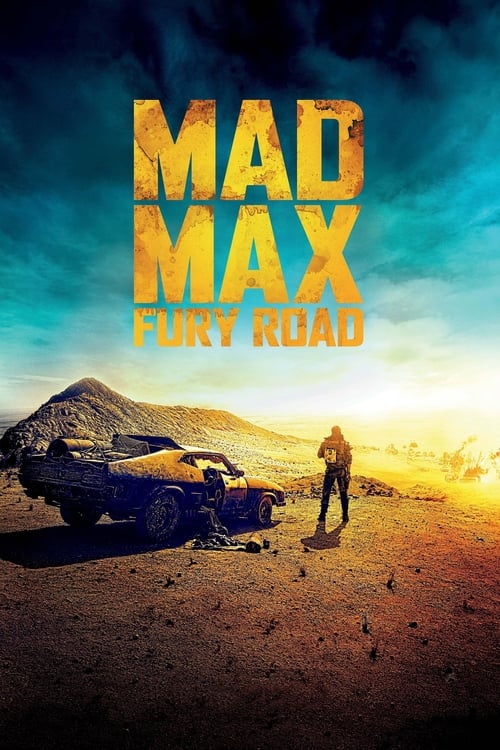
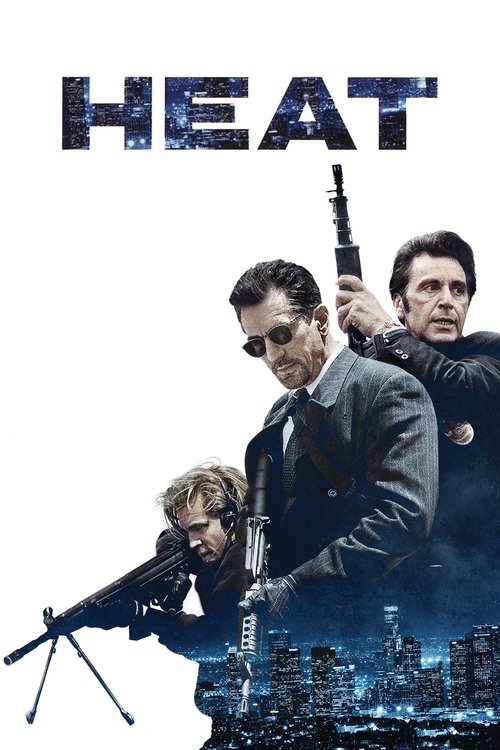
The definitive entry is Fallout, but Rogue Nation built the foundation it stands on
Christopher McQuarrie's Rogue Nation is where the modern Mission: Impossible template crystallized: a recurring ensemble with genuine chemistry, a plot that rewards attention, and a villain (Solomon Lane) who functions as a philosophical counterpoint rather than a cartoon obstacle. Fallout gets more credit because it escalates everything, but almost every piece of Fallout that lands, including Henry Cavill's August Walker, the dual-timeline climax, and the weight of Benji and Luther's friendship, was seeded here. Rogue Nation is the reason Fallout is possible.
The most underrated entry: Mission: Impossible III, which nobody gave a fair shot
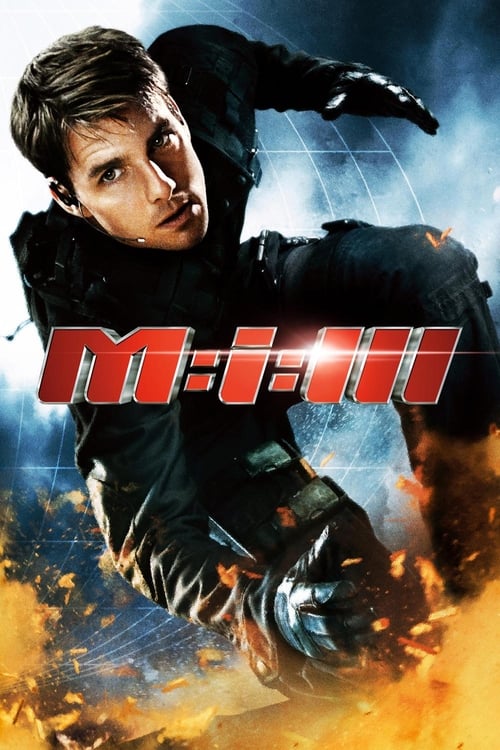
J.J. Abrams's film arrived in 2006 with the weight of Tom Cruise's tabloid year dragging it down at the box office, and it never got the reappraisal it deserved. Philip Seymour Hoffman's villain remains the most frightening in the franchise, and the decision to give Ethan Hunt a real domestic life to protect introduced an emotional register that Rogue Nation and Fallout would later mine extensively. The Shanghai sequence is genuinely elegant. Watch it again.
The one to approach with low expectations: M:I-2 is a time capsule, not a spy film
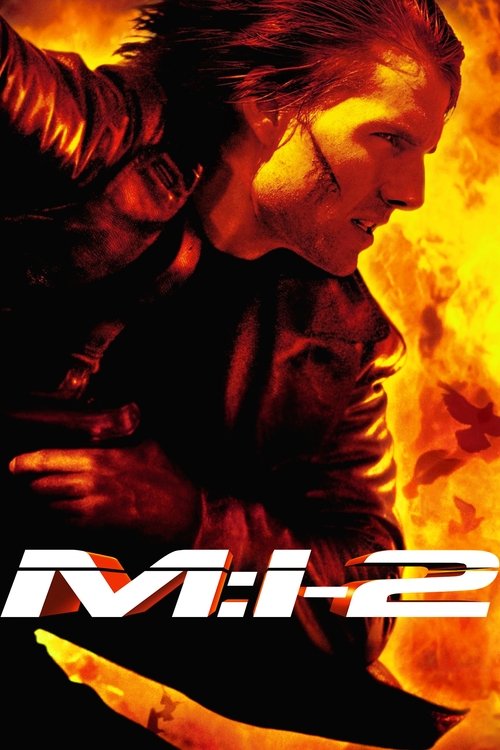
John Woo's sequel arrived at the peak of his Hollywood period and applied his Hong Kong action grammar, slow-motion doves, mirrored standoffs, operatic violence, to a franchise built on intelligence and misdirection. The result is visually extravagant and almost completely uninterested in being a spy movie. There is genuine pleasure in it if you approach it as a Woo film that happens to star Ethan Hunt, but it is the one entry with nothing to say to fans drawn to the Rogue Nation era of the series.