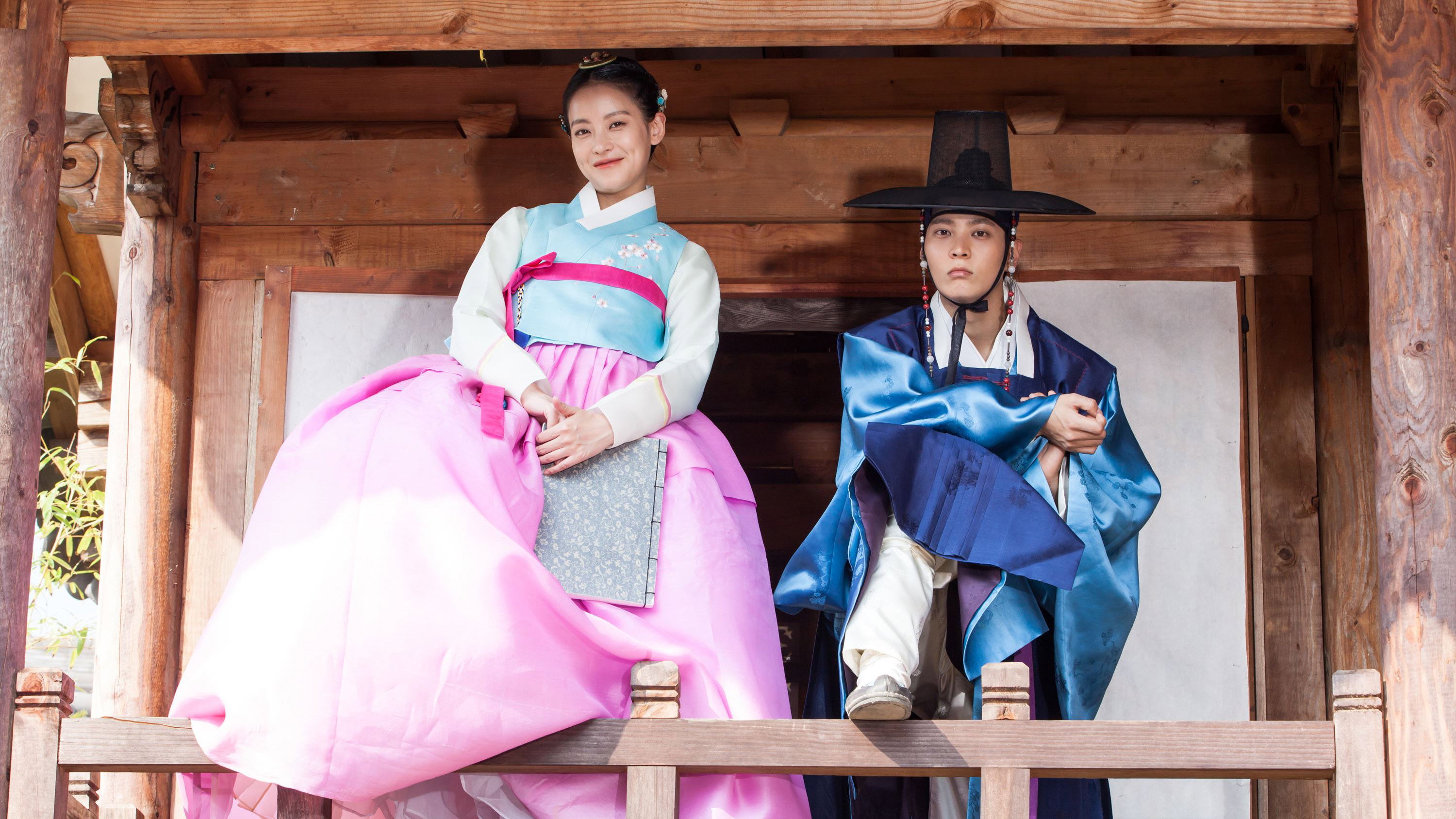

The Girl Who Came From the Internet
The story that became My Sassy Girl did not begin as a script or a novel. It started as a series of first-person posts by a South Korean university student named Kim Ho-sik, published on a Korean online forum. He wrote about his real experiences with his girlfriend, a fiercely unpredictable woman he called only "the girl." The posts spread rapidly through copy-paste and email, becoming what Koreans recall as one of the first legendary internet-to-print stories. A publisher collected them into a novel in 2001 under the title Yeopgijeogin geunyeo, and within months director Kwak Jae-yong turned the novel into a film starring Cha Tae-hyun and Jun Ji-hyun. That film became the highest-grossing comedy ever made in South Korea at the time, and one of the most-pirated films in Asia through the early 2000s, carried into living rooms across the continent on VCDs before any official regional distribution existed.
The template proved remarkably durable. A headstrong, emotionally volatile woman who initially torments the mild-mannered man who loves her, before a third-act reversal reveals her hidden wound. It has been remade in America, China, India, Thailand, Indonesia, and the Philippines. It was adapted as a Korean period drama set in the Joseon court. A direct sequel was produced fifteen years after the original. The full family tree is below.
Every Version of My Sassy Girl
The source, the adaptations, and the sequels, in every medium
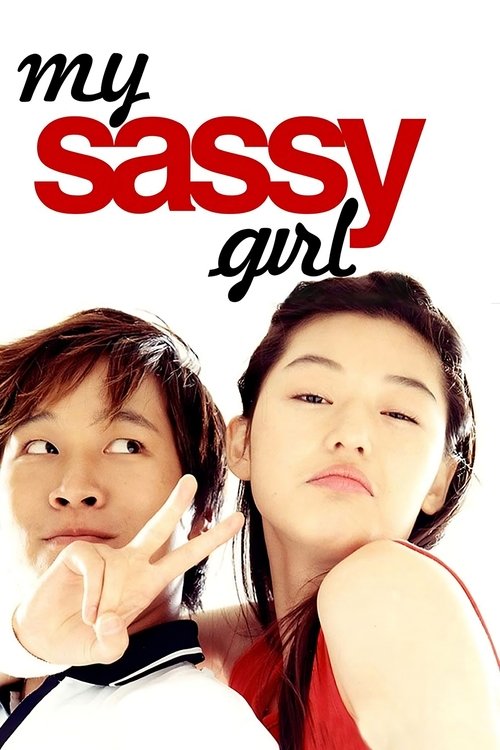

The Story Through Time
- 1999Kim Ho-sik publishes the original posts on a Korean internet forum
- 2001Novel published; film released My Sassy Girl
- 2008Hollywood remake released in the United States My Sassy Girl
- 2016Korean-Chinese co-production sequel; Cha Tae-hyun reprises his role My New Sassy Girl
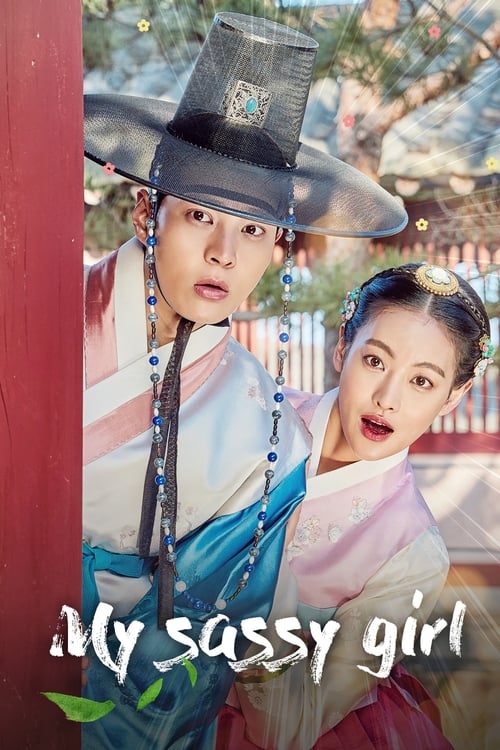
- 2017Korean period-drama TV adaptation set in the Joseon dynasty My Sassy Girl
- 2021Thai television adaptation
- 2024Philippine romantic comedy remake, co-written by original screenwriter Kwak Jae-yong
The definitive version is the 2001 original, and nothing since has come close
Jun Ji-hyun's performance in My Sassy Girl is the reason this story exists as a franchise. She plays contradiction as a physical state: drunk and terrifying one moment, heartbroken and luminous the next. Cha Tae-hyun's studied patience is the perfect mirror. Every subsequent version has tried to bottle what they did and none has managed it. The film is also structurally clever: a third-act reveal reframes the entire preceding hour, disclosing the wound beneath the chaos. See this version first, and see it before anyone spoils the structure.
The underrated entry: the 2017 Korean TV series rewrites the premise in a period setting and mostly gets away with it
Moving My Sassy Girl to the Joseon dynasty is a genuinely interesting gamble. The power asymmetry between the two leads changes meaning entirely when filtered through period hierarchy and court politics, and the series uses that friction rather than ignoring it. It is not a great drama, but it is more ambitious than its ratings suggest, and Oh Yeon-seo brings enough energy to the title role that the connection to the original feels earned rather than lazy.
The one to skip: the 2008 Hollywood remake is a case study in losing everything in translation
The 2008 American version with Elisha Cuthbert and Jesse Bradford strips the cultural specificity that makes the original work and replaces it with nothing in particular. The sassy-girl behavior reads as baffling rather than magnetic in a Western register without the social codes the Korean film relies on, and the chemistry between the leads never ignites. It is not offensively bad, which is its own kind of failure.
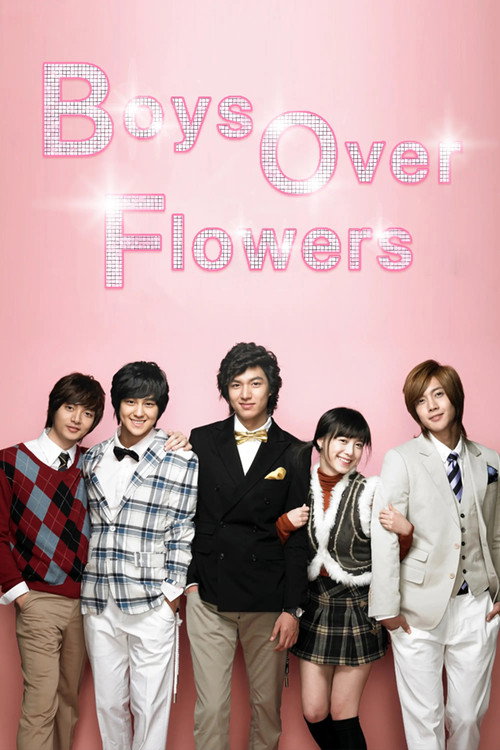
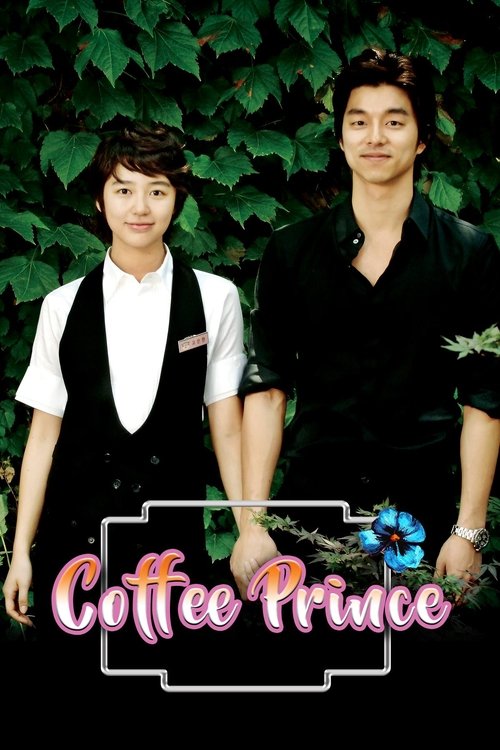
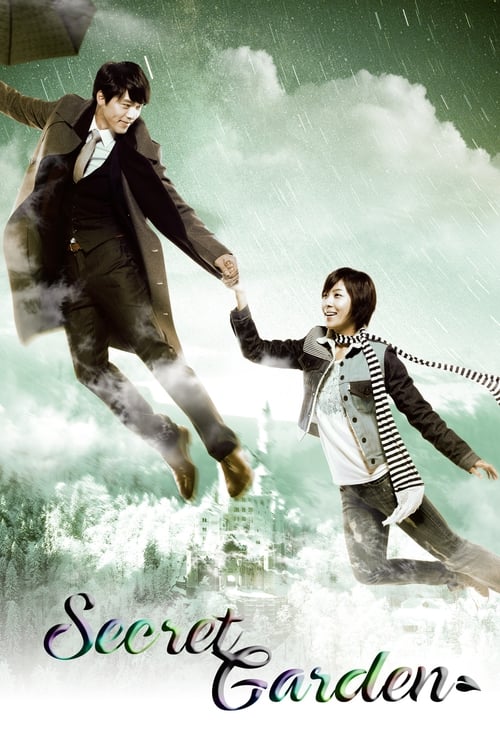
If You Love the Push-Pull Dynamic
Stories built on antagonism that slowly becomes something else

If You Love Korean Romantic Cinema of That Era
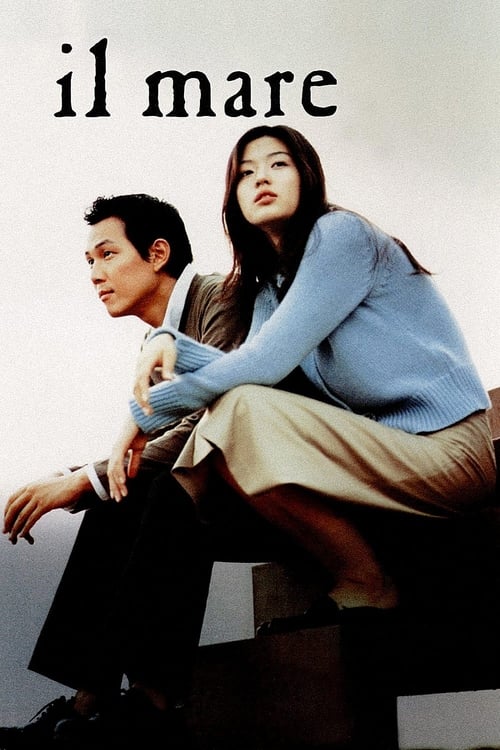
The films that defined the Korean rom-com wave of the early 2000s

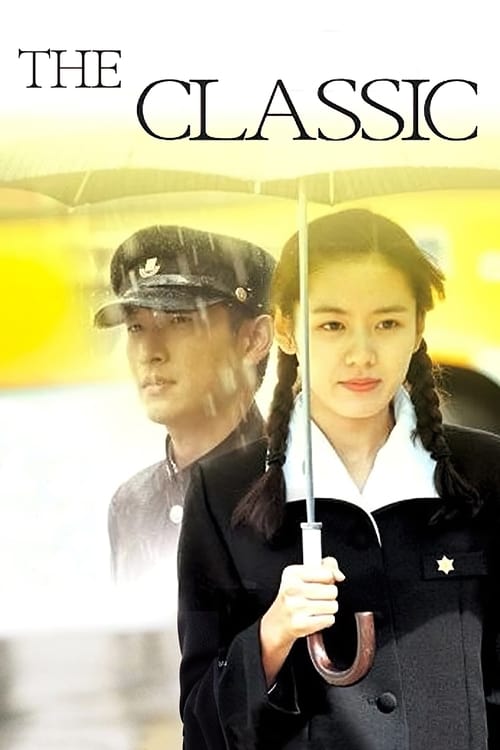
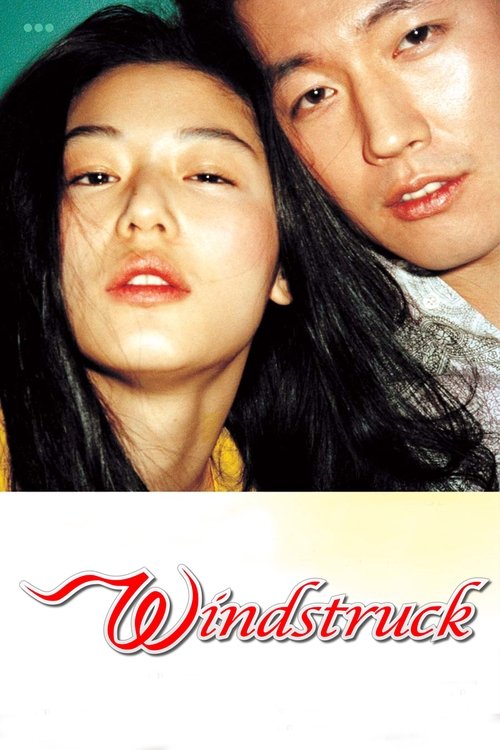
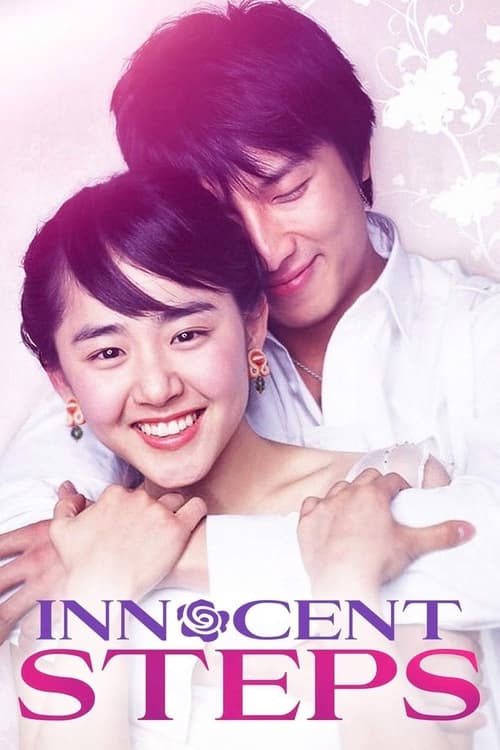


If You Love Stories Where a Hidden Wound Explains Everything
Films and series where grief or trauma reshapes a character the audience first reads as difficult
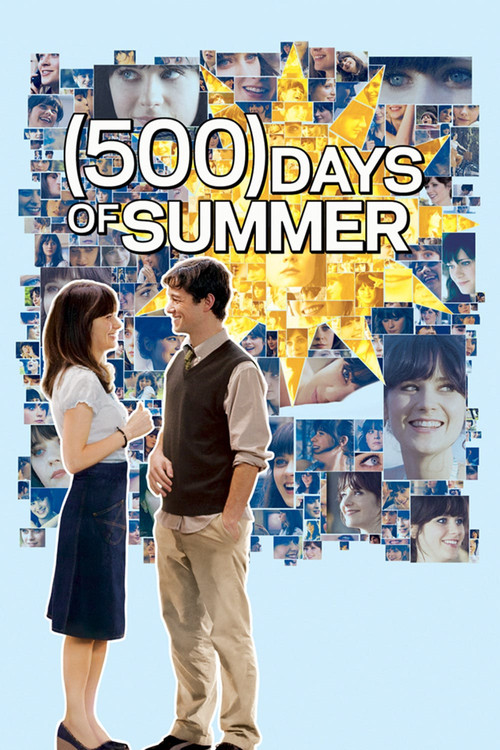



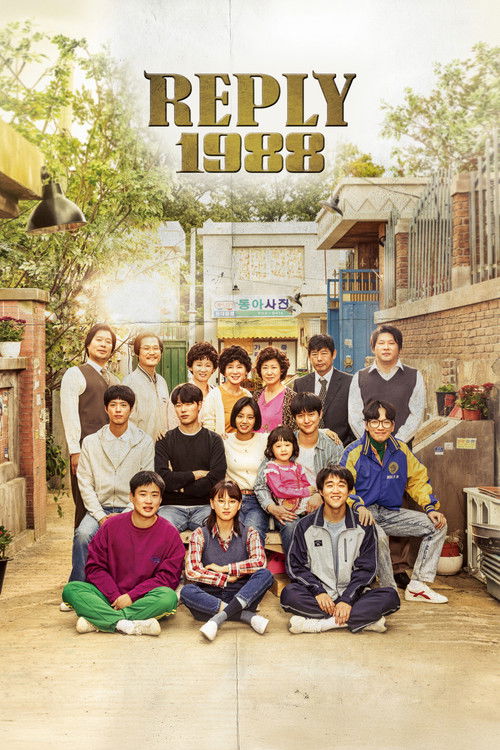
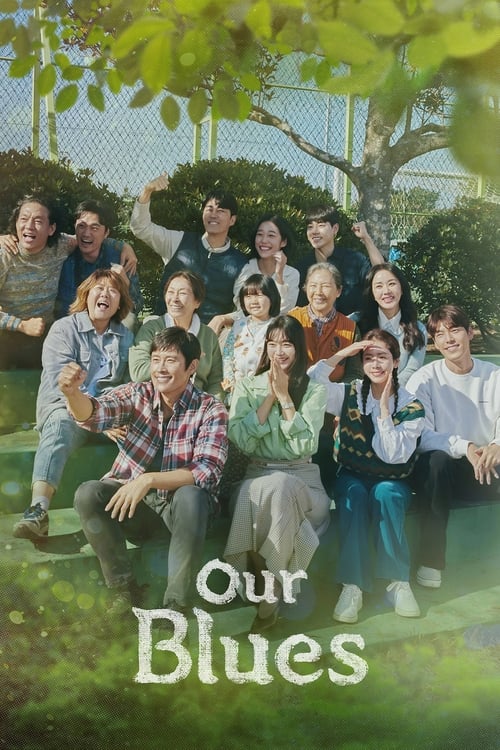

Korean Romance and Bittersweet Love
Korean Film, TV and Games
Explore the Korean Film, TV and Games guide →The film spread across East and Southeast Asia on pirated VCDs before any studio held distribution rights, carried entirely by word of mouth.The actual distribution story of My Sassy Girl (2001)