
A story that could only begin as a novel
Kazuo Ishiguro published Never Let Me Go in 2005, and it arrived as something rare: a science-fiction premise (clones raised at an English boarding school, destined to donate their organs until they die) treated with the restraint and interiority of literary realism. The horror is never foregrounded. The characters never rebel. They absorb their fate the way most people absorb disappointment: quietly, looking elsewhere. That psychological signature, grief worn as numbness, made the story feel impossible to adapt and irresistible to try.
The novel won the Booker Prize shortlist and became one of the most discussed English-language novels of the 2000s. Within five years a British film arrived, faithful in tone and casting. Then, a decade later, a Japanese television drama found its own melancholy frequency, transposing the story into a different cultural vocabulary of resigned acceptance and love that cannot be spoken aloud. Two screens, two countries, one irreducible source. No major stage or game adaptation has followed, which may say something about the story itself: some grief is too still to perform in any room other than the one inside your head.
Every Version of Never Let Me Go
The source novel and every screen adaptation

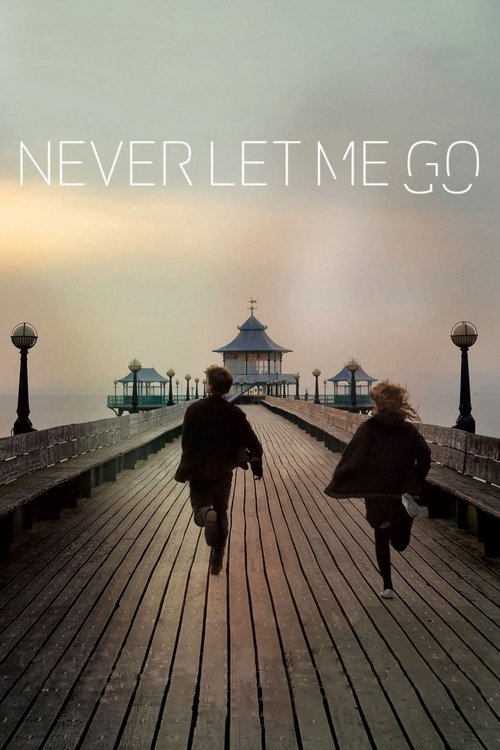

Never Let Me Go across the years
- 2005Ishiguro's novel published by Faber and Faber Never Let Me Go
- 2010British film, directed by Mark Romanek; Carey Mulligan, Andrew Garfield, Keira Knightley Never Let Me Go
- 2016Japanese TV drama on Fuji TV, transposing the story to present-day Japan Never Let Me Go
The novel is the definitive version, and probably always will be
Ishiguro's prose is the mechanism. The way Kathy narrates everything slightly sideways, always approaching the thing she cannot say, is not a trick that transfers to a camera. Both screen versions are good, but neither can replicate what the novel does to the reader's time: the slow, accumulating realization that you have been watching people accept their death for two hundred pages and have done nothing about it. The book is where the story actually lives.
The 2016 Japanese series earns a second look
The Fuji TV adaptation is far less discussed in English-language coverage, and that undersells it significantly. Japan's cultural vocabulary for resigned acceptance, duty without complaint, and love that cannot be spoken aloud fits the source material with an unnerving naturalness. The series has room, across its episodes, to deepen the friendships and make the losses land harder than a single film can manage. It is the underrated version of this story.
The 2010 film is good but colder than the novel intends
Mark Romanek's film is beautifully made and the performances are exceptional. But something about its formal precision works against the material. Ishiguro's novel is warm beneath its surface stillness. The 2010 film tips into the register of art-house prestige, and the result is a movie you admire more than you feel. Worth seeing once. The novel is worth rereading.
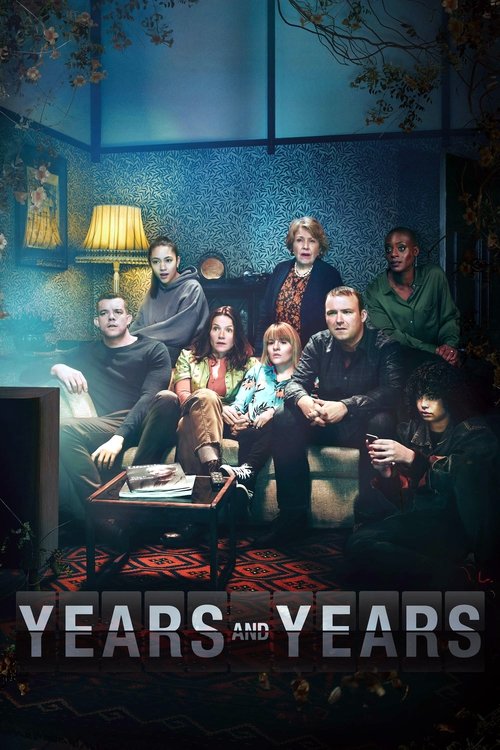
If you love the novel: literary speculative fiction that refuses to explain itself
Fiction where a speculative premise is a lens, not a plot


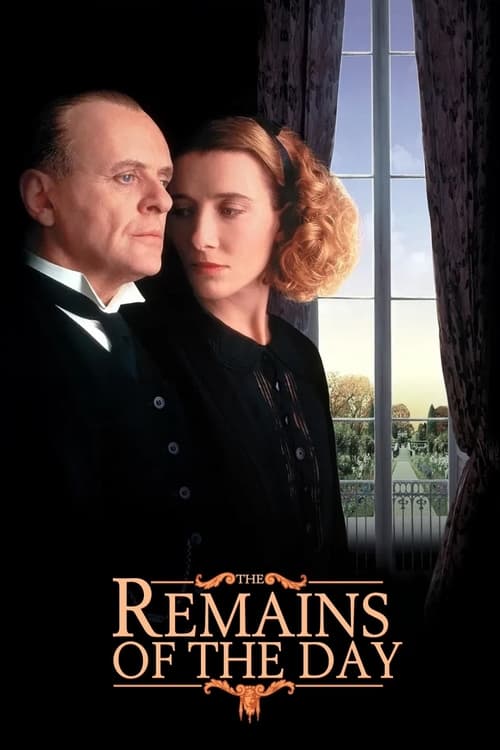
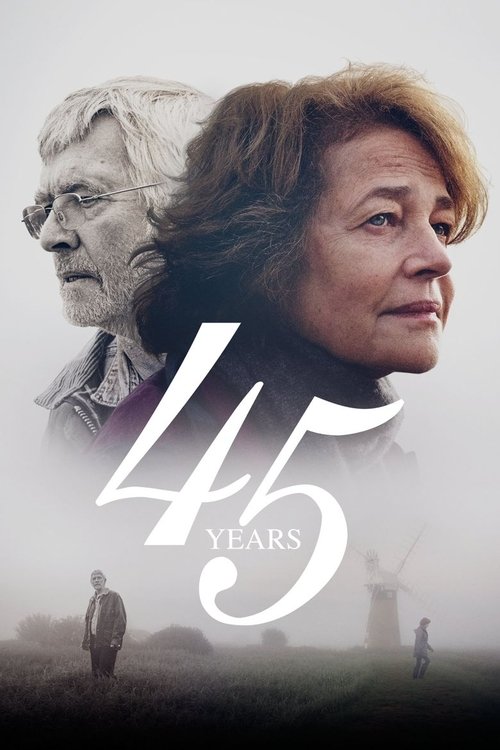
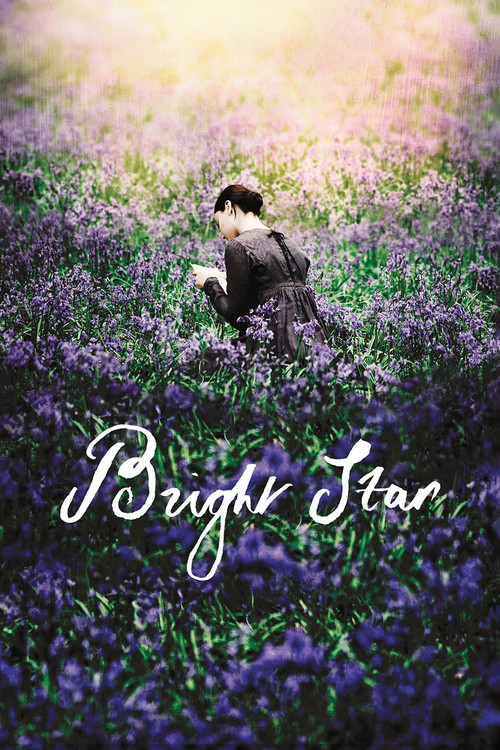
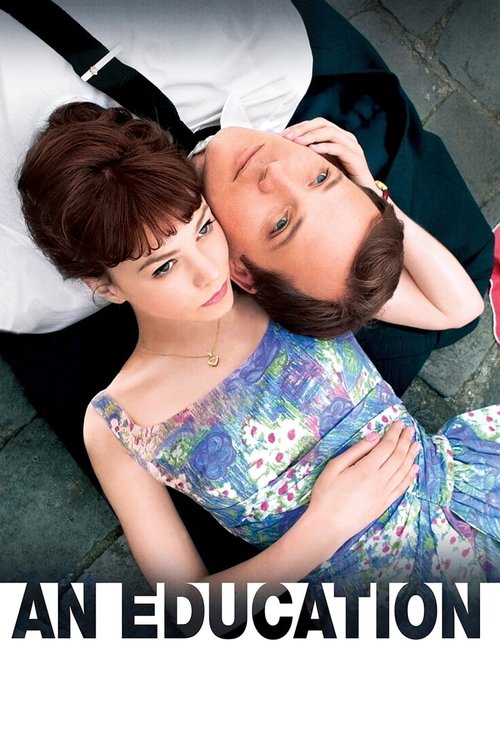
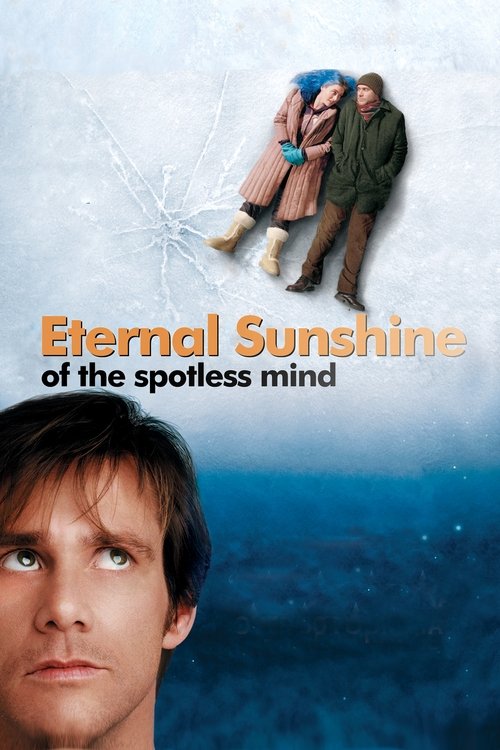
If you love the 2010 film: British drama where grief sits just below the surface
Films and series where the worst things go unsaid




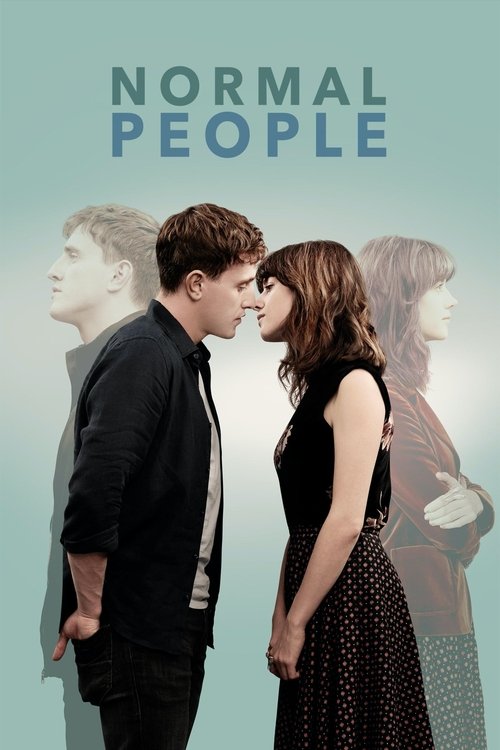
If you love the Japanese series: drama about love, loss, and acceptance
Series and films where longing and resignation coexist without resolution
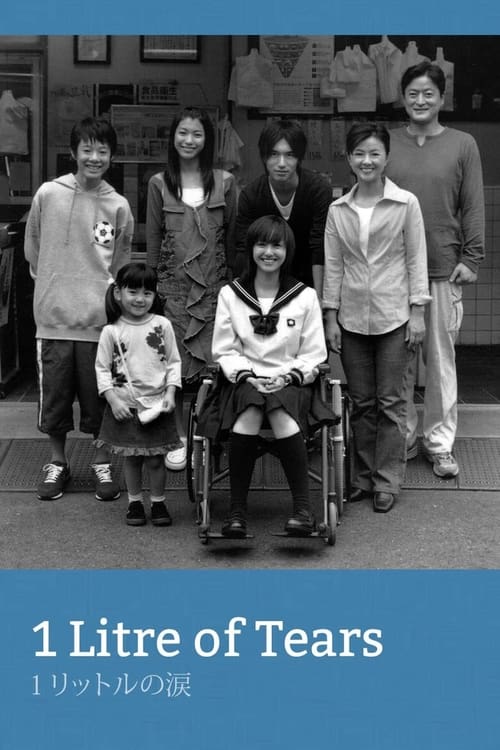
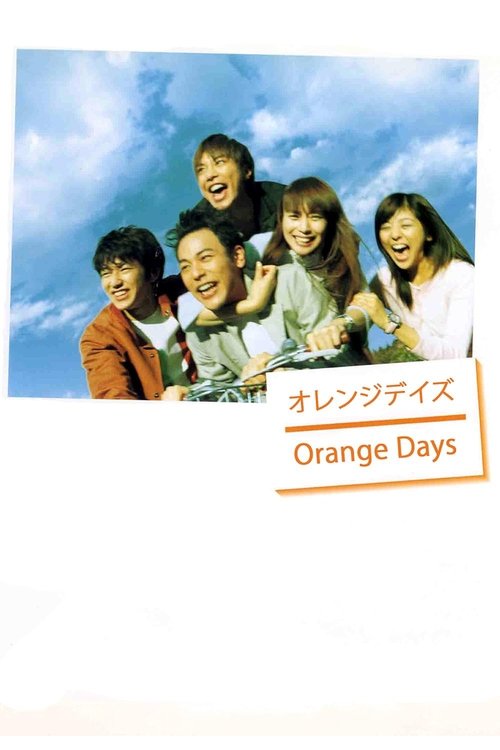
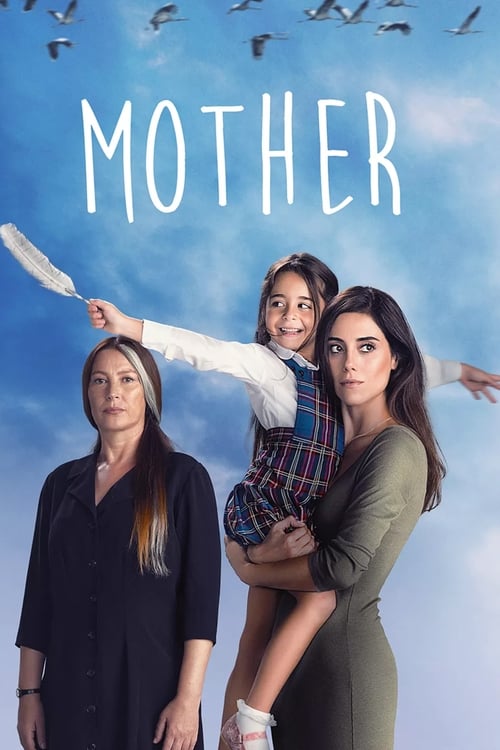


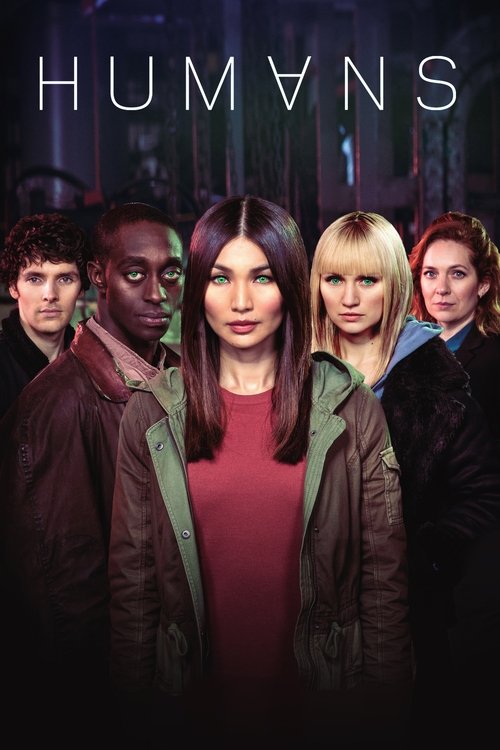
If the clones got to you: stories about bodies owned by someone else
Films and TV where personhood is conditional