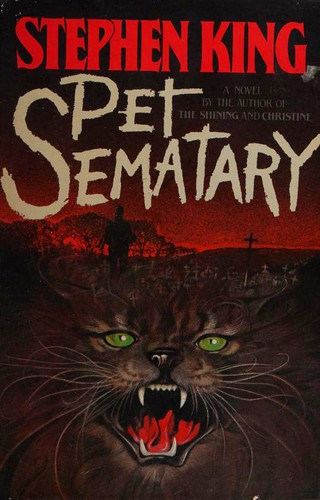

From a Novel Stephen King Almost Didn't Publish
Stephen King wrote Pet Sematary in 1983 and considered it too bleak to release. His publisher contractually required one more novel, and this was the one he handed over. The story is rooted in a real incident: King's young son nearly ran into the road in front of a truck outside their house in Orrington, Maine. That near-miss became the spine of the book, and the pet cemetery the neighborhood children had made in the woods behind the house became something far worse in the fiction.
The novel is, at its core, a grief story about the refusal to accept death, and the monstrous consequences of that refusal. A family moves to rural Maine. The father, a doctor who works every day with dying people, discovers an ancient Micmac burial ground beyond the pet cemetery that reanimates the dead, wrong. The story traveled from page to screen twice by major studios (1989 and 2019), acquired a direct-to-video sequel in 1992, and a prequel went straight to streaming in 2023. It has never had a definitive TV series, musical adaptation, or major game, which makes the novel itself still the undisputed version.
Every Version of Pet Sematary
The source novel and every adaptation, in order of release

Pet Sematary Through the Years
- 1983Stephen King writes the novel but withholds it Pet Sematary
- 1983Published by Doubleday as a contractual obligation Pet Sematary
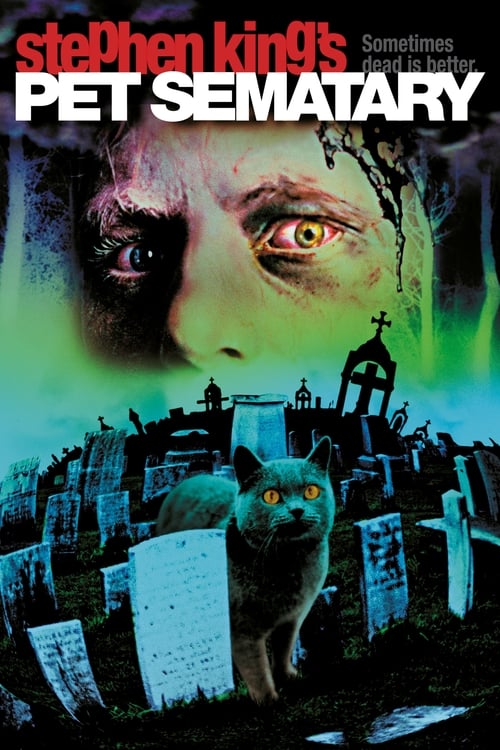
- 1989First film adaptation, directed by Mary Lambert Pet Sematary
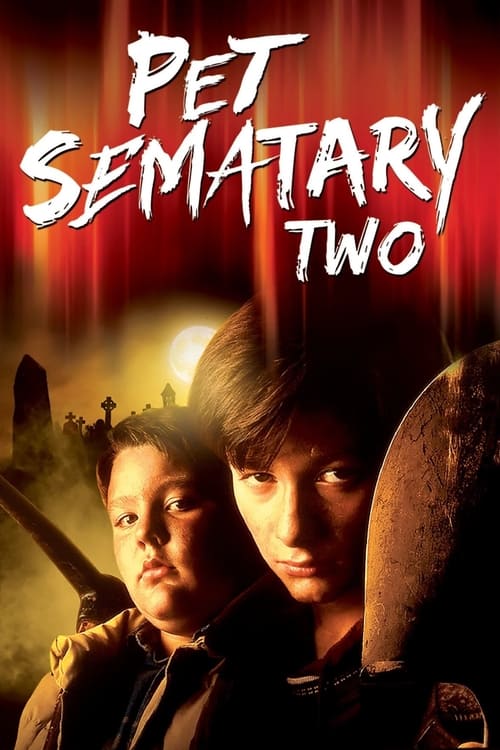
- 1992Direct-to-video sequel, directed by Mary Lambert Pet Sematary II
- 2019Remake by Kevin Kolsch and Dennis Widmyer, with a changed ending Pet Sematary
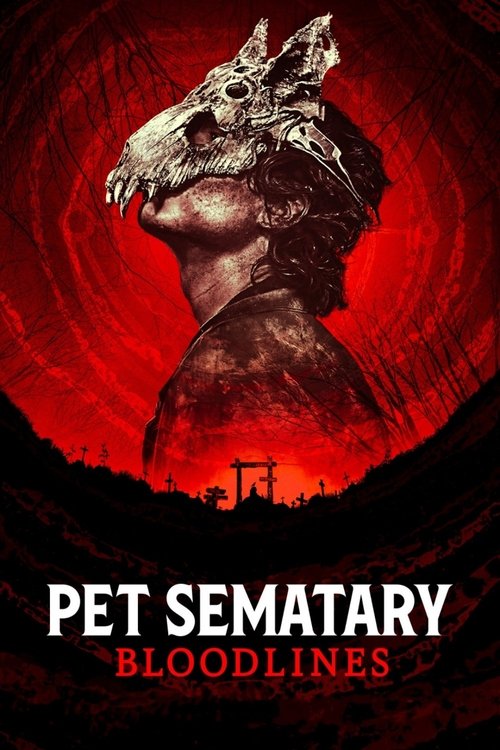
- 2023Prequel set in 1969, streaming on Paramount+ Pet Sematary: Bloodlines
The definitive version is still the novel
King himself called Pet Sematary the scariest thing he ever wrote, and he was right. The 1989 film is faithful and has genuine dread, but the novel earns its horror across 400 pages of mundane, loving family life before it destroys everything. The slow accumulation of Louis Creed's obsession, the way the Micmac ground works on his rationalist mind, the unbearable chapter where his wife Rachel arrives home: none of that survives compression. The book is the version.
The 1989 film is more disturbing than its reputation suggests
Mary Lambert's 1989 adaptation has been condescended to for years as cheap King product, but it holds up. Dale Midkiff is limited, but Fred Gwynne's Jud Crandall is a genuine piece of American gothic acting, warm and sad and culpable all at once. The film's biggest advantage is that Miko Hughes, who played Gage, was genuinely terrifying in ways that are difficult to explain rationally. The low budget gives it a flat, overlit look that, by accident, makes the horror feel domestic and close. It belongs in the conversation.
The 2019 remake commits to something, at least
Directors Kevin Kolsch and Dennis Widmyer changed the ending of the source material, a decision that provoked immediate backlash from King fans. They were right to do it. Adapting a novel closely, a second time, 30 years later, makes no artistic sense. The 2019 film is not as scary as the 1989 version, and it irons out some of the rough texture that made Lambert's film work. But it has ideas about the material rather than just following it, which puts it above the prequel without question.
The 2023 prequel is the one to skip
Lindsey Anderson Beer's Pet Sematary: Bloodlines had a defensible premise: show the origin of Jud Crandall's knowledge of the burial ground, set in 1969. What arrived on Paramount+ was an underlit, underwritten 84 minutes that explains exactly the things that should have stayed unexplained. Horror loses most of its power when you file down the mystery and put it in a cabinet. The 2019 remake, whatever its faults, at least committed to changing the story. Bloodlines cannot commit to anything.
If you love Pet Sematary: grief horror that earns its darkness
Stories where death refuses to stay settled
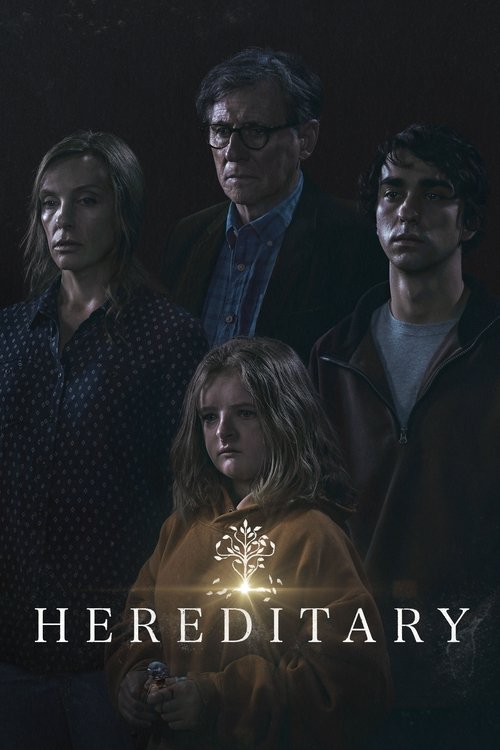




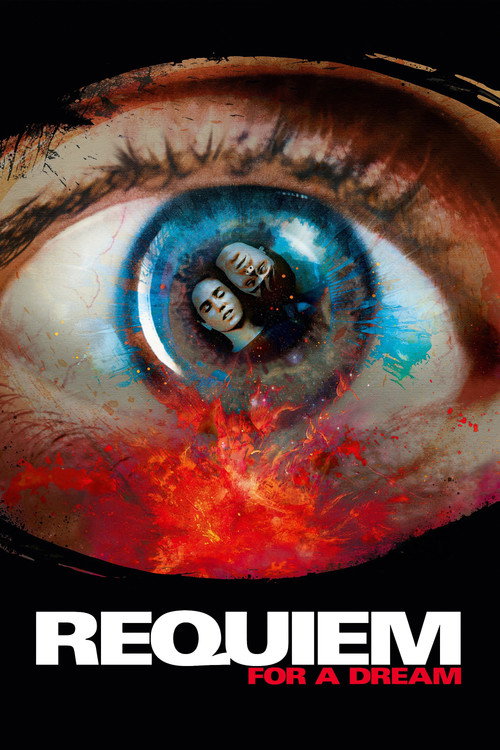
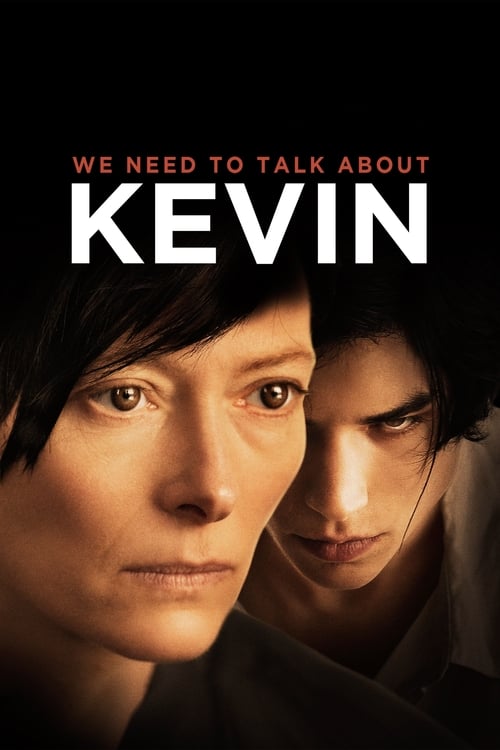

If you love Pet Sematary: the wrong thing comes back
Resurrection horror across media

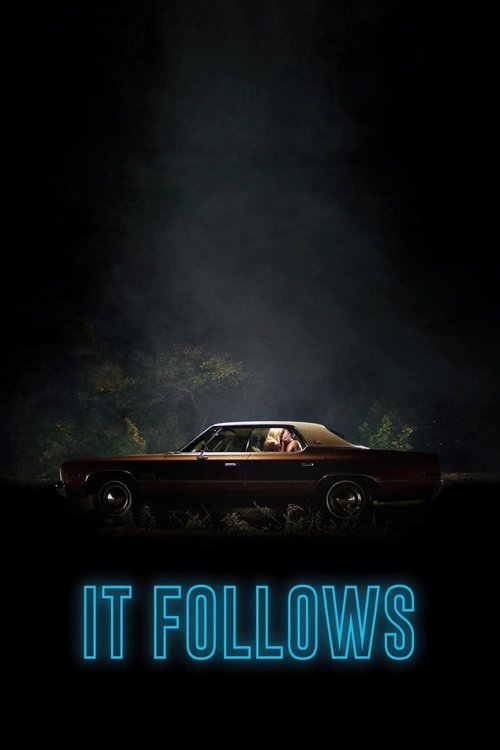


If you love Pet Sematary: King's other novels made into film
The best of the King adaptation catalogue
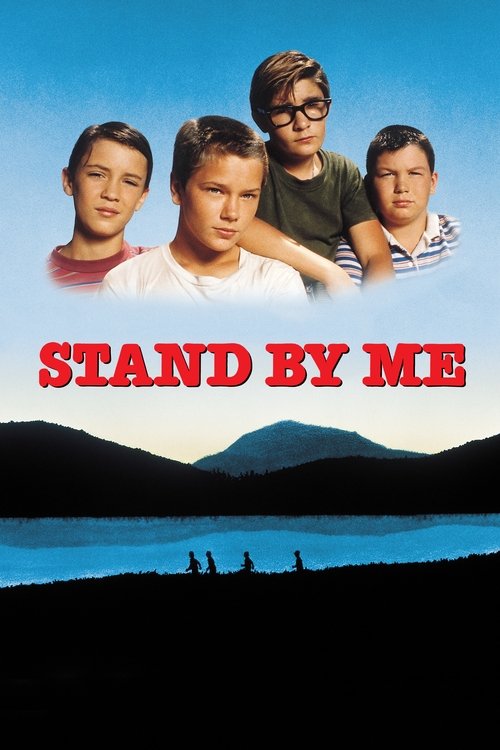
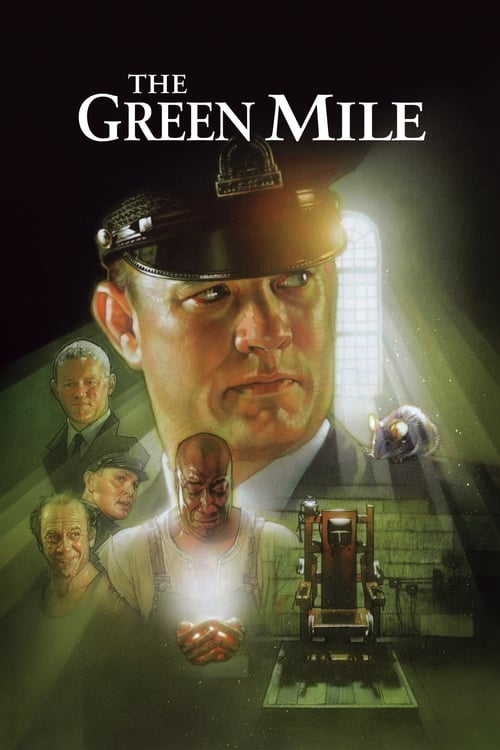
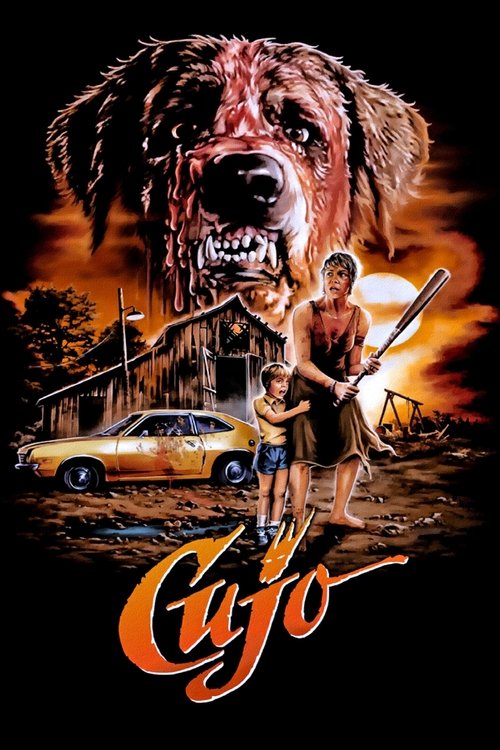
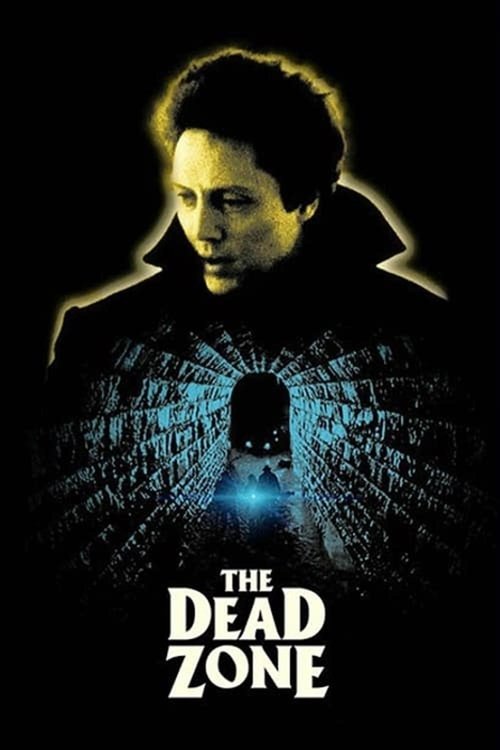
If you love Pet Sematary: rural American dread
Horror rooted in landscape and place


More Stephen King horror and grief
For Fans of Stephen King
Explore the For Fans of Stephen King guide →The soil of a man's heart is stonier, Louis. A man grows what he can and tends it.Jud Crandall, Pet Sematary (1983)