
The road ends and the trees close in. That is the whole engine of backwoods horror: take people who trust gas stations and cell coverage and drop them somewhere both have run out. The genre is about distance, the kind you cannot undo on foot, and about the people who already live out there, who learned long ago that nobody comes looking past a certain mile marker. The car breaks down. The shortcut was a mistake. The men in the next house up the holler do not want your money.
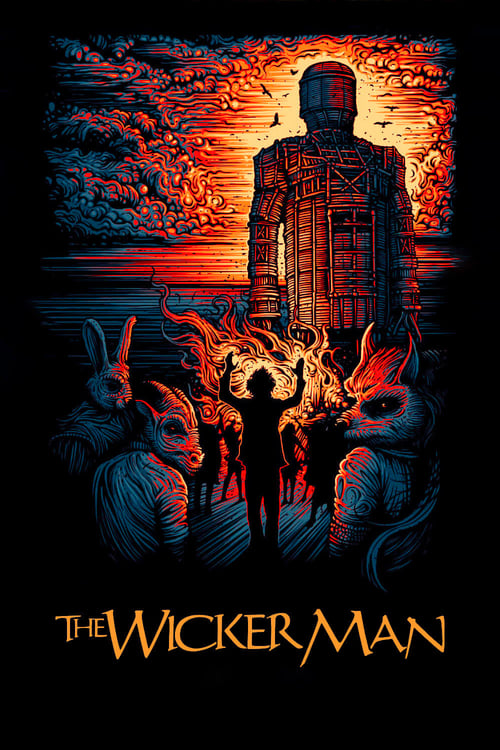
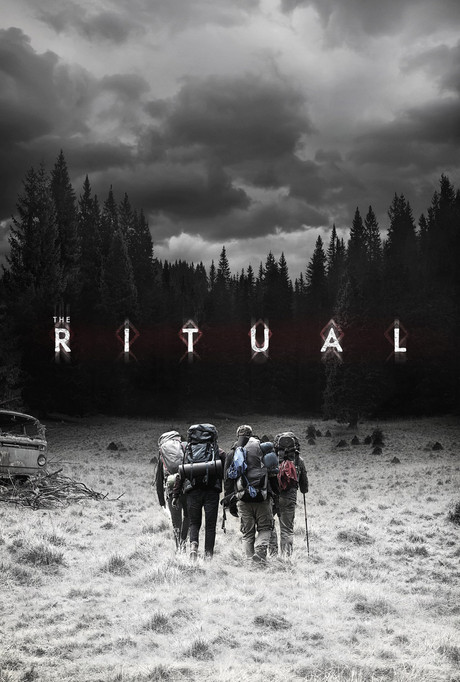
What makes the deep country frightening is not the supernatural. It is the opposite. These are stories about a part of the map that runs on different rules, where the social contract you grew up with simply does not apply, and where the family in the farmhouse has its own ideas about hospitality. From Tobe Hooper's sun-blasted Texas to a Welsh ritual carved into a Swedish forest, the genre keeps returning to one fear: that civilization is a thin coat of paint, and that just off the interstate, somebody is waiting to scrape it away.
Essential backwoods horror
The canon of wrong turns and worse welcomes, across every medium


The one that drew the map
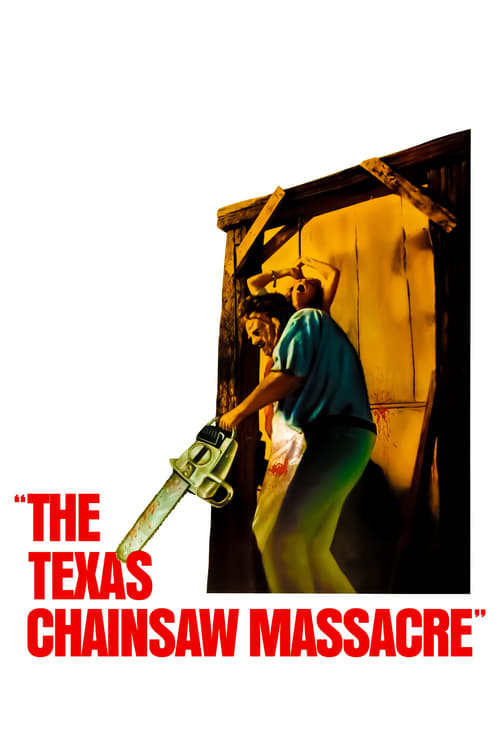
Every backwoods horror film since 1974 is in conversation with The Texas Chain Saw Massacre, whether it knows it or not. Tobe Hooper shot it cheap, in real Texas heat, and the cheapness is the point: the grime feels documentary, the farmhouse feels lived in, and the family of killers feels like people who genuinely belong there and resent the intrusion. There is far less on-screen gore than its reputation suggests. The terror is atmosphere, the dinner scene, the sense that these strangers have rules and you have already broken all of them.
It established the template every imitator would copy: the van full of doomed young people, the dying rural economy, the cannibal household, the final girl running through the trees at dawn. The 2003 remake is glossier and more competent and somehow far less frightening, which tells you exactly how much of the original was texture rather than plot.

Hunted on film
Inbred clans, hungry hills and shortcuts that should never have been taken

Deliverance and the respectable end of the genre
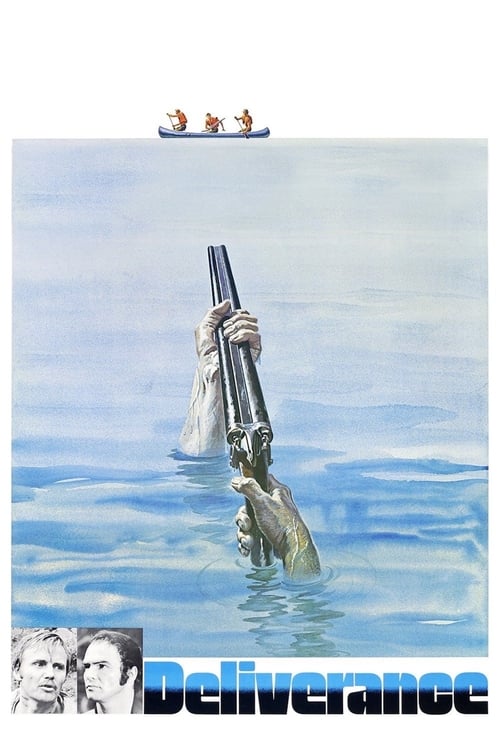
Before Leatherface, there was a canoe trip. John Boorman's Deliverance (1972) came out of James Dickey's novel and is the film that taught Hollywood the deep woods could carry an Oscar nomination. Four Atlanta businessmen go down a river that is about to be dammed, looking for a weekend of manly authenticity, and the country gives them exactly the authenticity they were too soft to want. The famous scene is not the only horror in it. The whole film is about men who assumed they could pass through someone else's territory unmarked.
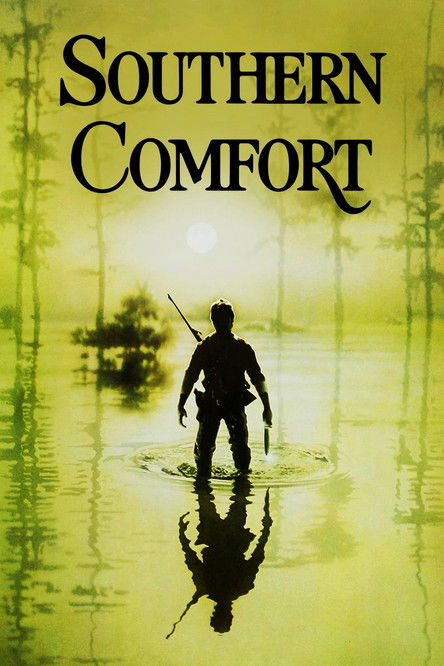
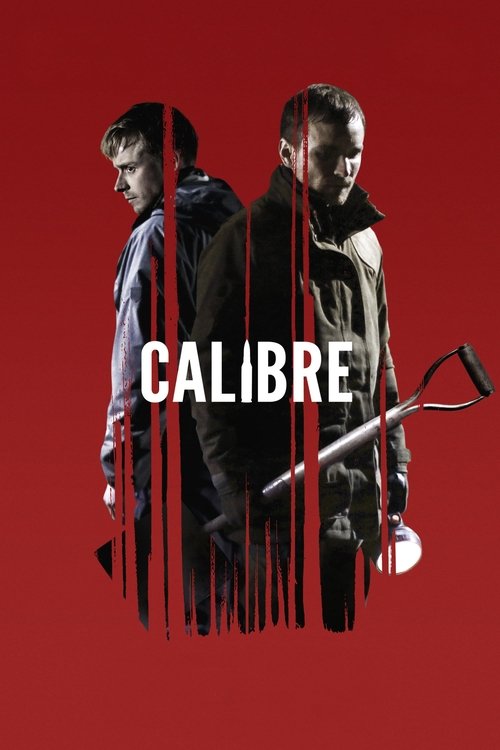
What Deliverance gave the genre was respectability and a thesis: the backwoods is not evil, it is indifferent, and your contempt for the people who live there will be repaid. Everything from Southern Comfort, which sends National Guardsmen into a Louisiana bayou that hates them, to the grim Scottish stalk of Calibre is working the same vein. The woods do not need monsters when the geography is already against you.
Deliverance is the prestige picture of the deep country
Critics rarely file Deliverance under horror, and that is precisely why it belongs at the center of this genre. It proved the deep country could be the subject of a serious film, not just a drive-in cheapie, and it did so without a single supernatural element. The river is the antagonist. The locals are the antagonist. The men's own vanity is the antagonist. Burt Reynolds plays the alpha who is sure he can read the wilderness, and the film methodically takes that certainty apart.
The long, awful sequence in the woods has been parodied to the point that people forget how carefully Boorman builds to it: the condescension at the gas station, the banjo duel that is really a negotiation, the slow realization that these four are deep inside a place that owes them nothing. Southern Comfort later ran the same play with soldiers and a swamp, and it is the closest thing Deliverance has to a true sequel in spirit.
Backwoods horror you play
Farmhouses, swamps and trailheads you have to walk into yourself

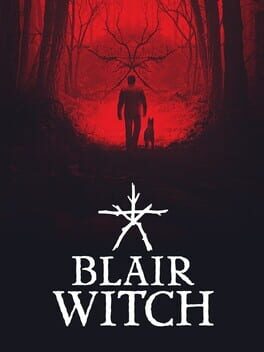
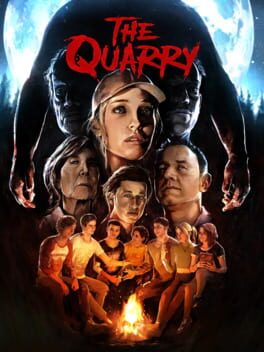
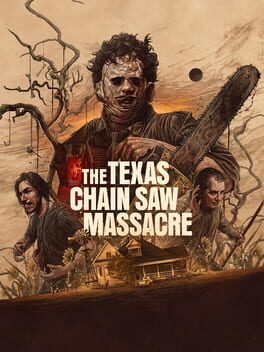
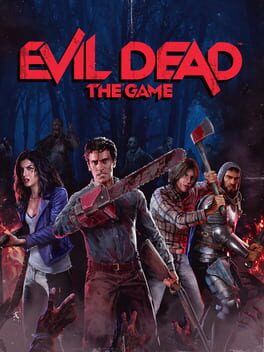
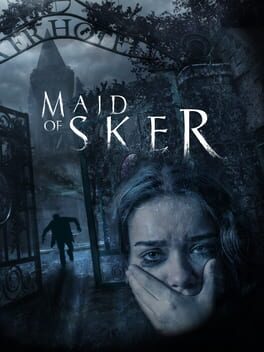
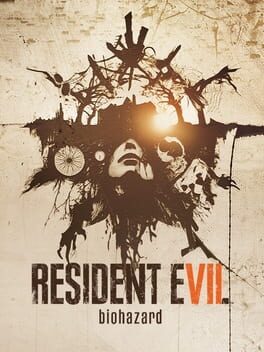
Resident Evil 7 dragged survival horror back to the farmhouse
After two decades of action set pieces, Capcom's Resident Evil 7: Biohazard did the unthinkable and made the series frightening again by going small and going rural. You play a man searching a derelict Louisiana plantation for his missing wife, and the Baker family who live there are pure backwoods horror: a cannibal household, a dinner table you do not want a seat at, a patriarch who simply will not stay dead. The first-person view is not a gimmick. It puts you inside the genre's core experience, which is being a soft outsider trapped in a stranger's home with no idea of the rules.
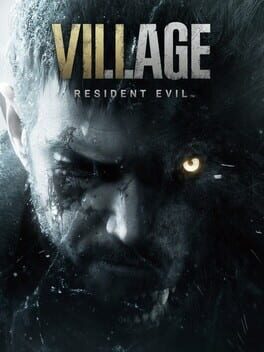
It is the rare game that understands the subgenre as well as the films do. The horror is the house, the swamp around it, and the dawning sense that nobody outside knows you are in here. Resident Evil Village later carried the formula to the mountains of Eastern Europe, but the Baker plantation is where the series remembered that the most frightening place is the one with the porch light on.
The deep country on TV
Where the long form lets the dread of a small town settle in


The genre on the page
Backwoods horror is older than the films, and it lives on the page in two registers. There is the realist horror of King's Pet Sematary, set deep in rural Maine where an old burying ground keeps its own counsel, and Paul Tremblay's A Head Full of Ghosts, which roots its dread in a suburb that might as well be the edge of the woods for how alone its family is. Then there is the older, weirder strain: Michael McDowell's The Elementals, where a Southern family's isolated house is besieged by something the geography seems to have grown on its own.
The deep-country novel rarely needs a knife. It needs a place far enough from help that the rules go soft. T. Kingfisher's The Twisted Ones digs that out of an Appalachian inheritance and a grandmother's hoarder house full of wrong things in the trees. Strange Seed, T. M. Wright's quiet rural nightmare, lets a farmhouse and the children at its edge do the work no monster could.
Backwoods horror on the page
Rural Maine, the deep South and the things in the treeline


You ever notice how nobody who goes up that road ever comes back to complain about the welcome?The unspoken rule of the deep country, in every film this genre ever made
Tucker and Dale gets the whole joke
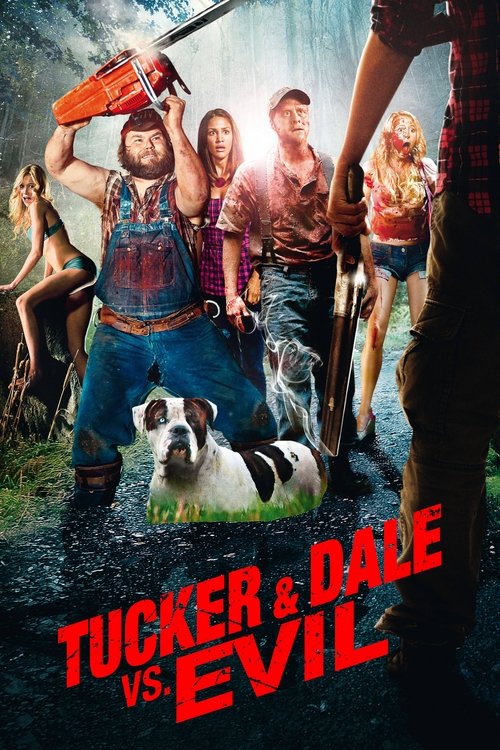
Once a genre is this codified, the smartest move is to flip it, and Tucker and Dale vs. Evil (2010) flips backwoods horror cleaner than any straight entry of the last twenty years. Two genuinely sweet hillbillies buy a vacation cabin in the woods; a group of college kids assumes they are killers and proceeds to die in escalating accidents, each one looking, from the outside, exactly like a murder. The film is a comedy, but it is also the sharpest critique of the genre ever filmed: the whole subgenre runs on city kids deciding that rural people are monsters, and here that prejudice does all the killing by itself.
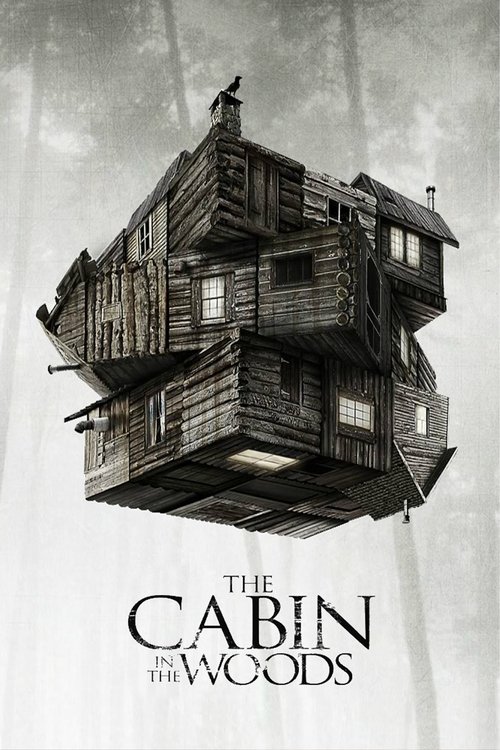
It pairs beautifully with The Cabin in the Woods, which takes apart the cabin-in-the-deep-country setup from a different angle entirely. Both films assume you have seen every movie in the rails above, and they are funnier and smarter for it. Watch them after the canon, never before.
Cabins, cults and the edge of the woods
The wider deep country: folk rites, vacation rentals and things that grew out there