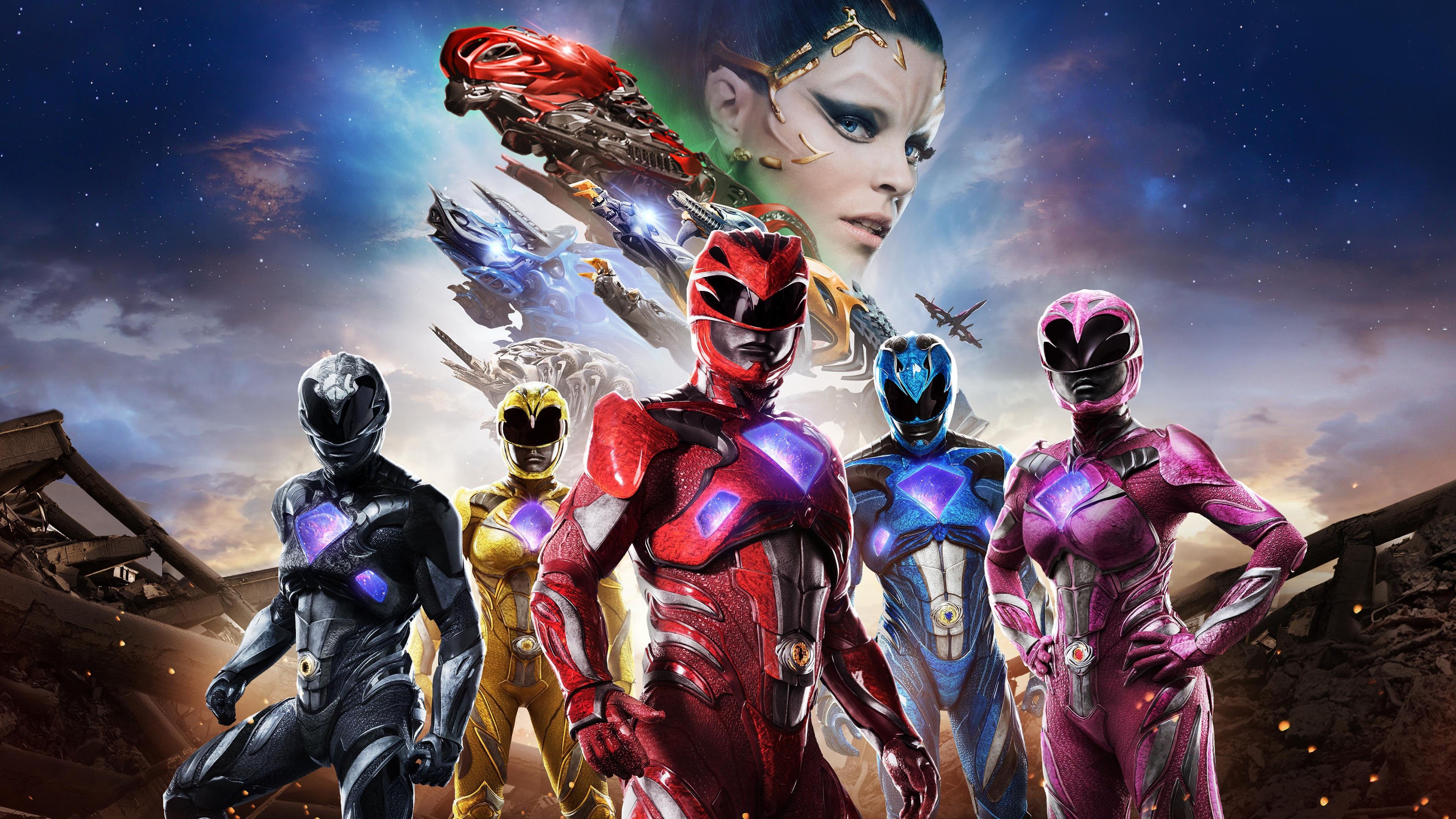

An American Franchise Built on Japanese Steel
Power Rangers did not begin in an American writer's room. It began in Japan, with Super Sentai (スーパー戦隊), Toei Company's long-running tokusatsu series that launched in 1975 with Himitsu Sentai Gorenger. The formula was simple and durable: a team of color-coded heroes in matching suits fights rubber-suited monsters and pilots giant combining robots. By the late 1980s, American producer Haim Saban had seen the footage and recognized something: the battle scenes, the zords, the explosions could all be kept. New American actors could be shot for the conversational scenes. The seams would show, but the spectacle would land.
The result, Mighty Morphin Power Rangers, debuted on Fox Kids in August 1993. It was an instant phenomenon. Saban and Toei locked into a production partnership that has continued, with interruptions and ownership changes, ever since. Each new Super Sentai season in Japan generates raw material; each adapted American season rechannels it. The two franchises now run in parallel, diverging in tone, lore, and ambition, occasionally crossing over, always feeding each other.
What followed over three decades was one of the most relentlessly iterated properties in pop culture: 30-plus TV seasons, three theatrical films, an animated series, mountains of comics and games, and a fandom spanning the kids who watched in 1993 and the adult collectors still buying lightning-bolt merchandise today.
Every Version of Power Rangers
The source material, every TV season, every film, and the major games
Power Rangers Through the Years
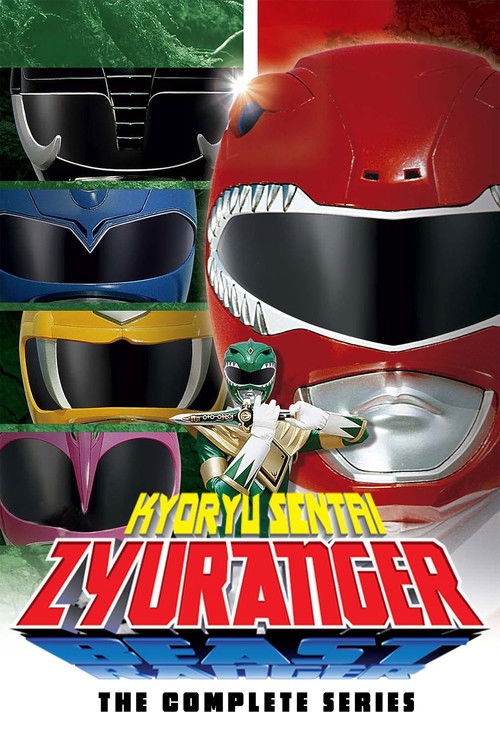
- 1975Super Sentai begins in Japan with Himitsu Sentai Gorenger Super Sentai Zyuranger
- 1993Fox Kids launch; an instant cultural phenomenon Power Rangers
- 1994Mighty Morphin expanded to three seasons
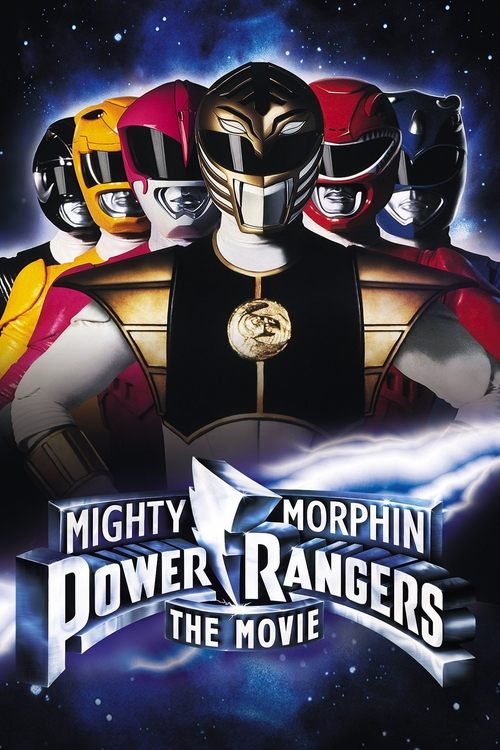
- 1995First theatrical film Mighty Morphin Power Rangers: The Movie
- 1996Zeo era begins; ongoing continuity established Power Rangers
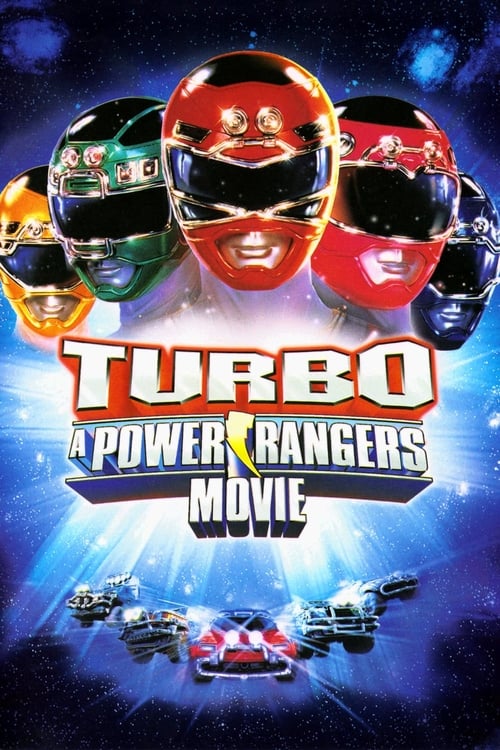
- 1997Turbo season and second theatrical film Turbo: A Power Rangers Movie
- 1998In Space closes the Zordon arc definitively Power Rangers
- 1999Lost Galaxy: the first fully standalone season Power Rangers
- 2001Time Force: a darker, fan-favorite season Power Rangers
- 2003Tommy Oliver returns as the black ranger, Dr. O Power Rangers
- 2009RPM goes post-apocalyptic; the boldest season the franchise had attempted Power Rangers
- 2010Saban reacquires the franchise from Disney
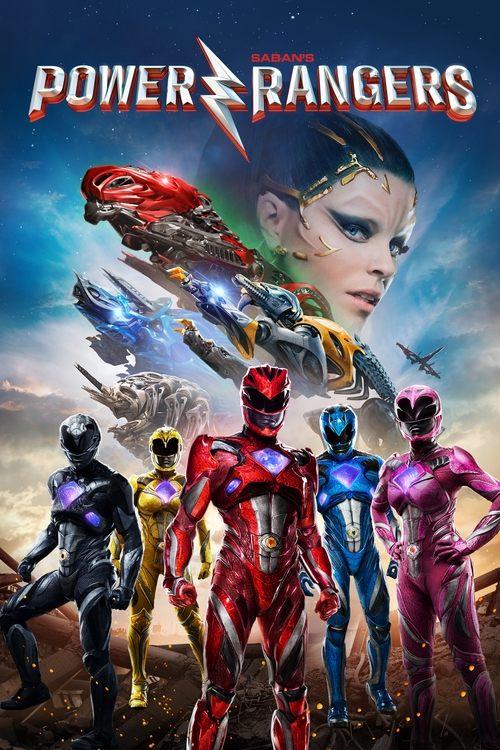
- 2017Hollywood reboot with an entirely new cast Power Rangers
- 2018BOOM! Studios comics launch a long-running continuity
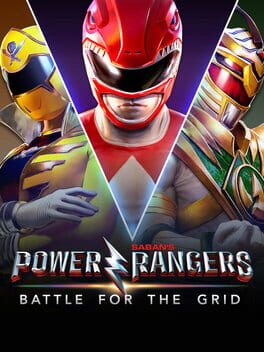
- 2020Battle for the Grid crossover fighting game Power Rangers: Battle for the Grid
- 2023Cosmic Fury: Netflix-exclusive ten-episode finale to the Dino arc Power Rangers
The Definitive Version: Power Rangers In Space
If you need to make the case for Power Rangers as something more than a toy commercial, In Space is your exhibit. The 1998 season paid off five years of accumulated lore in a genuine serialized arc, gave its villain Astronema an actual character trajectory, and closed the Zordon saga with a finale that surprised its audience. It also gave the red ranger a story built on loss and guilt rather than triumph. For a Saturday-morning kids show, that is extraordinary. Start here if you start anywhere.
The Underrated One: Power Rangers RPM
RPM (2009) aired on Disney's watch, which means it was cancelled before most people found it. That is a real loss, because it is the most tonally coherent season the franchise has produced: a post-apocalyptic premise played with genuine commitment, self-aware humor that actually works, and writers who understood they had nothing to lose. It has more in common with Terminator than with anything else that shares its brand name. It is the one season a non-fan can watch without prior investment and respect it on its own terms.
The Hidden Gem: Power Rangers Time Force
Time Force (2001) is the season that took the franchise seriously as drama. A cop from the future hunts a convicted criminal back through time, the red ranger is a civilian filling a dead hero's uniform, and the villain gets a redemption arc that the show earns rather than gifts. Its source material, Mirai Sentai Timeranger, is widely regarded as one of the strongest Super Sentai seasons; the American adaptation preserved what mattered. It is the clearest evidence that the formula can support real character work when the writers choose to do it.
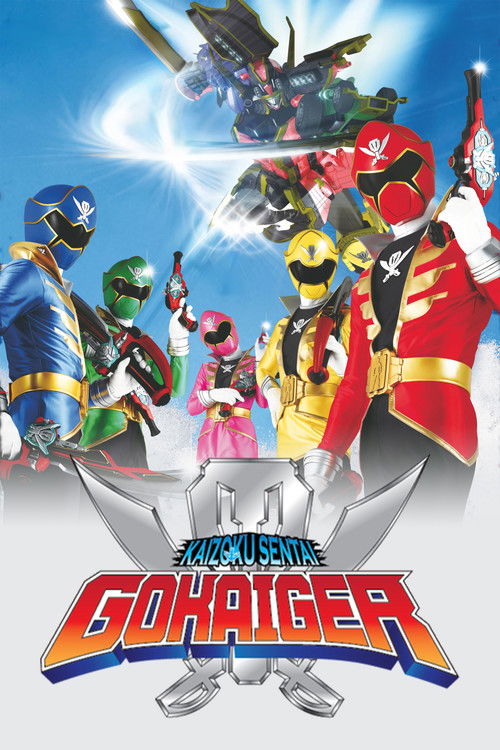
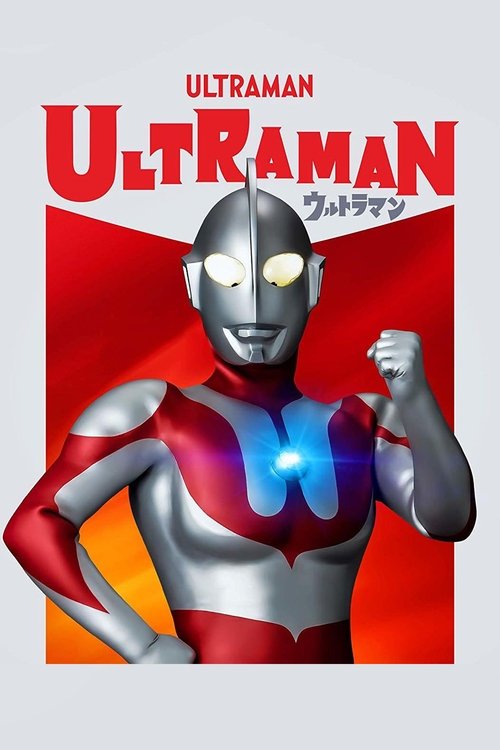
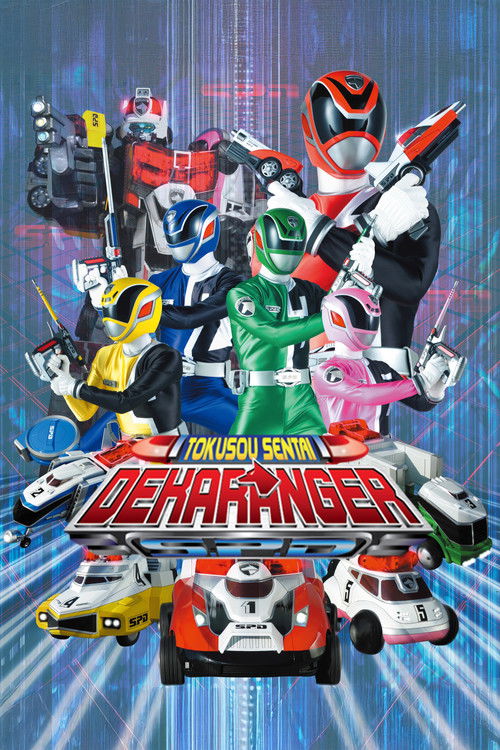
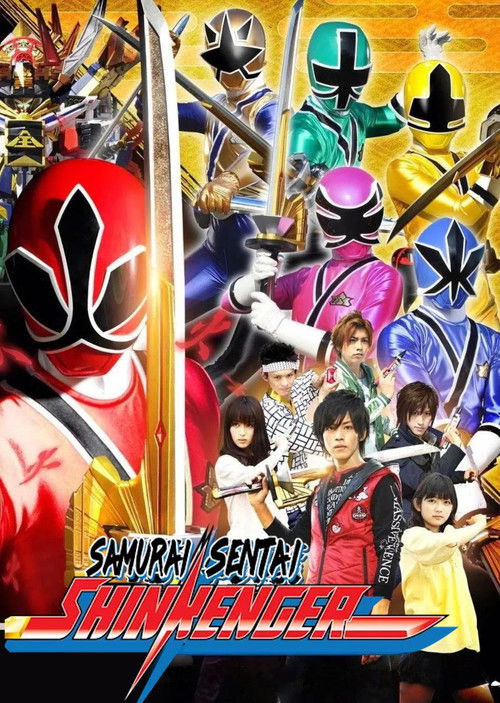
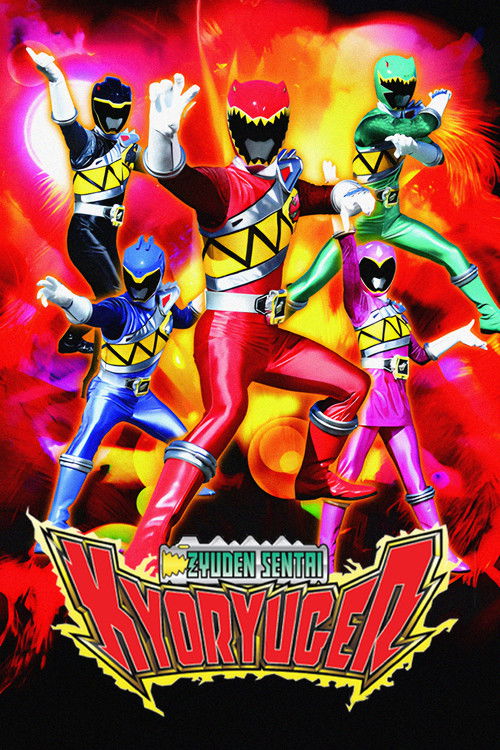
If You Love the Tokusatsu Roots
Japanese live-action hero series that Power Rangers draws directly from


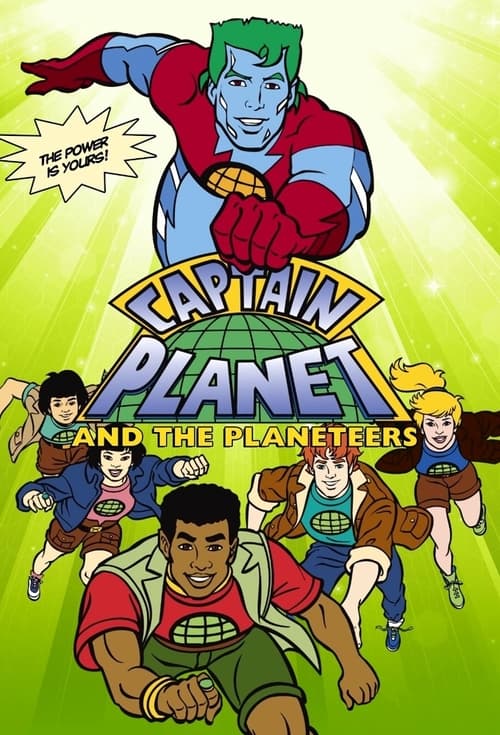
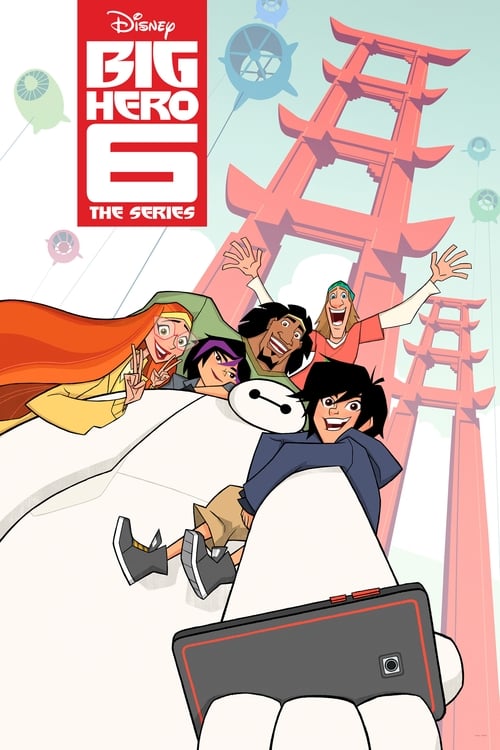
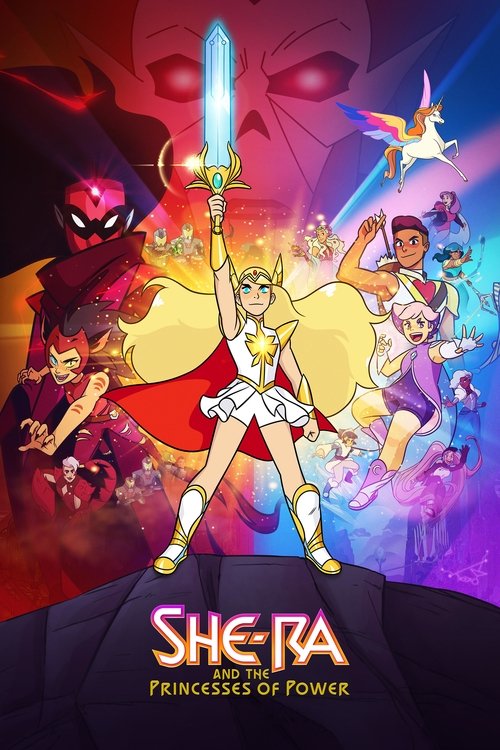
If You Love the Team-of-Heroes Formula
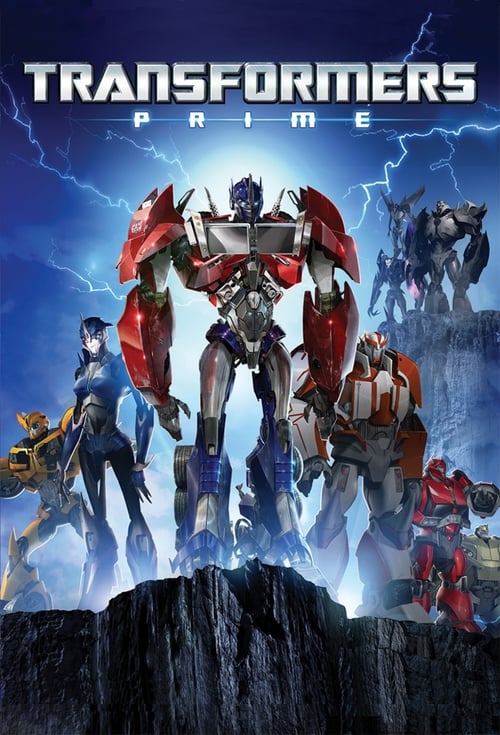
Color-coded, uniformed, and outnumbered against impossible odds
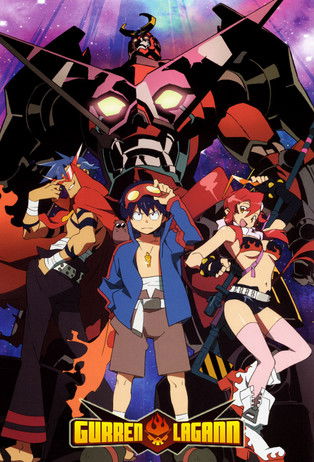
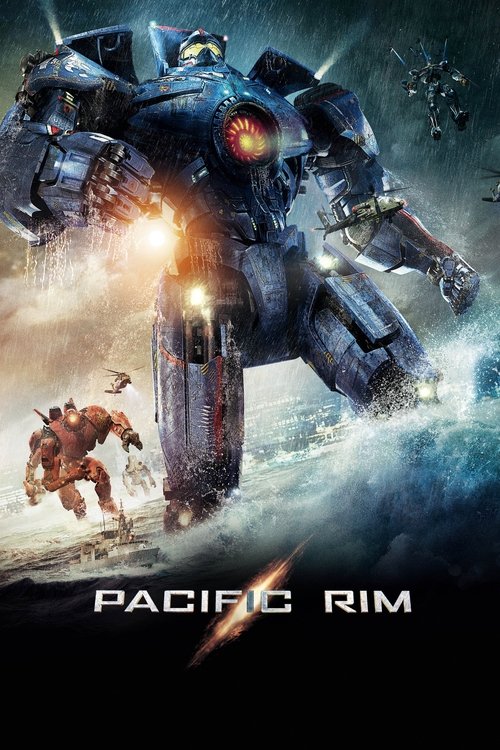
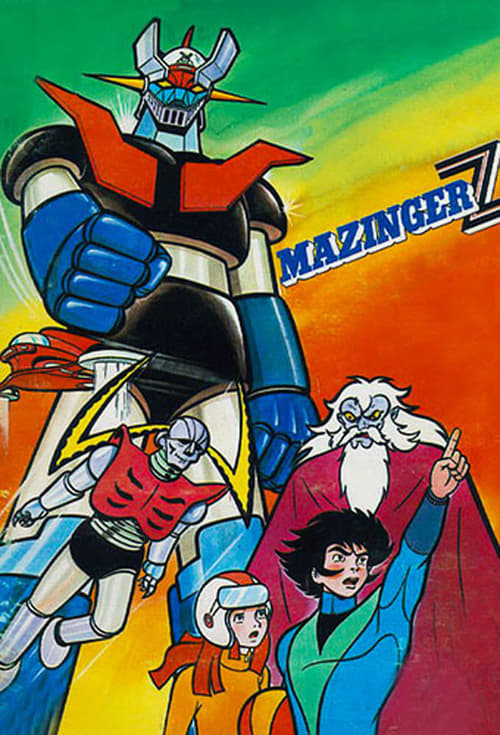
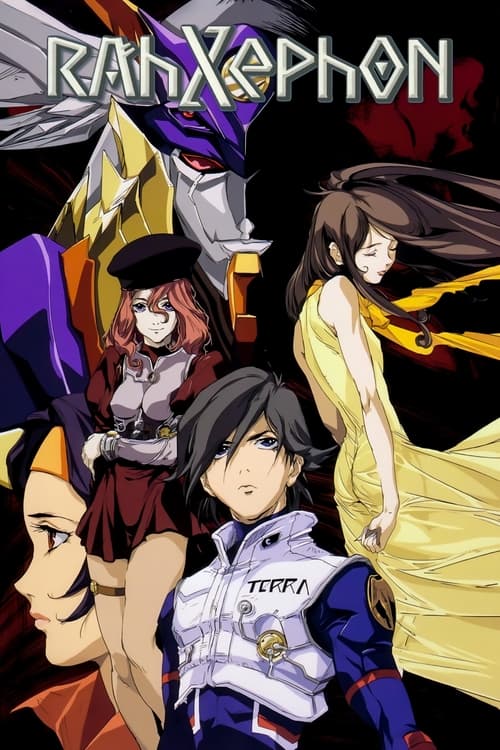
If You Love Giant Robot Action
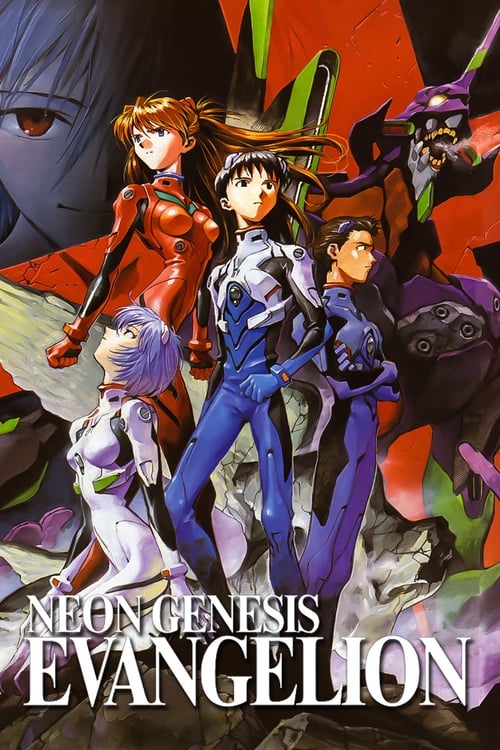
Mechas, combining machines, and the spectacle of scale


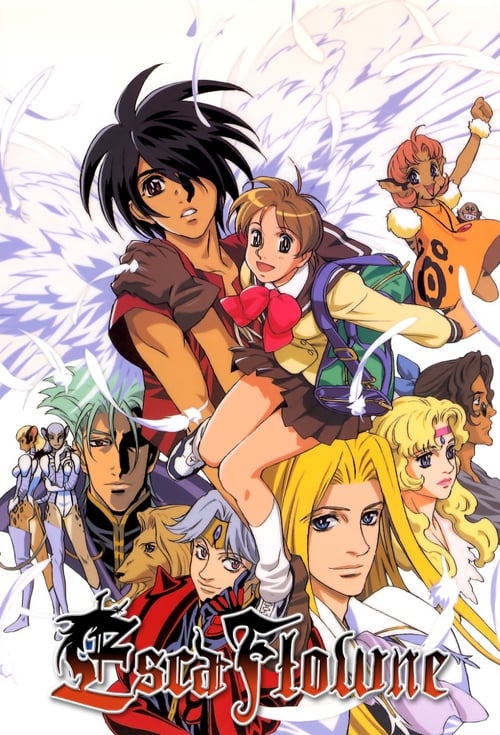
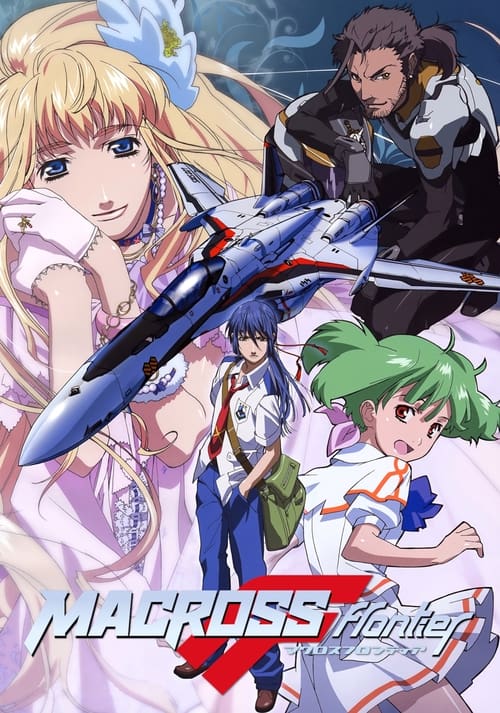
If You Love the Nostalgia-Fueled Comeback
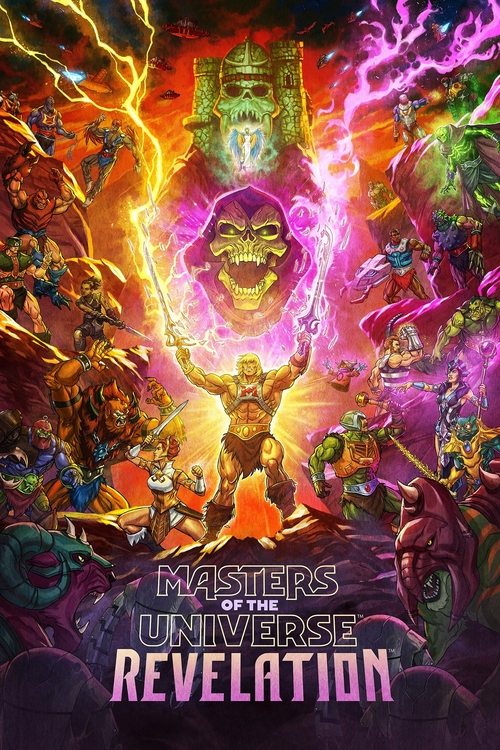
Properties that reinvented themselves for the generation that grew up with them
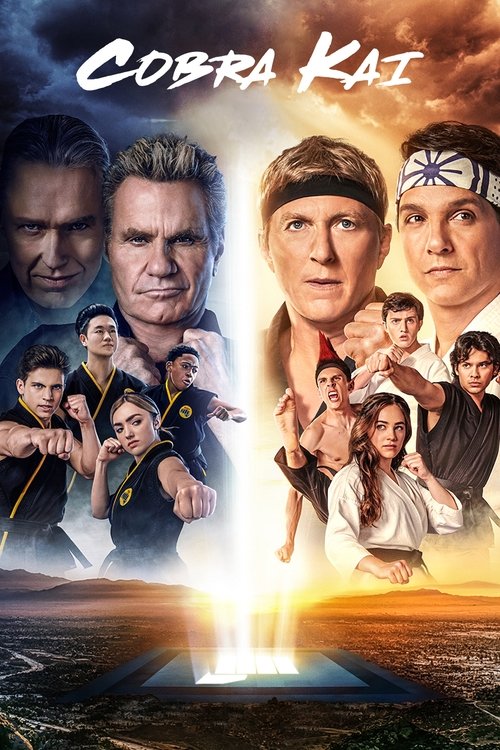
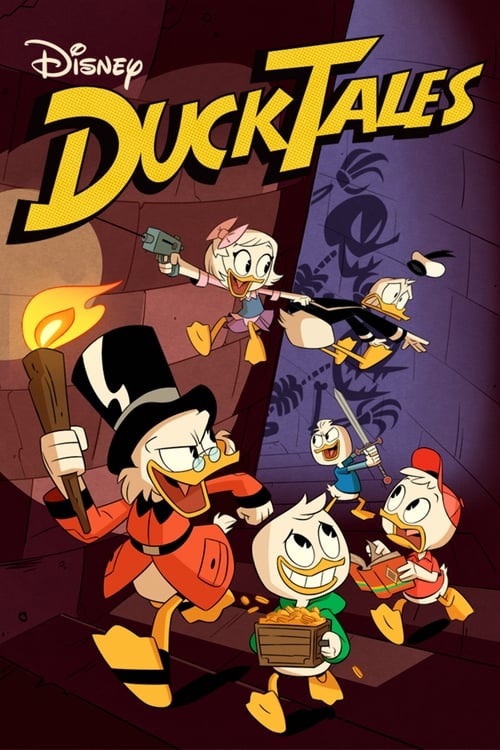
More tokusatsu, mecha, and giant monsters
Every Version of Ultraman
Explore the Every Version of Ultraman guide →Power Rangers is the longest-running American live-action children's television series, with over 900 episodes across more than 30 seasons. Not bad for a show critics dismissed as derivative in 1993.Franchise overview