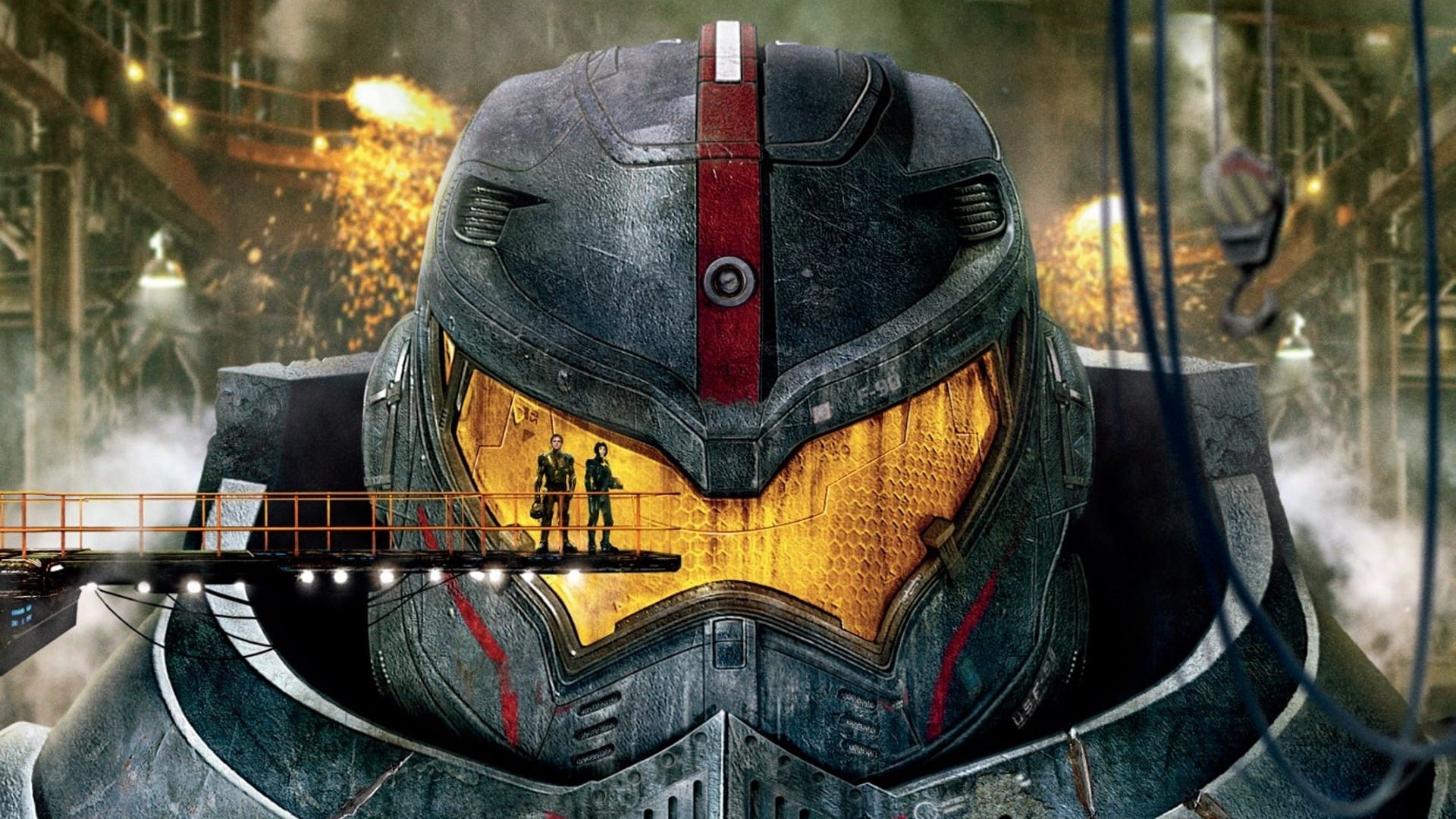

Mecha is not really about robots. It is about the human being sealed inside one: small, mortal, and suddenly capable of reshaping the world. The genre began in postwar Japan as a way to process mechanized destruction and national trauma, and it never stopped asking what it costs to put a person inside a weapon. The feeling fans chase is that exact vertigo: the cockpit hum, the ground shaking, the sense that piloting something this enormous says something uncomfortable about the person who chose to climb in. Whether the machine is a hand-painted super robot from the 1970s or a photorealistic Pacific Rim Jaeger, the emotional core stays the same: power is never free, and the pilot always pays.
Essential Mecha
The defining works, from the classics that built the genre to the series that reinvented it



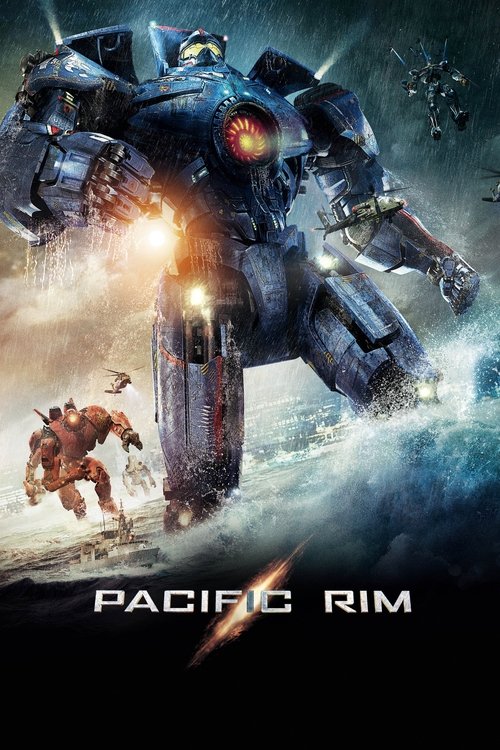
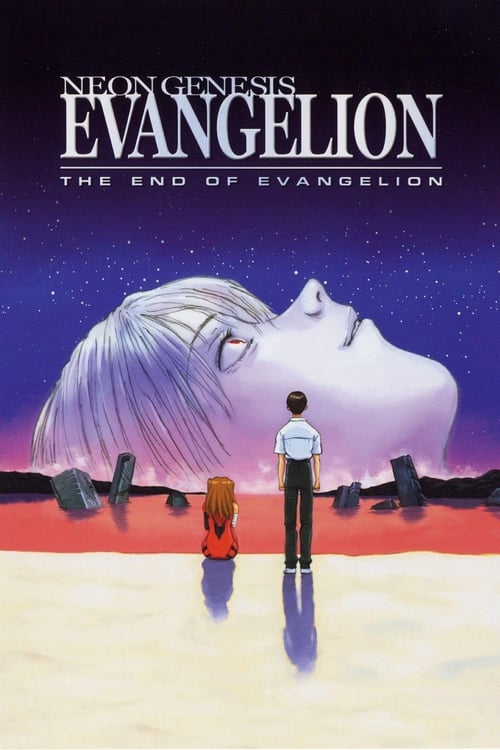

If You Love Mecha: Films That Hit the Same Scale
Live-action and animated films that capture colossal stakes, human cost, and machine warfare
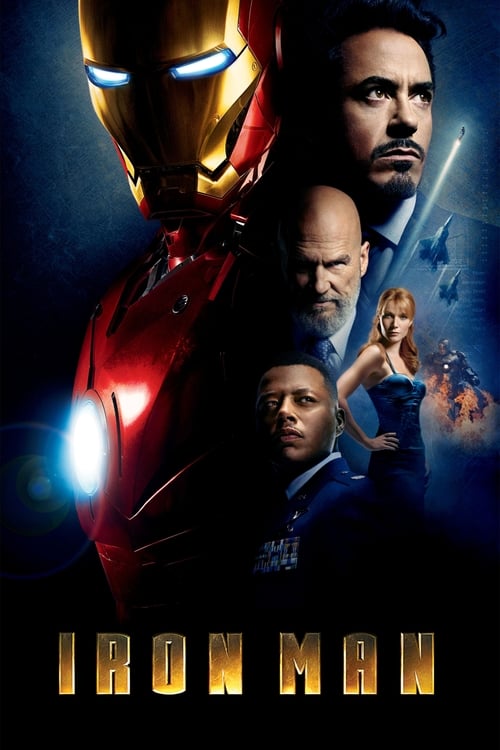
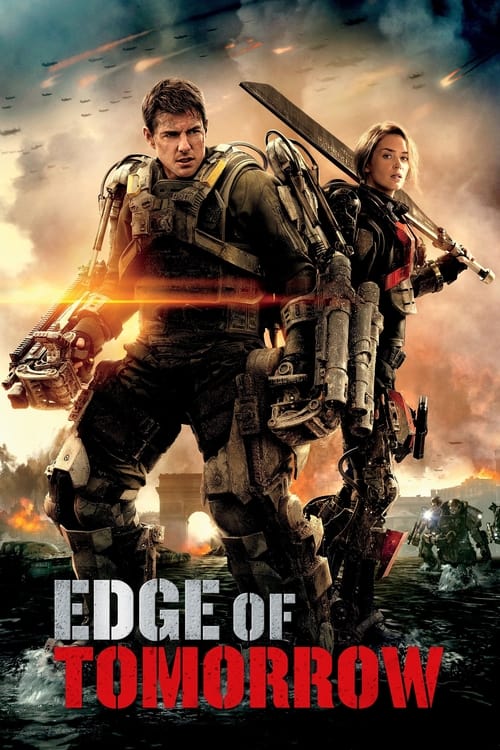
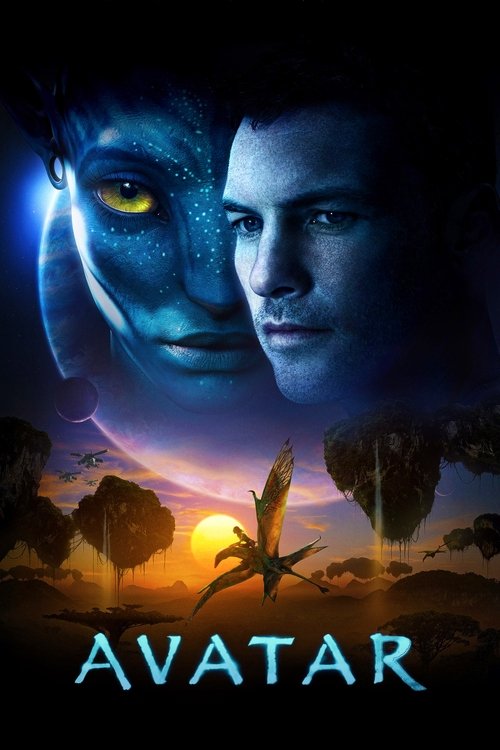

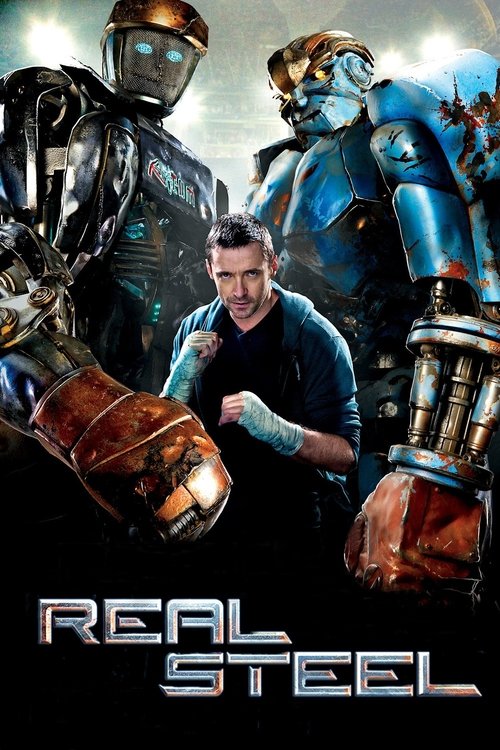
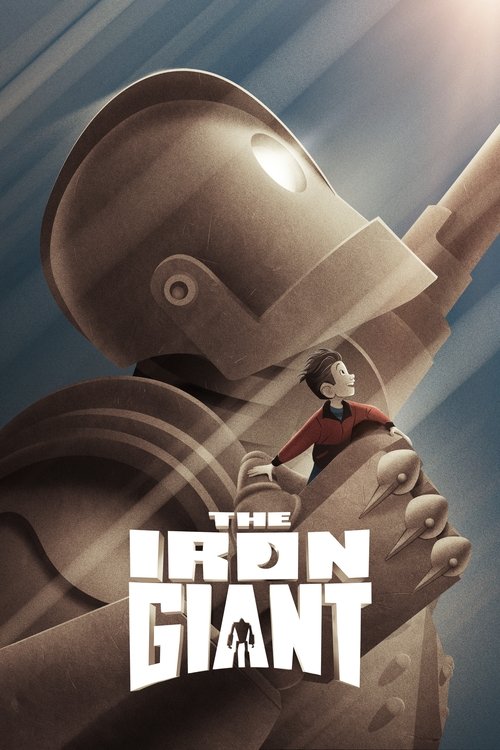
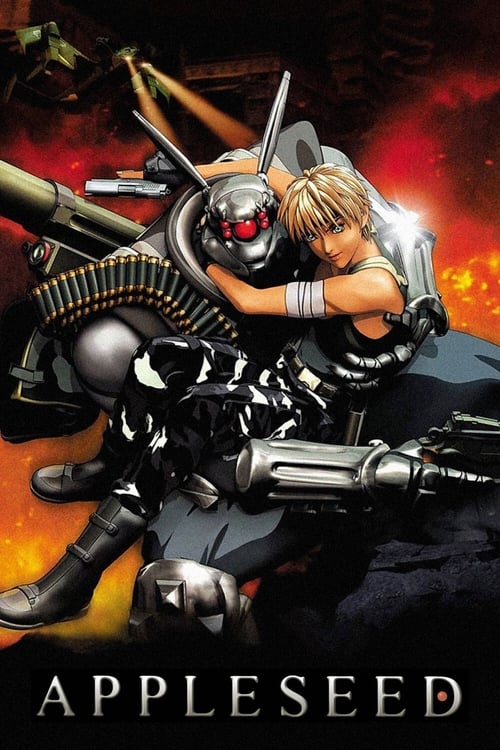
If You Love Mecha: Series That Sustain the Tension
Television and streaming series where the cockpit drama runs deep across seasons
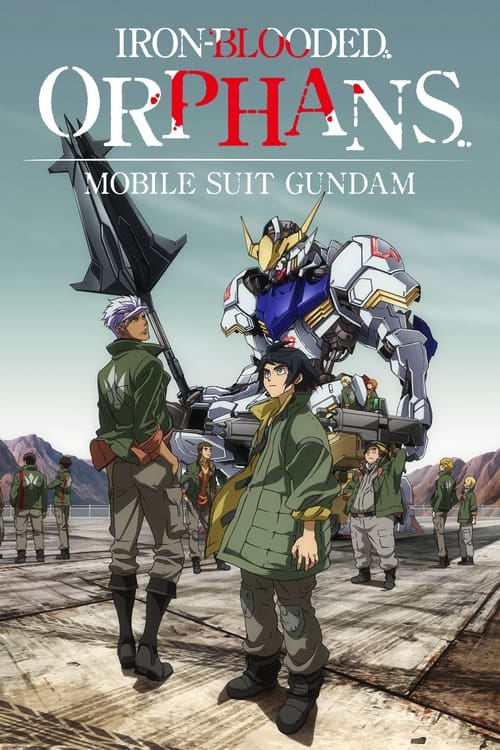
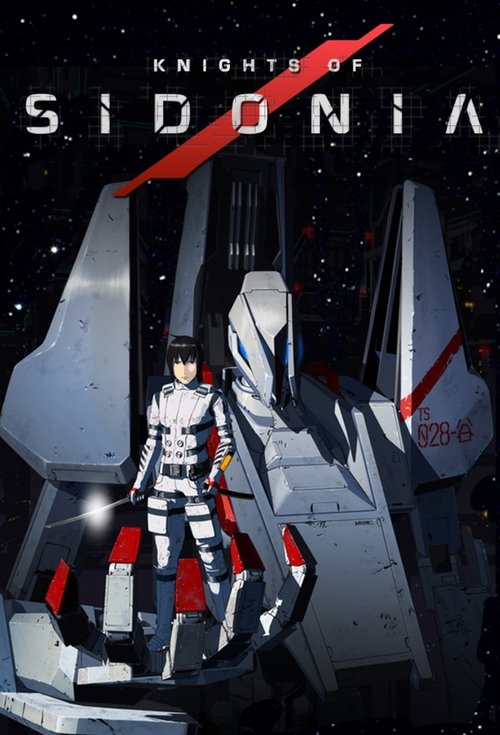
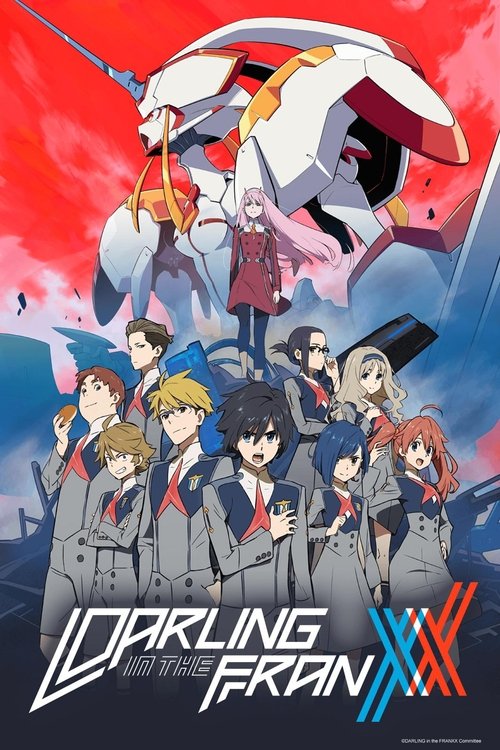
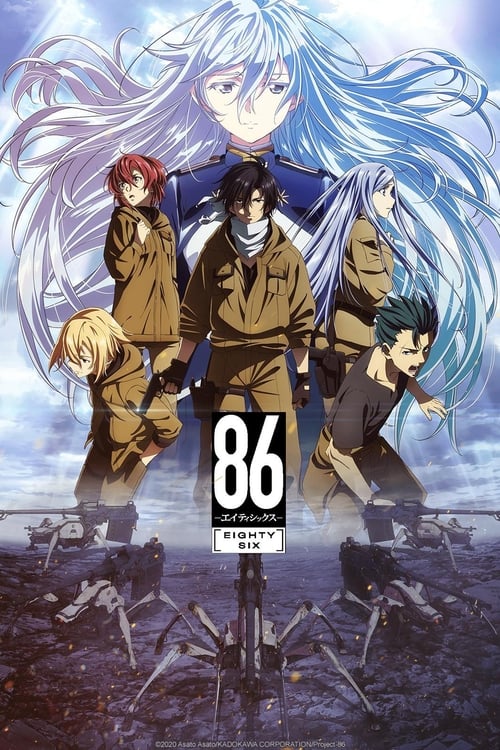
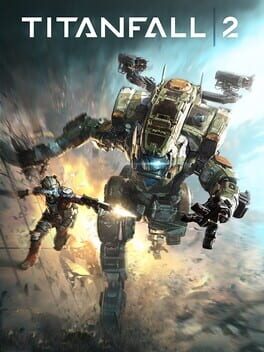
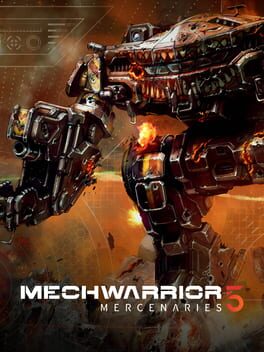
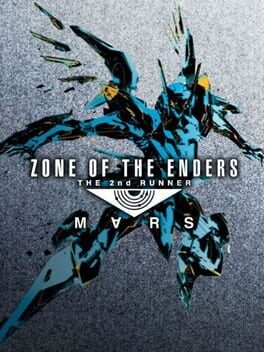
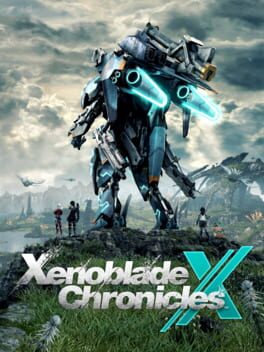
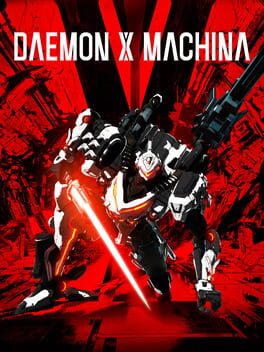
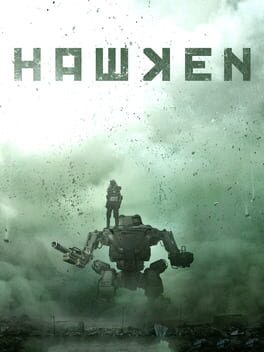
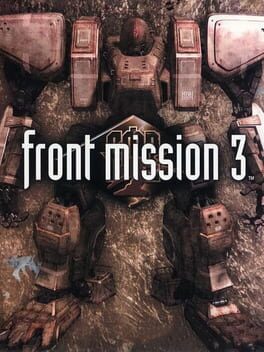
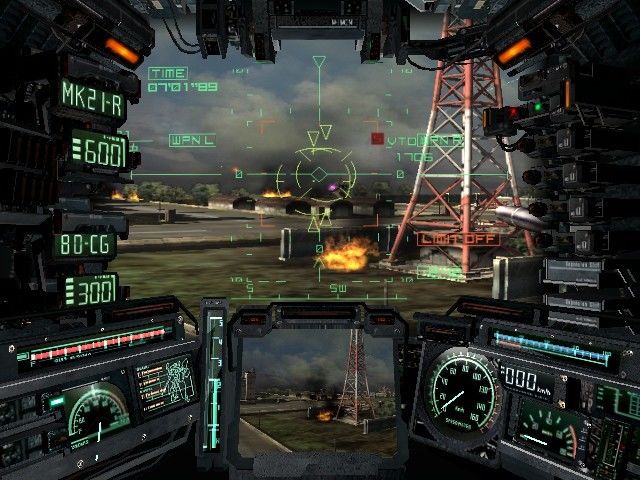
If You Love Mecha: Games Where You Feel Every Collision
Games that put you in the cockpit or on the ground against machines of war
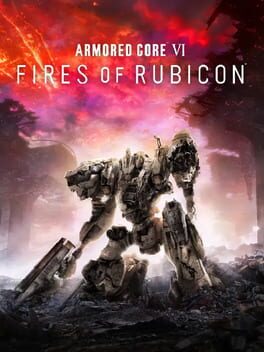
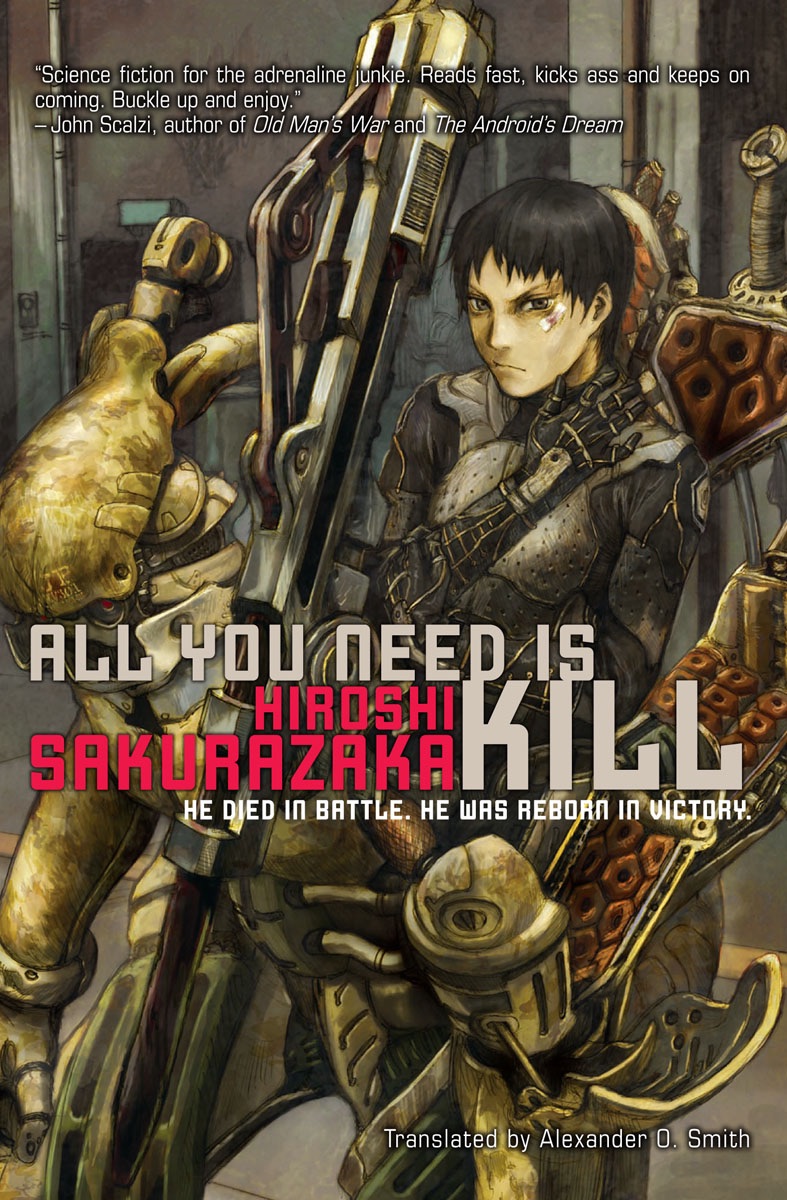
If You Love Mecha: Novels and Manga That Go Deeper
Fiction that explores the human cost of mechanized warfare without cutting away


Neon Genesis Evangelion Changed What Mecha Could Be
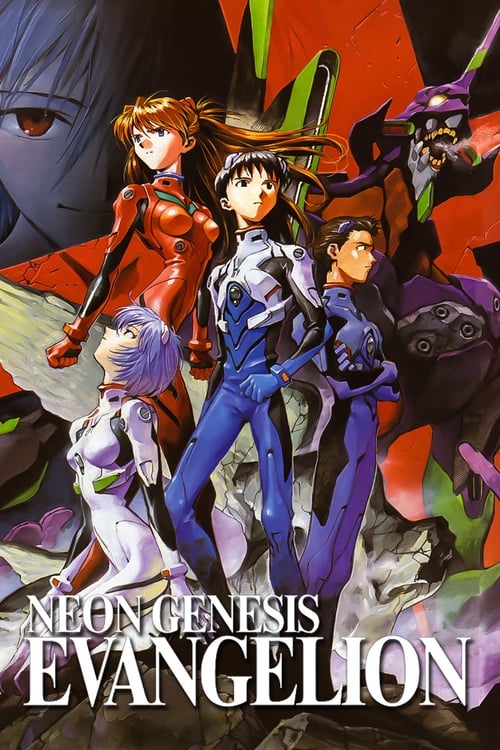
Before Evangelion, the mecha genre had a clear contract: pilot climbs in, machine wins, world is saved. Hideaki Anno tore that contract up. Shinji Ikari is not brave, not chosen, not ready. He is a teenager whose father handed him a weapon and walked away. What Evangelion understood was that the cockpit is not a throne, it is a confessional. The show spent 26 episodes and a film asking what it costs to keep climbing back in, and it never gave a comfortable answer. Every mecha series that takes its pilots seriously owes something to that question.
Armored Core VI Is the Best Mecha Game in Years
FromSoftware's return to Armored Core did something the franchise had not managed in over a decade: it made piloting a mech feel like a craft. The customization is granular enough to reward obsession, and the boss encounters are designed around the specific physics of your build. More importantly, it commits fully to the lonely, mercenary ethics of the setting. Nobody in this story is saving the world out of love. They are following contracts, and the game never pretends otherwise. That honesty is exactly what the best mecha fiction does.
86 Is the Novel the Genre Needed
Asato Asato's light novel series and its anime adaptation take the mecha genre's favorite crutch, the heroic pilot, and ask who gets left out. The Eighty-Six are soldiers ordered to pilot their machines in a war their government pretends is unmanned. The ethical horror accumulates slowly, and the mecha action is genuinely thrilling. But the book's real subject is what societies do when they make some people invisible. It is the closest the genre has come to the moral weight of Haldeman's The Forever War, and it earns the comparison.
Gurren Lagann Knows Exactly What It Is
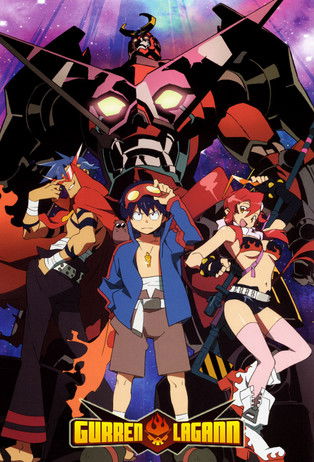
There is a version of mecha criticism that treats spectacle as a failure of seriousness. Gurren Lagann is the rebuttal. Gainax's 2007 series takes super robot excess, drills through the ground, through the sky, through the galaxy, and keeps drilling. The emotional beats are sincere. The scale is deliberate. When the show asks its characters to believe in impossible things, it earns that ask through 27 episodes of genuine character work. Knowing what you are and committing to it completely is not the same as being shallow. Gurren Lagann understands the difference.
Mecha Through the Decades
- 1972Mazinger Z premieres, establishing the super robot template: a pilot controlling a giant humanoid machine from a cockpit. Mazinger Z
- 1979Mobile Suit Gundam introduces the real robot subgenre, treating mecha as military hardware rather than heroic tools. Mobile Suit Gundam
- 1982Macross combines mecha warfare with idol pop culture, a genre fusion that still echoes in anime. Macross Δ
- 1987Robert A. Heinlein's Starship Troopers continues to influence powered armor fiction years after its publication, as the novel finds new readers through anime adaptations. Starship Troopers
- 1995Neon Genesis Evangelion deconstructs the mecha genre, turning the cockpit into a psychological space. Neon Genesis Evangelion
- 1999MechWarrior 4 and the BattleTech franchise reach their largest Western audience, cementing mecha in PC gaming. MechWarrior 4: Vengeance
- 2003Zone of the Enders: The 2nd Runner shows what a mecha action game can feel like at its kinetic peak. Zone of The Enders: The 2nd Runner Mars
- 2007Gurren Lagann restores joy and scale to super robot anime without abandoning sincerity. Gurren Lagann
- 2013Pacific Rim brings the Kaiju vs. Jaeger formula to global cinema audiences. Pacific Rim
- 2015Asato Asato begins the 86 light novel series, bringing a new moral dimension to mecha fiction.
- 2016Titanfall 2's campaign becomes one of the best arguments for mecha as a first-person game experience. Titanfall 2
- 2023Armored Core VI: Fires of Rubicon returns FromSoftware to the franchise and the mecha genre to critical conversation. Armored Core VI: Fires of Rubicon
Giant robots and the pilots inside
Mecha & Giant Robots
Explore the Mecha & Giant Robots guide →The pilot is always the payload. The machine is just the cost of admission.CrossBinge editors