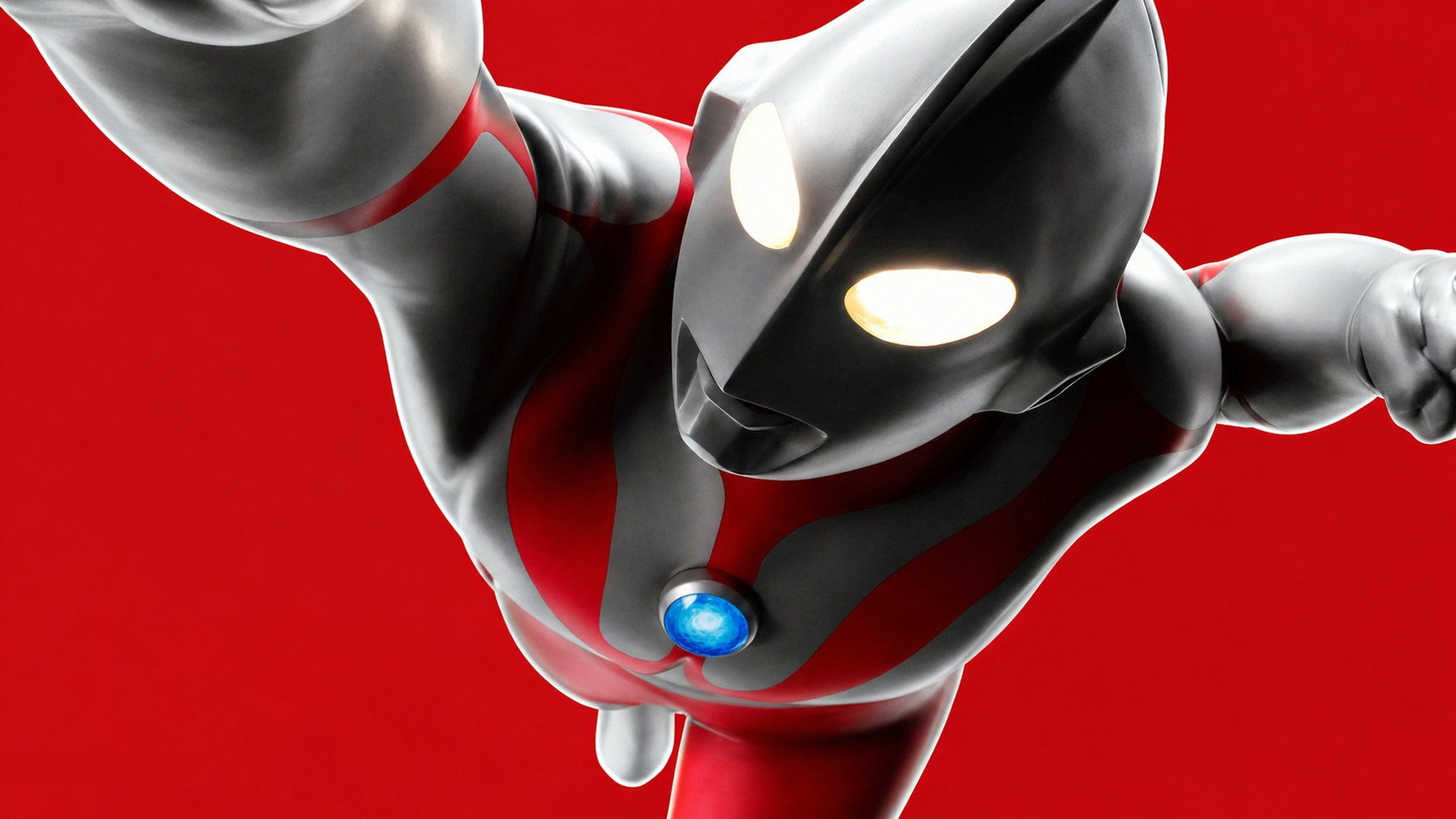

The Giant From Nebula M78
Ultraman began not as a book or a comic but as a television concept, created by Eiji Tsuburaya and his production studio Tsuburaya Productions. Tsuburaya was already the special-effects architect behind the original Godzilla (1954), and when Fuji TV wanted a follow-up to his 1966 series Ultra Q, he delivered something more ambitious: a human who merges with a giant alien hero to battle kaiju threatening the Earth. Ultraman premiered on Fuji TV on July 17, 1966, and ran for 39 episodes.
The formula was radical for its time. A member of the Science Patrol, Shin Hayata, fuses with the alien Ultraman after a collision in the sky. When monsters attack, Hayata raises the Beta Capsule and transforms, growing to 40 meters. The show was shot on 35mm film with practical suits, miniature cities, and wirework that set the visual language of the entire tokusatsu genre. It was also, despite its monster-fighting surface, deeply invested in its human ensemble and in the ethics of power and sacrifice.
From that single 1966 series, Tsuburaya built the Ultra Series: a franchise of interconnected and occasionally rebooted TV shows, theatrical films, manga, prose novels, stage shows, and eventually anime. Dozens of distinct Ultraman characters now exist across the continuity, each with their own host, home region, and visual design. The franchise has run almost without interruption for six decades, making it one of the longest-running superhero properties on the planet.
Every Version of Ultraman
The original series, key sequels, reboots, and films across the catalog

Ultraman Through the Decades
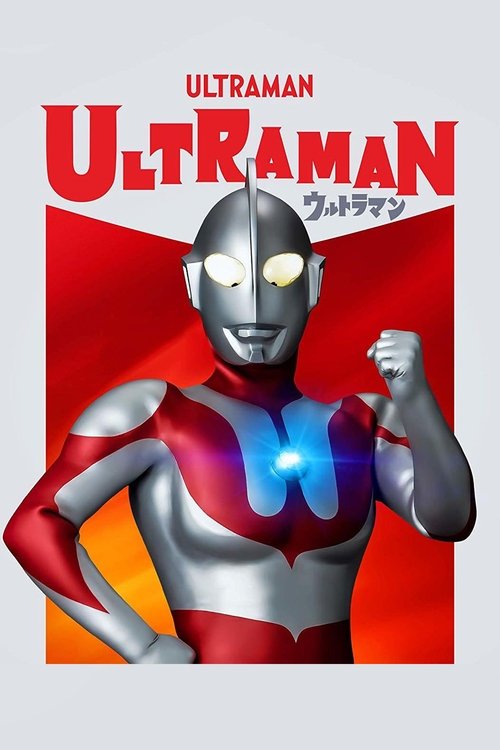
- 1966Original series premieres on Fuji TV Ultraman
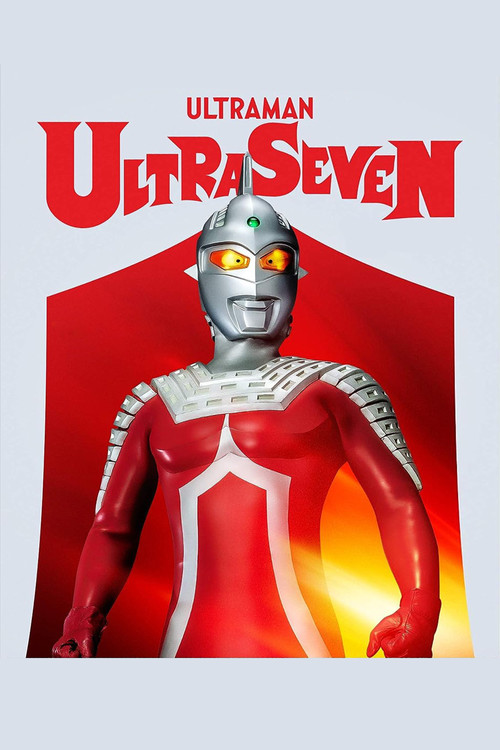
- 1967Ultraseven introduces a standalone Ultra hero with no human host Ultraseven
- 1971Return of Ultraman opens the second-generation Showa era
- 1972Ultraman Ace raises the stakes with a dual-host transformation
- 1973Ultraman Taro, son of the Ultra Father, inherits the mantle
- 1974Ultraman Leo, the alien refugee, becomes the darkest Showa entry
- 1980Ultraman 80 closes the Showa television run
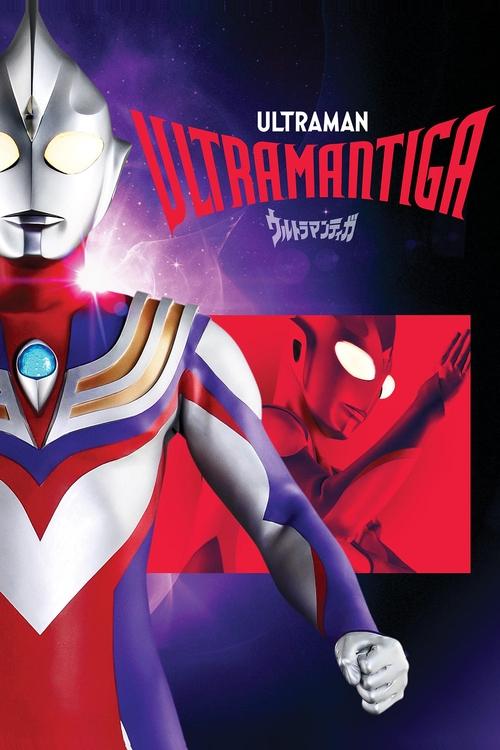
- 1996Heisei revival: Ultraman Tiga resets the universe Ultraman Tiga
- 1997Ultraman Dyna continues the Tiga continuity
- 1998Ultraman Gaia introduces a rival Ultra fighting on different terms
- 2004Ultraman Nexus takes the franchise into serialized adult drama
- 2006Ultraman Mebius celebrates the 40th anniversary of the franchise
- 2011Eiichi Shimizu and Tomohiro Shimoguchi launch the manga, rethinking the suit as powered armor
- 2013Ultraman Ginga begins the New Generation era
- 2019Netflix CG anime adapts the manga for a worldwide audience
- 2022Hideaki Anno and Shinji Higuchi reimagine the origin story Shin Ultraman
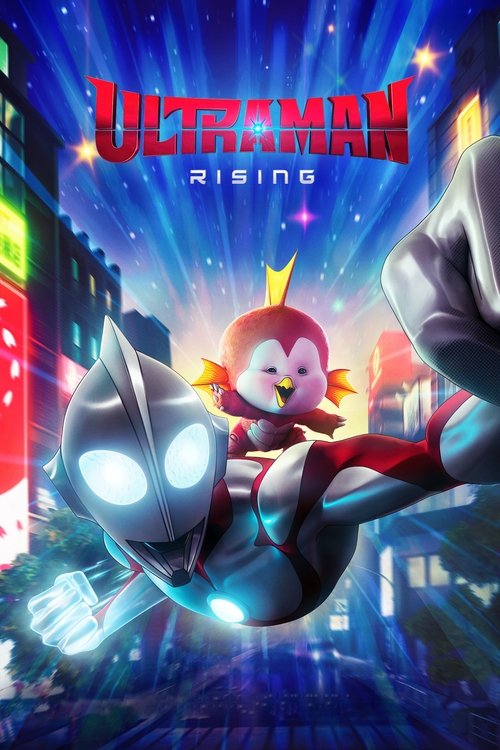
- 2024Netflix and ILM produce an animated feature for global streaming Ultraman: Rising
If You Love the Showa Classics
Giant heroes, practical effects, and weekly monster carnage from the same era

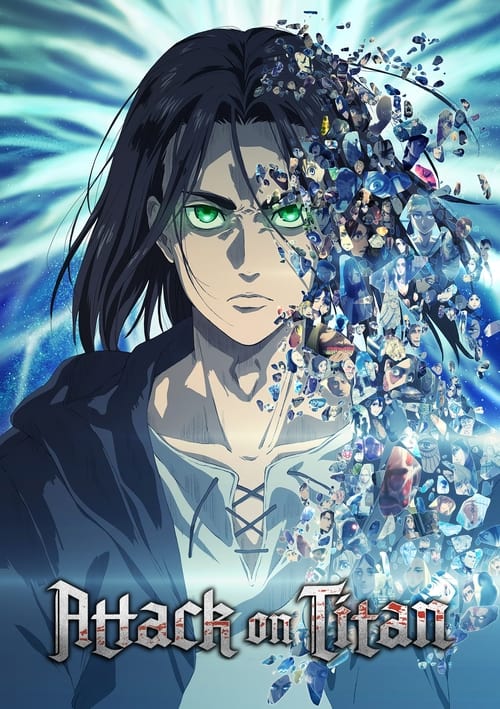
If You Love the Heisei Reinventions
Longer arcs, darker tones, and richer character drama from the 1990s and 2000s
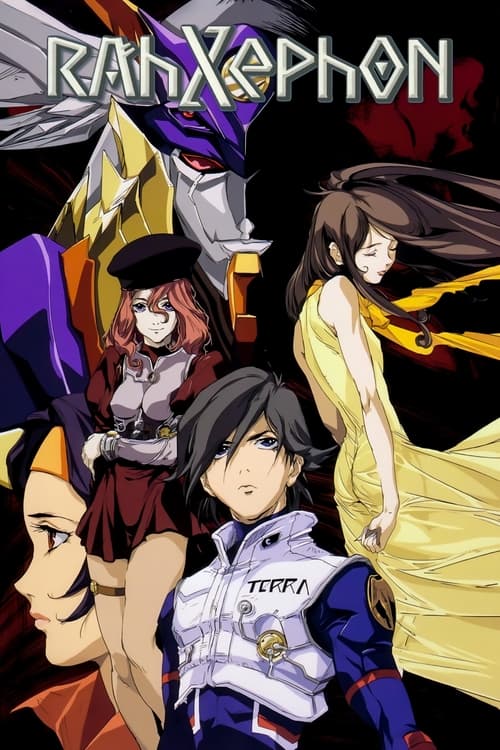
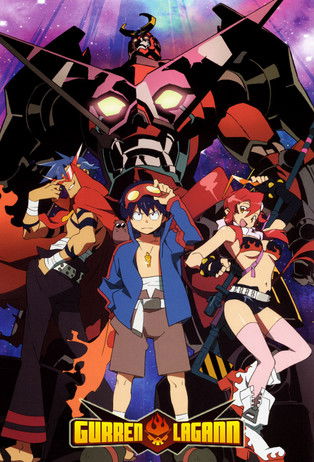
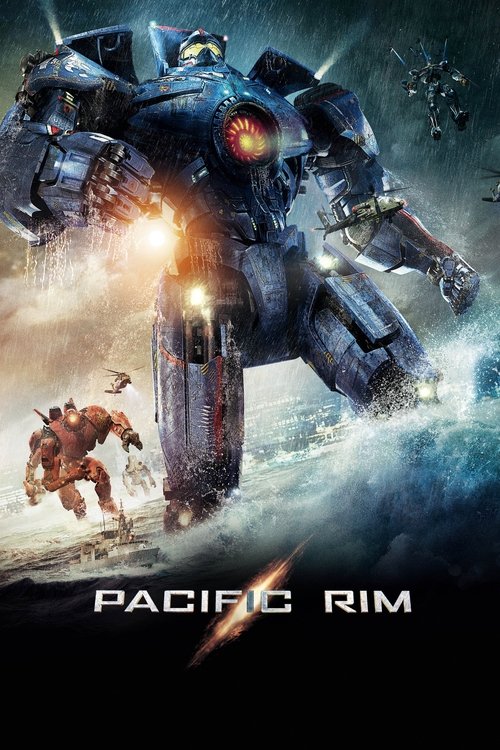
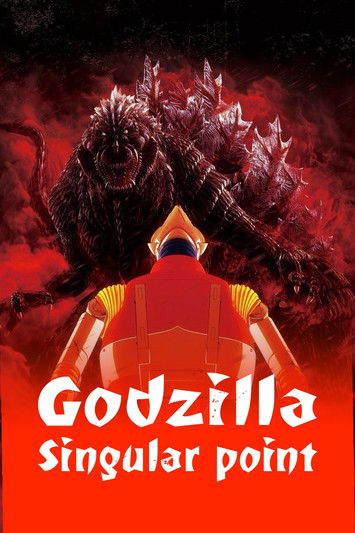
If You Love Shin Ultraman
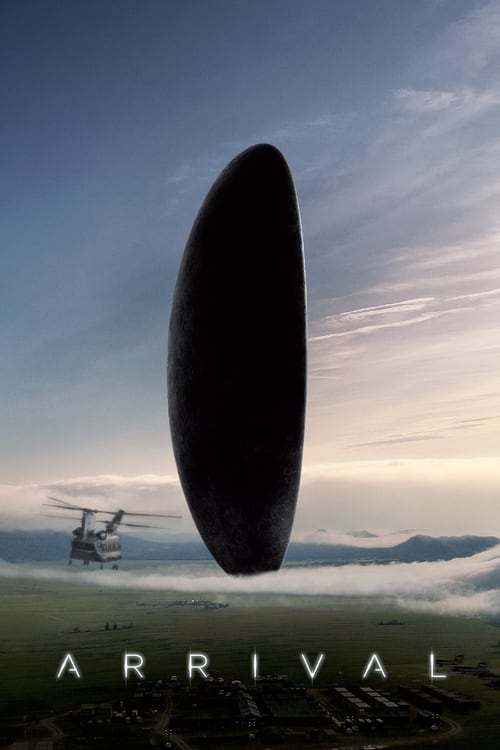
Cerebral kaiju and superhero films with a philosophical or deconstructive angle
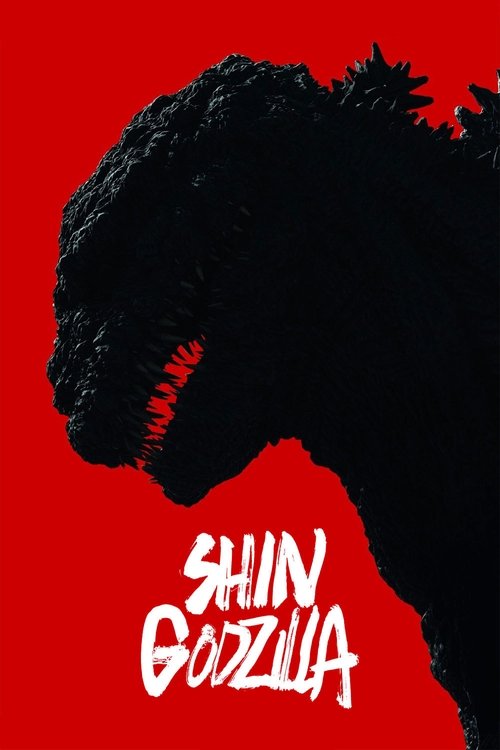
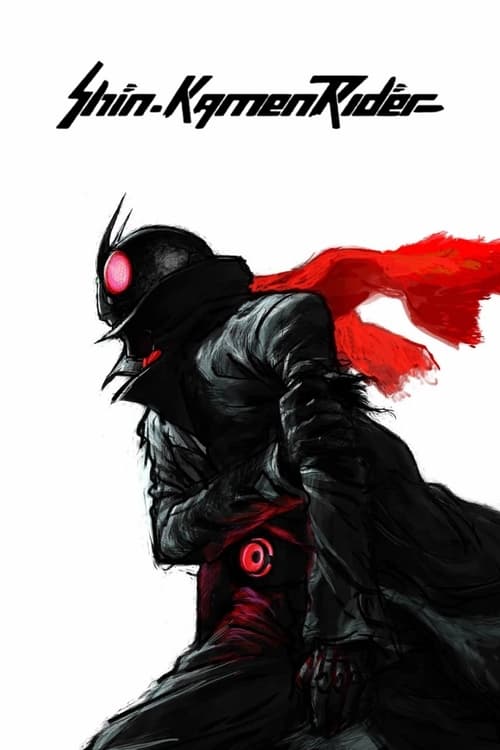
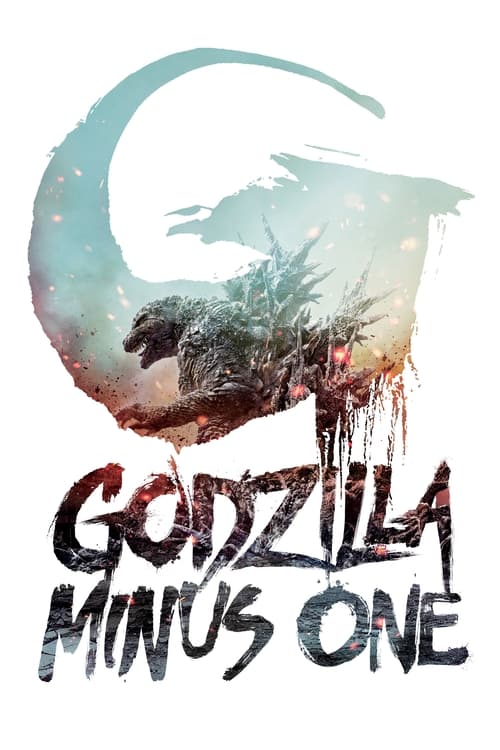


If You Love the Ultraman Manga and Anime
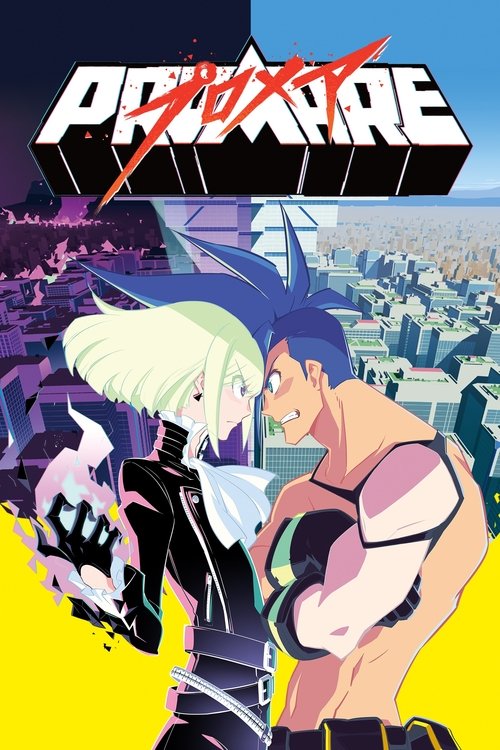
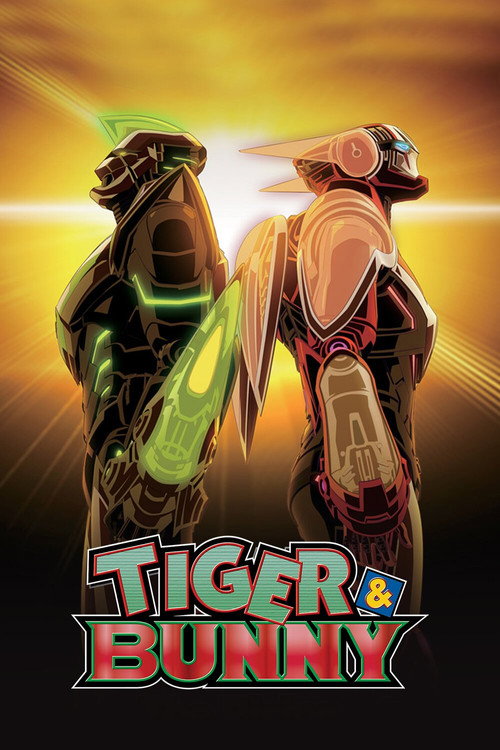
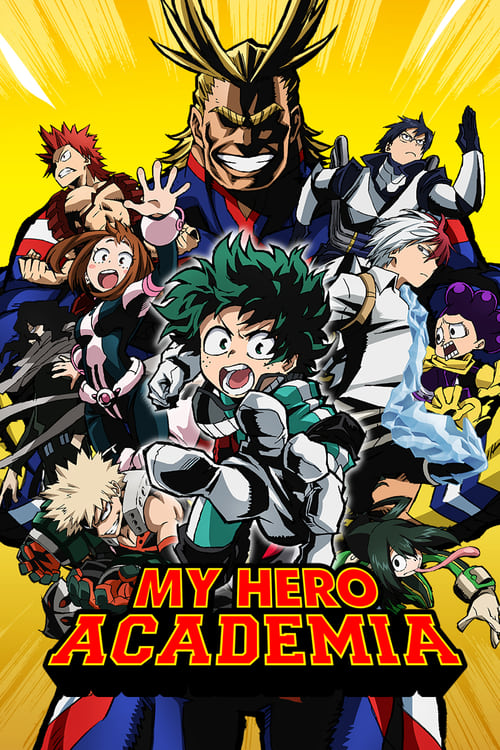
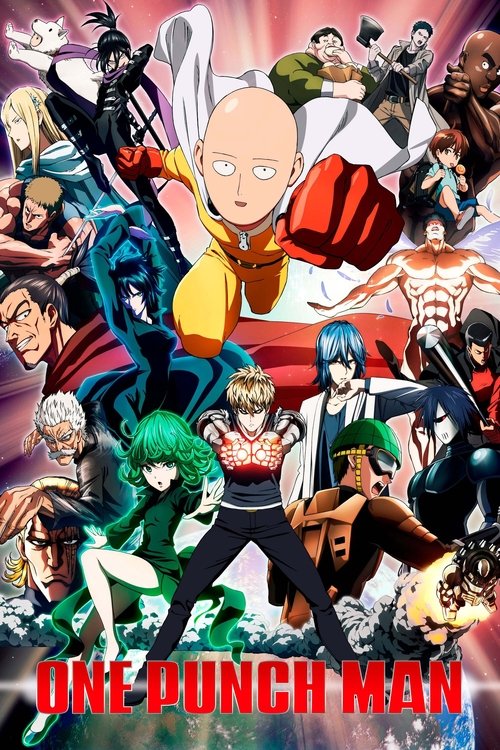
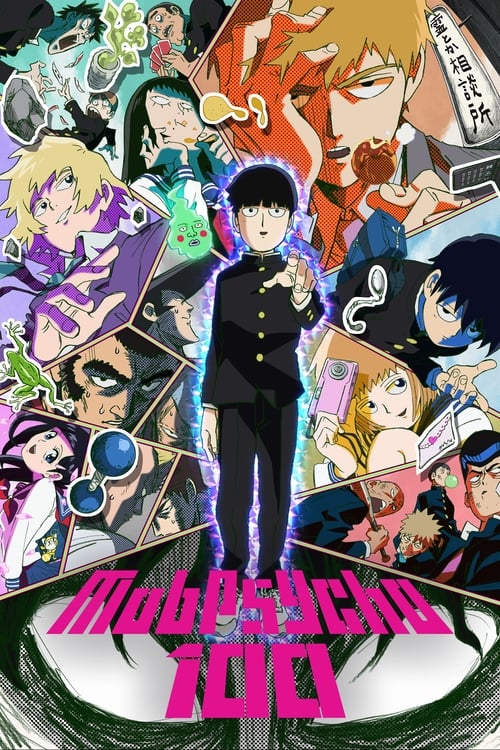
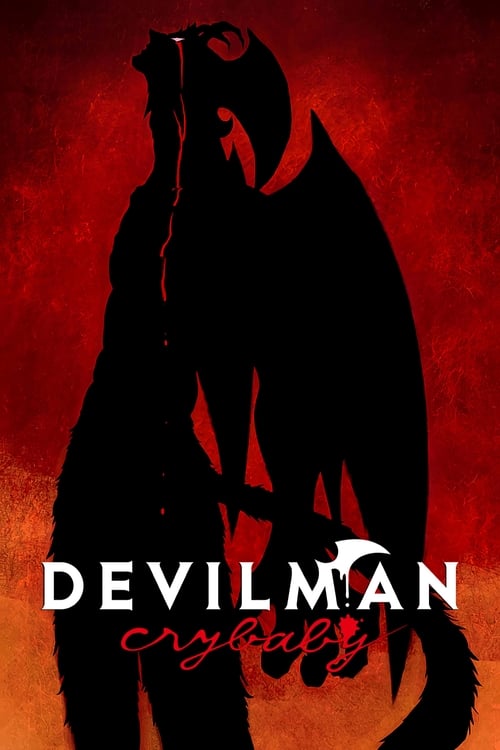
Grounded superhero stories where the suit is armor, not a transformation, and the person inside matters

The definitive version is still the 1966 original
Fifty-eight years of sequels and reboots have never quite matched the economy and invention of the original 39 episodes. Hayata's amnesia is a genuinely strange premise for a heroic identity, and Bin Furuya's physical performance inside the suit communicates weight and exhaustion in ways the later shows sometimes forget. The practical effects look exactly as good as they need to. If you only watch one version, watch this one first.