

The novel that refused to stay on the page
Shusaku Endo published Chinmoku in Japan in 1966, and the English translation, Silence, appeared in 1969. It is the story of two young Portuguese Jesuit priests, Rodrigues and Garupe, who travel to 17th-century Japan to find their mentor Father Ferreira, rumored to have apostatized under torture. What they find is a countryside of hidden Christians, brutal government inquisitors, and a God who says nothing while people suffer.
Endo was a Japanese Catholic, which gave the novel its peculiar tension: he understood both the missionaries and the Japan that rejected them. The book is not a polemic about persecution. It is a sustained, agonizing meditation on what faith costs and whether God's silence is cruelty, indifference, or a kind of answer.
Martin Scorsese first read the novel in the 1980s, received it from a priest, and spent nearly three decades trying to get it made. That long obsession is itself a kind of testimony to the book's power. But the Japanese director Masahiro Shinoda got there first, in 1971, with a version that is starker and more stylized. Together, the novel and its two major film adaptations form one of the most complete cross-media treatments of a single spiritual crisis in world cinema.
Silence across the decades
The definitive version: read the novel first
Endo's novel is the thing itself. The film adaptations are both serious works, but neither fully captures the interiority of Rodrigues, whose journals and letters carry the book's theological weight. The prose forces you to sit inside a mind breaking under pressure, which is the experience the story is actually about. Watch the films after, and they will mean more.
There is also the matter of Deep River (1994), Endo's final novel, which returns to the same preoccupations: faith in a country where it does not fit, the cost of spiritual submission, Japan as a site of transformation. Reading both shows the range of what one writer could make from one wound.

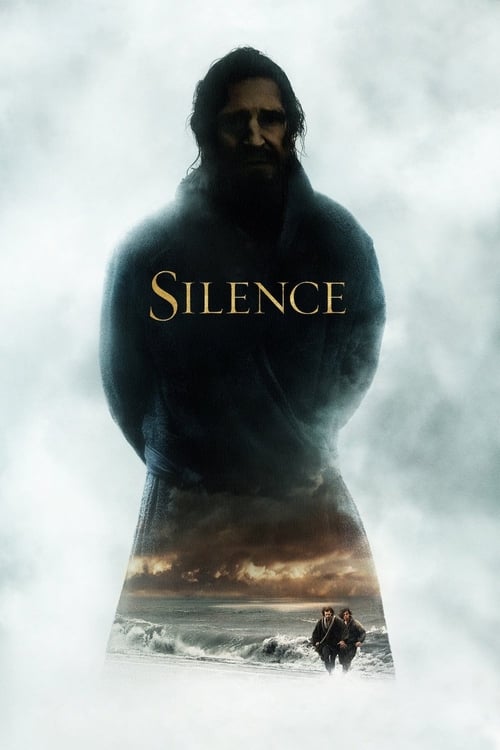
The version that earns its three hours: Scorsese's Silence
Scorsese's 2016 film demands patience and rewards it. Andrew Garfield's performance carries the theological argument more than any single speech, and Liam Neeson as Ferreira lands with the weight it needs. The film is occasionally over-solemn, and at 161 minutes it does not spare you, but it is the work of a director who spent thirty years thinking about one book. That shows in the details: the landscape, the silence in the sound design, the way the inquisitors are never monsters but something harder to dismiss.
This is not a comfortable film. That is the point.
The companion text: First Reformed and the same argument in a different century
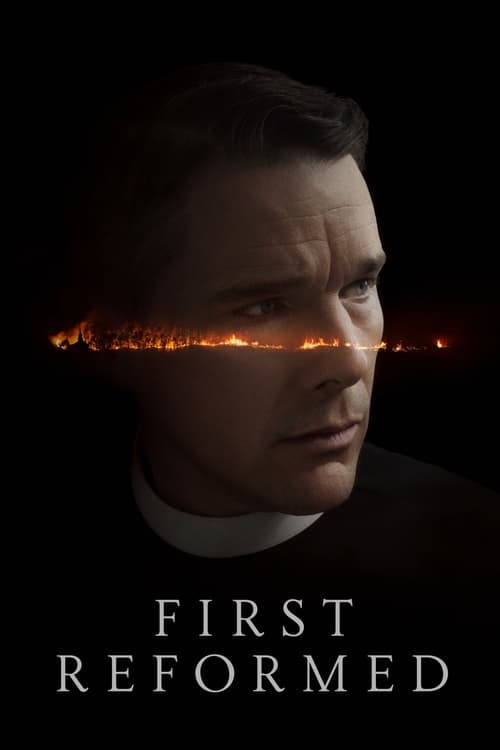
Paul Schrader wrote First Reformed (2018) as a direct response to Bresson's Diary of a Country Priest and Bergman's Winter Light, both unavailable in this catalog but both in the same lineage as Silence. Schrader's film is a theological argument dressed as a thriller: a pastor loses faith incrementally, in silence, and the film asks whether despair is a sin or the only honest position available. The connection to Endo is not accidental. Schrader has written about Silence extensively. This is the closest film in the catalog to the same spiritual register.
If you love Silence: faith under pressure
Stories about belief tested to its breaking point

If you love Silence: persecution, apostasy, and hidden faith
Stories of belief driven underground or destroyed from outside

If you love Silence: Japanese cinema with moral weight
Japanese period and postwar films that take ethics seriously
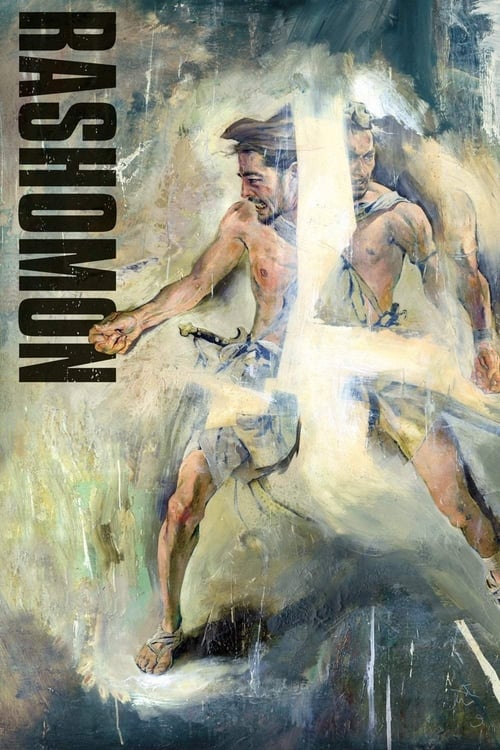


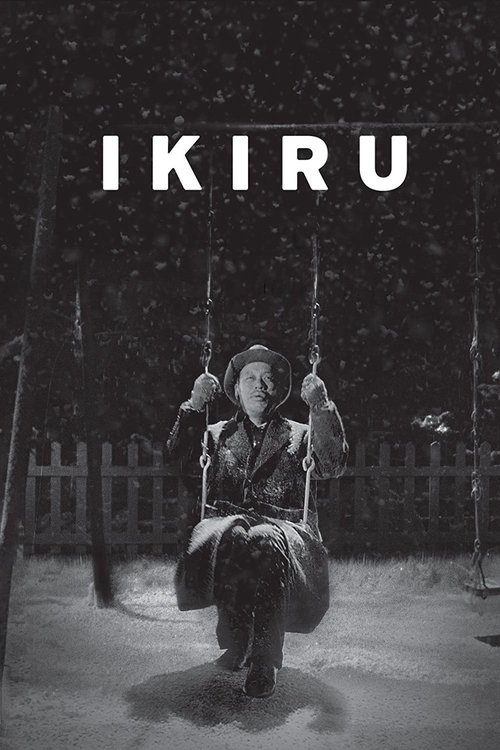
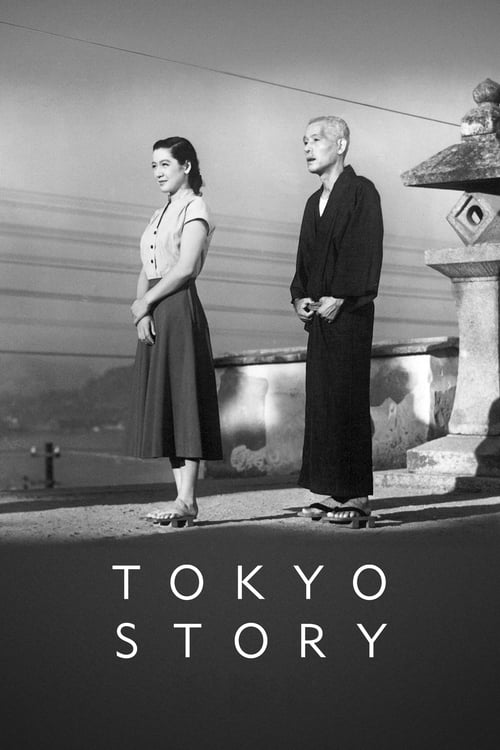
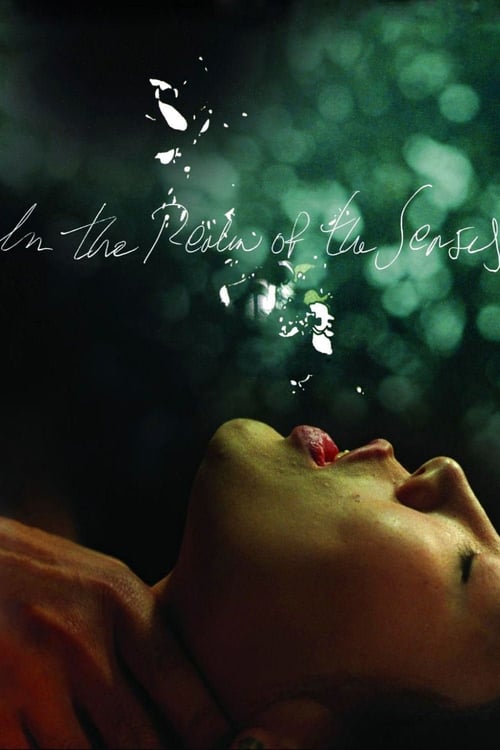
Faith and feudal Japan
For Fans of Akira Kurosawa
Explore the For Fans of Akira Kurosawa guide →Endo's novel asks whether God's silence during human suffering is the cruelest thing imaginable, or the only honest answer available. Both the Shinoda and Scorsese films are serious attempts to sit with that question without flinching.CrossBinge editorial