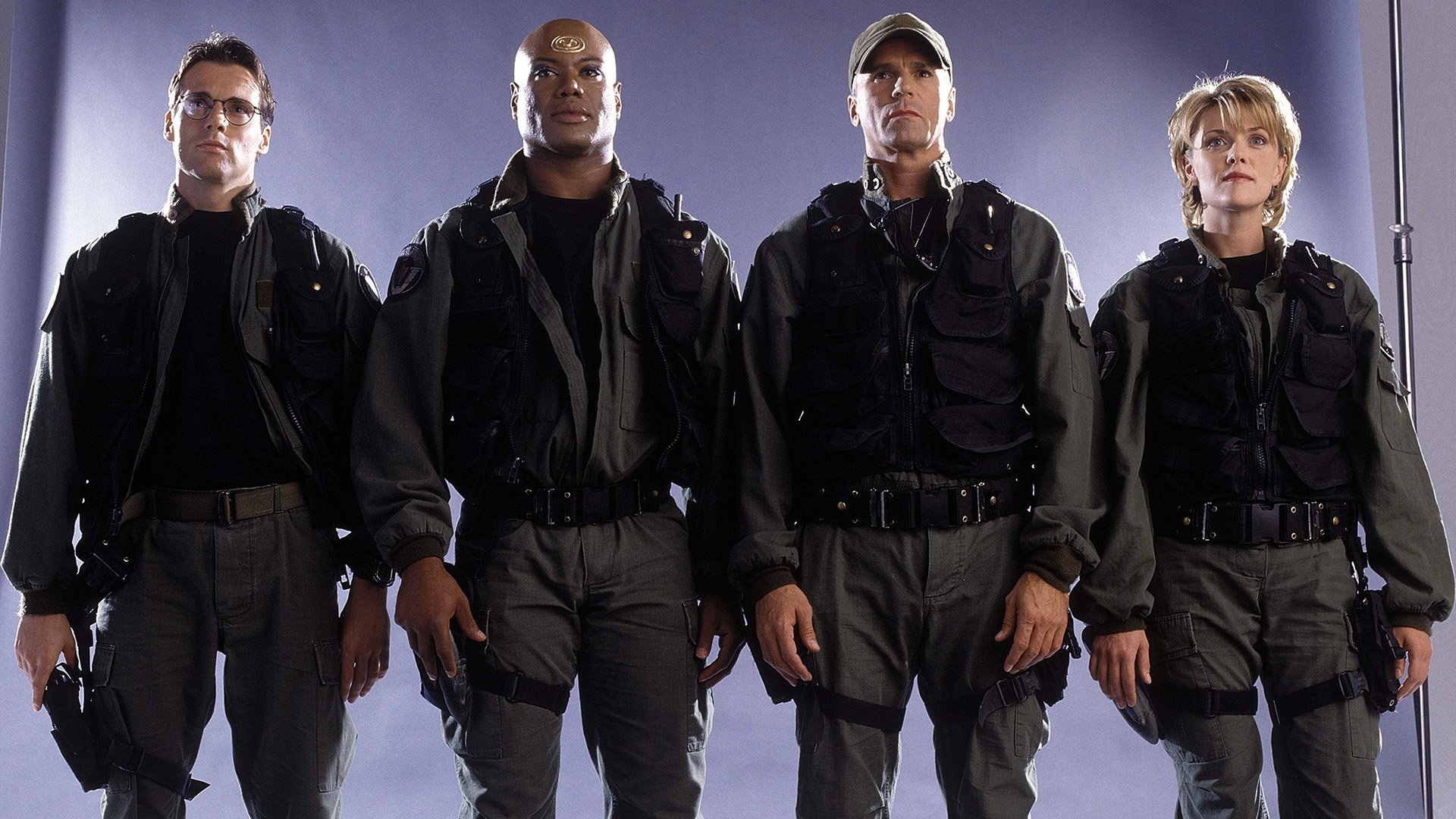

How a single ring became a universe
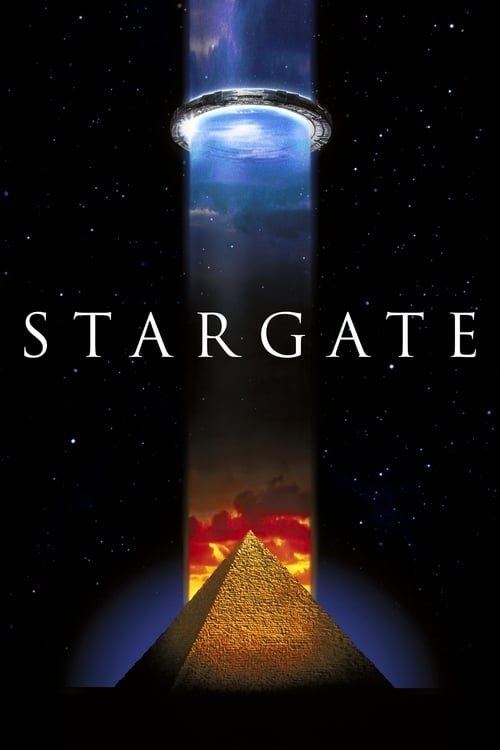
Stargate began as an original screenplay by Dean Devlin and Roland Emmerich, produced into the 1994 film of the same name. There was no prior novel, comic, or play: the gate itself was the idea, a massive circular device of alien origin buried under the Giza plateau, capable of transporting people across the galaxy in an instant. Emmerich and Devlin imagined it as a self-contained blockbuster, and for two years it was.
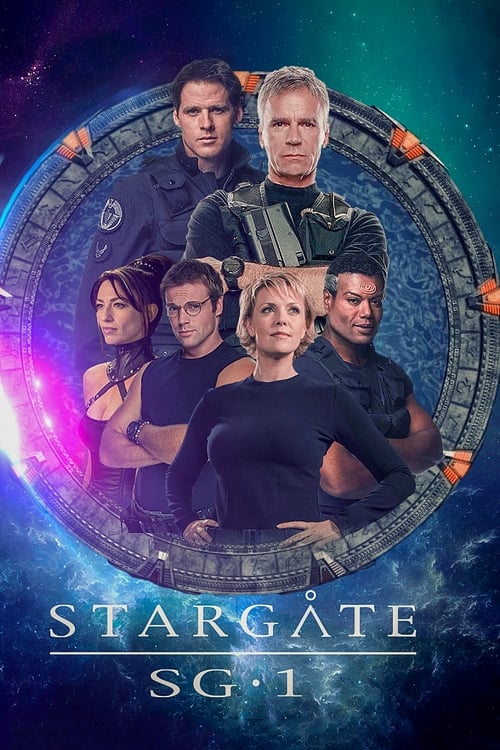
Then in 1997, producer Brad Wright and writer Jonathan Glassner took that film's premise and expanded it into Stargate SG-1 for Showtime, picking up roughly where the movie left off but quietly retconning several details. The series ran for ten seasons, making it one of the longest continuous sci-fi runs in North American television history. Two direct-to-video film sequels followed, and the franchise branched into two spin-off series, a prequel, licensed novels, comics, and video games. The gate never really closed.
Every version of Stargate
The original film, the long-running series, its spin-offs, and the expanded universe
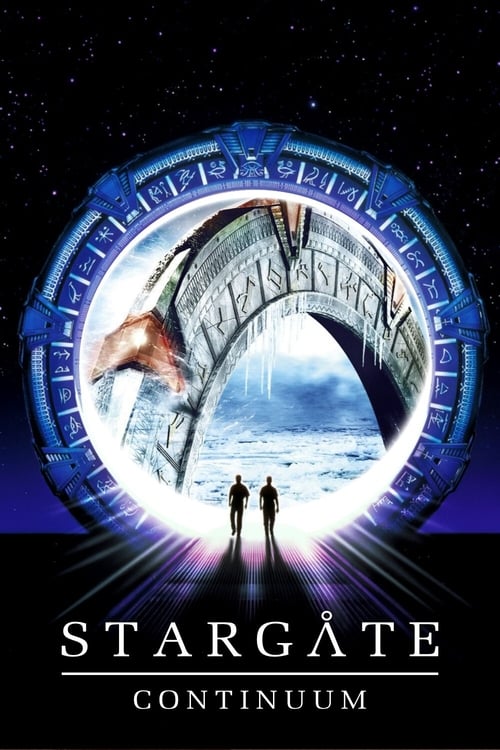
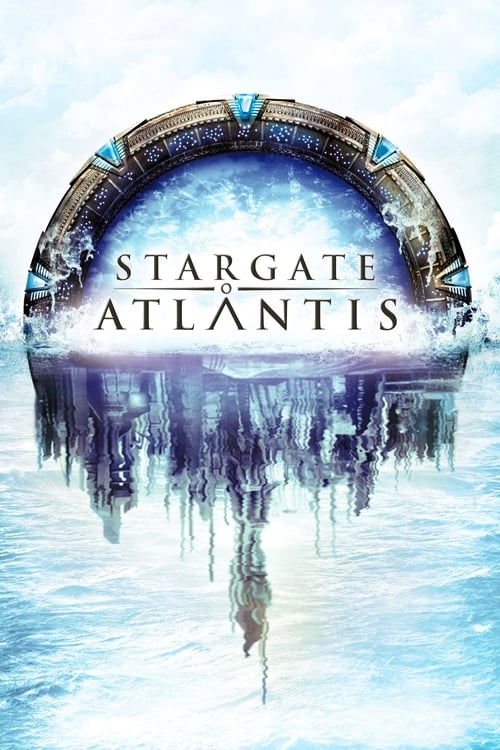
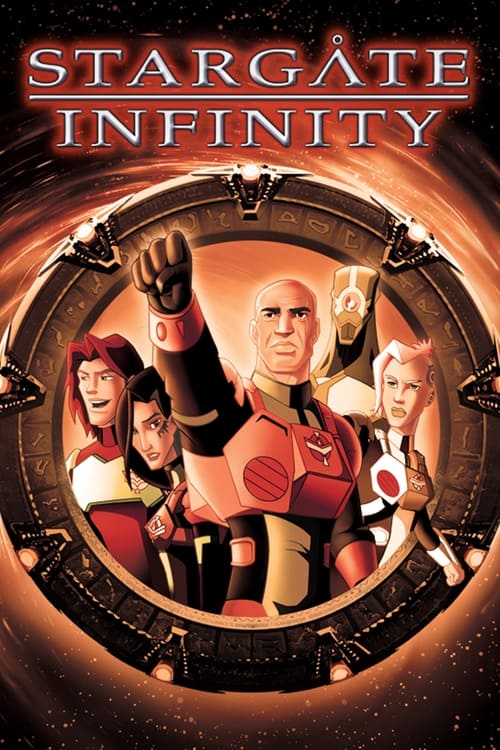
Stargate across the decades
- 1994Original film released theatrically Stargate
- 1997TV series premieres on Showtime Stargate SG-1
- 2002Animated spin-off, aimed at younger audiences Stargate Infinity
- 2004First live-action spin-off series launches Stargate Atlantis
- 2007SG-1 concludes after ten seasons Stargate SG-1
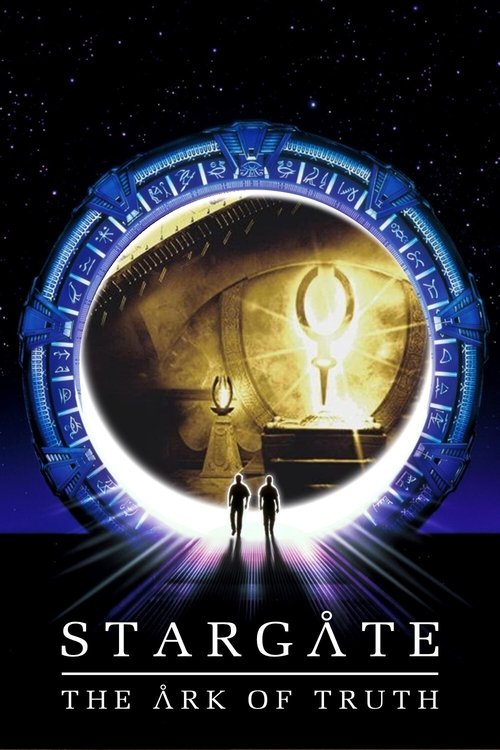
- 2008Direct-to-video film wraps the Ori arc Stargate: The Ark of Truth
- 2008Second DTV film, a time-travel story Stargate: Continuum
- 2009Grittier third series premieres on Syfy Stargate Universe
- 2011Universe cancelled after two seasons Stargate Universe
- 2013Mobile episodic game released
- 2024Real-time tactics game set during the Battle of Antarctica
The definitive version: Stargate SG-1 seasons 1 to 8
The movie is a fun B-movie spectacle, but the show is where the mythology was actually built. The first eight seasons, with the original cast of Richard Dean Anderson, Amanda Tapping, Christopher Judge, and Michael Shanks, establish the Goa'uld as a sustained antagonist threat, develop a genuinely warm ensemble dynamic, and balance standalone adventure with serialized lore. Season 8 provides a satisfying conclusion to that arc. The Ori storyline in seasons 9 and 10 is competent television, but the earlier run is what people mean when they say they love Stargate.
The underrated one: Stargate Universe
A portion of the existing fanbase rejected Stargate Universe for being darker and more character-driven than its predecessors, closer in tone to the reimagined Battlestar Galactica than to the lighter SG-1. That turned out to be its best quality. Stranding a fractious civilian-military crew on an ancient ship called Destiny, with no way home and limited resources, gave the writers real dramatic stakes. It was cancelled before it could resolve its story, which stings, but the two seasons that exist hold up as genuinely ambitious science fiction.
The one to skip: Stargate Infinity
The animated series from 2002 was made primarily as a Saturday-morning action cartoon for children and carries no continuity with the live-action shows. Brad Wright, who created SG-1, has stated it should not be considered part of the main canon. The character designs, storytelling, and tone bear so little relation to the franchise that it reads as a licensed property in name only. Even committed Stargate fans rarely feel compelled to return to it. Not offensively bad, but it offers nothing for anyone who cares about the mythology.
If you love the mythology: ancient civilisations hiding advanced secrets
Stories where the past is more technologically extraordinary than anyone suspected

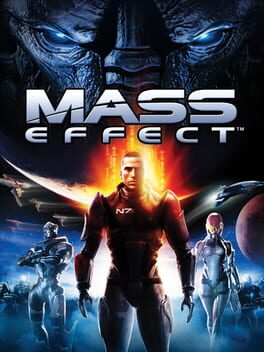
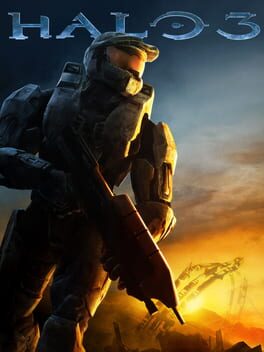
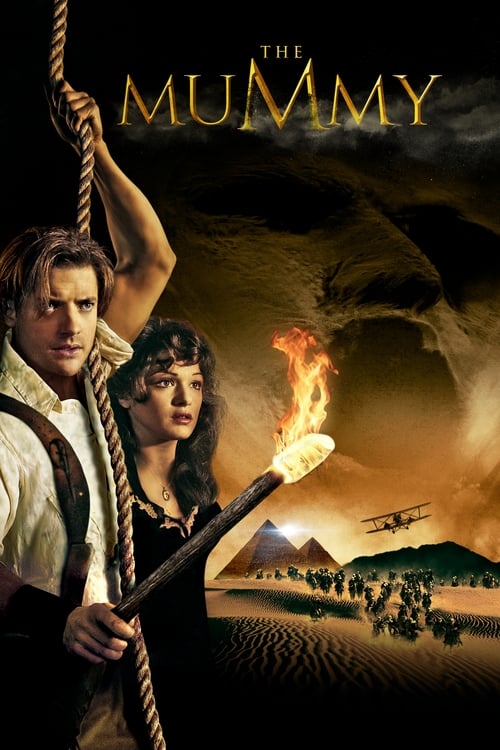
If you love the team: ensemble military sci-fi
A small group of specialists against impossible odds, week after week
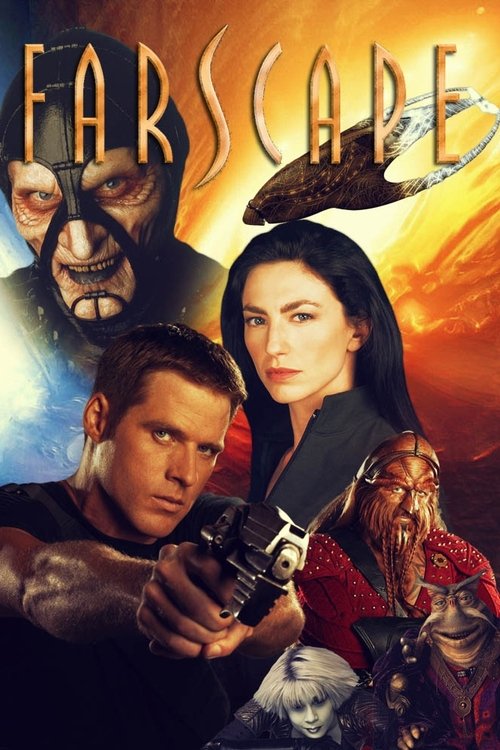
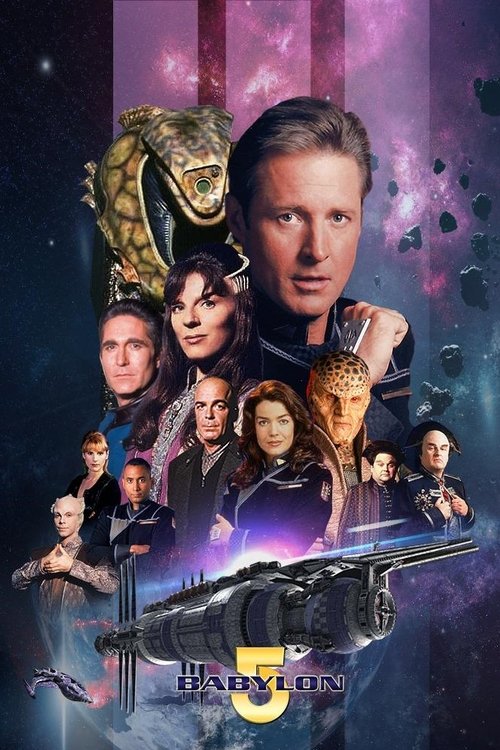
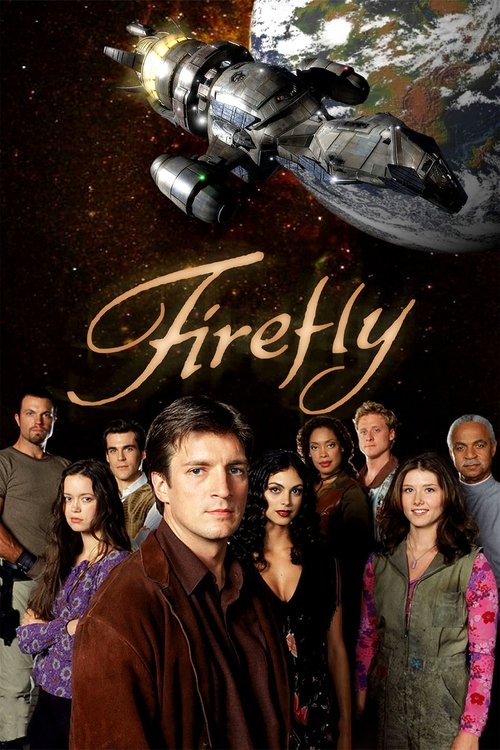
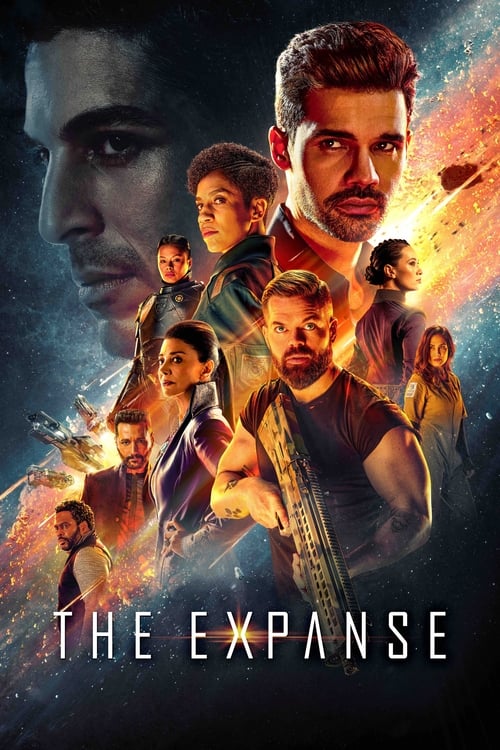
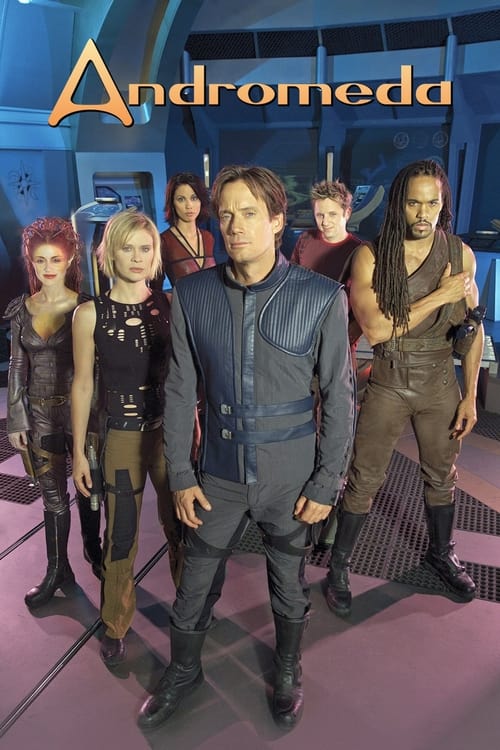
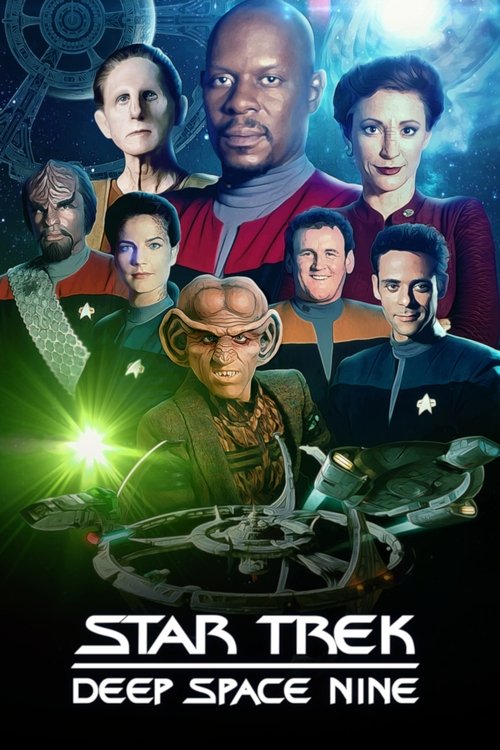

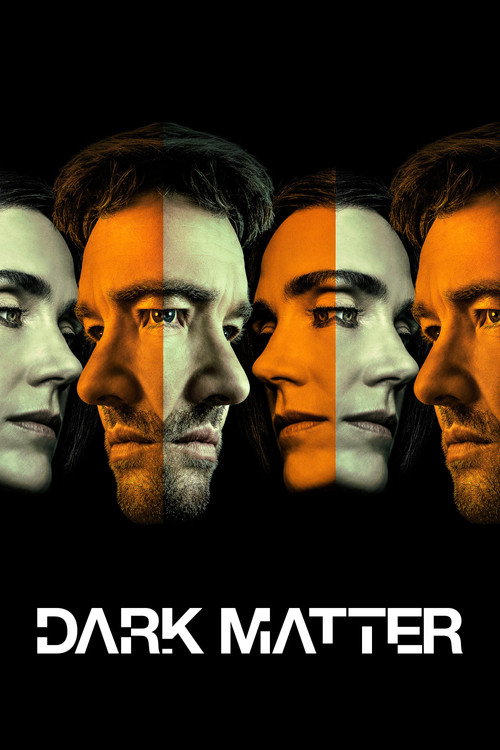
If you love the portal: teleportation and gateway stories
Other stories built around a device or mechanism that connects distant worlds

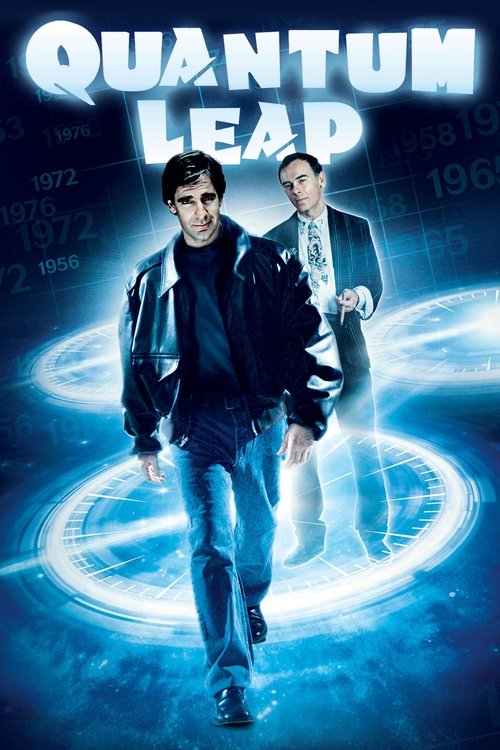

More portals, ancient Egypt and space adventure
For Fans of Farscape
Explore the For Fans of Farscape guide →Ten seasons, two spin-offs, two direct-to-video films, and the gate is still the most elegant science-fiction transportation device ever put on screen: no computer needed, no fuel, just symbols and will.CrossBinge editors