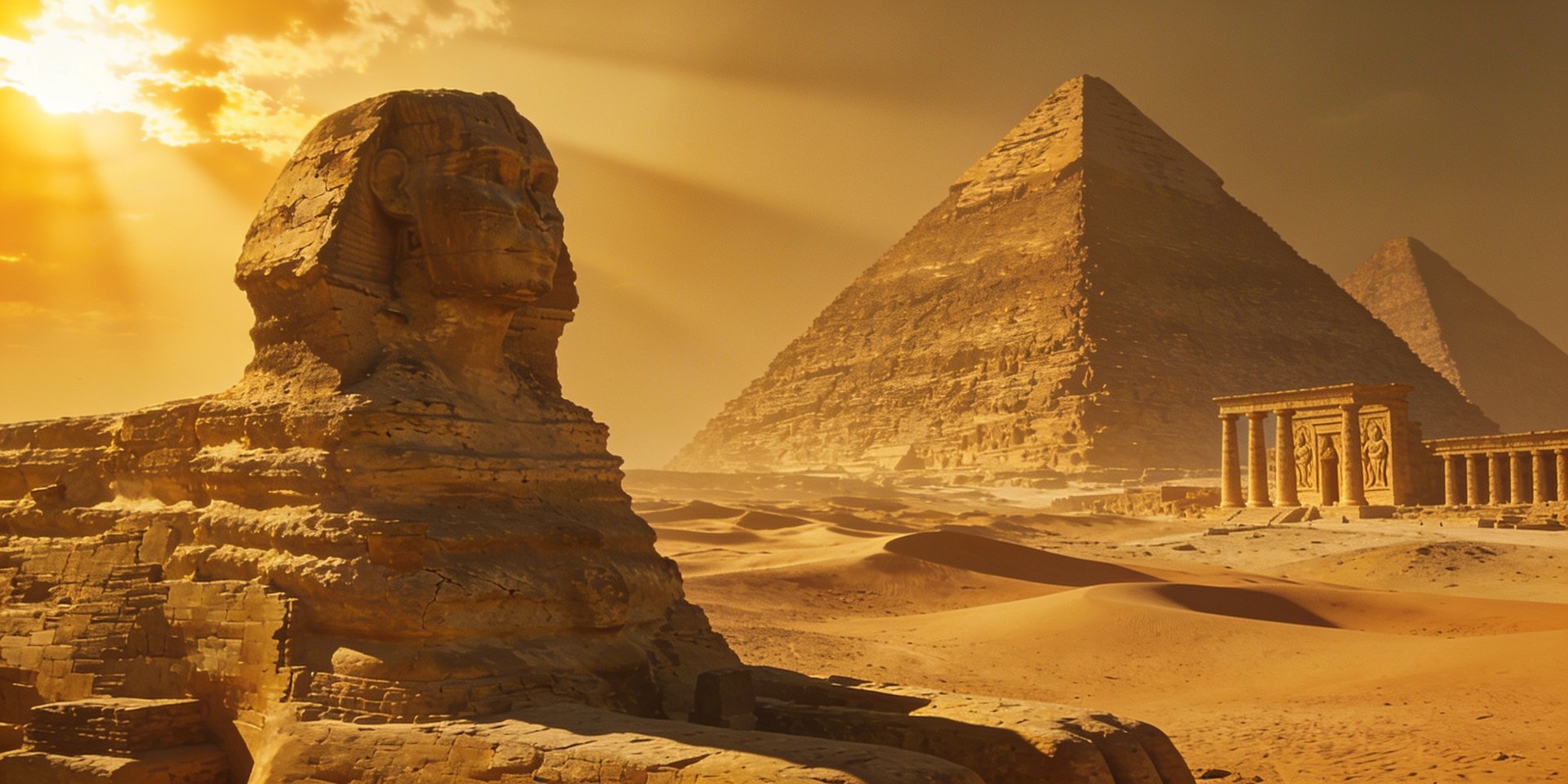

No civilization has gripped the popular imagination like ancient Egypt, and the reason is right there in the tombs: a culture that built its entire monumental genius around the refusal to let death be the end. That obsession comes back to us as romance and as horror, the golden mask and the shambling mummy, the wise pharaoh and the vengeful curse, and the genre swings freely between awe and dread.
Whether it is biblical epic, pulp adventure or open-world history, Egypt offers a setting almost too rich to fail: sand and gold, gods with the heads of beasts, and three thousand years of stories waiting under the dunes.
Essential Ancient Egypt
Pharaohs, pyramids, mummies and gods across film, TV, games and books.
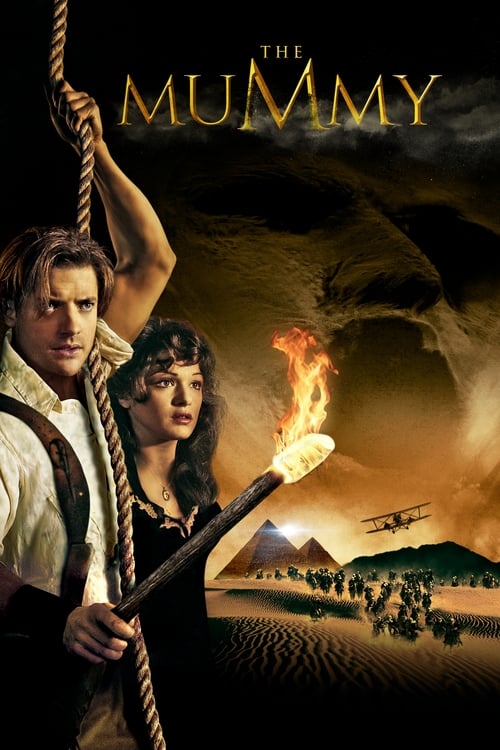
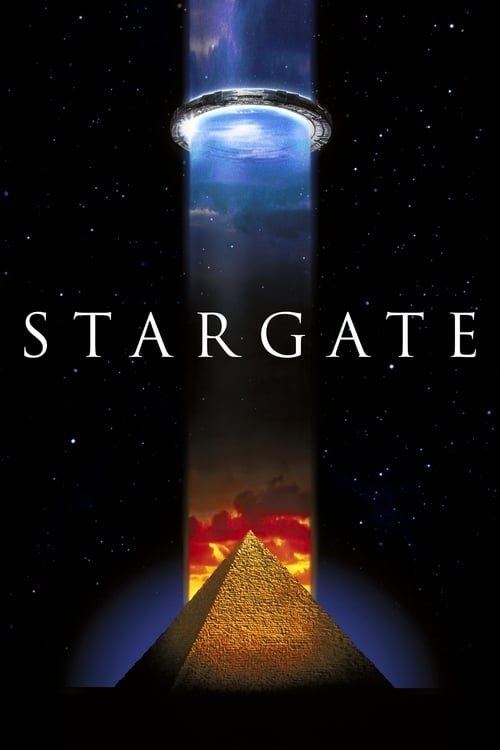
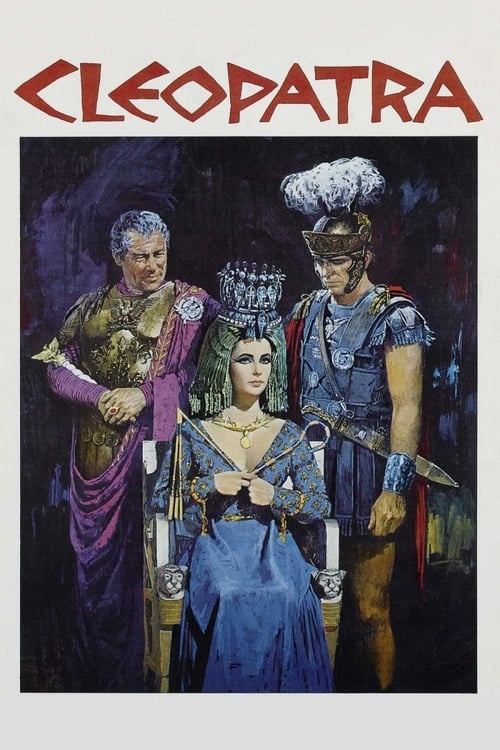

Built around the refusal to die
Every Egypt story is, secretly, a story about death and what we do to outrun it. The mummy genre literalizes it, dragging the preserved dead back to life, while the great epics are obsessed with legacy, the tomb and the throne that outlast the man. The pyramids are the original monument to wanting more time.
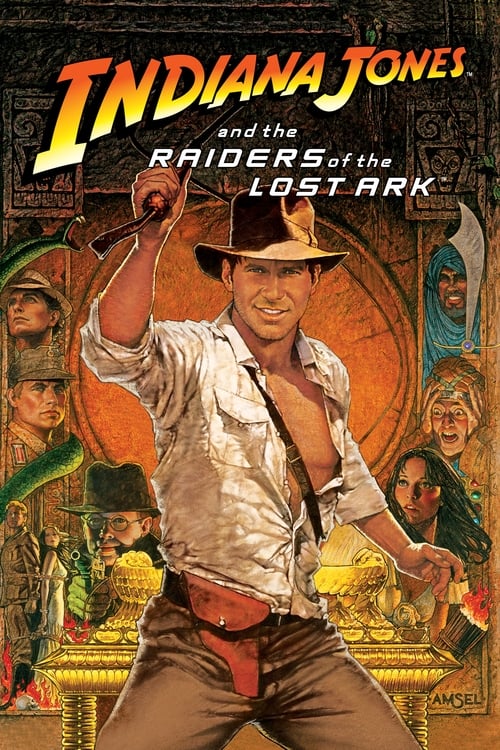
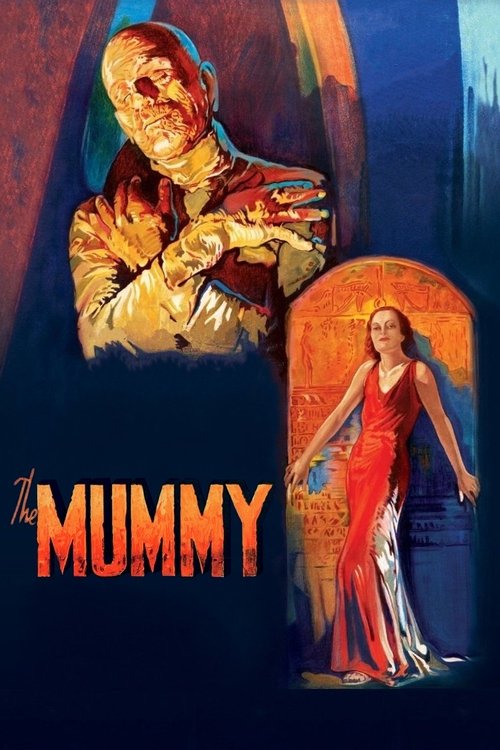
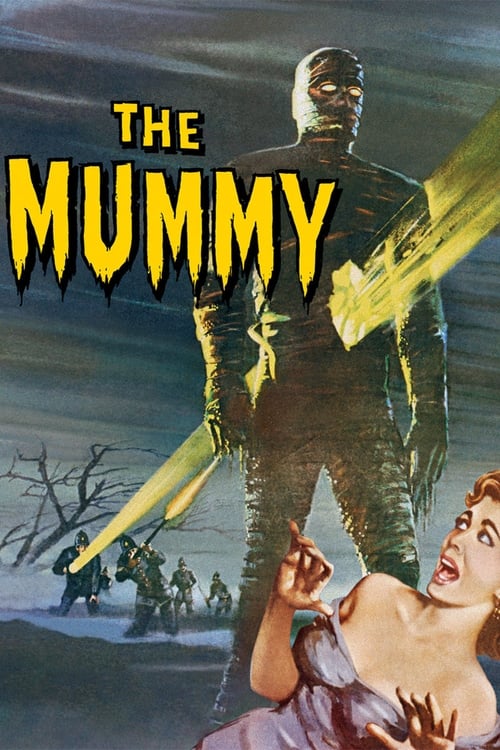
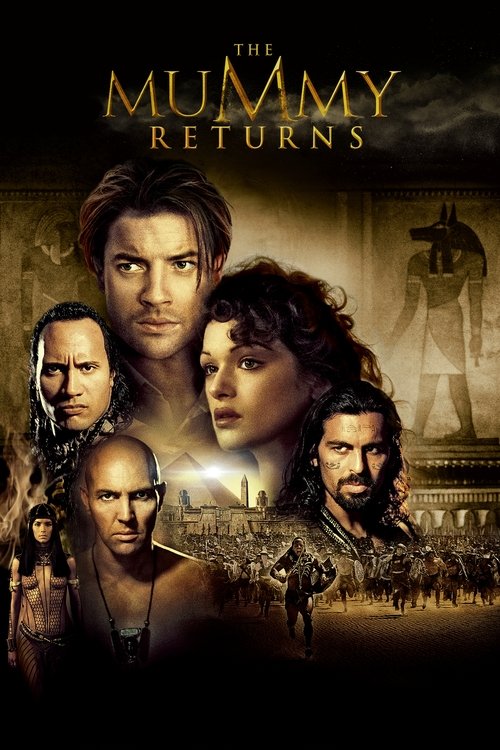
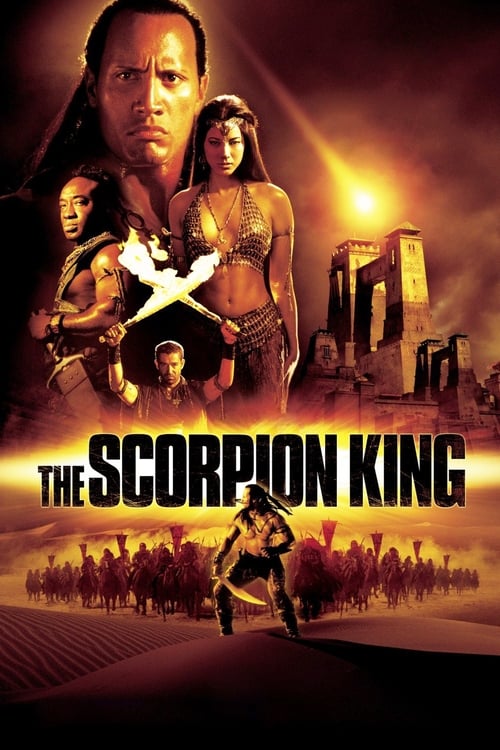
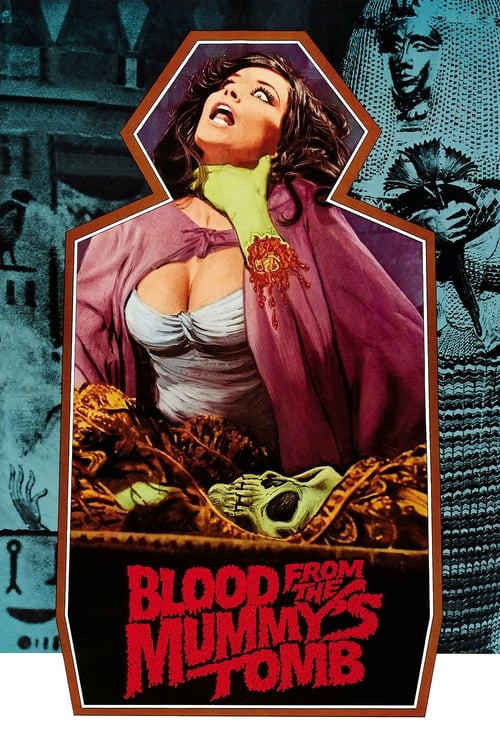
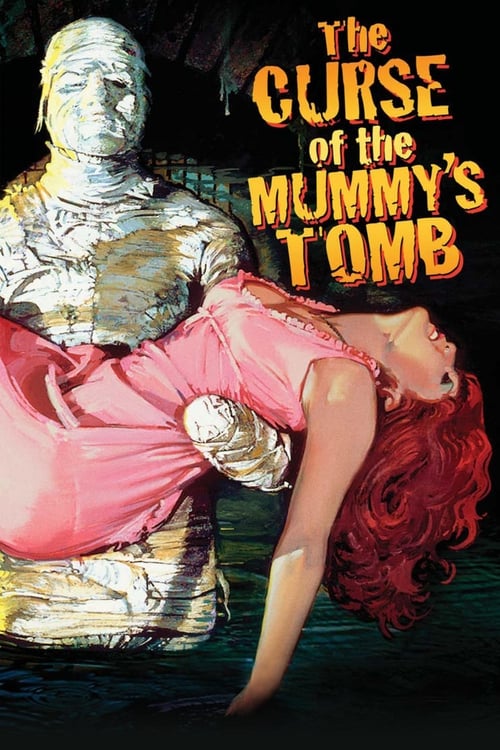
Mummies, curses and tombs
Bandages, sarcophagi and things that should have stayed buried.

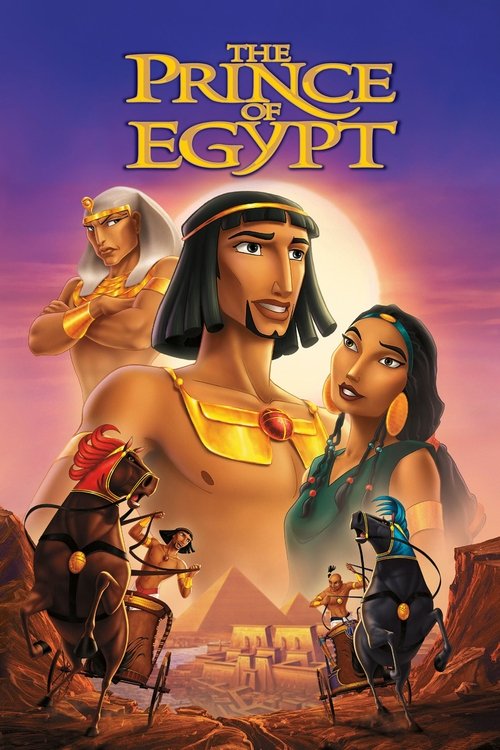
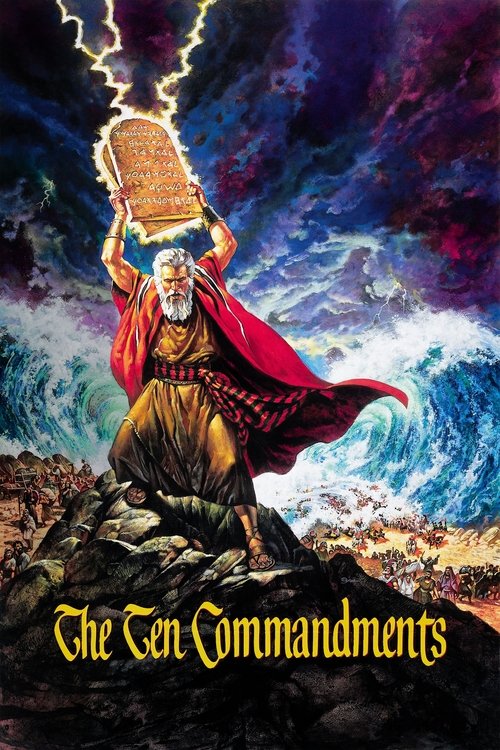
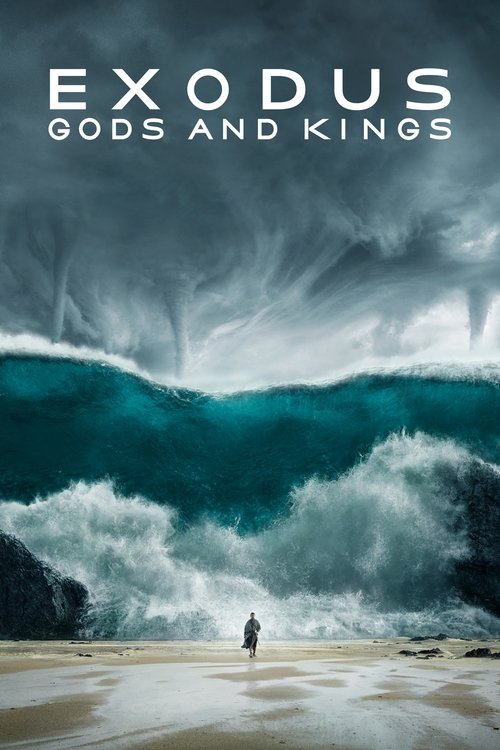
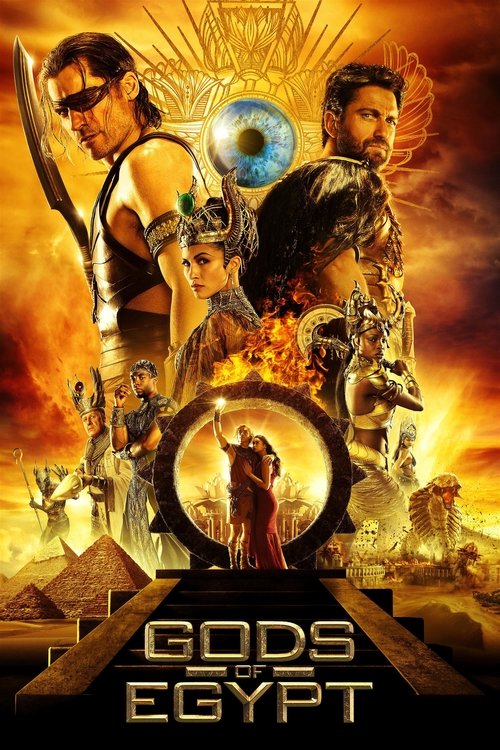
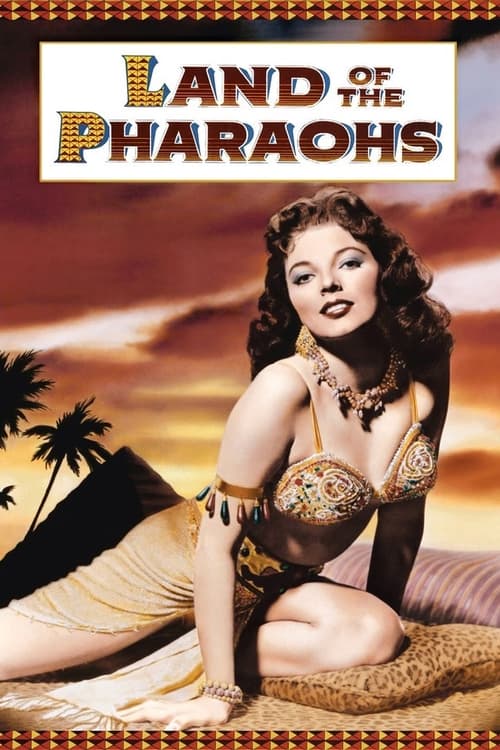
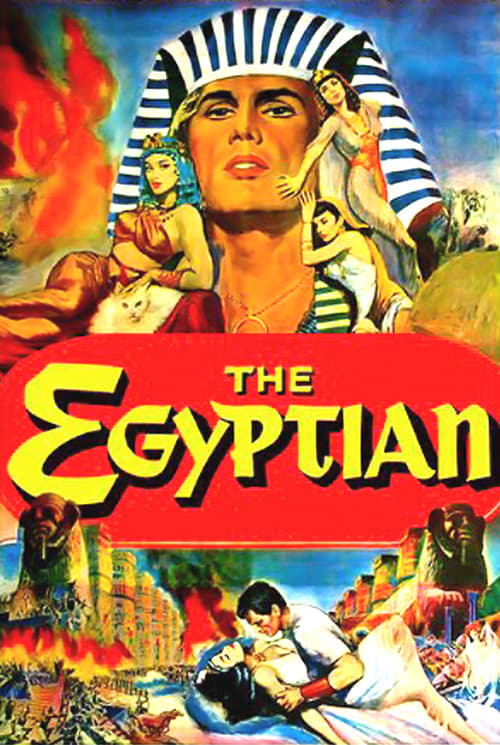
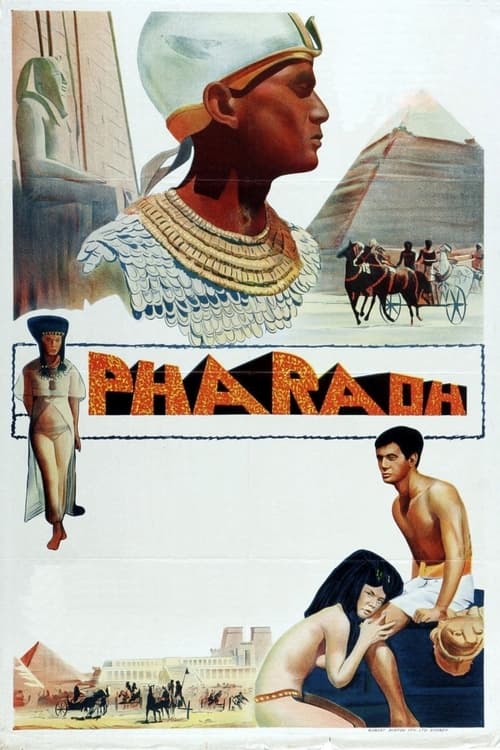
Pharaohs, gods and the Exodus
Thrones, plagues and the old gods of the Nile, on the big screen.
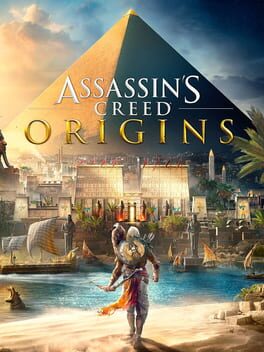
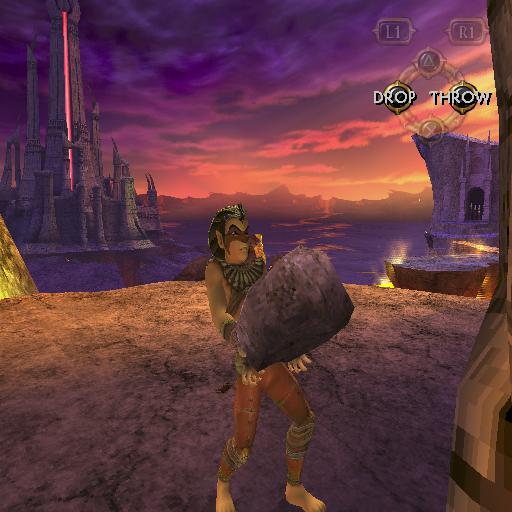
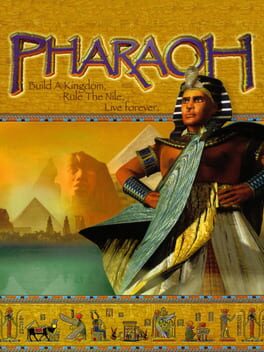
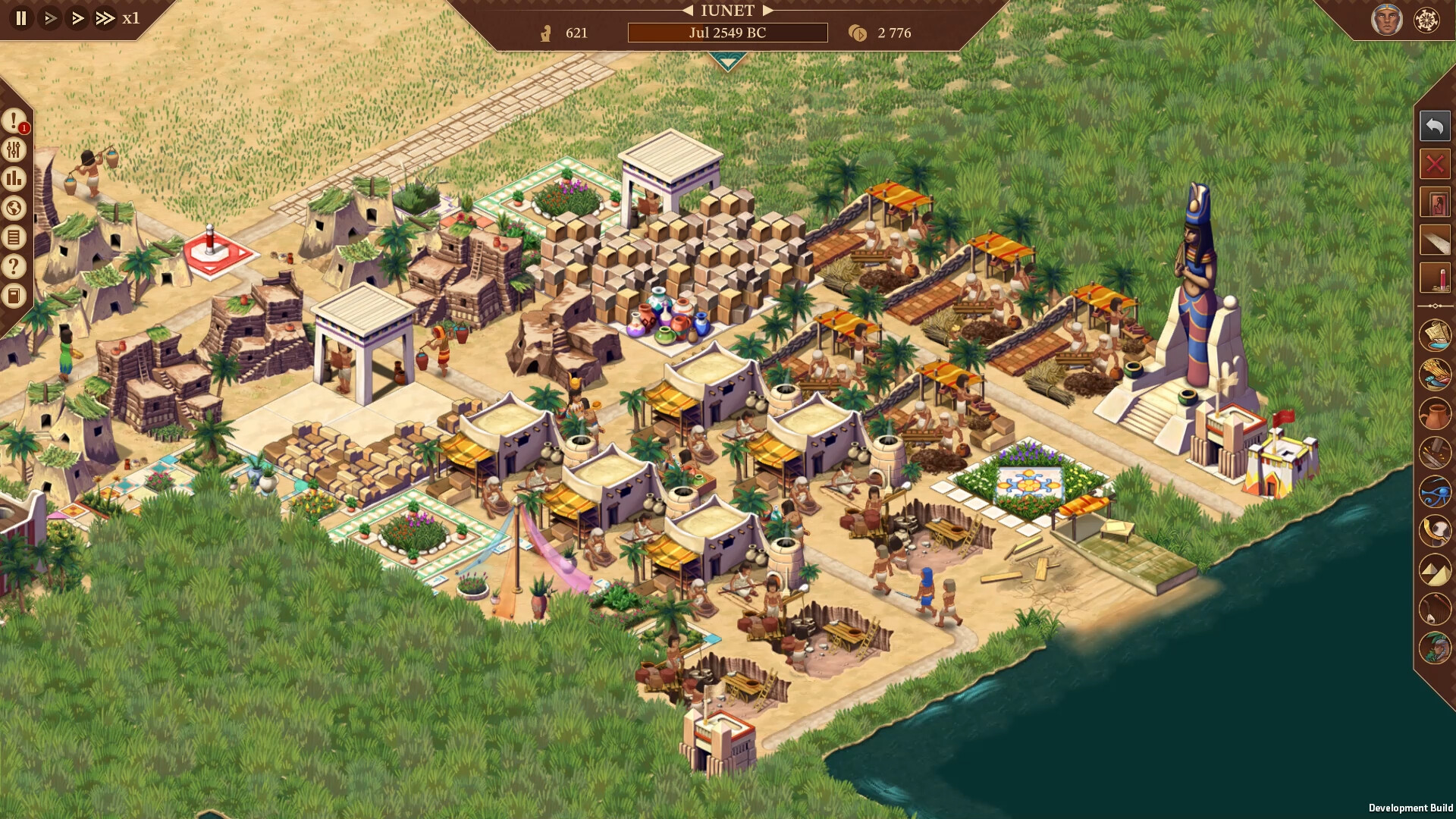
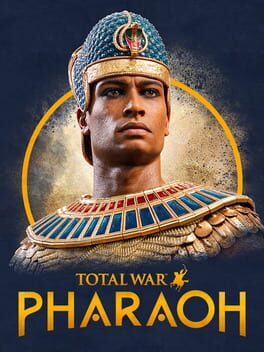
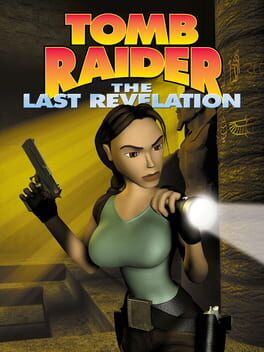
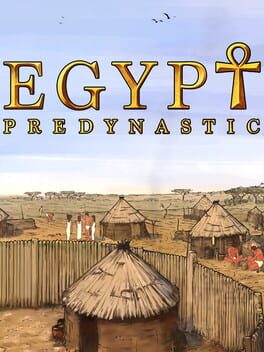
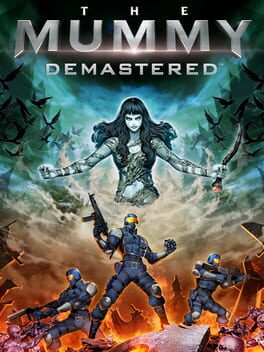
Games turned the Nile into a playground, letting you build a kingdom brick by brick or ride through a meticulously reconstructed Egypt raiding the tombs yourself.
Walk the Nile
Build the kingdom or raid the tombs, controller in hand.
Egypt on the page
Tomb mysteries, pharaohs' courts and curses you can read by the Nile.


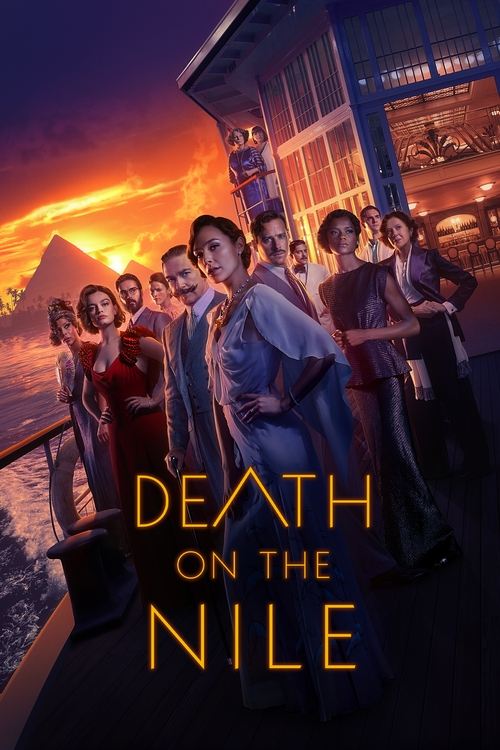
And it is a rich shelf on the page, from Agatha Christie's sun-baked mystery to the long-running tomb-and-curse adventures set among the digs and the dunes.
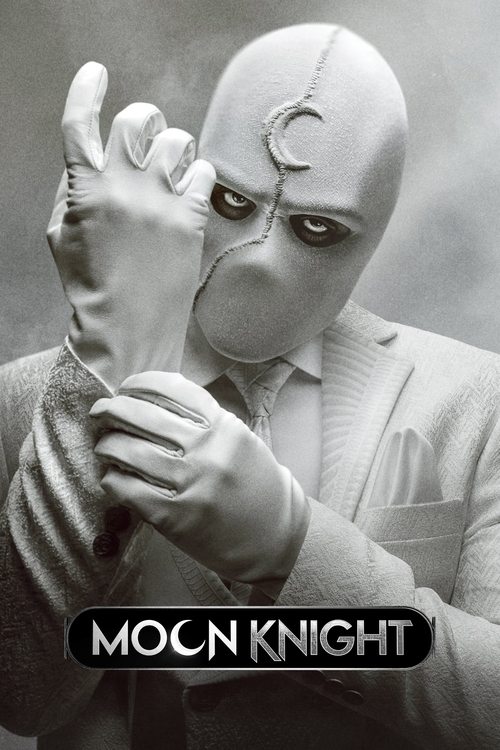
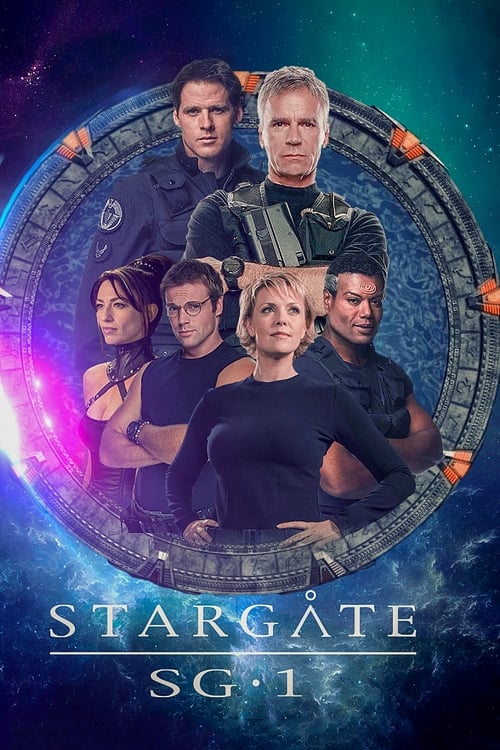
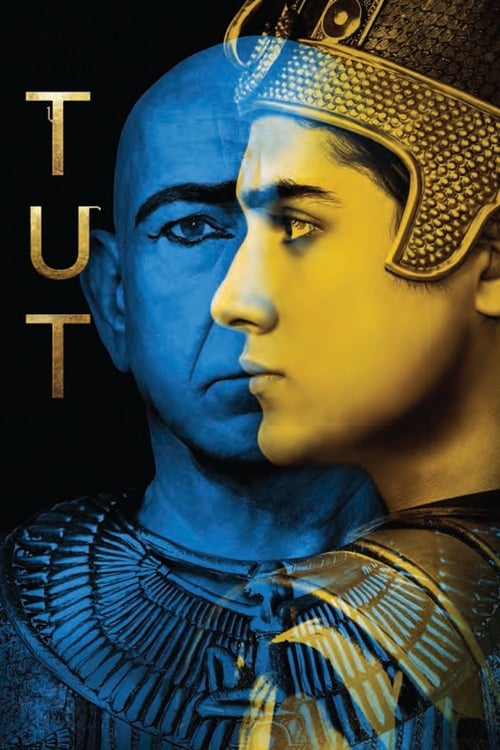
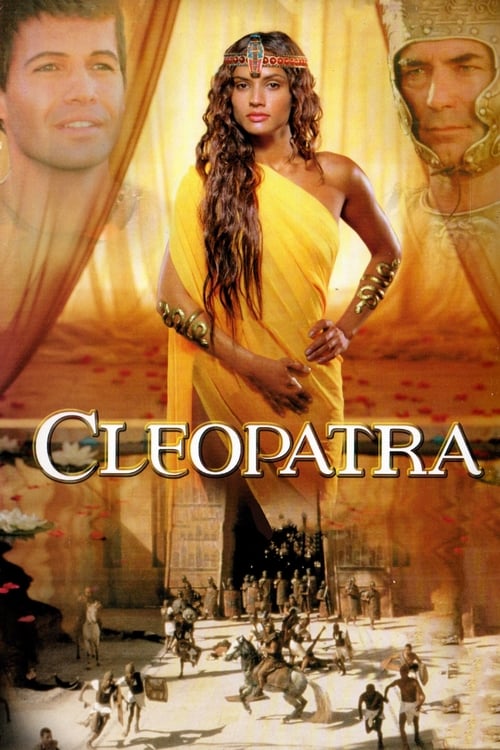
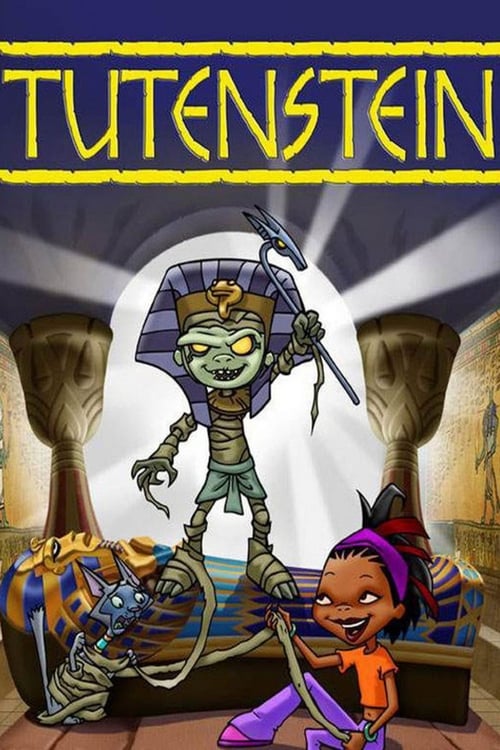
Egypt on screen, episode by episode
Boy-kings, moonlit avatars and gate-hopping soldiers in series form.
More ancient worlds and buried gods
Mummies & Ancient Curses
Explore the Mummies & Ancient Curses guide →Egypt grips us because it built a whole civilization around cheating death, and every story we set there is really asking whether it worked.