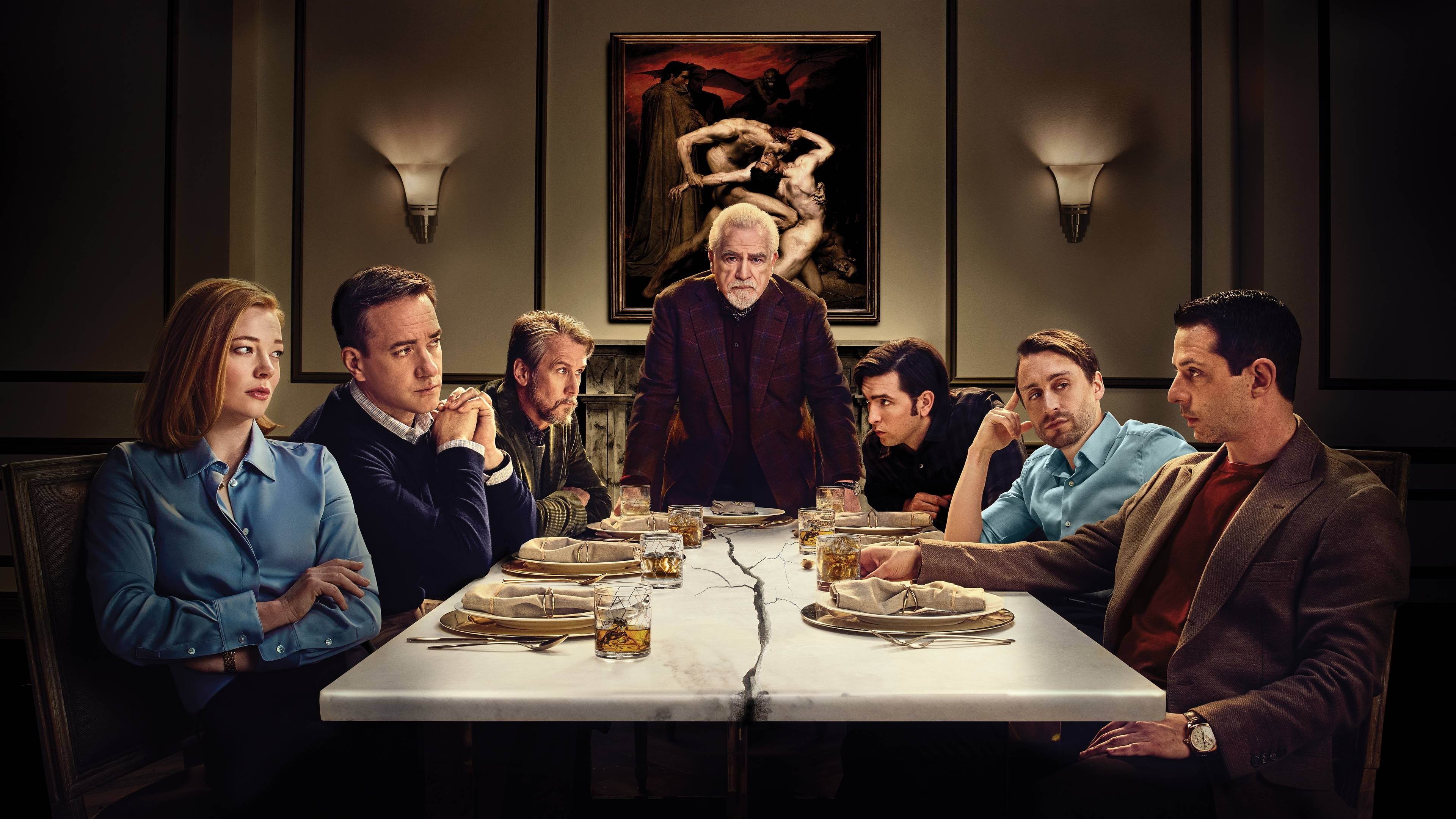

From the page to the screen, and not much further
Thank You for Smoking began as a satirical novel by Christopher Buckley, published in 1994. Buckley, a speechwriter turned political humorist, built his story around Nick Naylor, a chief spokesman for Big Tobacco who is so skilled at rhetorical judo that he can defend the indefensible on live television and sleep soundly afterward. The novel is a comedy of bad faith, a portrait of Washington's spin industry told from the inside, and it arrived at exactly the right cultural moment, just as tobacco litigation was becoming a national spectacle.
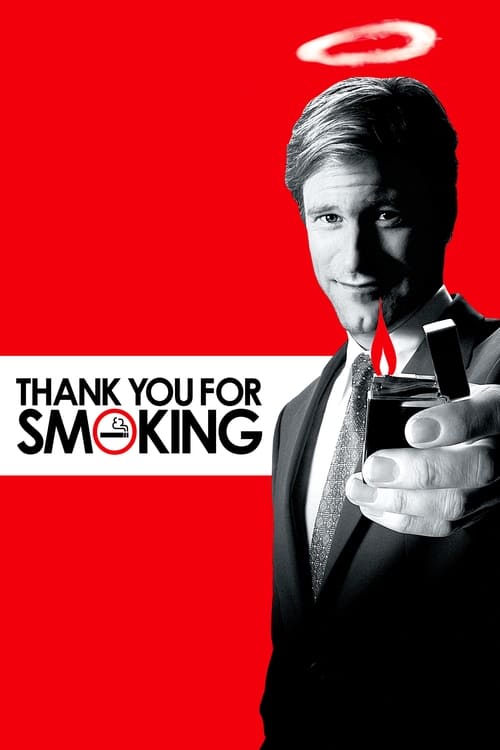
Jason Reitman adapted the novel into his feature debut in 2005, premiering at the Toronto International Film Festival before a wide release in 2006. Reitman kept Buckley's core conceit intact and found in Aaron Eckhart a performer genuinely suited to playing a man who believes, with disarming sincerity, that his job is noble. No television series, stage adaptation, or other major version followed. The novel and the film are the two versions of this story that exist, and the film is good enough that the absence of further adaptations is no great loss.
The Thank You for Smoking Timeline
- 1994Christopher Buckley publishes the novel Thank you for smoking
- 2005Jason Reitman's film premieres at Toronto Thank You for Smoking
- 2006Film opens wide in the United States Thank You for Smoking
The genius of the premise is that Nick Naylor never lies. He just never tells the truth either.The central joke of Buckley's novel, preserved intact in Reitman's film
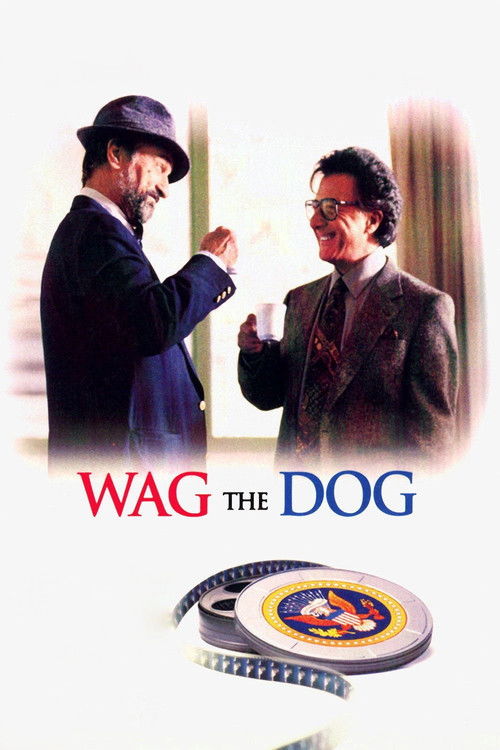
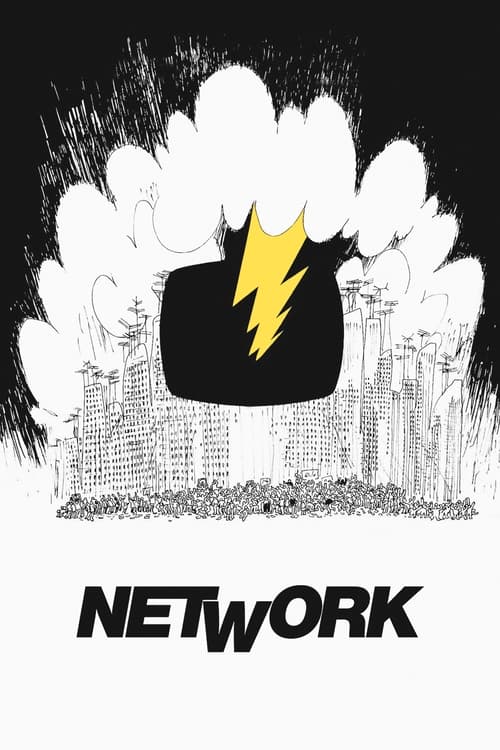
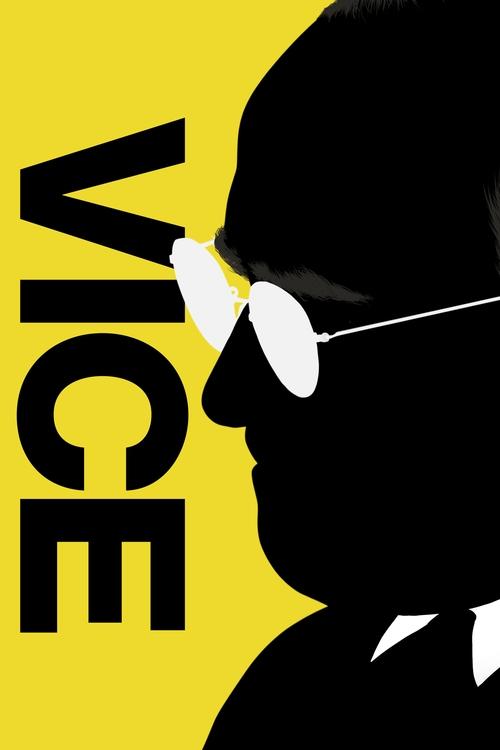
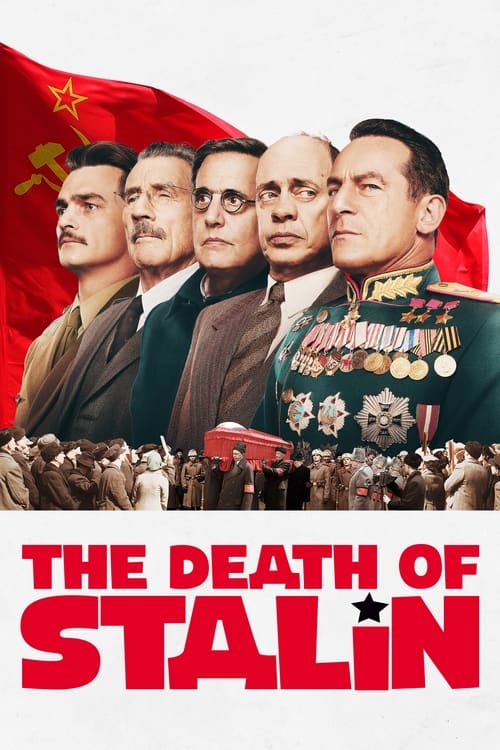
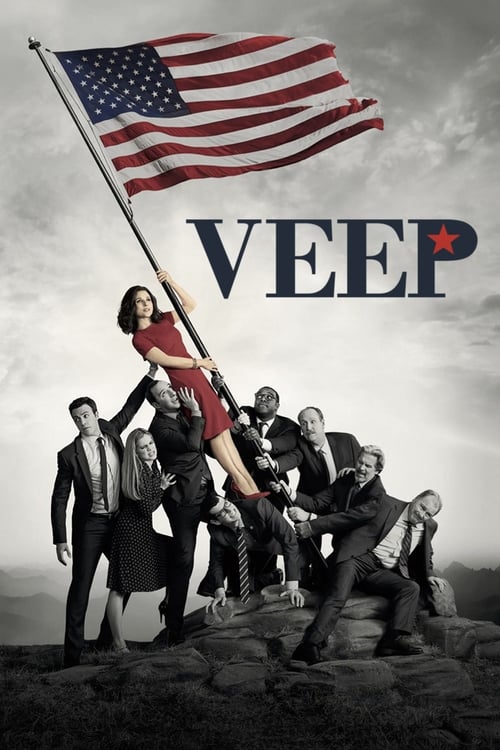
If You Love the Spin: Corporate and Political Satire
Films and television about people paid to make the bad look good
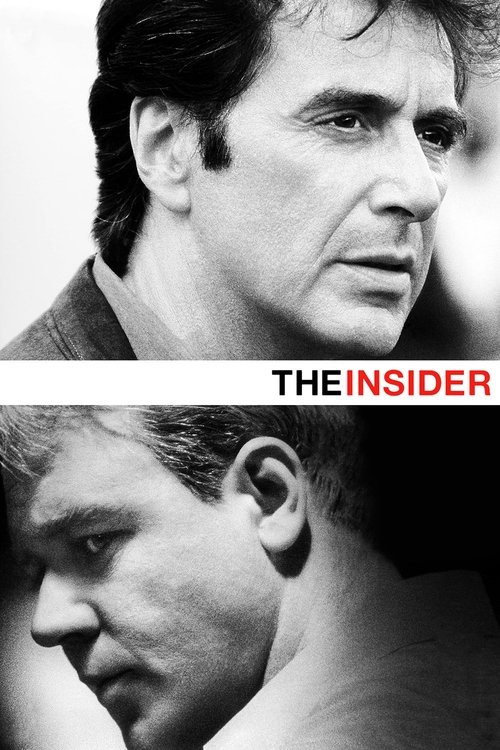
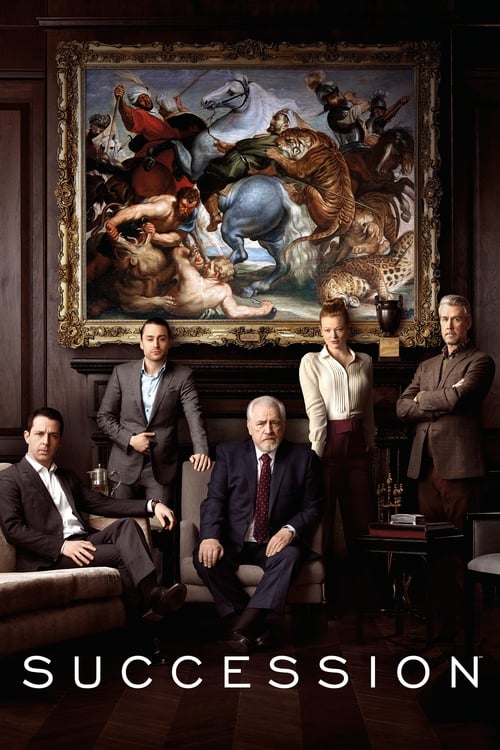

If You Love the Anti-Hero Who Is Very Good at a Bad Job
Protagonists whose competence is the problem
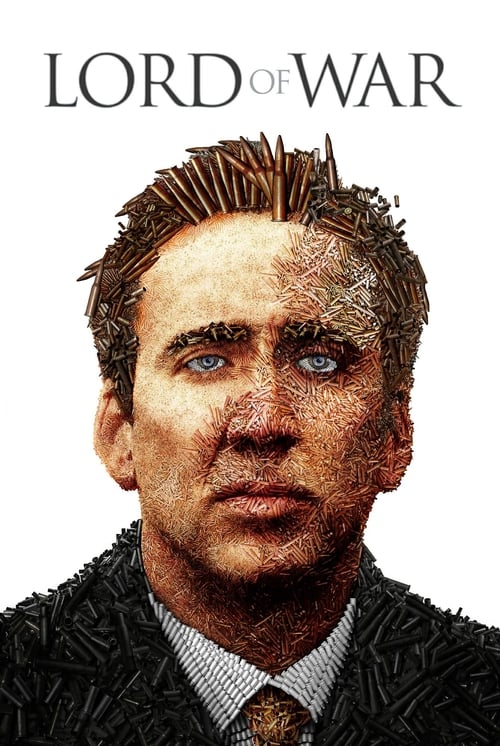

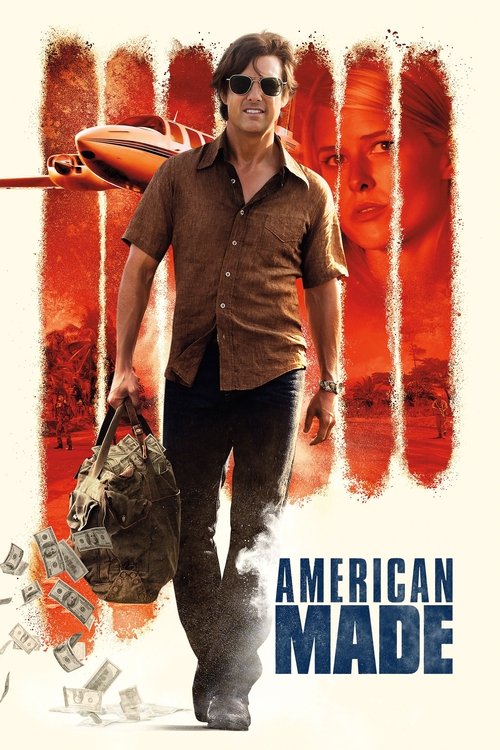
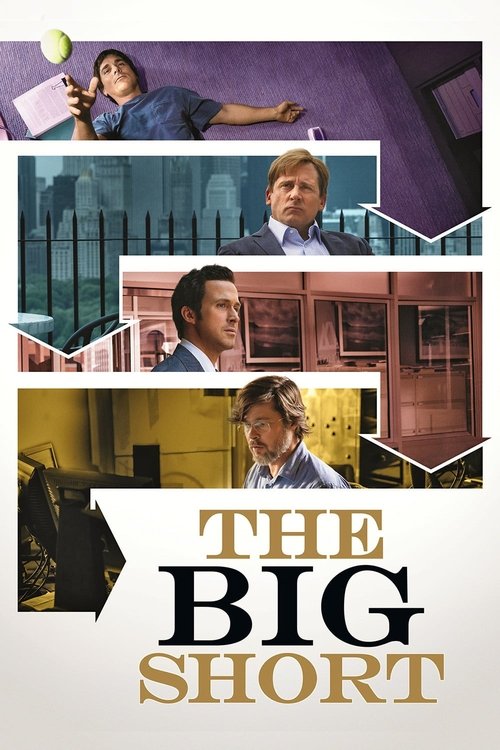
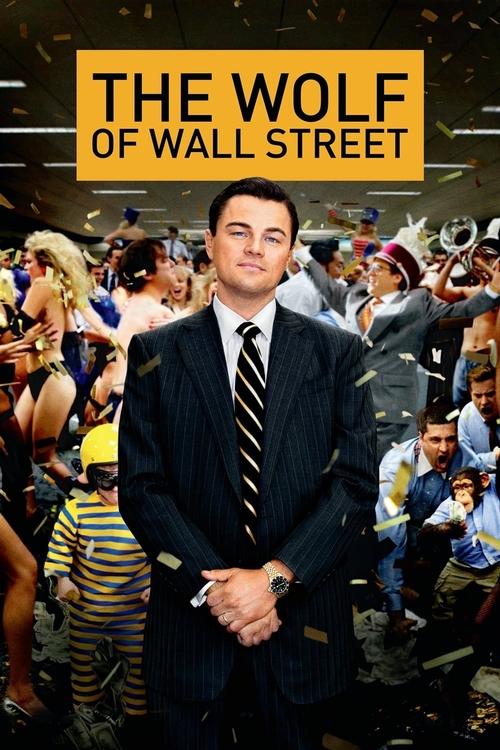
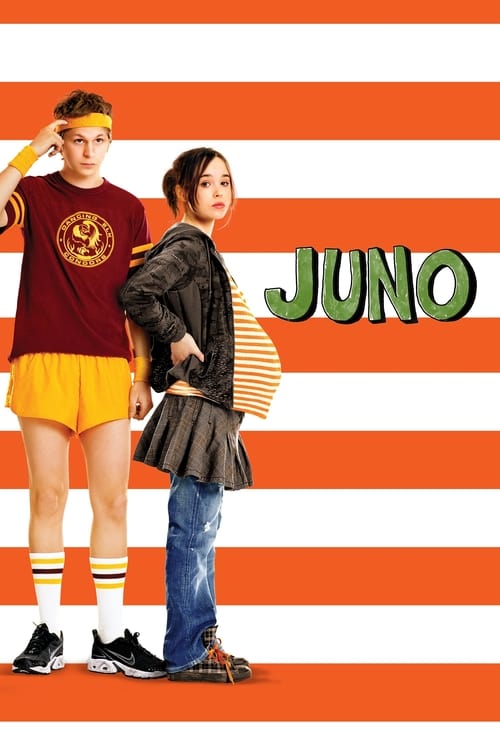
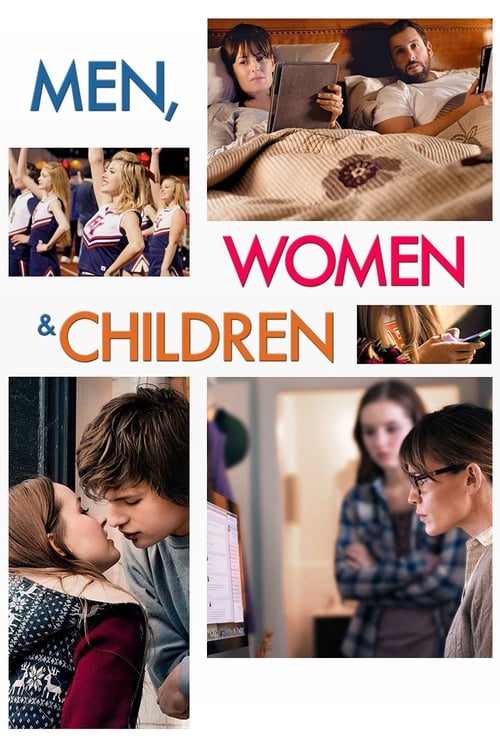
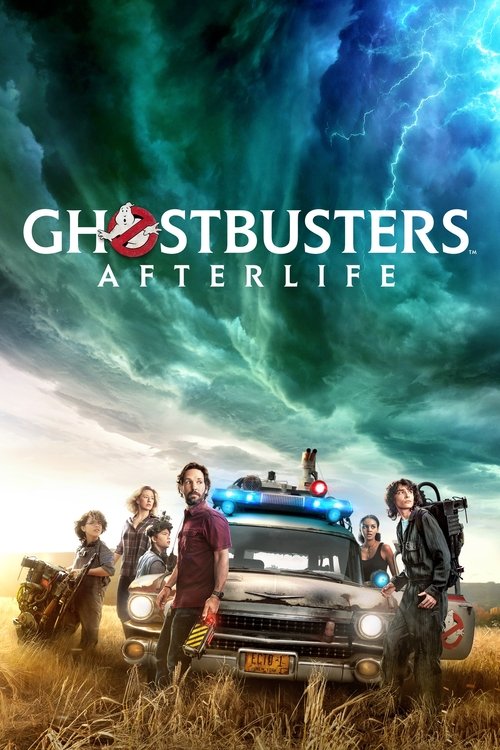
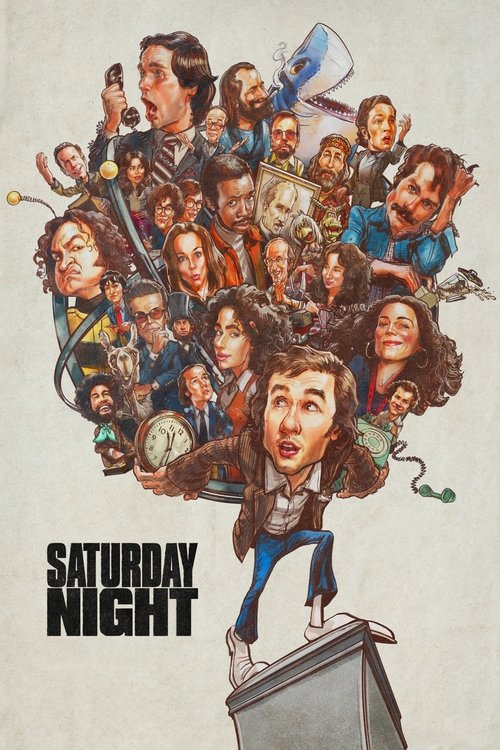
If You Love Jason Reitman
The director's wider filmography follows sharp, morally complicated characters

The film is the definitive version
Jason Reitman's film improves on the novel in at least one important way: Aaron Eckhart's physical performance makes Nick Naylor's charm legible in a way prose can only approximate. The movie is tightly constructed, consistently funny, and never loses the satirical thread even when it indulges in Hollywood-friendly sentiment near the end. If you only experience one version of this story, make it the 2006 film.
The novel earns its own read
Buckley's source novel has a sharper, more relentless quality than the film. The Washington satire cuts deeper in prose, partly because Buckley lived inside that world, and partly because the novel has no obligation to make Nick remotely sympathetic. Readers who enjoyed the film will find the book rewards a revisit, particularly for the congressional hearing scenes the film condenses and the darker close the novel permits itself.

A limited series is the obvious next version
A limited series would suit this material well. The novel's episodic structure, Nick cycling through crises with senators, journalists, and his own son, maps naturally onto a prestige-television format, and the Buckley-adjacent tradition of Washington satire has thrived on television in the years since the film. The absence of a series adaptation is a genuine gap, not a creative judgment. The book already does the structural work.