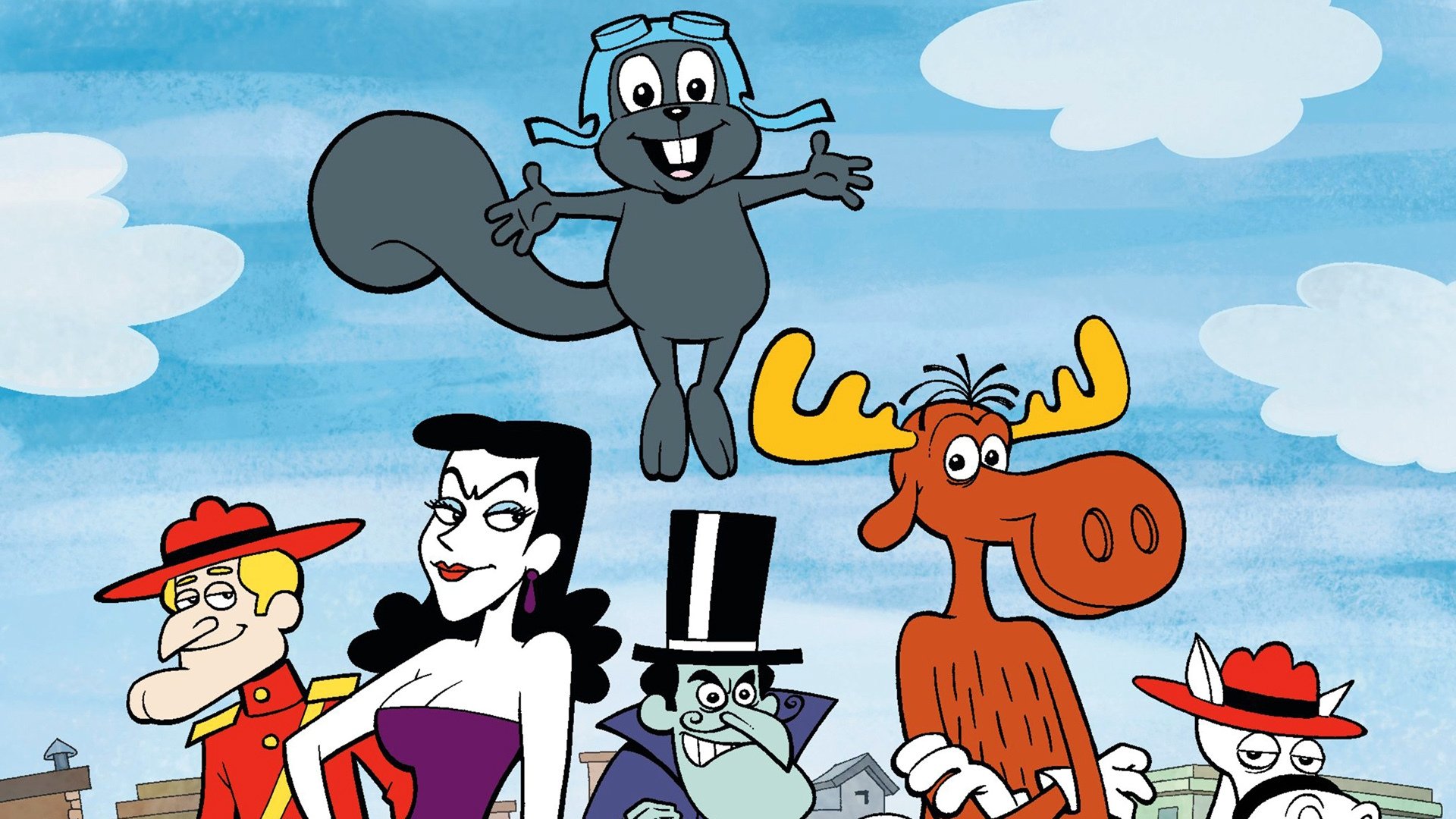

The Moose and Squirrel, Sixty-Five Years Running
There was no source novel, no comic strip prequel, no stage play that spawned Bullwinkle J. Moose and Rocket "Rocky" Squirrel. Jay Ward and writer Bill Scott invented them from scratch, and their world premiered on ABC on November 19, 1959, under the title Rocky and His Friends. The hook was satirical: Cold War spy parody, wordplay thick enough to embarrass a Borscht Belt comedian, and a pair of Soviet villains, Boris Badenov and Natasha Fatale, who were less menacing than they were magnificently incompetent. The show moved to NBC in 1961 and was renamed The Bullwinkle Show, elevating the moose to marquee billing. Ward and Scott never had a prestige budget, and they leaned into that limitation, building the comedy around the writing rather than the animation. The result was a show that talked to parents over the heads of children for five seasons.
The franchise traveled unevenly after that. Reruns kept the characters in public consciousness through the 1960s and 1970s. A live-action cable film built around Boris and Natasha arrived in 1992. A theatrical feature mixing live action with CGI followed in 2000. A full animated reboot debuted on Amazon Prime in 2018. Along the way there were video games, merchandise, and a long-running presence in Universal theme parks. The satire aged well. The spin-off attempts mostly did not.
Every Version of Rocky and Bullwinkle
The original series, its successor, the films, the reboot, and the games
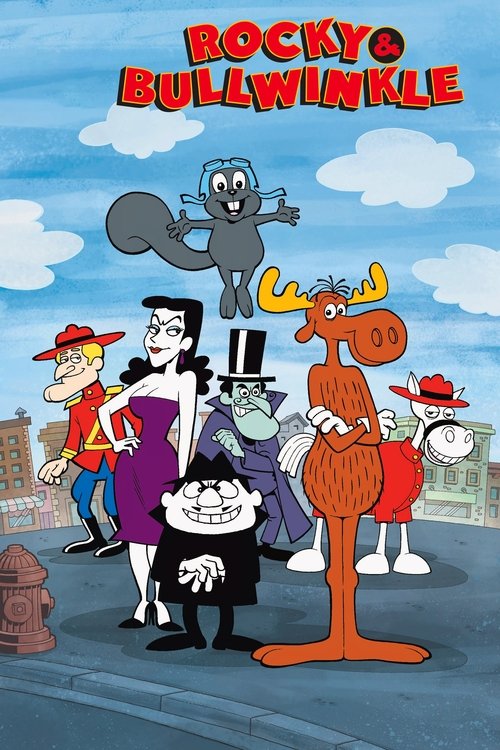
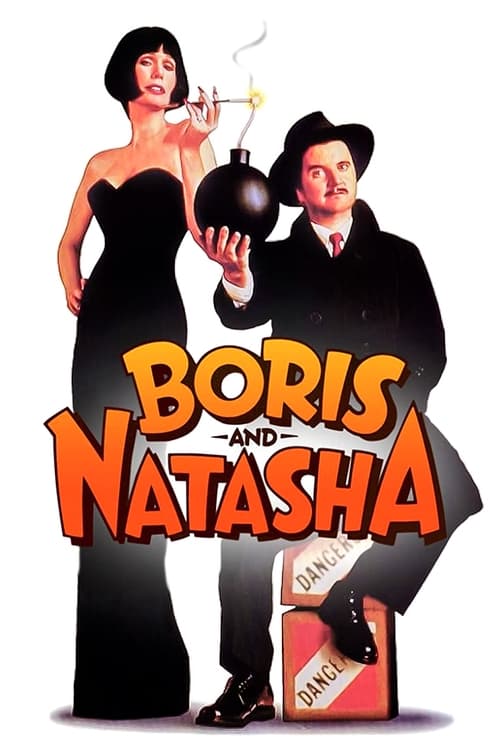
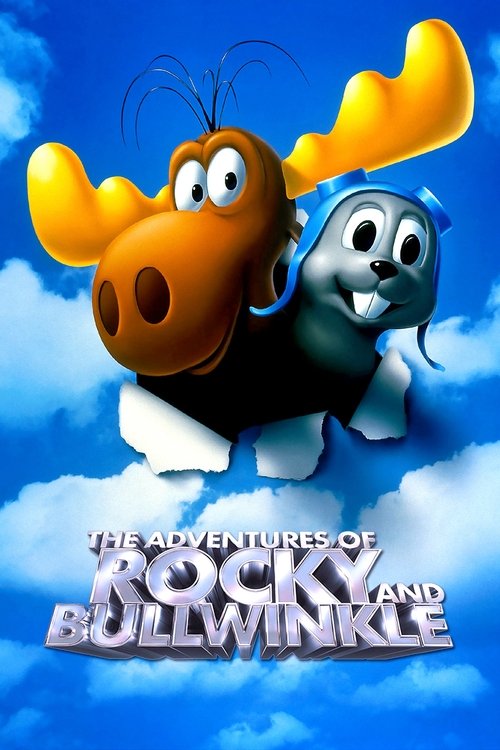
Rocky and Bullwinkle Through the Decades
- 1959Rocky and His Friends premieres on ABC
- 1961Rebranded as The Bullwinkle Show on NBC The Bullwinkle Show
- 1964Original run ends after five seasons; syndicated reruns begin
- 1992Boris and Natasha: The Movie airs on Showtime as a live-action spinoff Boris and Natasha
- 1992Platformer tie-in released for NES, Game Boy, SNES, and Genesis
- 2000Live-action and CGI theatrical feature The Adventures of Rocky & Bullwinkle
- 2000Video game tie-in to the 2000 film released across five platforms
- 2014DreamWorks short film released as a home media special feature
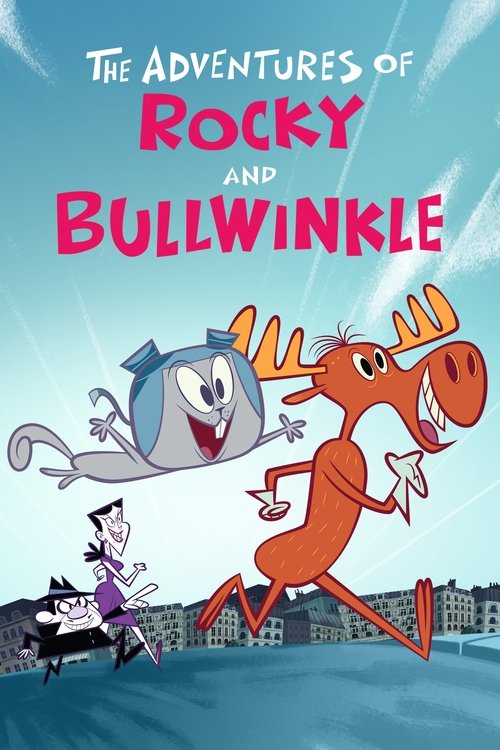
- 2018Animated reboot premieres on Amazon Prime Video The Adventures of Rocky and Bullwinkle
If You Love the Jay Ward Satirical Edge
Animation that treats adults as the real audience

If You Love Boris and Natasha: Cold War Spy Comedy
Bumbling spies, international intrigue played for laughs

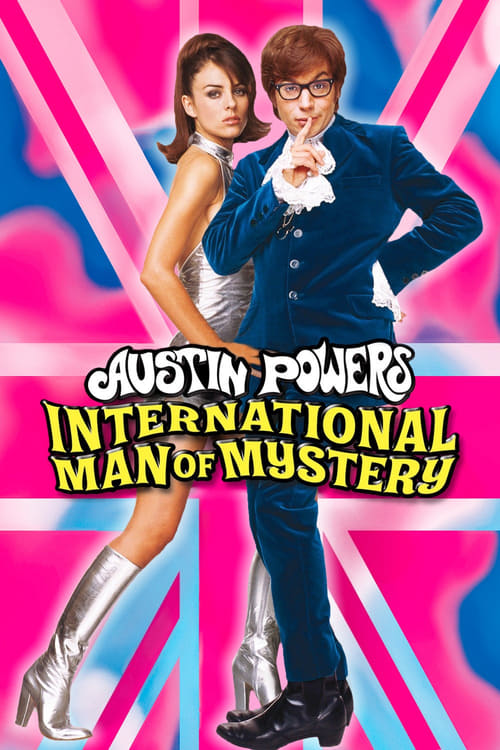
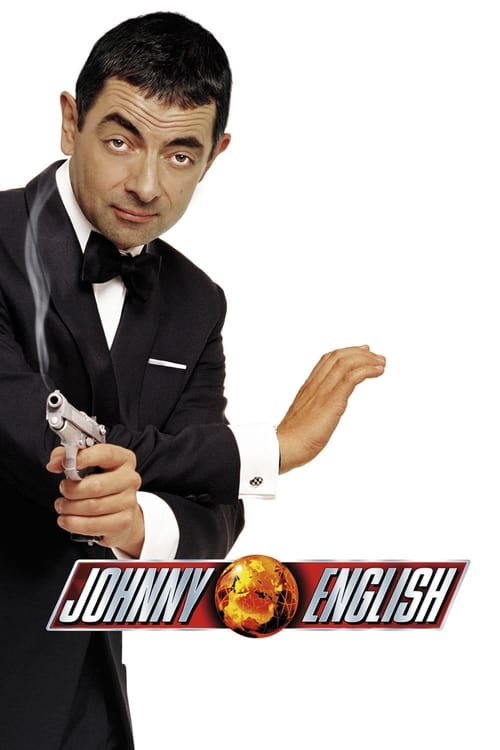


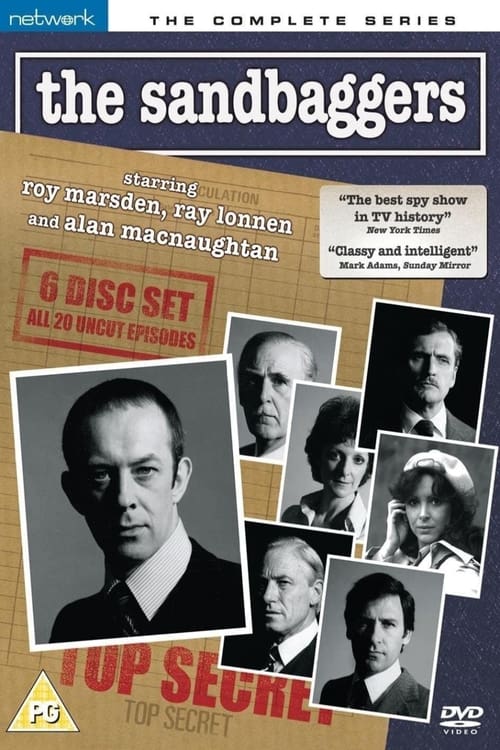
If You Love the Wordplay and Meta-Humor
Stories that wink at the audience and reward re-watching
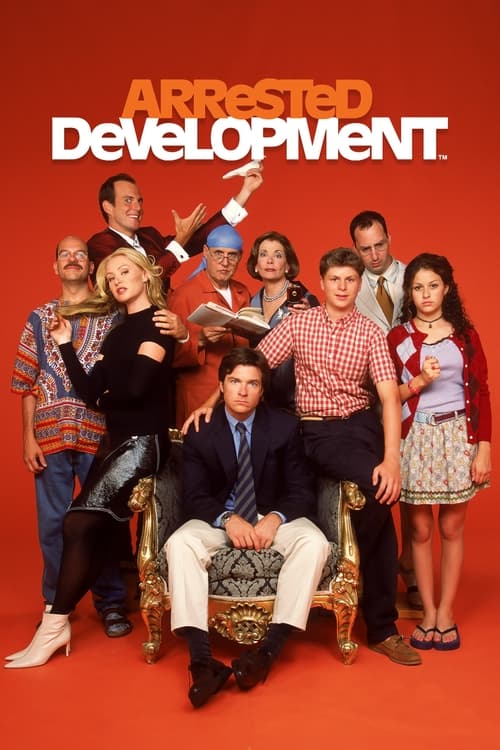


The definitive version is still the original 1959 to 1964 run
The two original series, Rocky and His Friends and The Bullwinkle Show, remain the reason anyone remembers any of this. Bill Scott's writing was genuinely eccentric in ways that later revivals could not replicate: the puns were groan-worthy by design, the Cold War satire was contemporaneous rather than retrospective, and the serial cliffhanger structure with its deliberately terrible punchlines was a formal joke about serialized storytelling itself. Watch the original run and the 2018 reboot back to back. The gap tells you everything.
The 2018 reboot is better than the 2000 film, and that matters
The Amazon Adventures of Rocky and Bullwinkle revival was dismissed partly because it arrived without fanfare and the bar for comparison was the original. That comparison is unfair. Taken on its own terms, it is sharper satirical animation than anyone had reason to expect, with updated targets and a visual style that keeps the flat, deliberately lo-fi aesthetic rather than inflating it into a glossy modern production. It does not approach the original. It is still clearly better than the 2000 film.
The 2000 film is a tonal misfire that is worth watching once
The live-action theatrical feature, directed by Des McAnuff, was not a disaster so much as a show that never found its register. The premise of CGI characters navigating a live-action world had been done better elsewhere. Robert De Niro as Fearless Leader is a fully committed performance in a film that does not know what to do with it. Worth watching once to understand why the franchise went back to pure animation.