

The Man Who Helps People Who Have Nowhere Else to Turn
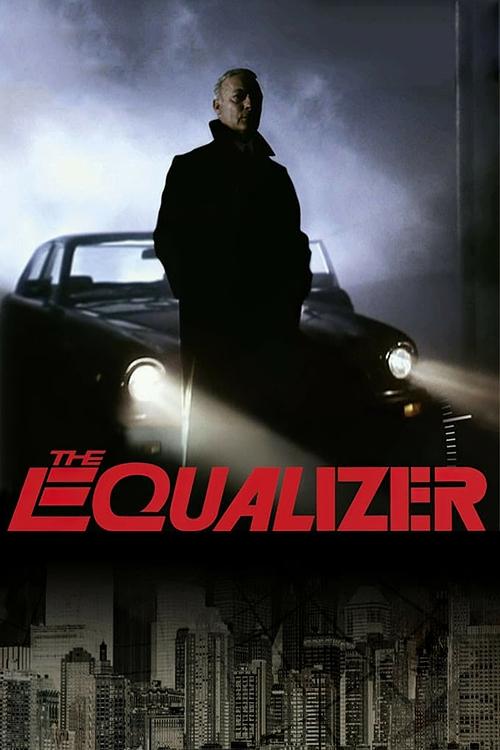
The Equalizer began not as a novel or a film franchise but as a CBS television series that premiered in September 1985. Created by Michael Sloan and Richard Lindheim, the show starred Edward Woodward as Robert McCall, a former CIA operative living quietly in New York City who places classified ads in newspapers offering his skills to people desperate enough to call. The premise was stripped of the usual spy-genre glamour: no gadgets, no government backing, just a guilt-ridden professional trying to settle old debts by protecting strangers.
Woodward played McCall as weary, precise, and genuinely burdened by what he had done in his career, which gave the show a moral weight that set it apart from the action television of its era. It ran for four seasons and 88 episodes, ending in 1989, and left a strong enough impression that the property has been revisited in every decade since.
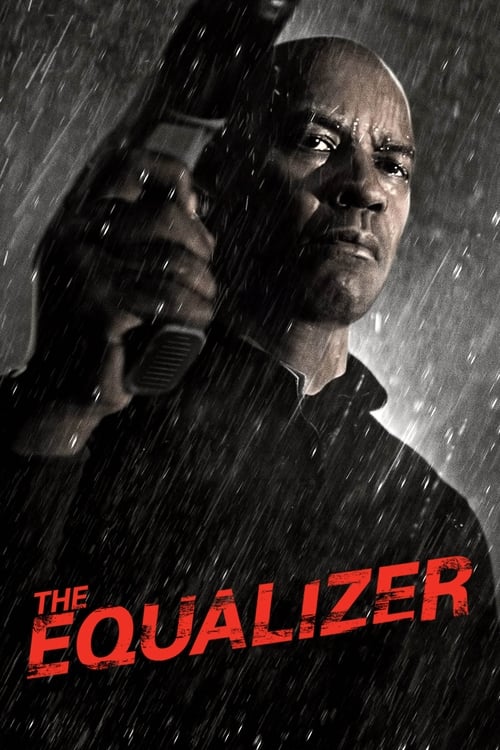
The franchise crossed into film in 2014 when director Antoine Fuqua and Denzel Washington reworked the McCall character into a thriller series. That version softened the introspection in favor of kinetic action, but kept the core idea: a man of extraordinary capability choosing to intervene on behalf of ordinary people. Washington's trilogy ran from 2014 to 2023. In 2021, CBS brought the property back to television with Queen Latifah in the lead, relocating the action to New York and reinterpreting McCall as a woman. The character has never been tied to a single book, comic, or game, which makes each new version a genuine reinvention rather than an adaptation.
Every Version of The Equalizer
The original series, the films, and the reboot, in every medium they exist

The Equalizer Through the Decades
- 1985CBS series premieres with Edward Woodward as Robert McCall The Equalizer
- 1989Original series concludes after four seasons and 88 episodes
- 2014Antoine Fuqua and Denzel Washington relaunch the property as a feature film The Equalizer
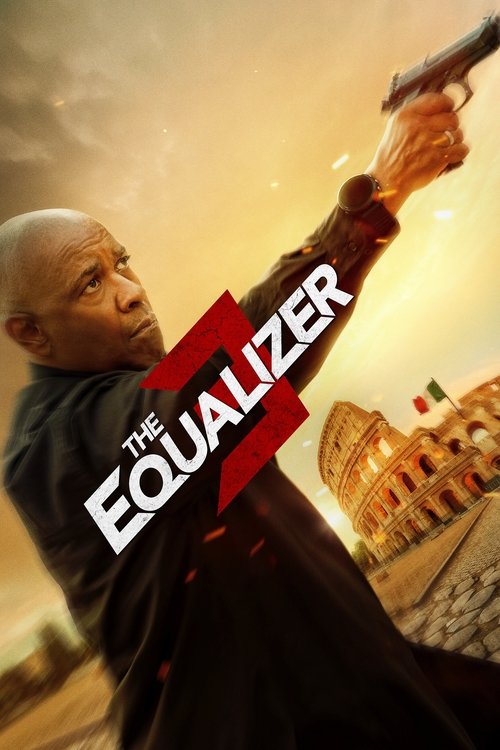
- 2018Washington reprises the role in the first sequel of the franchise The Equalizer 2
- 2021CBS reboots the series with Queen Latifah as Robyn McCall The Equalizer
- 2023Washington's trilogy concludes with a move to coastal Italy The Equalizer 3
If You Love the Original Series
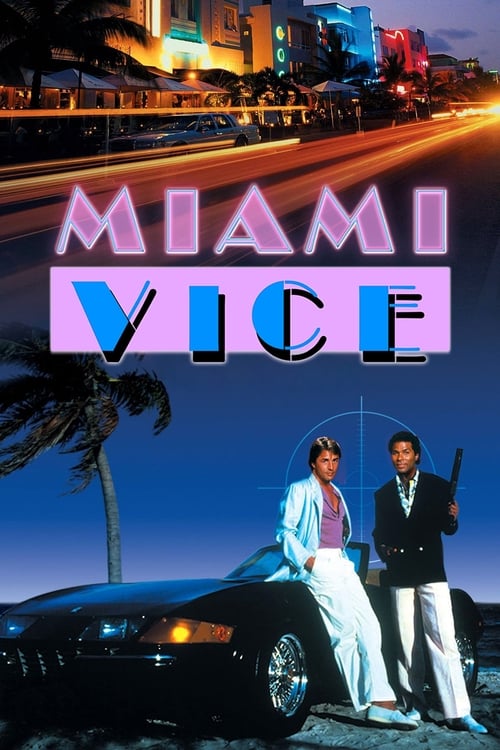
Character-driven action television from the same era and tradition



If You Love the Denzel Washington Films
Precise, methodical action films where competence is the point




If You Love the Vigilante-With-a-Code Story
Books and films built around the moral logic of the skilled outsider who intervenes

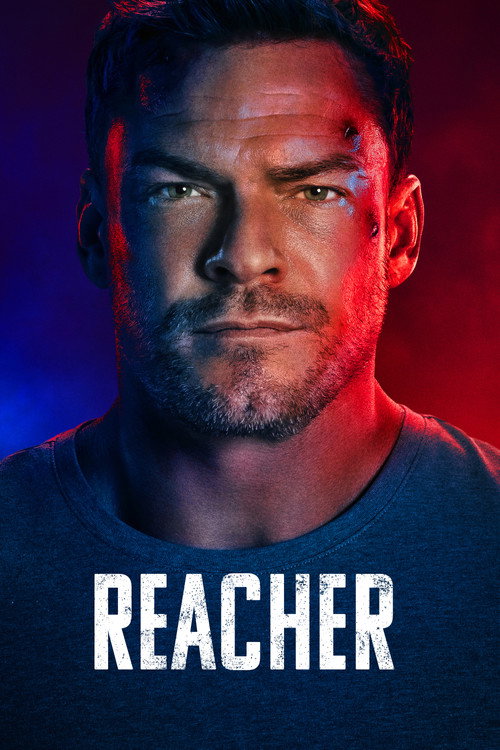



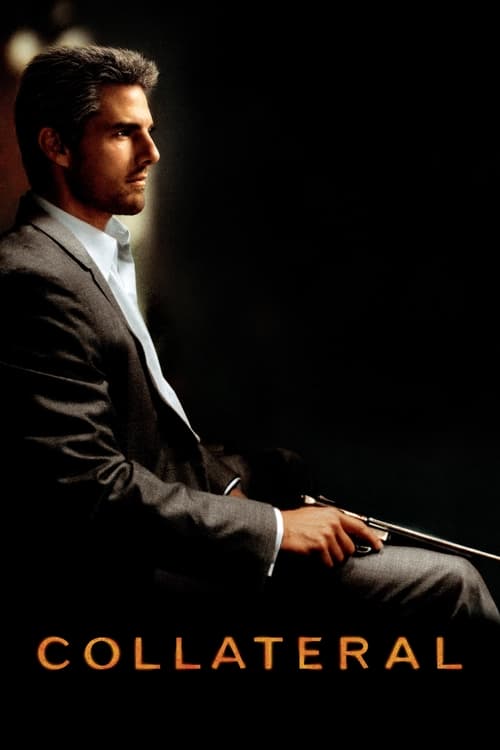
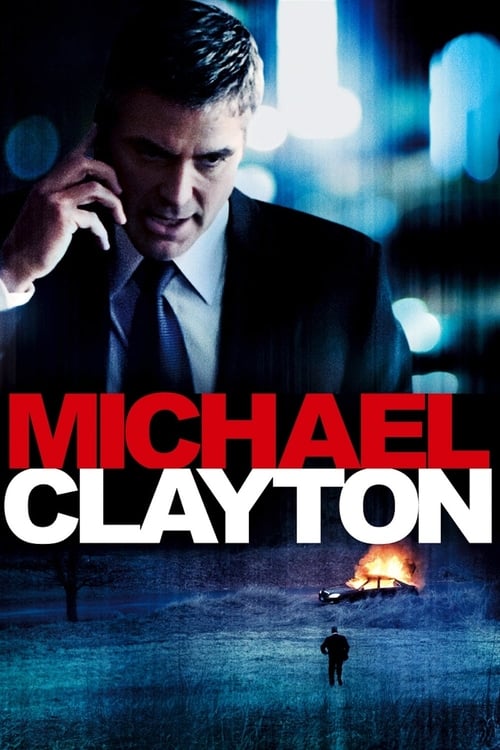
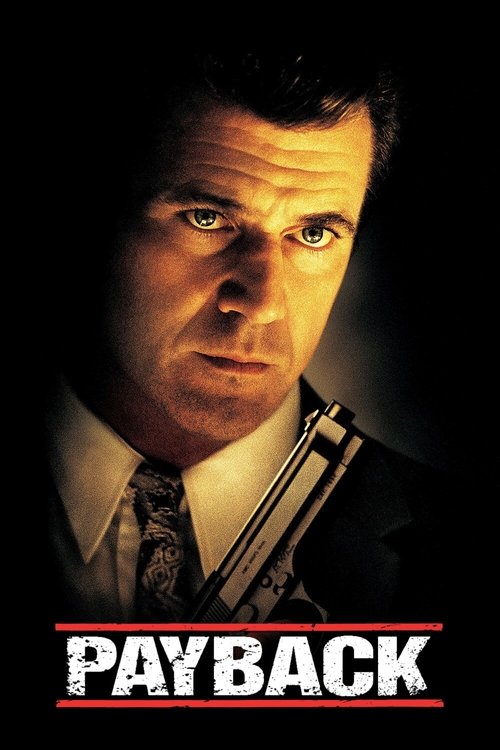
If You Love Retired Professionals Dragged Back In
The same narrative engine: a past that will not stay past




The definitive version is still the 1985 TV series
Edward Woodward's Robert McCall is the reason this property has lasted forty years. The television series took the premise seriously as moral drama: a man who hurt people for governments and institutions trying to repair some of that harm through individual acts. Woodward played guilt and competence in equal measure, which is very difficult to do. The Fuqua films are well-made action cinema, but they traded the character's interior life for set-piece construction. The Equalizer (1985) is the one that actually asks what it costs to be this person.
The Equalizer 3 is the most visually distinctive entry in the film trilogy
The third film moves the action to a small town in southern Italy, which gives it an atmosphere the first two lack entirely. Fuqua shoots the Calabrian coastline as though it deserves to be looked at, and Washington's McCall settling into a community of ordinary people before having to defend them is a more interesting dramatic situation than the urban rescue missions of the earlier films. It is slower, quieter in places, and better for it.
The 2021 CBS reboot deserves a second look
Queen Latifah's version of Robyn McCall is grounded in a different kind of experience: a former CIA operative who left the agency and became a mother, navigating both identities at once. The show leans into community in a way the films do not, and Latifah has the presence and timing to make the character her own rather than a copy of Woodward or Washington. Most critics filed it under prestige-adjacent network television and moved on. That reading missed something real.