
The Man Who Makes Violence Feel Earned
Antoine Fuqua has spent three decades building a very specific kind of film: one where the action is brutal but never cheap, where the protagonist carries a moral weight that makes every punch and every choice land harder than it should. He came up through music videos in the early 1990s, directing for artists including Prince and Coolio, and that eye for kinetic imagery never left him. What separates his best work from the action-thriller pack is a genuine interest in institutions, corruption, and the cost of doing the right thing in a world that punishes it.
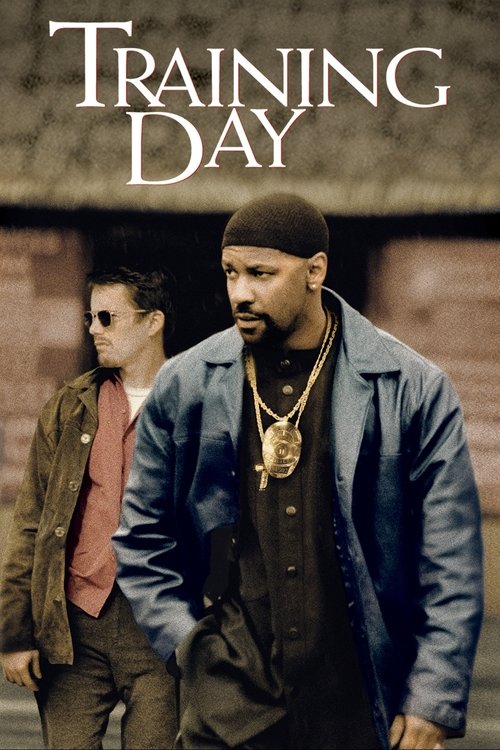
Training Day (2001) is still the signature achievement: a single day in South Los Angeles that works as a character study, a procedural, and a slow-burn moral collapse all at once. It won Denzel Washington an Oscar, and Fuqua used that cultural moment to keep swinging at grown-up genre films when most directors would have retreated into franchise safety. The Equalizer films, Southpaw, Shooter, Brooklyn's Finest: these are films about men defined by skill and haunted by the misuse of it. The politics are never simple. The violence always costs something.
Fans of Fuqua tend to love a particular flavor: realist urban texture, muscular cinematography that leans into shadow and practical light, and protagonists who are genuinely dangerous but not uncomplicated. The through-line is competence worn as a kind of grief.
Essential Antoine Fuqua
The director's key films, ranked for first-time watchers and completists alike

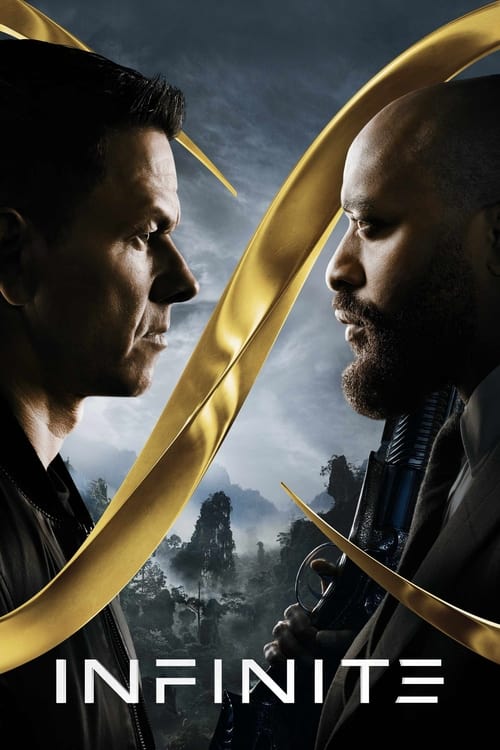
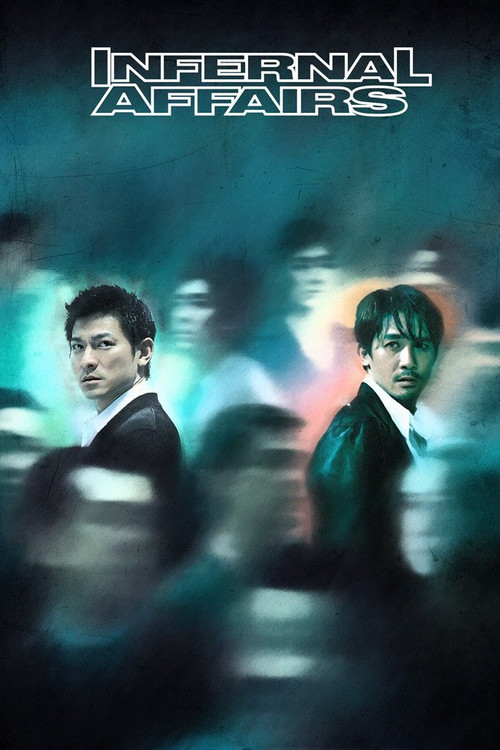
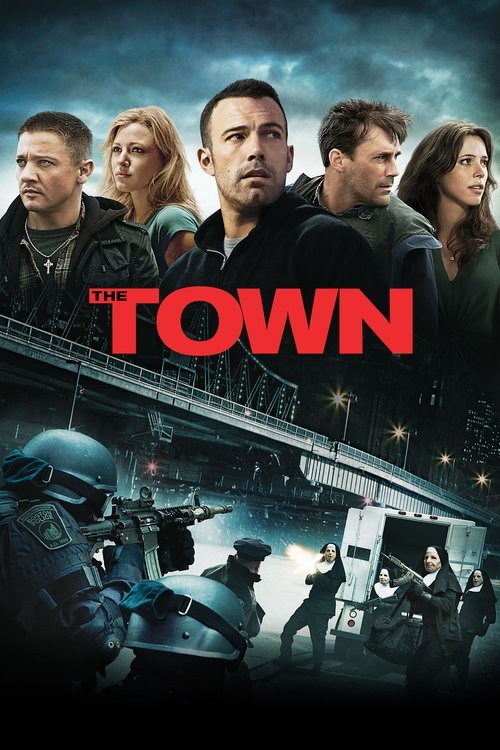
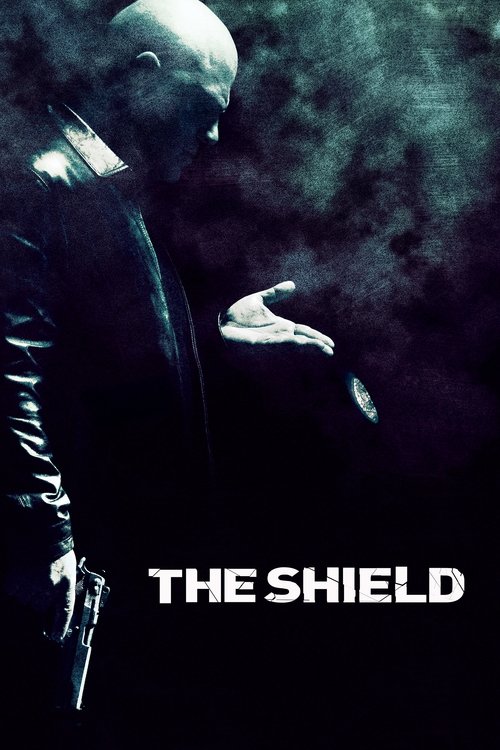
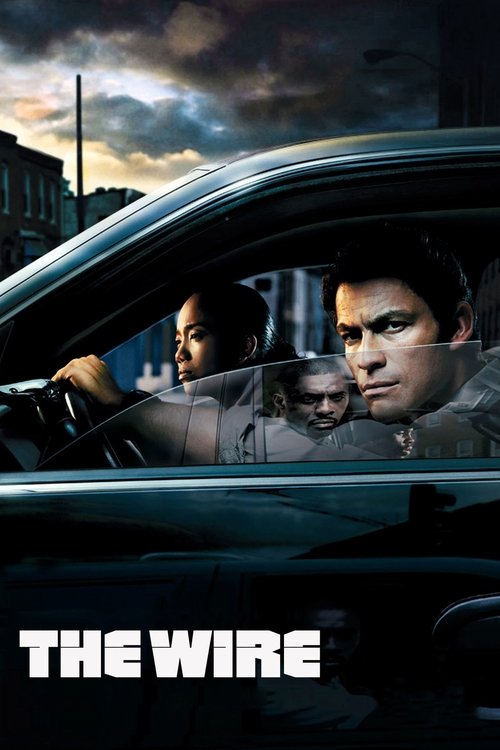
Corrupt Systems, Dangerous Men
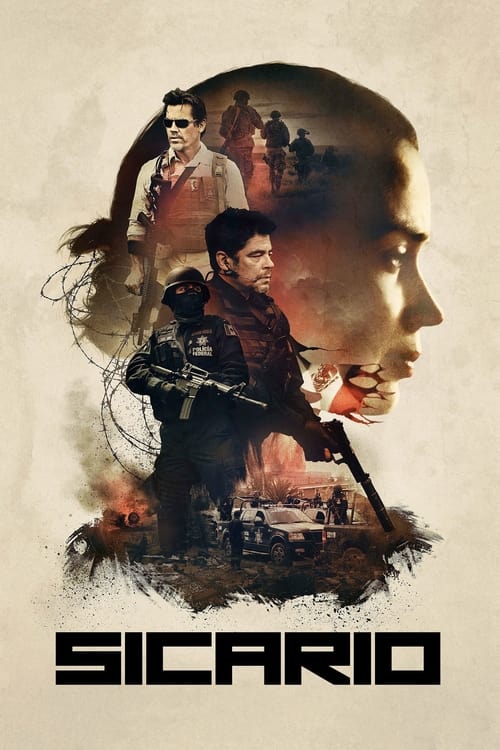
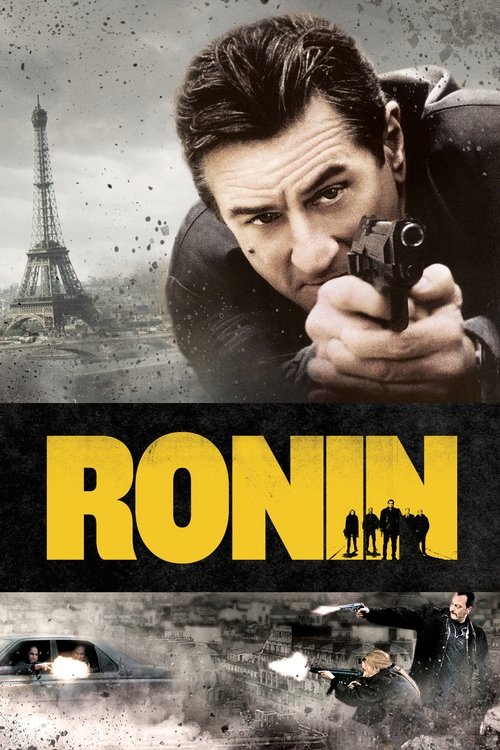
Films that share Training Day's DNA: institutions rotting from the inside, and the cost of surviving them

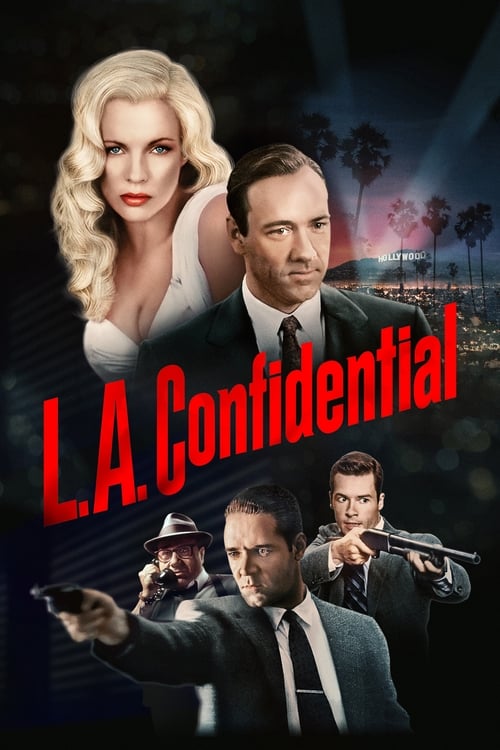

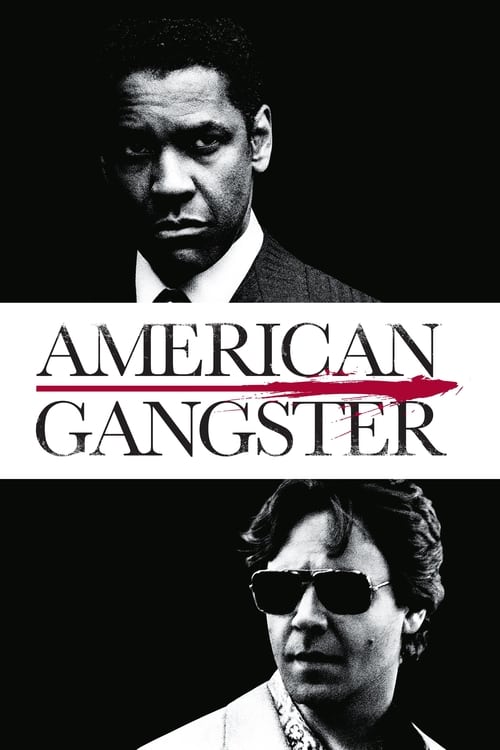

The Lone Operator
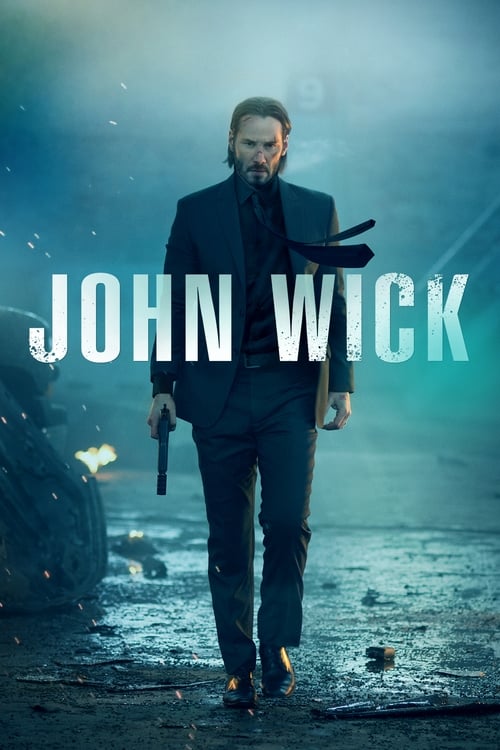
Stories built around one supremely capable, morally burdened person doing what they were made to do
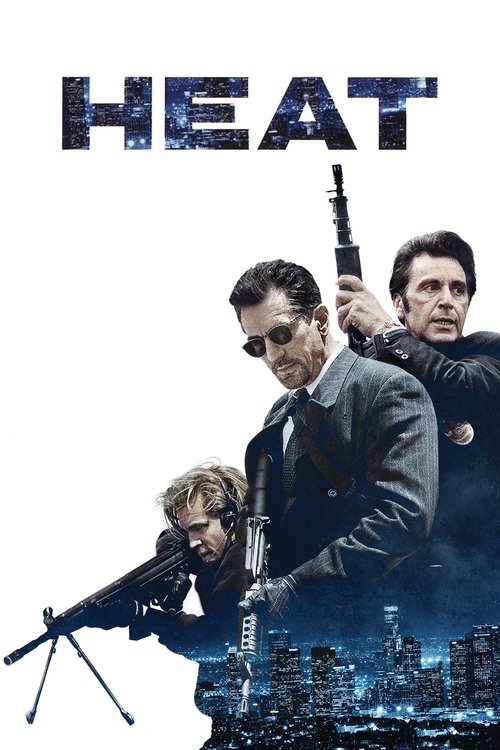
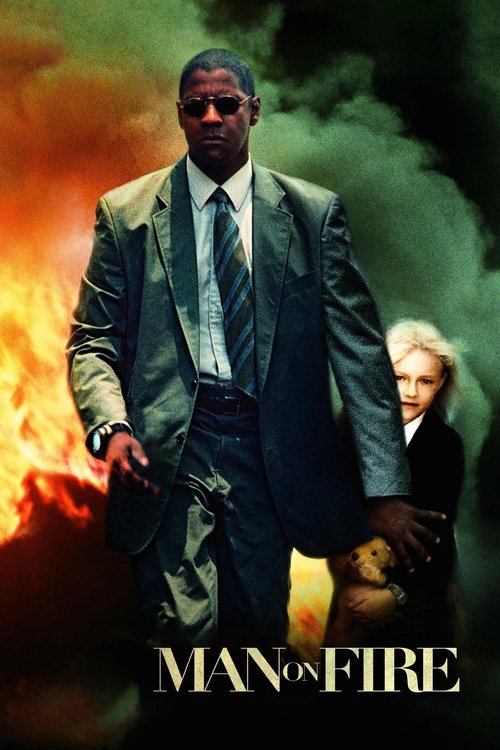
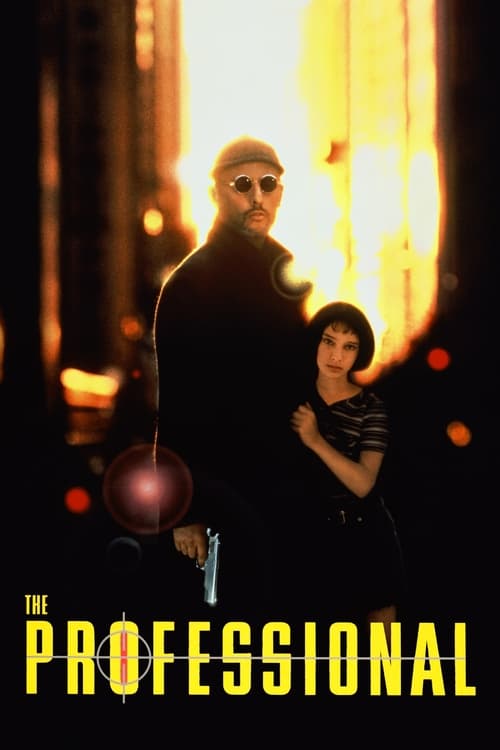
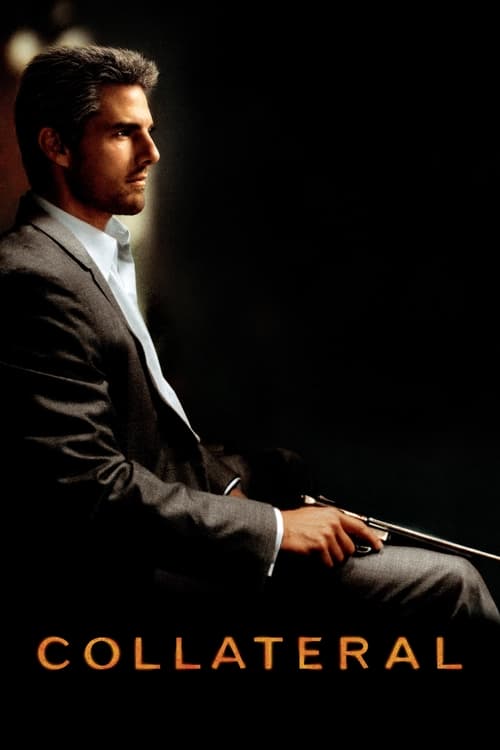
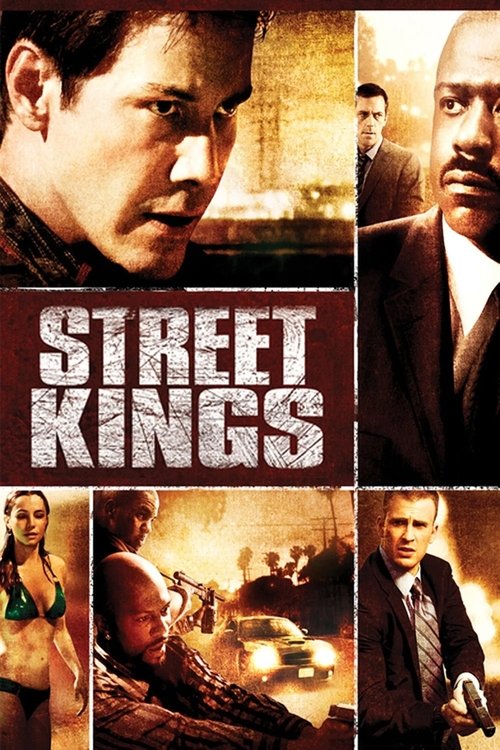
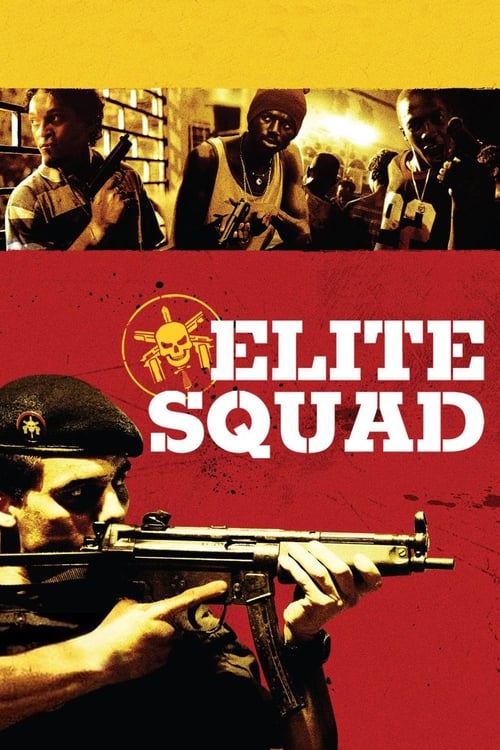
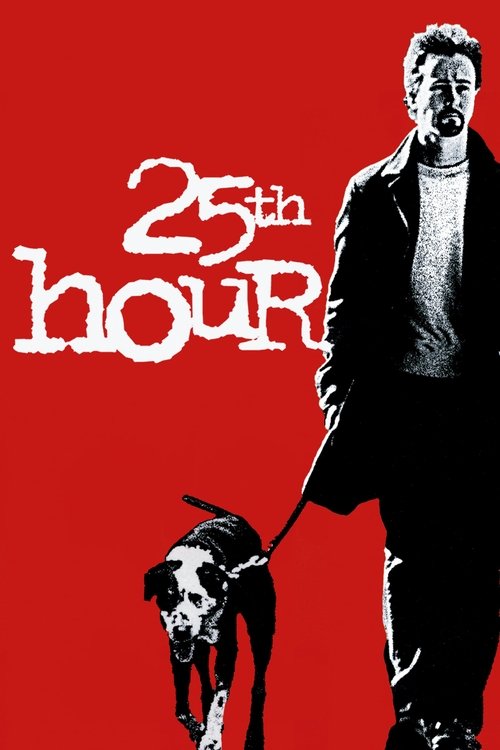
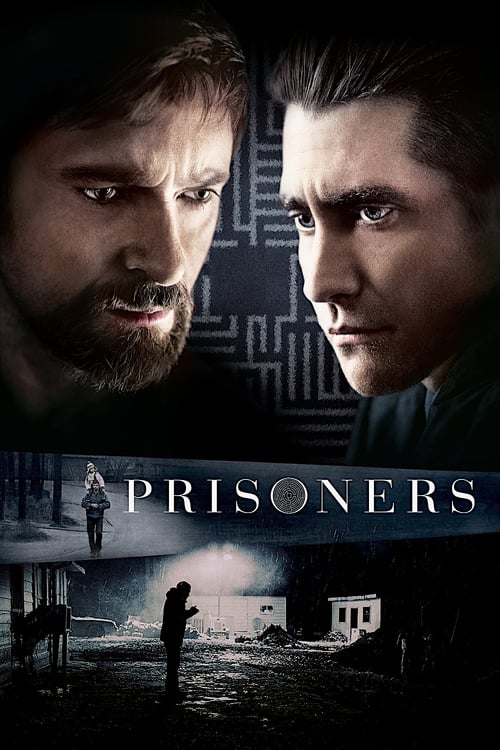
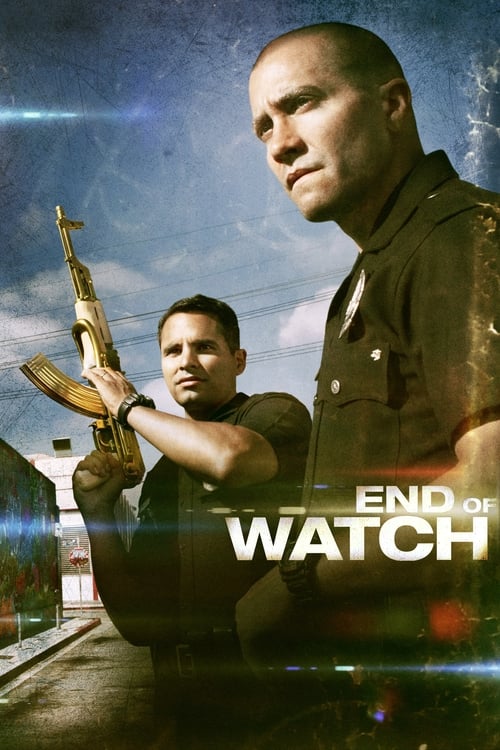
Urban Texture and Street-Level Stakes
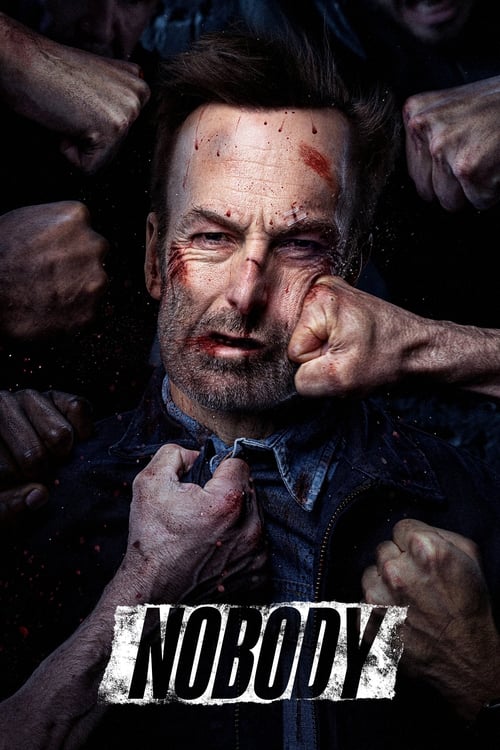
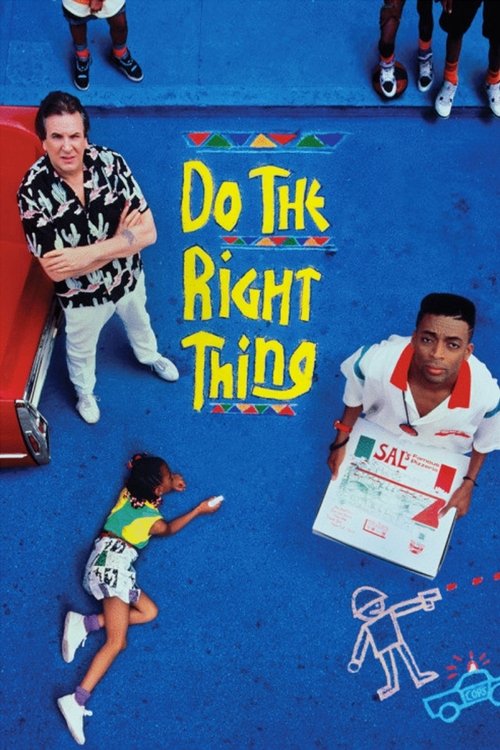
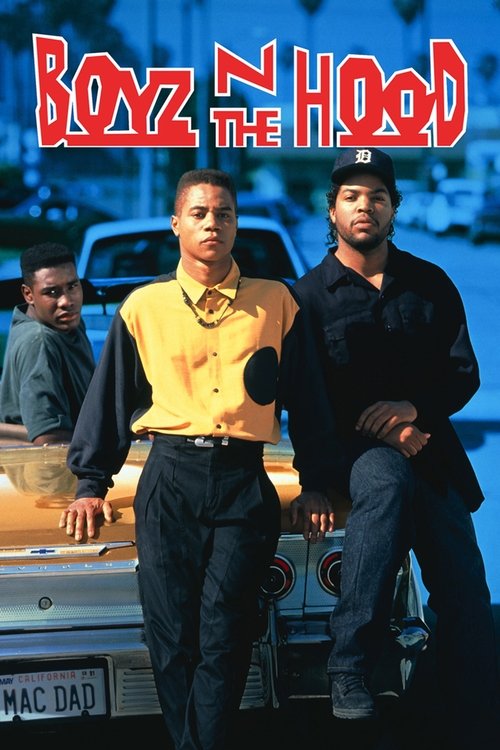
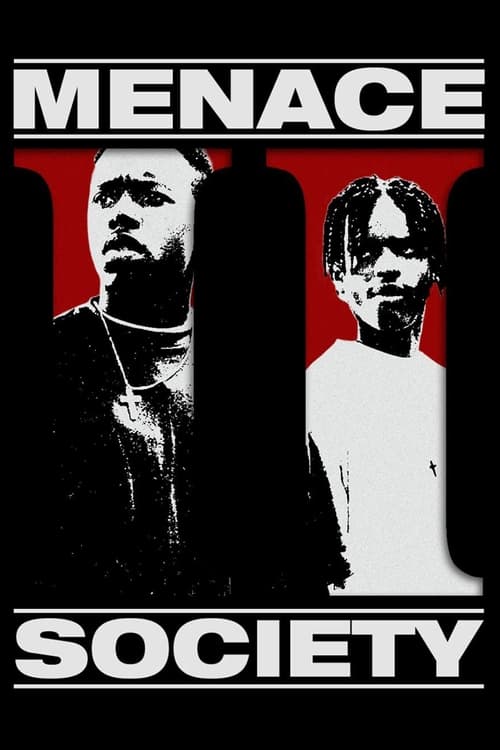
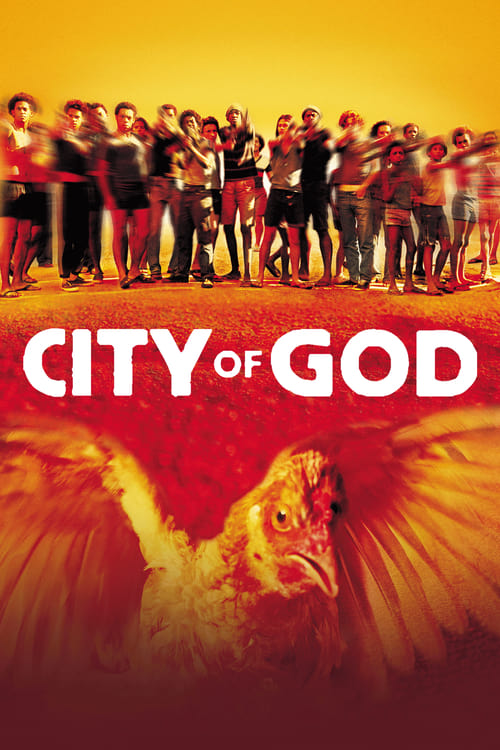
Films with the same gritty, lived-in city atmosphere and characters shaped by their neighborhoods

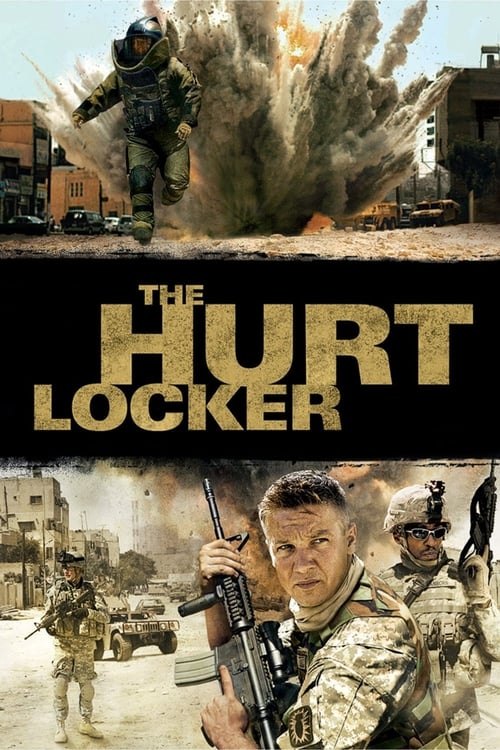

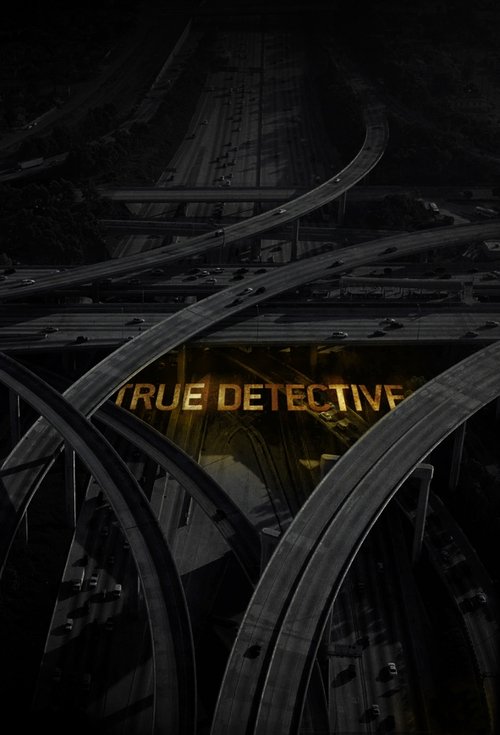
If You Play It Out
Games that share the moral weight, tactical tension, and urban grit Fuqua brings to screen
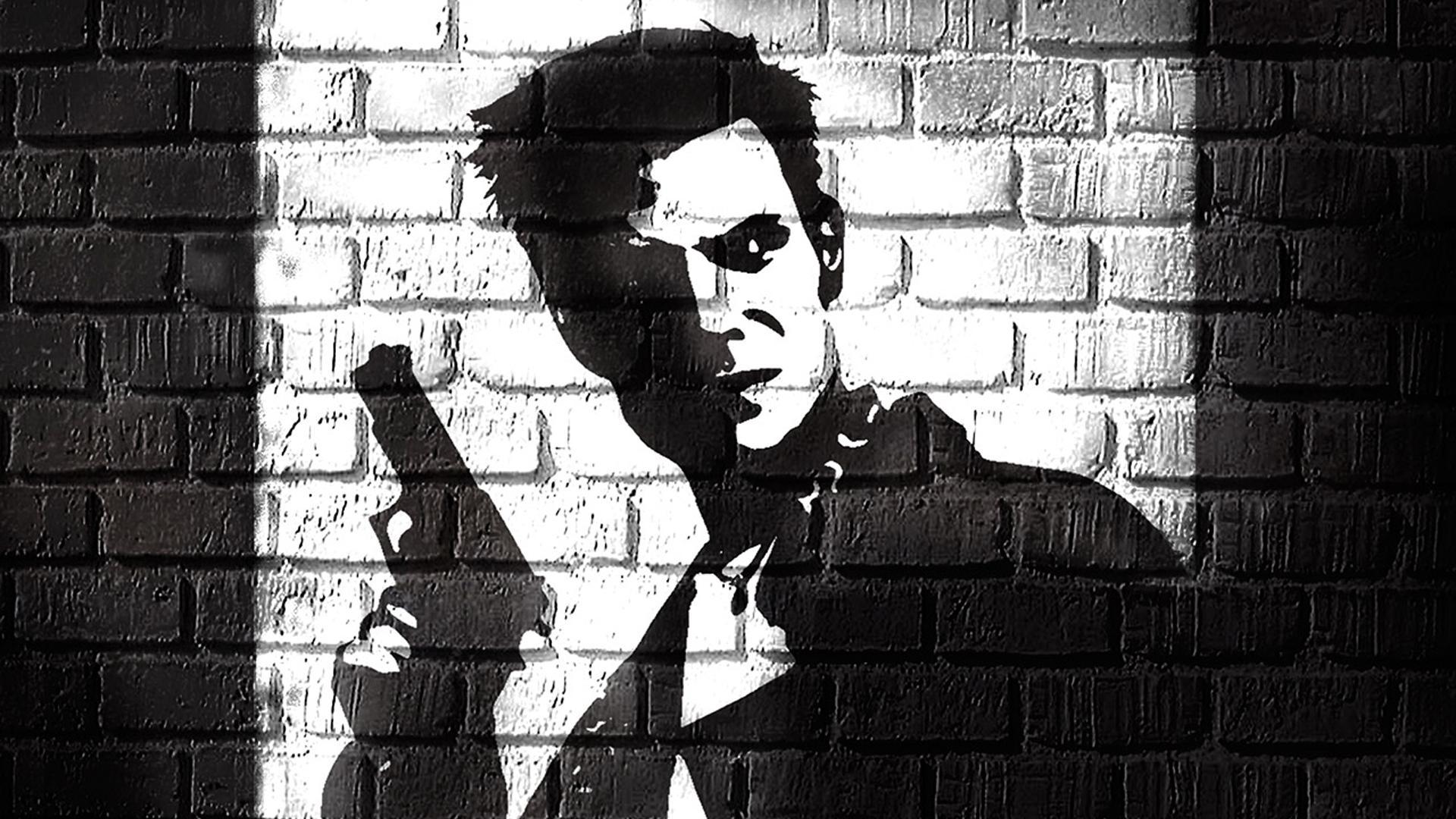
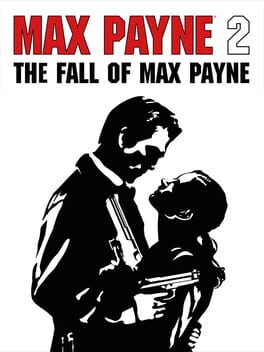
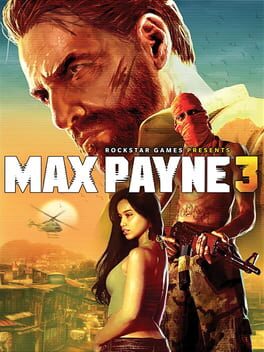
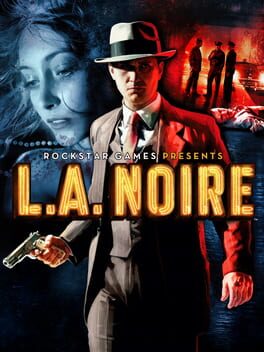
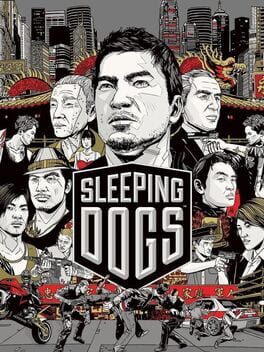
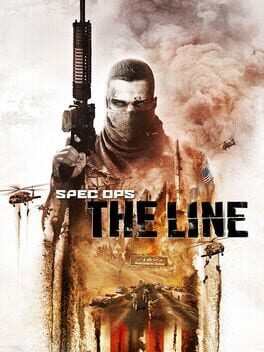
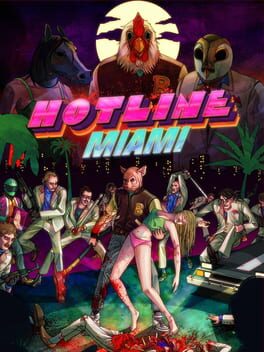

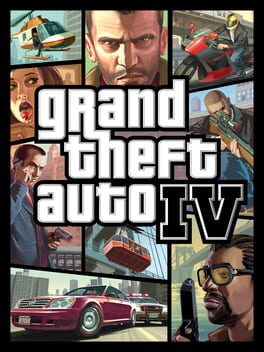
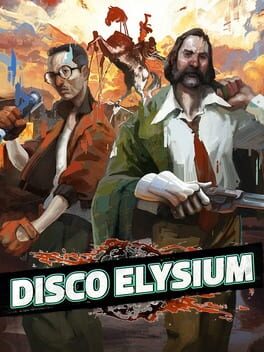
Training Day is the perfect entry point, and not just because of Washington
Denzel Washington won the Oscar and gets the credit, but Ethan Hawke's performance is just as essential: a young cop who thinks he knows what he stands for, slowly realizing he has no idea. Fuqua builds the whole film as a single accumulating dread, a pressure cooker disguised as a ride-along. Start here because everything else Fuqua makes becomes clearer once you understand that his real subject is not action but compromise.
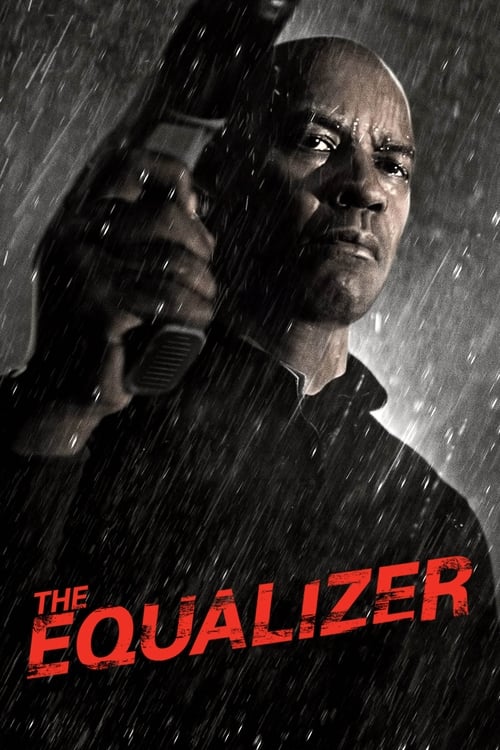
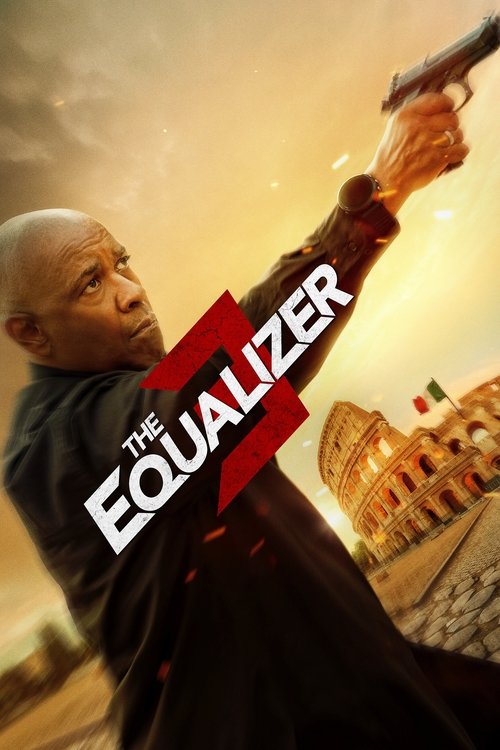
The Equalizer turned a TV premise into something much stranger and more literary
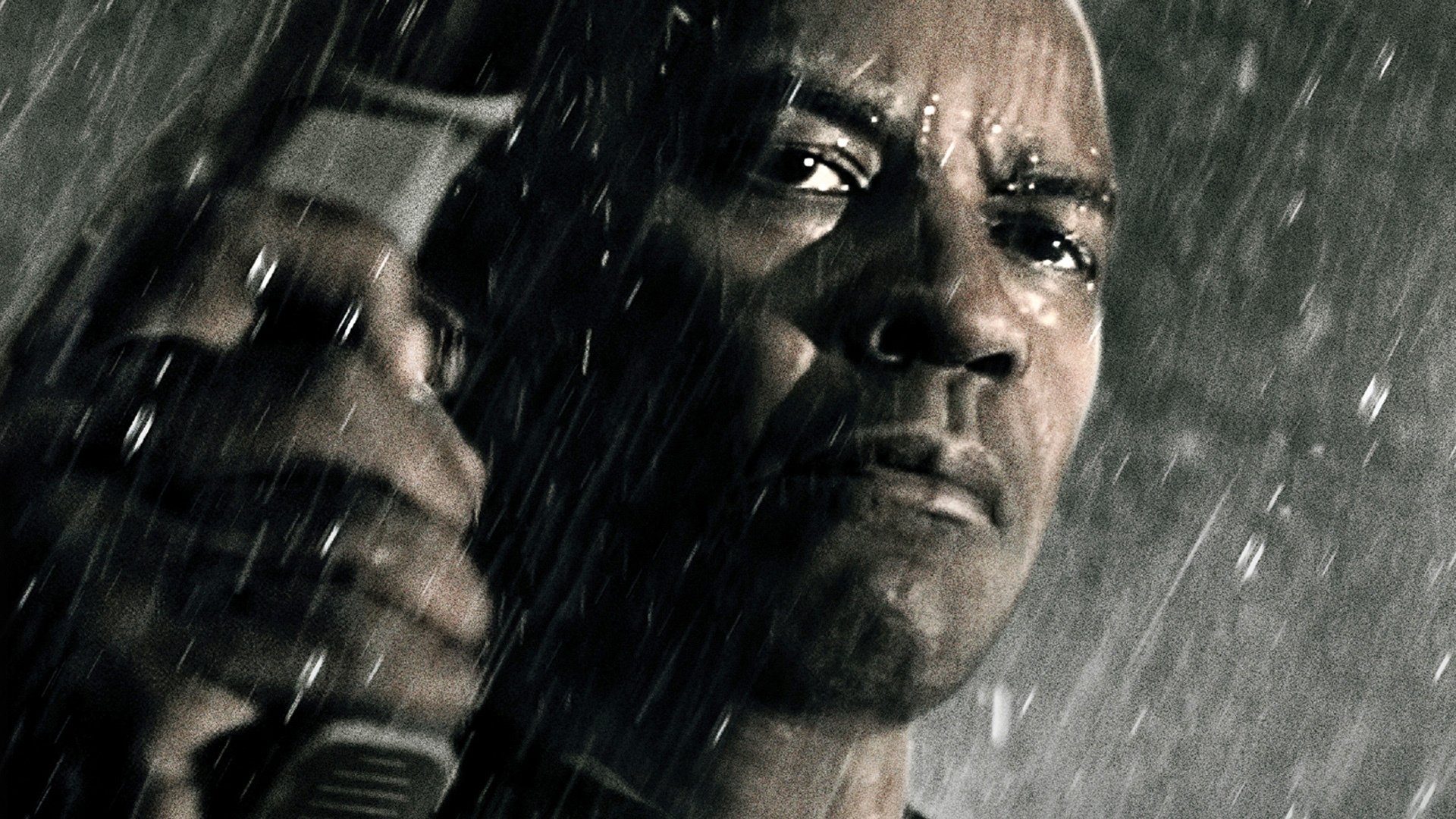
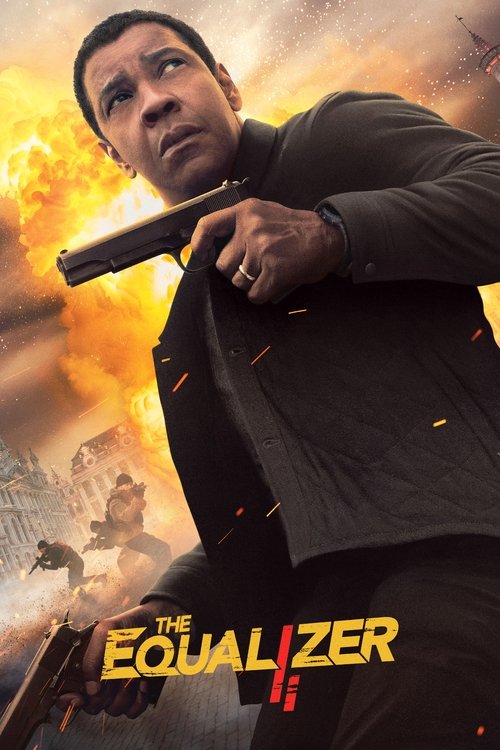
The original Equalizer TV series was a reasonably engaging 1980s procedural. Fuqua and Denzel Washington made it into something closer to a meditation on what happens to a man built for violence when he tries to live a quiet life. The hardware-store setting, the classical music, the precise timing: these are not quirks, they are the character. The sequels deepened that portrait rather than coasting on it, which is rare in franchise filmmaking.
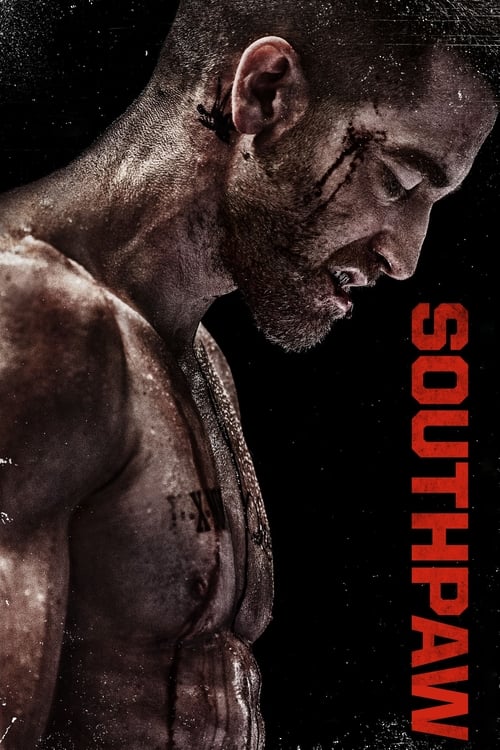
Southpaw is the spiritual successor to Rocky that nobody talks about
Every boxing film owes a debt to Rocky, but Southpaw earns its emotional power by refusing the underdog-triumph formula. Jake Gyllenhaal's Billy Hope starts at the top and the film is about the fall, not the climb. Fuqua shoots the ring sequences with a controlled brutality that makes you feel the punishment, and the father-daughter relationship at the center is genuinely moving. This is grief cinema wearing sports-drama clothes.
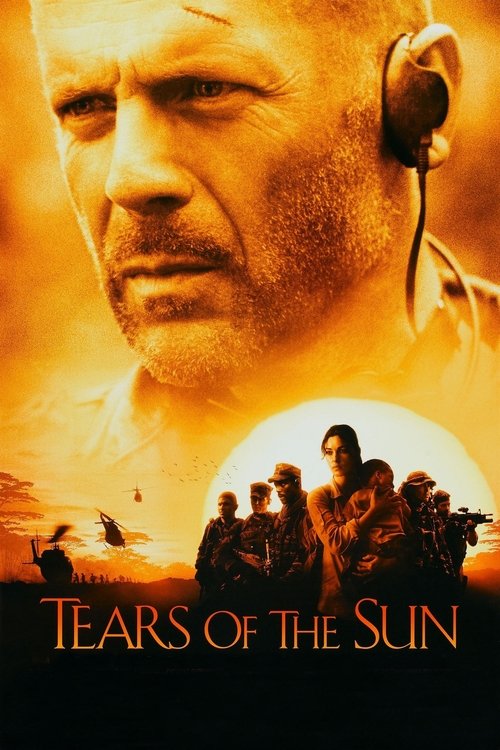
Tears of the Sun is the war film that refuses to let you stay comfortable
War films tend to organize themselves around a mission. Tears of the Sun keeps dismantling its own mission as it goes, forcing Bruce Willis's operator to choose between orders and his own conscience in real time. It is Fuqua at his most morally unresolved, which is precisely when he is most interesting. The film was underseen on release and deserves a second look: not as action spectacle, but as a study in what professional soldiers do when the rules of engagement stop making sense.
I make movies about people who are trying to survive, trying to do the right thing in a wrong world. That conflict is what I find interesting.Antoine Fuqua
Antoine Fuqua: The Key Films
- 1998Feature debut The Replacement Killers
- 2001Career-defining work Training Day
- 2003War film Tears of the Sun
- 2004Epic revisionism King Arthur
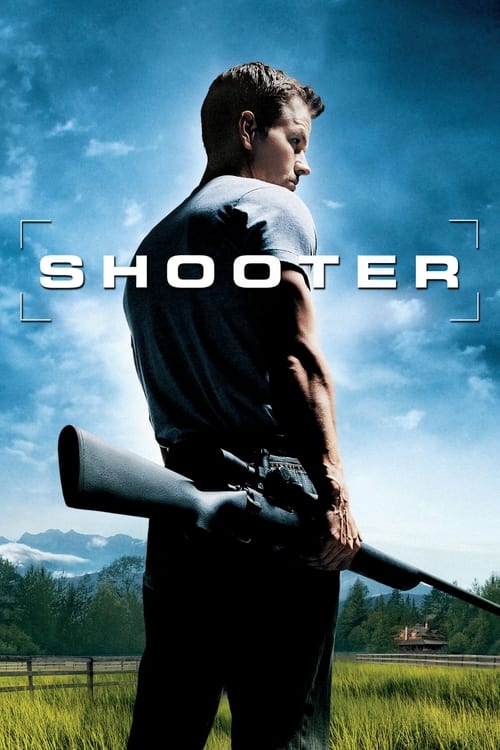
- 2007Conspiracy thriller Shooter
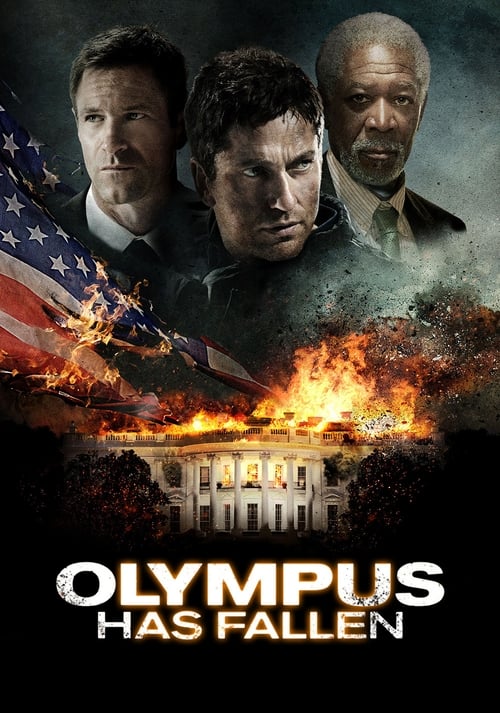
- 2013Action blockbuster Olympus Has Fallen
- 2014Vigilante series begins The Equalizer
- 2015Boxing drama Southpaw
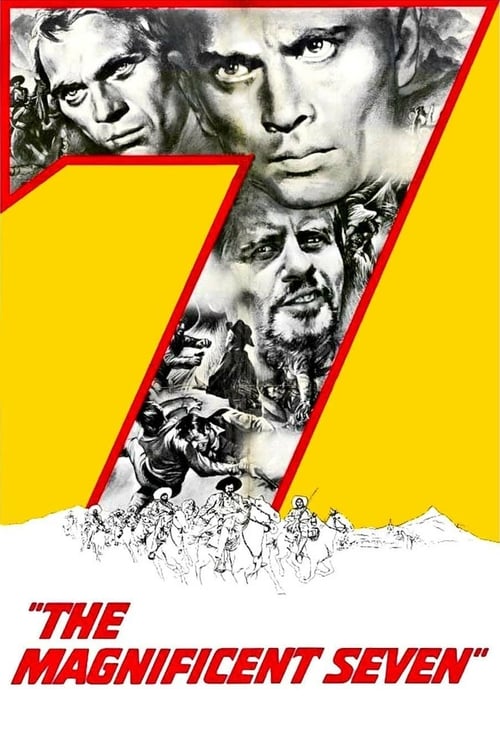
- 2016Western ensemble The Magnificent Seven
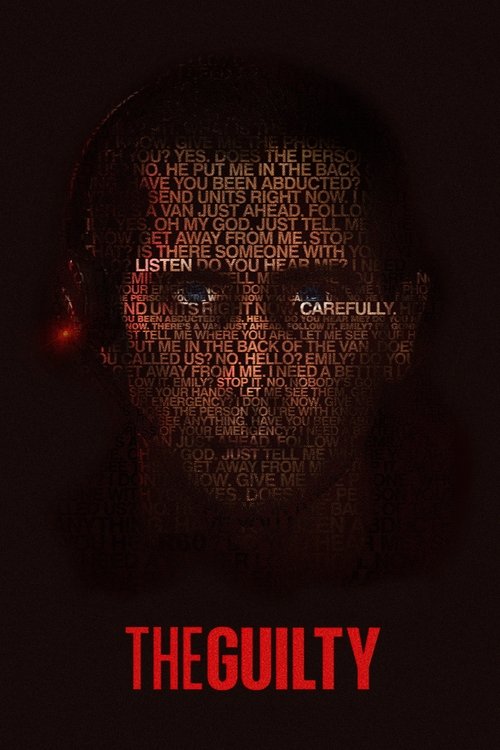
- 2021Single-location thriller The Guilty
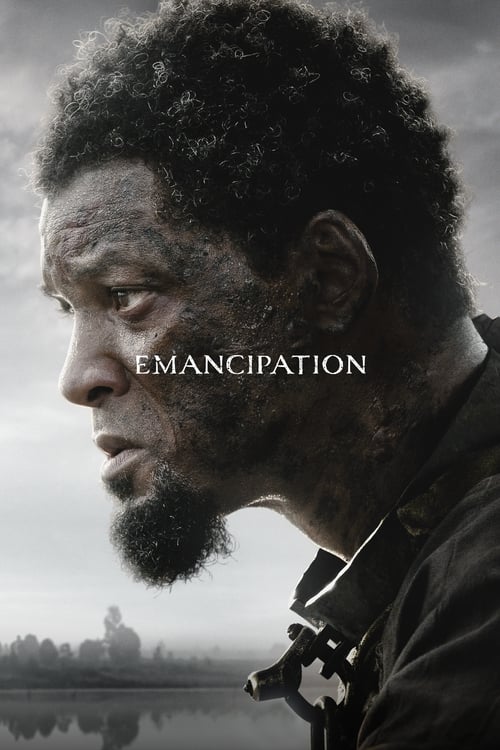
- 2022Historical drama Emancipation
- 2023Series finale The Equalizer 3