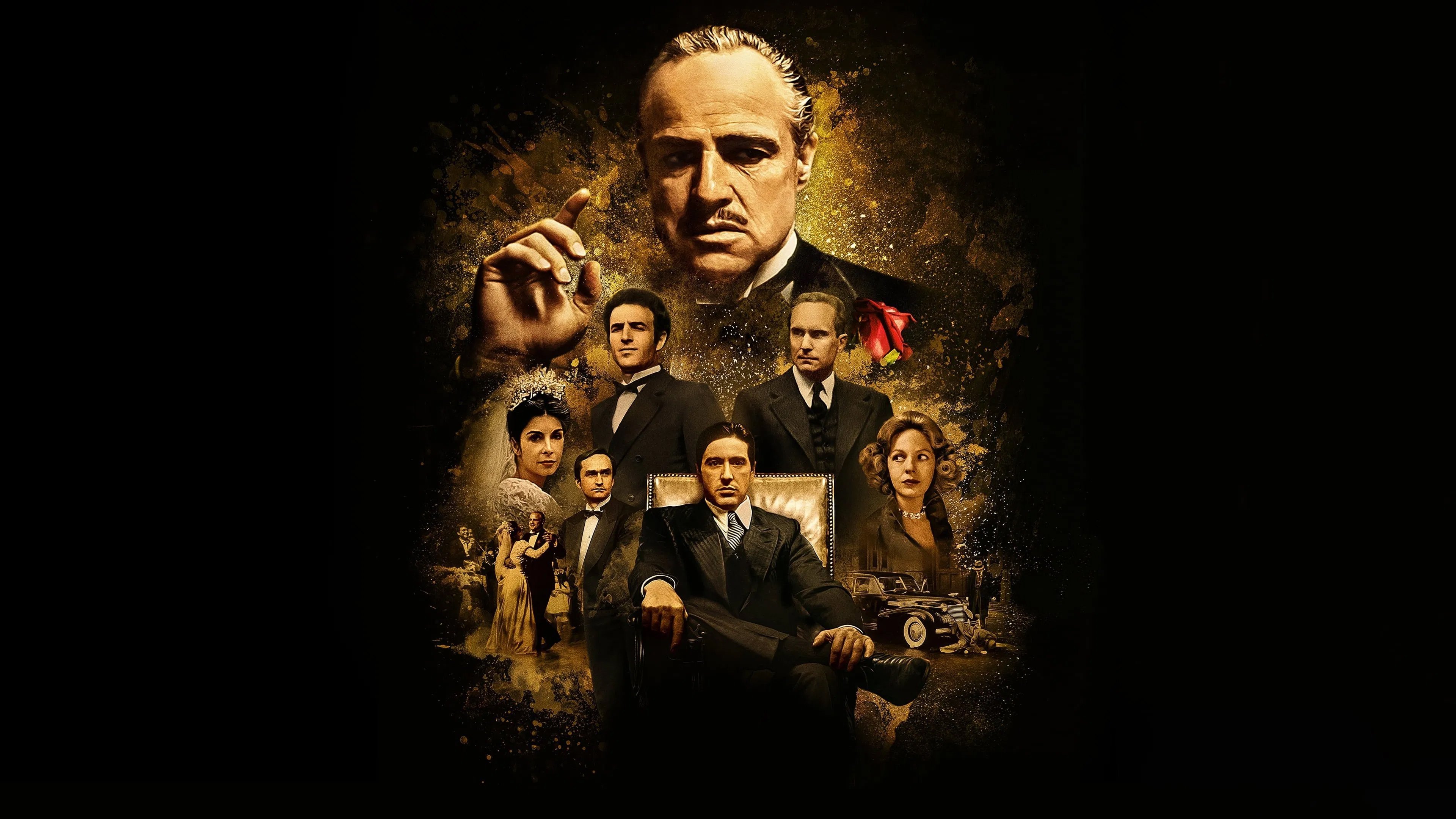

The book that rewrote American crime fiction
Mario Puzo spent years writing The Godfather while drowning in debt. He later said he wrote it purely for money, and that admission became one of the most entertaining footnotes in American literary history, because the novel he produced in 1969 turned out to be something else entirely: a founding document of a new genre, a portrait of immigrant ambition refracted through organized crime, and the raw material for what many consider the greatest American film ever made.
Puzo drew on his Italian-American upbringing in Hell's Kitchen and on research into the real Mafia, though he always framed the Corleone family as fiction. The novel spent 67 weeks on the New York Times bestseller list. Paramount bought the rights for $12,500 before the book was even finished. Puzo co-wrote the screenplay himself, earning Academy Awards for both the first and second films.
The story traveled further than anyone expected. Francis Ford Coppola's 1972 adaptation became a cultural watershed. A sequel arrived two years later and is widely considered the equal of the original. A third film closed the trilogy in 1990, to a cooler reception. In 2006, a video game adapted the events of the first film. In 2020, Coppola released a re-edited version of the third film that partially rehabilitated it. The novel's shadow falls over virtually every serious crime film and television series made since 1972.
Every version of The Godfather
The source novel, its sequel novel, all three films, and the video game adaptation



The Godfather across time
- 1969Mario Puzo publishes the novel The Godfather
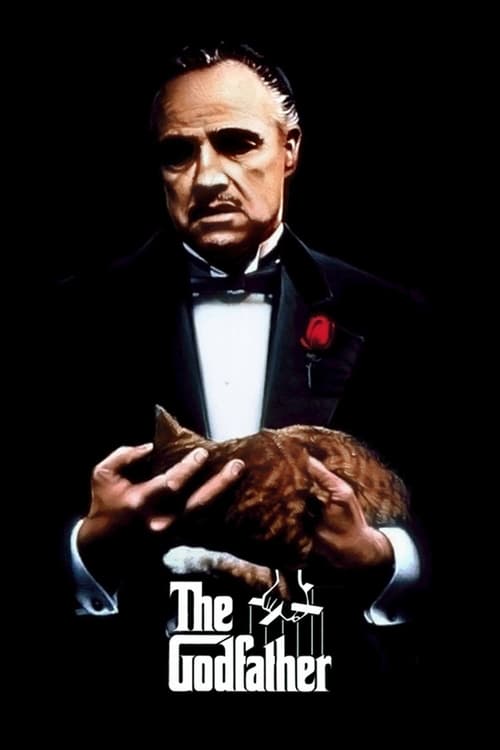
- 1972Coppola's film opens The Godfather
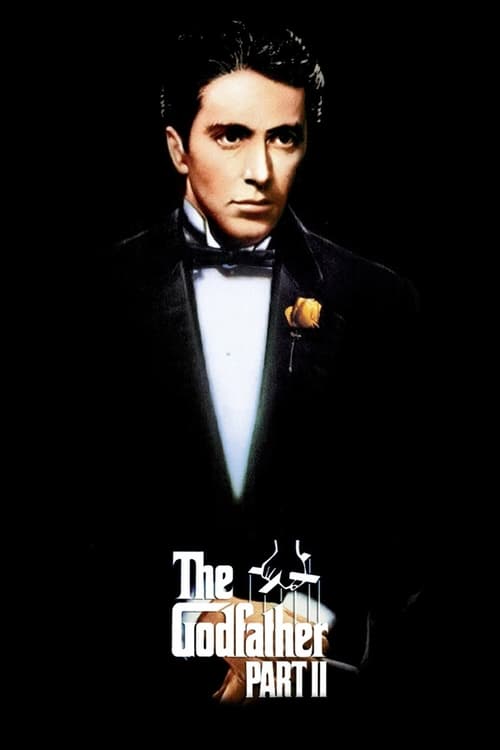
- 1974Part II: prequel and sequel in one The Godfather Part II
- 1990Part III closes the trilogy The Godfather Part III
- 2004Mark Winegardner's authorized sequel novel The godfather returns
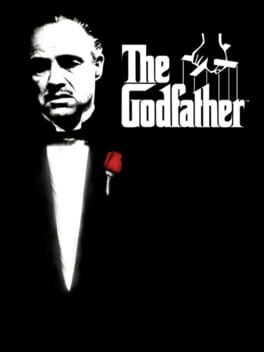
- 2006Paramount's video game adaptation The Godfather
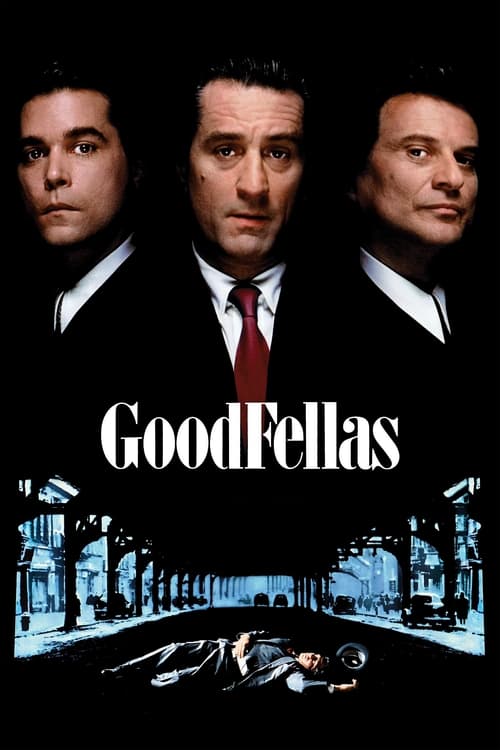
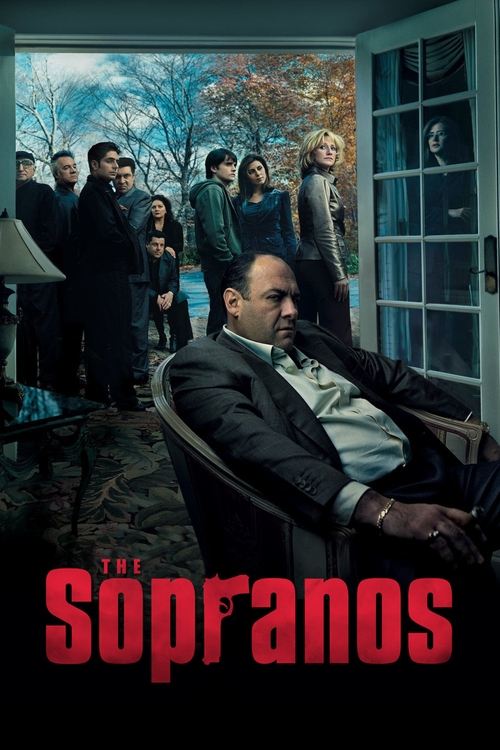
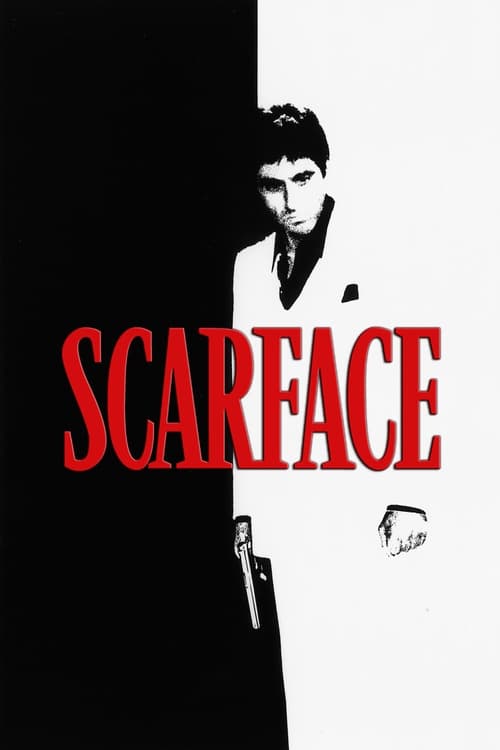
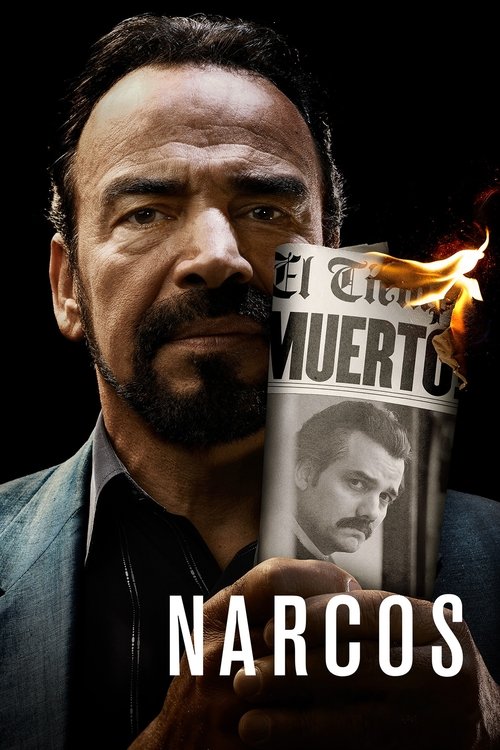
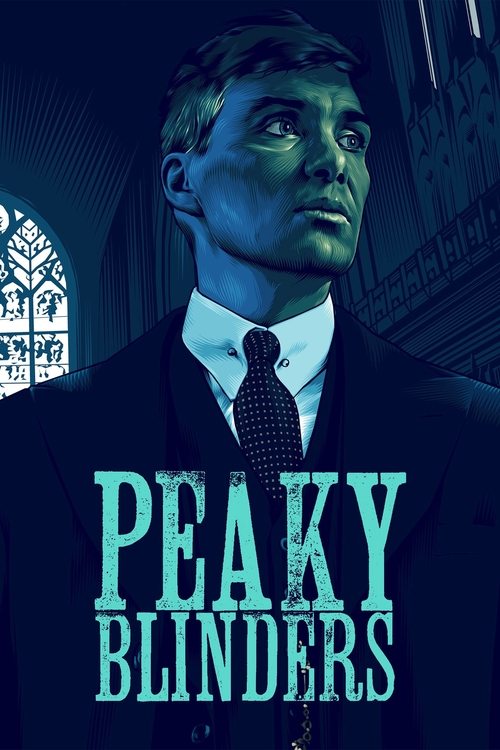
Crime dynasties and family power
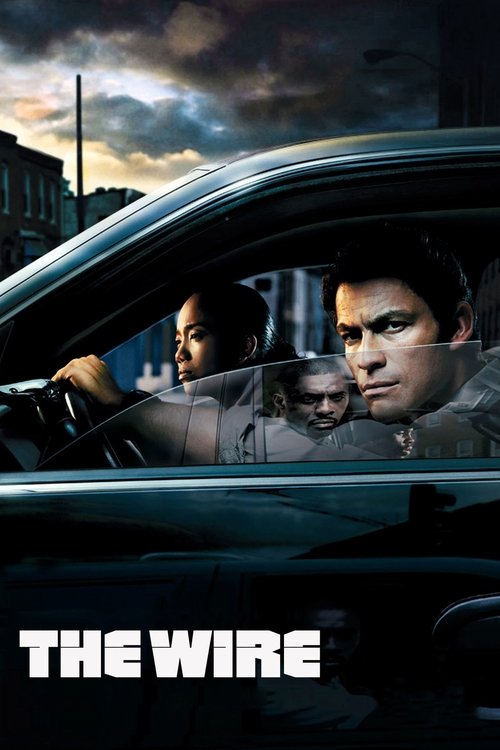
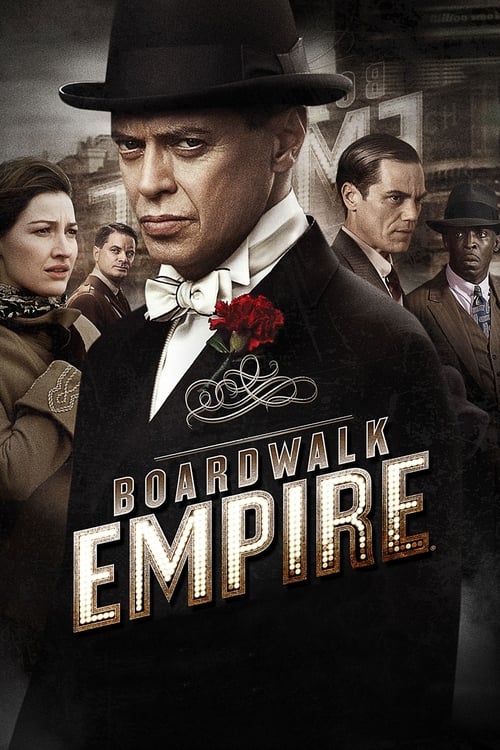
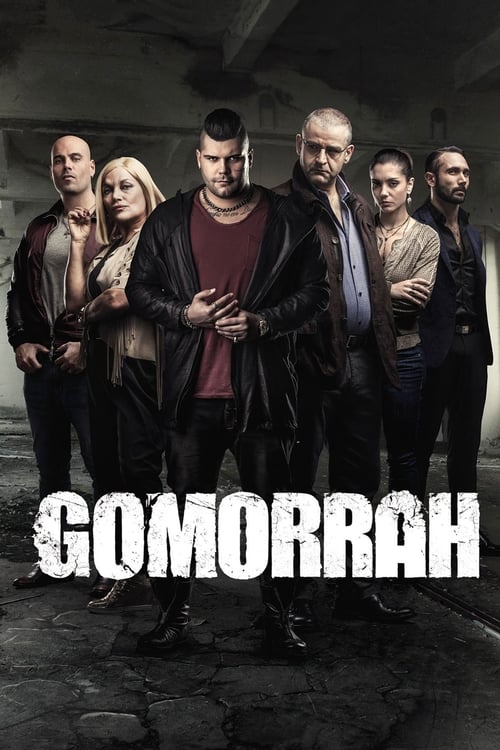
Films and series about the cost of power inside criminal organizations
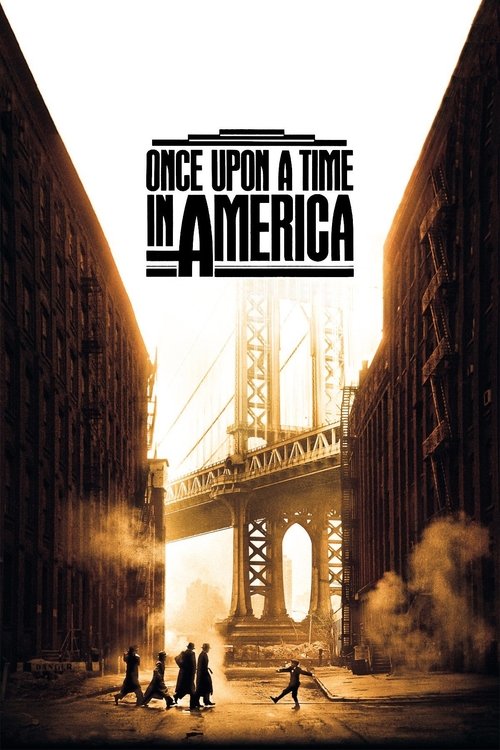
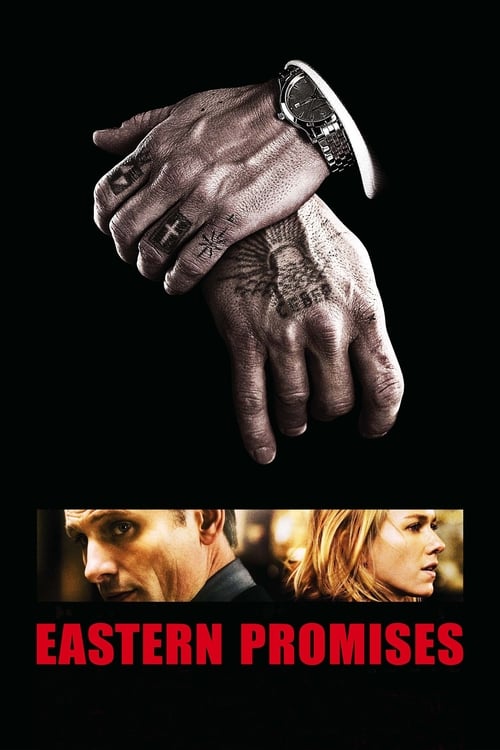
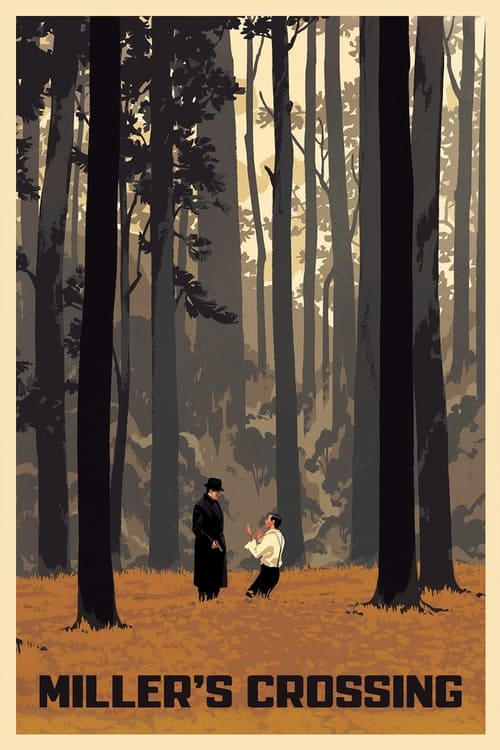
Immigrant ambition and the American dream turned dark
Stories about family loyalty, assimilation, and the price of success in America

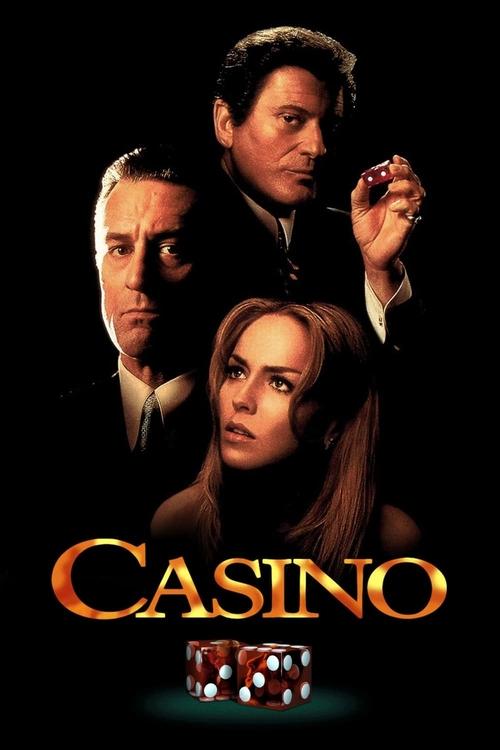
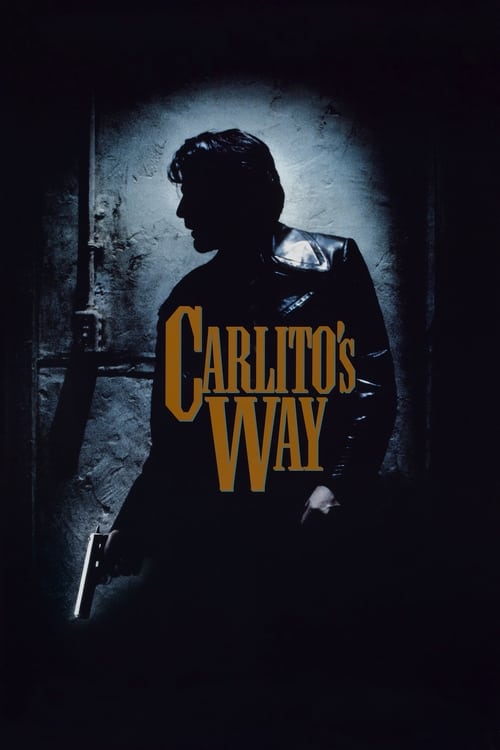
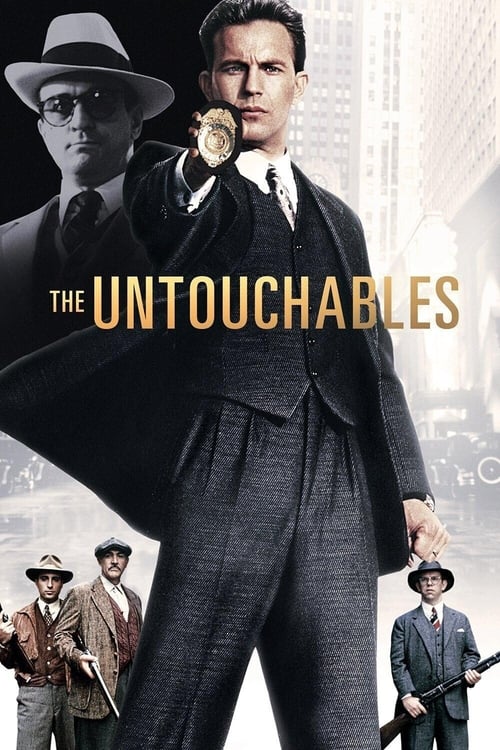
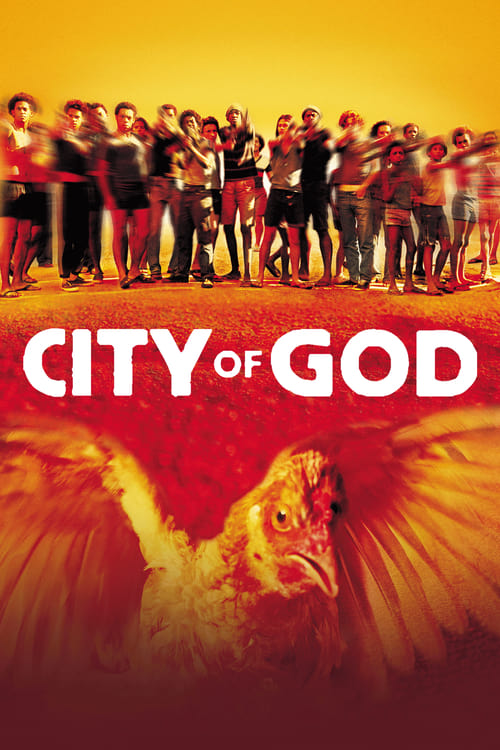
Crime across media
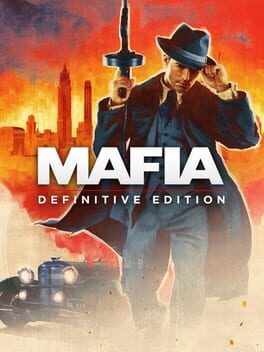
Gangster fiction in books and games that carries the same weight


The definitive version: the first film
No adaptation has ever landed harder on its source material than Coppola's 1972 film. Gordon Willis's cinematography turned half the frame into shadow. Nino Rota's score made melancholy feel inevitable. Marlon Brando's Vito Corleone is one of the few performances in cinema history that actually changed the way people hear a voice. The film runs nearly three hours and does not waste a minute. This is the version everyone means when they say 'The Godfather.'
The underrated version: the novel
Puzo's novel is longer, rougher, and more explicit than the film, and it has spent fifty years living in the film's shadow. That is a shame. It contains subplots the films wisely cut, including a long Las Vegas thread that maps onto Frank Sinatra with little disguise. The writing is not Hemingway. But it is propulsive and precise about how organized crime works as a business, and the inner lives of the Corleones are richer on the page than on screen. Read it after the film: you will see it differently.
The one to approach with open eyes: Part III
The third film has a reputation built mostly on Sofia Coppola's casting in a role she was not ready for, and on the misfortune of following two films with no weaknesses. Watched on its own terms, it is a legitimate late-career meditation on guilt and the impossibility of leaving the past behind. Michael Corleone trying to buy his way out of the life he chose is a real subject, and Al Pacino plays it with conviction. The 2020 re-edit reorganizes the opening and closing sequences and genuinely improves the pacing. It is not a great film. But it is not the catastrophe the consensus insists on either.
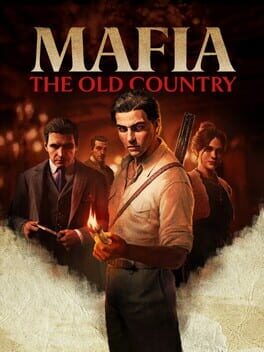
The game worth taking seriously: Mafia: The Old Country
Most licensed games in this genre coast on gunplay dressed in period clothes. Mafia: The Old Country is different: it is set in early 20th century Sicily, which means it is telling the origin story of the very world Puzo described. The atmosphere is deliberate, the world is detailed, and the story takes the loyalty-versus-survival tension seriously. It is the first game in this corner of the catalog that earns comparison to the films it echoes rather than simply borrowing their aesthetic.