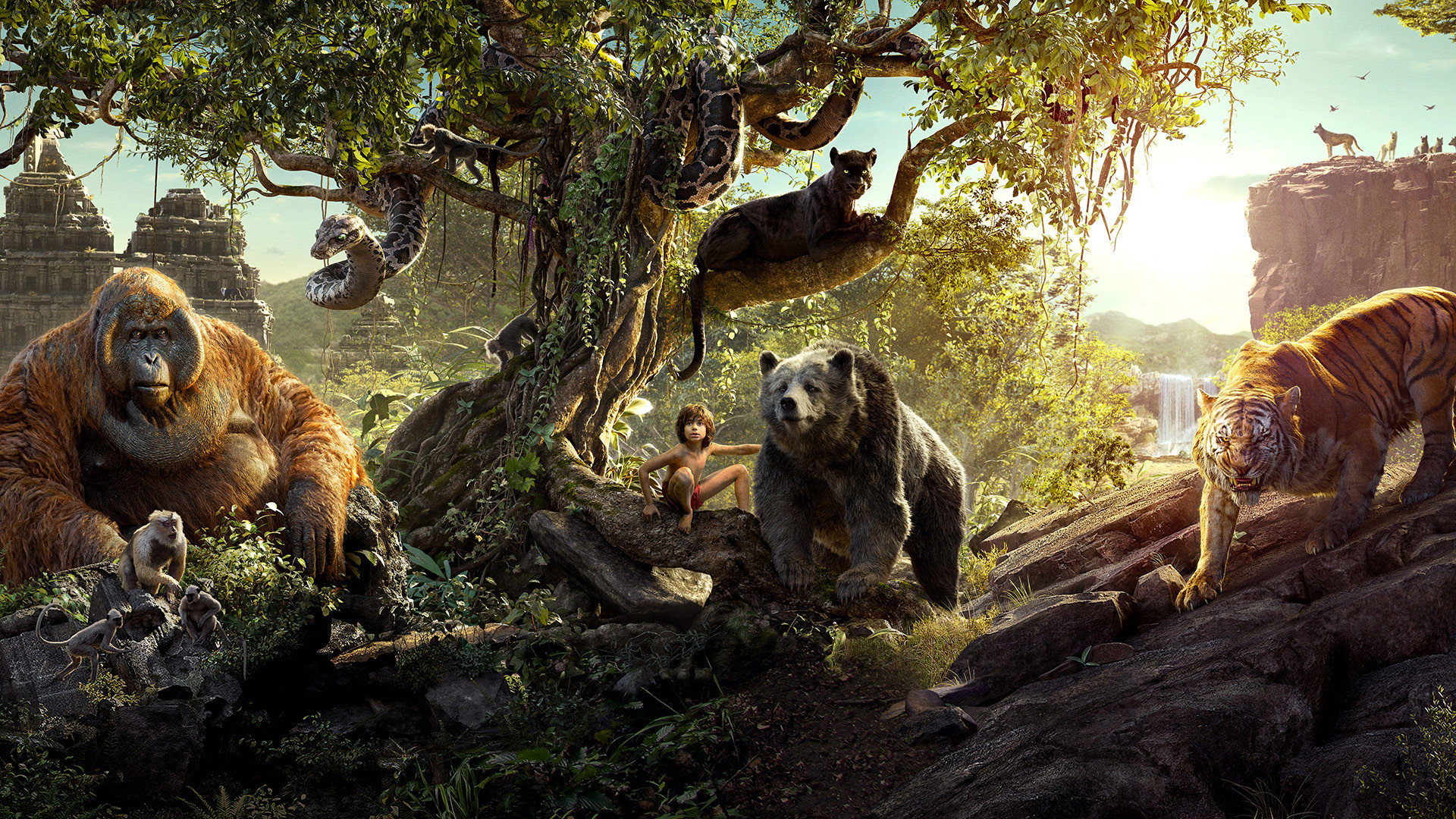

The boy who was raised by wolves, and the world that never let him go
Rudyard Kipling published The Jungle Book in 1894, a collection of short stories set in the Indian jungle. The central tales follow Mowgli, a human child adopted by a wolf pack, tutored by the bear Baloo and the panther Bagheera, and hunted by the tiger Shere Khan. Kipling was born in Bombay and drew on an India he both romanticised and misremembered, producing something that reads less like realism than like myth. The stories were followed by The Second Jungle Book in 1895, which completed the Mowgli arc.
The property's afterlife has been extraordinary. A German silent film arrived as early as 1918. Alexander Korda's Technicolor Hollywood version with Sabu appeared in 1942. Since then the story has been remade, reimagined, and radically altered in animation, live action, television, stage musicals, video games, and graphic novels. The central image, a feral child navigating a world of animals that is also, unmistakably, a human society in miniature, turns out to be infinitely recyclable.
Every Version of The Jungle Book
The source and every major adaptation across media

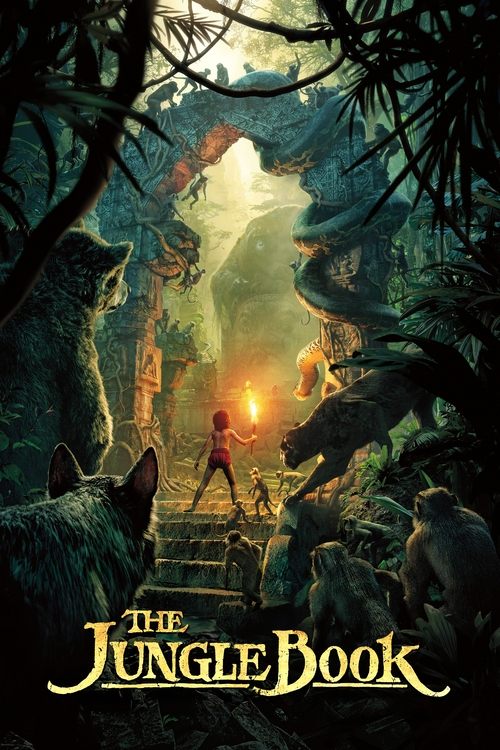
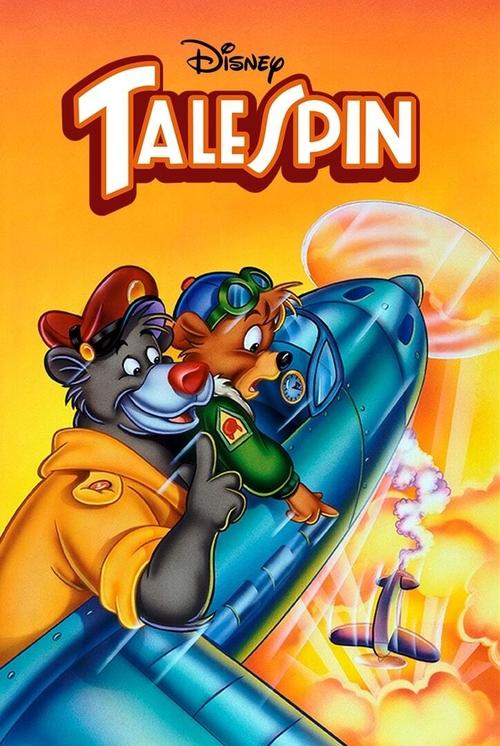
The Jungle Book Through Time
- 1894Kipling publishes the original short story collection The Complete Jungle Book
- 1895Kipling publishes the follow-up stories completing the Mowgli arc The Second Jungle Book
- 1967Disney's animated classic, Walt Disney's final film before his death The Jungle Book
- 1967The original cast soundtrack, featuring songs by the Sherman Brothers and Terry Gilkyson The Jungle Book: Original Cast Soundtrack
- 1990TaleSpin spins off Baloo and King Louie into a 1930s aviation comedy series TaleSpin
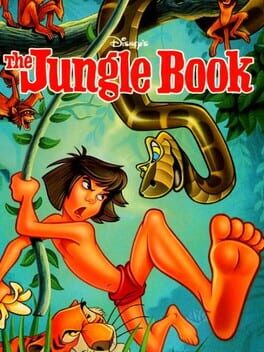
- 1993SNES and Game Boy action platformer published by Virgin Games Disney's The Jungle Book
- 1994Live-action theatrical film with Jason Scott Lee as adult Mowgli The Jungle Book
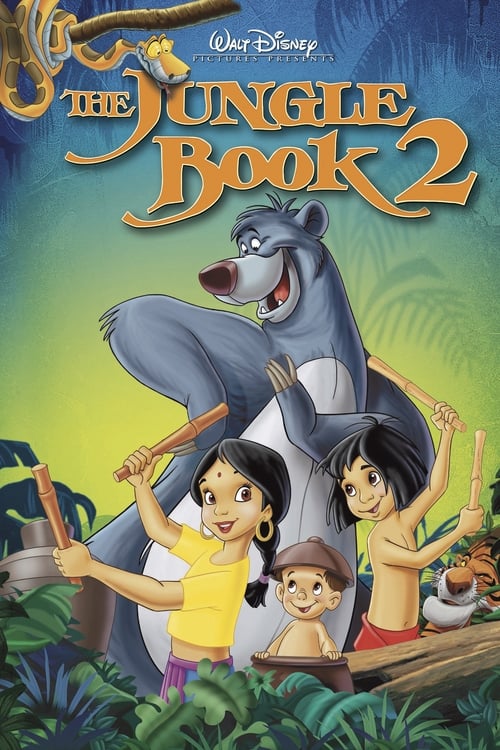
- 2003Theatrical animated sequel to the 1967 Disney classic The Jungle Book 2
- 2016Disney's photorealistic live-action and CG remake with Bill Murray and Ben Kingsley The Jungle Book
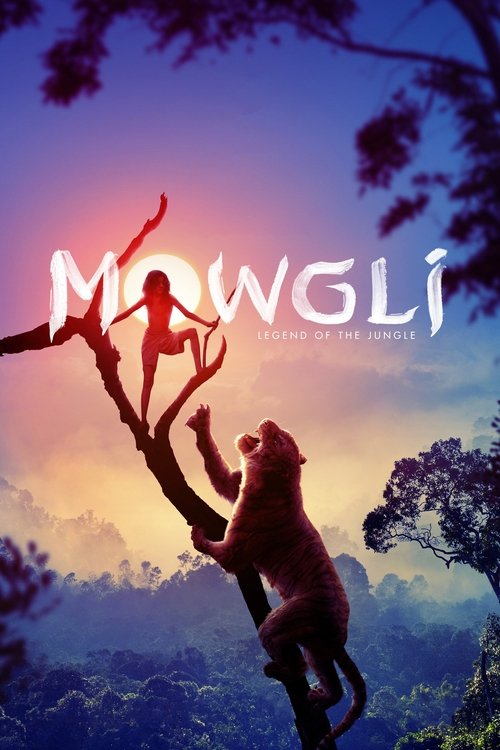
- 2018Andy Serkis's darker, more faithful Netflix adaptation with motion capture Mowgli: Legend of the Jungle
If You Love the Feral Child Story
Children raised by nature, cut off from human society
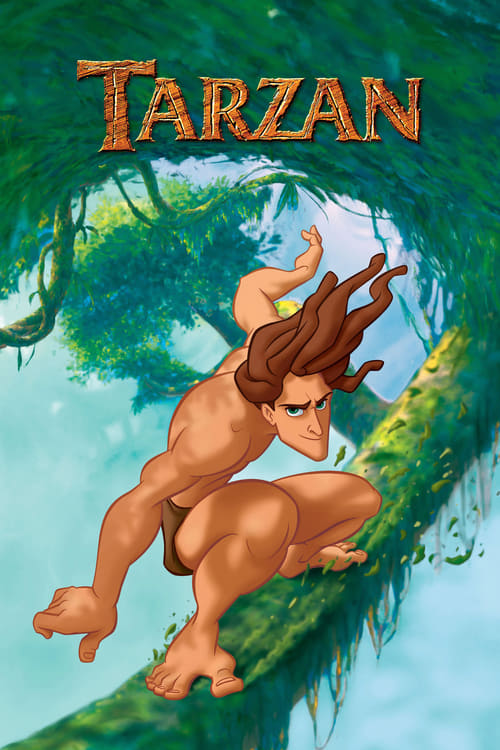
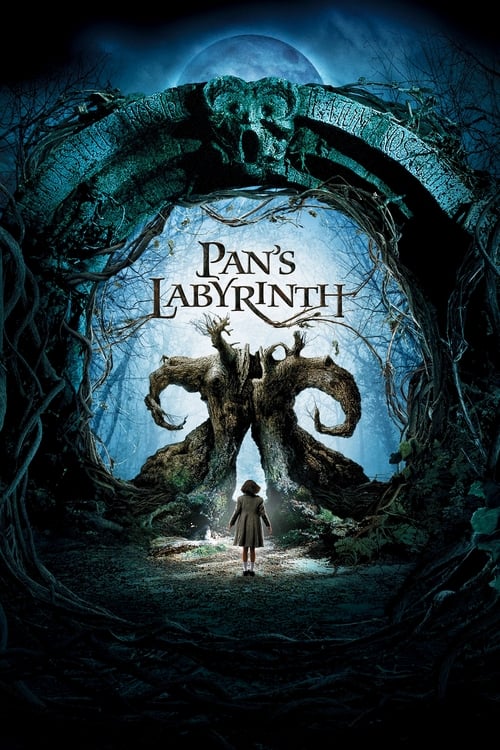


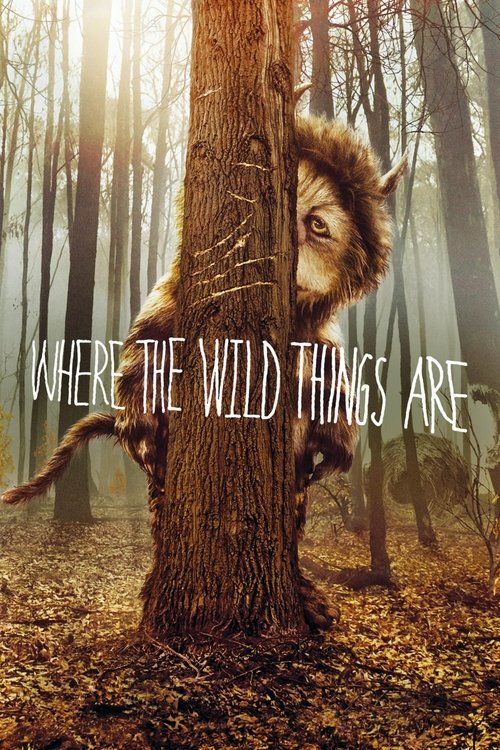
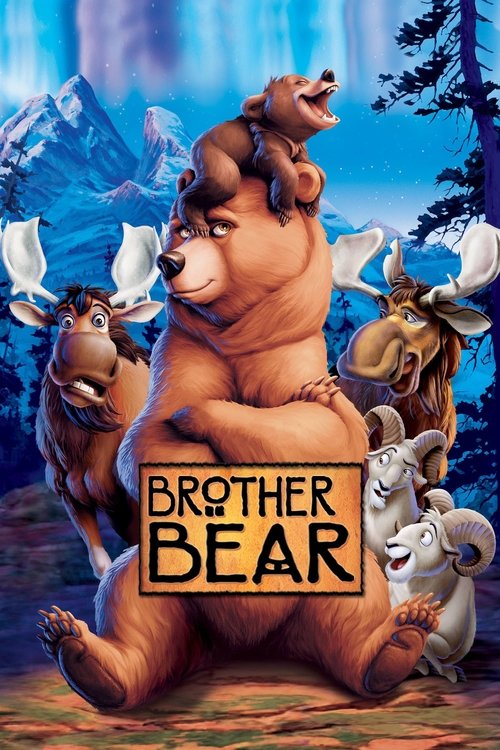
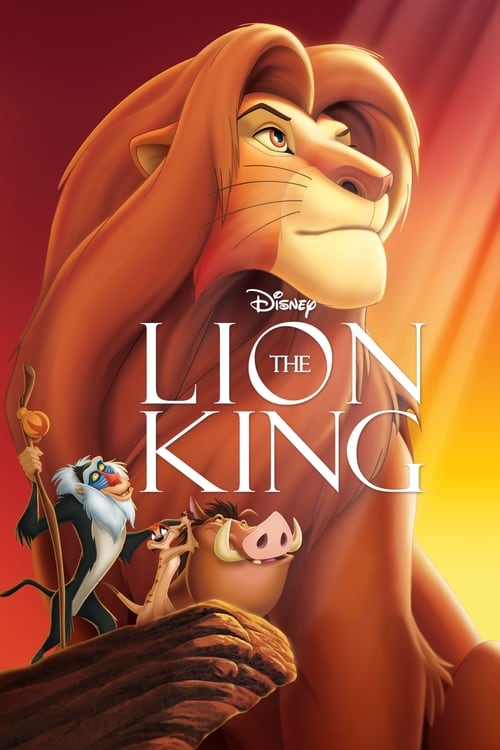
If You Love the Talking Animal World
Stories where animals form societies, hierarchies, and moral codes


If You Love Colonial Adventure and Myth
Stories rooted in empire, folklore, and spectacular geography


If You Love Disney's 1967 Musical
Big-band jazz, memorable villains, warm ensemble animation

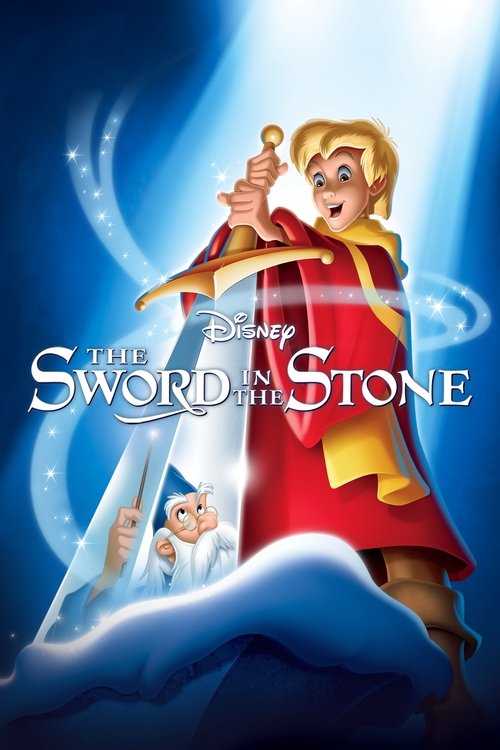
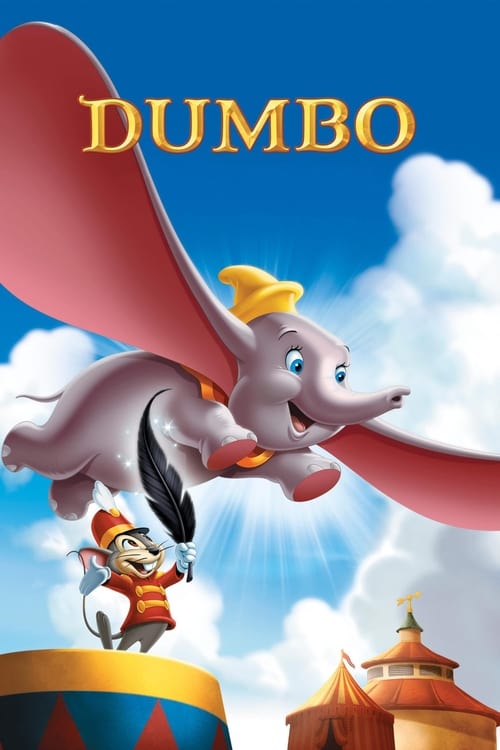
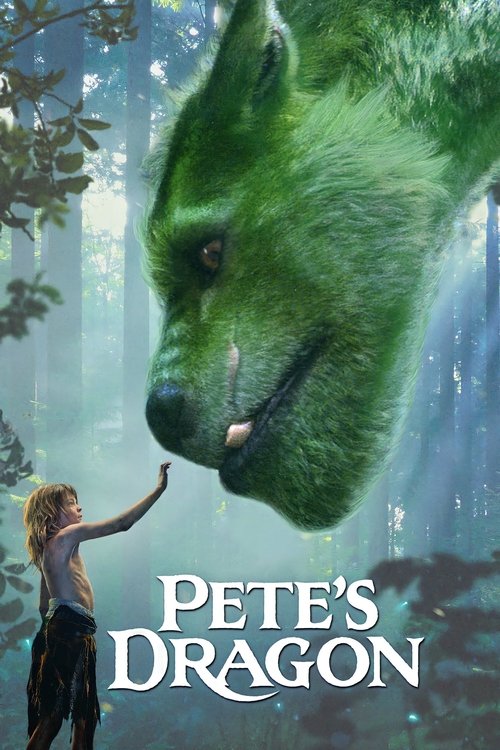
The 1967 Disney film is the canonical version, and it earned that status
Walt Disney died before the 1967 film was completed, and his last instruction to the animators was reportedly to ignore the book entirely. The resulting film is almost nothing like Kipling: the tone is light, the songs are infectious, and the whole thing runs 78 minutes. It should not work as well as it does. But the voice cast (Phil Harris, Sebastian Cabot, George Sanders as Shere Khan) is exceptional, the Sherman Brothers and Terry Gilkyson songs have not dated, and the film has genuine warmth. Generations of children saw it first and never quite needed another version. That is not a failing; it is exactly what a crowd-pleasing adaptation is supposed to do.
The bear necessities argument runs both ways: a film that strips out Kipling's colonialism and his darker wolfish politics in favour of jazz numbers is doing something deliberate. But what it replaces them with is real craft, not just commercial sentimentality.
Andy Serkis's Mowgli (2018) is the version closest to what Kipling actually wrote
The Netflix version sat unreleased for two years after Disney's 2016 film made a photorealistic Jungle Book look commercially risky. That delay hurt its reputation unfairly. Serkis's film is genuinely darker: Mowgli is a confused child caught between species rather than a plucky hero, the wolves are tribal and political, and Shere Khan is frightening rather than entertaining. It draws on the parts of Kipling's text the Disney version set aside entirely. It is not a children's film in the comfortable sense, and that is exactly its point.
The motion-capture performances carry weight that the 2016 CGI zoo never quite managed, and the film's willingness to sit with Mowgli's grief and displacement rather than resolve it into triumph is its real distinction.
The 2003 sequel is the one to skip
The Jungle Book 2 had the difficult job of continuing the 1967 film with a reduced budget and without the Sherman Brothers. It manages neither the original's warmth nor any new ideas of its own. Mowgli returns to the jungle, Baloo is there, Shere Khan returns as the villain, and nothing of consequence happens. The songs are weak imitations of the originals. It exists because sequels to Disney classics were commercially reliable in the early 2000s, and that is the entirety of the reason.