
Most adventure settings are obstacles the hero crosses. The jungle is different. It is the only landscape in popular storytelling that is routinely cast as the antagonist itself, a living wall of heat and rot and insect noise that does not care who you are or why you came. The desert kills you by absence. The jungle kills you by abundance. Everything is alive, everything is competing, and a great deal of it would like to eat you.
That is why the canon keeps returning to the same handful of moves. A man pushes upriver toward something he should not want. A patrol gets thinned out one disappearance at a time. A camera crew goes looking for the people no map admits to and is never the same again. Whether the green is the Amazon basin, the Congo, the jungles of Vietnam or a nameless tropical island, the story is the place, and the place is not on your side. This guide collects the films, shows, games and books that understood that, and a few that pretended the jungle was friendly and got eaten for it.
Essential jungle
The canon: green hell, lost rivers and the canopy that closes behind you

Aguirre is the original green-hell descent
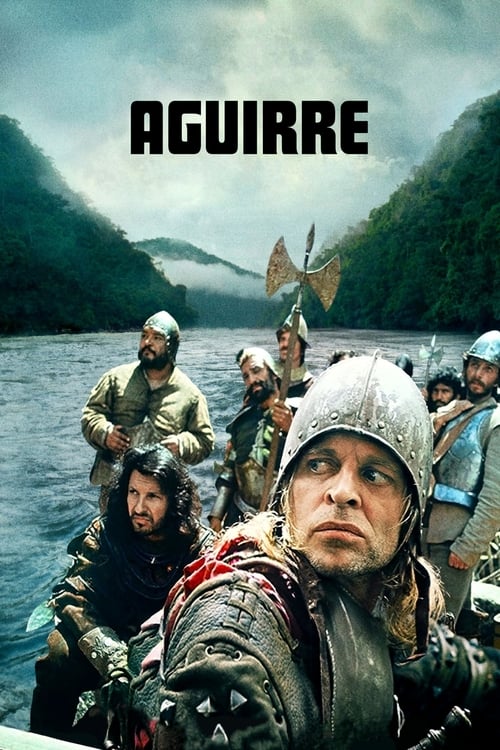
Werner Herzog's Aguirre, the Wrath of God set the template that Apocalypse Now would later inherit: a man going upriver into a jungle that strips him of everything except his madness. Klaus Kinski plays a conquistador leading a doomed Spanish expedition down the Amazon in search of El Dorado, and the genius of the film is how the rainforest does the work. The current carries the raft. The trees never thin. Monkeys overrun the deck in the final shot while Aguirre raves about the empire he will found, alone, on a raft going nowhere. Herzog famously dragged his cast and crew into the actual jungle to shoot it, and the exhaustion is on the screen. Nobody is acting tired.
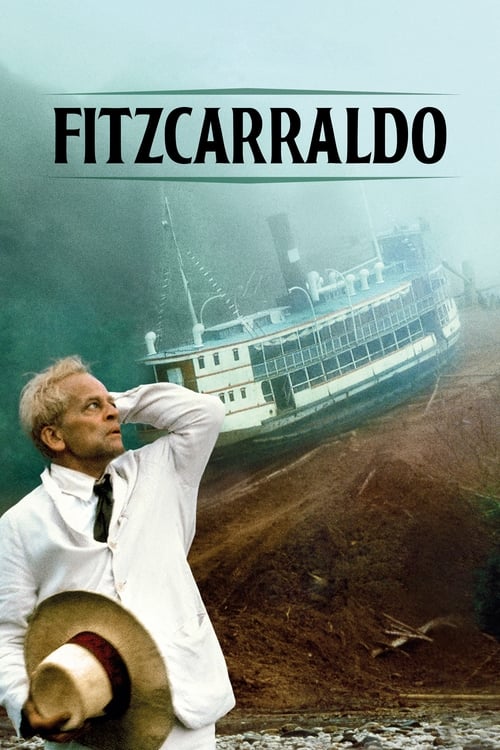
The other Herzog and Kinski river epic, Fitzcarraldo, is the lighter twin: a dreamer who wants to build an opera house in the rainforest and decides the way to fund it is to haul a steamship over a mountain between two rivers. They really hauled a real ship over a real hill. The documentary about that ordeal, Burden of Dreams, is arguably the better jungle film, because it shows what the place does to the people who think they can master it.

Swallowed by the canopy: jungle cinema
Explorers, expeditions and the river that only flows one way



The jungle that hunts back
There is a second tradition, less interested in the river and more interested in the food chain. Here the jungle is not a passage to madness but a hunting ground, and the question is whether you are the predator or the prey.
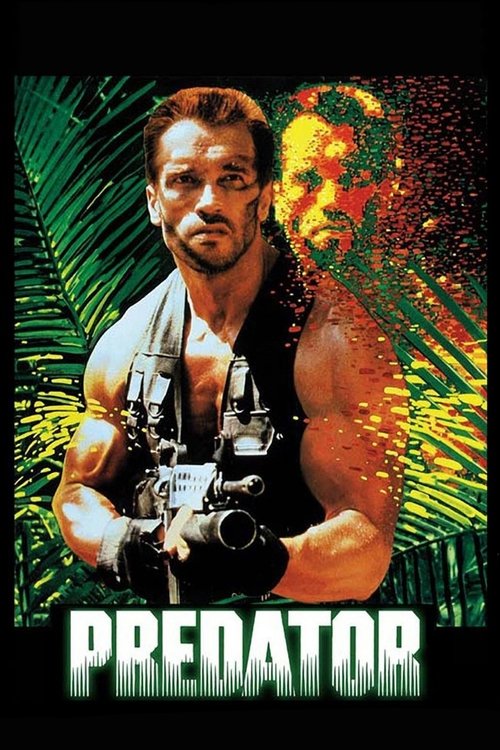
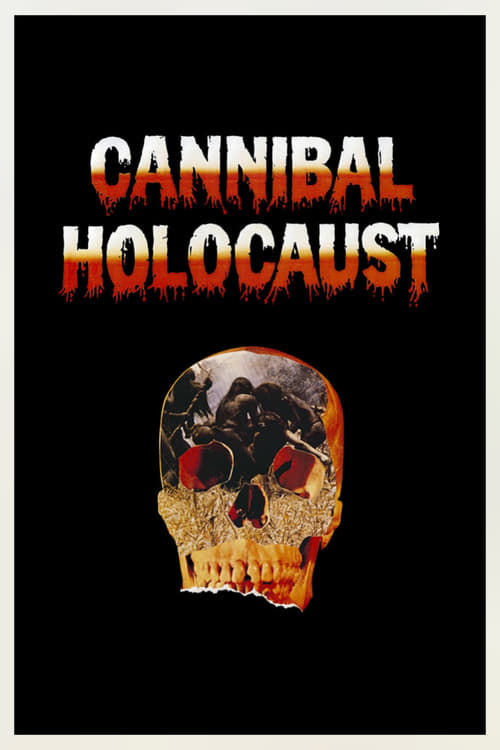
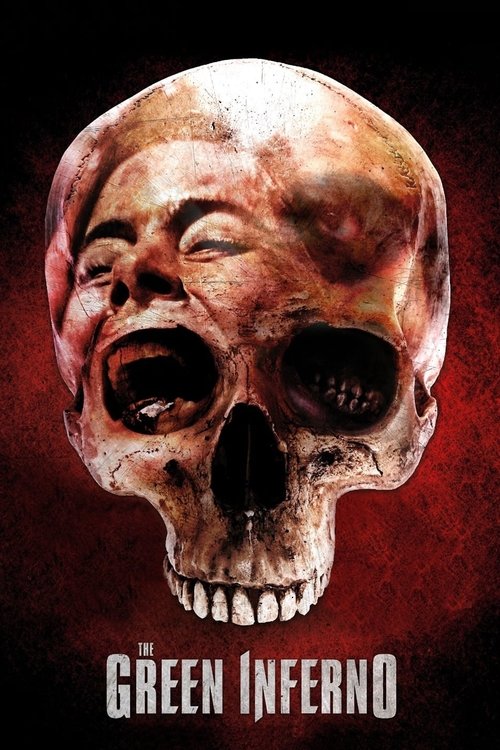
John McTiernan's Predator is the purest version. A team of the most heavily armed men imaginable walks into a Central American jungle, and an invisible thing methodically removes them, one at a time, until only Arnold Schwarzenegger is left, smeared in mud to hide his heat signature, having figured out that the way to survive the jungle is to become part of it. Then there is the genuinely ugly end of the spectrum: the Italian cannibal films of the late 1970s and early 1980s, Cannibal Holocaust chief among them, which used the rainforest as a stage for found-footage atrocity and an accusation that the real savages were the film crews. Eli Roth's The Green Inferno revived that subgenre with more polish and the same basic thesis. None of these are comfortable. All of them understand that the jungle is where the rules stop applying.
Hunting ground: when the green fights back
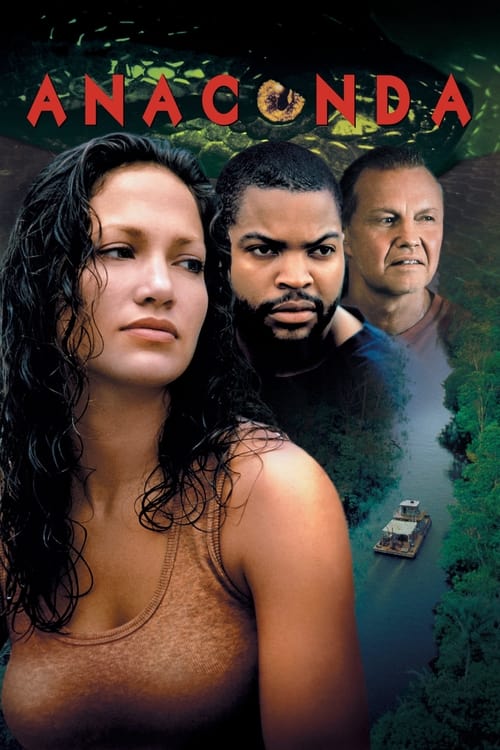
Predators, anacondas and the films that treat the jungle as a maw
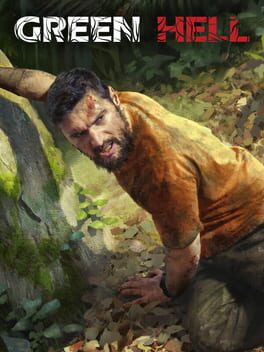
Green Hell is the most honest survival sim ever made
Most survival games turn the wilderness into a chore list: gather wood, build wall, fend off the night. Green Hell is the one that gets the Amazon right, because it understands that the rainforest does not need monsters to be terrifying. It has parasites. Drink from the wrong stream and you carry leeches inside you for days. Eat the wrong mushroom and you hallucinate. Leave a cut untreated and the wound goes septic in the humidity. The game forces you to inspect your own body in a menu, picking maggots out of infected skin, watching your sanity meter slide as the isolation grinds you down. There is no fast travel and no map worth the name. You learn the green by walking it and getting it wrong.
What makes it sit alongside the films rather than below them is the same insight Herzog had: the threat is the place. The Forest and its sequel Sons of the Forest lean harder into mutant horror, and they are excellent at it, but Green Hell is the one that feels like the rainforest actually closing in.
Jungle to play
Survival in the green, the tomb under the canopy and the apex hunter in the trees
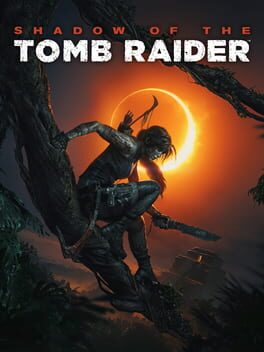
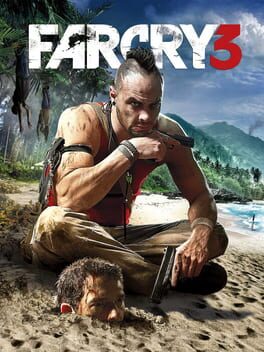
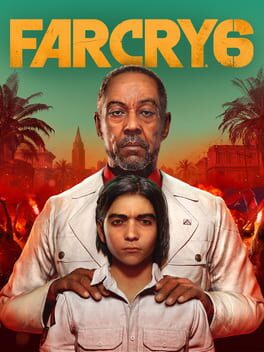
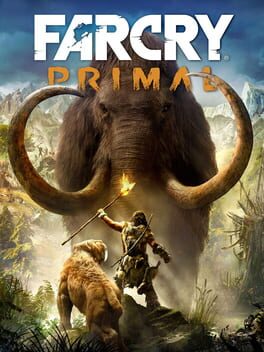
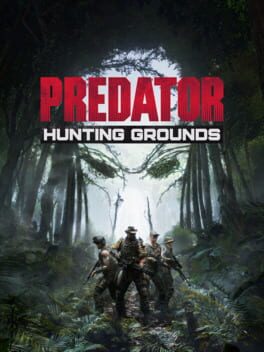

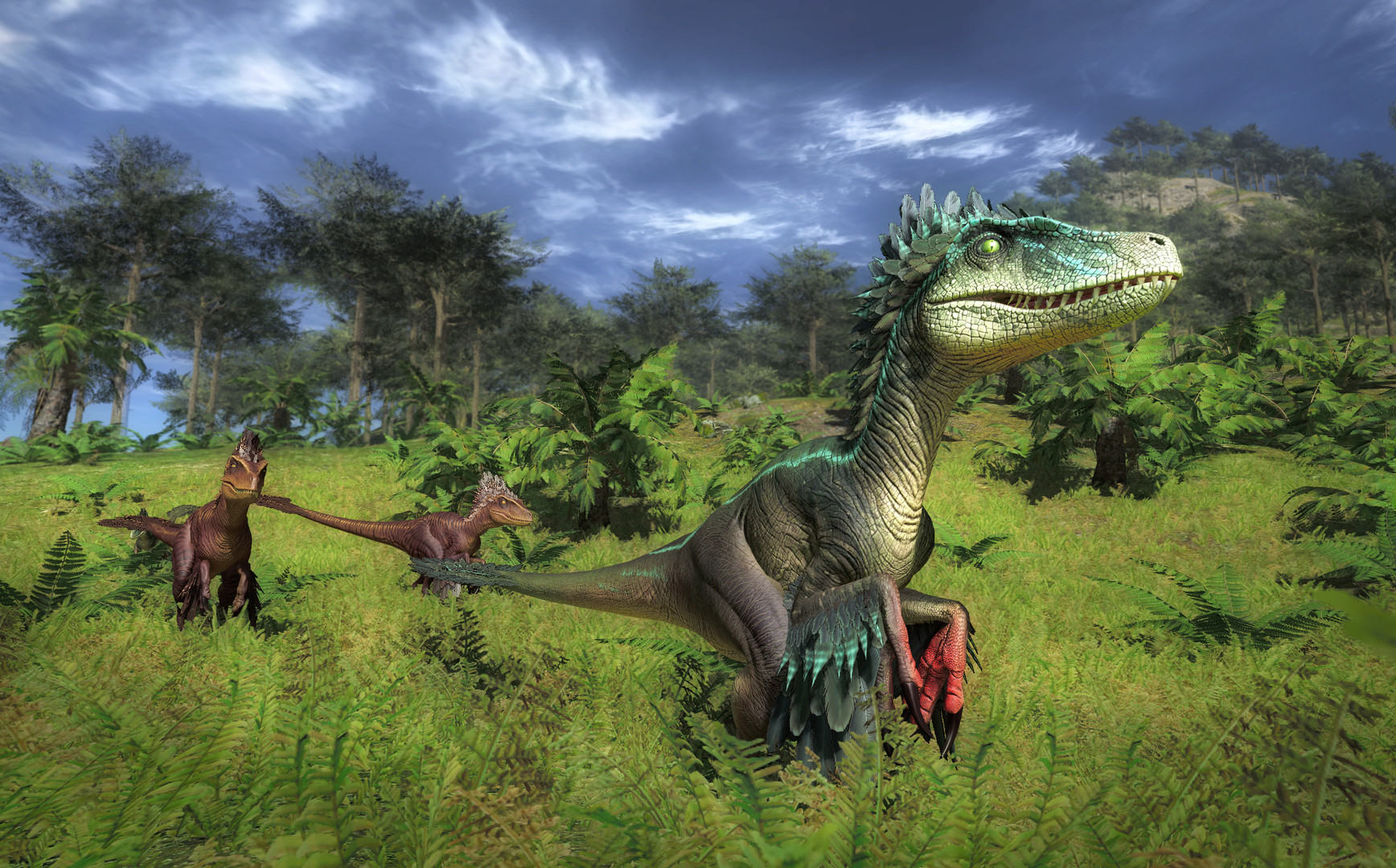
The jungle. It just came alive and took him.Dillon, Predator (1987), on the first man the canopy swallowed
Embrace of the Serpent is the jungle film from the other side
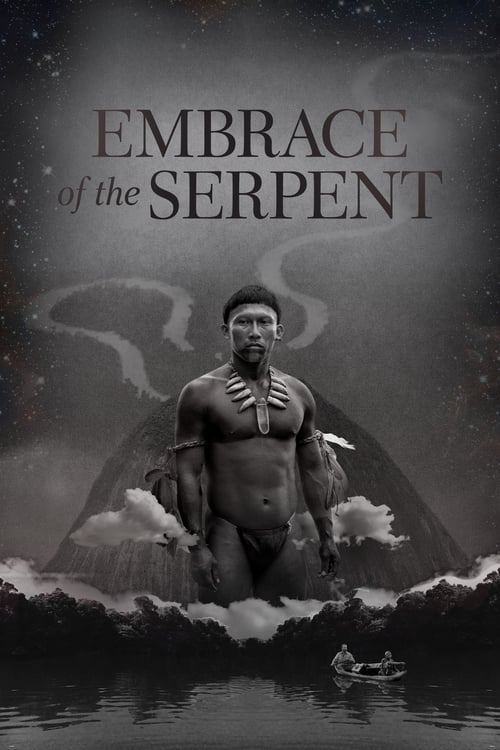
Almost every entry in this genre frames the Amazon through the eyes of the outsider coming in: the explorer, the conquistador, the camera crew. Ciro Guerra's Embrace of the Serpent flips that. Shot in luminous black and white along the Colombian Amazon, it follows an Indigenous shaman, the last of his people, who guides two different Western scientists upriver decades apart in search of a sacred healing plant. The jungle here is not a green hell to be survived. It is a home being hollowed out by the men who keep arriving to take from it, and the film treats the rubber-boom atrocities and the mission stations as the real horror.
It pairs well with Embrace's spiritual cousins on the page. Barbara Kingsolver's missionary family and Ann Patchett's pharmaceutical-researcher heroine in State of Wonder both send Westerners into the rainforest convinced they are bringing something, only to find the jungle taking it back. Guerra's film is the most beautiful argument in this whole guide that the canopy was never the villain. The people walking under it were.

Into the green: jungle on television
Stranded survivors, prehistoric incursions and the real people who walk in voluntarily
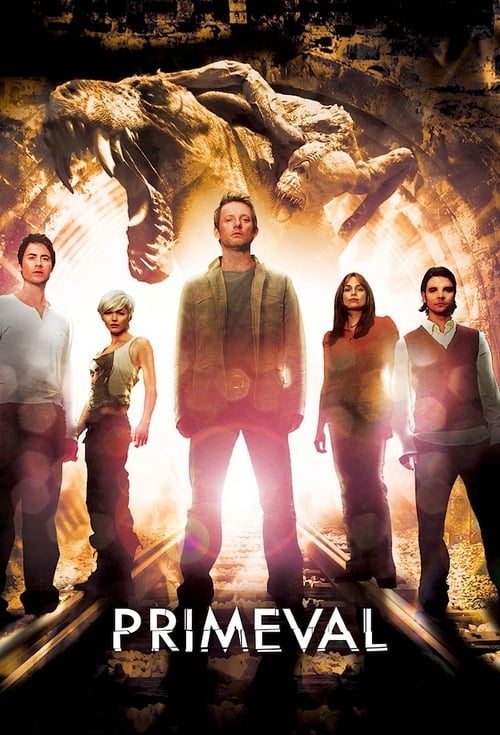
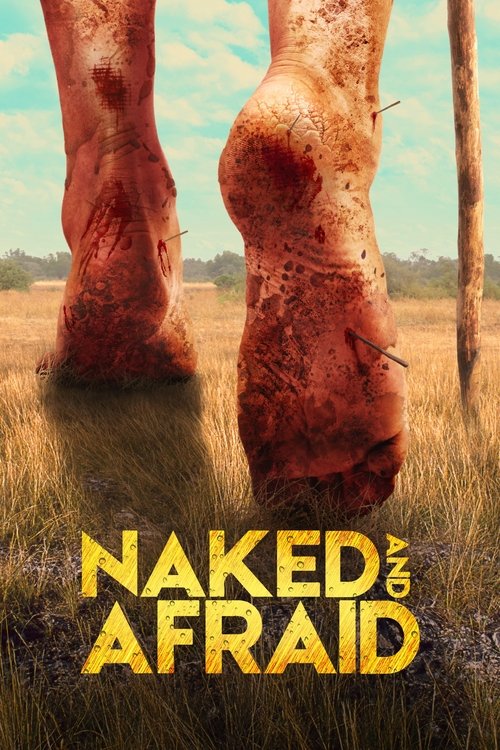
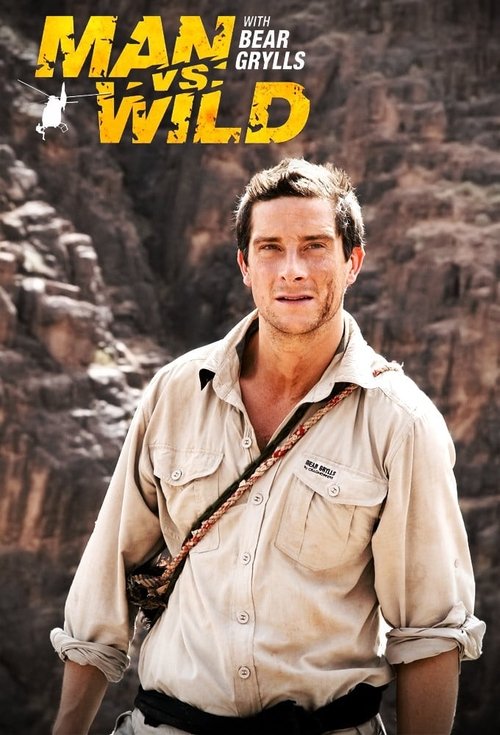
The books that mapped the dark
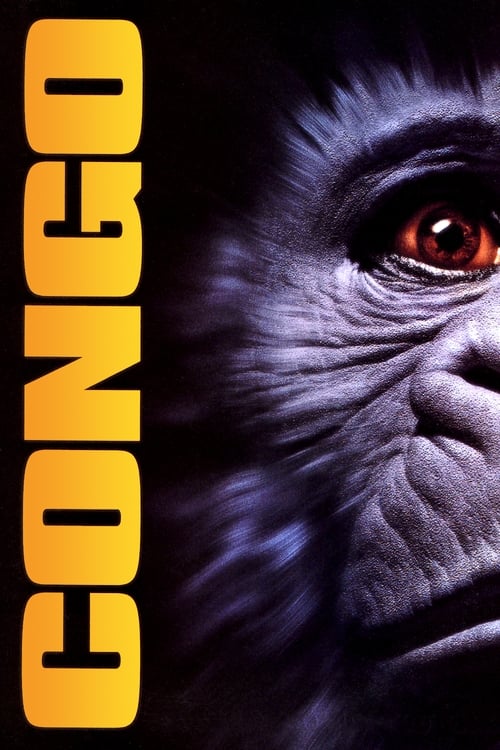
The literature of the jungle is older than the cinema and, if anything, bleaker. Joseph Conrad never wrote the word Amazon, but the Congo of his imagination became the template for every upriver descent that followed, and the catalog holds his late short fiction and journals from the period. Michael Crichton's Congo took the same river and turned it into a techno-thriller of killer gorillas and lost diamond mines, which sounds ridiculous and reads at a hundred miles an hour.
The nonfiction is where the jungle earns its reputation. Adam Hochschild's account of King Leopold's Congo, the soliloquy Mark Twain wrote in the dead king's voice, the long shadow of Mobutu in Michela Wrong's reporting: these are the books that explain why the fictional jungle is always a place where European certainty goes to die. The catalog's Amazon titles run thinner than its Congo shelf, but the throughline is the same. The rainforest does not return the people who go in believing they understand it.
Jungle on the page
Conrad's river, Crichton's thriller and the histories of the green dark


The jungle gets the music it deserves: hypnotic, not heroic
Listen to how composers score the rainforest and you can hear the genre's whole argument. Popol Vuh's music for Aguirre is the definitive jungle sound: a choir-organ drone that floats above the river like heat haze, eerie and weightless, the exact opposite of an adventure fanfare. It does not build toward triumph because the film is not going anywhere triumphant. It just hovers, the way the canopy hovers.
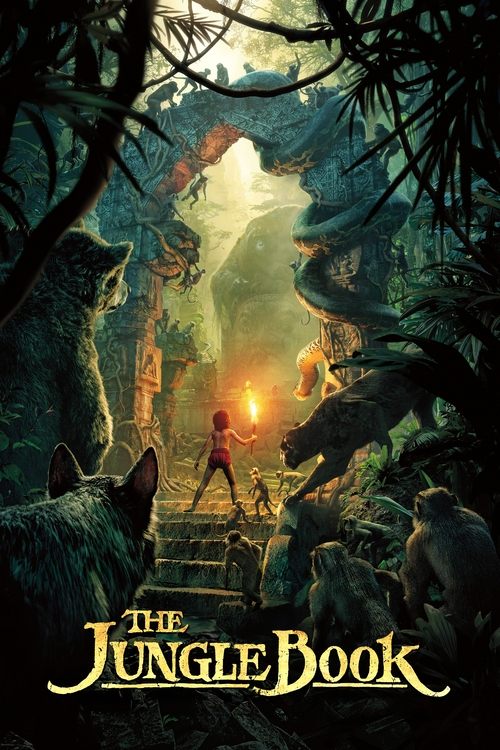
Disney's 1967 The Jungle Book is the obvious counterargument, the rainforest as a place of swinging brass and lazy river rhythm, which is fine for a cartoon but tells you immediately that this is a jungle with the danger filed off. James Horner's Avatar score splits the difference, building an entire ecosystem out of ethnic flutes and percussion for a forest planet that is, more than anything, the Amazon turned luminous. Put them side by side and you can map the spectrum from honest dread to package-tour wonder.
The sound of the canopy
From Popol Vuh's drone to a forest planet's ethnic percussion
Adventure under the vines
The lighter end of the green: treasure hunts, ape-men and the tongue-in-cheek expedition