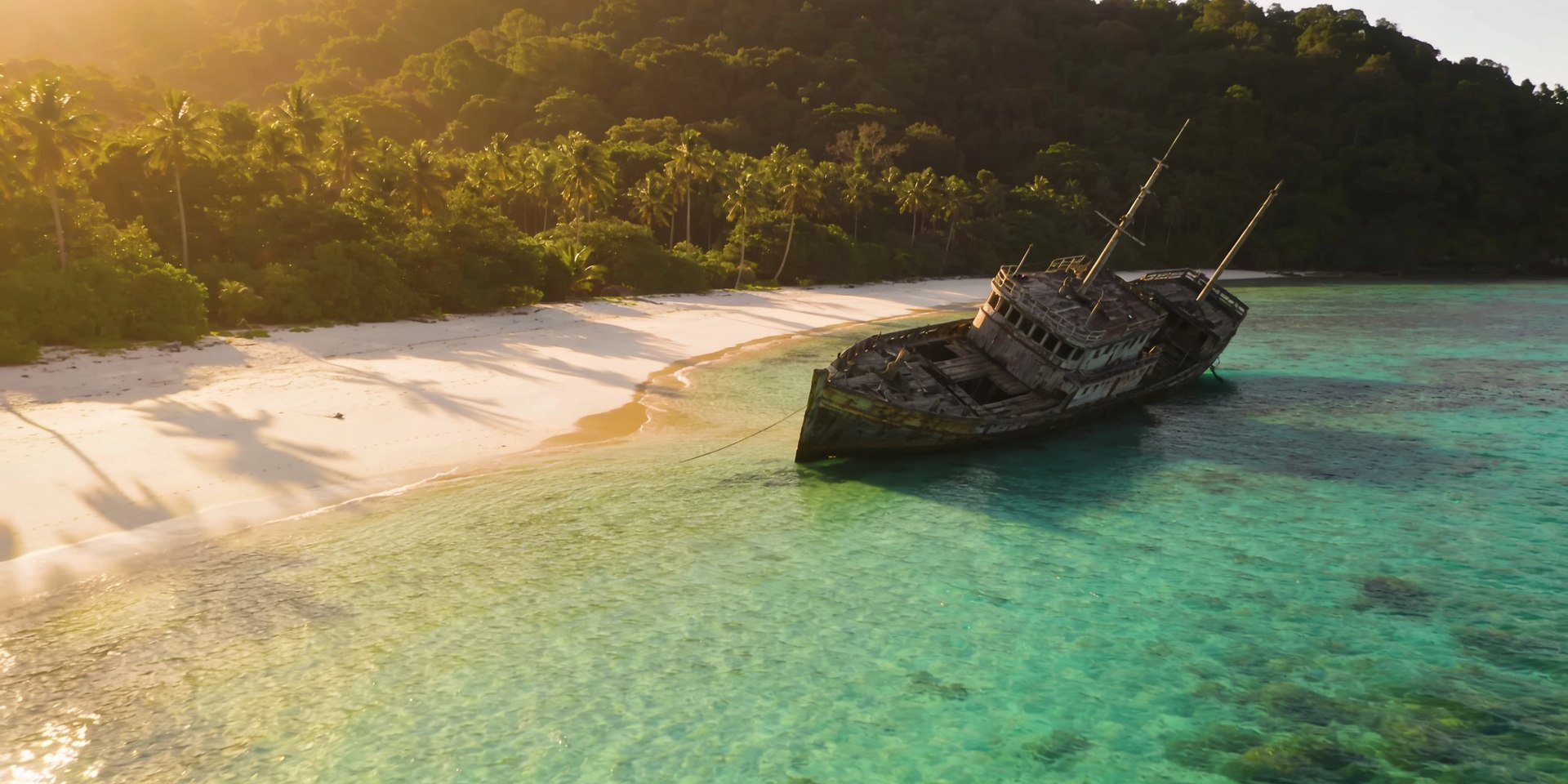

The shipwreck story is the oldest survival story we have. Strip away the circumstances, and what remains is the starkest possible version of the human question: what do you do when there is nothing left but you, a shoreline, and the problem of staying alive? Every era reaches for this scenario because it strips character down to something irreducible. The ocean does not care about your career, your debts, or your plans. It only ever presents you with the next hour.
These stories sprawl across every medium because the premise travels so well. A novel can follow one marooned consciousness for hundreds of pages and never lose tension. A game can make the survival problem tactile and personal. A miniseries can watch a group fray under pressure across weeks. A film can compress it all into a single performance, a single face looking out at the water. What the best castaway stories share is a refusal to sentimentalise the situation: the island is not a paradise. It is a problem, and the person marooned on it is being tested.
Essential castaway stories
The canon, across every screen and page


The greatest one-man show in survival cinema
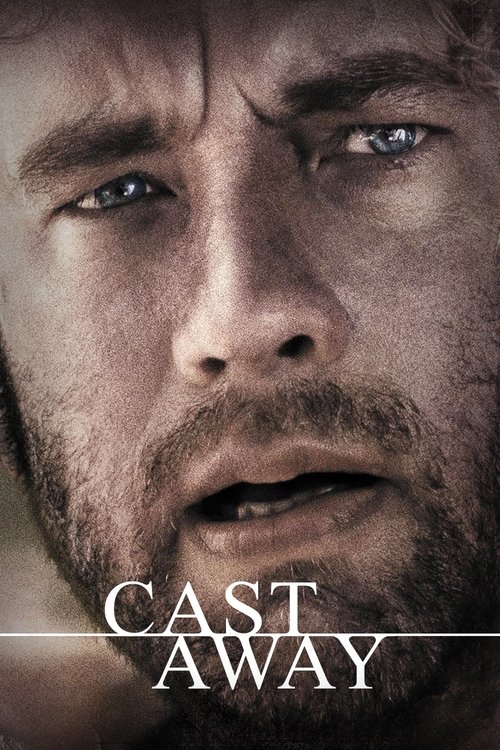
Robert Zemeckis gave Tom Hanks an empty island and four years of screen time, and the result is the most thorough study of solitude that blockbuster cinema has attempted. Cast Away works because it earns its running time honestly: you watch the weight fall off, the hair grow, the skills accumulate painfully from nothing. The film's most celebrated relationship is with a volleyball named Wilson, and it is not a joke. By the time Wilson drifts away on the current, Hanks has made you feel the loss of an inanimate object as keenly as any departure in cinema. That is the kind of investment in the premise that separates a castaway story from a survival-adventure.
Marooned at sea
Open water, disabled vessels, and the fight to survive it



When the island becomes the villain
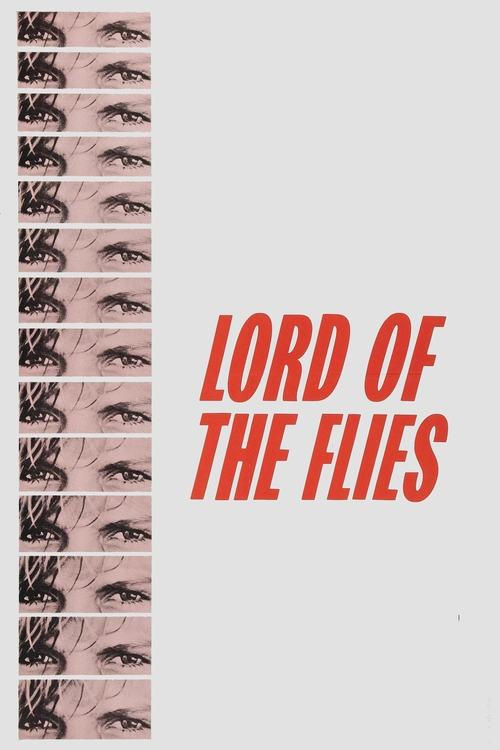
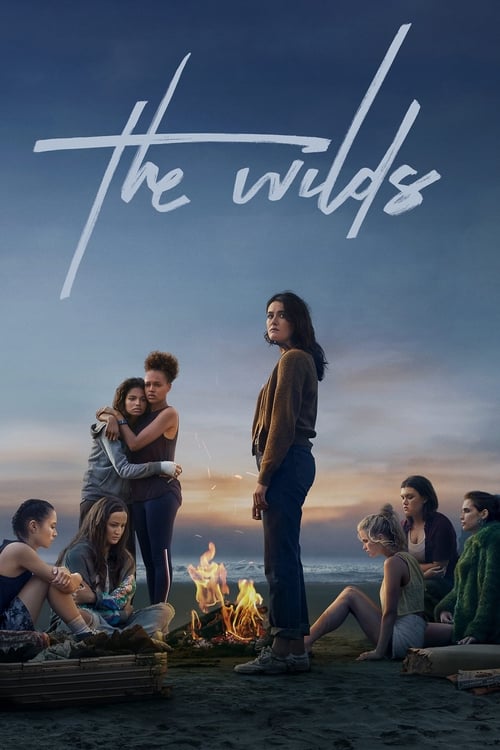
Not every stranded narrative is about solitude. Lord of the Flies made the island itself irrelevant: the horror was always inside the boys who landed on it. Golding's novel, written in 1954, reversed every Robinson Crusoe assumption in one stroke. The castaways are children. They have fire. They have organisational intelligence. And within weeks, they have hunted and killed one of their own. The book refuses any consolation about human nature, and every adaptation since, including the 1963 Peter Brook film and the 2020s TV reworking The Wilds, has been measuring itself against that refusal. Can a group of people, freed from civilisation's structures, hold themselves together? Golding's answer was bleak and has not been meaningfully rebutted.
Society under pressure
Groups marooned together, watching the rules dissolve
The survival game as the purest castaway form
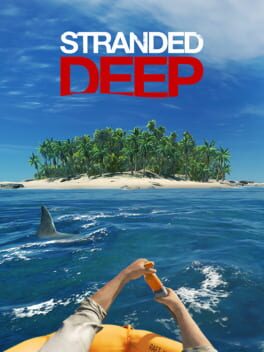
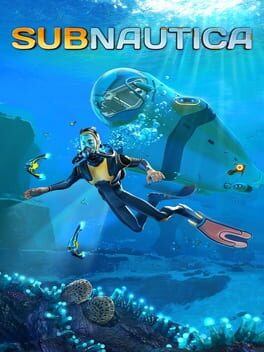
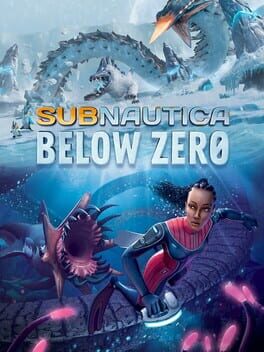
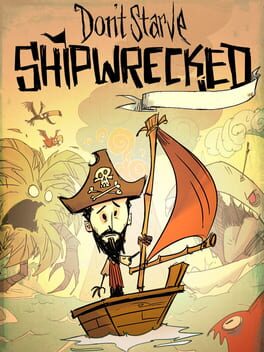
No medium puts you inside the castaway's problem as directly as the survival game. Subnautica is the best example in years: you are the sole survivor of a crashed spacecraft on an alien ocean world, and the game gives you nothing beyond the wreckage and your wits. The tension between the wonder of the underwater environment and the constant pressure of staying alive is exactly what the best shipwreck fiction achieves on the page. Stranded Deep and Raft follow the same template, stripping the fantasy back to hunger, thirst, and the construction of a shelter from whatever the sea provides. These are not power fantasies. They are management problems with real consequences, and they will humble you.
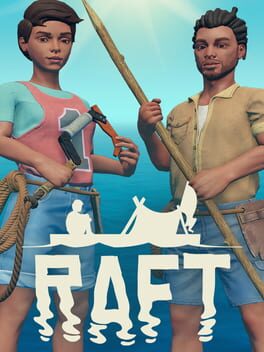
Survival games: stranded and building
Island survival, ocean survival, games that strand you and make you work
Ang Lee made a lifeboat feel as large as a continent
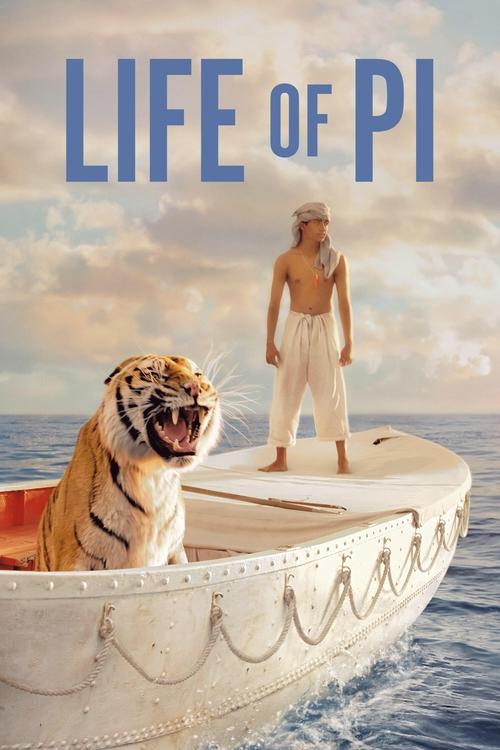
Yann Martel's novel spent years being described as unfilmable: a boy on a lifeboat with a Bengal tiger, drifting for 227 days, with the suggestion that the whole thing might be a different story dressed in metaphor. Ang Lee filmed it anyway and won the Oscar for it. What makes Life of Pi work as a castaway story, beyond the spectacle, is that it takes the loneliness seriously. Pi's relationship with Richard Parker, the tiger who would gladly eat him, is a wary, dependent standoff: the animal's need for food is the only thing keeping Pi in survival mode. When Richard Parker disappears into the jungle without looking back, the loss is not sentimental. It is the end of a contract.
Castaway on television
From prestige island drama to sitcom parody and reality television

On the page: the castaway novel
The genre's literary roots, from Defoe to the present

The stranded-survival cousin
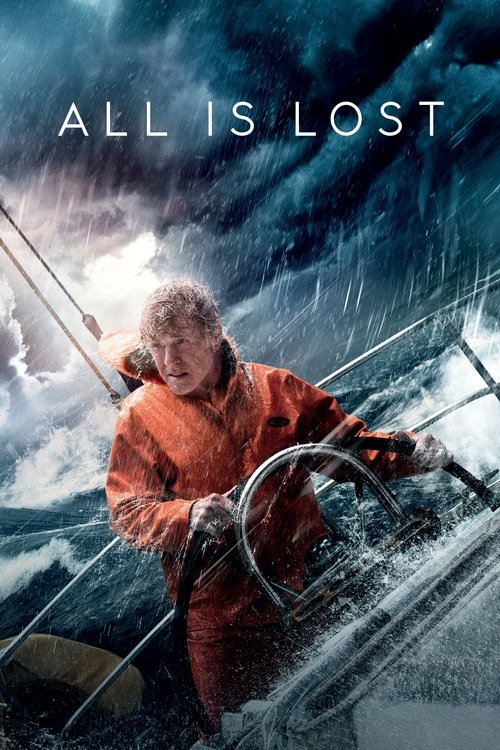
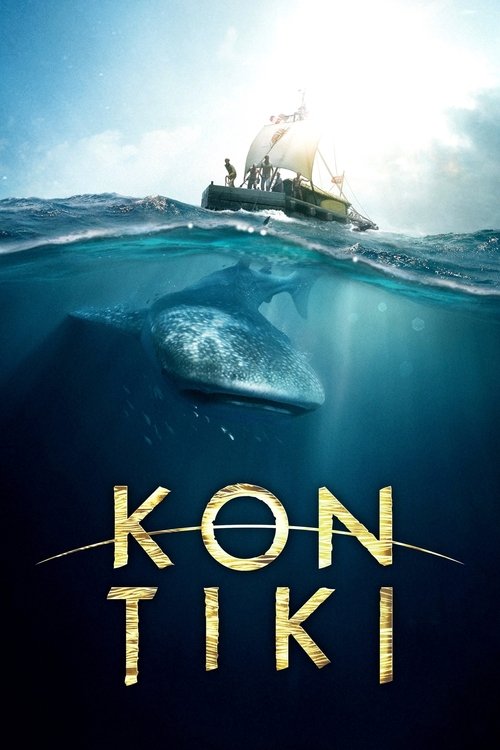
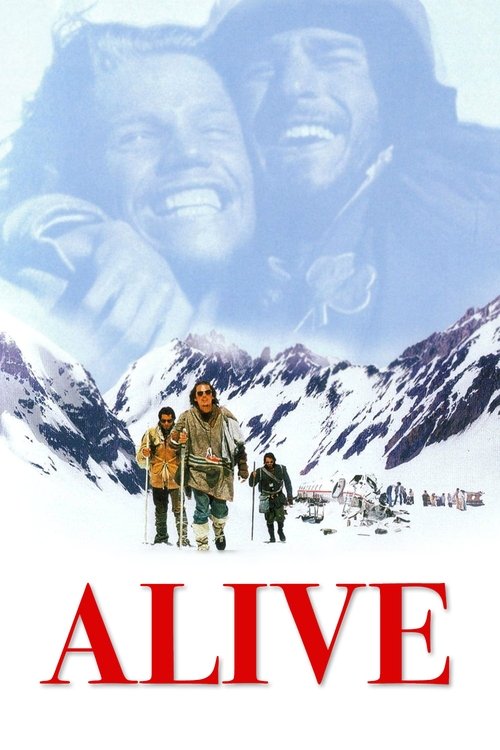
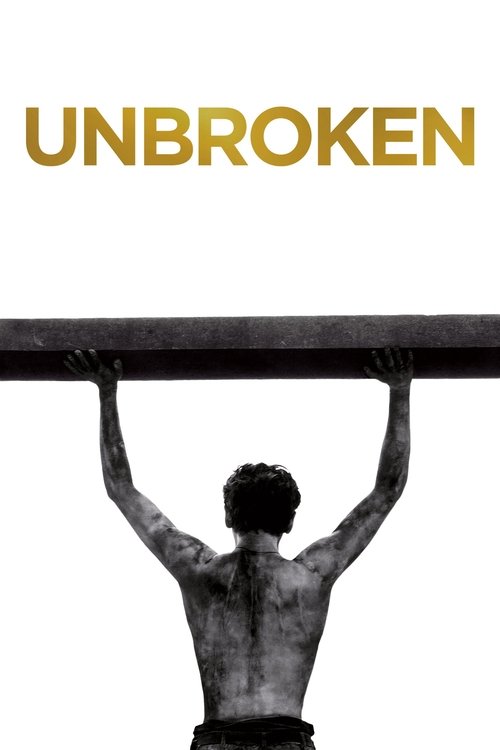
Not every marooned story happens on an island. All Is Lost gives Robert Redford a sinking sailboat, no dialogue, and 106 minutes to make you feel every one of the days he spends trying not to drown. The Martian is a castaway story on Mars, with Ridley Scott taking the same premise and adding duct tape and botany. Unbroken and Kon-Tiki are based on true accounts of survival at sea that feel like fiction: Louis Zamperini drifting 47 days in the Pacific, Thor Heyerdahl crossing from Peru to Polynesia on a balsa-wood raft to prove an anthropological theory. The sea, it turns out, is indifferent to whether you chose to be there.
Beyond the island: stranded survival
Shipwrecks, disabled vessels, and survival stories set at sea and far beyond

The island adventure
When the castaway premise becomes a family epic or a classical adventure
More survival against an unforgiving world
Wilderness Survival
Explore the Wilderness Survival guide →The ocean does not care about your plans. It only presents you with the next hour.On what the castaway story always comes back to