
The spy who came in from the hotel lobby
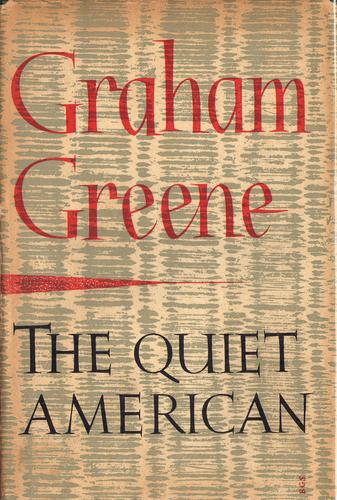
John le Carre published The Night Manager in 1993, just as the Cold War was collapsing and the spy novel was supposedly dying with it. He answered the obituary by pivoting his tradecraft to a new villain: the international arms dealer. Jonathan Pine, a hotel manager with a violent past, is drawn into a deep-cover operation against Richard Roper, a charming English arms merchant operating somewhere between the legitimate world and mass murder. Le Carre had always been drawn to the question of what compromises a man makes to serve a cause, and in Pine he found his most physically compelling vessel for that inquiry.
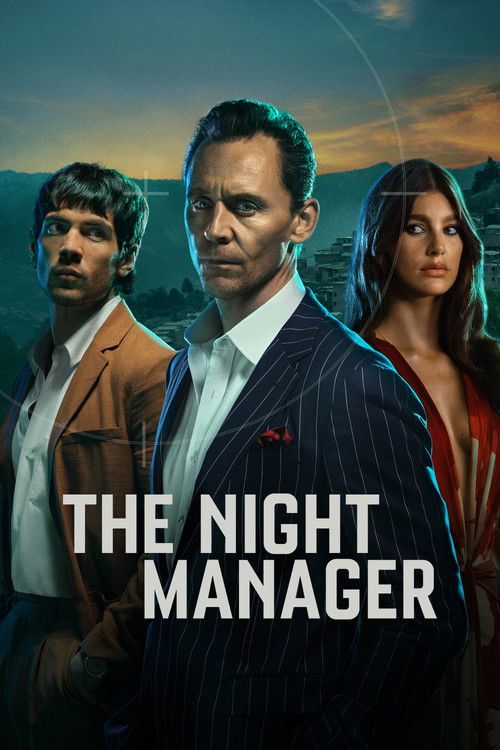
The novel's particular genius is its setting: luxury hotels as theaters of moral rot, all polished surfaces and hidden transactions. That visual richness made it an obvious target for adaptation. For over two decades it circled Hollywood and the BBC as a development project before finally landing as a BBC/AMC miniseries in 2016. That production, which updated the story from the early 1990s to the present day and shifted some of the geopolitical machinery, became one of the defining prestige television events of its era.
A second season, produced by Amazon and the BBC with a partially new cast, entered production years later, extending the story beyond the novel's ending. Le Carre died in December 2020, before the continuation reached screens.
The Night Manager across the years
- 1993John le Carre publishes the novel The Night Manager
- 2016BBC/AMC six-part miniseries premieres The Night Manager
- 2023Season 2 enters production (Amazon/BBC) The Night Manager
The 2016 series earns its reputation, and then some
Susanne Bier's direction gives the material a visual confidence that most spy television never reaches. Tom Hiddleston plays Pine as a man who wears performance itself like a second skin, which is exactly the point: the cover story requires him to become someone else, and the series makes that psychological erosion feel genuinely costly. Hugh Laurie's Roper is one of the more persuasive screen villains in recent memory, not monstrous but entirely comfortable. The update from post-Cold War to contemporary Syria-adjacent arms dealing sharpens the novel's moral stakes rather than diluting them.
The novel is the deeper, stranger object
Le Carre's prose does things the miniseries cannot. The novel's Pine is more damaged, more genuinely ambiguous, and the institutional cynicism that le Carre spent his career documenting runs deeper here than any six hours of television can carry. The arms trade machinery is more granular. The ending refuses the satisfactions the series supplies. Readers who arrived through the BBC production will find the source material rewards a second look on its own terms: it is, in several important ways, a harder book than it first appears.

If you love the novel: le Carre's other masterworks
The books that define his particular vision of betrayal and compromise


If you love the BBC series: prestige spy television
The small screen at its most morally serious




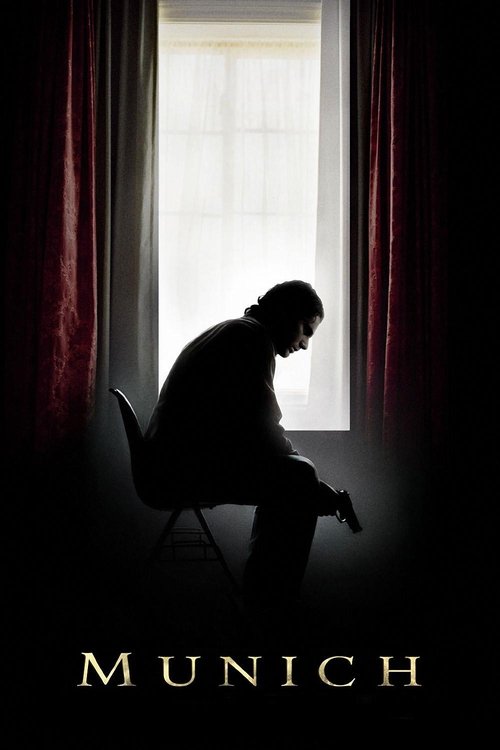
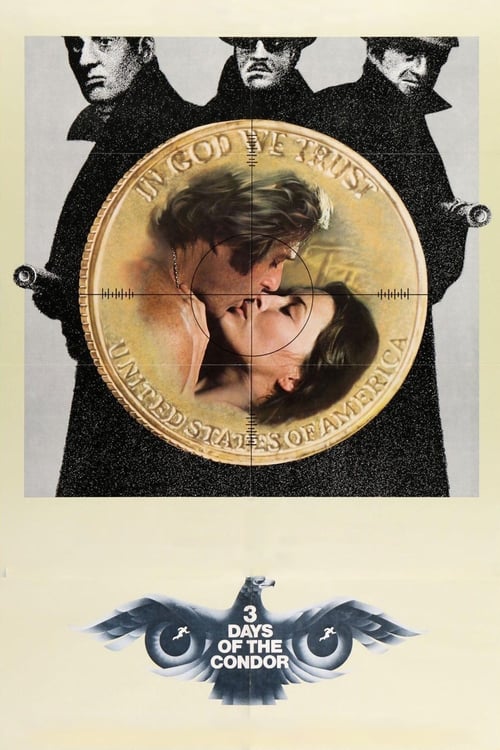
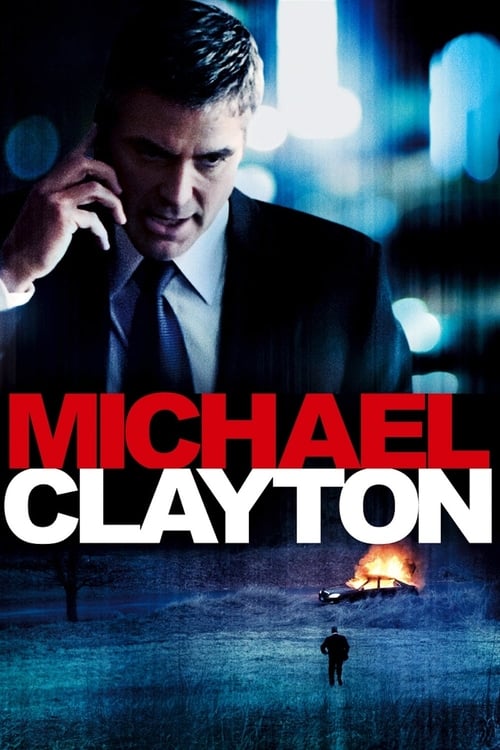
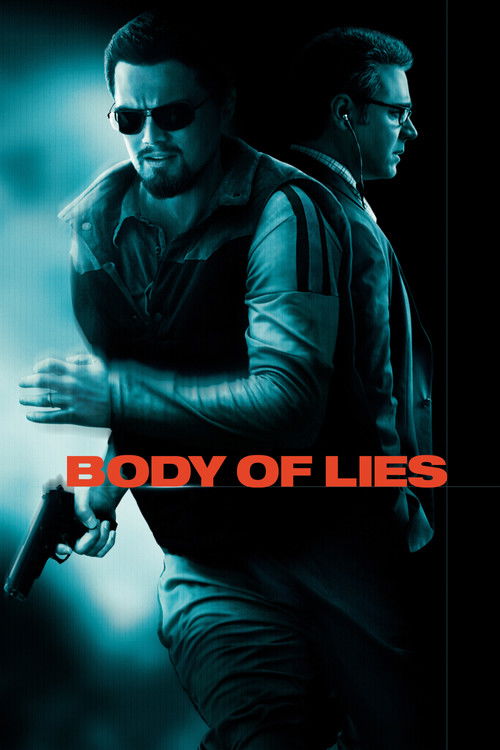
If you love the arms-dealer villain: morally complex thriller cinema
Films where the enemy has excellent manners and a worse conscience



If you love Jonathan Pine: undercover operatives in fiction
Protagonists who go deep and come back changed
