
The novel that launched a franchise, and the film that redefined it
Thomas Harris published The Silence of the Lambs in 1988 as a sequel to Red Dragon (1981), the novel that introduced Dr. Hannibal Lecter as a supporting villain helping FBI agent Will Graham hunt a serial killer. Silence inverted that relationship: Lecter became the gravitational center, and the new protagonist, trainee agent Clarice Starling, the one pulled into his orbit. It was a bestseller before a single frame was shot.
Jonathan Demme's 1991 film adaptation did something unusual for a genre thriller: it swept the five major Academy Awards (Picture, Director, Actor, Actress, Adapted Screenplay), joining only It Happened One Night and One Flew Over the Cuckoo's Nest on that list. That film locked in Anthony Hopkins and Jodie Foster as the definitive faces of these characters for a generation. What followed was a franchise that sprawled in every direction, backward and forward in time, across novels, prequels, sequels, reboots, and a long-running television series that reinterpreted the source mythology entirely.
Every version of The Silence of the Lambs
The source novel, its direct adaptations, and every screen incarnation of Clarice Starling and Hannibal Lecter


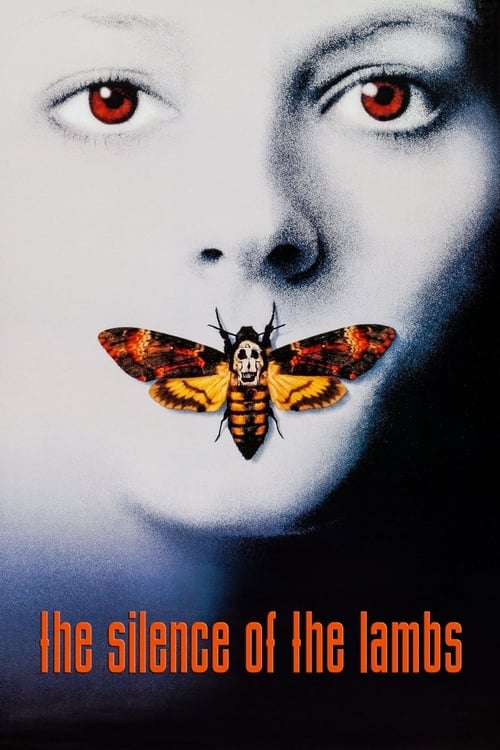
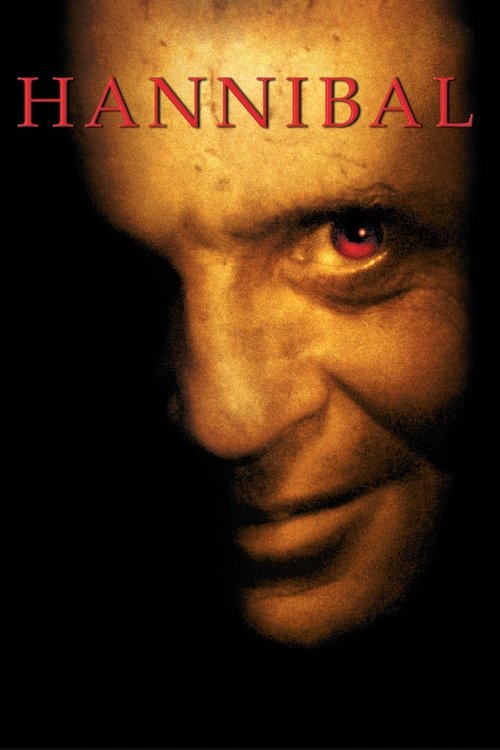
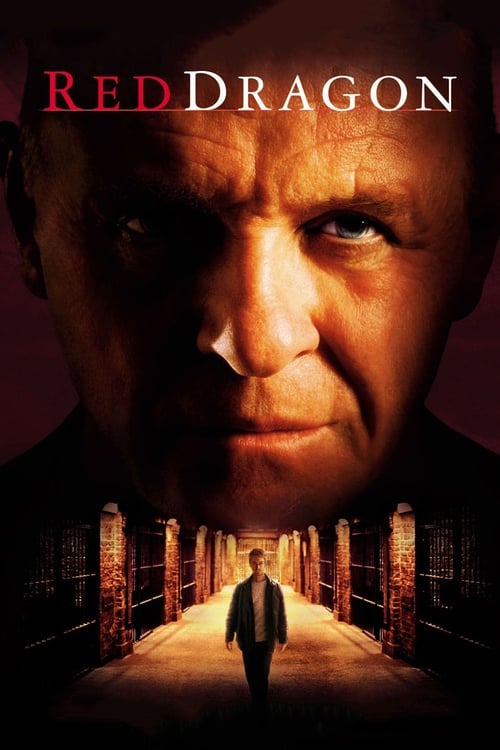
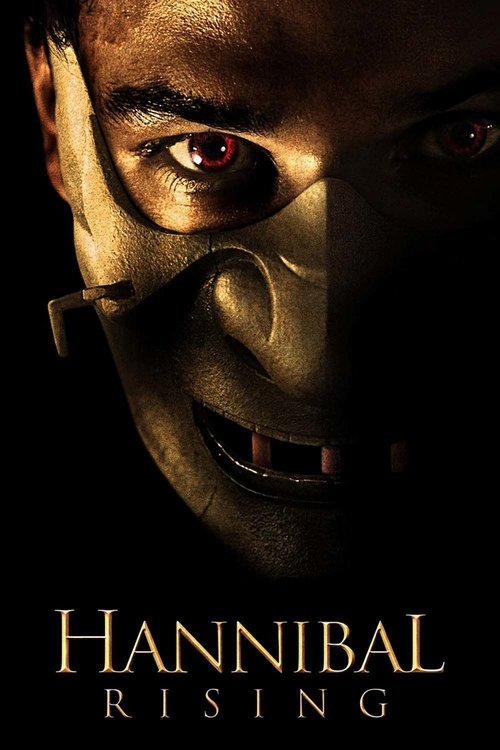
The Lecter universe, in release order
- 1981Thomas Harris publishes Red Dragon, introducing Hannibal Lecter
- 1986Manhunter: first Lecter film, with Brian Cox; underperforms on release Manhunt
- 1988Thomas Harris publishes The Silence of the Lambs The Silence of the Lambs
- 1991Demme's film wins five Oscars; Hopkins and Foster become iconic The Silence of the Lambs
- 1999Thomas Harris publishes Hannibal, the sequel novel Cannibal
- 2001Hannibal film released; Foster declines to return, Julianne Moore steps in Hannibal
- 2002Red Dragon film: Brett Ratner remake with Hopkins and Edward Norton Red Dragon
- 2006Thomas Harris publishes Hannibal Rising, a Lecter origin novel
- 2007Hannibal Rising film adaptation with Gaspard Ulliel Hannibal Rising
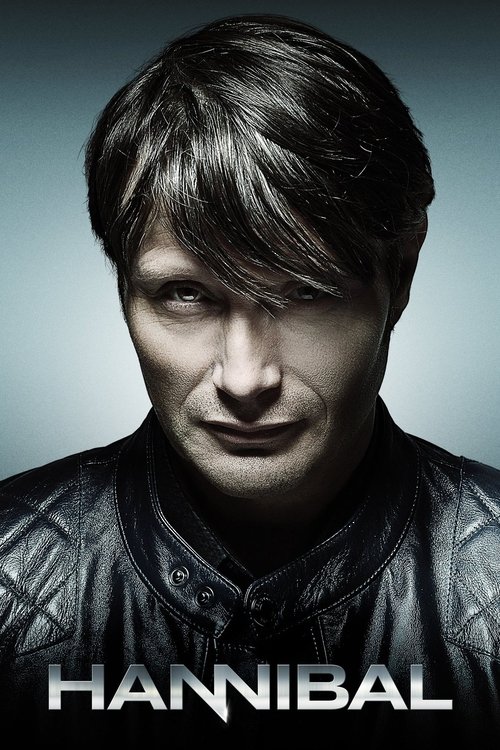
- 2013NBC's Hannibal series premieres; Fuller reimagines the mythology across three seasons Hannibal
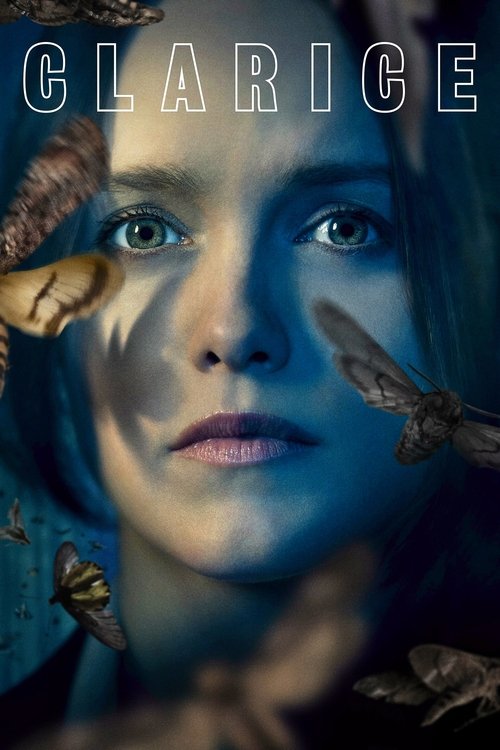
- 2021Clarice series premieres on CBS, following Starling post-Buffalo Bill Clarice
The definitive version is still the 1991 film
Every adaptation since has been measured against Jonathan Demme's film, and the comparison is not flattering to the competition. Hopkins plays Lecter in fewer than 25 minutes of screen time; Foster carries every other frame. Demme's decision to shoot Clarice's point of view in tight close-ups, so the camera becomes her eyes as men look down at her, creates a sustained unease no remake has matched. The novel is excellent, but the film improved it in almost every meaningful way: it sharpened Clarice, clarified the stakes, and made the relationship between hunter and captive genuinely unsettling rather than merely clever.
The underrated one: NBC's Hannibal deserves a second look
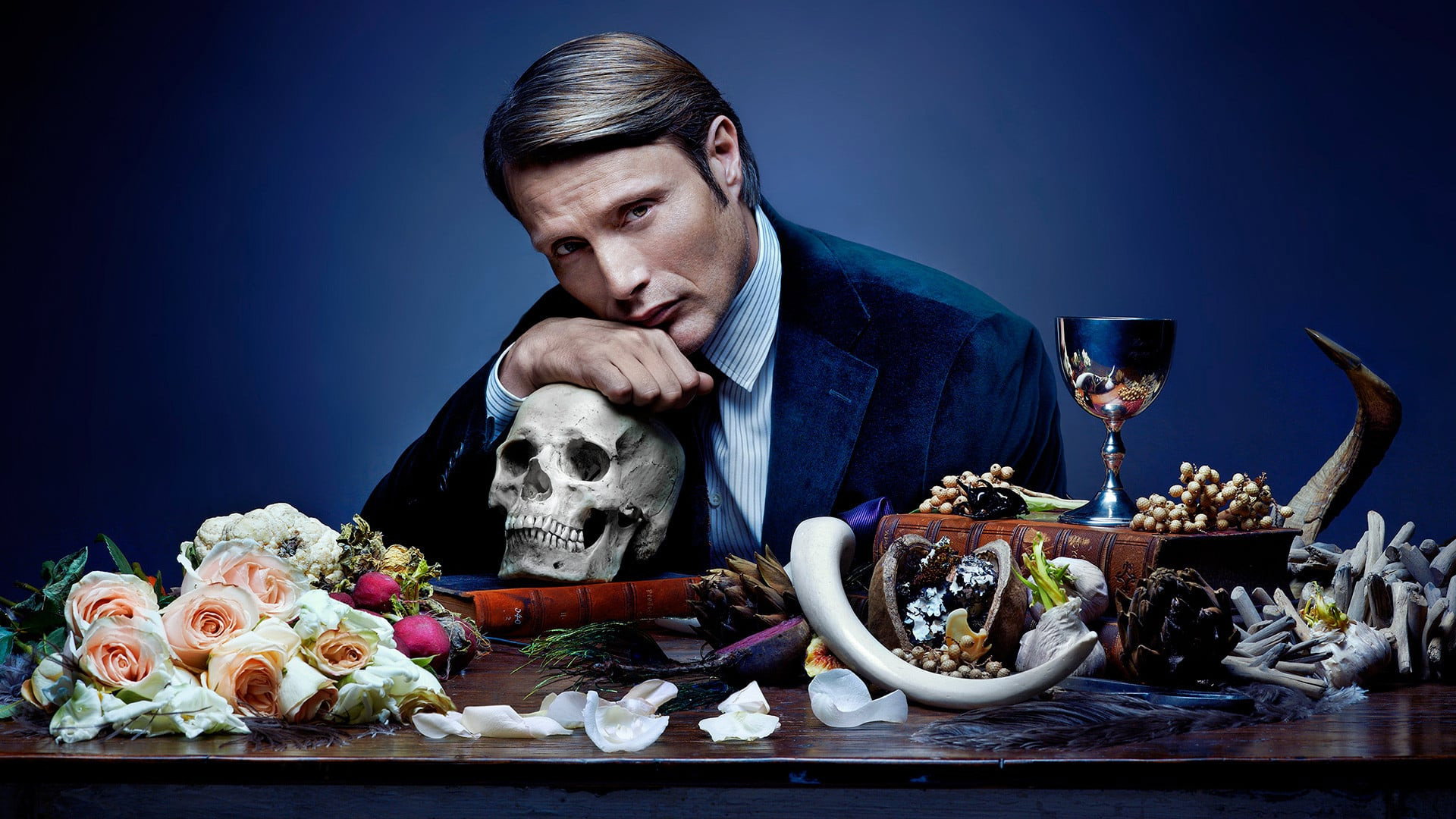
Bryan Fuller's Hannibal (2013-2015) is not a crime procedural with ambitions. It is a psychological art piece with procedural scaffolding, shot by directors including David Slade and Vincenzo Natali with the visual ambition of prestige cinema. Mads Mikkelsen's Lecter is more seductive and more alien than Hopkins: where Hopkins played menace, Mikkelsen plays seduction. The show was cancelled after three seasons and was never fully resolved, which is a genuine loss. It was building toward something exceptional, and the three seasons that exist hold up better than anything else in the franchise outside the original film.
The one to skip: Clarice (2021)
The CBS series Clarice had a genuinely interesting premise: return to Starling one year after Buffalo Bill, and explore the institutional misogyny she faces inside the FBI. Rebecca Breeds is a capable actor. The problem is structural: the show was not permitted to use Hannibal Lecter due to rights divisions between MGM and Gaumont, which meant its lead character was surgically separated from the one relationship that defines her. A Clarice Starling series without Lecter is a little like a Sherlock Holmes series that cannot mention Watson. It lasted one season before cancellation. Skip it and start the Fuller series instead.
The first one: Manhunter still has a case to make
Michael Mann's Manhunter (1986) was the first Lecter adaptation and the one that gets the least credit. Brian Cox plays the character as cold and clinical rather than theatrical, which is arguably closer to Harris's original conception. The film was a commercial failure on release and was overshadowed permanently by The Silence of the Lambs, but its procedural rigor and Mann's neon-soaked visual style have aged better than its reputation suggests. William Petersen's Will Graham is one of the more convincing portraits of psychological cost in the detective genre. It is not the definitive version, but it is not an embarrassment either.
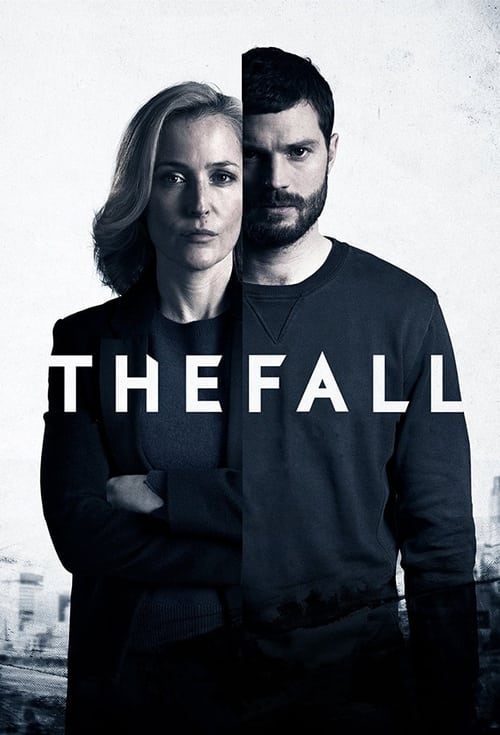
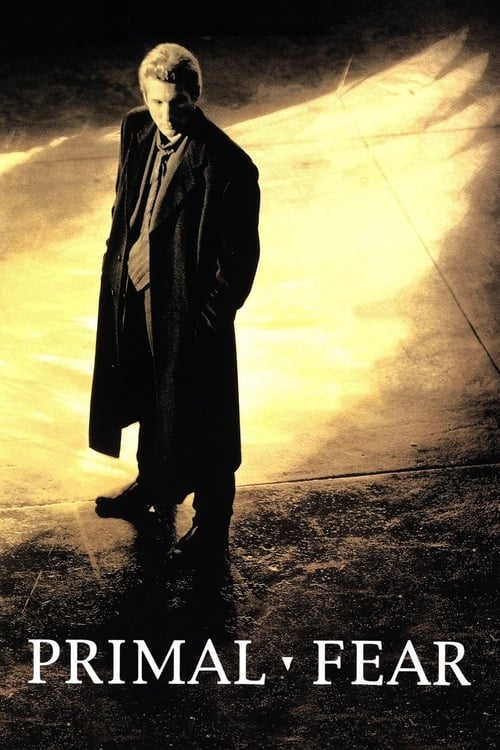
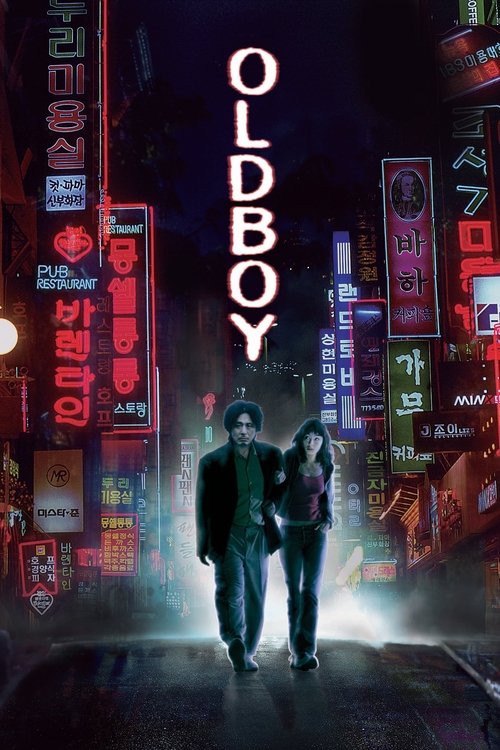
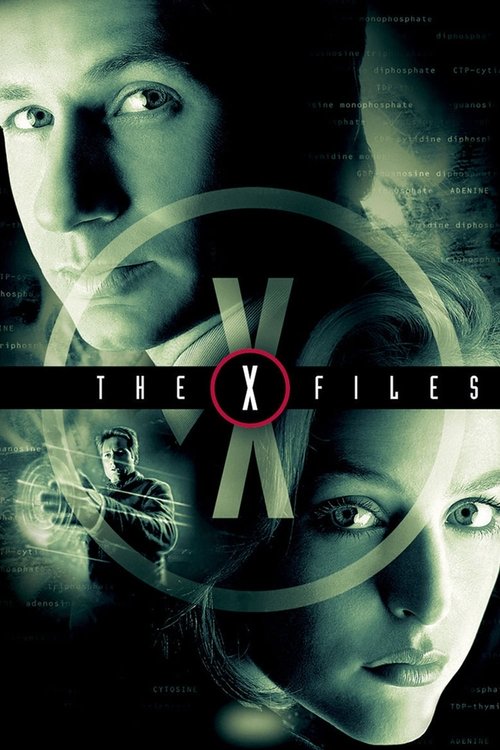
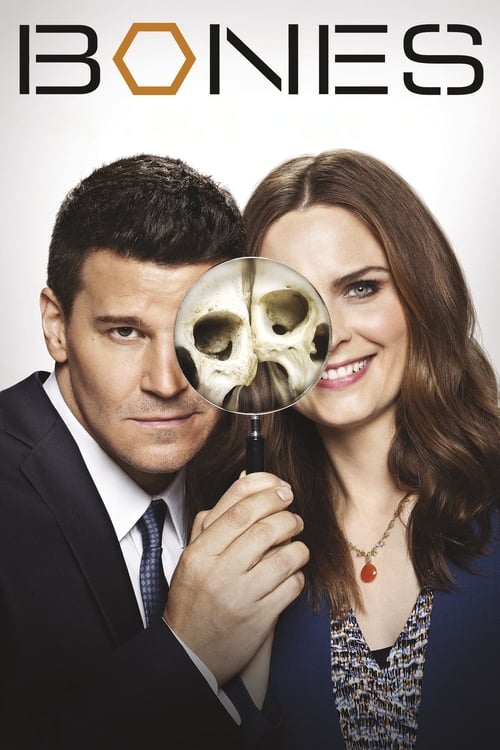
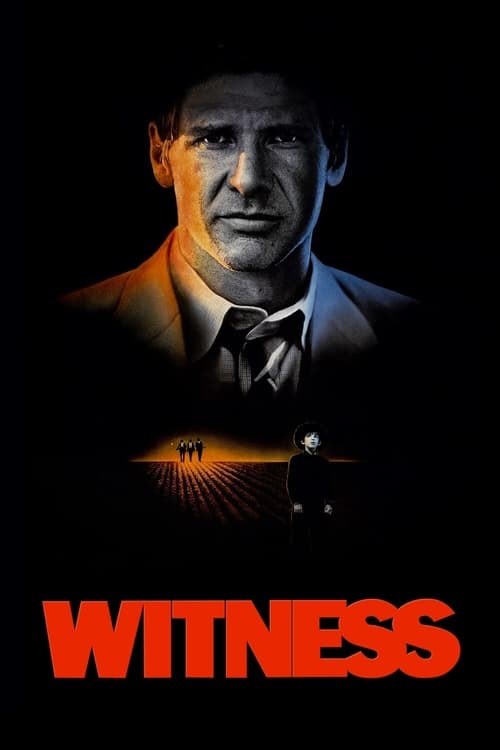
If you love the FBI profiler cat-and-mouse
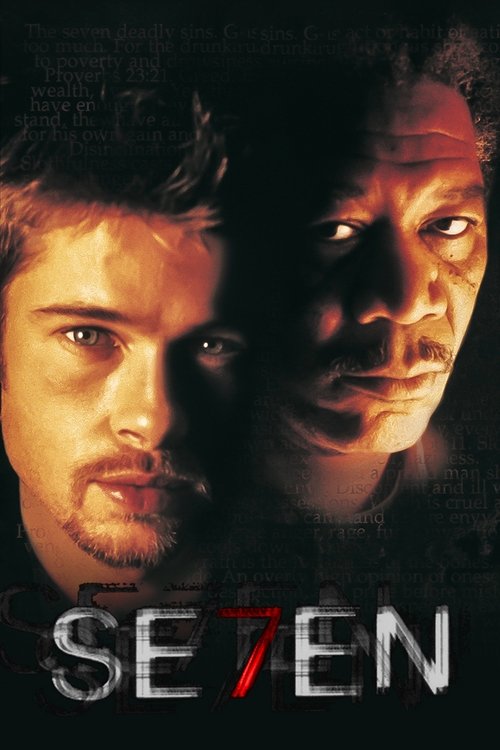
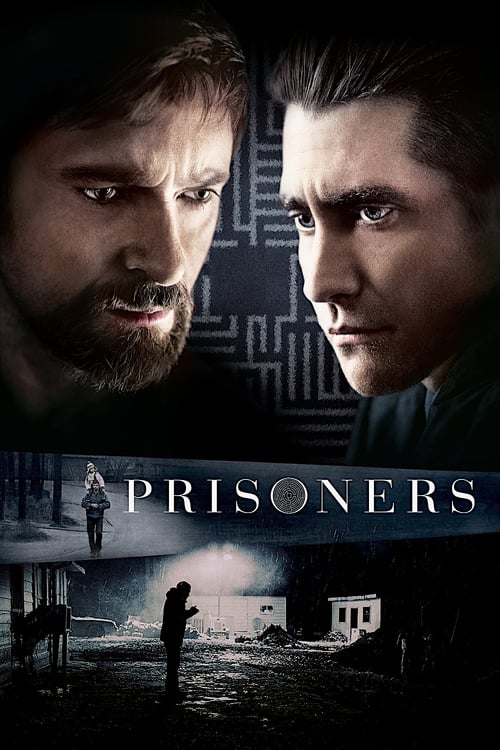
Procedurals and thrillers built around the tension of hunting a killer who is several steps ahead


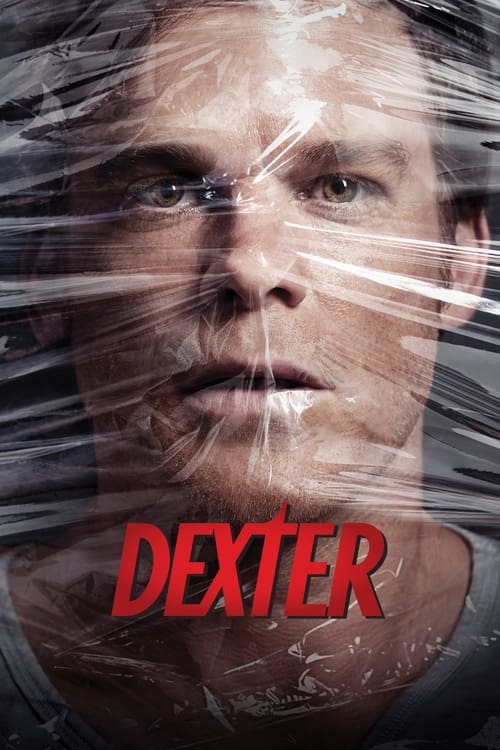
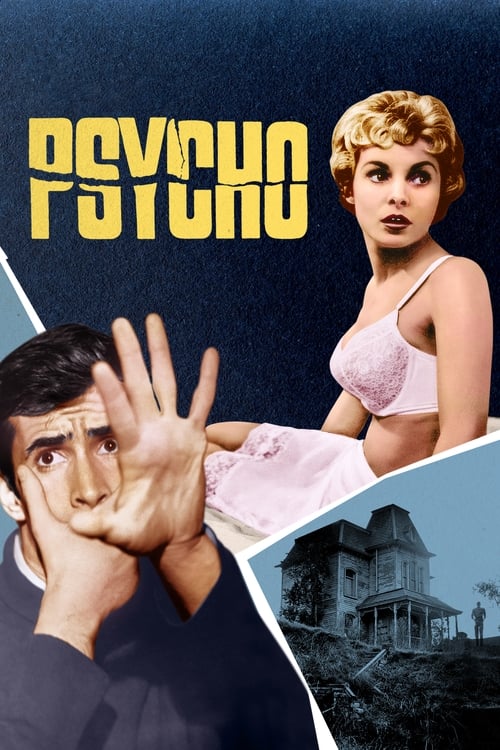
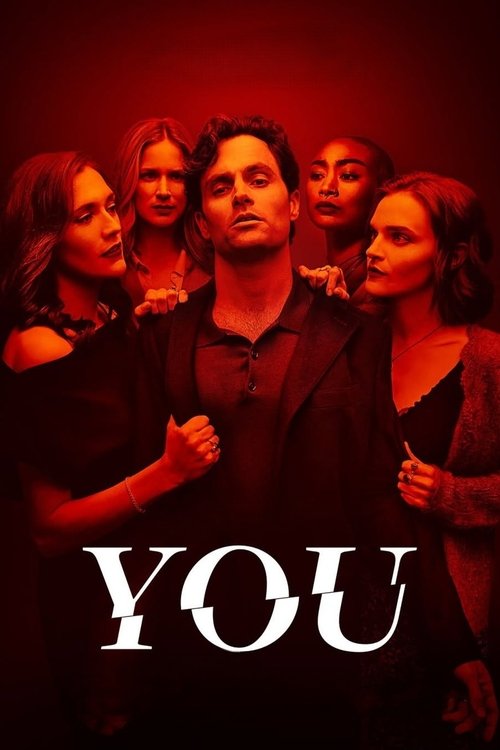
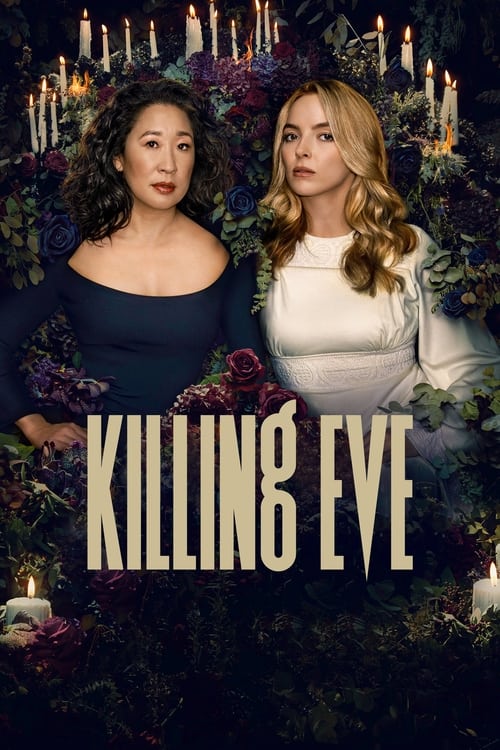
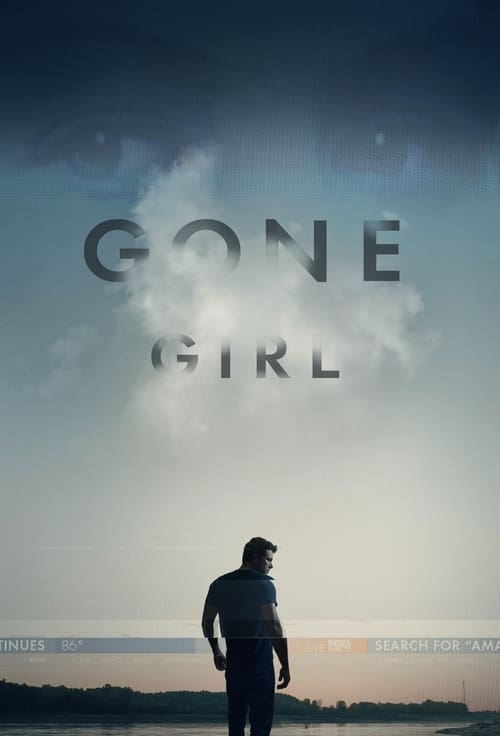
If you love the monster behind the glass
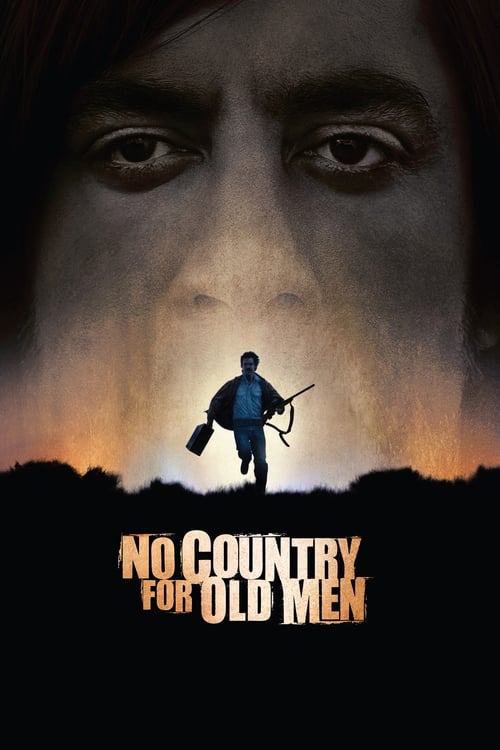
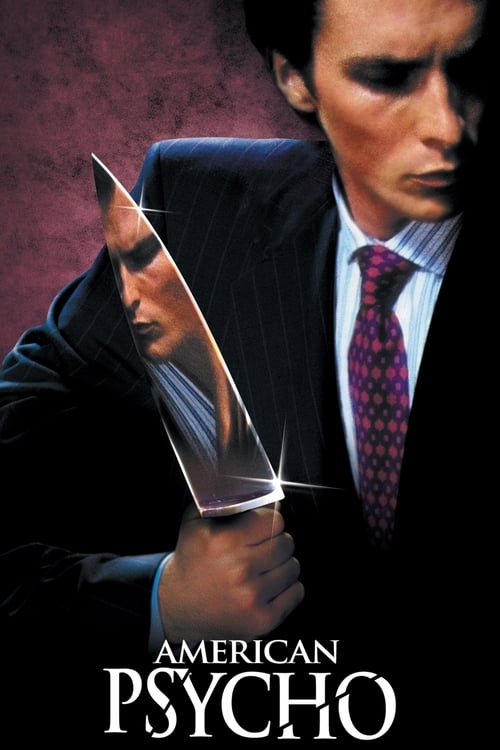
Stories where the villain is as compelling as the hero, and possibly more so
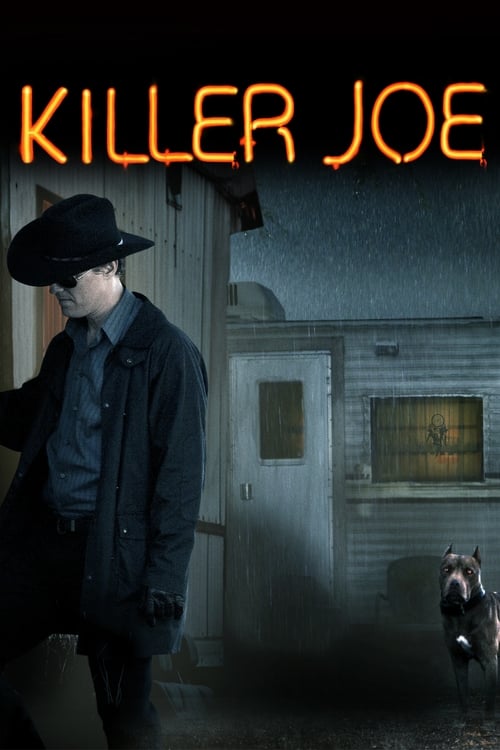
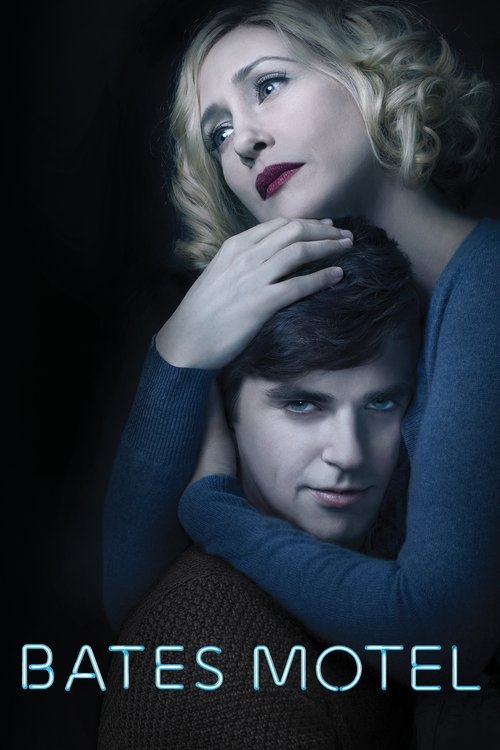
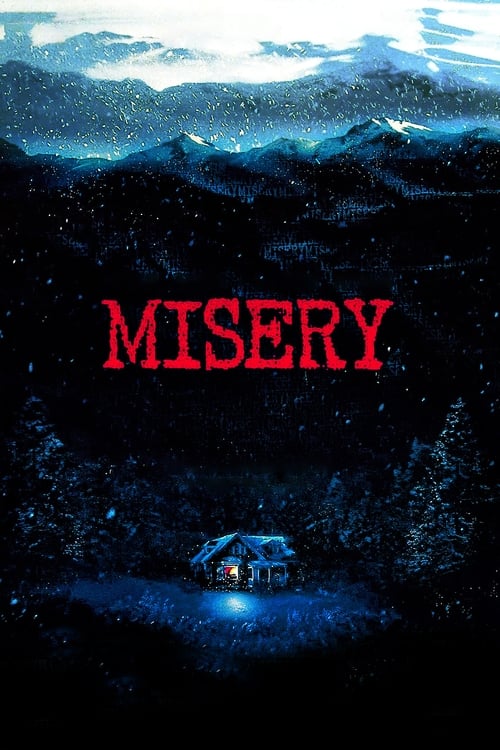
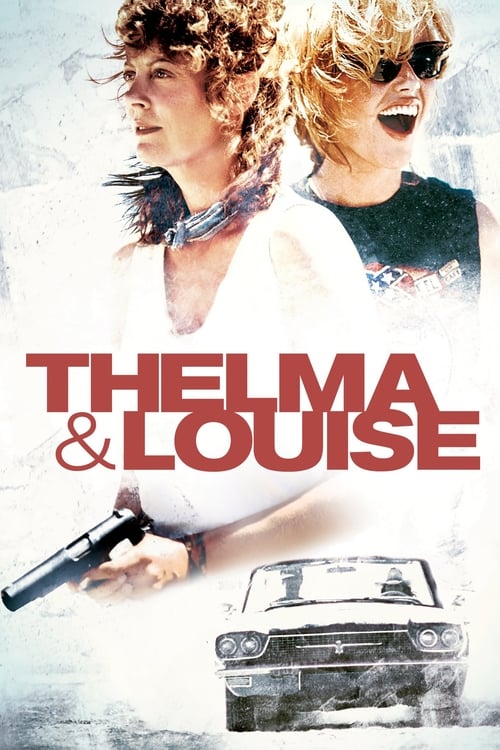
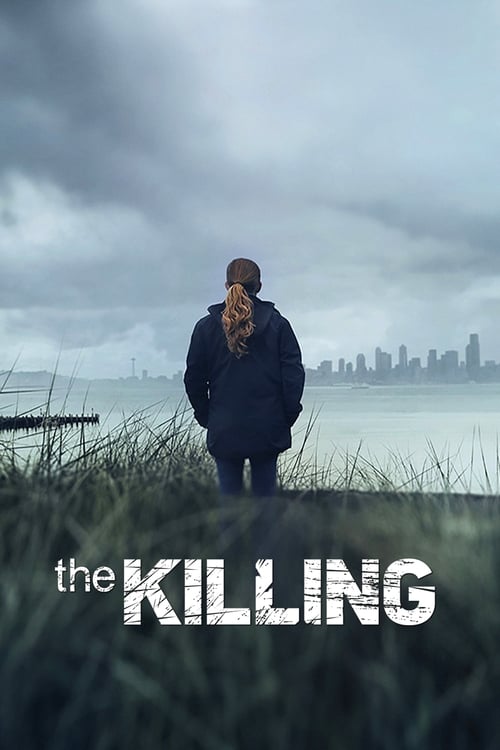
If you love a woman in hostile institutional territory
Stories about women who have to be twice as capable, and are still doubted
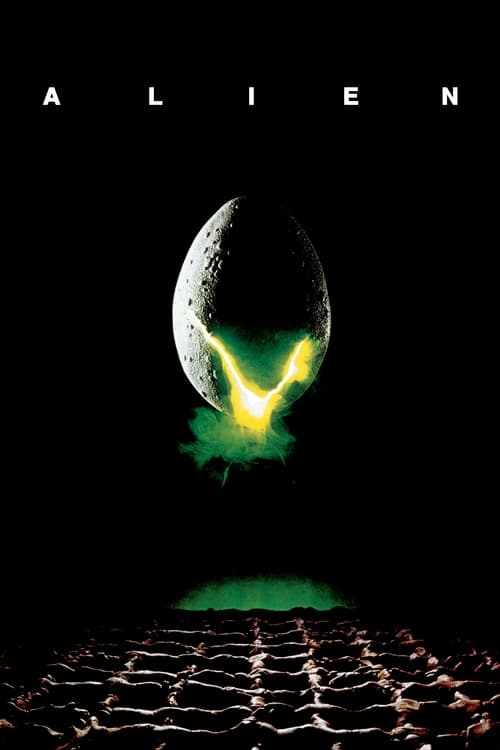

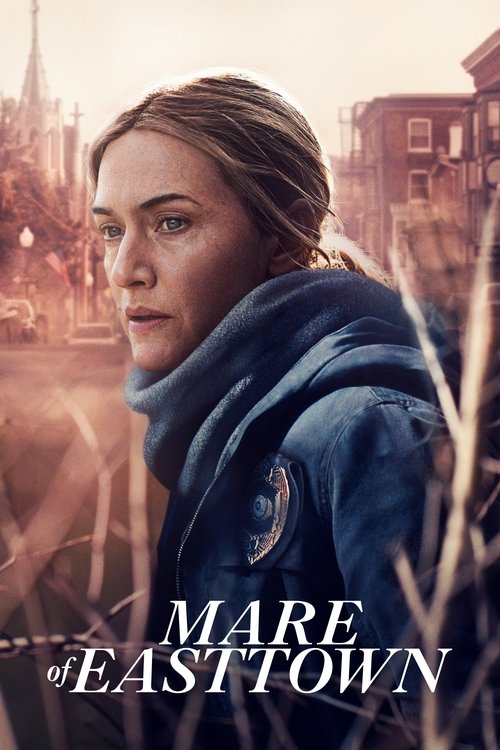
If you love intelligent horror built on psychology
Horror and dark drama that works through dread and character, not gore