
A Lie Stitched Into Every Seam
John le Carre published The Tailor of Panama in 1996, a decade after he had written his masterpiece, and he knew exactly what he was doing. The novel is a direct, affectionate tribute to Graham Greene's Our Man in Havana (1958), in which a vacuum-cleaner salesman in Cuba invents an elaborate spy network to keep British intelligence paying him. Le Carre transposes the joke to post-handover Panama, plants a failed tailor named Harry Pendel behind the counter, and sends a burned British agent named Andrew Osnard to ruin him.
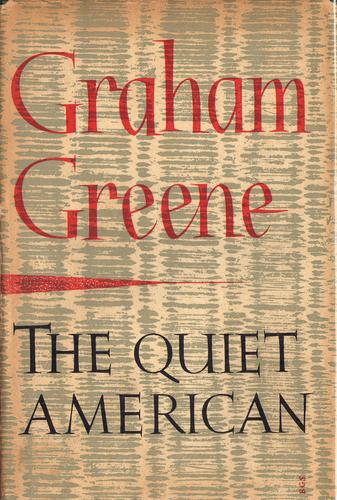
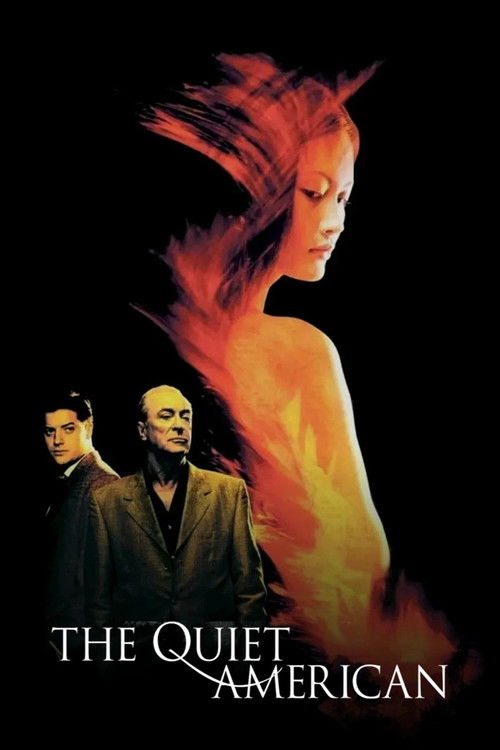
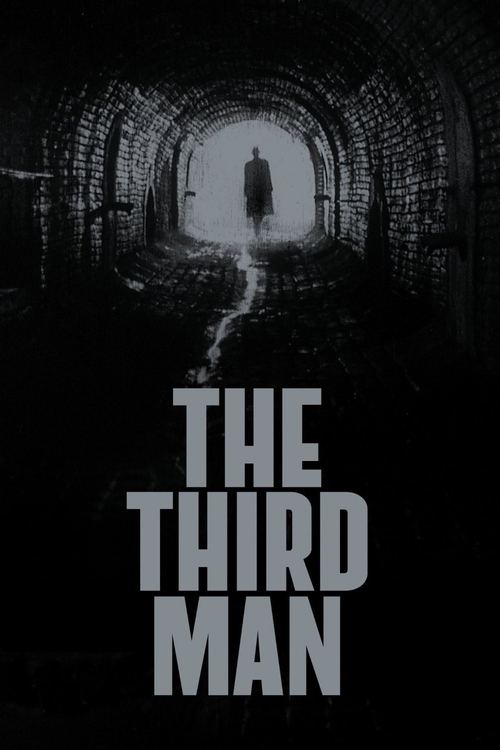
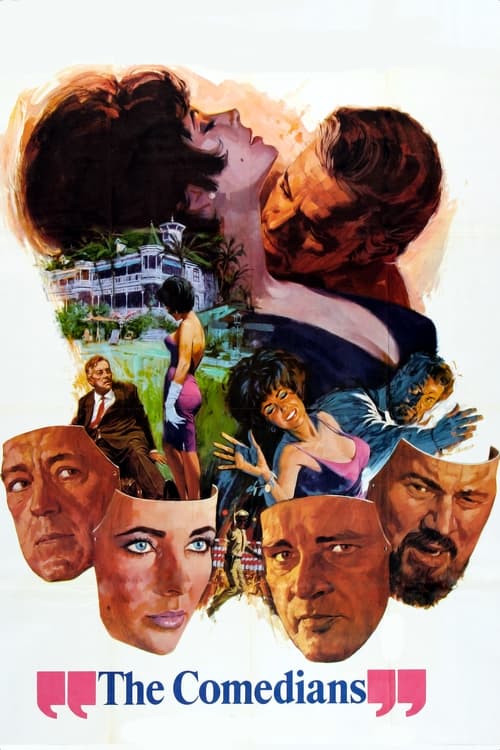
The story traveled one time, from page to screen. Director John Boorman adapted the novel for a 2001 film starring Pierce Brosnan (playing against his Bond persona as the cynical, venal Osnard) and Geoffrey Rush as Pendel. The casting was the whole point. No television series, no remake, no stage adaptation has followed. What keeps the property alive is its literary lineage: le Carre's open debt to Greene means that reading or watching The Tailor of Panama pulls you naturally toward Our Man in Havana, toward The Quiet American, and toward the wider Greene universe of shabby men doing compromised things in hot countries.
The Tailor of Panama Across the Years
- 1958Greene's blueprint: Our Man in Havana published Our Man in Havana
- 1959Our Man in Havana adapted to film by Carol Reed
- 1996Le Carre publishes The Tailor of Panama The tailor of Panama
- 2001Boorman's film released; Brosnan and Rush star The Tailor of Panama
If you love The Tailor of Panama: The Graham Greene Lineage
The novel's acknowledged ancestor and the wider Greene universe on screen


If you love The Tailor of Panama: Le Carre Across Media
Every worthwhile le Carre adaptation, from Cold War Berlin to post-9/11 London



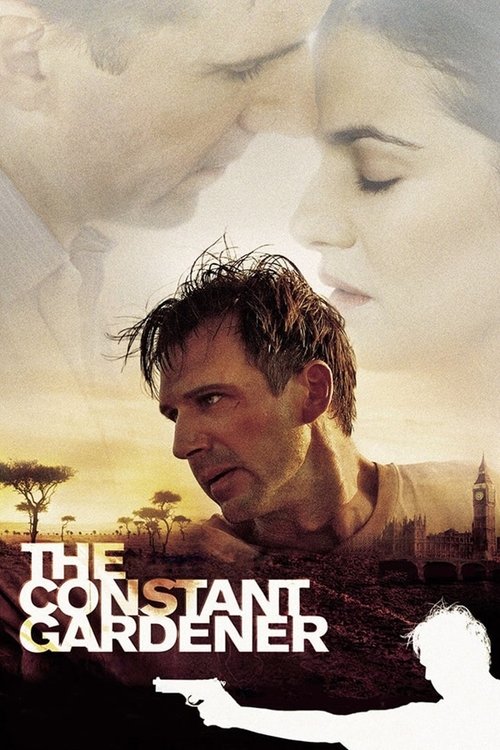
If you love The Tailor of Panama: Spies, Informers and Useful Liars
Stories about people caught between what they know and what they are willing to say
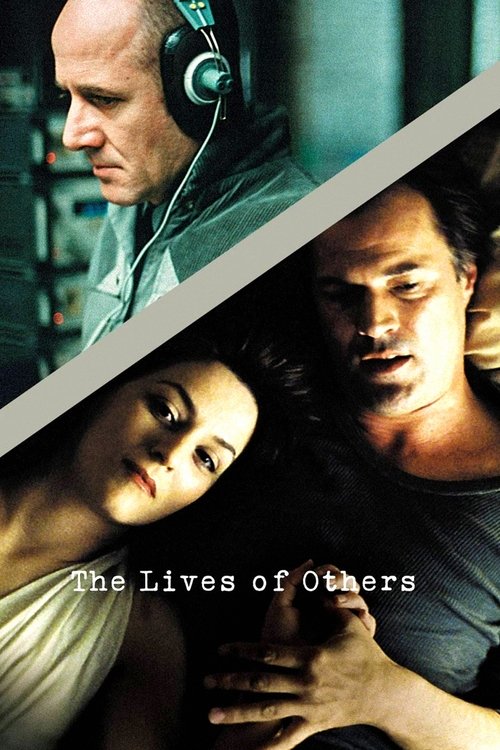

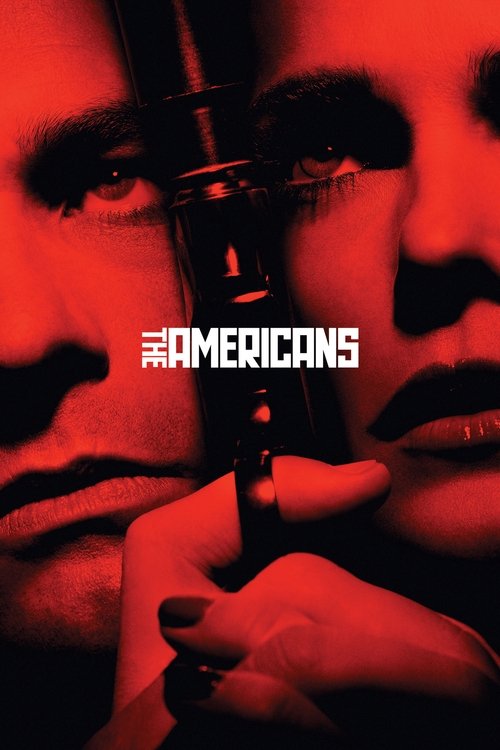
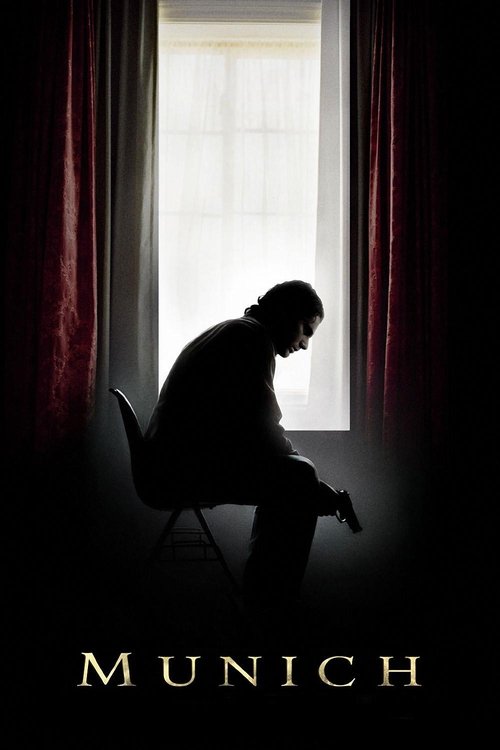

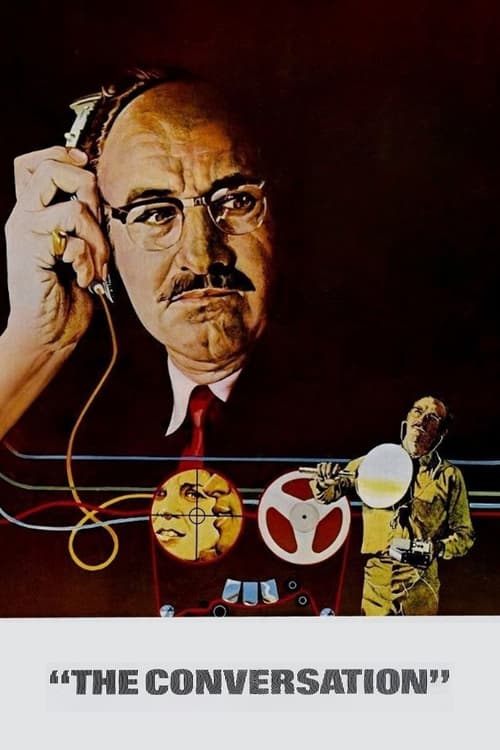
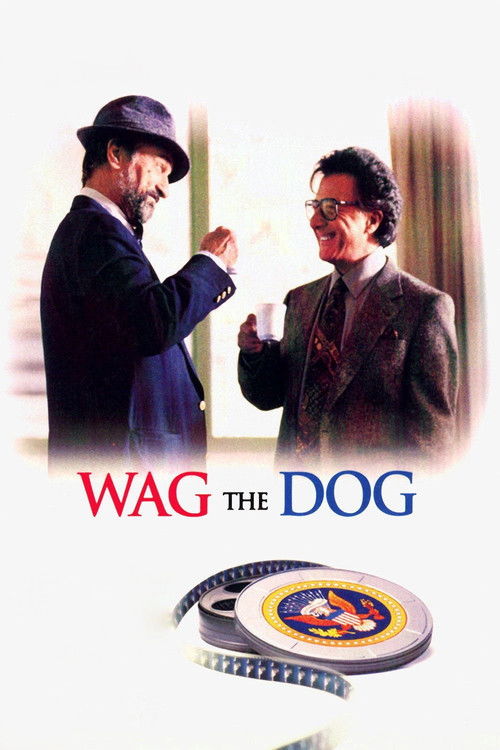
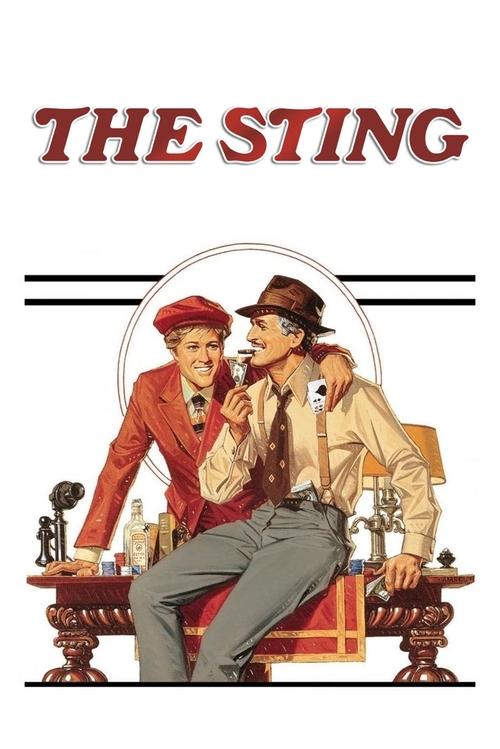
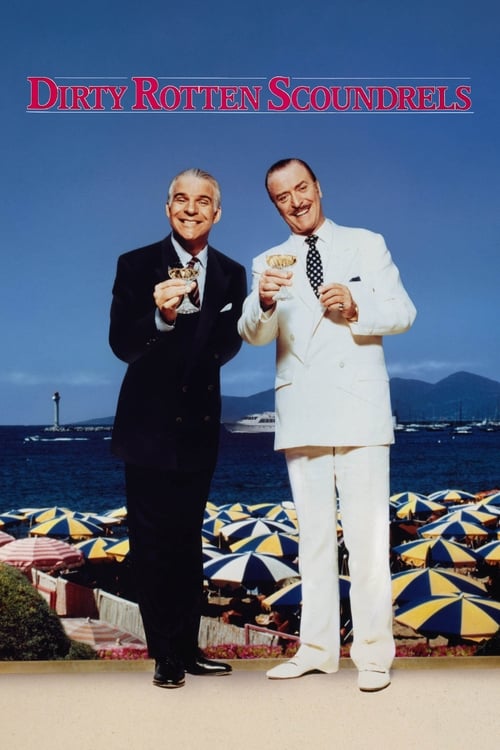
If you love The Tailor of Panama: Satire, Grift and the Big Lie
Films and books where elaborate deceptions spiral wildly out of control

The film is the rare adaptation that improves on its source
Geoffrey Rush's Pendel is one of the great unreliable narrators in spy cinema, a man so addicted to his own fabrications that he believes them right up until the bodies appear. Boorman stripped back le Carre's structural cleverness and replaced it with physical comedy that cuts deeper. Pierce Brosnan's Osnard is essentially Bond if Bond were lazy and corrupt, which is precisely the joke, and Brosnan plays it with evident relish. The film runs faster and meaner than the novel, and the ending lands harder.

The underrated entry: Greene's original template still outranks its descendants
Carol Reed's 1959 film of Our Man in Havana has been quietly eclipsed by the le Carre adaptations it inspired, which is an injustice. Alec Guinness as Jim Wormold inventing a spy network from his imagination is funnier and sadder than anything Pendel manages. The absurdist joke at the center, that the intelligence services will believe any fiction provided it fits their expectations, has not aged a day. See it before you watch the Boorman.
One to skip: the Canal Zone setting is atmosphere, not argument
The 2001 film uses Panama largely as set dressing. The canal, the political seediness, the residue of the U.S. handover: all of it is backdrop for a character study about a man who cannot stop lying, not an examination of the country itself. Anyone hoping to understand what actually happened in Panama during the 1989 U.S. invasion will find the film deliberately thin on the subject. The lies are personal, not geopolitical. That is the correct choice for this story, but it is worth knowing before you sit down.