
A Novel Nobody Read, Then a Film Nobody Forgot
Horace McCoy published They Shoot Horses, Don't They? in 1935 and it nearly vanished. In America it was treated as a minor pulp curiosity: a short, brutal novel about two drifters, Robert and Gloria, who enter a Depression-era dance marathon in a Los Angeles ballroom, grinding through days and nights on their feet for a prize that keeps receding. The book sold roughly three thousand copies in its first year, found no Hollywood takers, and slipped into the background noise of 1930s American fiction.
The French paid attention. In the mid-1940s, writers including Jean-Paul Sartre, Andre Gide, and Andre Malraux discovered McCoy's novel. Its first French edition appeared in 1946, and Simone de Beauvoir went so far as to crown it America's "first existential novel." In France it became a minor classic, far better regarded than at home. This strange transatlantic reversal meant the book built its reputation over decades rather than in a single burst.
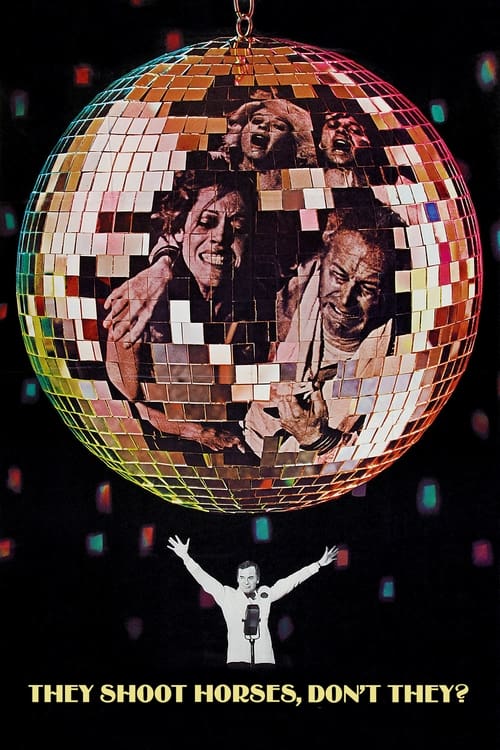
By 1969, Sydney Pollack brought the story to the screen with Jane Fonda and Michael Sarrazin, arriving at exactly the right cultural moment: the Vietnam era, when a story about people being ground down for the entertainment of spectators hit like a slap. The film earned nine Academy Award nominations and became the version most people know. Since then the novel has been adapted for the stage multiple times and remained in continuous print as a rediscovered American classic, a reference point for any story about systemic cruelty dressed up as spectacle.
From Pulp Novel to Screen Classic
- 1935Horace McCoy's novel published by Covici Friede; sells roughly 3,000 copies in its first year They Shoot Horses, Don't They?
- 1946First French edition published; Simone de Beauvoir calls it America's first existential novel They Shoot Horses, Don't They?
- 1969Sydney Pollack directs Jane Fonda and Michael Sarrazin; nine Oscar nominations, Gig Young wins Supporting Actor They Shoot Horses, Don't They?
The 1969 film is the rare adaptation that surpasses its source
Sydney Pollack's film benefits enormously from what film can do that prose cannot: it makes you feel the physical exhaustion. The intermittent sprint sequences, the gaunt faces of contestants as days blur together, the MC played by Gig Young with showbiz cruelty dressed as encouragement. Jane Fonda's Gloria is one of the great performances of American cinema from that decade, all fury and self-destruction. Gig Young won the Academy Award for Supporting Actor and thoroughly deserved it: his Rocky is the face of a system that profits from watching people break. McCoy's novel is a tight, cold gem. The film is a body blow.
McCoy's novel deserves reading on its own terms
The novel's structure is what makes it genuinely strange: we know from the first page how it ends, and McCoy uses that knowledge to turn the entire story into an exercise in dread. The prose is spare almost to the point of coldness, which reads very differently now than it did in 1935. At under 200 pages it is easy to dismiss as slight. That would be a mistake. What McCoy built is an architecture of inevitability: the reader is trapped in the same circuit as the dancers, circling the floor until there is nowhere left to go.

The French were right about this book before Americans were
There is something genuinely ironic about the fact that McCoy, a California pulp writer who almost certainly never read Sartre, produced what de Beauvoir identified as the first American existential novel. The absurdity of the marathon, the nihilism of Gloria's worldview, the indifferent machinery of the contest: McCoy arrived at all of it through pure American despair, not through philosophy. The French recognized the existential content because they were looking for it. Americans missed it because they expected art to look like art. The novel spent years as a curiosity precisely because it was doing something genuinely new and nobody on this side of the Atlantic had the framework to see it.
If You Love the Spectacle of Human Endurance
Stories about people ground down by systems, contests, and crowds

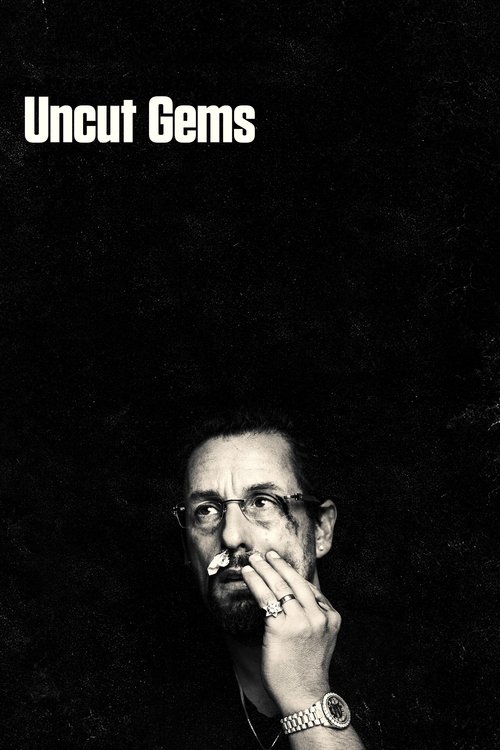
If You Love Depression-Era America
Films and novels that capture the particular desperation of the 1930s
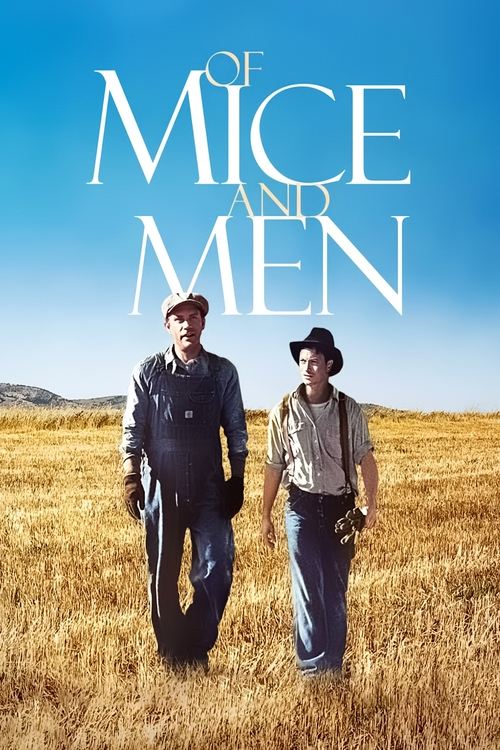
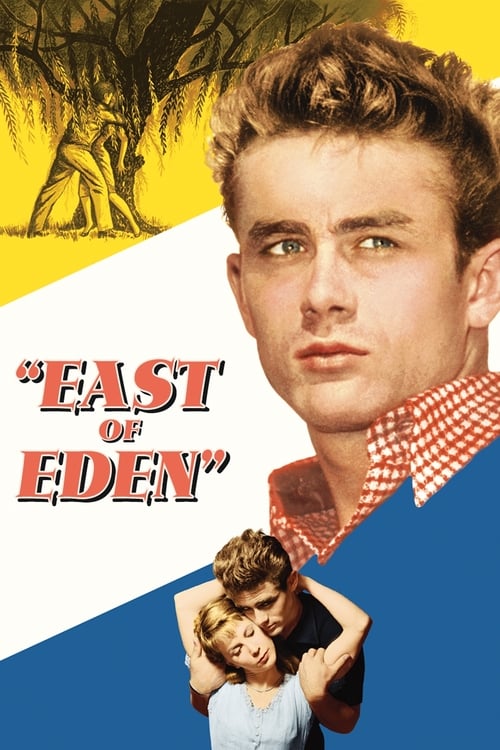
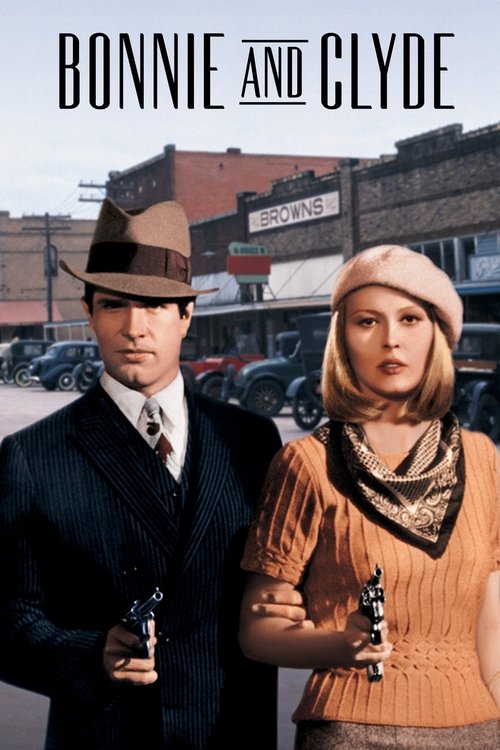

If You Love Bleak Existentialist Drama
Stories that sit with meaninglessness and refuse to flinch


More Desperation Spectacle and Dystopia
Deadly Games & Death Tournaments
Explore the Deadly Games & Death Tournaments guide →Gloria kept watching the other horses and I knew what she was thinking. I was thinking the same thing.Horace McCoy, They Shoot Horses, Don't They? (1935)