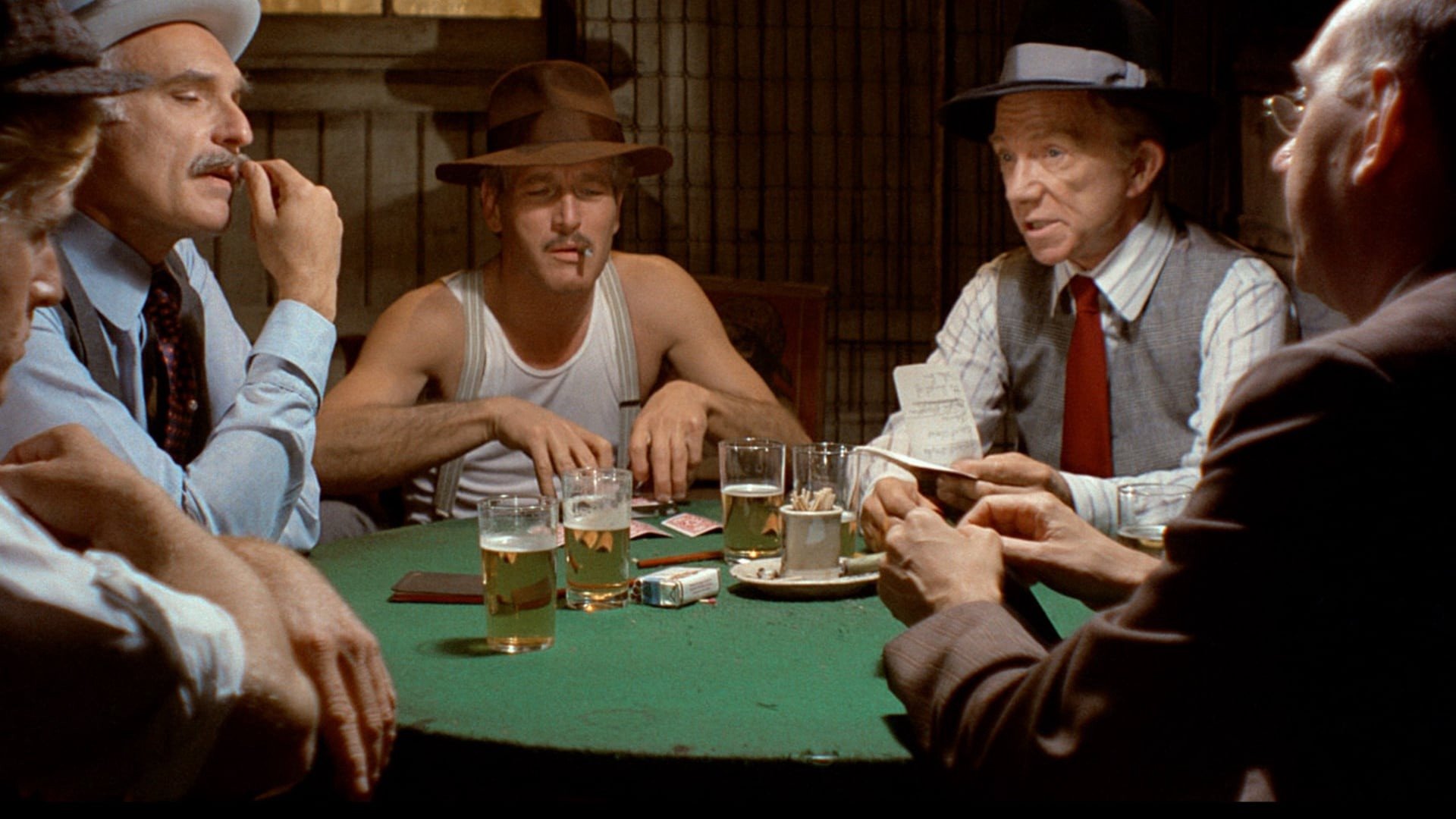

Paul Newman spent five decades proving that charisma without craft is just good looks. From the pool halls of "The Hustler" to the dirt tracks of "Cars" (he voiced Doc Hudson at 81, still vital), he built a career out of characters who wanted something they probably shouldn't have. The through-line fans love: a specific American cool, men caught between their appetites and their consciences, played with an intelligence that made every close-up feel like a confession. His partnerships, with directors Robert Rossen, Martin Ritt, John Huston, and George Roy Hill, and with actors from Jackie Gleason to Tom Hanks, kept raising the stakes. What you're chasing when you love Newman is a kind of performed restraint, the sense that everything important is happening just below the surface.
Essential Paul Newman
His defining performances, from pool shark to aging con man
The Same Vibe: American Anti-Heroes
Films built around men who live by their own code, for better or worse
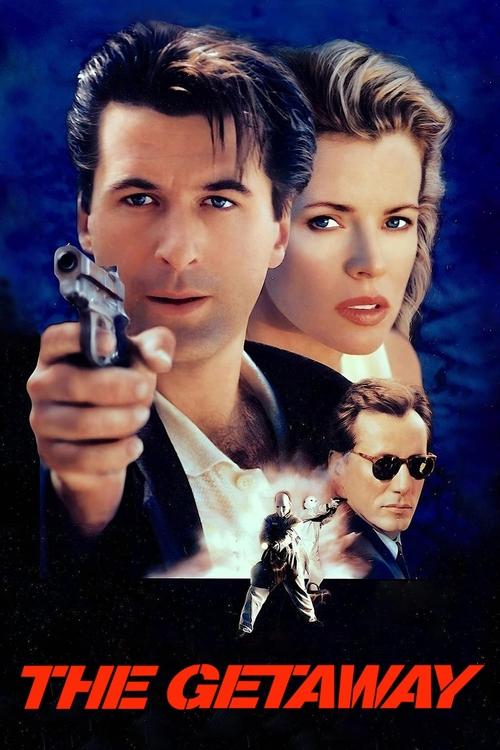
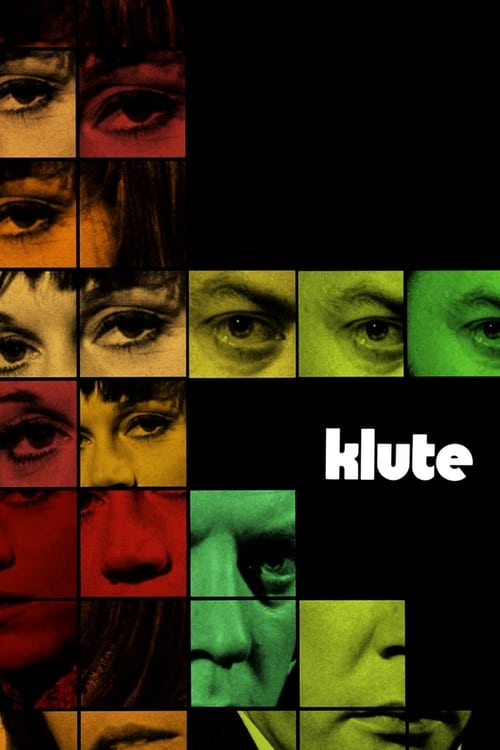
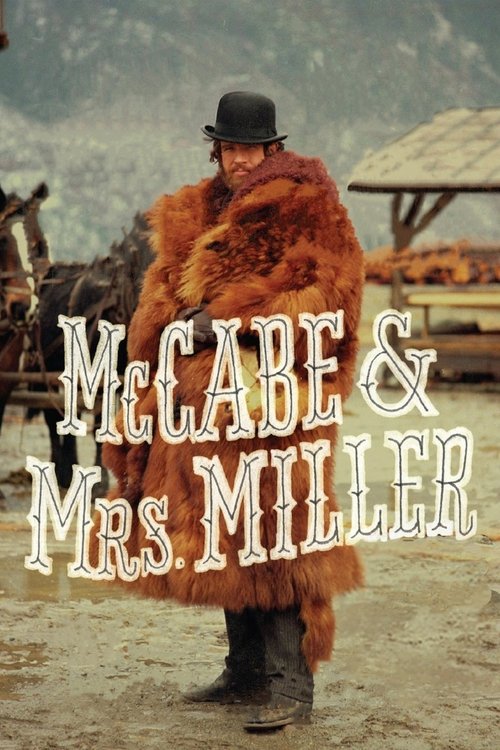

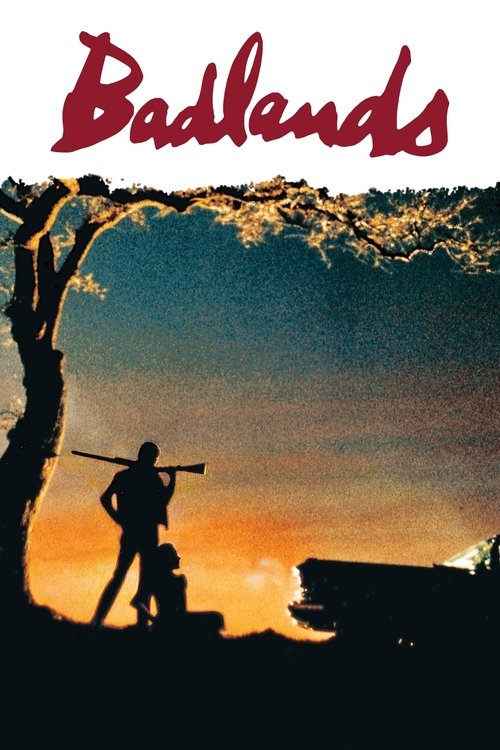
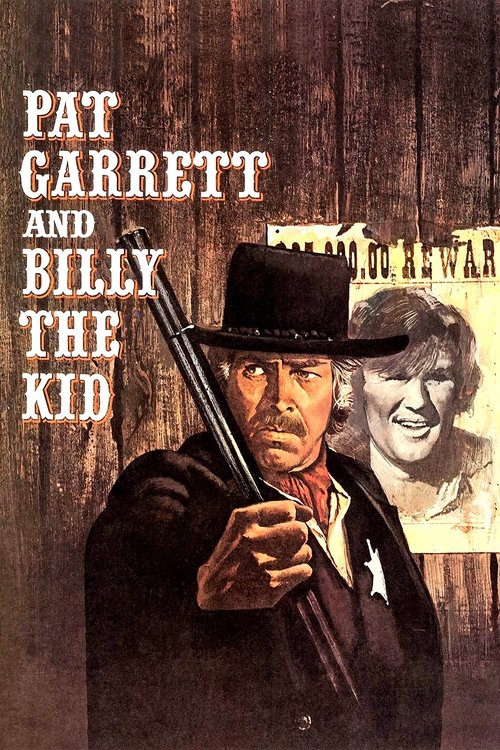

Same Register: Other Actors' Best Work
Performances that share Newman's quality of watchful, earned cool
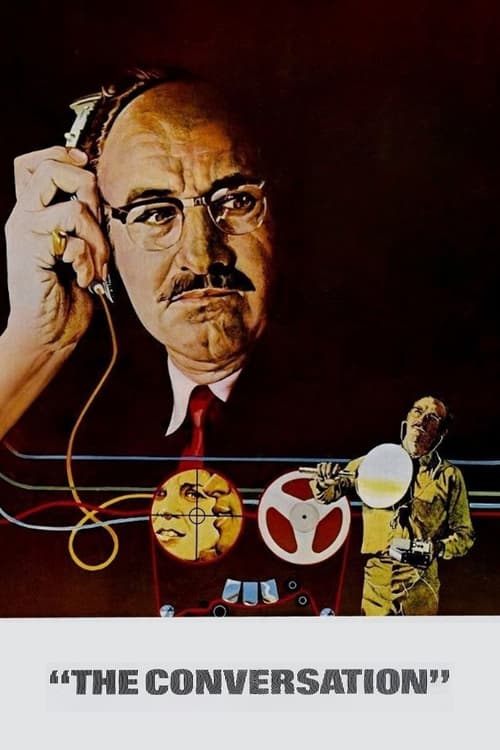
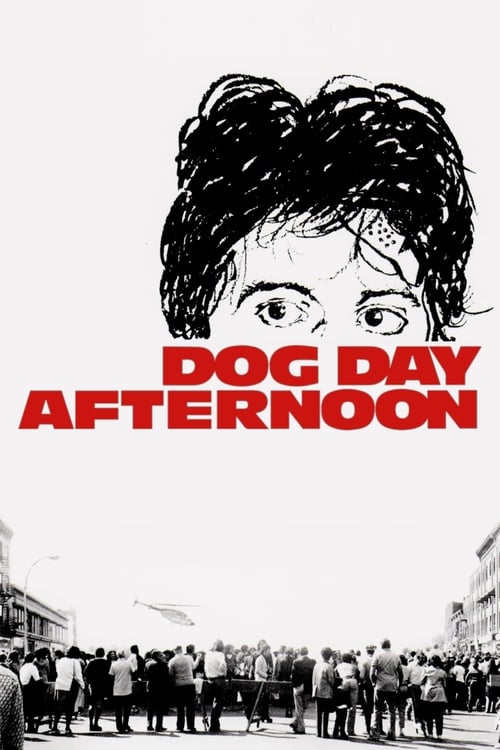
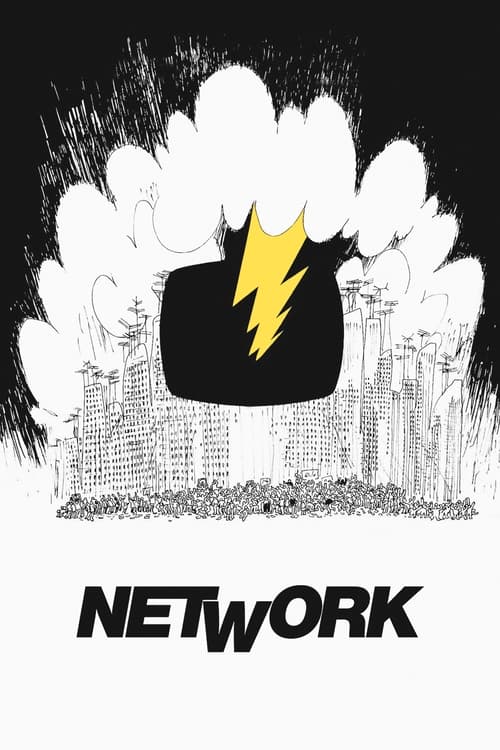
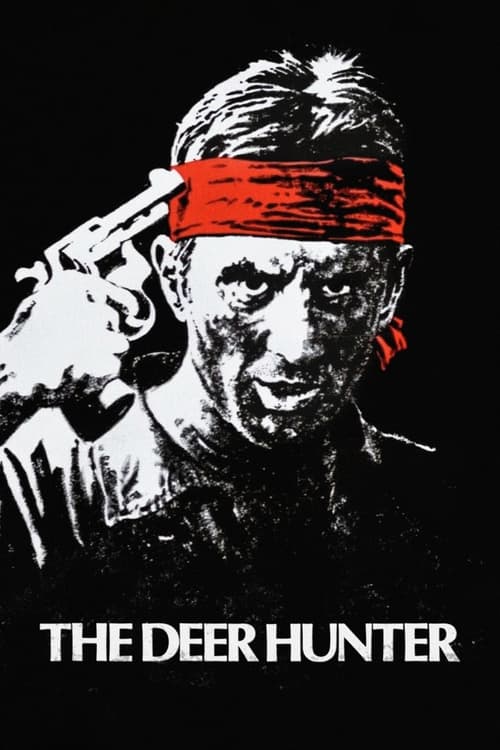

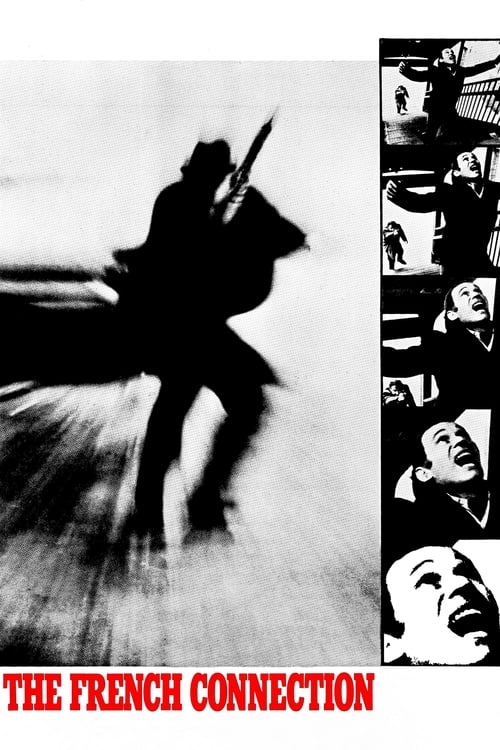

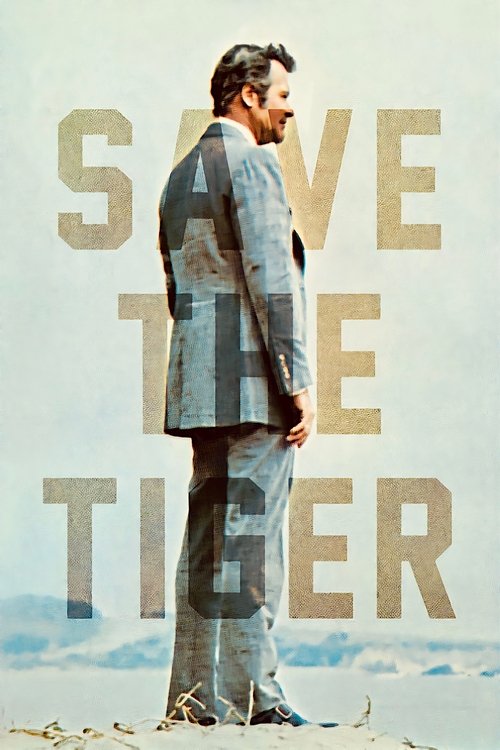
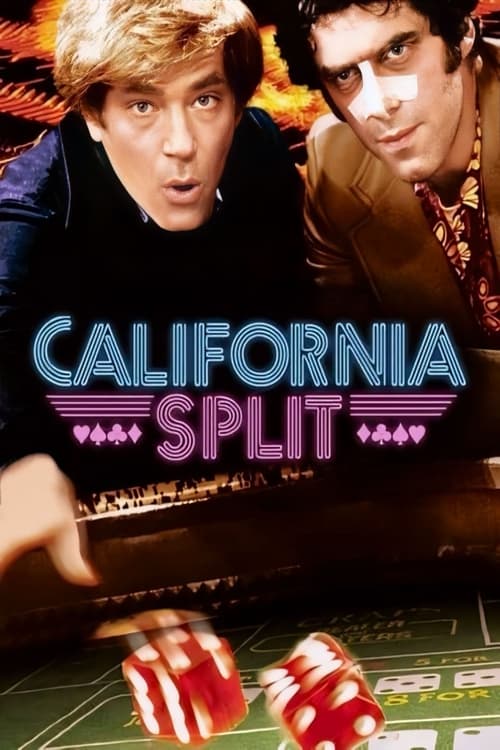
TV Portraits of Men Under Pressure
Series with the moral complexity and performance depth Newman brought to film
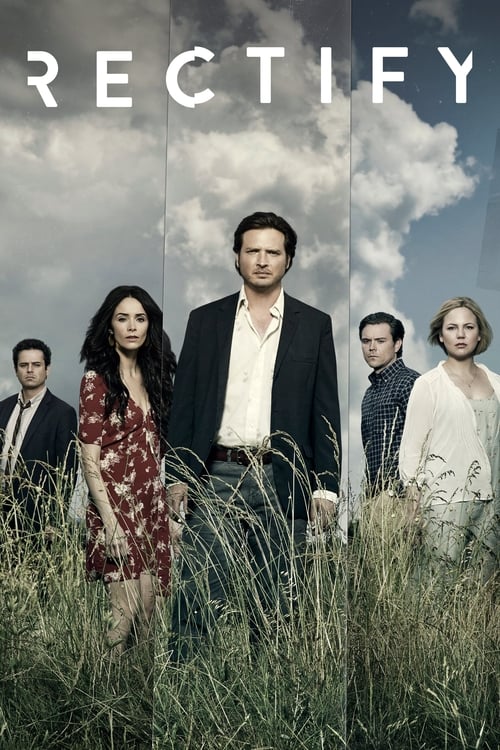
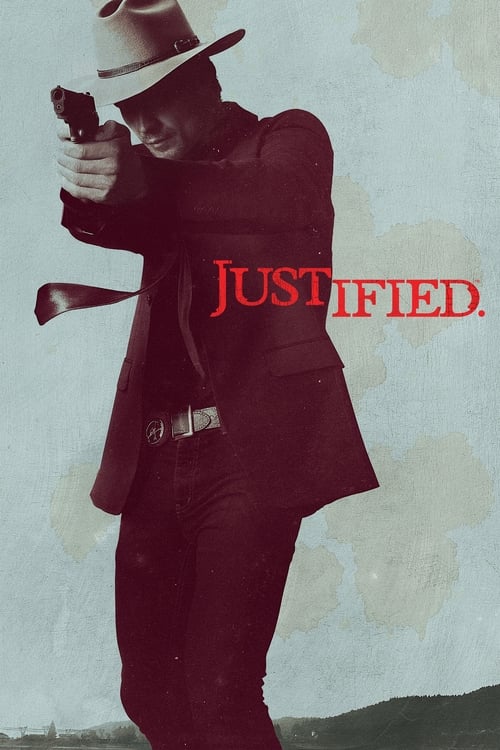
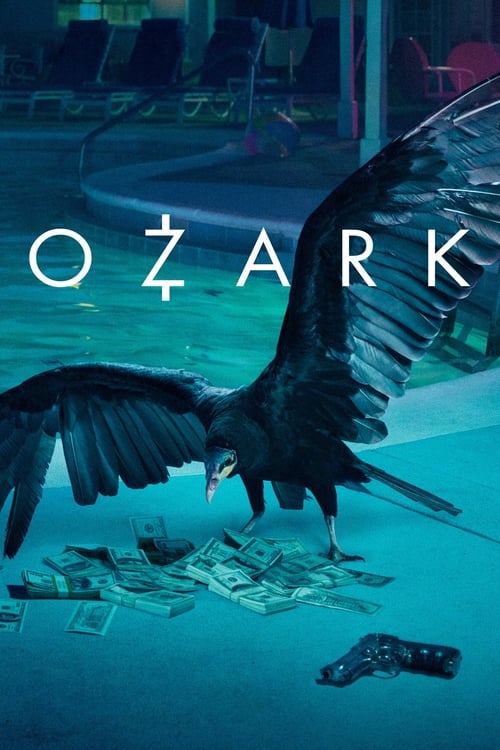
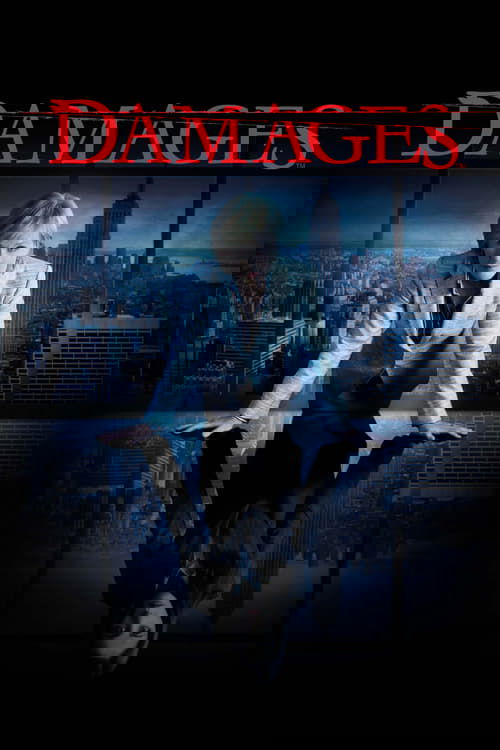
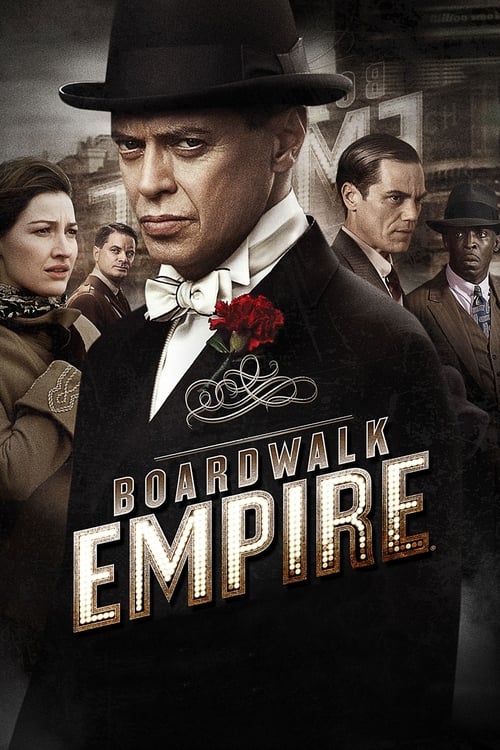
The Source Material: Novels Newman's Films Drew From
Books that share the world his best performances inhabited


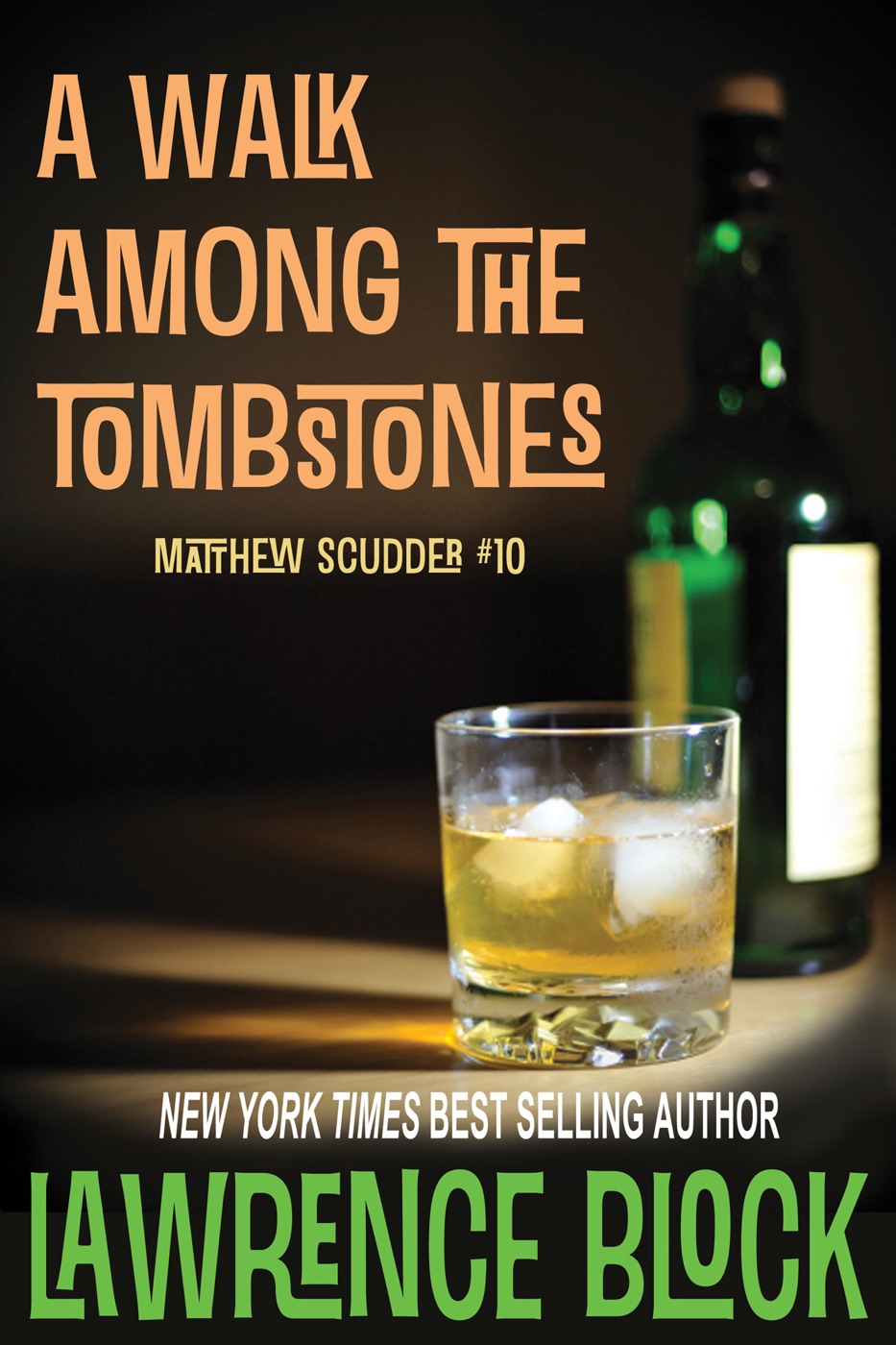


Games with the Same Moral Weight
Stories about flawed men, hard choices, and the American frontier of various kinds
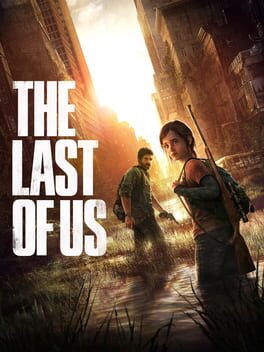
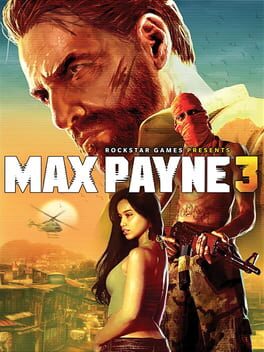
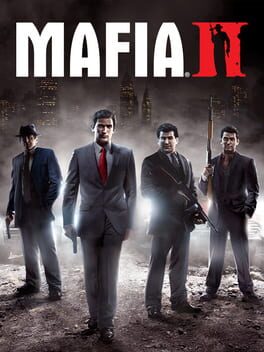
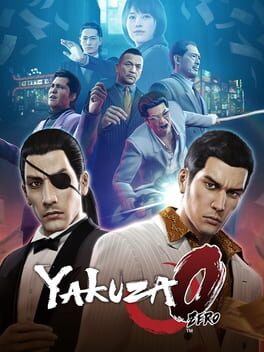
"Cool Hand Luke" Is the Perfect Newman Film
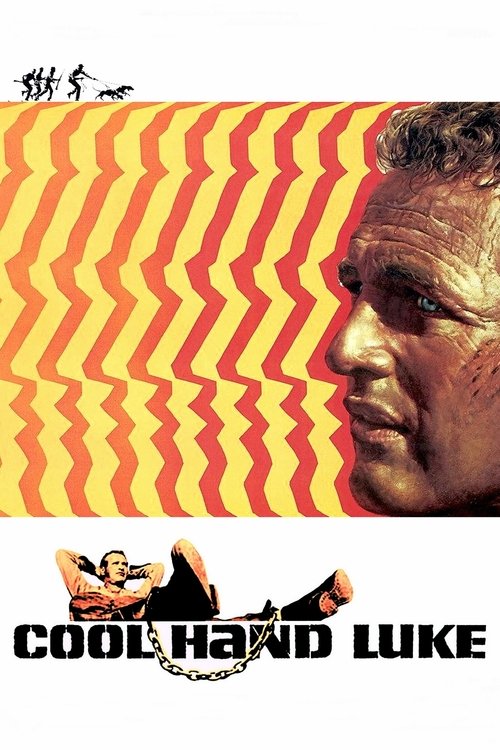
The egg-eating scene is the one everyone quotes, but the movie's power lives in what comes after: the systematic breaking of a man who refuses to stay broken. Newman never played Luke as a hero. He played him as someone who can't help antagonizing a system that wants him small. The film's final image is the only honest ending it could have. No redemption, no victory, just a legend that outlasts the man.
The Rossen Years Set the Template
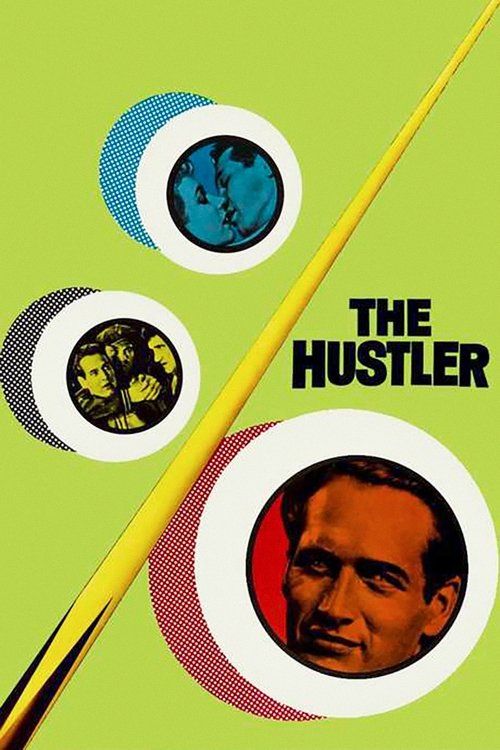
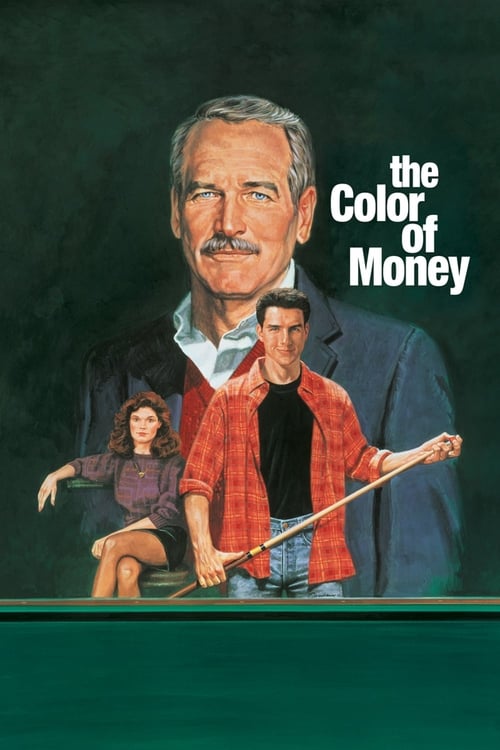
Robert Rossen's "The Hustler" (1961) arrived when Newman was still being sold as a pretty face. It changed the contract. Fast Eddie Felson is vain, self-destructive, and completely aware of both. Newman never let the vanity become likable. The sequel, "The Color of Money," twenty-five years later, found the same character older and sadder and no wiser, and that continuity across a career is rare in American film.
The Hill Collaborations Are Pure Entertainment With a Brain
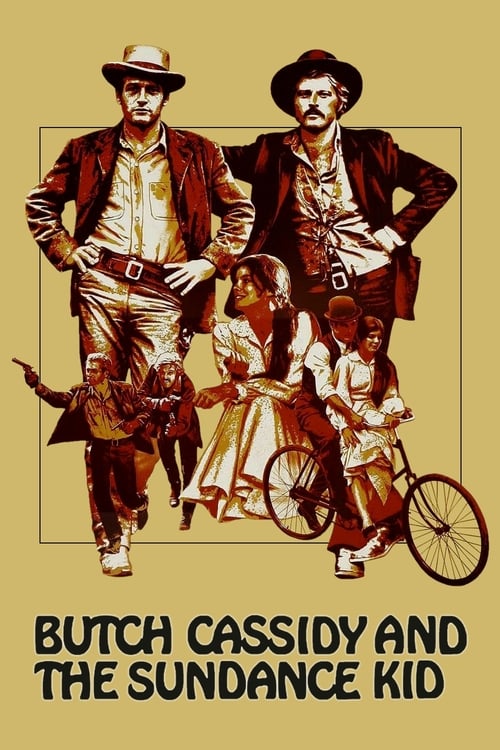
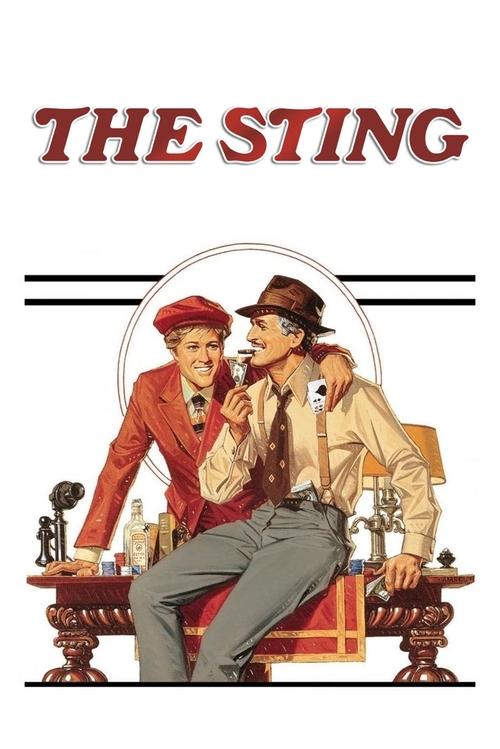
George Roy Hill directed Newman in "Butch Cassidy and the Sundance Kid" (1969) and "The Sting" (1973). Both films are genre entertainments that are also, quietly, about the end of things: the outlaws know the frontier is closing; the grifters know the con only works once. Newman and Robert Redford had a chemistry that felt less like acting and more like two people who genuinely enjoyed each other's company on screen.
"Nobody's Fool" Is the One to Watch Last
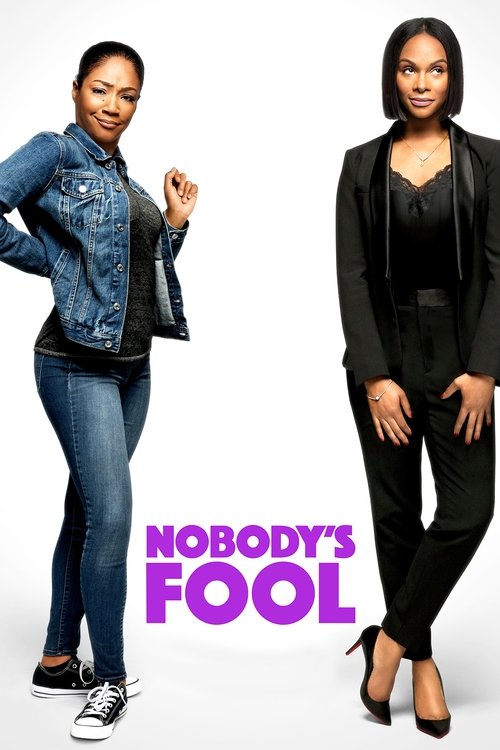
Robert Benton's 1994 adaptation of Richard Russo's novel gave Newman the role of Sully Sullivan, a sixty-year-old handyman in a dying upstate New York town who is charming, irresponsible, and genuinely at peace with having wasted his potential. Newman won his second Oscar nomination for it. It is the warmest film in his filmography and the one that sneaks up on you.
A Career in Landmarks
- 1958Breakthrough Southern gothic Cat on a Hot Tin Roof
- 1961The role that defined the decade The Hustler
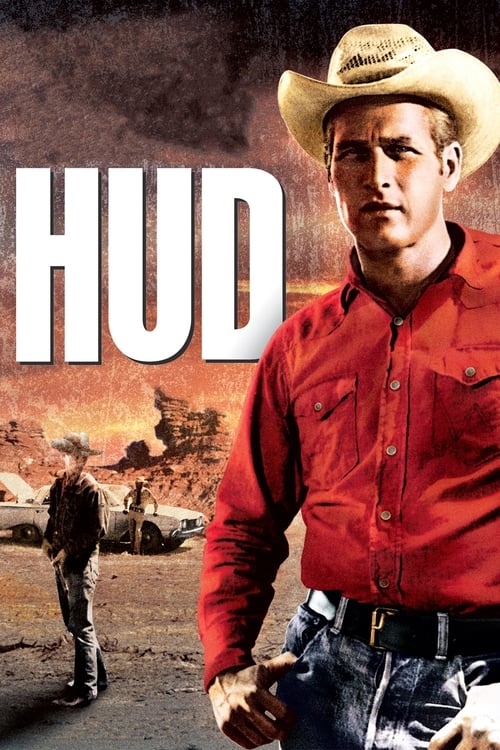
- 1963Portrait of Texas corruption Hud
- 1967Iconic American rebel Cool Hand Luke
- 1969End of the frontier Butch Cassidy and the Sundance Kid
- 1973The perfect caper The Sting
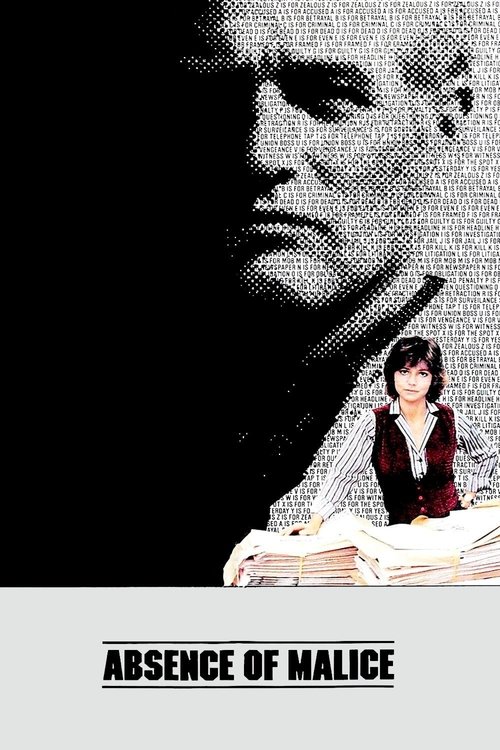
- 1981Journalism and conscience Absence of Malice
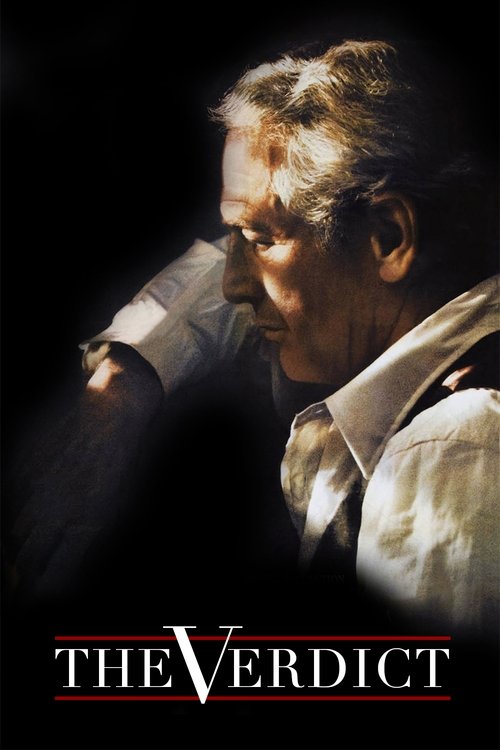
- 1982The comeback courtroom film The Verdict
- 1986Oscar win, twenty-five years late The Color of Money
- 1994Late-career peak Nobody's Fool
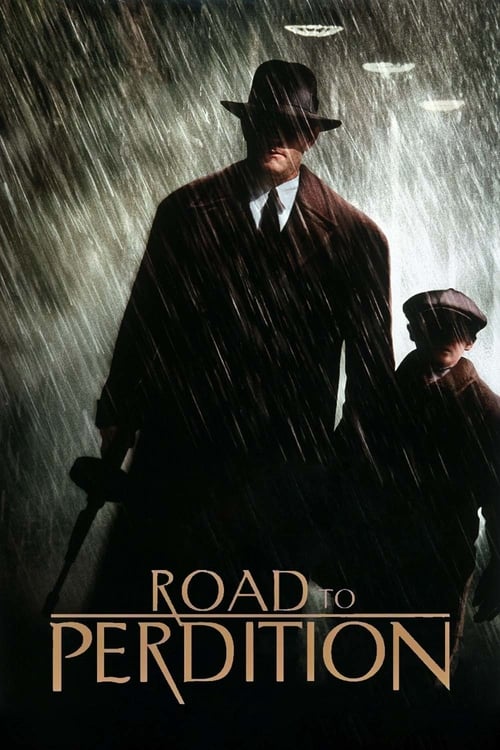
- 2002Gangster patriarch Road to Perdition
- 2006Final voice role, still vital Cars
Newman's frontier and outlaw west
Westerns
Explore the Westerns guide →He made restraint look like the hardest thing in acting, because it is.CrossBinge