
The book that reversed everything
Lewis Carroll published Through the Looking-Glass, and What Alice Found There in December 1871, six years after Alice's Adventures in Wonderland and with considerably more scaffolding underneath it. Where the first book was a dream of falling and improvised nonsense, this one is a chess game: every chapter is a square on the board, Alice moves from pawn to queen, and the logic, however strange, is internally consistent. Carroll (the pen name of Oxford mathematics lecturer Charles Dodgson) dedicated it to Alice Liddell, the real girl who had inspired the first story, though by 1871 she was nearly an adult and the dedication carries a melancholy edge.
The book introduced some of the most durable images in English literature: Humpty Dumpty's lecture on language and meaning, the Red Queen running in place just to stay still, Tweedledee and Tweedledum reciting the Walrus and the Carpenter, and the White Knight's doomed inventions. It also gave the world the poem Jabberwocky, whose invented words have seeped into actual English usage.
Because Looking-Glass was always packaged alongside Alice's Adventures in Wonderland for stage, screen, and commerce, most adaptations blend both books freely. The chess-game structure, the talking flowers, and the through-the-mirror framing tend to be the first things borrowed; Humpty Dumpty and the Red Queen have become inseparable from screen interpretations of the broader Alice myth. What follows covers every major version, noting which medium each chose and what it kept.
Every version of Through the Looking-Glass
The source novel, its direct adaptations, and the major productions that draw substantially from it

Through the Looking-Glass across time
- 1871Carroll publishes the novel Through the Looking-Glass
- 1903First silent film adaptation Alice in Wonderland
- 1933Hollywood all-star cast production (Paramount) Alice in Wonderland
- 1951Disney animated feature blends both books Alice in Wonderland
- 1966BBC television film with Anne-Marie Mallik
- 1985Two-part CBS television musical Alice in Wonderland
- 1987British TV film with Kate Dorning
- 1988Czech surrealist feature by Jan Svankmajer Alice
- 1999NBC television film with Tina Majorino Alice in Wonderland
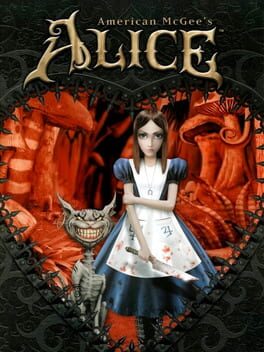
- 2000American McGee's dark video game reimagining American McGee's Alice
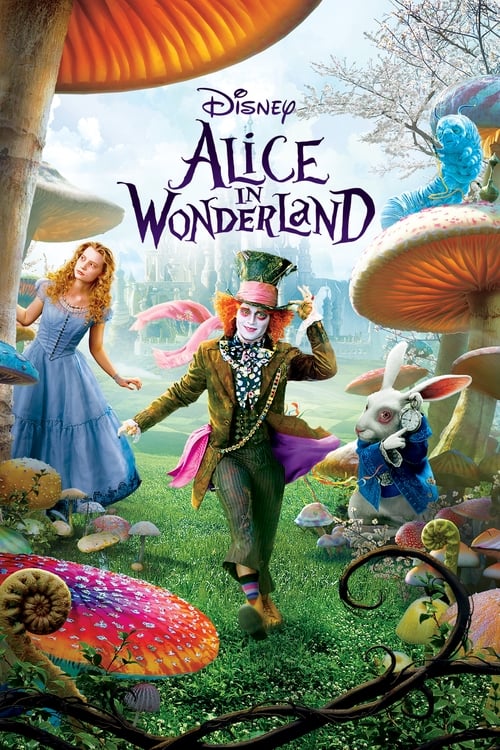
- 2010Tim Burton's blockbuster sequel-remake Alice in Wonderland
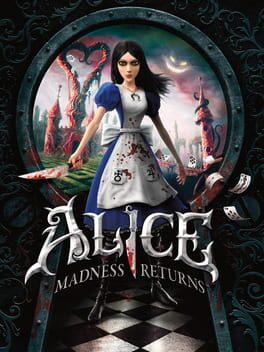
- 2011American McGee's sequel game Alice: Madness Returns
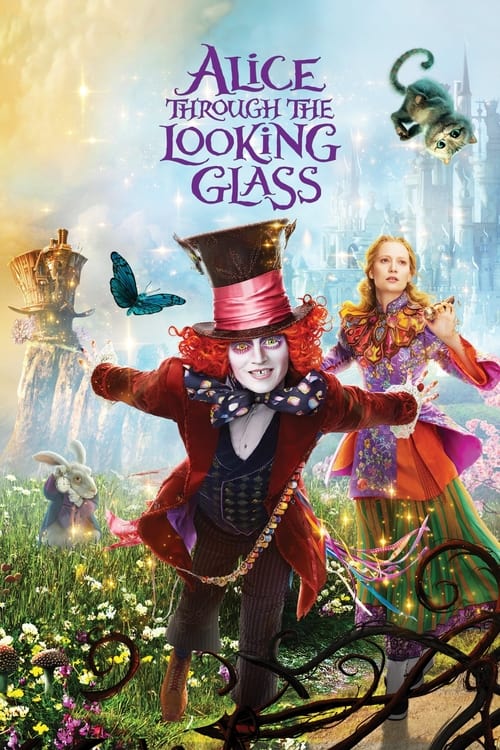
- 2016James Bobin's Looking-Glass-titled sequel to Burton Alice Through the Looking Glass
If you love the chess-game logic
Stories built on systematic rules that feel like games, puzzles, or inverted worlds

If you love the mirror and the double
Reflected selves, inverted worlds, and the uncanny pull of crossing thresholds

If you love Carroll's nonsense poetry and wordplay
Literature and film that lives in language itself, where meaning bends and invention is the point

The definitive version: Disney's 1951 animated film
Disney's Alice in Wonderland (1951) remains the version most people picture when they hear Carroll's title, and it holds up on its own terms. The studio raided both books freely: the Red Queen, Tweedledee and Tweedledum, the White Queen, and the talking flowers all come from Looking-Glass, blended with the Mad Hatter and the Cheshire Cat from Wonderland. The result discards Carroll's chess-game structure but builds its own internal logic with enough confidence that the film never feels incoherent. Mary Blair's color styling is still genuinely strange. It is not the deepest reading of the text, but it is the one that made Alice a shared cultural image.
The underrated one: Jan Svankmajer's Alice (1988)
Czech animator Jan Svankmajer released Alice in 1988 and it has never found the mainstream audience it deserves. Shot in stop-motion with a mix of real locations, taxidermy, bones, and raw meat, it treats Carroll's source material as psychological horror rather than children's fantasy. Svankmajer is not interested in charm; he is interested in what it actually feels like to be a child in a world that refuses to explain itself. The Wonderland and Looking-Glass elements blur together, as in most screen adaptations, but the approach is wholly original. If you think you have seen every Alice film, watch this one.
The one to skip: Alice Through the Looking Glass (2016)
James Bobin's 2016 film uses Carroll's title and his characters but discards everything that makes them interesting. The plot introduces a time-travel device (the Chronosphere) and turns into a generic origin story for the Mad Hatter's backstory. The Red Queen is softened into a sympathetic figure whose villainy traces back to childhood trauma. Humpty Dumpty, Tweedledee and Tweedledum, and the chess-game structure are absent entirely. Johnny Depp's Hatter and Helena Bonham Carter's Red Queen reprise their Burton-era roles to diminishing effect. It made significantly less money than the 2010 film, and the reviews were correct.