
The story that started a lawsuit and changed spy cinema
In the late 1950s, Ian Fleming collaborated with film producer Kevin McClory and screenwriter Jack Whittingham on an original screenplay called Thunderball. The project stalled without being produced. Fleming then adapted the material into a novel, published in 1961, without crediting his co-writers. McClory sued. The resulting settlement gave him the film rights to the Thunderball story specifically, while EON Productions and the Broccoli family held the rights to Fleming's other novels.
That split produced two theatrical Bond films from the same plot, starring the same actor, twenty years apart. No other story in the franchise has this distinction. The underwater action sequences, the hijacked NATO nuclear warheads, and the villain Emilio Largo became templates for large-scale Bond spectacle, and the legal dispute over who owned the story shaped the business of James Bond for four decades.
Every Version of Thunderball
The source novel, both films, and the original screenplay credit

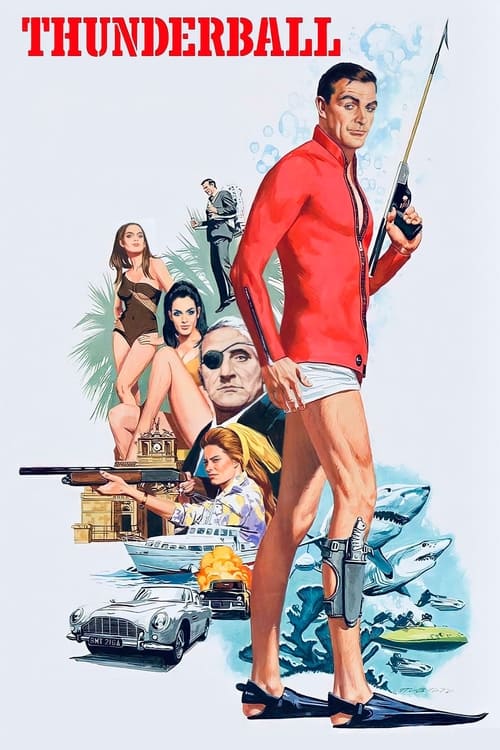
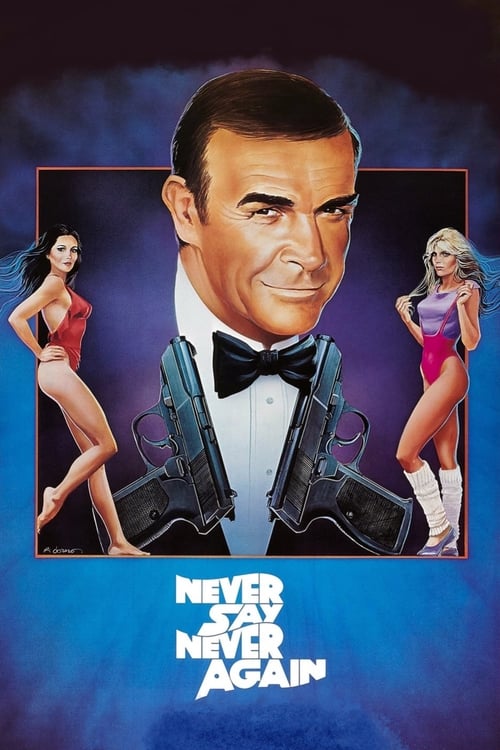
Thunderball across the decades
- 1961Ian Fleming publishes the novel, credited to Fleming alone after the screenplay dispute Thunderball
- 1965EON Productions releases the official Bond film, directed by Terence Young, with Sean Connery Thunderball
- 1983Kevin McClory produces the unofficial remake, reuniting Connery with the role after twelve years away Never Say Never Again
The only Bond story made into two theatrical films starring the same actor. The legal dispute that produced that anomaly reshaped how the franchise was owned and controlled for the next forty years.On the McClory litigation and its consequences
The definitive version: the 1965 film
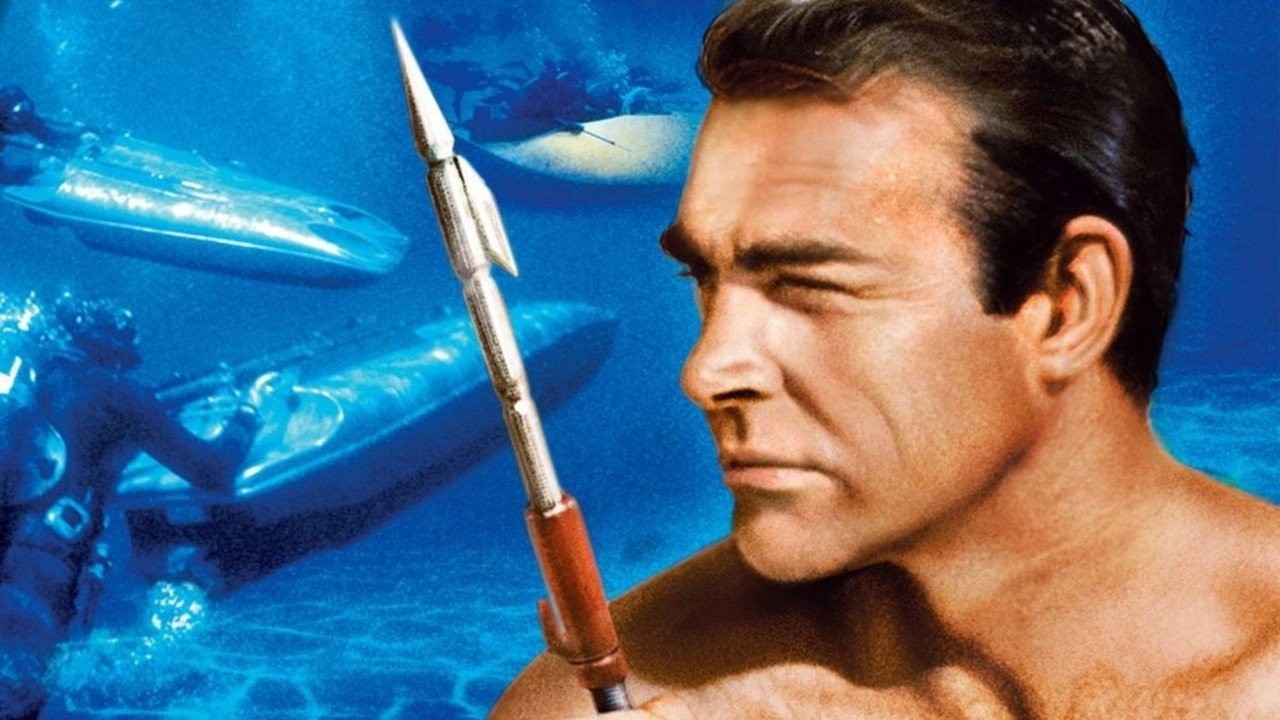
The 1965 Thunderball is the most ambitious Bond film of the Connery era. Terence Young directed it with the same confidence he brought to Dr. No and From Russia with Love, and the underwater sequences remain among the most technically demanding action filmmaking of the decade. It is not the tightest Bond film, but it is the one where EON decided the franchise could be genuinely epic: nuclear blackmail, a villain with a private navy, and a climactic battle staged on the ocean floor. The scale was copied for years.
The underrated one: the novel
Fleming's Thunderball novel gets less attention than Casino Royale or From Russia with Love, partly because of the legal shadow over its authorship. That is unfair to the book. The Caribbean setting is meticulously rendered, the SPECTRE organization feels genuinely bureaucratic and menacing, and the opening chapters at the Shrublands health spa put Bond through a physical ordeal that most of the films skip. It reads more slowly and more procedurally than the film: the threat accumulates by paperwork and surveillance before anyone fires a shot.
The one to approach carefully: Never Say Never Again
Never Say Never Again (1983) has genuine curiosity value: Connery returning to Bond at 52, a larger production budget than the EON films of that year, and a supporting cast that includes Max von Sydow as Blofeld and Klaus Maria Brandauer in a genuinely unnerving turn as Largo. But the film does not know what tone it wants. The action is uneven, the comedy undercuts the threat, and it exists outside the official series in a way that makes it feel supplementary. See it once, for Connery and Brandauer. Do not expect the 1965 film.
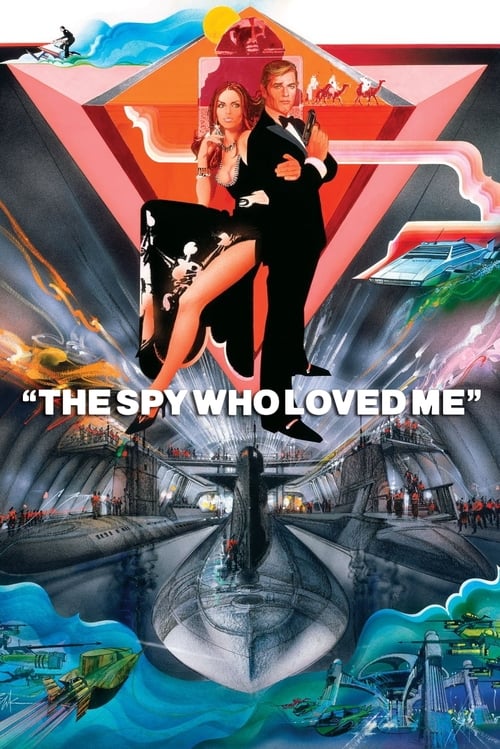
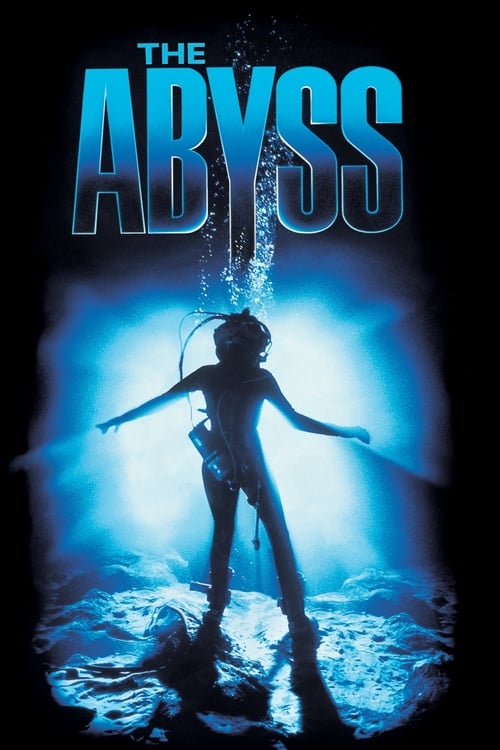
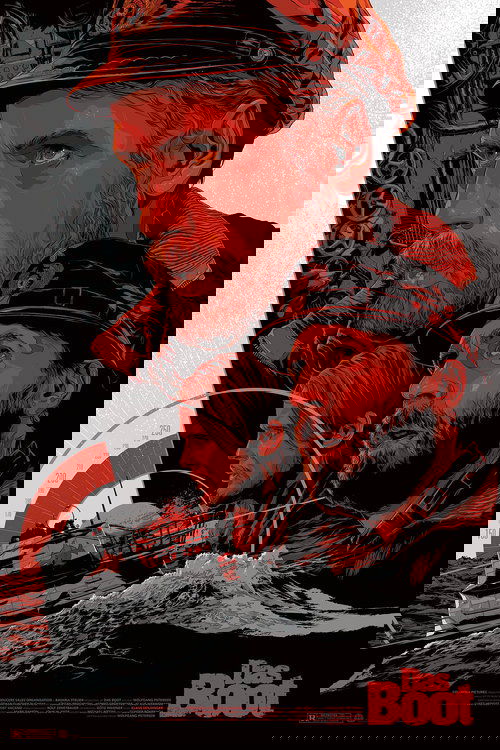
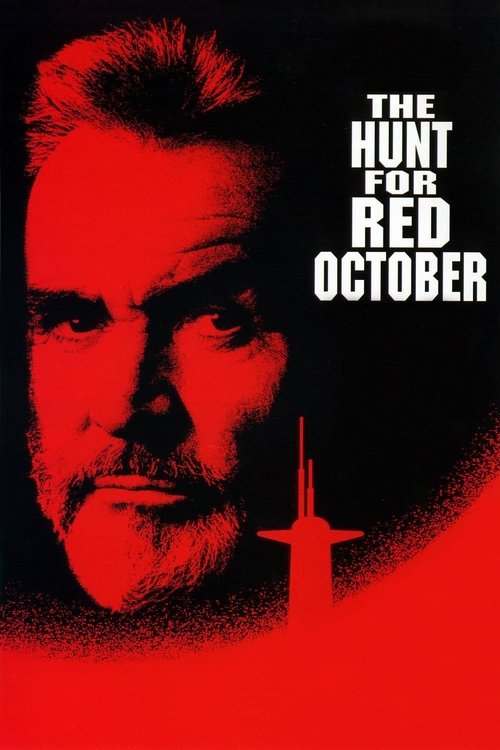
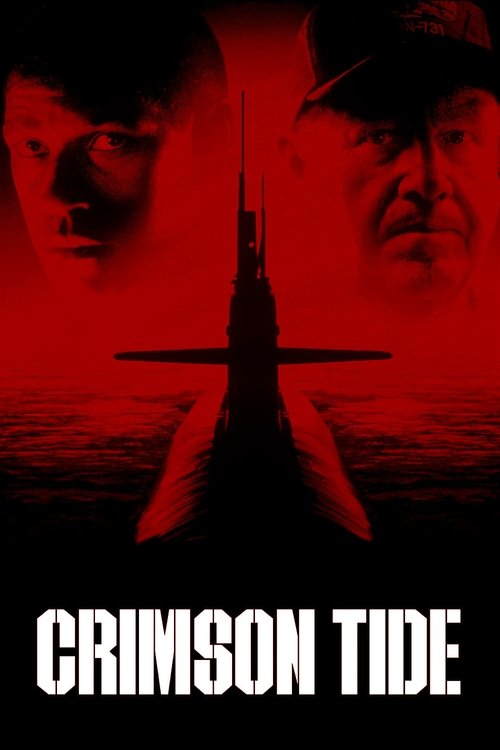
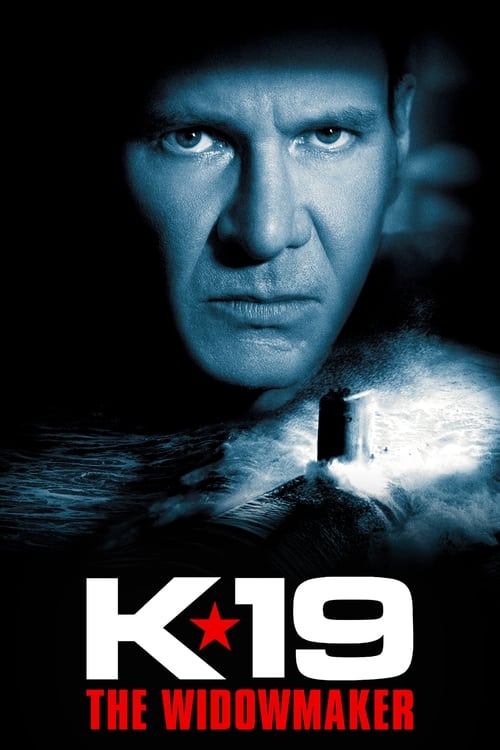
If you love the underwater action
Films built around diving, submarines, and combat beneath the surface
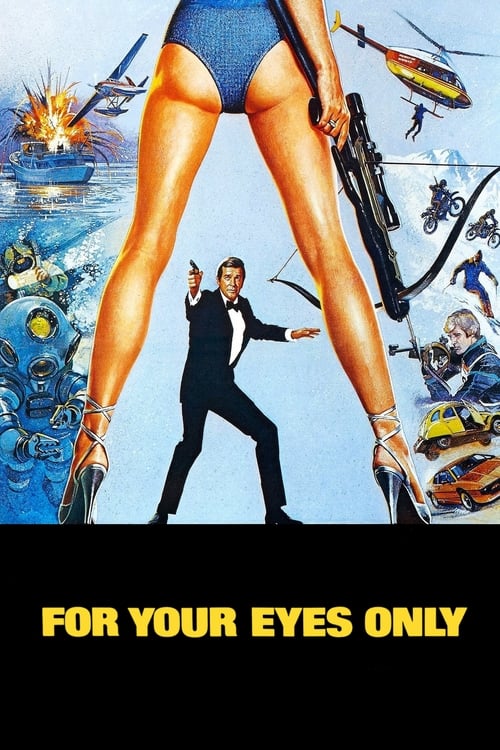

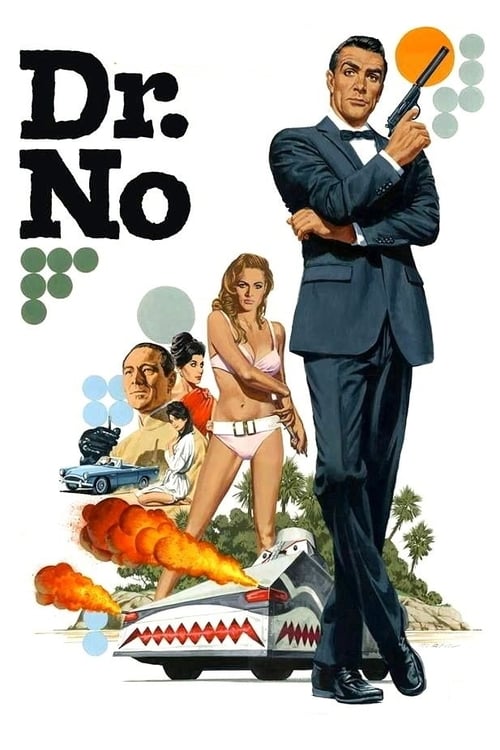
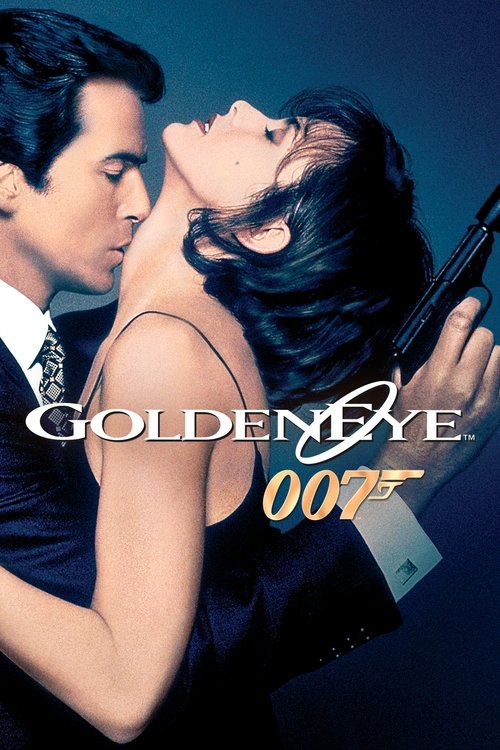
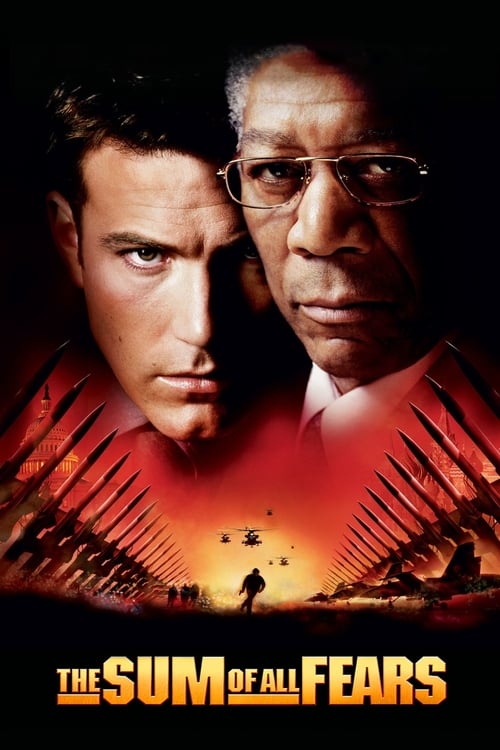
If you love the nuclear blackmail plot
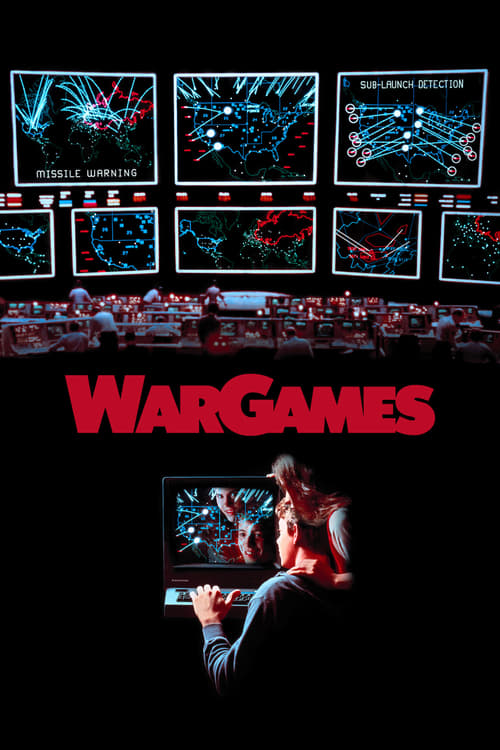
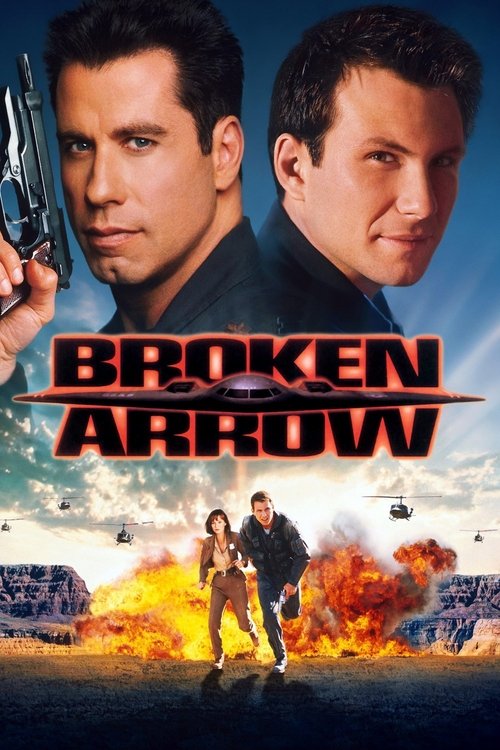
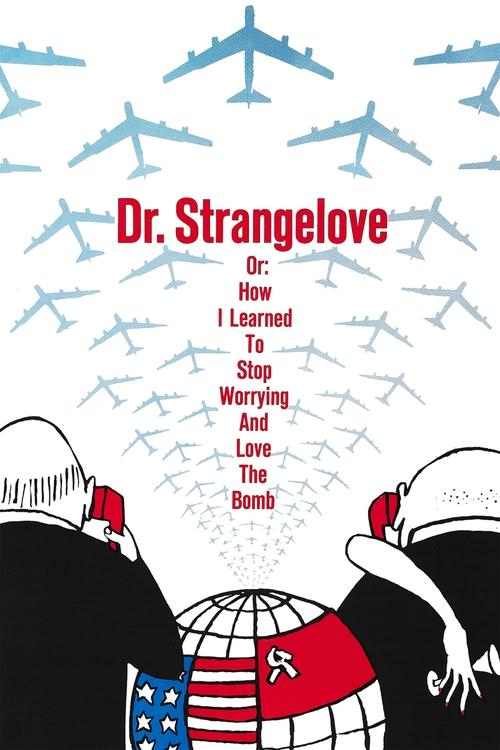
Cold War thrillers and spy stories built on stolen weapons and catastrophic leverage
If you love the Connery Bond era
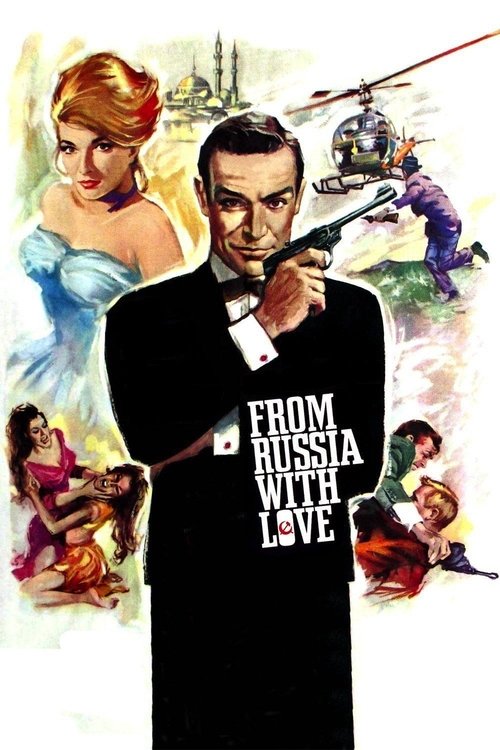
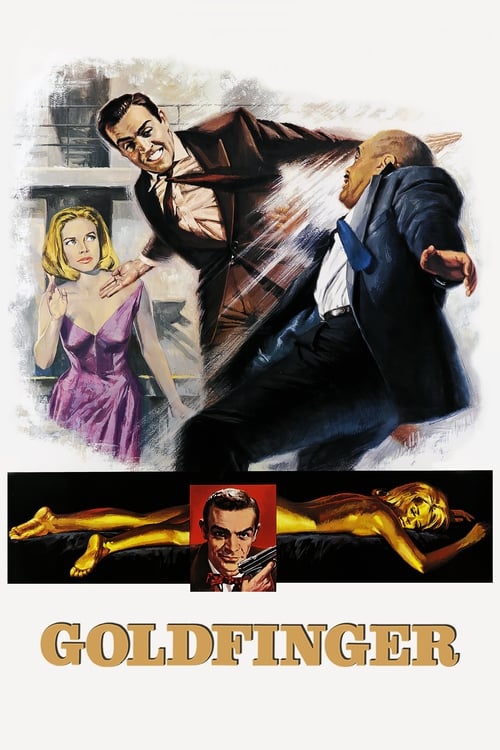
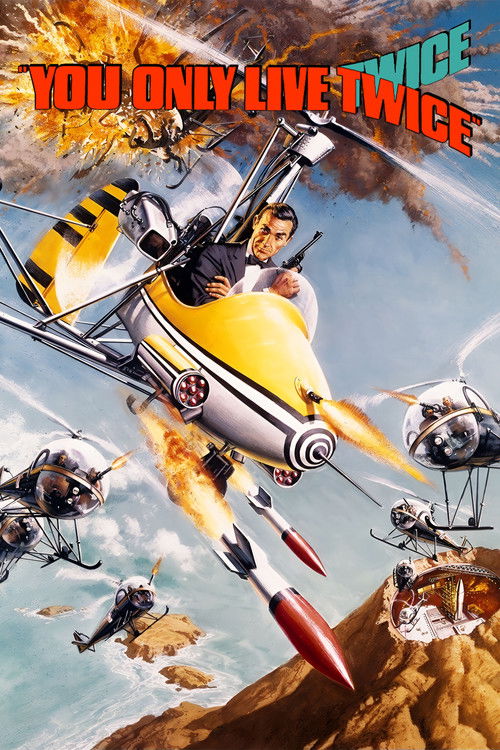
The six films and their closest spiritual relatives across media


If you love SPECTRE and master-villain organizations
Stories centered on shadowy criminal syndicates and their elaborate schemes