
The mole in the Circus
John le Carré published Tinker, Tailor, Soldier, Spy in 1974, the fifth of his George Smiley novels and the one that made the character iconic. The story draws on the world le Carré knew: he had worked for MI5 and MI6 in the late 1950s and early 1960s, and the novel's central scandal, a Soviet mole embedded at the top of British intelligence, was shaped directly by the real exposure of Kim Philby and the Cambridge Five. Le Carré renamed the service "the Circus" (headquartered at Cambridge Circus), gave it a retired spymaster called Control, and built a slow, meticulous investigation around Smiley, the unassuming man called back from retirement to find which of four senior officers is working for Moscow.
The book was a sensation. Its adaptation path was swift: within five years it had become one of the most celebrated television productions Britain had ever made. Thirty-seven years after publication it was adapted into an acclaimed theatrical film. Two direct sequels, The Honourable Schoolboy (1977) and Smiley's People (1979), completed what le Carré called the Karla Trilogy; both the BBC serial and much of the critical literature treat the three books as a single sustained work.
The story's afterlife has been almost entirely in prestige screen adaptations, each trusting the source material rather than departing from it. No stage version has landed, and games have left the Circus alone. What we have instead is a small number of productions made with unusual seriousness, each one choosing patience over spectacle.
Every version of Tinker Tailor Soldier Spy
The source novel, its screen adaptations, and the direct Karla Trilogy continuations


Tinker Tailor Soldier Spy across time
- 1974Le Carré publishes the novel Tinker Tailor Soldier Spy
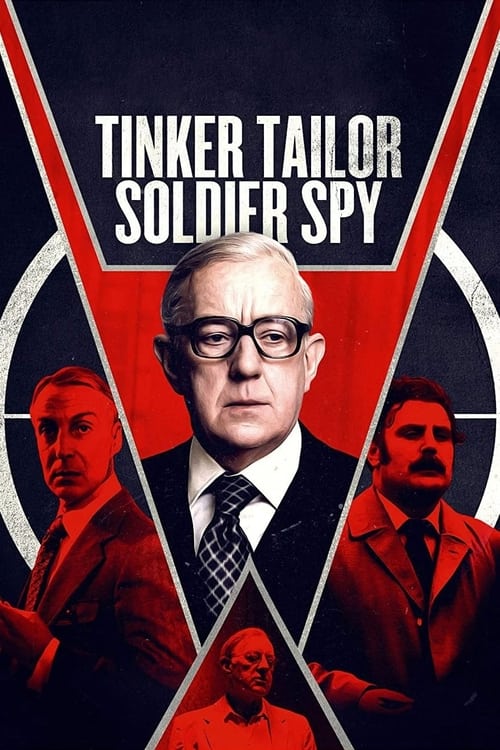
- 1979BBC serial, 7 episodes, Alec Guinness as Smiley Tinker Tailor Soldier Spy
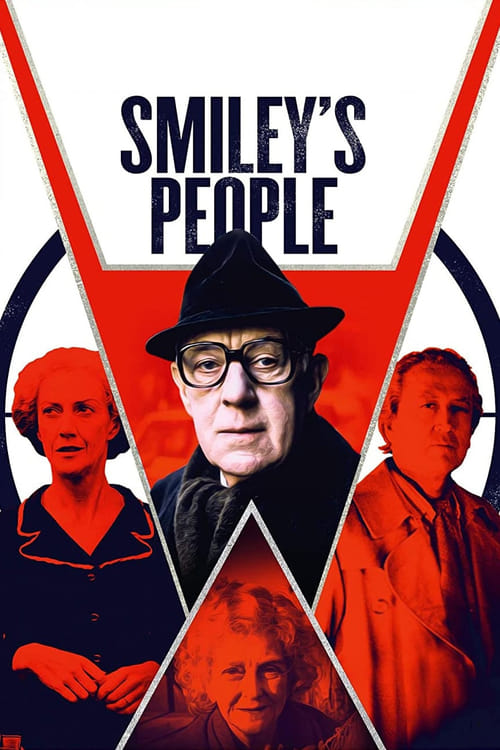
- 1982BBC sequel serial, Guinness returns as Smiley Smiley's People
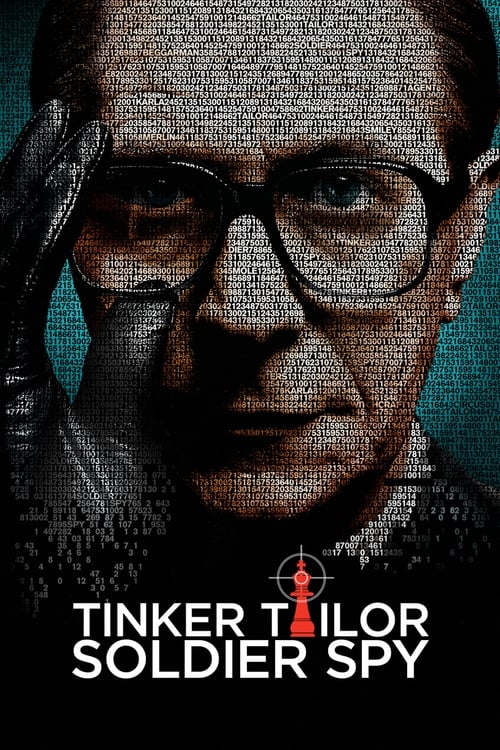
- 2011Theatrical film, Gary Oldman, directed by Tomas Alfredson Tinker Tailor Soldier Spy
The definitive version: the 1979 BBC serial
Alec Guinness as George Smiley is one of the great casting decisions in British television history. The 1979 BBC serial, adapted by Arthur Hopcraft and directed by John Irvin, has seven hours to breathe where the film has two, and it uses every minute. The pace is deliberate. Paranoia accumulates in silence, and conversations that seem mundane on first viewing are devastating in retrospect. Guinness plays Smiley not as a hero but as a man doing a painful job with total professionalism, which is exactly what le Carré wrote. Watch it twice. Nothing else comes close.
The underrated version: the 2011 film
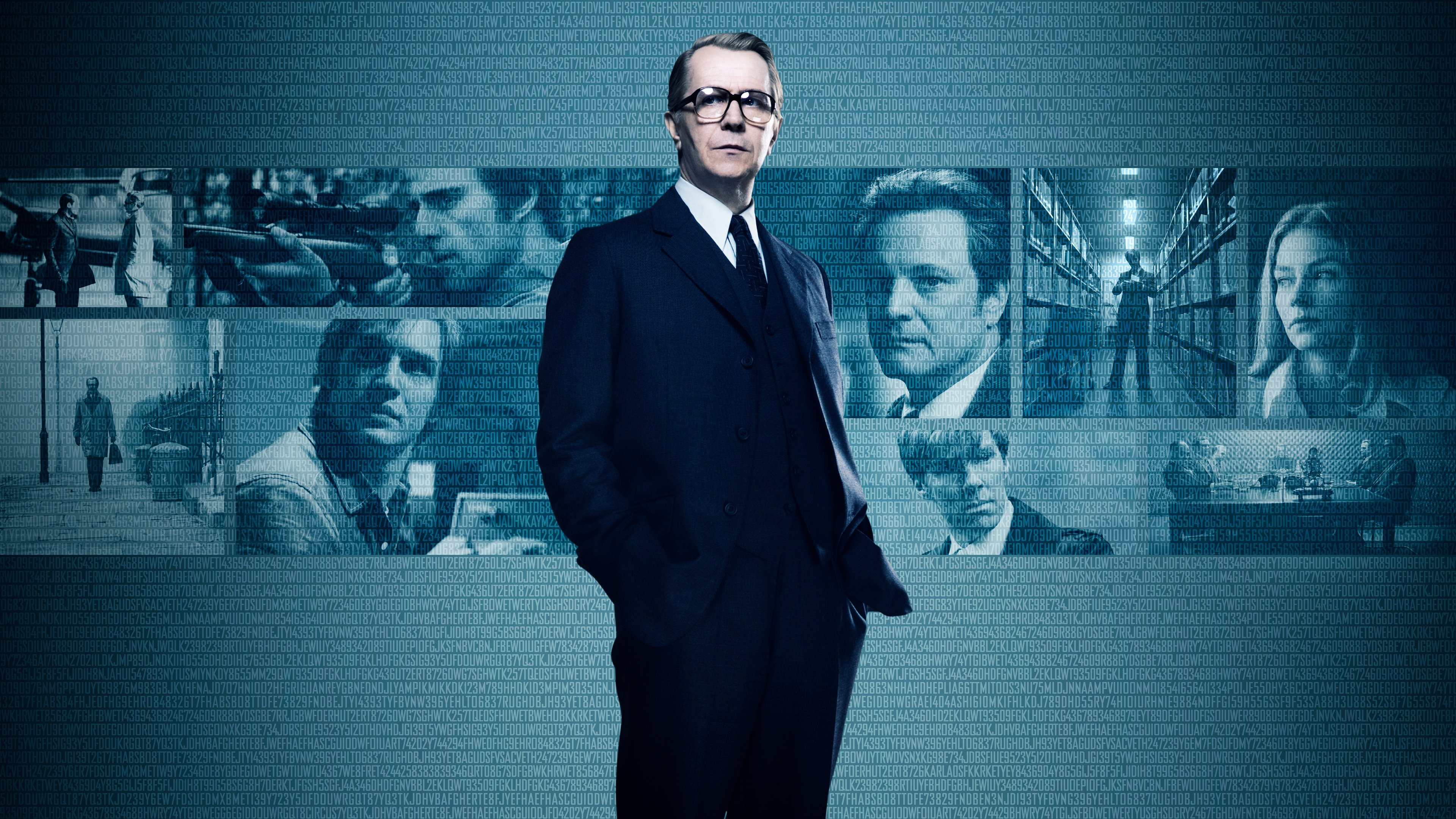
Tomas Alfredson's film was praised on release and has since been treated as a lesser cousin to the BBC serial. That judgment is wrong. Working with screenwriters Bridget O'Connor and Peter Straughan, Alfredson compressed the novel into a confident 127-minute thriller with a superb ensemble: Tom Hardy, Colin Firth, Mark Strong, Benedict Cumberbatch. The visual intelligence, cold greys and institutional browns, matches the book's atmosphere as well as any screen version. Gary Oldman's Smiley is physically different from Guinness but psychologically coherent: watchful, contained, and genuinely sad. The film rewards close viewing far more than its current reputation suggests.
If you love the BBC Smiley serials
More le Carré adaptations and prestige Cold War television


If you love Cold War mole hunts and institutional paranoia
Films and TV about loyalty, betrayal, and the intelligence world

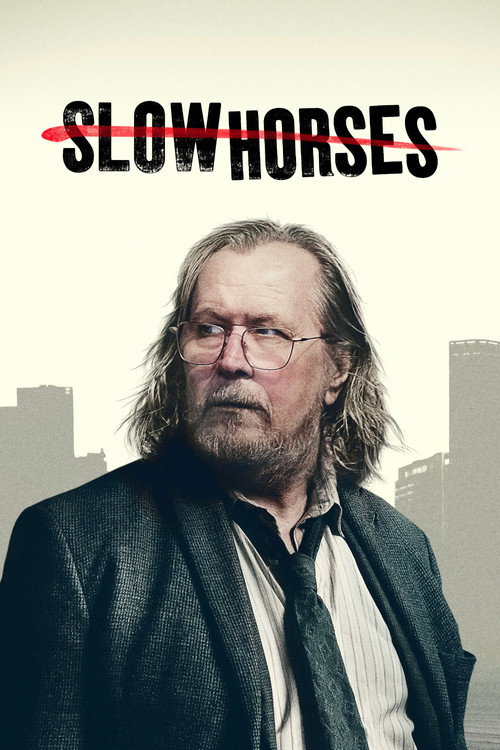
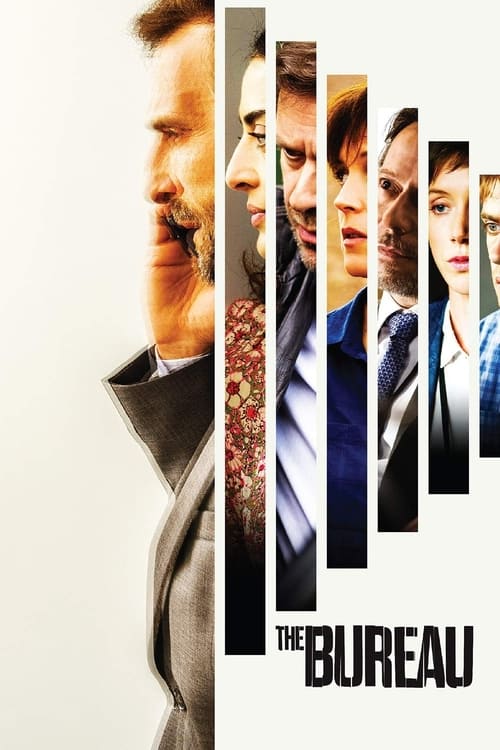
More Cold War Espionage and Moles
Spies & Espionage
Explore the Spies & Espionage guide →The talent of a good spy is that he can see the world through other people's eyes. Smiley's talent is that he prefers to.John le Carré, on George Smiley