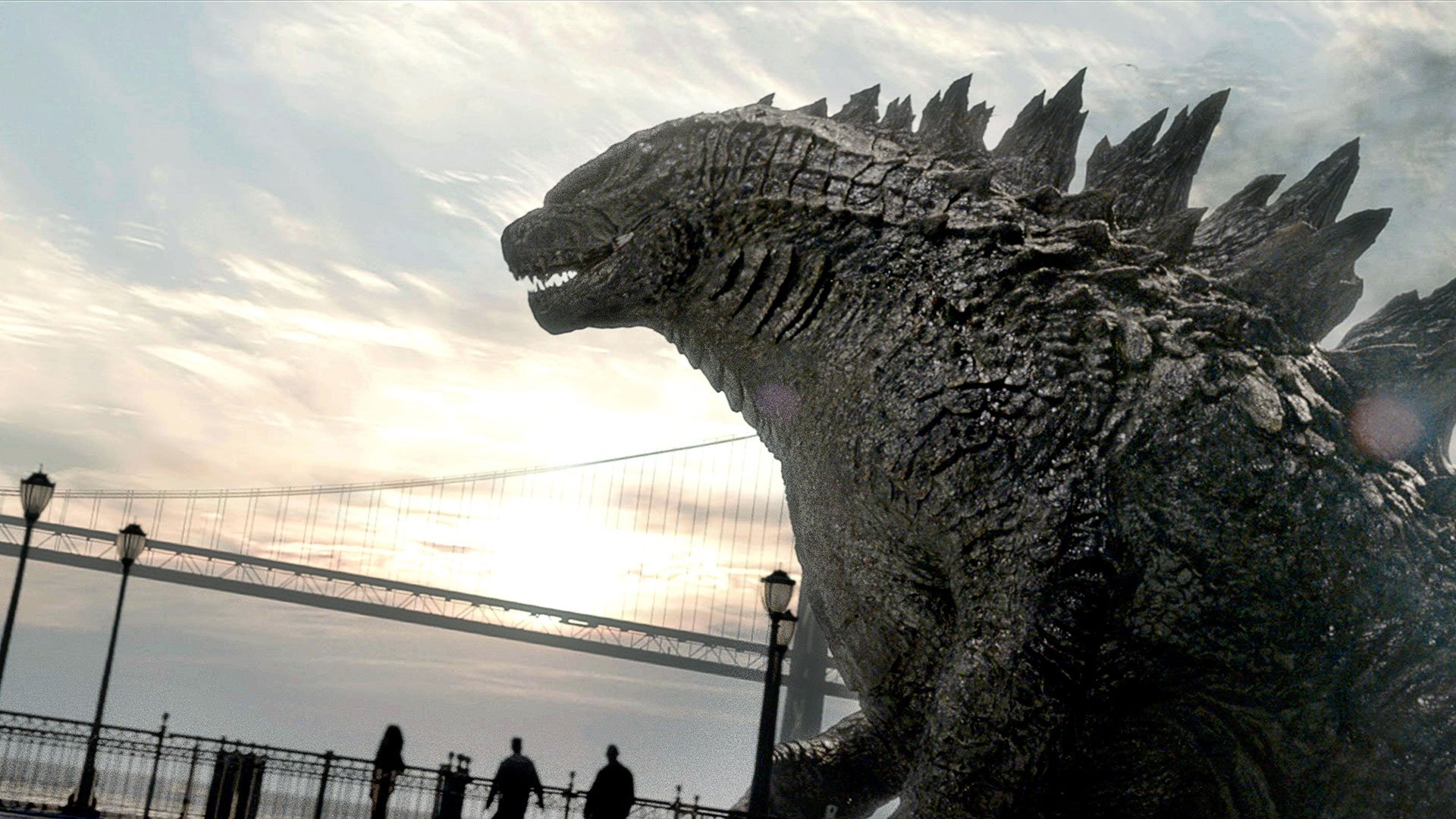

The Director Who Made Dread Enormous
Ishirō Honda spent World War II as a foot soldier in China, was captured, and returned home to find Hiroshima reduced to ash. He had been there shortly after the bombing. That experience never left him, and it runs through almost every film he ever made, whether he was pointing a camera at a giant lizard or at a quiet scientist staring into the sea.
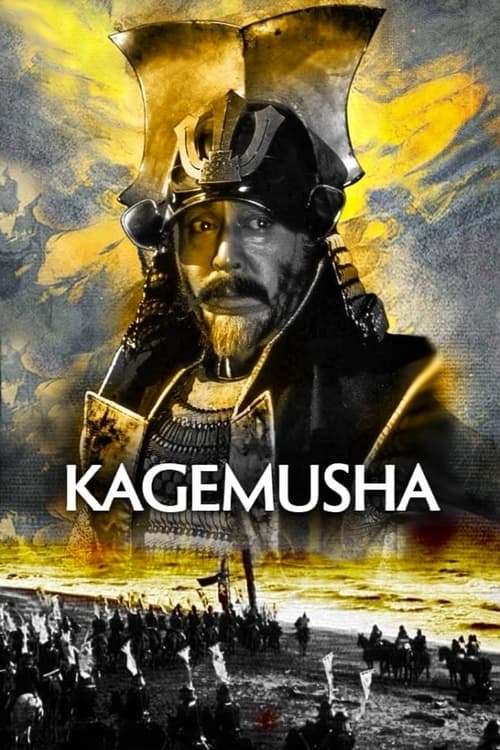
Honda joined Toho Studios as an assistant director, working alongside Akira Kurosawa, a partnership that would last decades (he assisted on several of Kurosawa's late masterworks, including Kagemusha and Ran). But his own lane was science fiction, and he became its defining Japanese voice. The film that made him is Gojira (1954), a picture so precisely calibrated to postwar Japanese grief that audiences who lived through the firebombings wept at it. To them the creature was not a monster movie. It was a documentary about what nuclear weapons do.
What distinguishes Honda from peers making similar material in the West is sincerity. His films never wink. The scientists are earnest. The destruction is mourned. The monsters, however rubbery, are treated as forces of nature rather than props for action sequences. He had a gift for holding the human and the colossal in the same frame and making you feel the disproportion physically. Watching a Honda film, scale becomes emotional information.
He worked prolifically through the 1960s and 1970s, producing kaiju sequels and tokusatsu spectacles for Toho at a pace that sometimes dulled the material. But his best work, from Gojira to Matango to Mothra, carries a specific weight: the sense that the natural and the nuclear are the same catastrophe, and that human beings brought it entirely on themselves.
Essential Ishirō Honda
His own films, ranked for newcomers



If You Love the Weight of Gojira
Films that carry real dread behind the spectacle


The Modern Kaiju Lineage
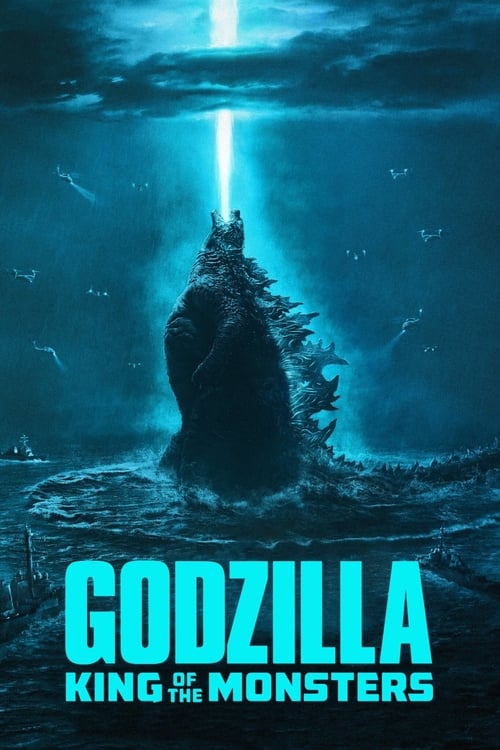
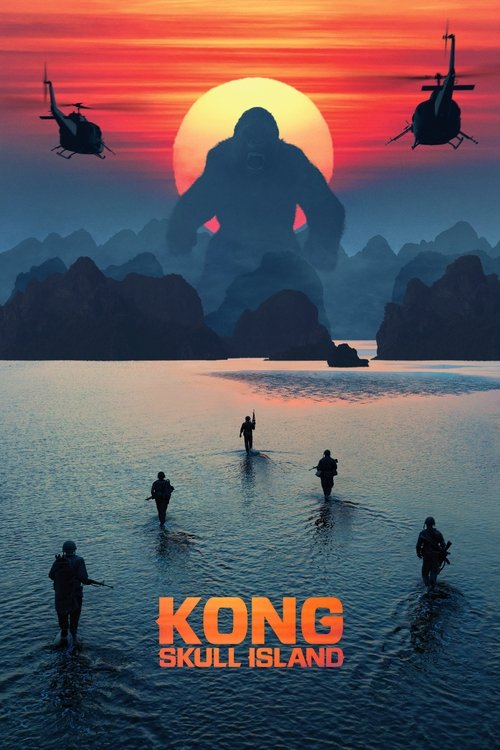
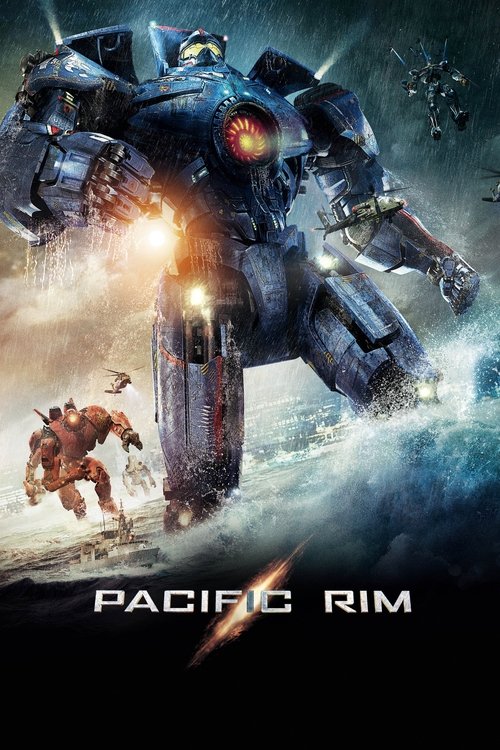
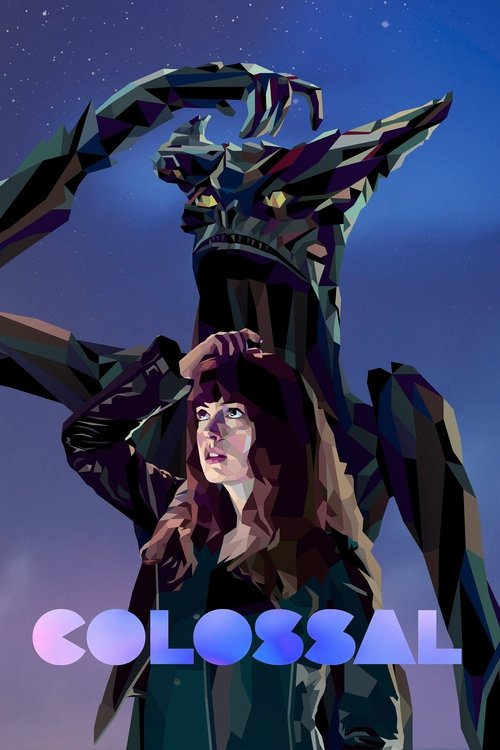
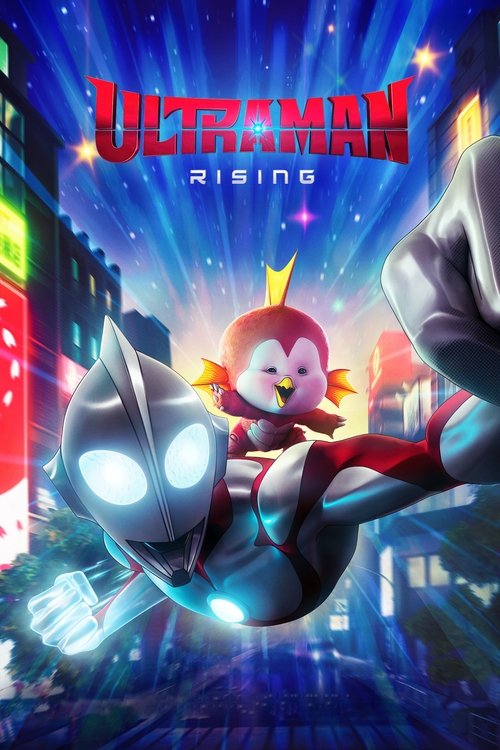
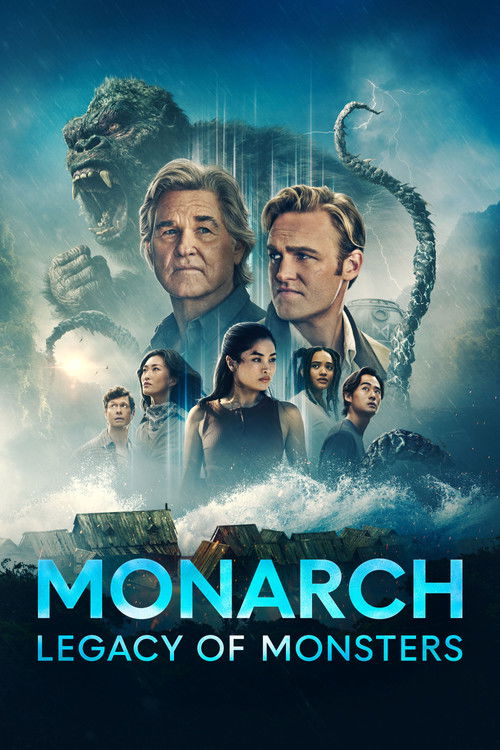
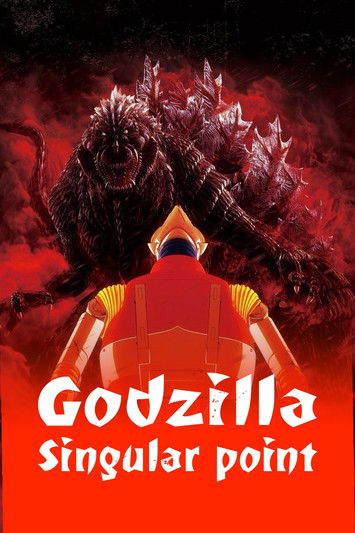
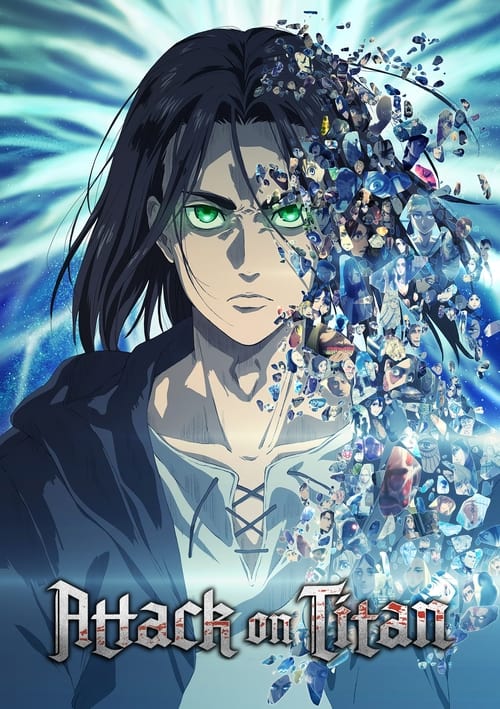
Television and film that carries Honda's legacy forward

Japan After the Bomb
The grief that Honda's monsters were always really about


Scale as a Feeling: Games About Being Small
When the screen makes you feel the size difference in your chest
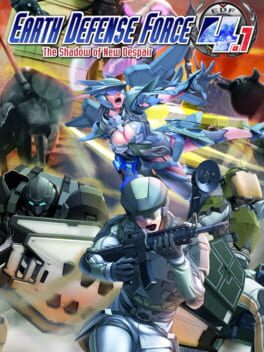
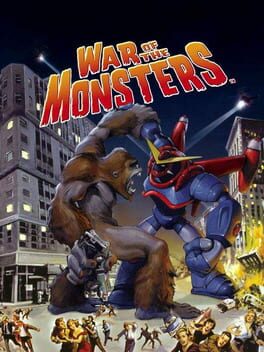
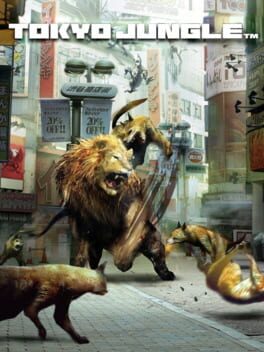
Start with the 1954 original, not the remakes
Godzilla (1954) is not a monster movie with a message stapled on. The grief is the architecture. The creature barely appears for the first forty minutes, and when it does, Honda keeps cutting back to human faces: people who have already seen what total destruction looks like. The black-and-white photography gives it the texture of newsreel footage. None of the remakes, not even the best of them, have ever replicated that specific heaviness.
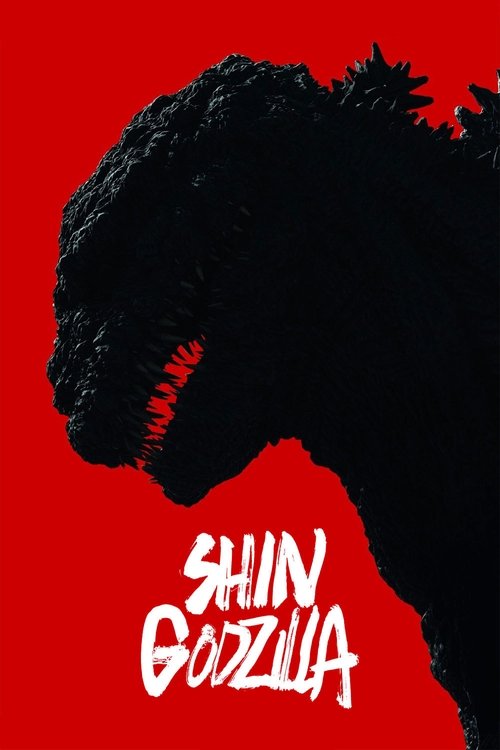
Shin Godzilla is the most rigorous spiritual successor
Hideaki Anno's Shin Godzilla (2016) does what only Honda ever really did: it treats the monster as a political and bureaucratic crisis, not primarily a physical one. The film is obsessed with institutional paralysis, with the gap between the scale of a catastrophe and the smallness of the systems designed to handle it. Honda would have recognized every beat.
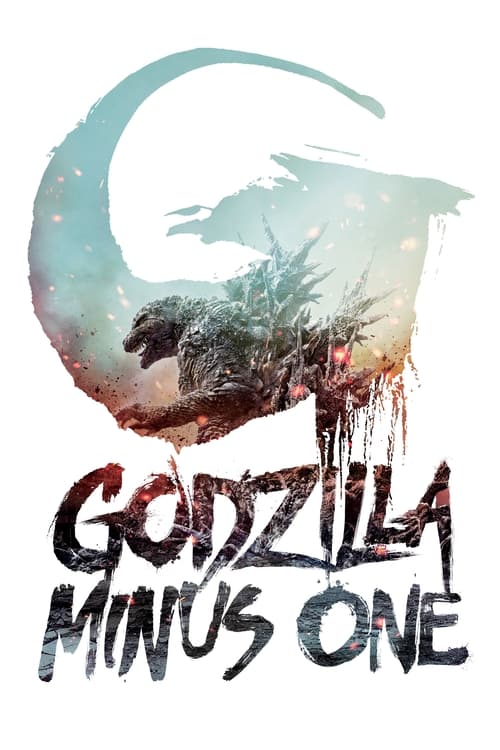
Godzilla Minus One is the first sequel that earns its tears
Every Honda Godzilla film used the monster to process something specific about loss. Godzilla Minus One (2023) is the first film since 1954 to understand that the monster is not the point: the survivors are. It opens in the closing days of World War II and builds its creature-feature on top of survivor's guilt. Honda would have approved of the homework.
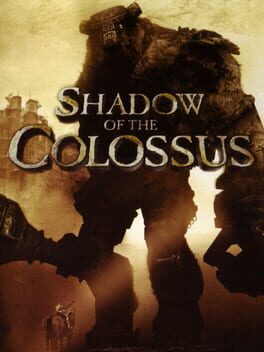
Shadow of the Colossus is Honda in game form
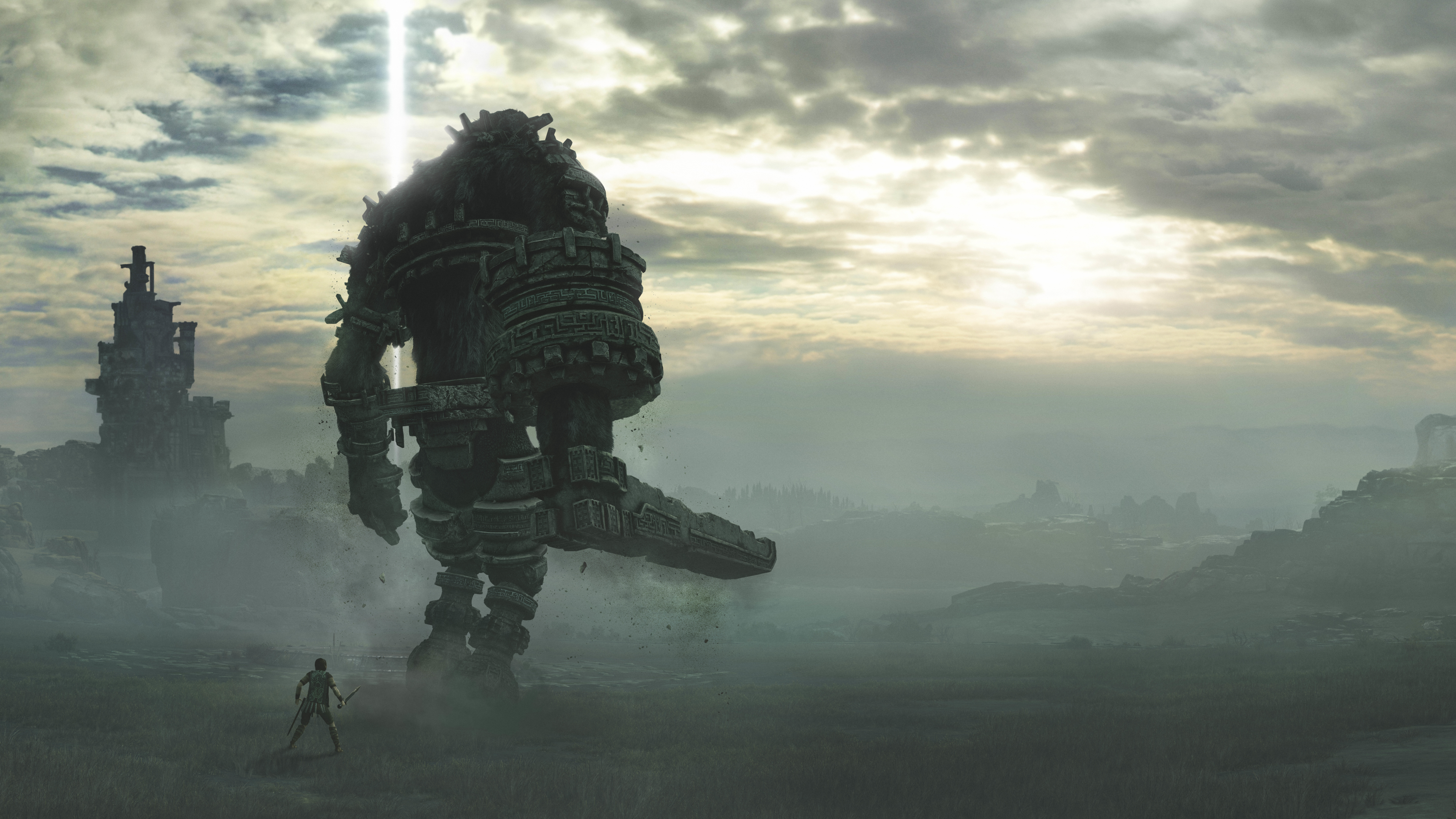
Shadow of the Colossus does the one thing Honda's best films do: it makes you feel the ethical cost of being small and dangerous at the same time. Every boss fight is a dirge. The colossi are not enemies, they are monuments, and the game knows it. Honda spent his career asking whether the monster was really the threat or just the symptom. Fumito Ueda asked the same question with a controller in your hands.
Honda's Decade of Monsters
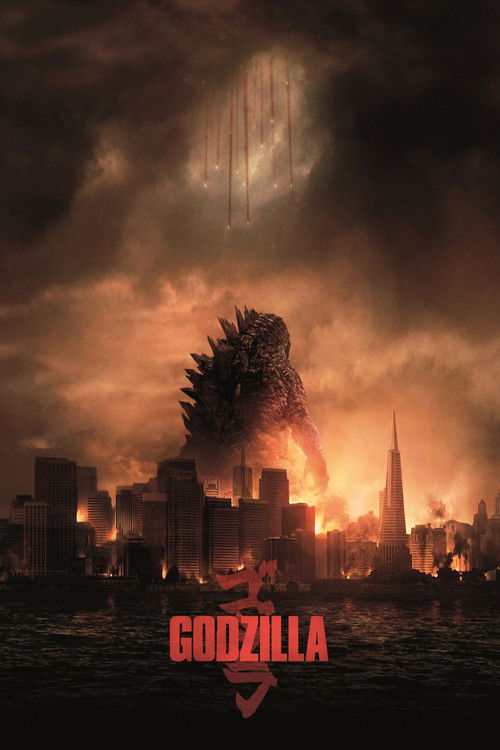
- 1954Godzilla / Gojira — the original, born from atomic grief Godzilla
- 1956Rodan — the first Toho kaiju film shot in color
- 1957The Mysterians — alien invasion with widescreen spectacle
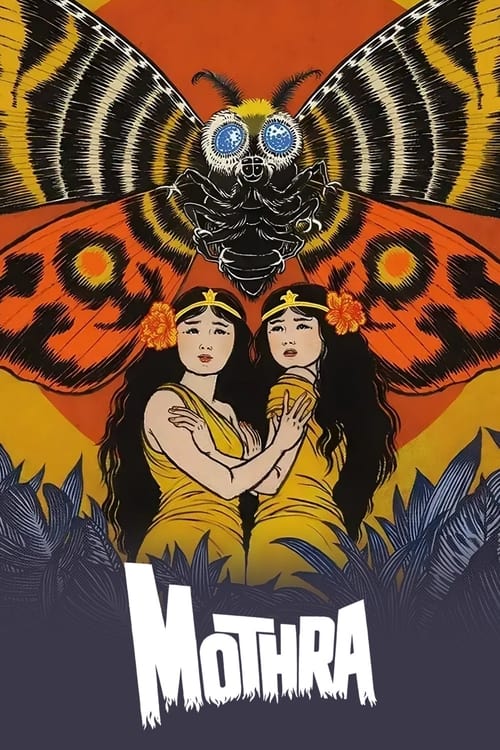
- 1961Mothra — introduced the Toho kaiju with a conscience Mothra
- 1963Matango — his strangest film, a hallucinatory horror
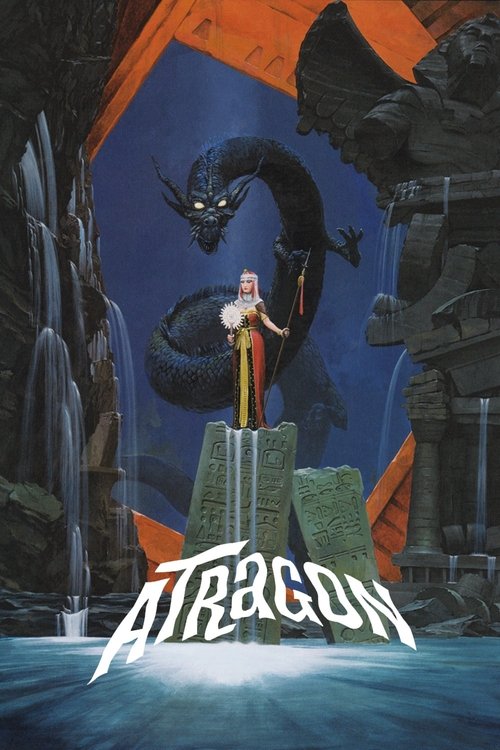
- 1963Atragon — submarines, empire, and a sea monster Atragon
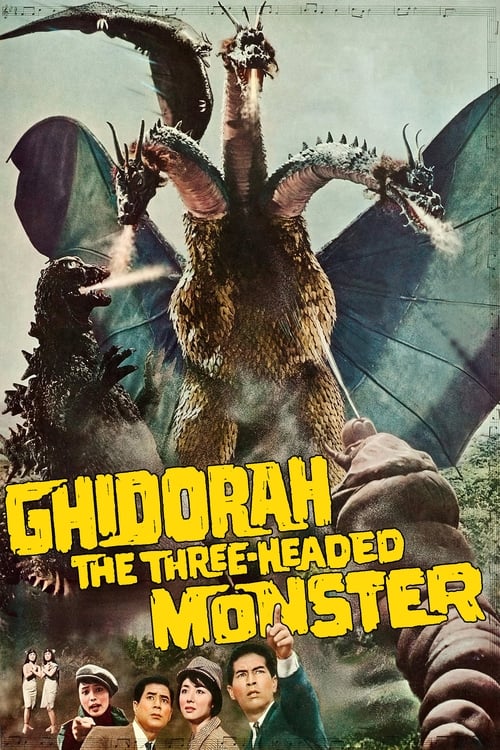
- 1964Ghidorah, the Three-Headed Monster — monsters unite against a greater threat
- 1965Invasion of Astro-Monster — Godzilla goes to space
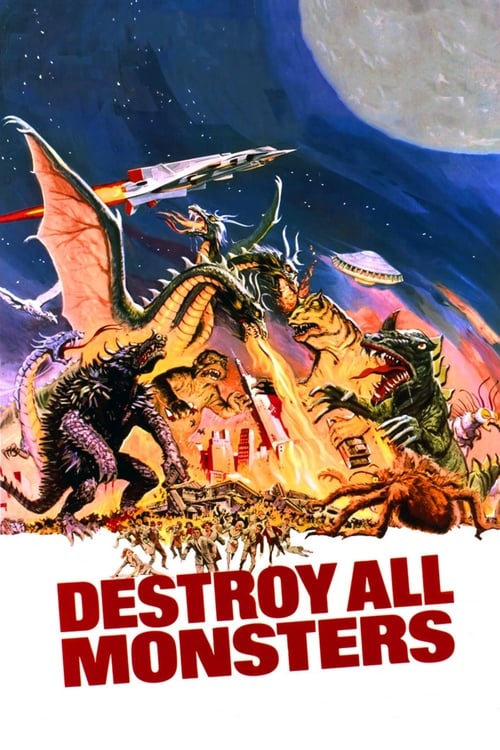
- 1968Destroy All Monsters — the all-hands finale of the Showa era
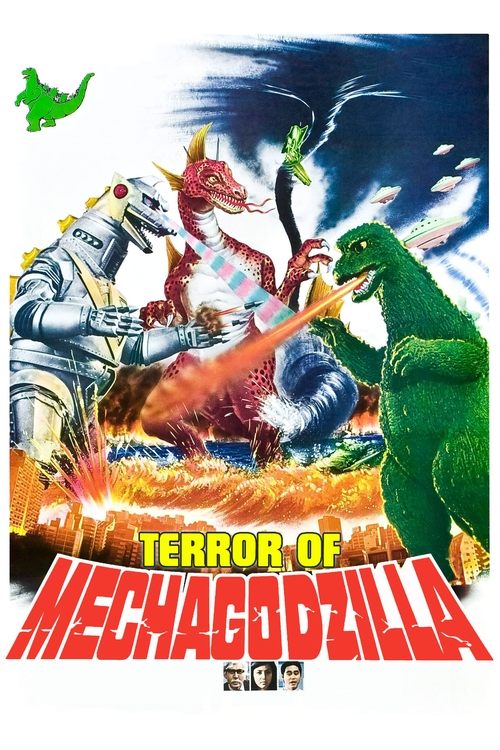
- 1975Terror of Mechagodzilla — Honda's farewell to Godzilla
Atomic monsters and giant terror
Kaiju & Giant Monsters
Explore the Kaiju & Giant Monsters guide →Monsters are born too tall, too strong, too heavy. That is their tragedy.Ishirō Honda