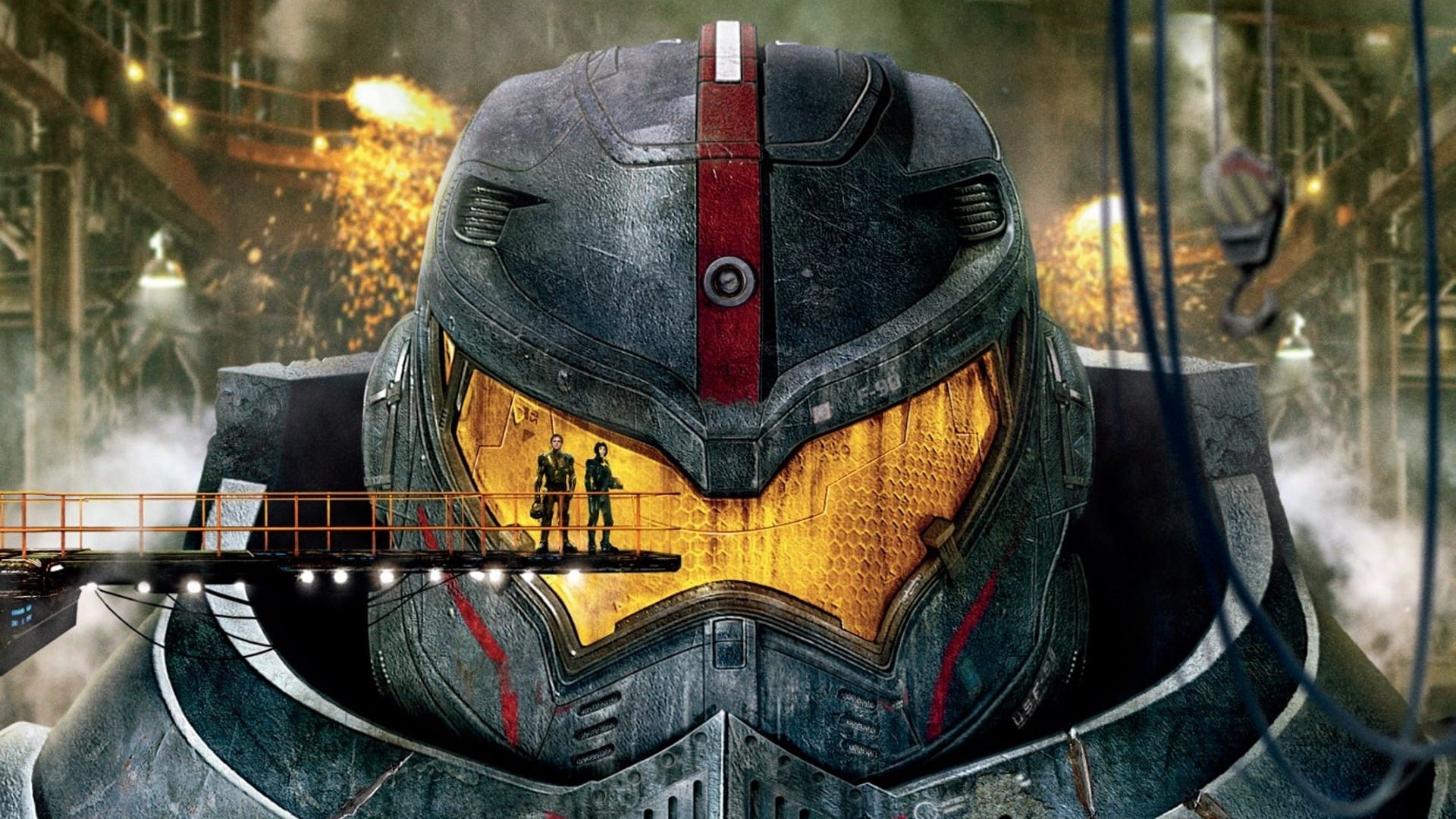

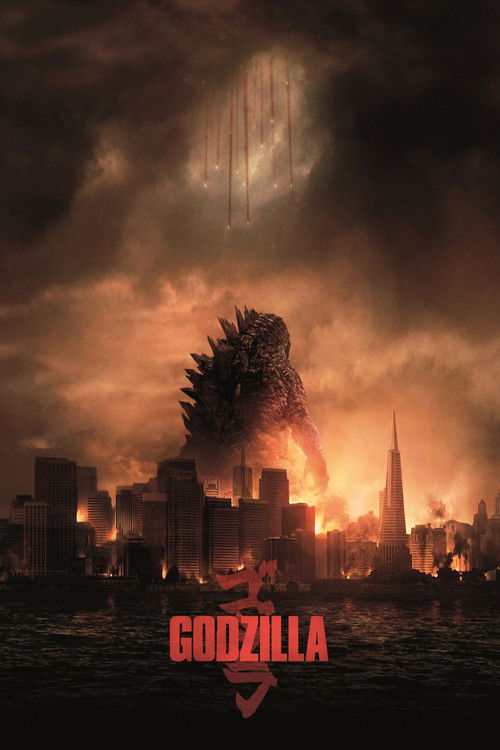
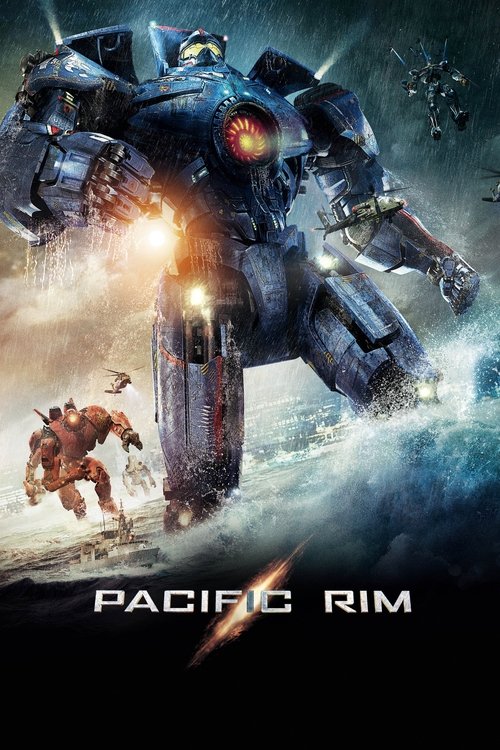
The kaiju fan is not chasing spectacle for its own sake. They are chasing a specific feeling: the moment a city block becomes a footnote, when everything humans have built is revealed as temporary, when the only sensible response is awe. Godzilla gave the genre its grammar in 1954, processing nuclear dread through a monster who could not be bargained with. Since then, kaiju stories have always carried weight beneath the destruction: anxiety about industry, ecology, hubris, and the limits of military power. Whether you prefer the suit-era Toho classics, the Hollywood megabudget reboots, the Pacific Rim mech-punch satisfaction, or the literary kaiju that lives only in prose, the through-line is the same. Something vast. Something older than your civilization. Something that does not care.
Essential Kaiju Cinema
The films that defined the scale

Kaiju on the Small Screen
Series that extended the genre into serialized territory
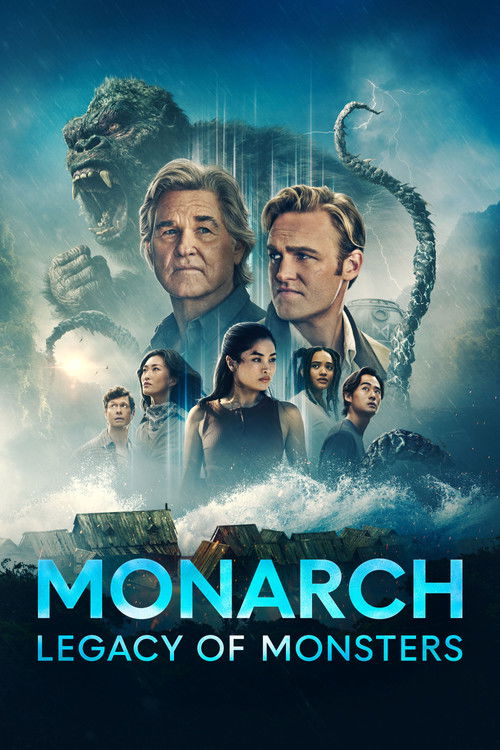
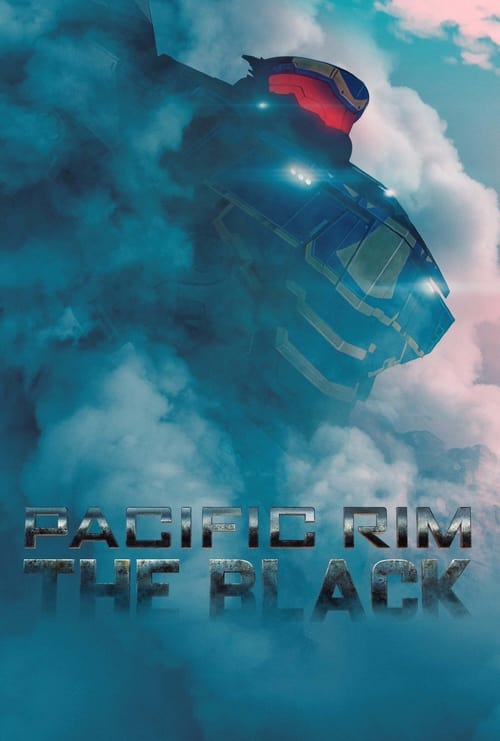
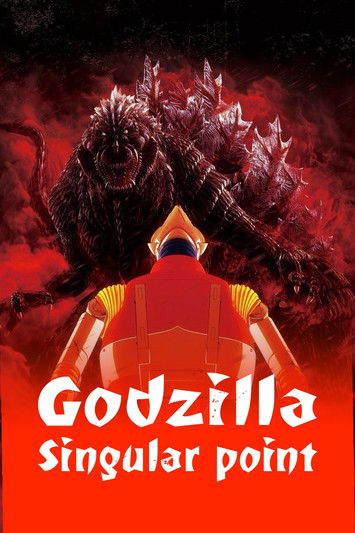

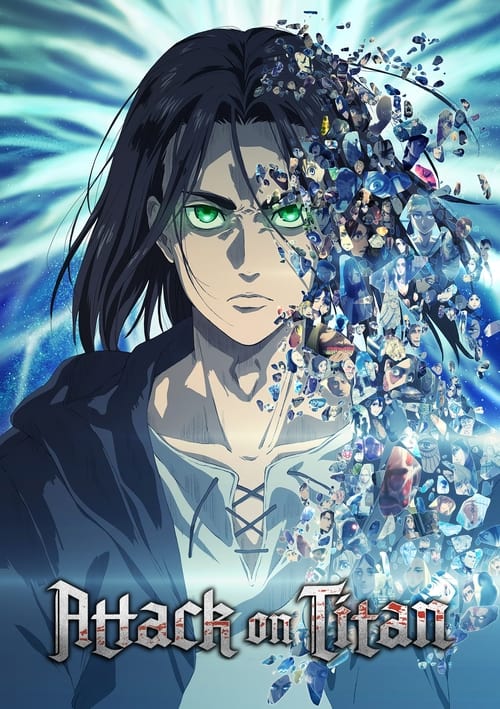
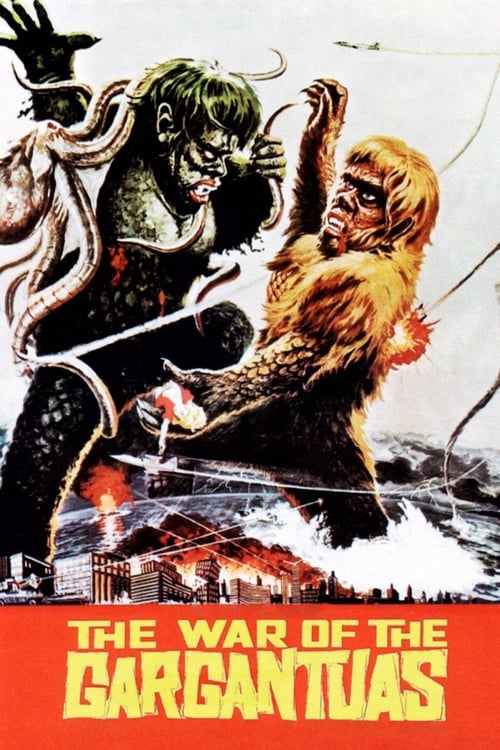
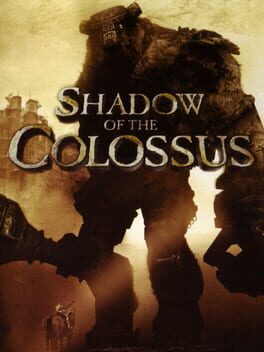
Kaiju in Games
Where you play the monster, or survive it
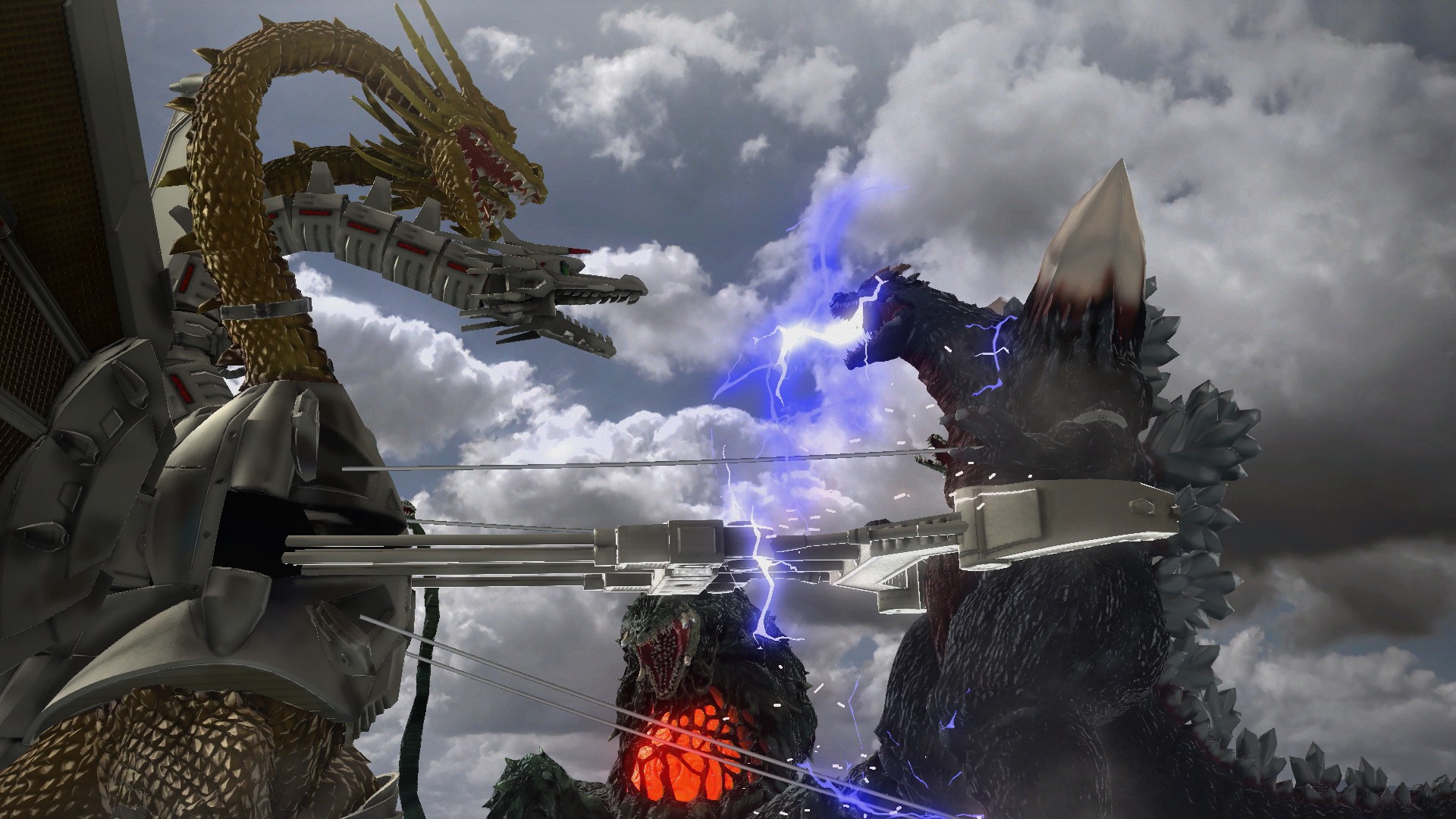
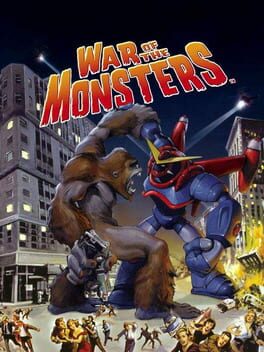
The Literary Kaiju
Novels and books that capture the same overwhelming scale


Godzilla Minus One Reframed the Whole Genre
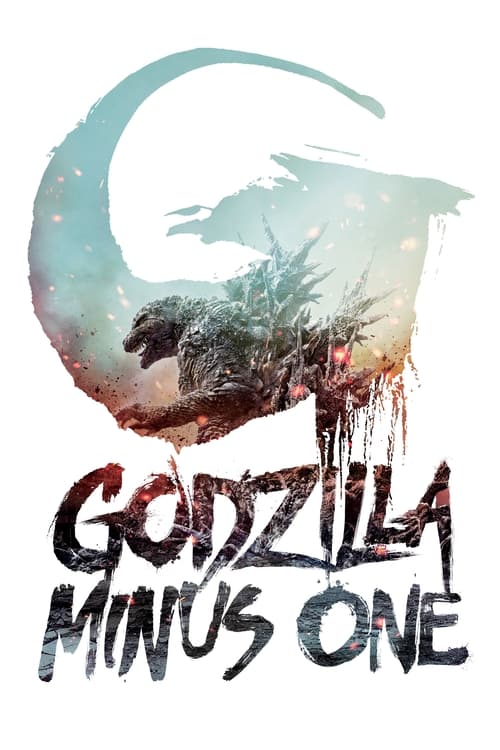
Takashi Yamazaki's 2023 film is not the loudest entry in the Godzilla catalog. It is the most affecting. By stripping the budget back and placing the monster inside a story about postwar guilt and collective survival, it made kaiju horror feel personal again. The destruction lands differently when you know exactly who is standing in the city. It also proved that Godzilla works best as a force of consequence, not a brand.
Shadow of the Colossus Is a Kaiju Game in Disguise
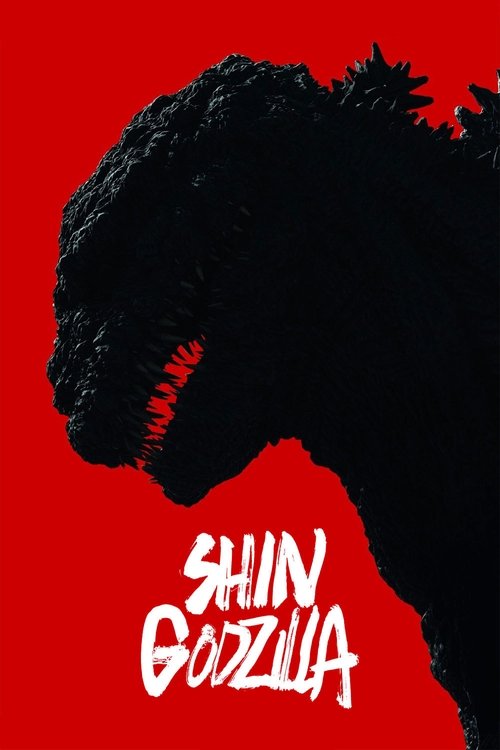
Every encounter in Shadow of the Colossus is a kaiju encounter. You are small. The thing you are fighting is immense, ancient, and not entirely deserving of death. Team Ico's masterpiece transfers the core kaiju emotion, awe mixed with complicity, into a playable space. Completing it leaves the same unsettled feeling as watching Shin Godzilla: you wonder who the real monster was.
The Host Proved Kaiju Can Be a Family Film About Grief
Bong Joon-ho's 2006 creature feature is a kaiju film only in the technical sense. Its actual subject is a dysfunctional family trying to rescue one of their own while the government handles the creature problem incompetently. The monster is practically a metaphor with gills. It widened what kaiju could do dramatically, and it remains one of the genre's genuinely great films regardless of classification.
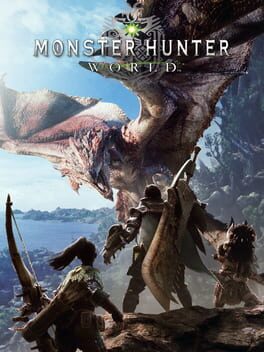
Monster Hunter: World Made Scale Into Gameplay
Monster Hunter: World does not ask you to defeat the monsters so much as study them. Every hunt begins with observation: watching how the creature moves, where it feeds, what wounds it carries. Capcom's ecosystem design makes you feel like a small agent in a world that genuinely belongs to these animals. The scale is not decorative. It is the game.
Kaiju: A Timeline of Key Moments
- 1954Godzilla debuts in Japan, establishing the genre and its nuclear subtext Godzilla
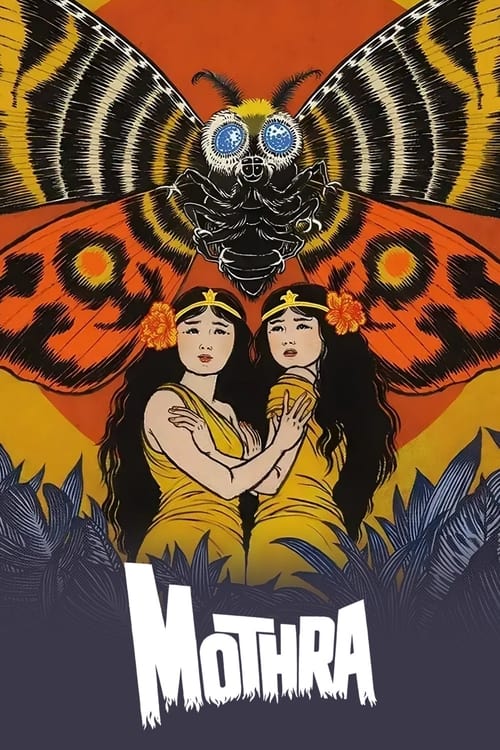
- 1961Mothra introduces a kaiju as protector rather than destroyer Mothra
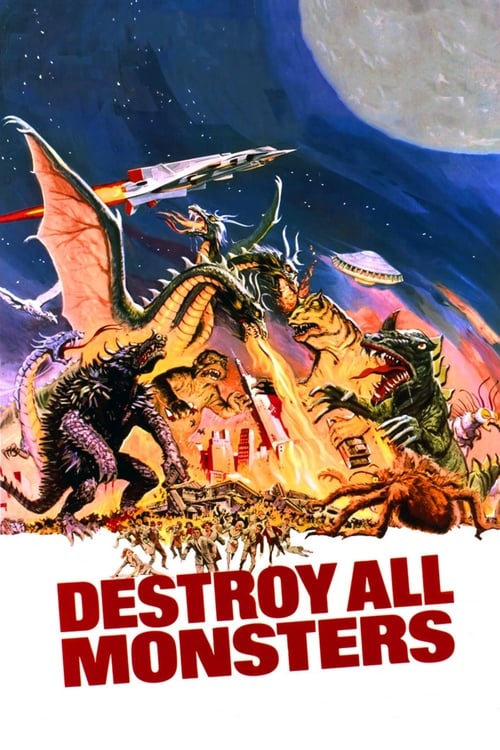
- 1968Destroy All Monsters assembles the full Toho roster for the first time Destroy All Monsters
- 1984The Return of Godzilla relaunches the franchise with Cold War dread The Return of Godzilla
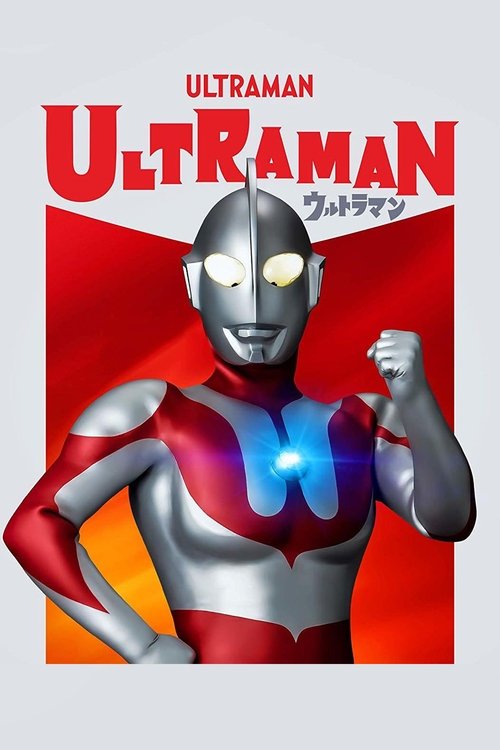
- 1954Ultraman begins its television run, making kaiju-scale battles a weekly ritual Ultraman
- 2001Shadow of the Colossus concept origins; released 2005, redefines kaiju-scale in games Shadow of the Colossus
- 2006Bong Joon-ho's The Host makes kaiju genre-fluid The Host
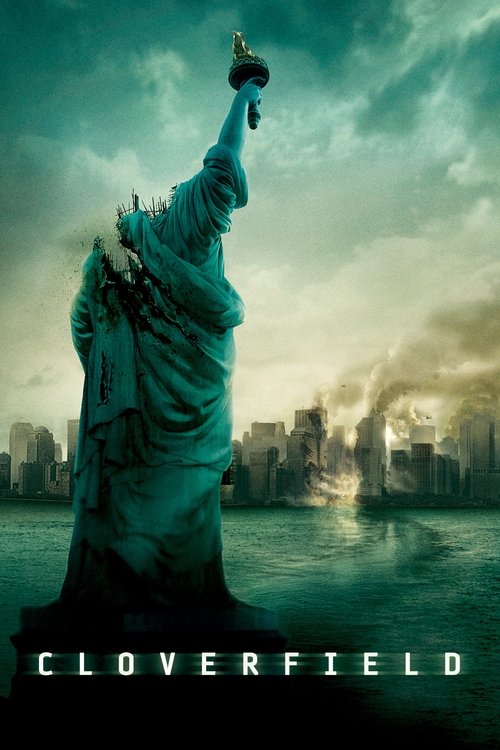
- 2008Cloverfield brings found-footage street-level terror to kaiju Cloverfield
- 2013Pacific Rim delivers the pure mech-vs-monster fantasy at blockbuster scale Pacific Rim
- 2016Shin Godzilla reimagines the monster as bureaucratic and institutional horror Shin Godzilla
- 2018Monster Hunter: World becomes the franchise's global mainstream breakthrough Monster Hunter: World
- 2023Godzilla Minus One wins the Academy Award for Visual Effects, the first Japanese film to do so Godzilla Minus One
Giant monsters and catastrophic scale
Kaiju & Giant Monsters
Explore the Kaiju & Giant Monsters guide →The kaiju does not hate you. That is the point. Hatred would make it comprehensible.CrossBinge editors